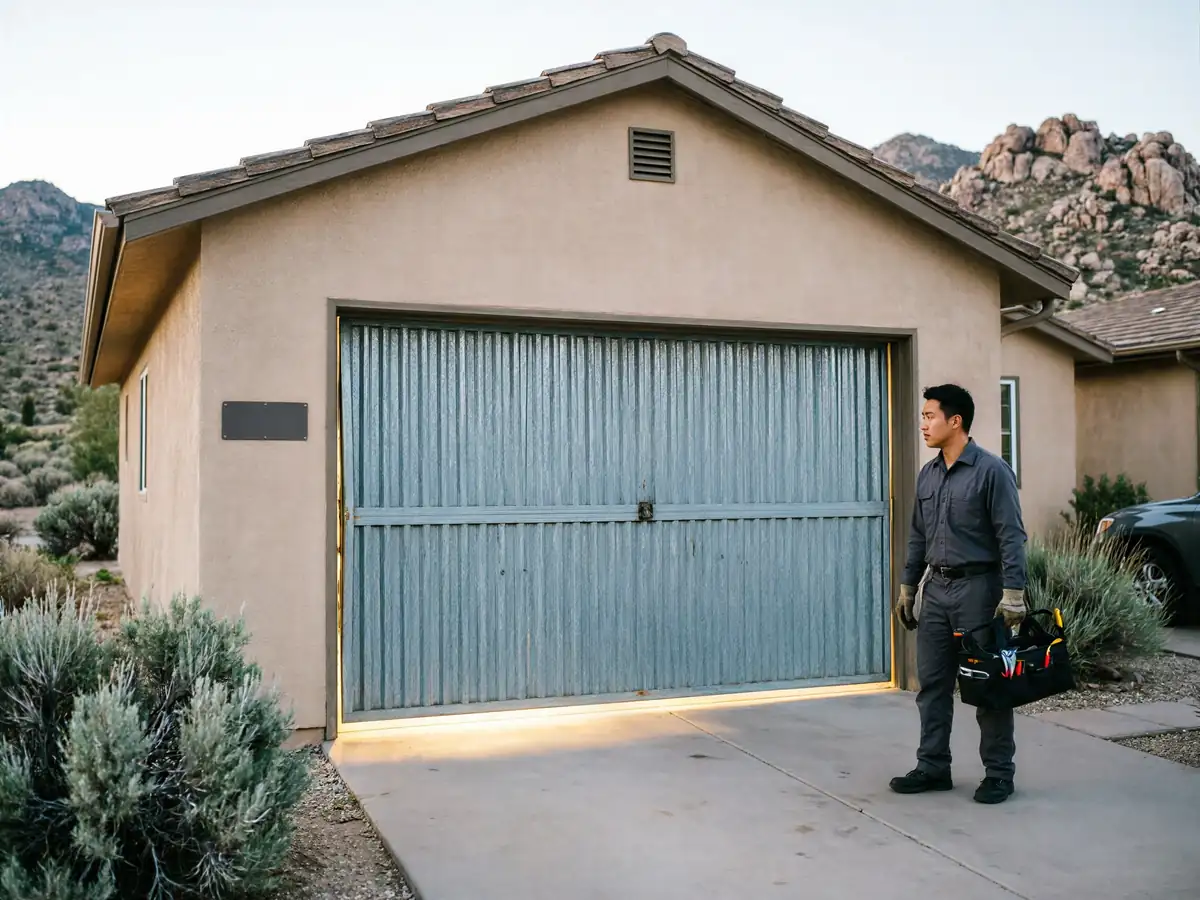
The Houses Here
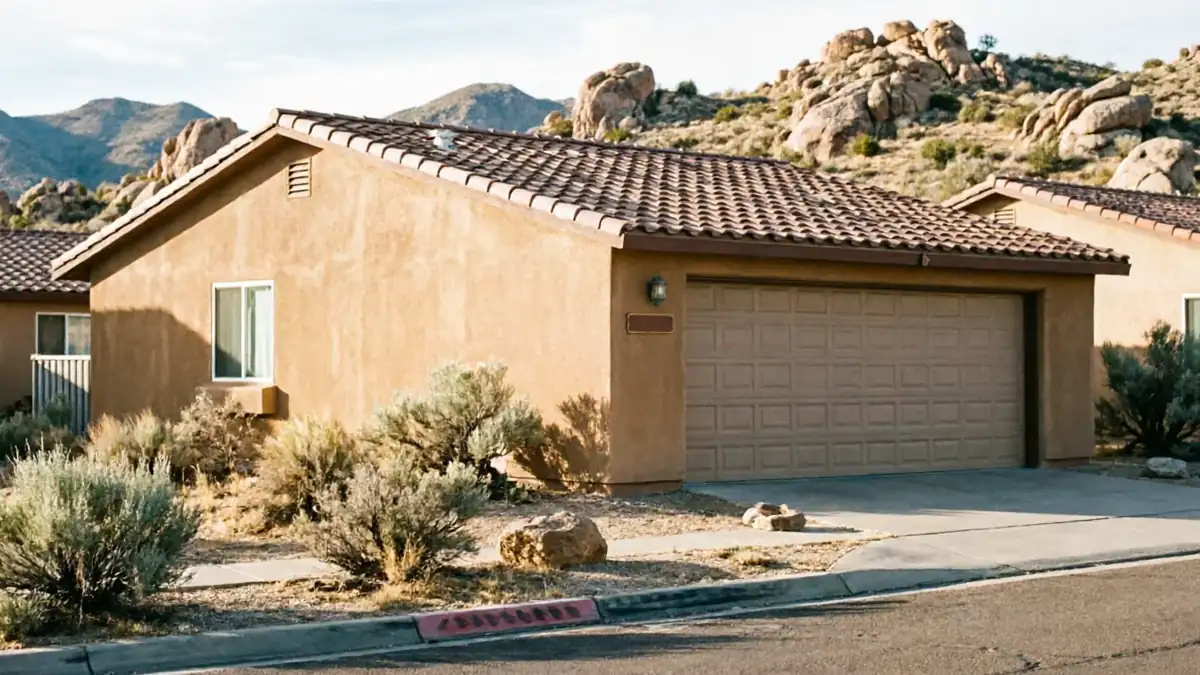
Garnet's housing stock runs newer than a lot of what Palm Springs Garage Door Pros covers. The median year built out here lands around 1994, which puts most of the neighborhood on the later end of the 1968-1999 range that spans the company's full 13-area territory, where the overall median sits closer to 1986. That ten-year gap matters more than it sounds like it should, because garage doors and openers from the early 1990s are a different animal than the ones installed in the 1970s.
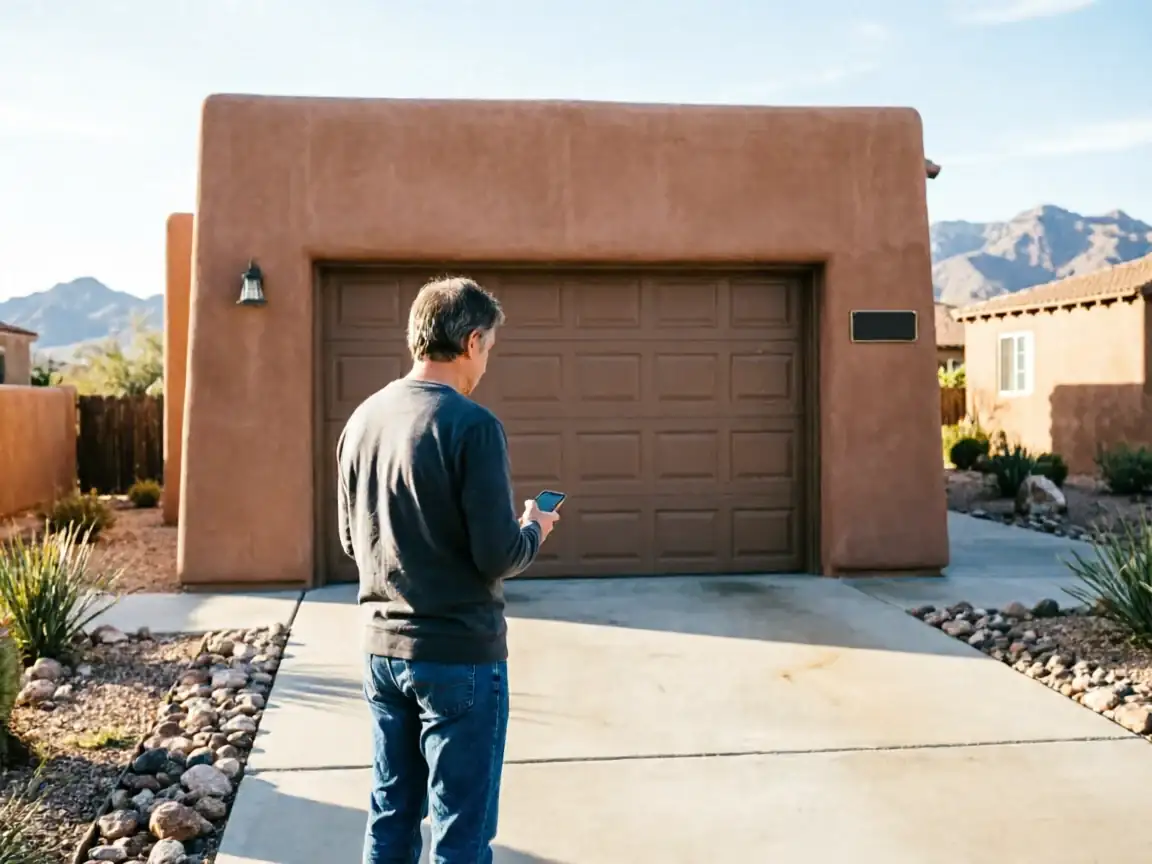
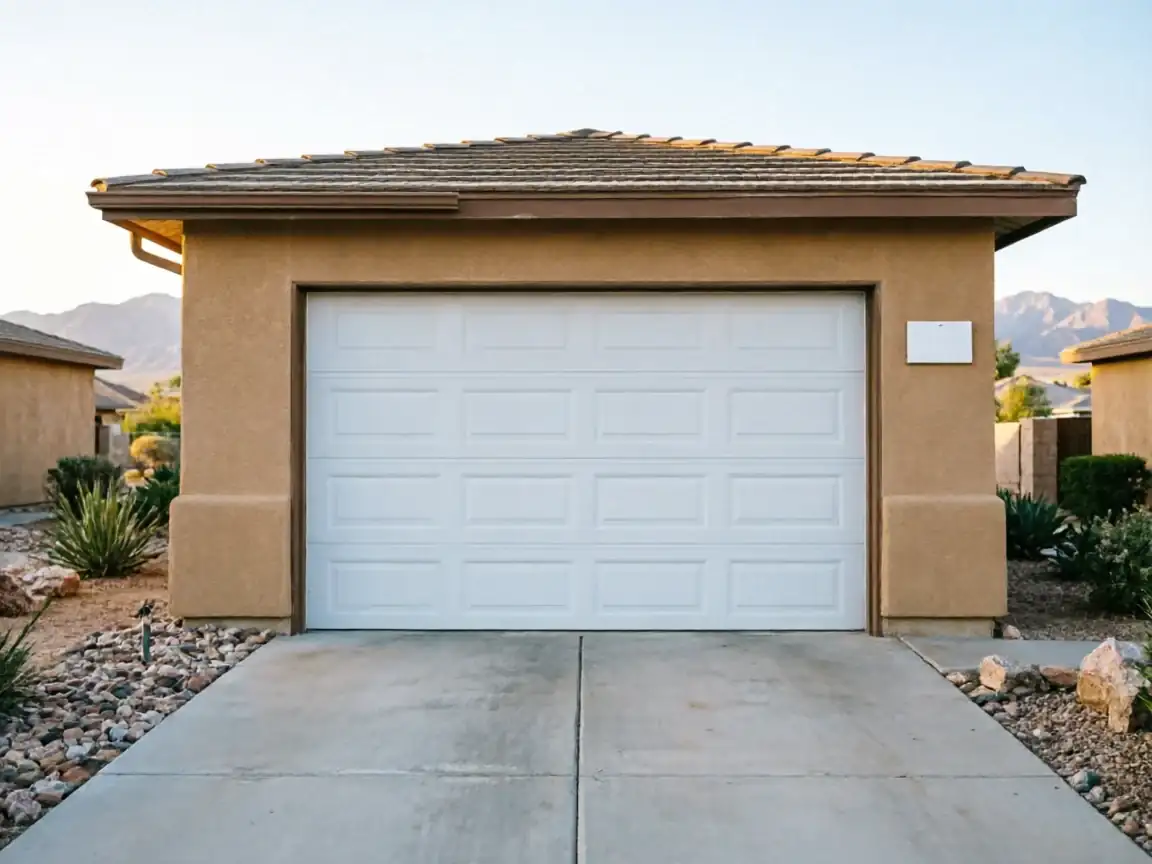
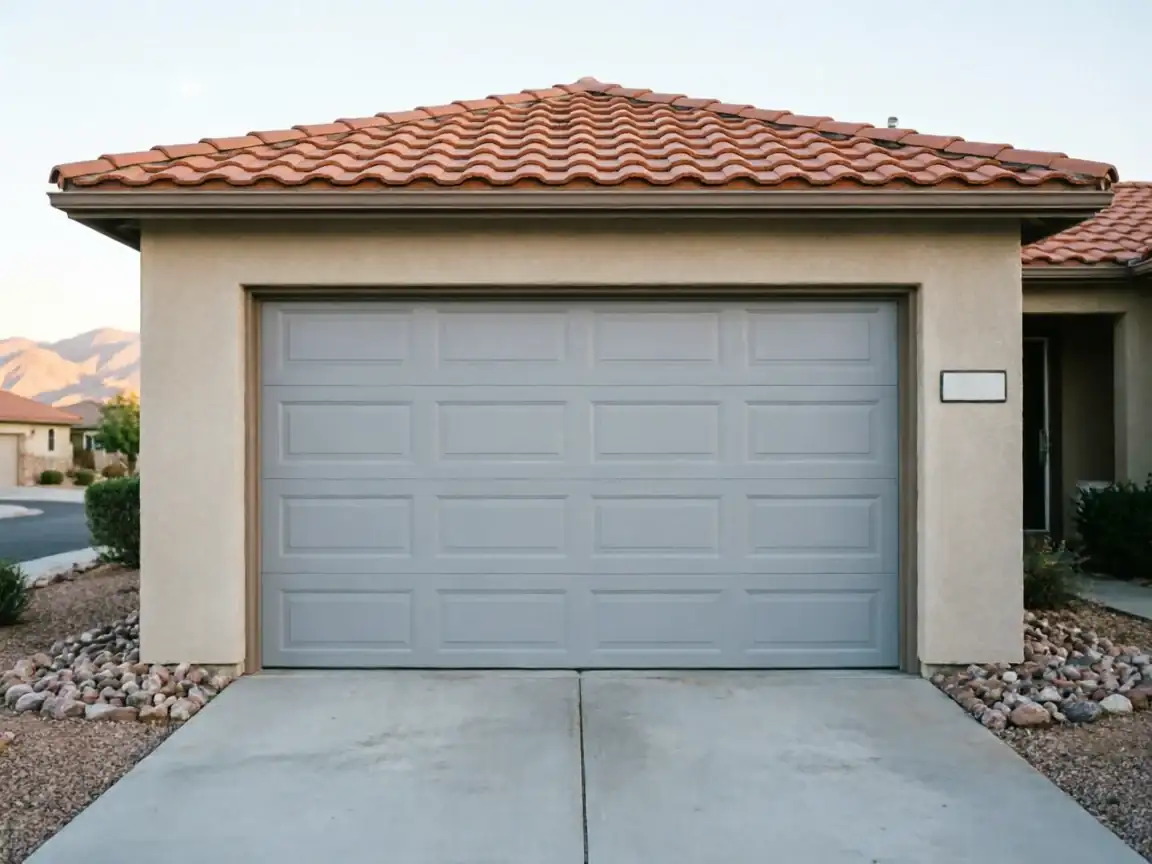
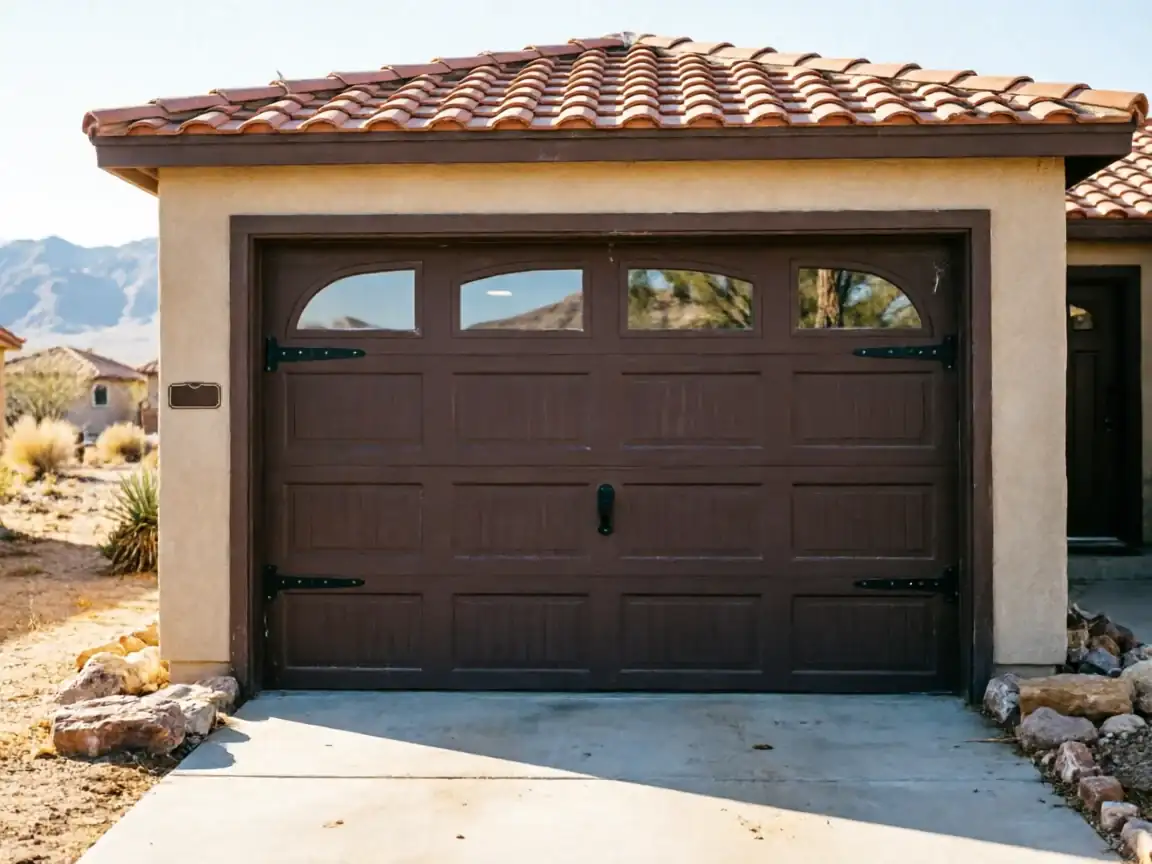
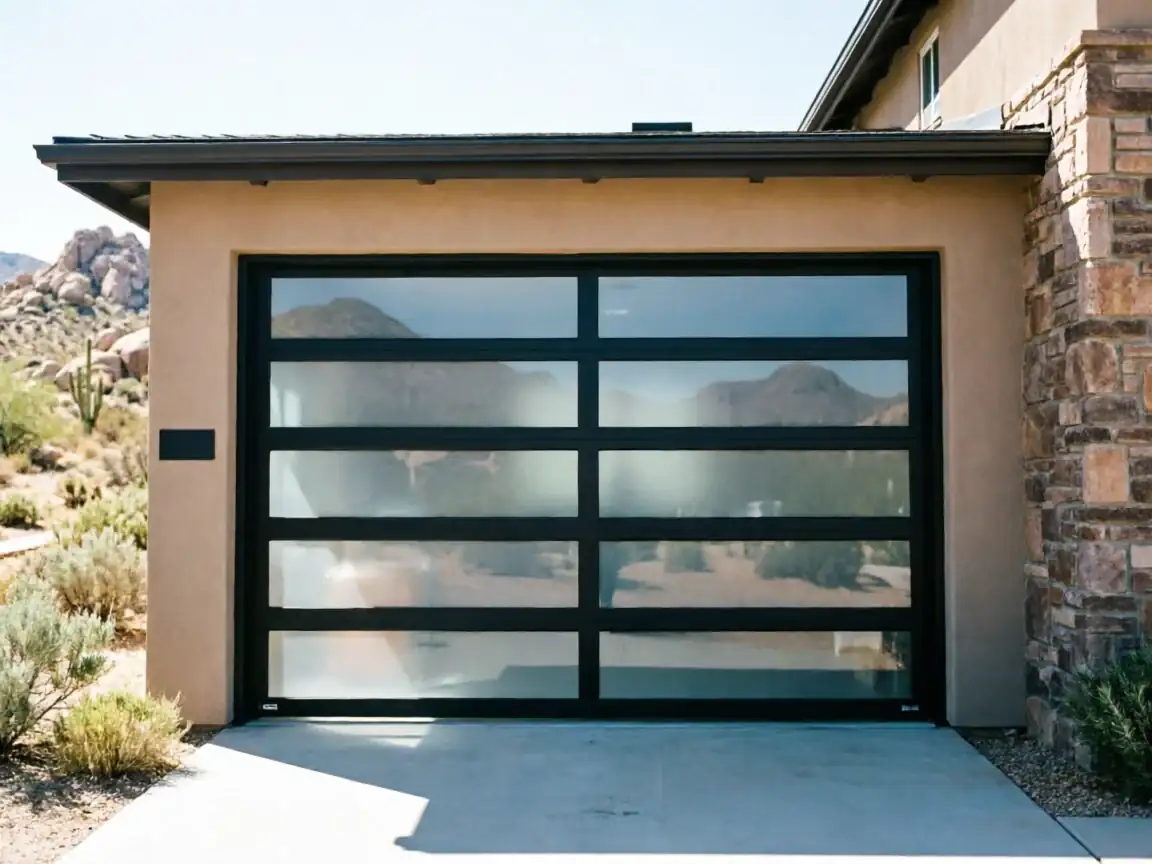
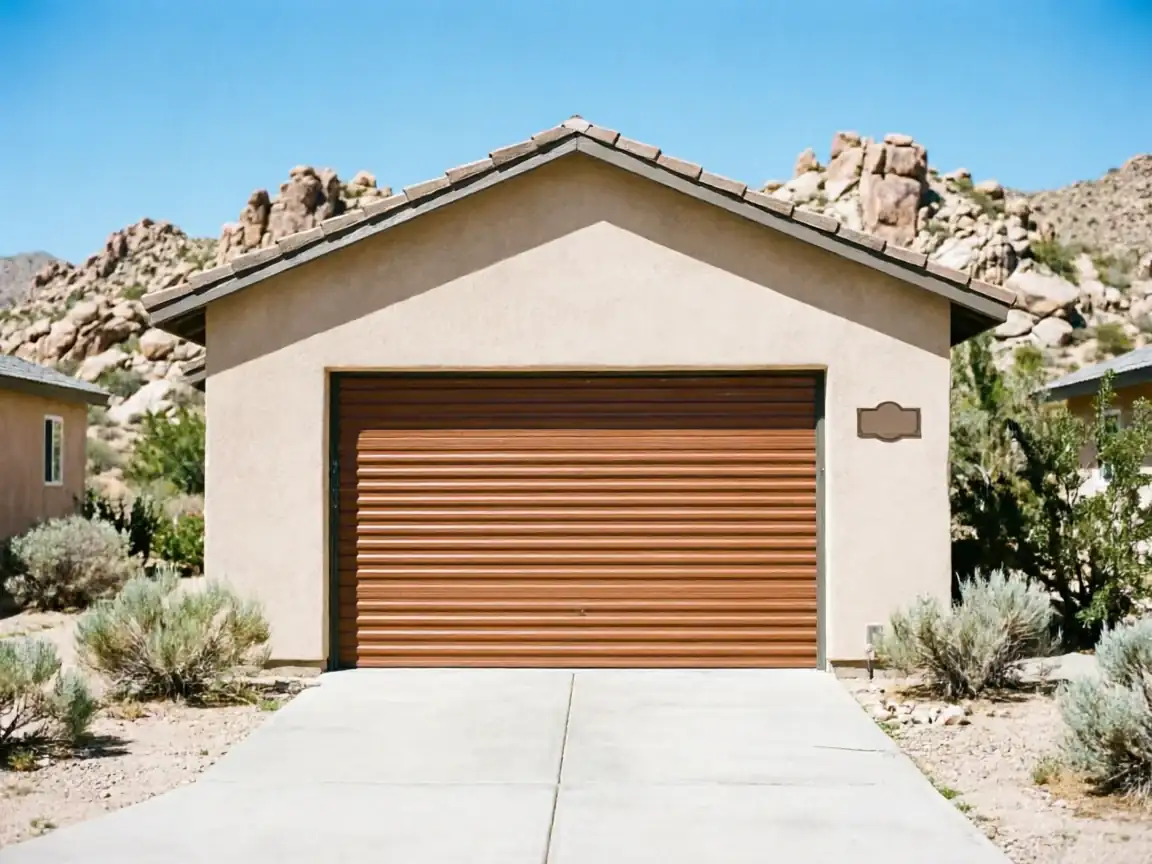
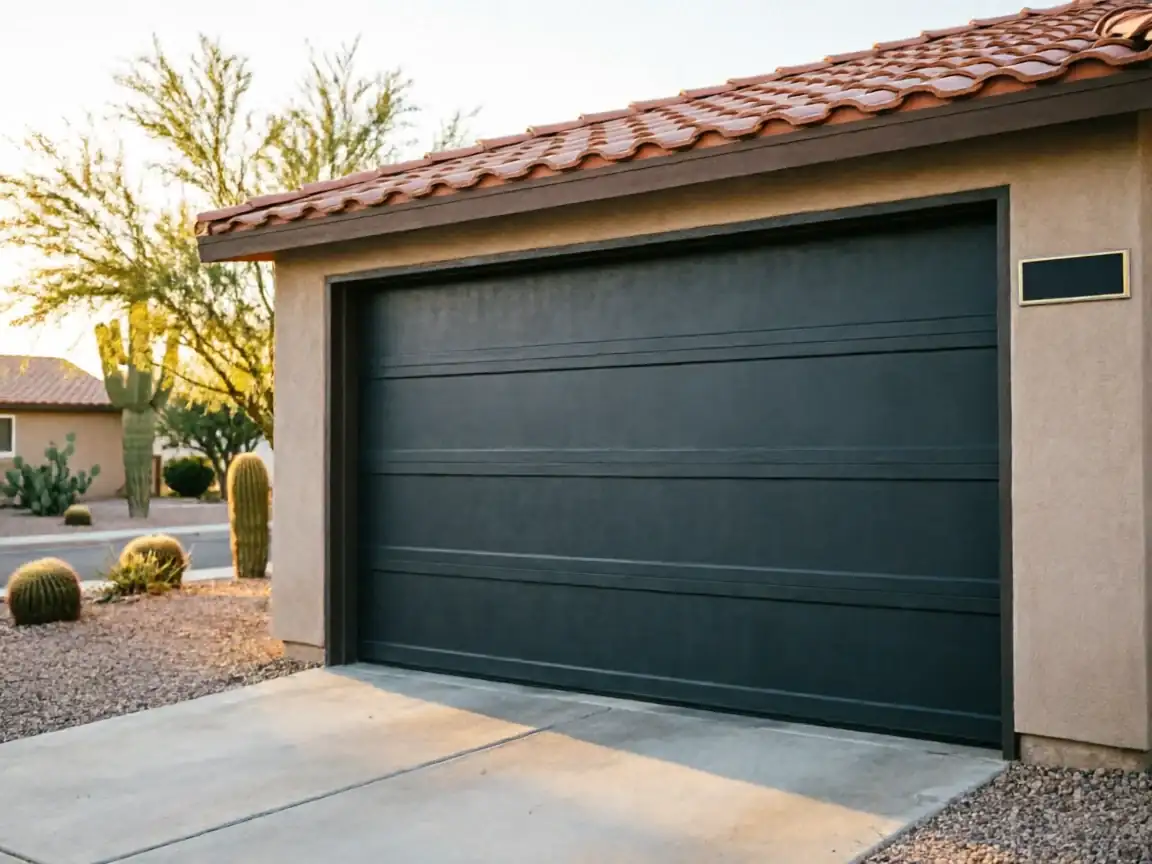
With about 2,119 households in Garnet, this is one of the smaller pockets in the service area, not a dense tract with thousands of near-identical builders' doors. Most of what you'll find are single garage or two-car attached garages built to the codes and materials standard in the 1990s desert building boom - steel sectional doors, factory-set torsion springs, and openers that were often chain-drive units sold with the house.
Median household income here runs about $63,082, a bit under the $69,704 median for the wider service area. That doesn't change how a door breaks, but it's often part of the conversation when a homeowner is deciding between a repair and a full replacement.
What the Housing Means for Your Door
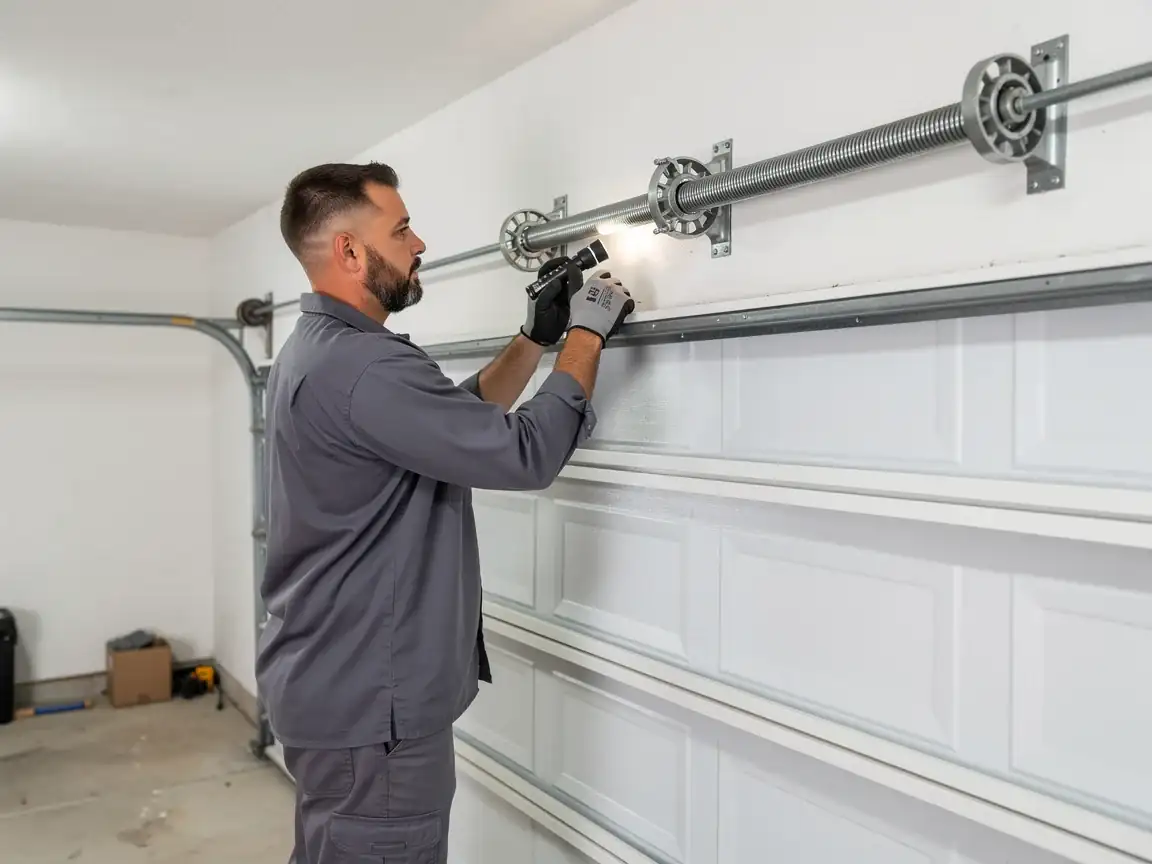
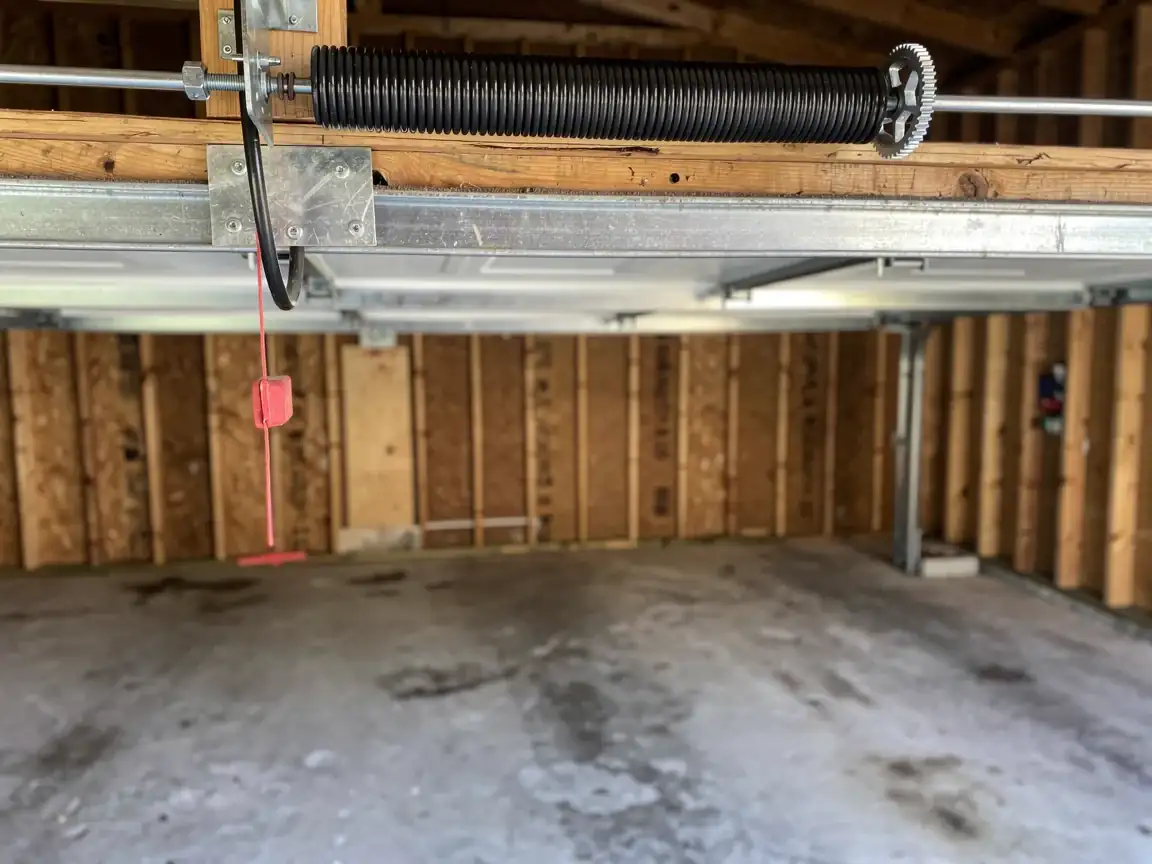
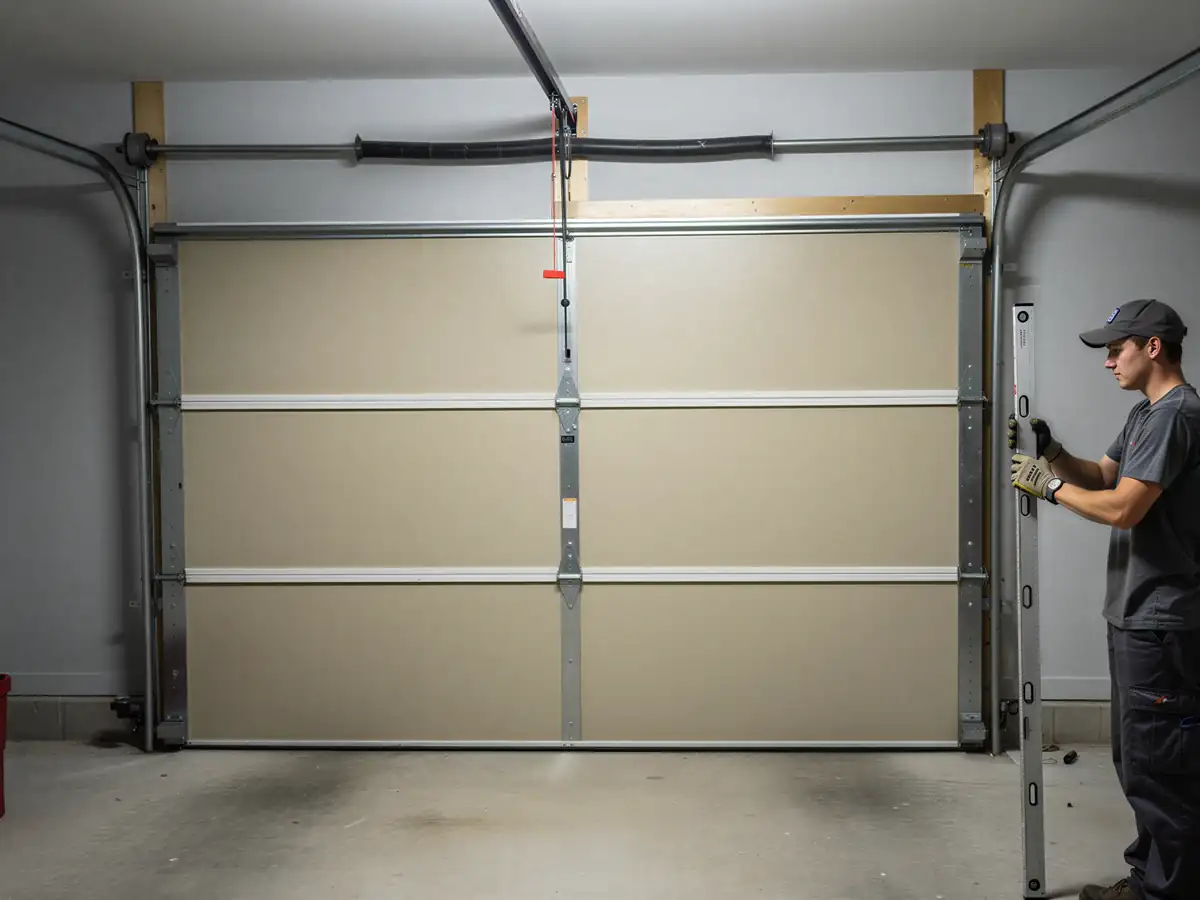
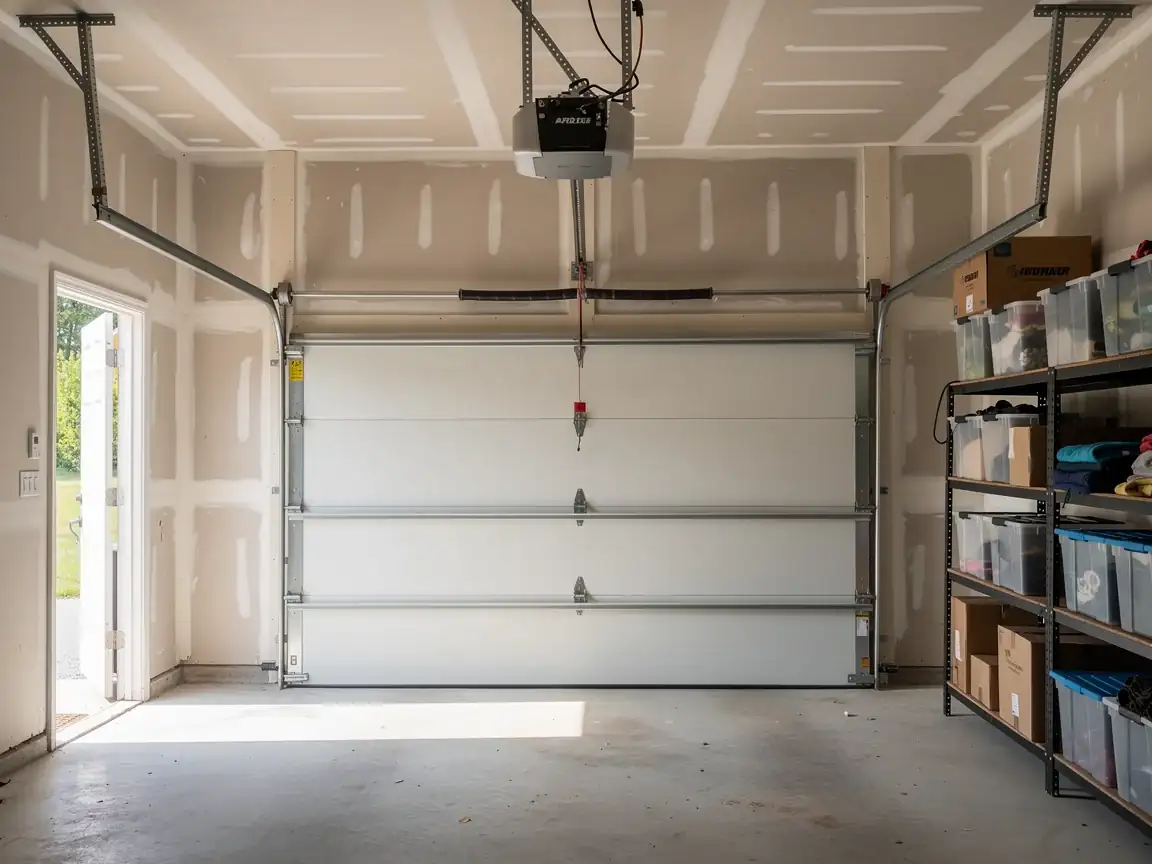
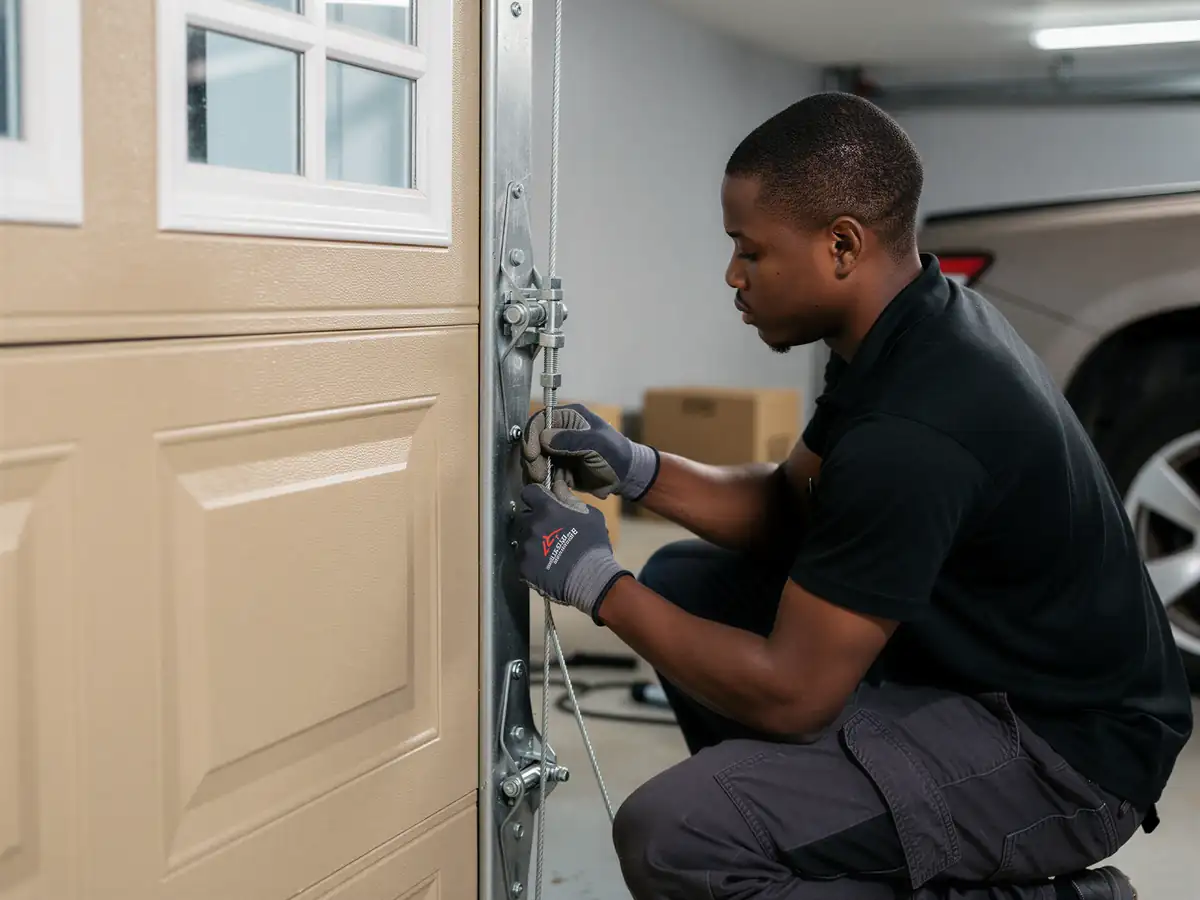
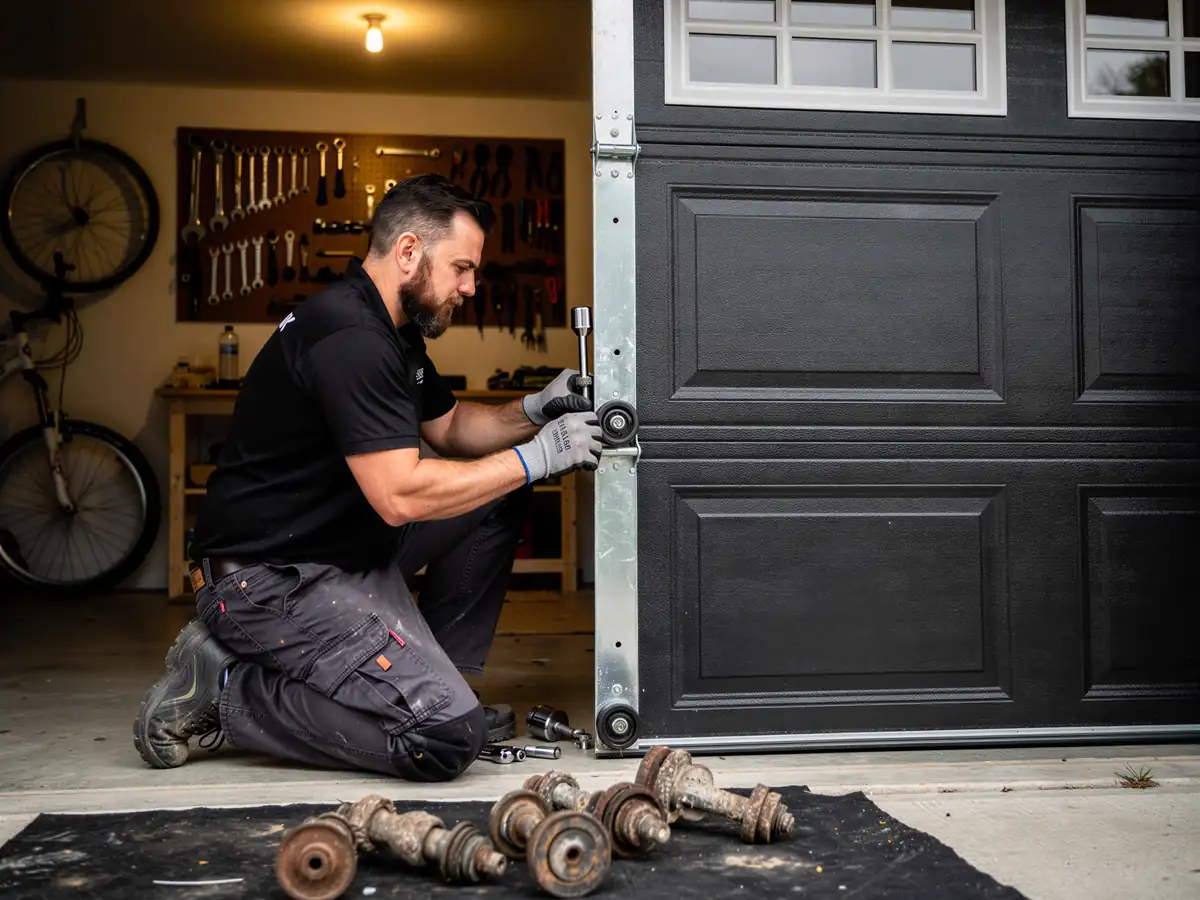
A door installed when a house was built in 1994 is not the same door, mechanically, as one from a 1970s tract home. By the early 1990s, torsion spring systems above the door were standard on most new construction in this part of the desert, replacing the older side-mounted extension springs. That means when a spring goes in Garnet, it's more often a single torsion spring on a center shaft - a different repair, with different parts, than the two side springs you'd see on an older build.
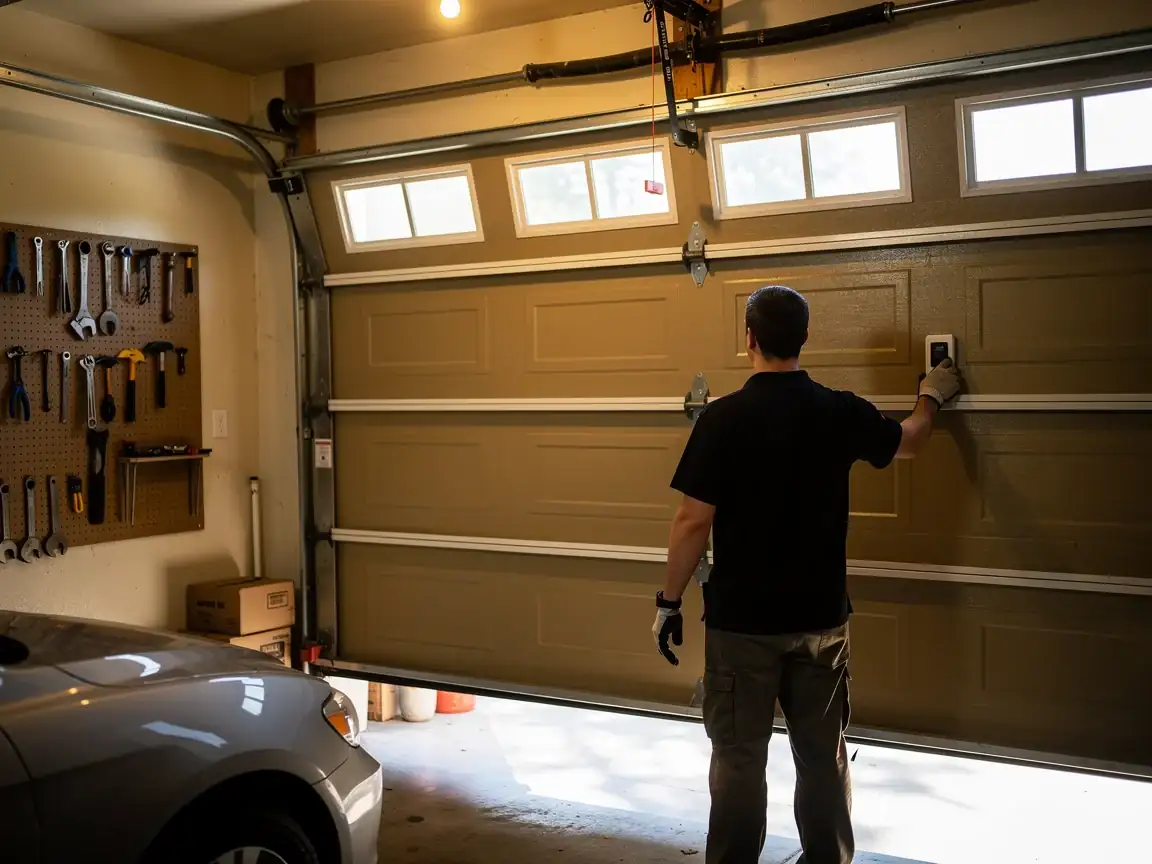
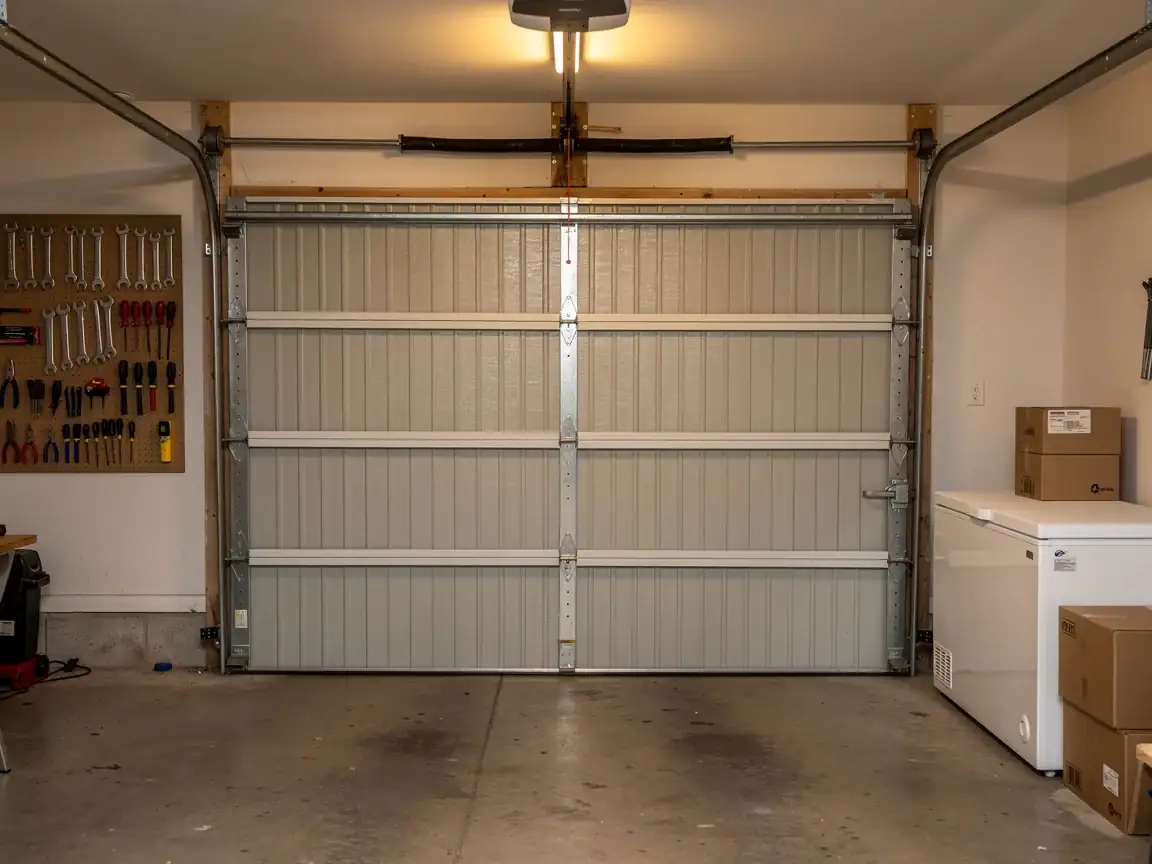
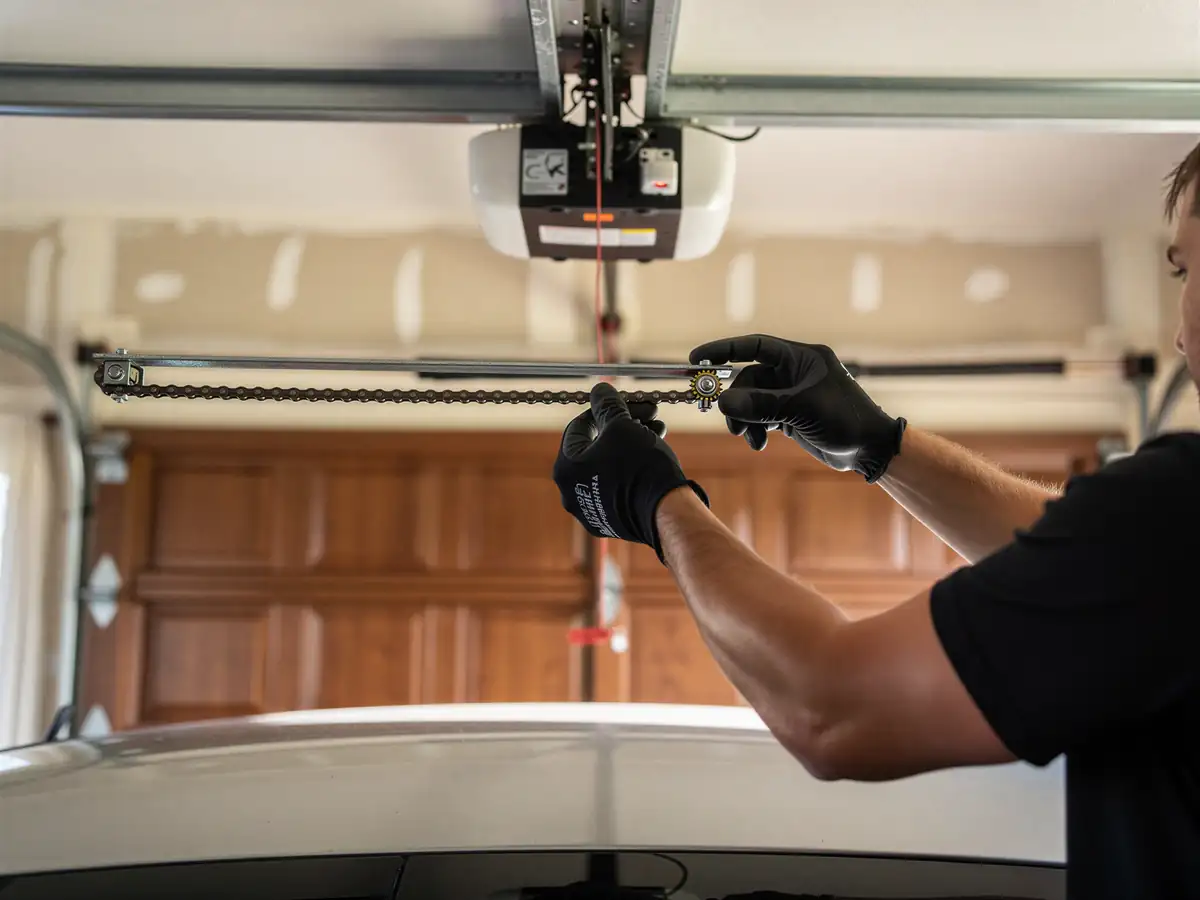
Openers from that era are usually original chain-drive units, now well past any reasonable service life, and a lot of them have never had the limit switches or safety sensors upgraded. Given this area sits in a severe heat climate band, opener logic boards and belt/chain tensioners take a beating from sustained high temperatures - plastic gears get brittle, lubricant dries out faster than it would somewhere milder.
One honest limitation: if a 1990s-era opener has a proprietary circuit board that's no longer made, we're not going to pretend a repair kit exists. At that point, replacing the opener head is usually the straight answer, not patching around a part nobody stocks anymore.
Getting Here
Garnet sits about 9 miles from Palm Springs
Which is where Palm Springs Garage Door Pros runs from. There's no branch location in Garnet itself - this is a company that drives out for every job, not one with a sitting crew or a local counter you can walk into.
- 9 miles
That distance isn't a big deal for scheduling a repair
But it's worth knowing upfront: the truck is coming from Palm Springs, same as it would for any of the other communities in the territory. If you're comparing this company to an outfit that's actually based in Garnet, you won't find one listed here - what you get instead is a crew that covers Garnet as part of a wider route through the desert, same day of the week they're already out this way for other calls.
Older vs Newer Streets
Even within Garnet, the build years aren't all the same. Some of the stock here lines up with the earlier end of the area's 1968-1999 range, closer to the service-area median of 1986, while other sections reflect the newer end, closer to Garnet's own 1994 median. That split shows up in the hardware.
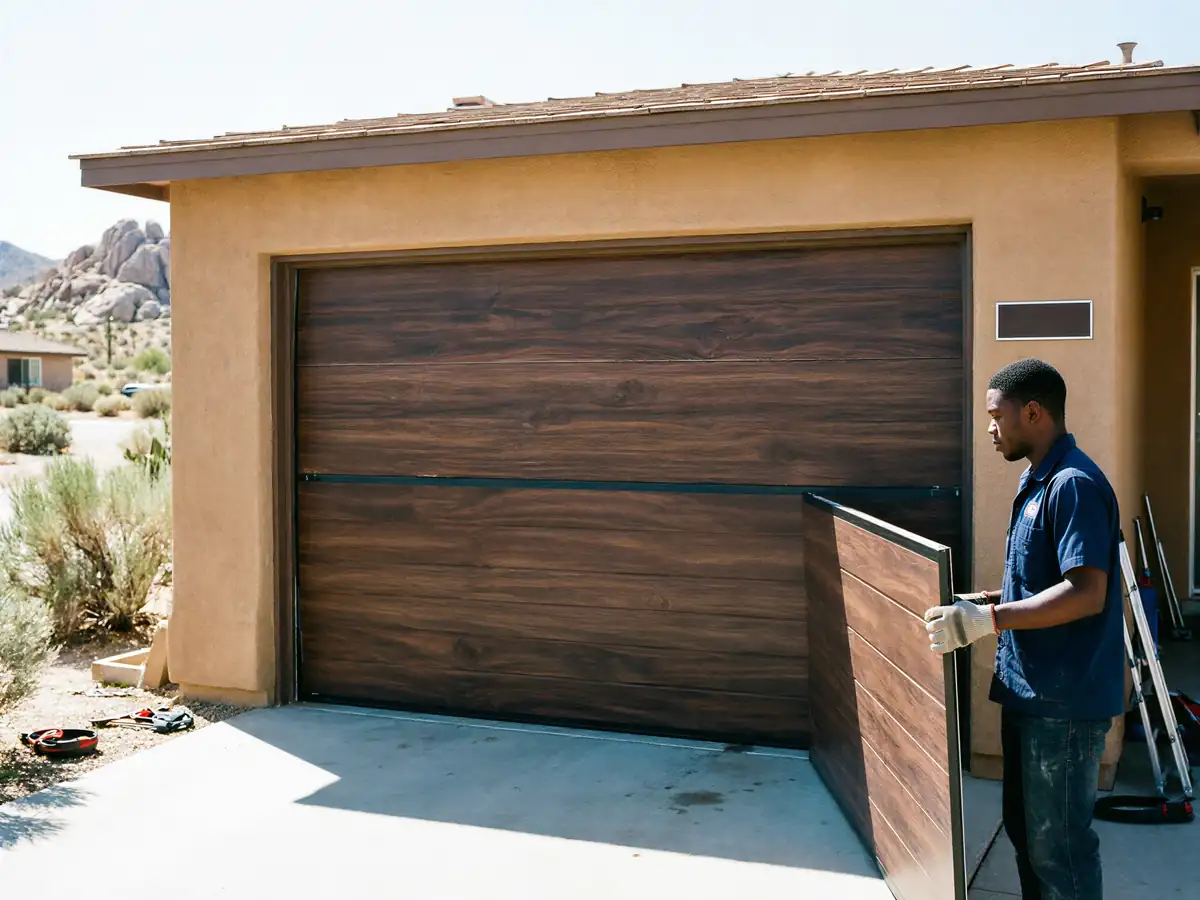
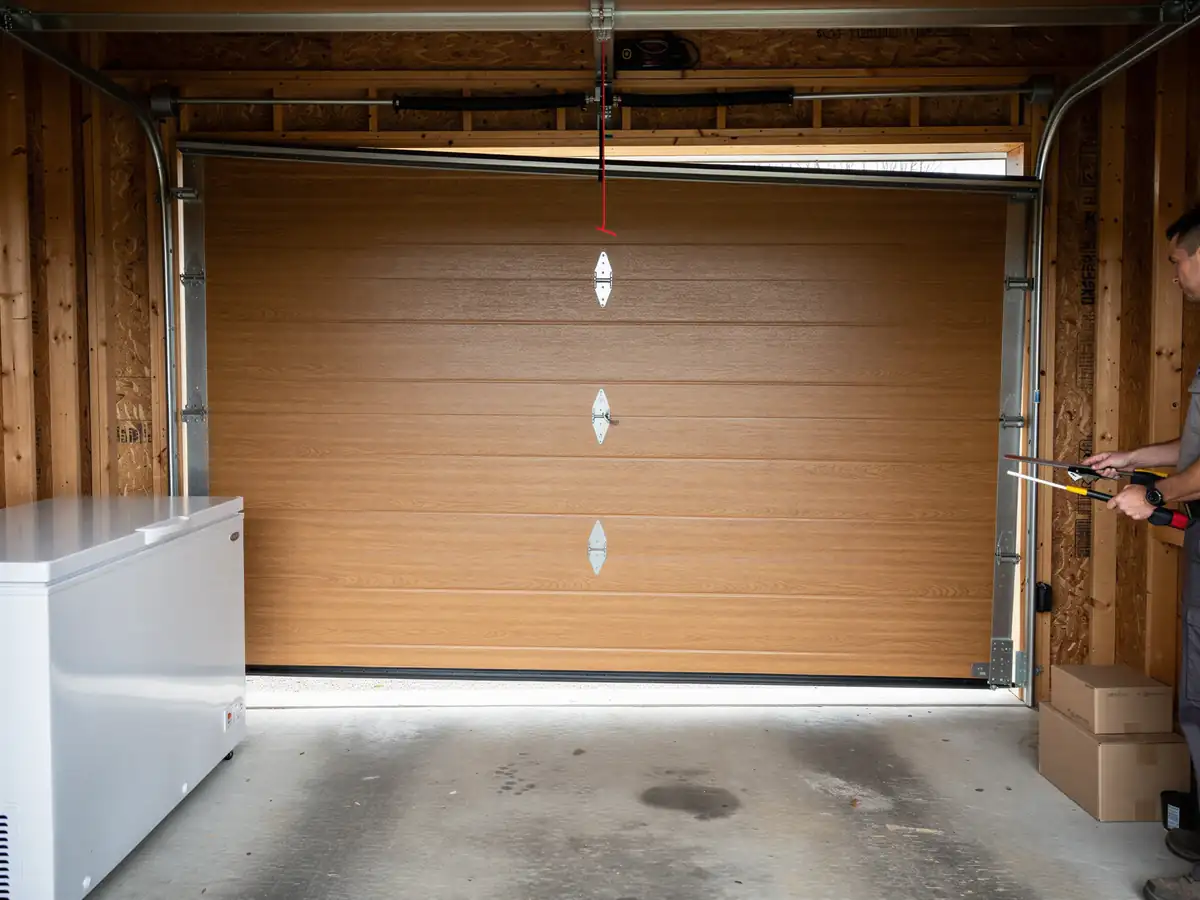
An older street - built closer to the 1970s or early 1980s - is more likely to still have original extension springs mounted along the horizontal tracks, with a lighter-gauge door panel that wasn't built for today's heavier insulated sections. A newer street, closer to that 1994 median, is more likely to have torsion hardware and a slightly heavier steel door, but the opener is often the weak point instead of the spring.
Neither era is