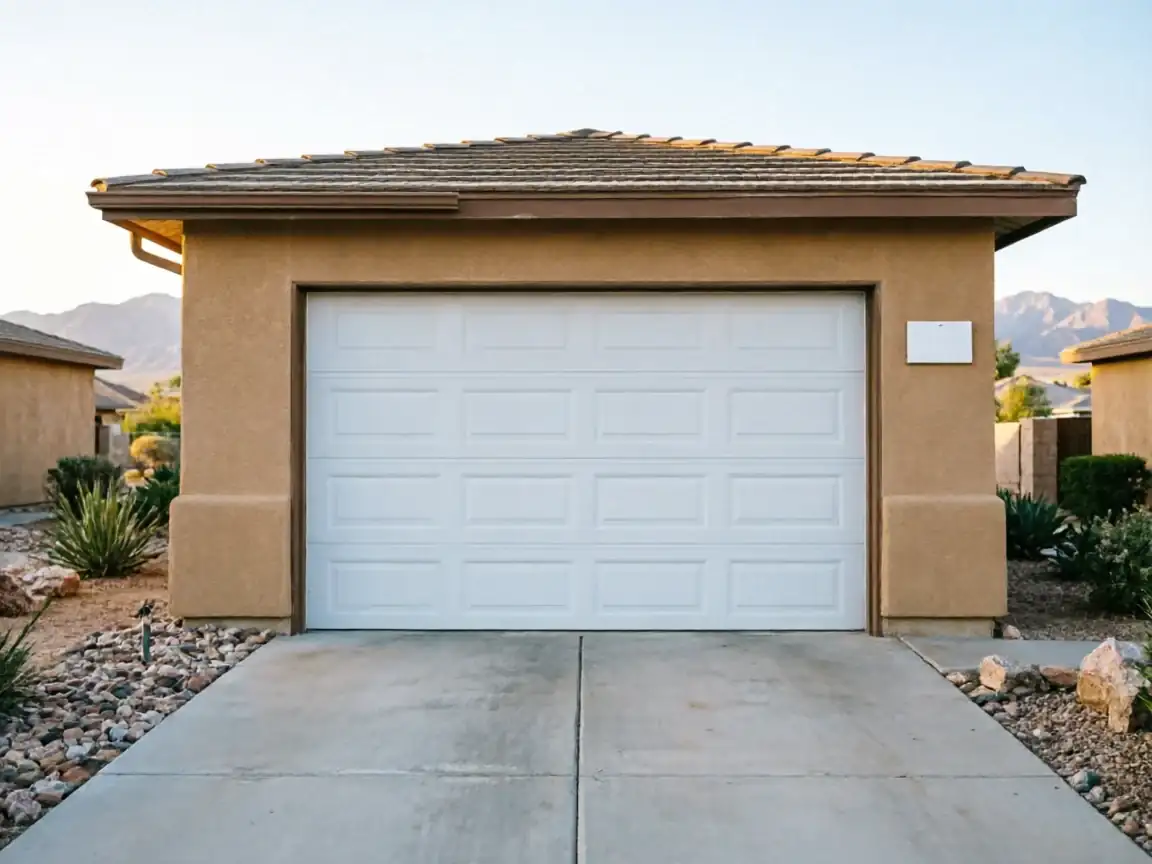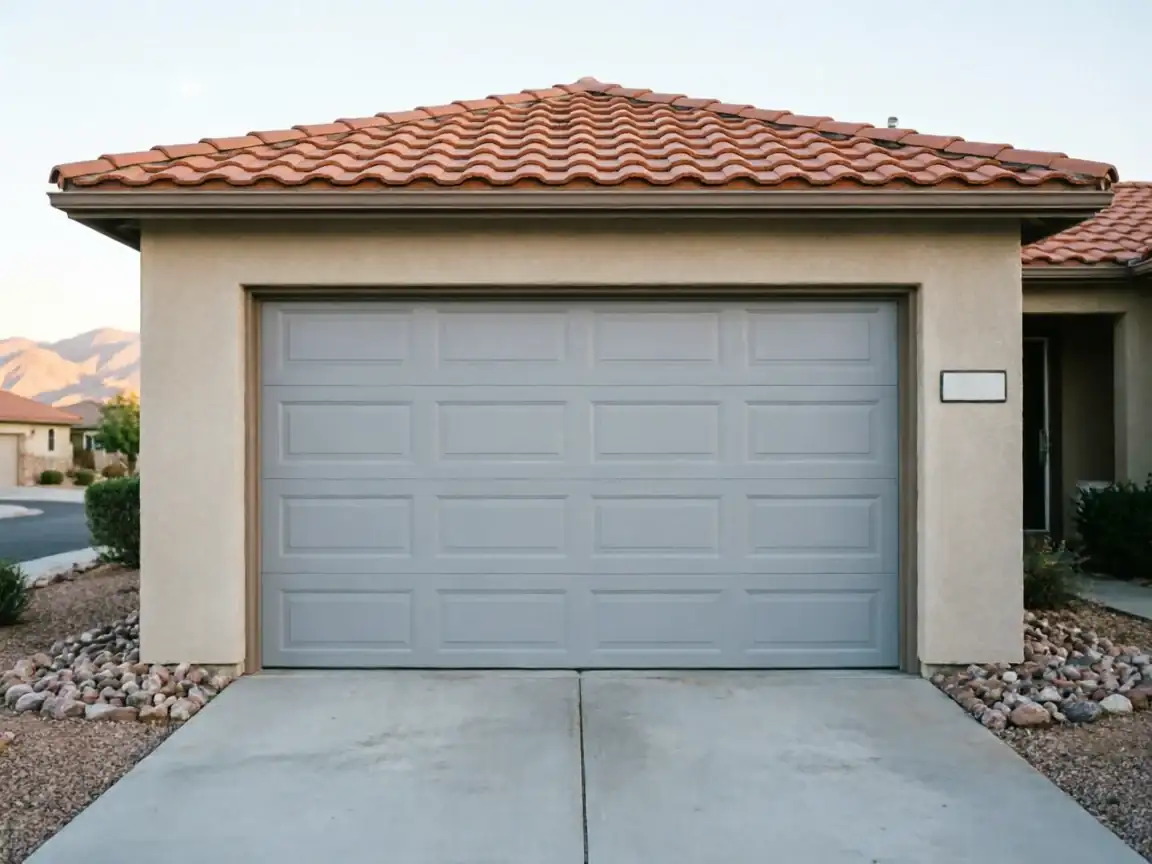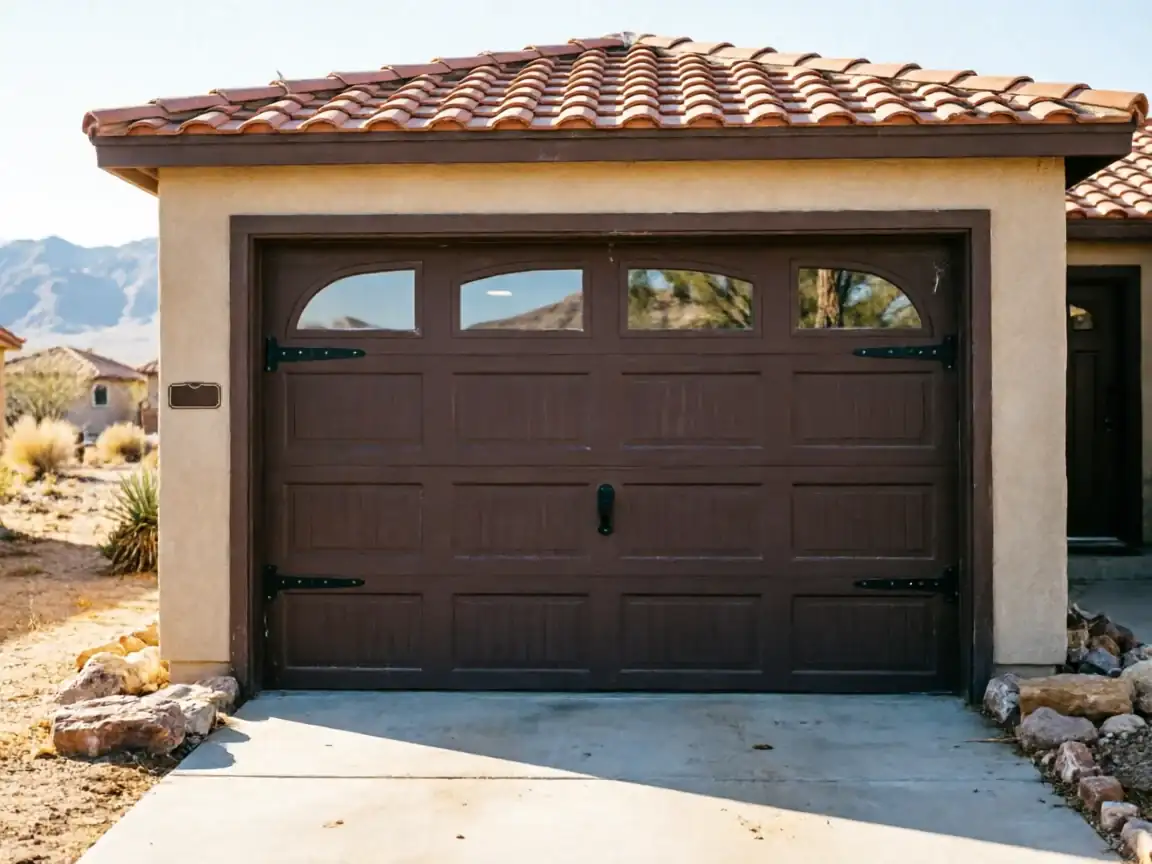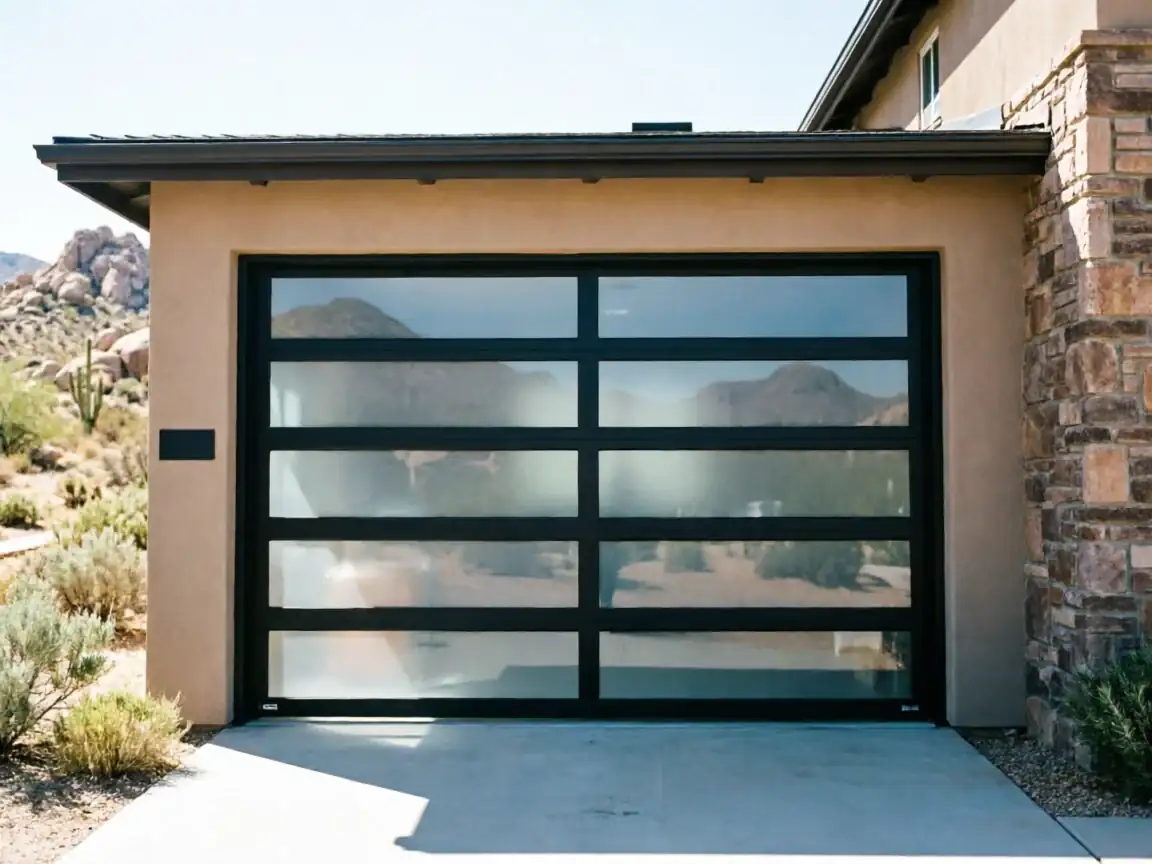
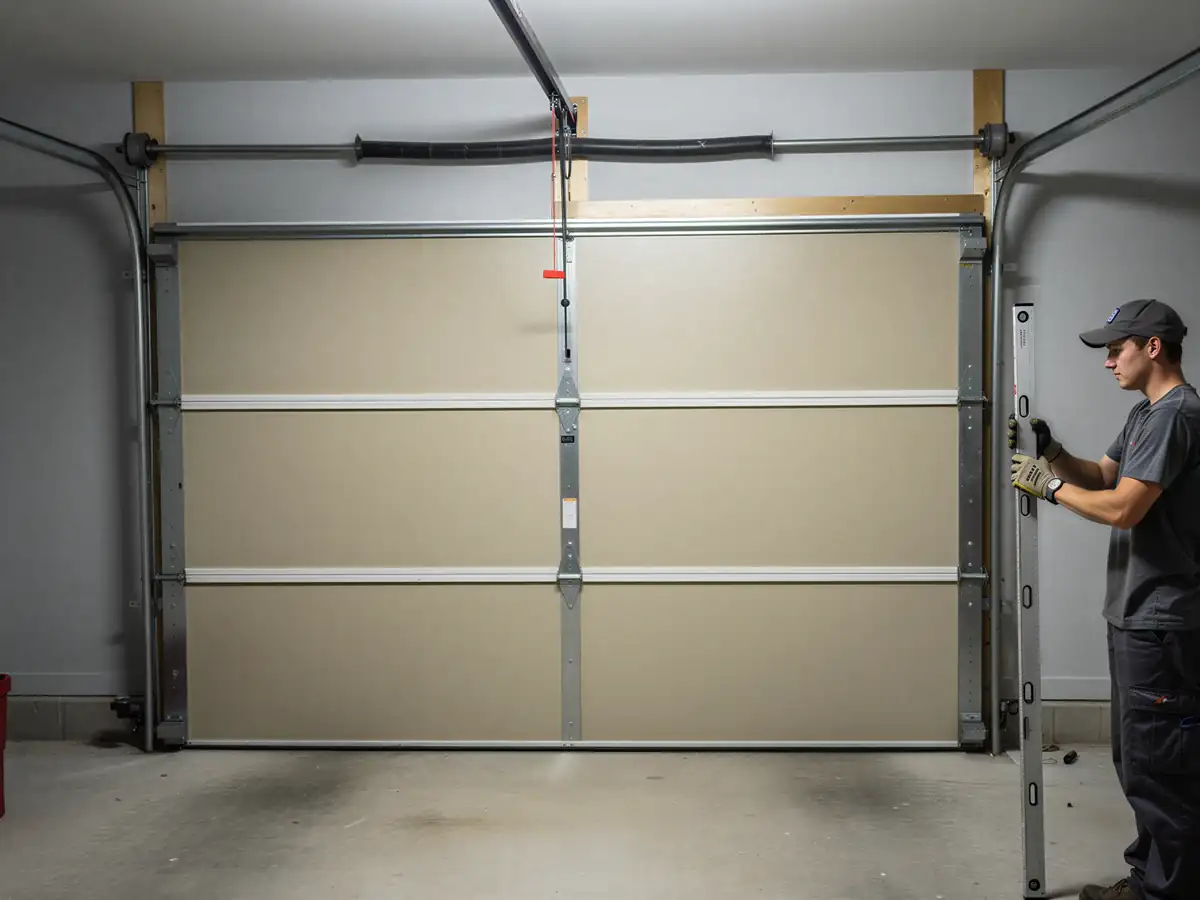
Why This Fails Locally
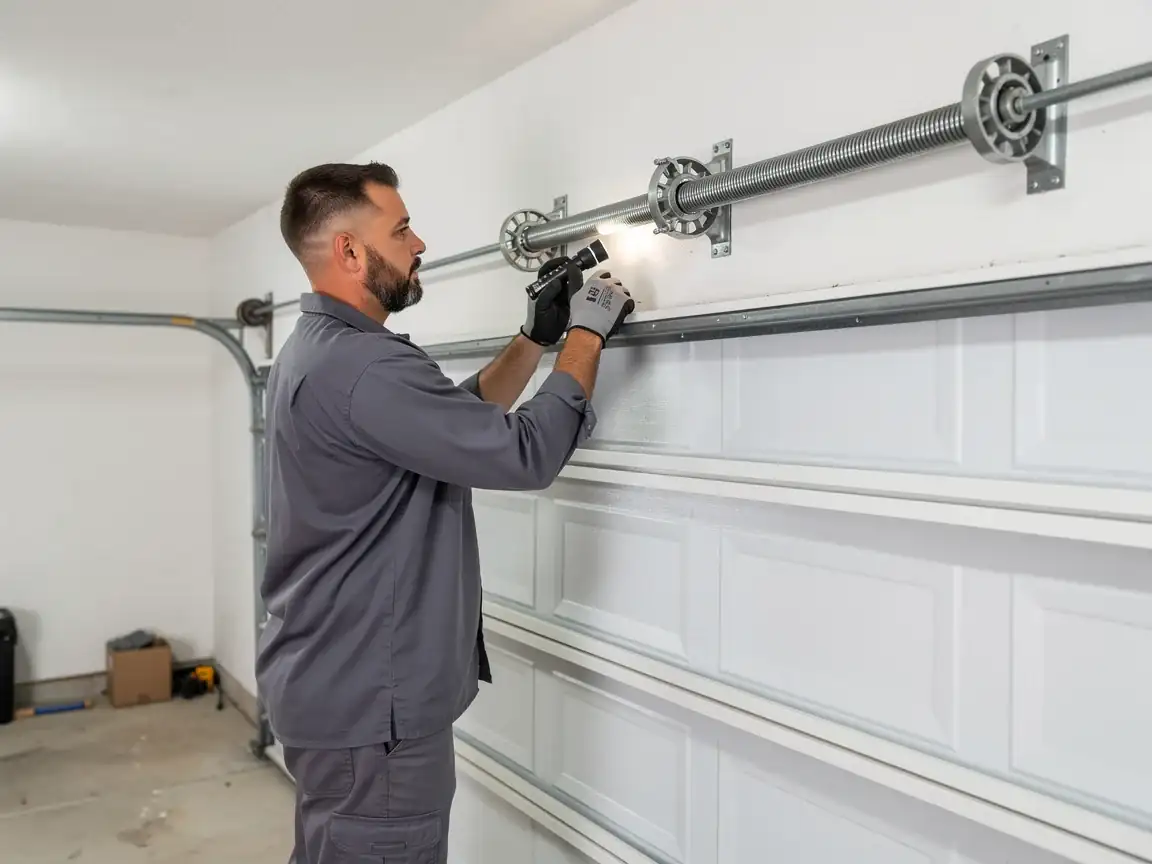
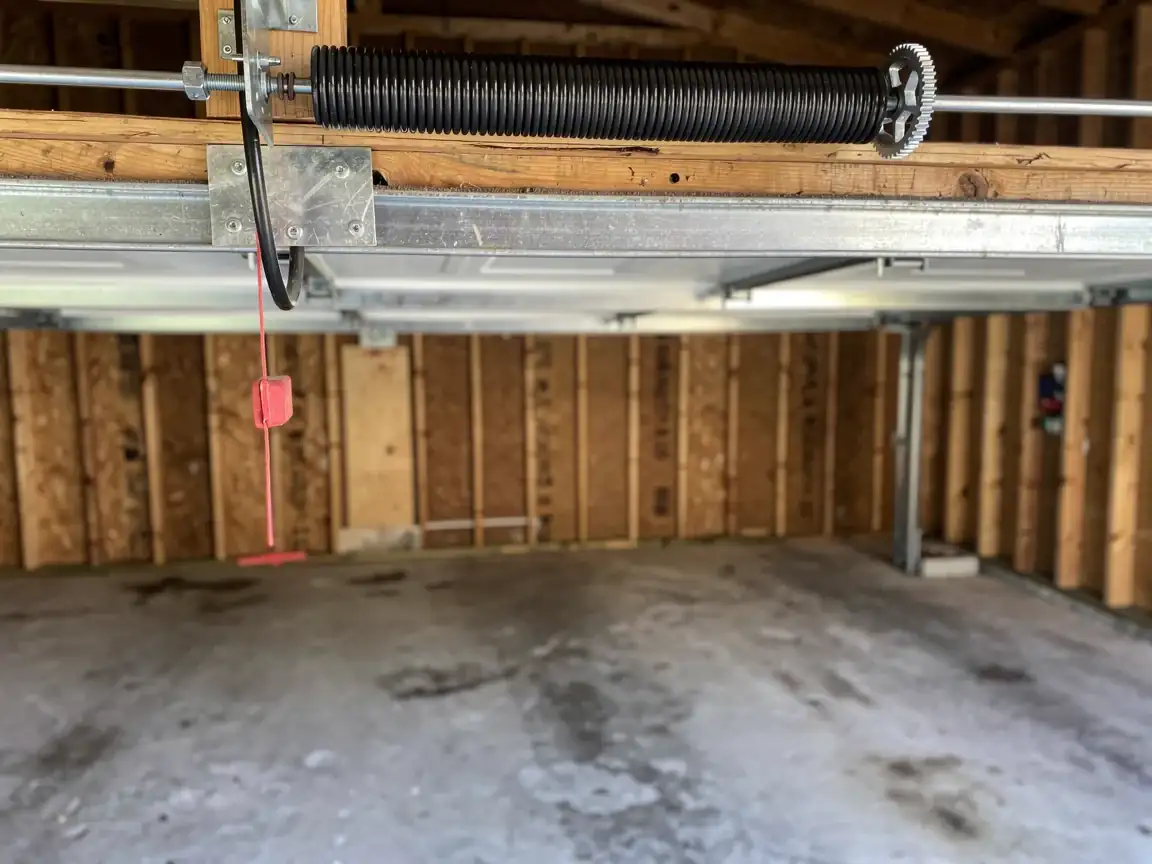
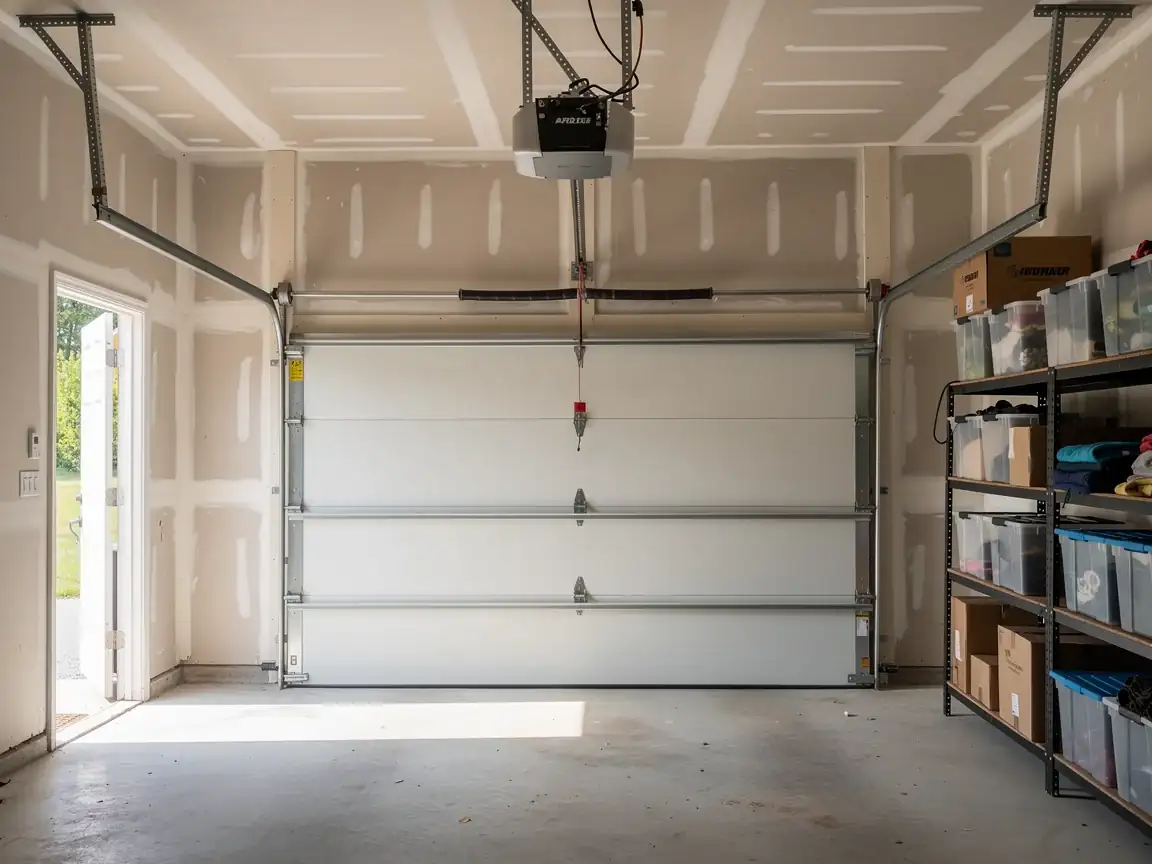
A torsion spring is a coil of high-tension steel wire, and steel reacts to heat cycling the same way every time: it work-hardens, loses temper, and eventually snaps. Palm Springs sits in a climate band rated HEAT severe, which means the metal on your door spends months at a time near its upper tolerance and then cools overnight, every single day, for years. That's a harder life than a spring gets in most of the country.
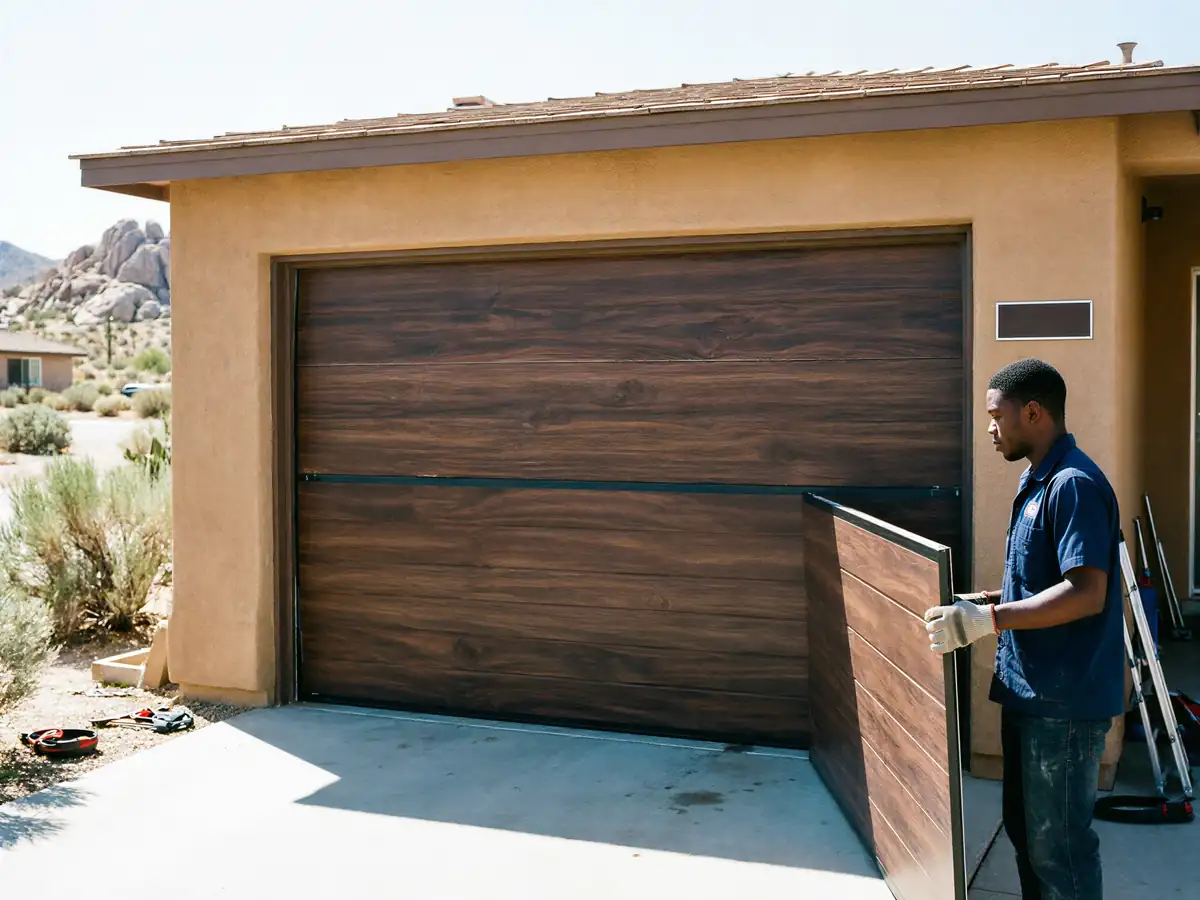
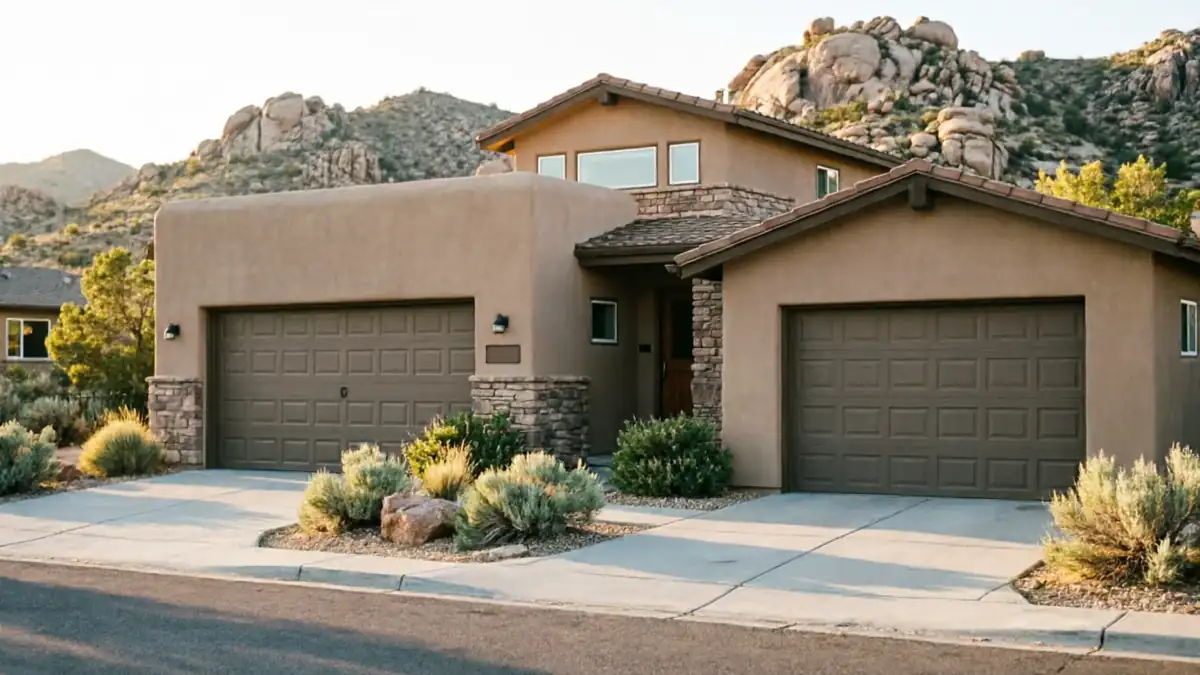
Pair that with the housing stock. Most of the service area went up between 1968 and 1999, with the median build year landing around 1986, and that pattern holds across all thirteen named communities in this area. A door installed when a house was built in the mid-1980s is now pushing forty years old, and even if the spring itself was swapped once along the way, the galvanized coating on older hardware wasn't built for four decades of this heat. That combination - old steel, sustained high heat - is the single biggest reason we get spring calls here that a cooler, newer-built town just doesn't generate at the same rate.
Opener boards fail for a related reason: the garage itself often sits ten to twenty degrees hotter than the house, and circuit boards don't like that any more than springs do.
Can You Do This Yourself
Some of this is fine to handle yourself. Tightening a loose track bracket, lubricating rollers, replacing weatherstripping - all reasonable weekend jobs with basic tools.
A torsion spring is not one of them, and we'll say that plainly instead of dressing it up. A wound torsion spring stores enough energy to break a bone or worse if it releases wrong, and the winding bars and clamps that make the job safe aren't things most homeowners own or have used before. If your spring has already broken - you'll know, because the door will be heavy as dead weight and the opener will strain or not move it at all - that's a call, not a project.
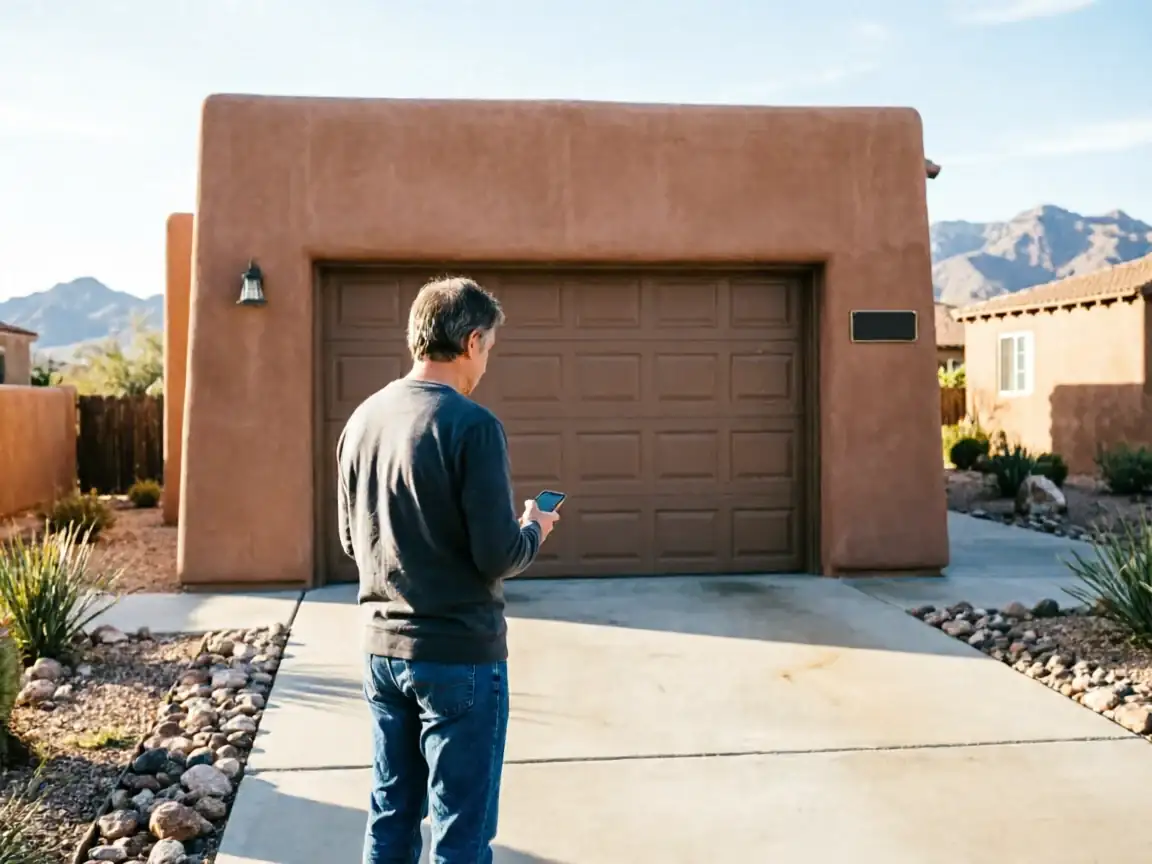
What you can do yourself first: check whether the problem is actually the spring or something simpler. A door that won't open could be a stuck photo-eye sensor, a disconnected trolley, or a dead remote battery, all of which cost nothing to rule out before you assume the worst. If the door moves but sounds wrong, or one side looks visibly lower than the other, that's worth a call before you touch anything - uneven cable tension under load is another way people get hurt.
What the Fix Involves
For a broken or failing torsion spring, the job starts with securing the door in the open or closed position so there's no load on the system while we work
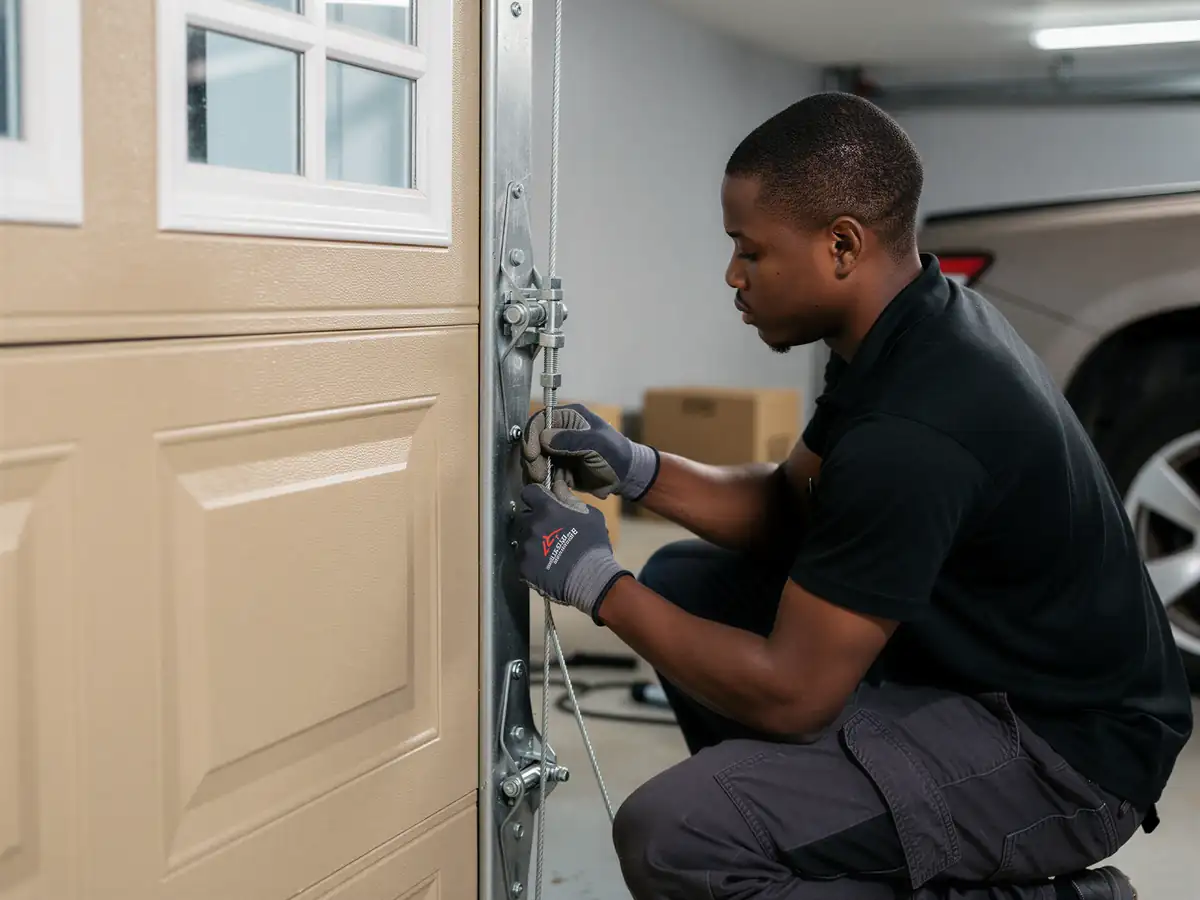
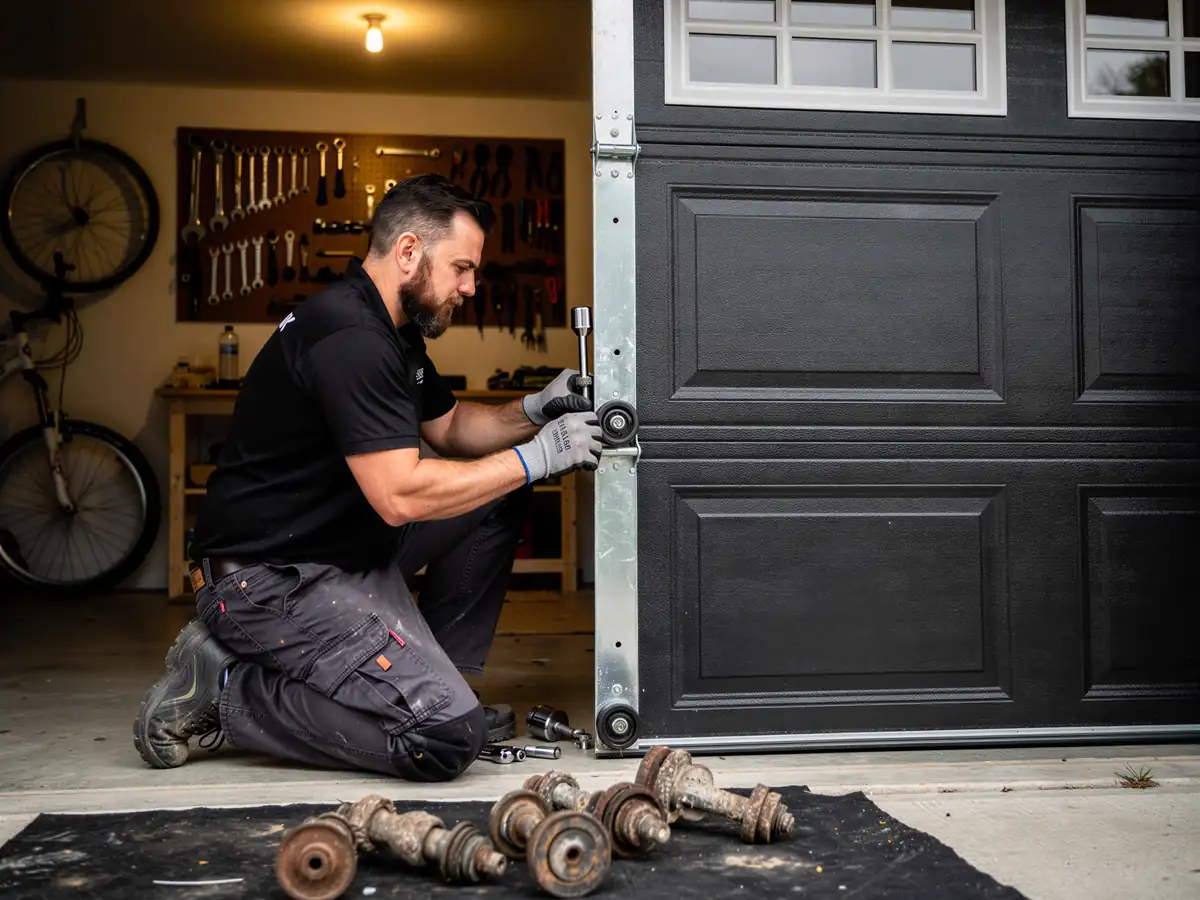
We back off the old spring using winding bars, pull the fittings off the shaft, and inspect the shaft, bearing plates, and cable drums while it's apart - on a door built when this neighborhood's housing stock went up, it's common to find a drum or bearing that's also due.
We size the replacement spring to the door's actual weight and track configuration, not a generic chart number
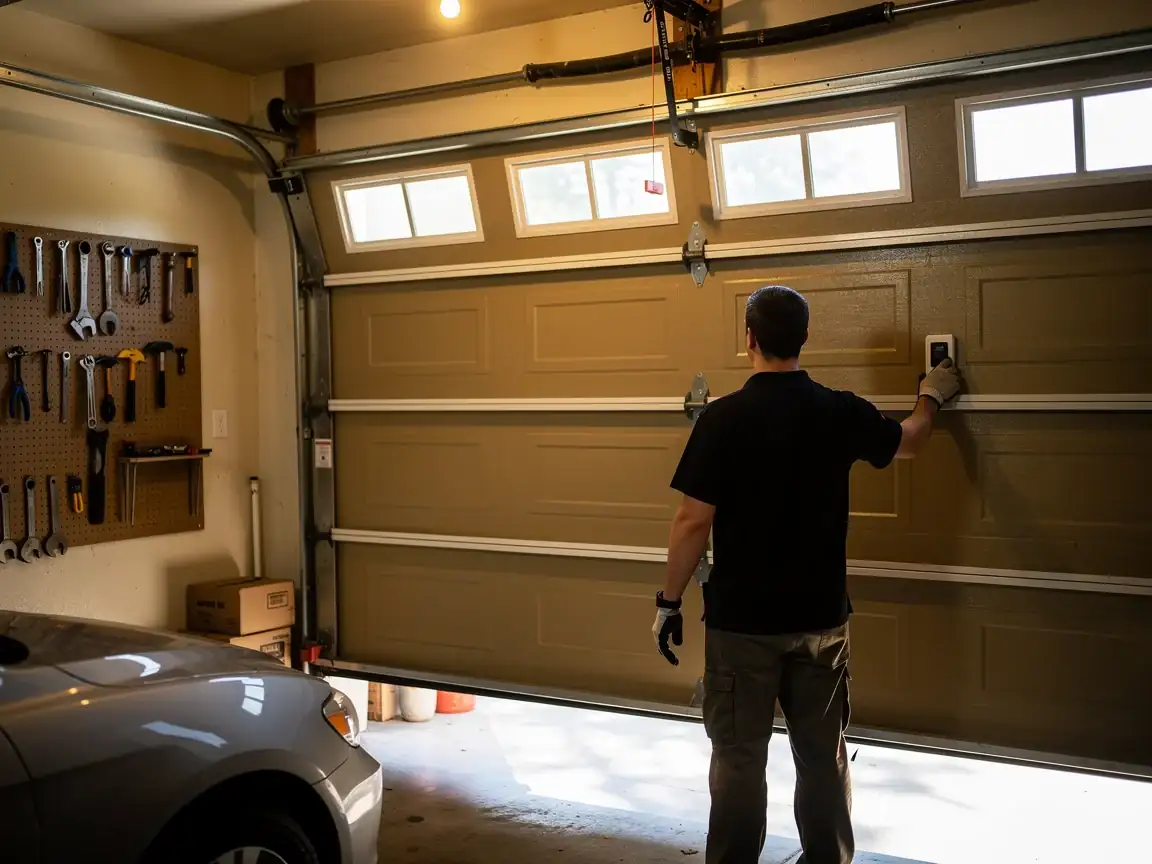
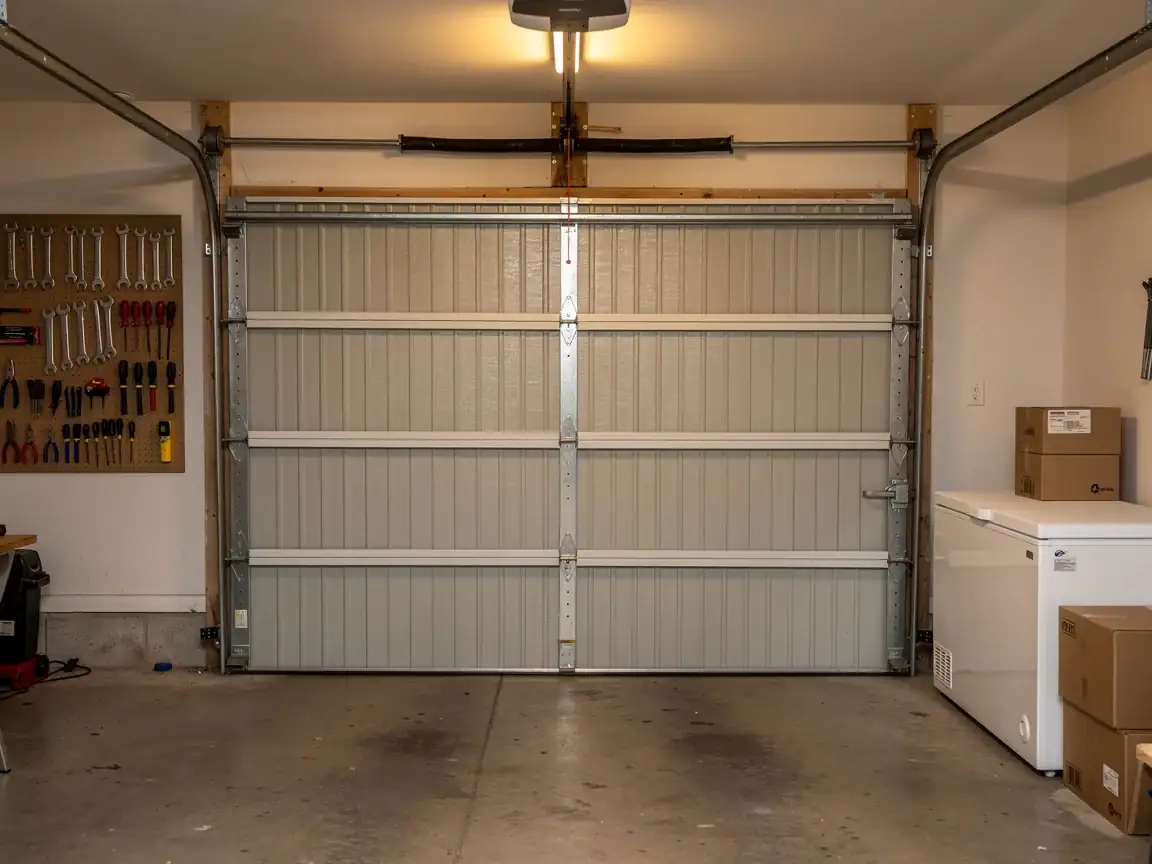
Since a wrong spring either won't lift the door fully or will slam it on the way down. Once it's wound to the correct turns and torque, we cycle the door several times under load, check balance by hand with the opener disconnected, and reconnect the opener last so it's not fighting a door that isn't balanced yet.
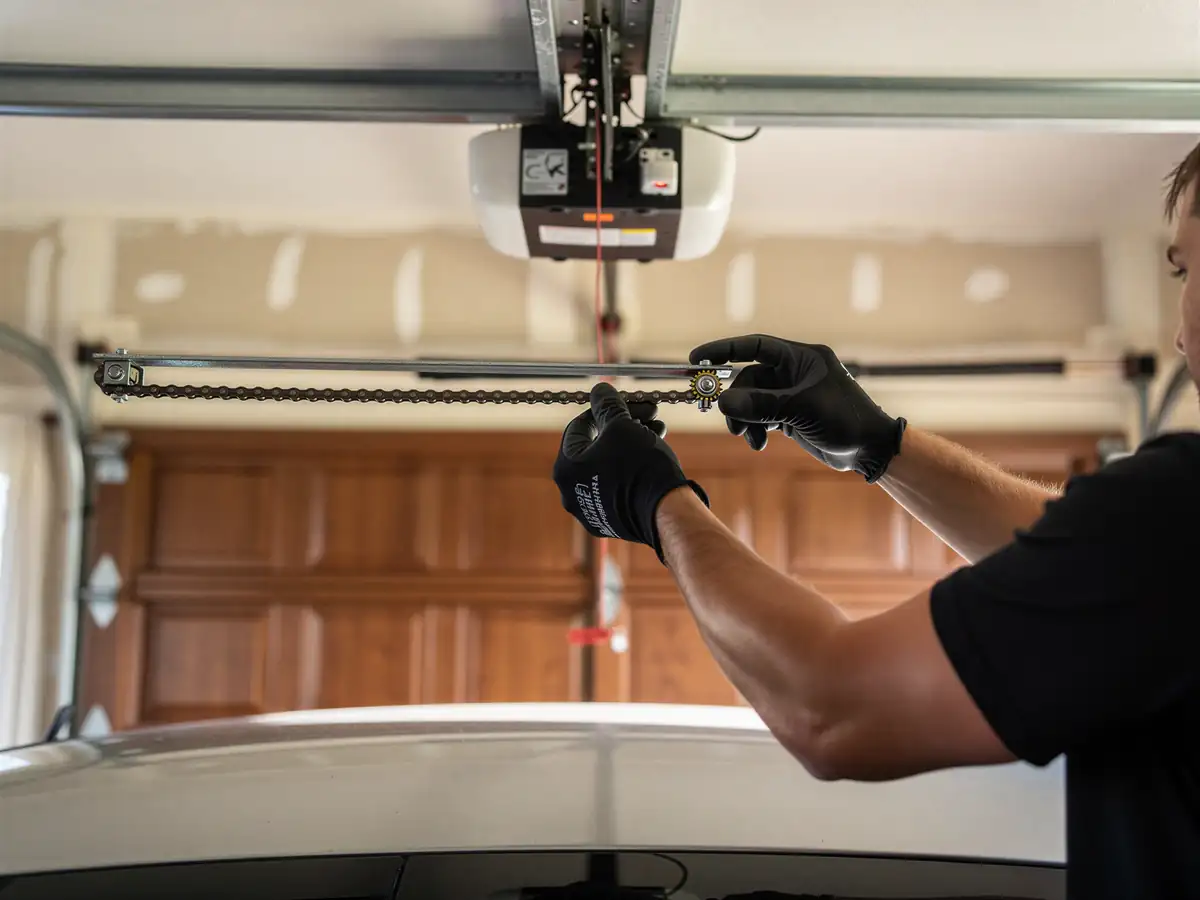
If the opener's circuit board is the failure instead
Common after repeated heat exposure - we test the board, the capacitor, and the logic unit separately before replacing anything, since boards sometimes recover once a bad capacitor is swapped out. We won't replace a whole opener if a part is the actual problem.
What You Are Seeing
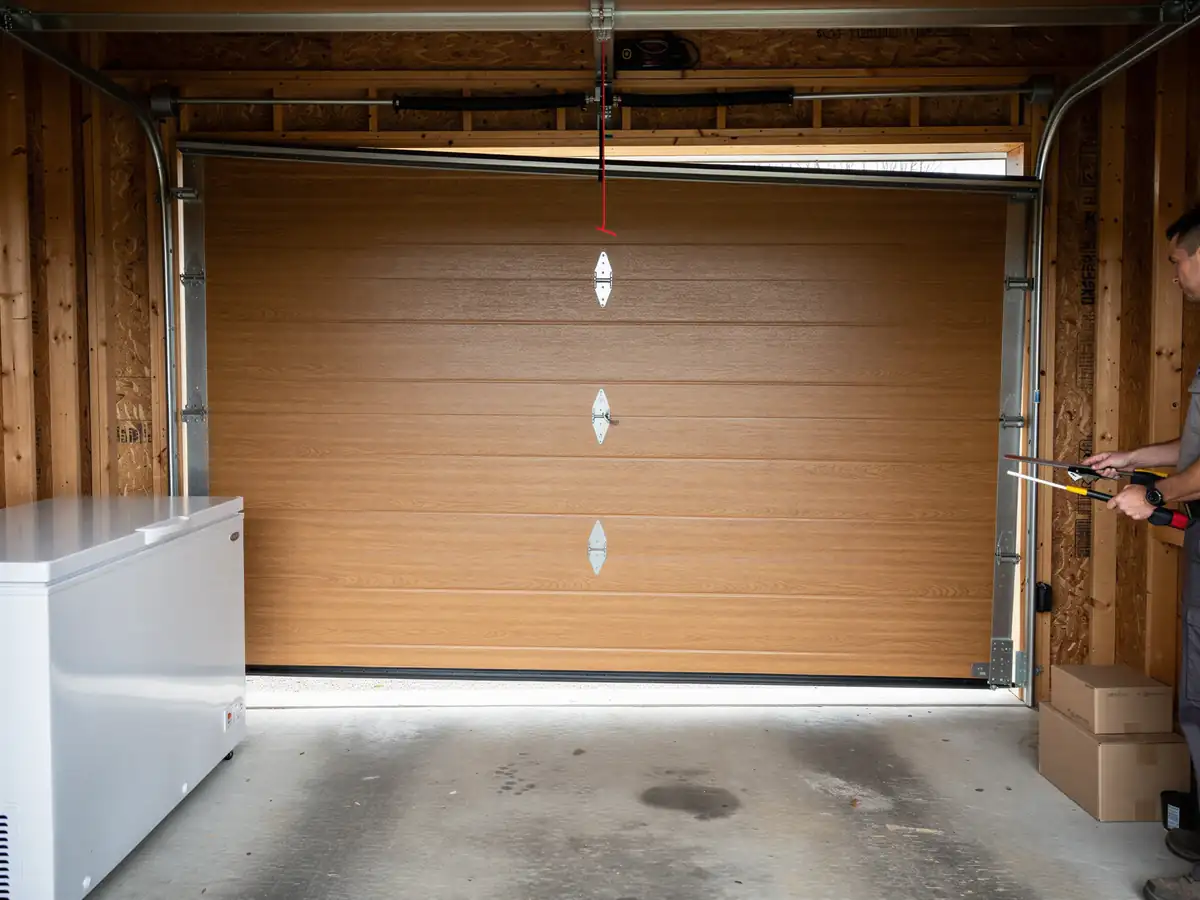
A few patterns show up over and over in this area. The door that won't budge and feels like dead weight when you try to lift it by hand - that's almost always a snapped torsion spring, and it often lets go with a loud bang you'll hear from inside the house. The door that opens partway, strains, and reverses - that's usually a spring that's weakened but not fully broken, still a repair, not an emergency yet.
An opener that clicks or hums but the door doesn't move usually points to the opener board or a stripped gear, not the spring at all. A door that looks tilted, with one side noticeably lower, points to uneven cable or drum wear rather than the spring itself.
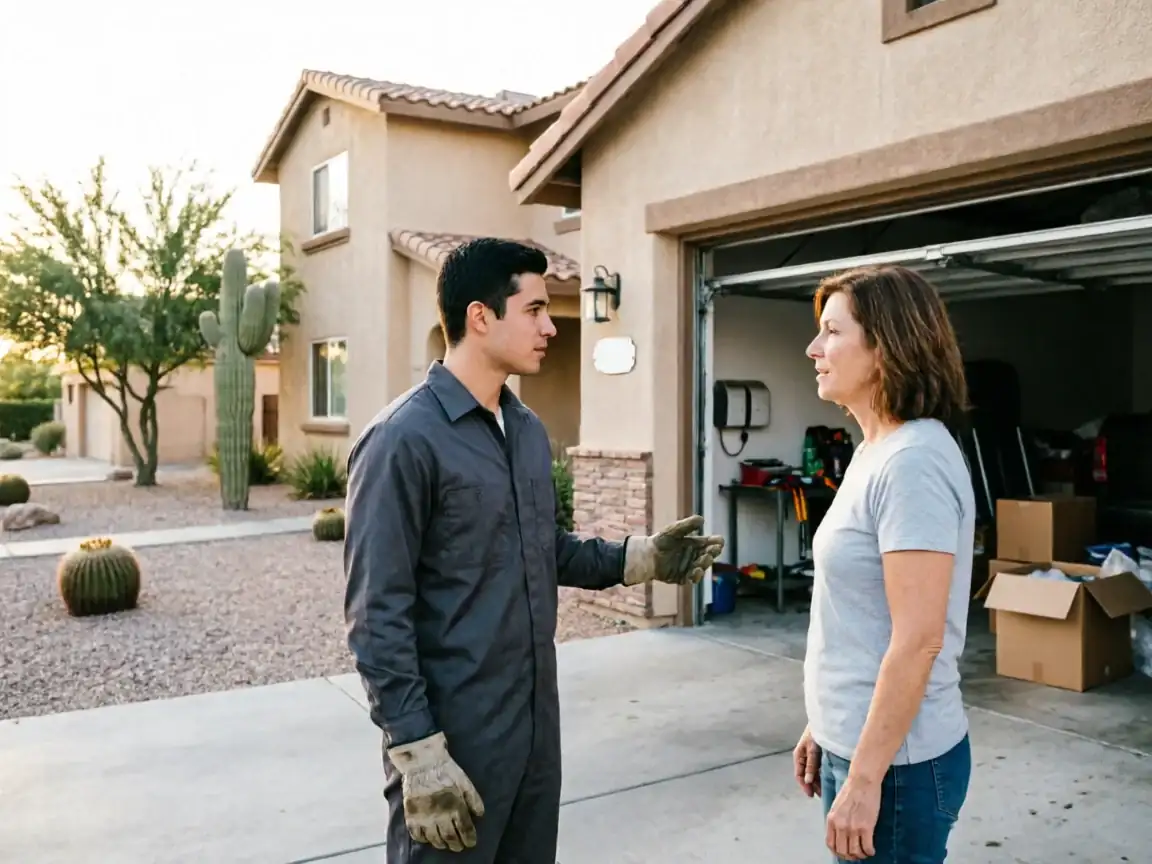
Worth noting: not every noisy door needs a spring job. Rollers and hinges wear out too, and they're a cheaper fix. We'll tell you which one it actually is before we quote anything, because guessing wrong wastes your money and ours.