Why This Fails Locally
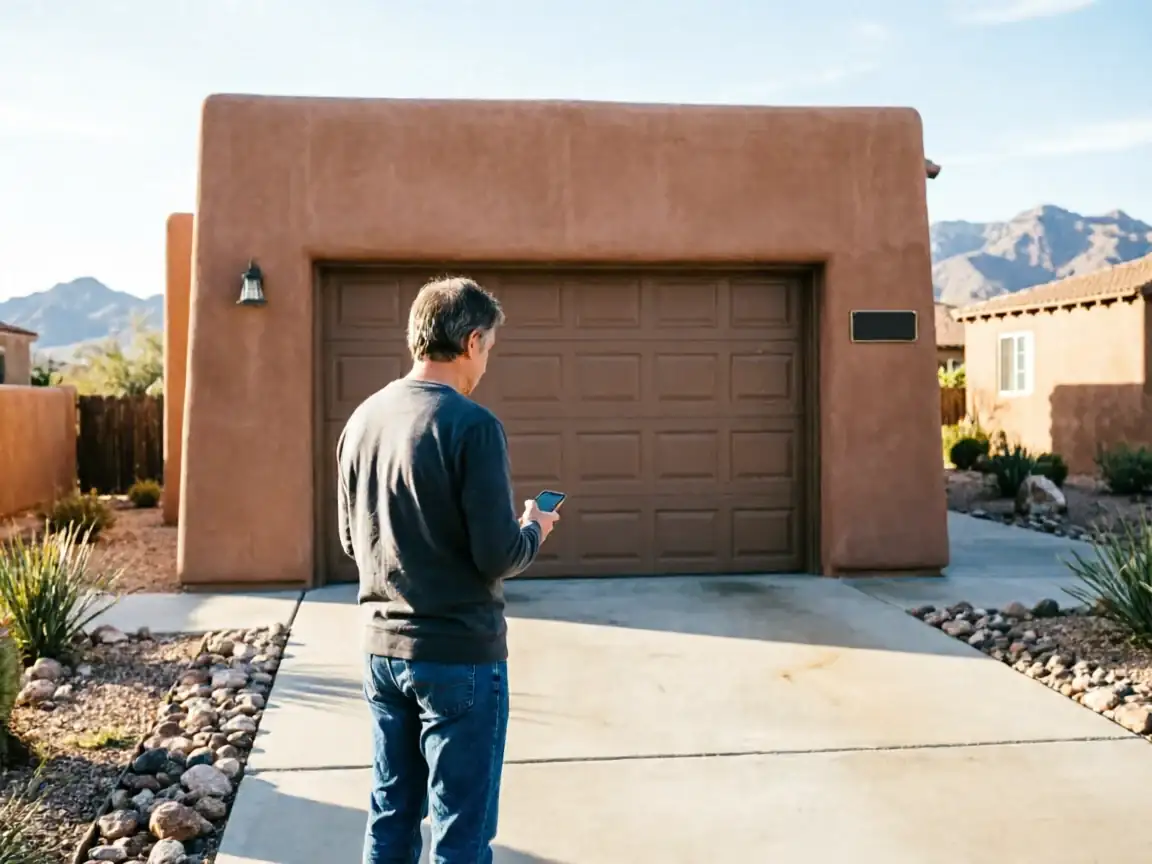
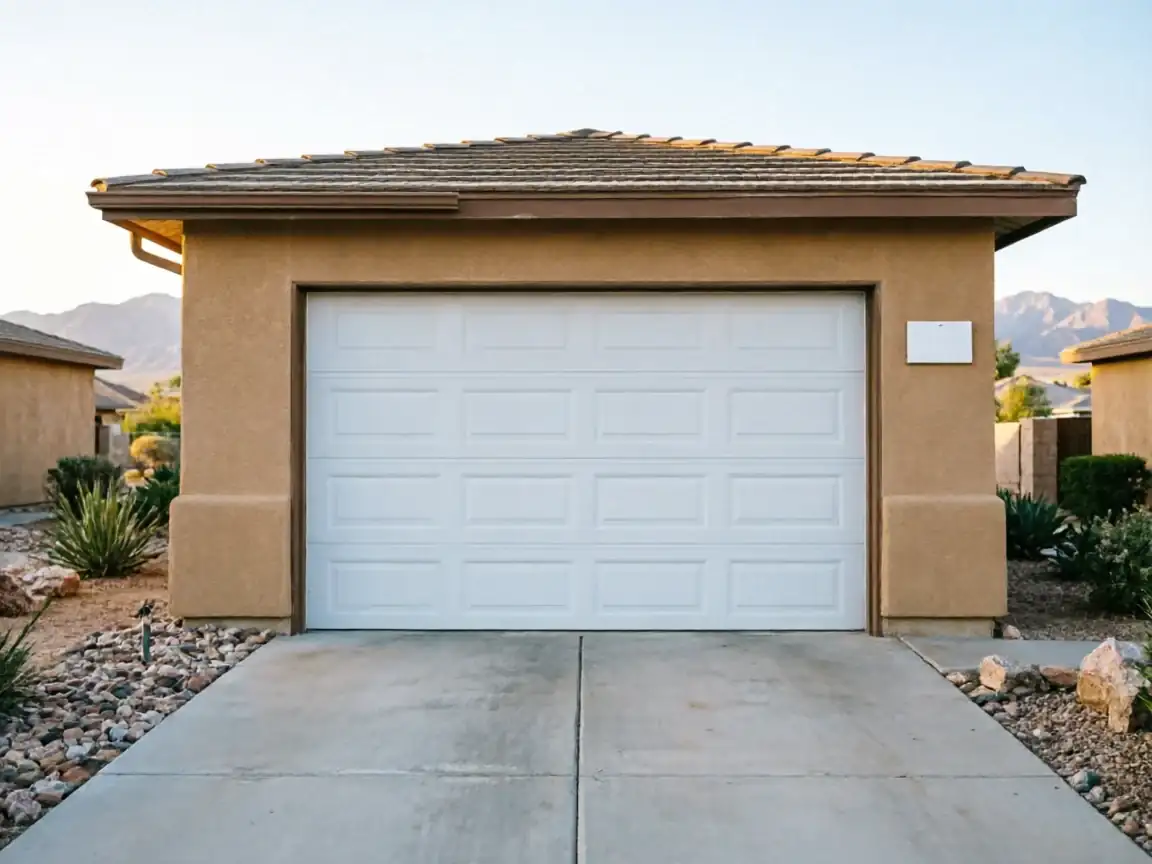
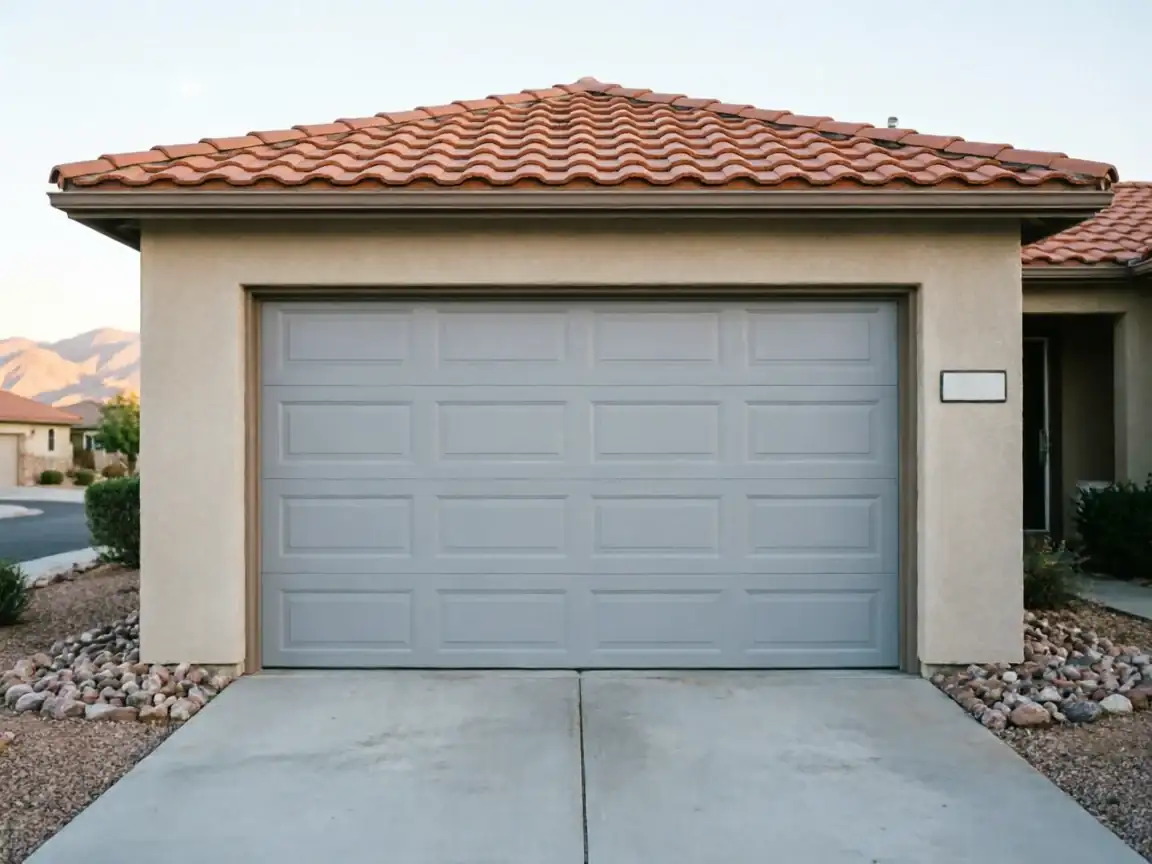
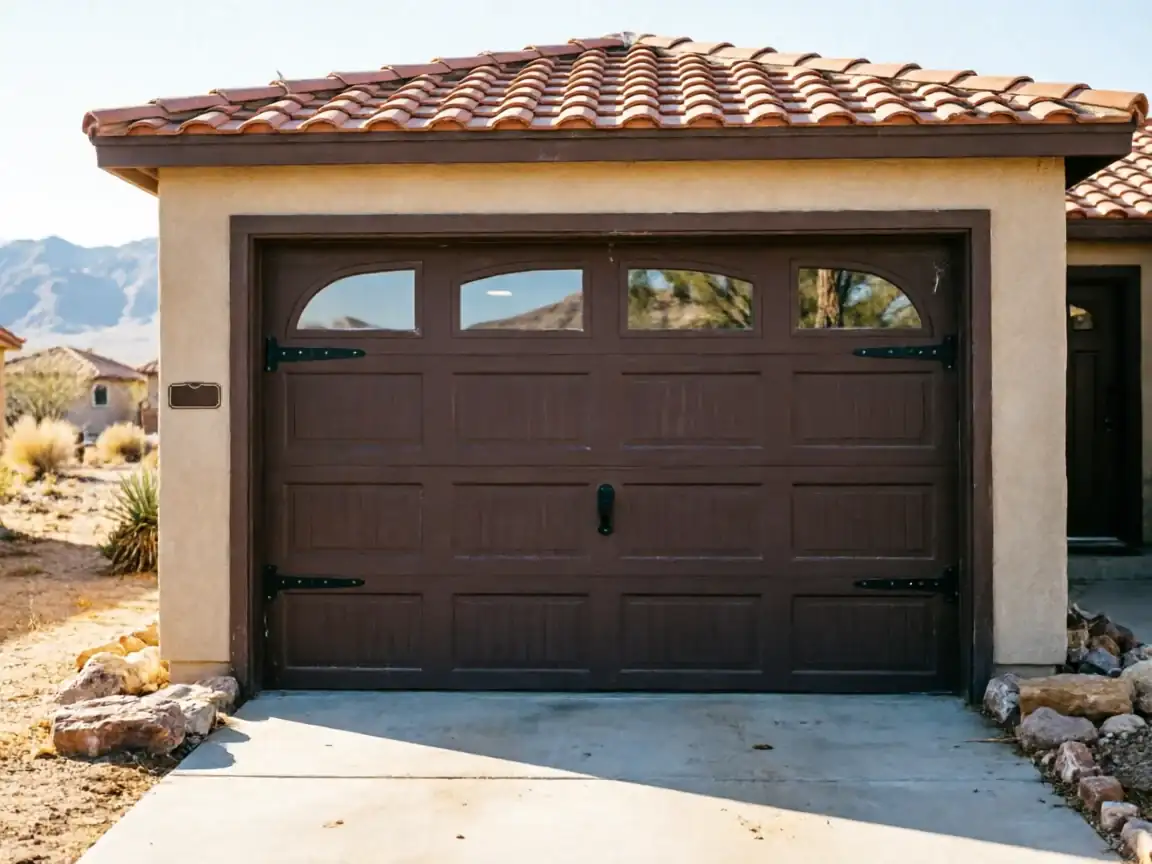
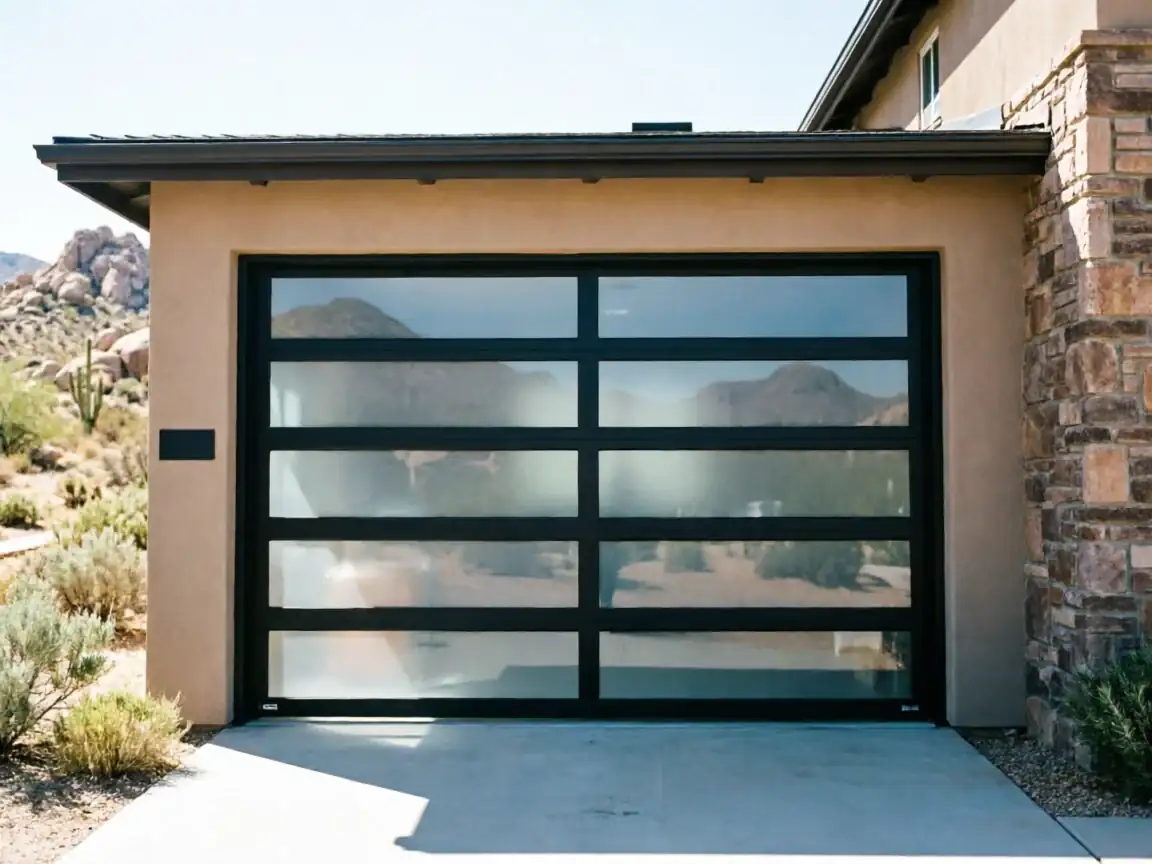
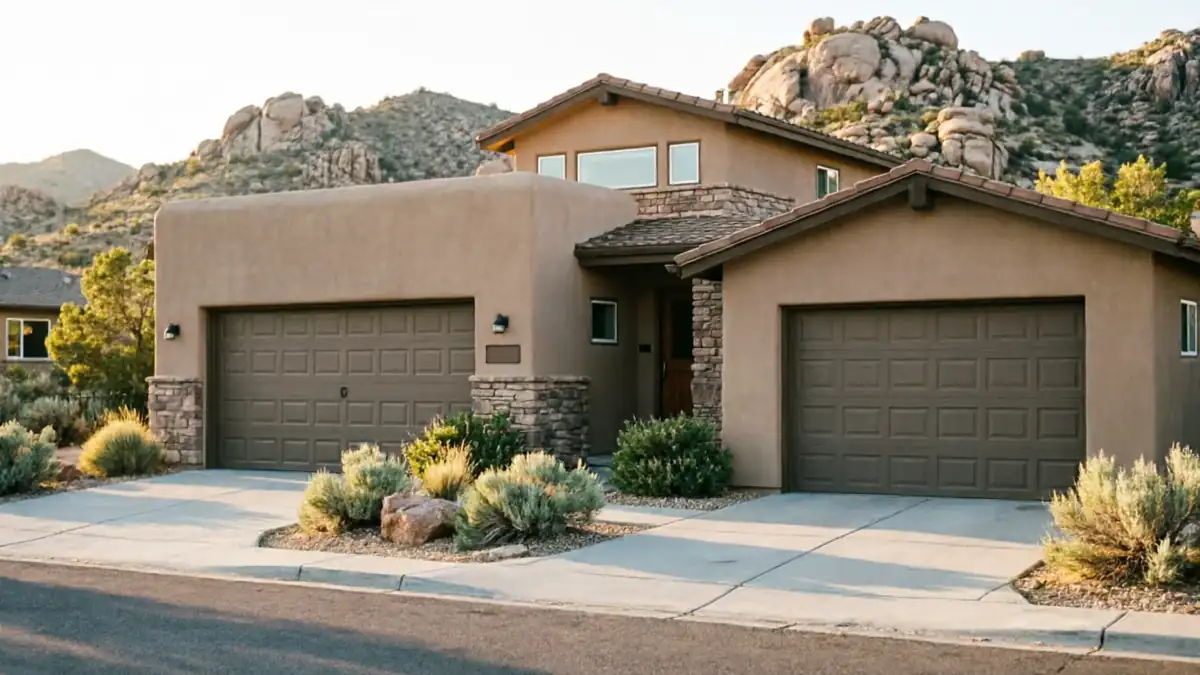
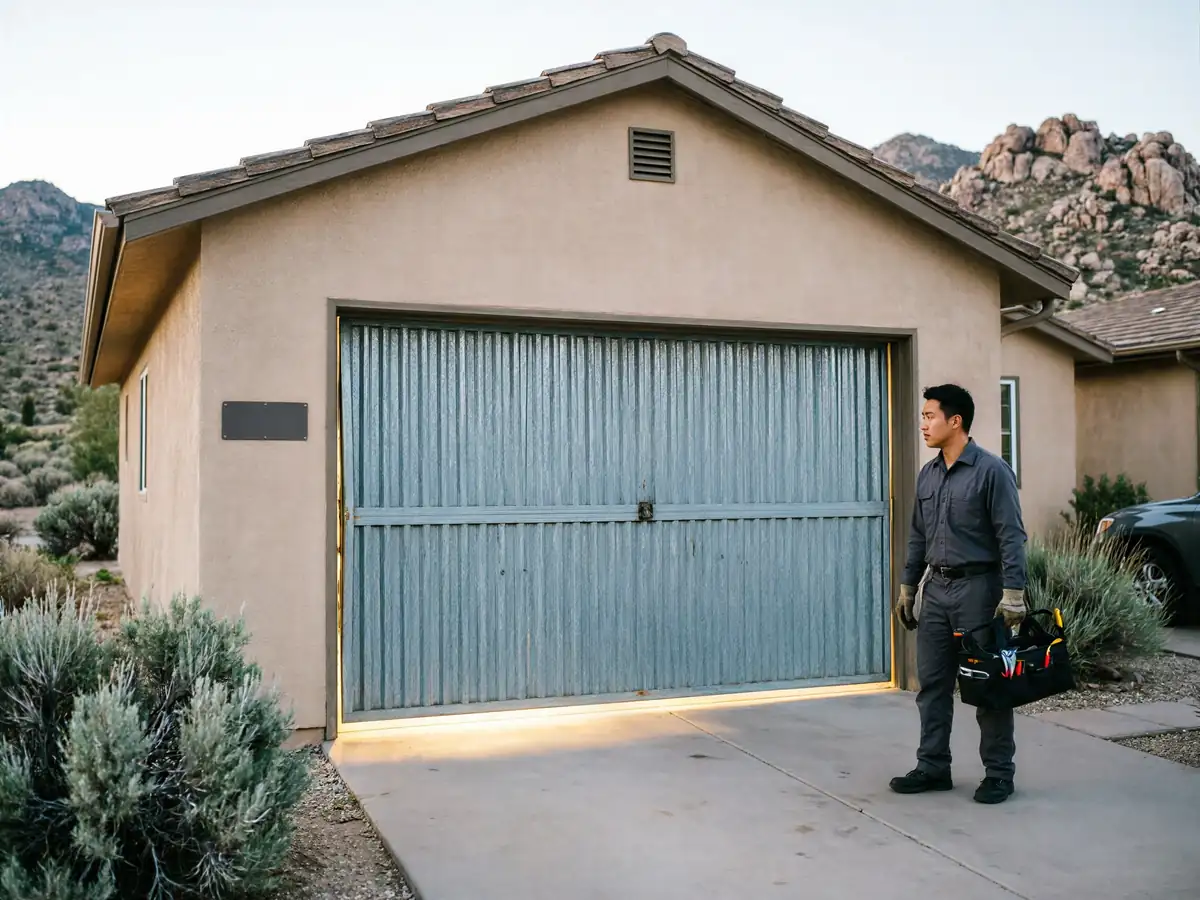
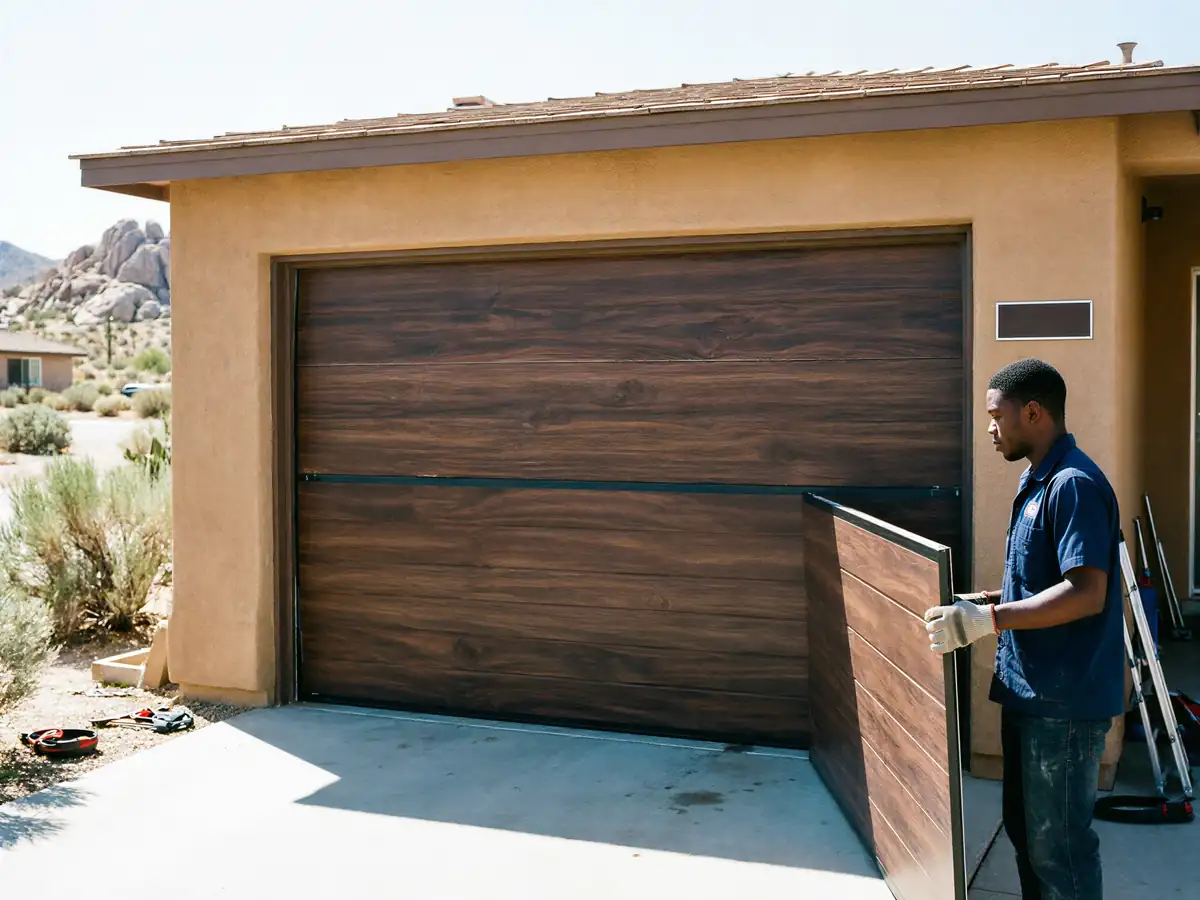
Most houses in this service area went up between 1968 and 1999, with the median landing around 1986, which puts a lot of original steel doors and openers now pushing forty years old. Across the 13 named areas that make up this stretch of the valley, the stock is overwhelmingly 1980s and 90s construction, which means the same handful of door widths and track styles show up on job after job. That matters because this is a severe-heat climate band, and a steel door skin that's been baking for three decades warps at the seams long before the springs or rollers give out. The panels bow, the weatherstrip at the bottom dries and cracks, and the gap it leaves lets hot air straight into the garage. Openers from that era weren't built with today's insulation ratings in mind either, so they strain pulling a door that no longer tracks true. None of this is a Palm Springs-specific defect in the sense of bad manufacturing - it's just what happens when a door built for a mild climate spends thirty-plus summers at full desert exposure. The fix most owners end up needing isn't a spring swap or a new roller. It's a door built for the heat this house actually sits in.
Can You Do This Yourself
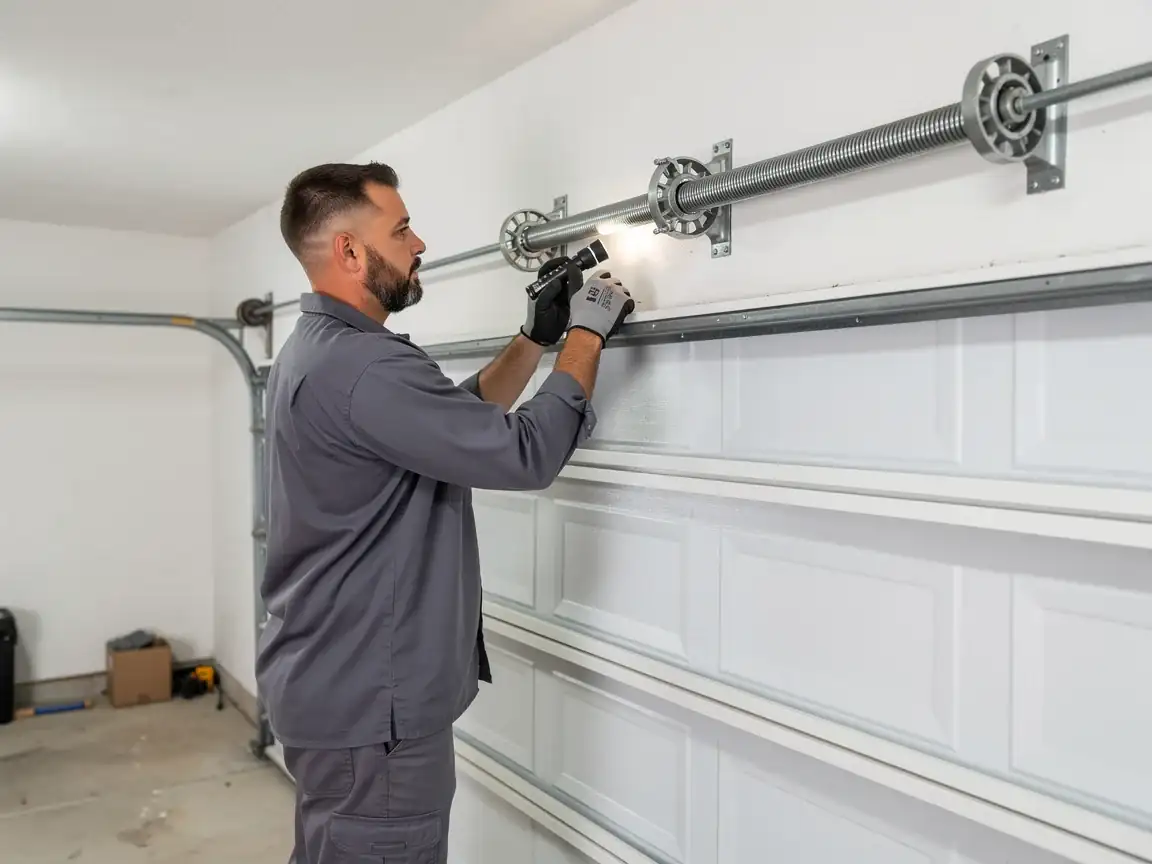
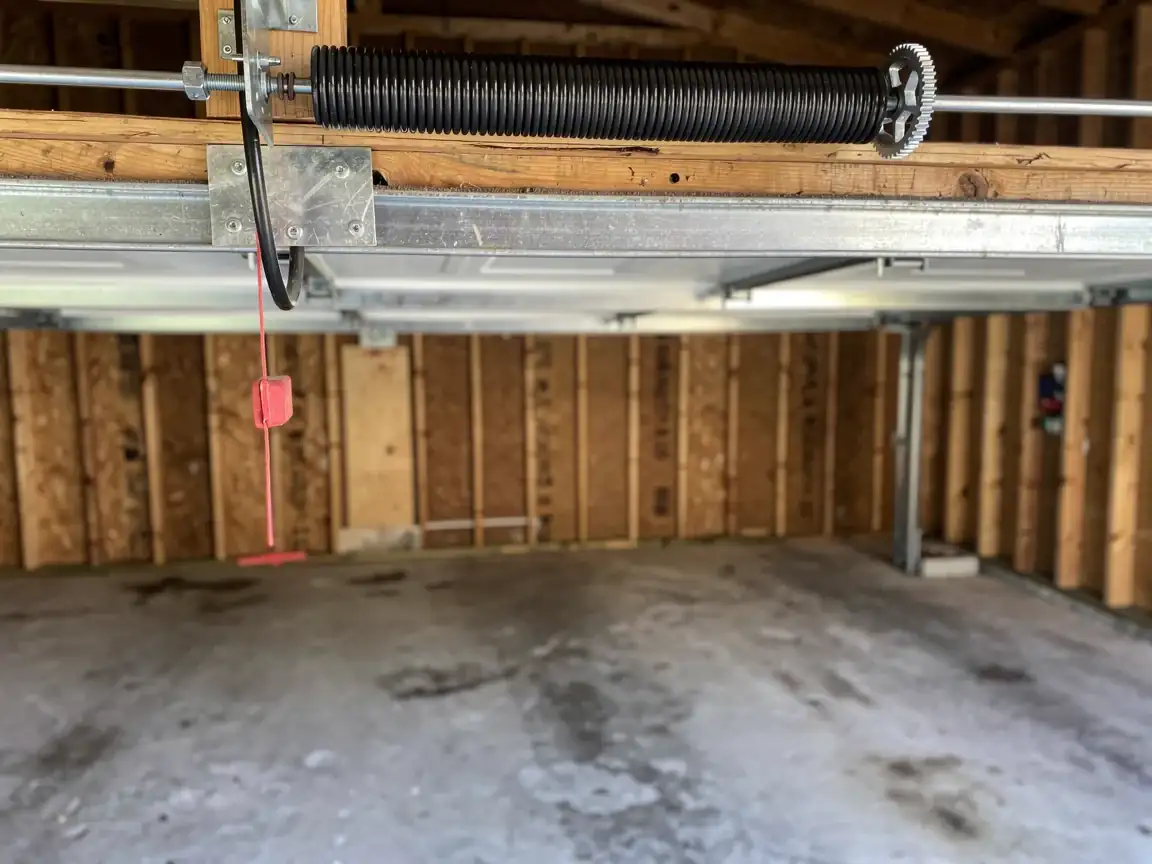
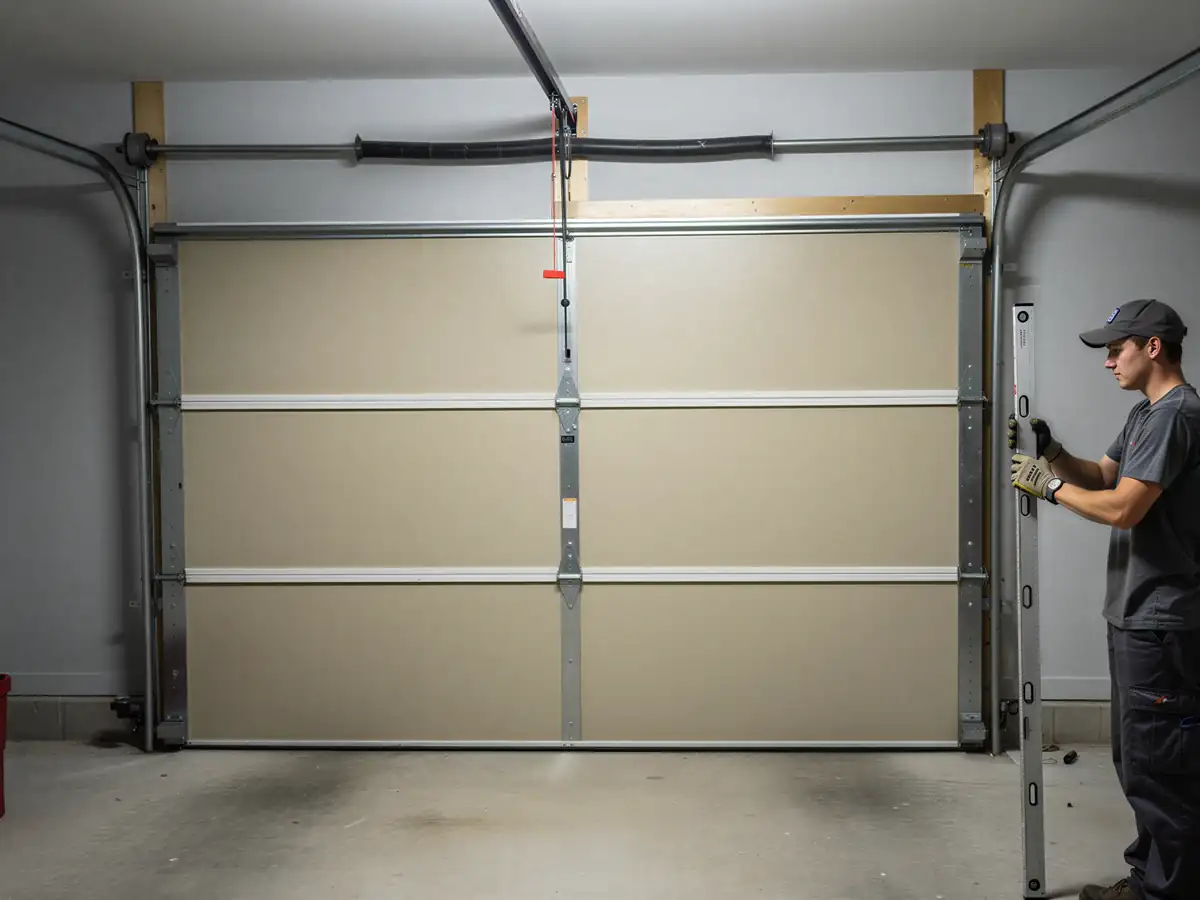
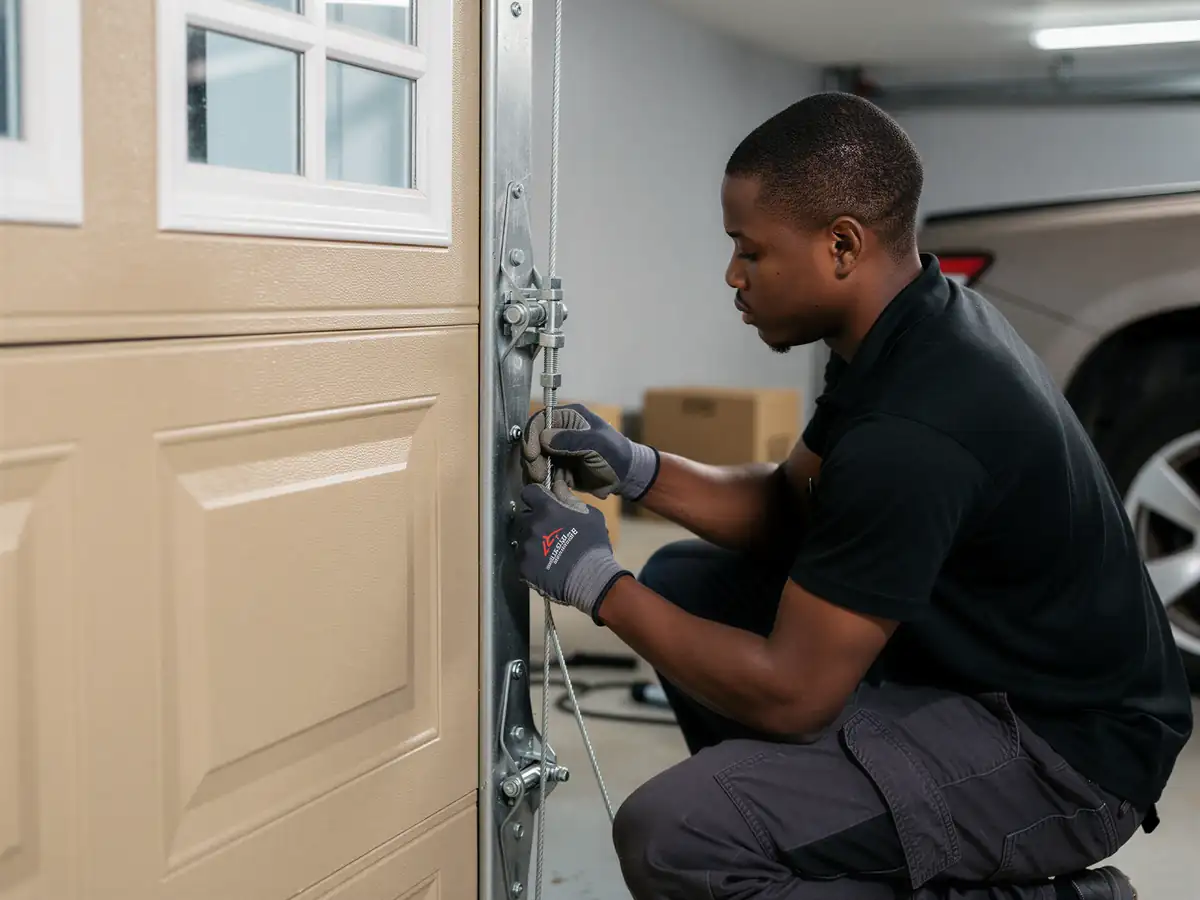
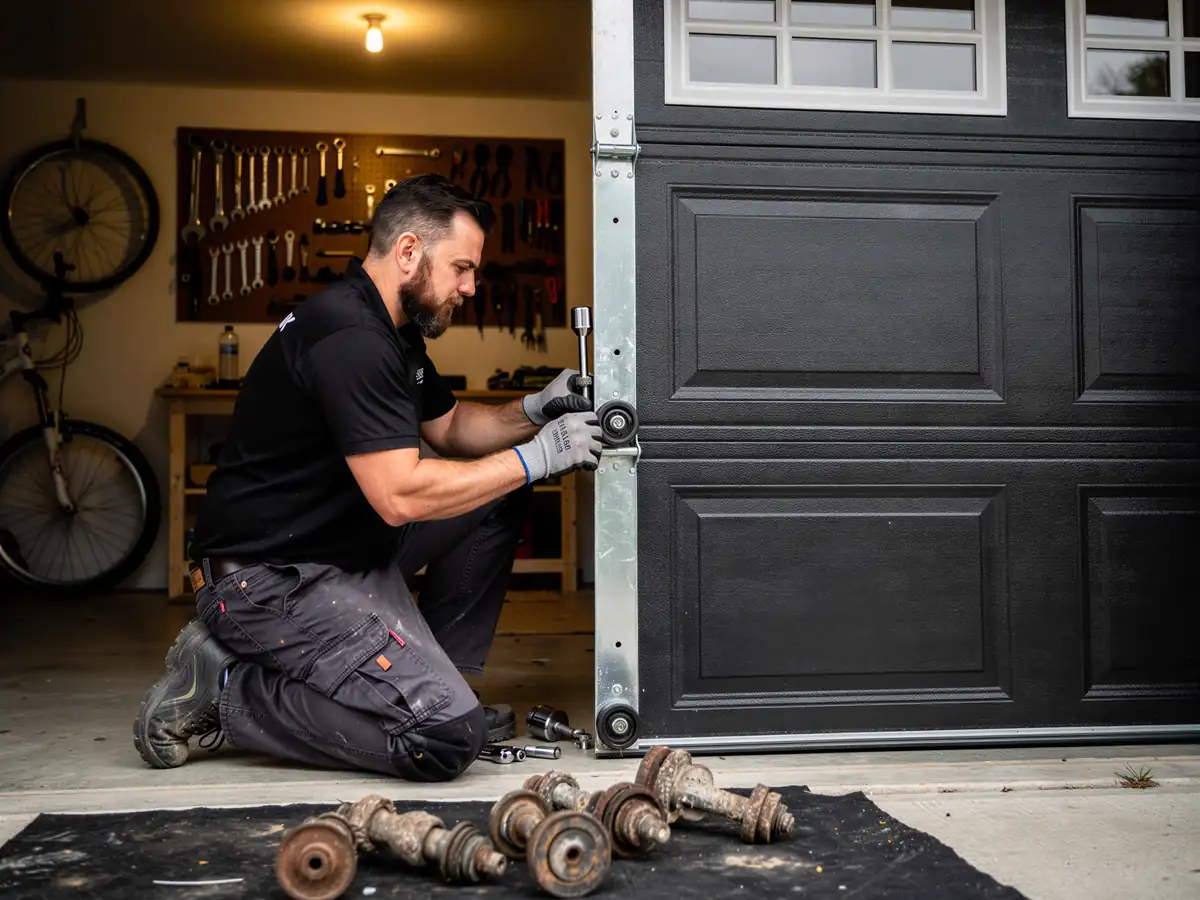
Swapping a few rollers or re-tensioning hardware on a door that's still square is reasonable DIY territory for someone comfortable with hand tools. A full installation on an aging opening is a different job. Torsion springs under load can put someone in the hospital, and if the house is one of the many in this area with an original 1980s-90s frame, the opening itself is often out of square after decades of heat expansion and contraction - something you won't know until the old door is out and the track won't sit flush. There's also the matter of matching a new door's R-value and gauge to actual desert sun exposure, which isn't something you eyeball. We'll say plainly: we don't talk anyone out of doing their own roller or cable work, but a full door and track replacement on a house this old is where DIY kits sold at the hardware store start to show their limits. If the opening's out of square, a stock kit door won't close right no matter how carefully it's hung.
What You Are Seeing
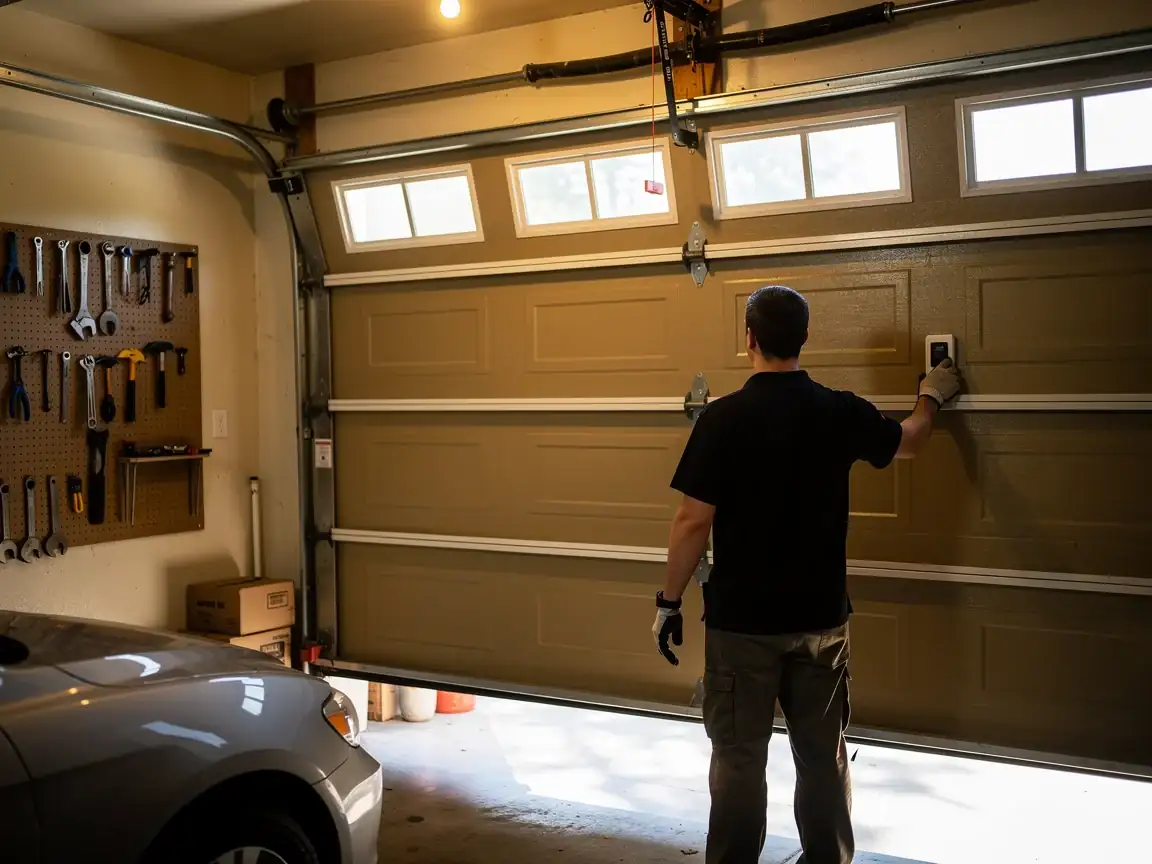
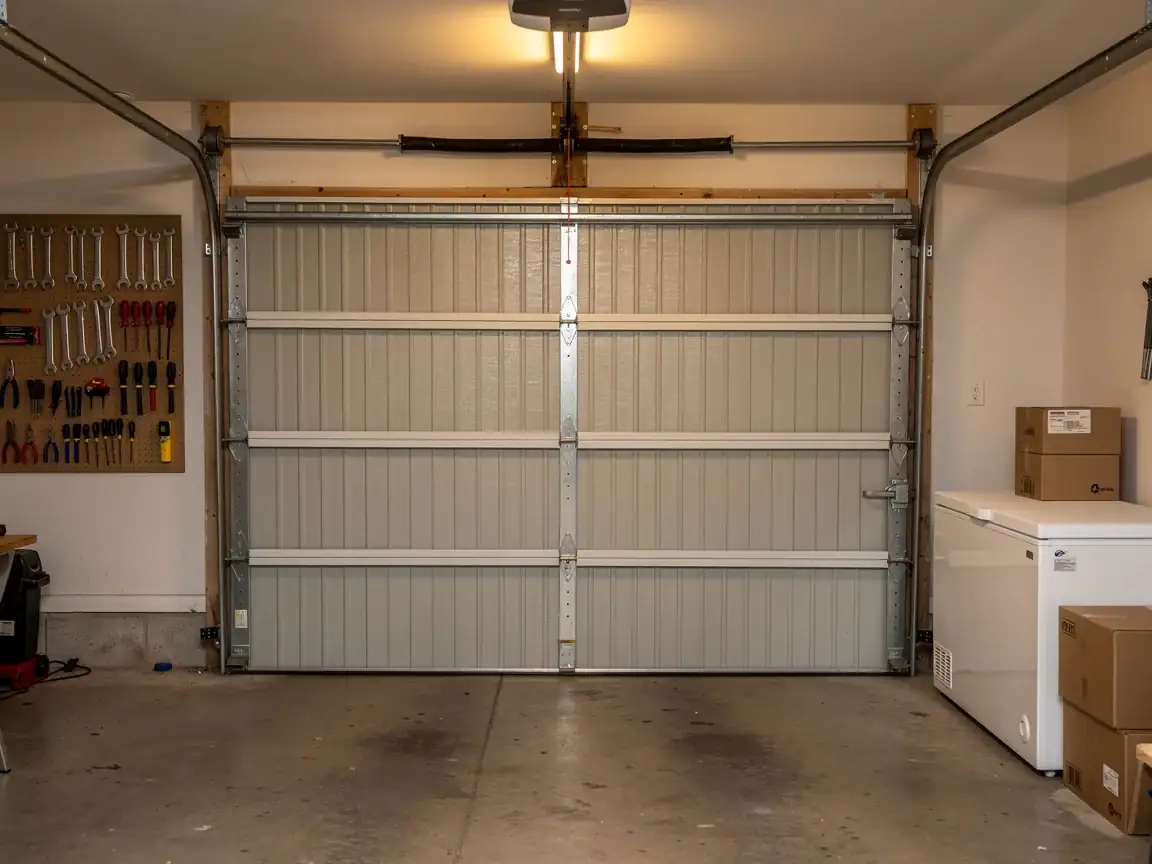
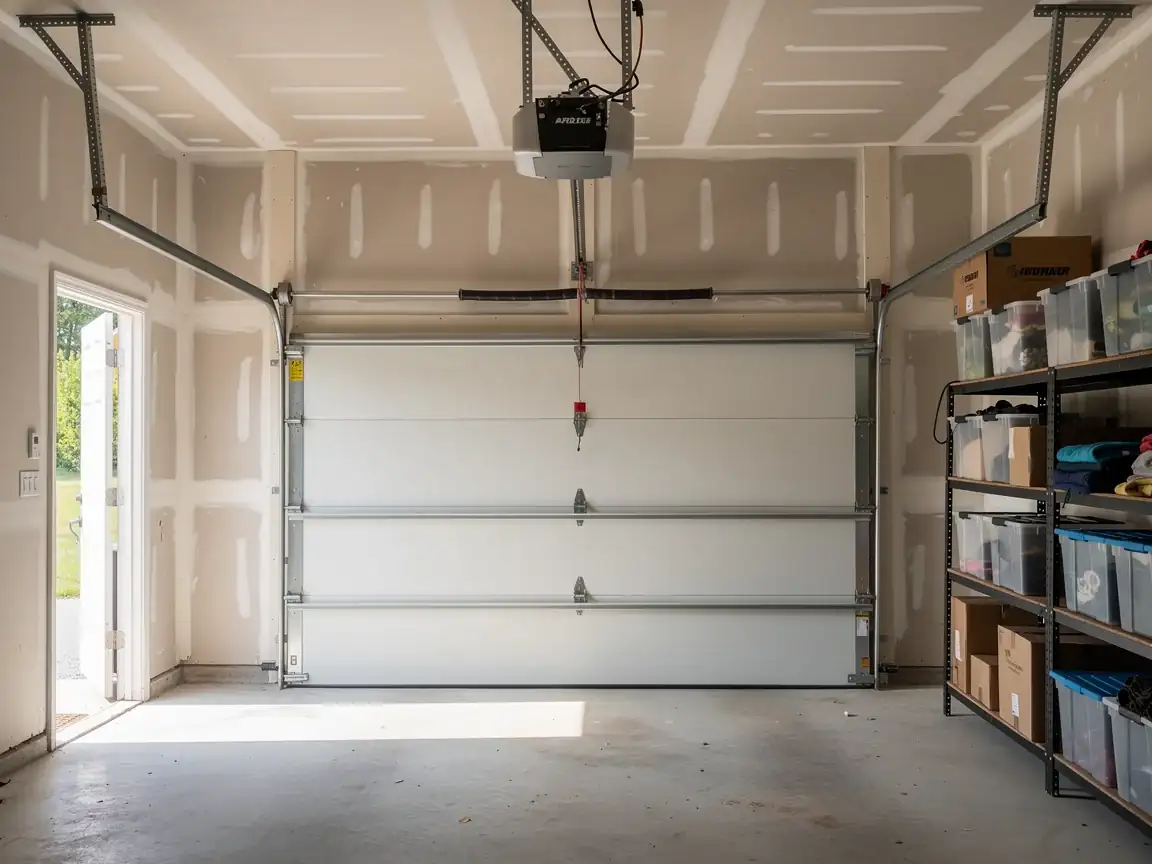
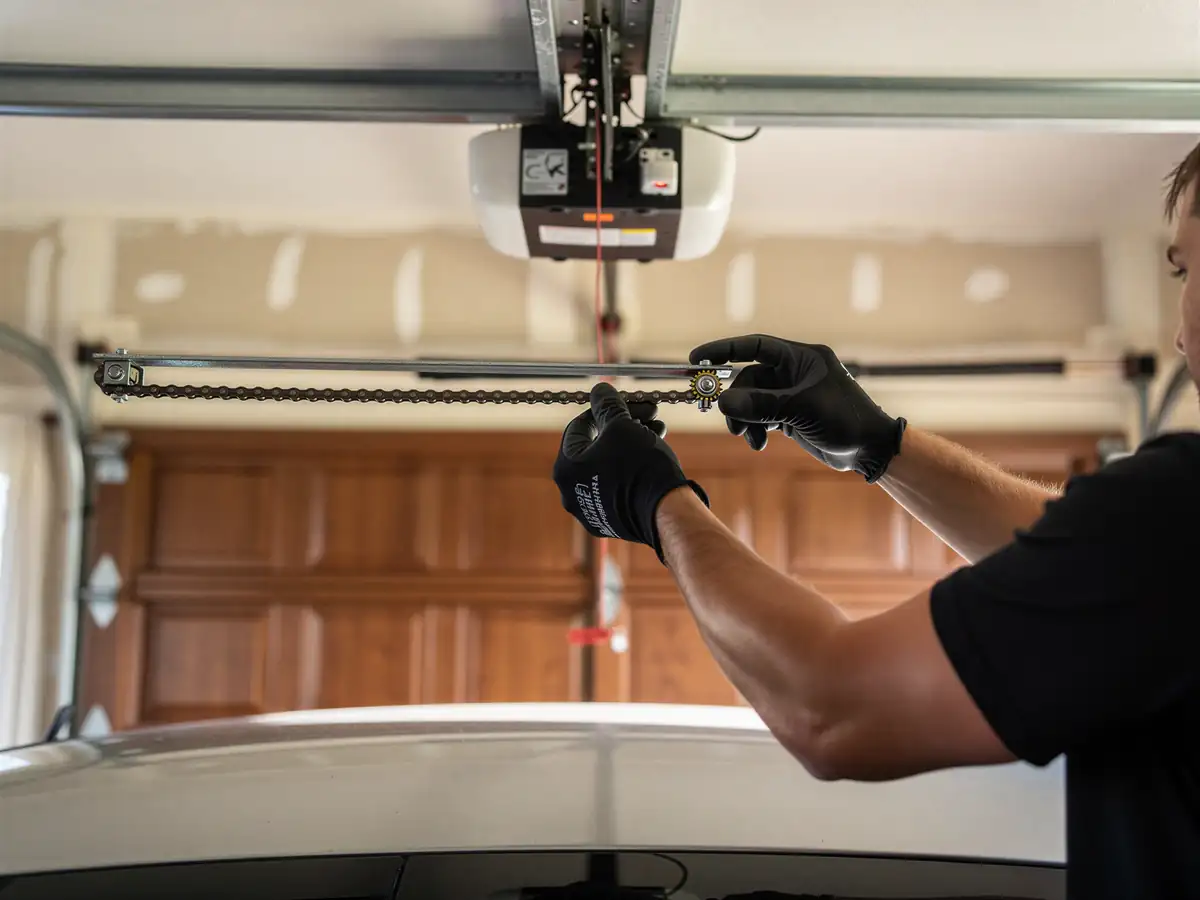
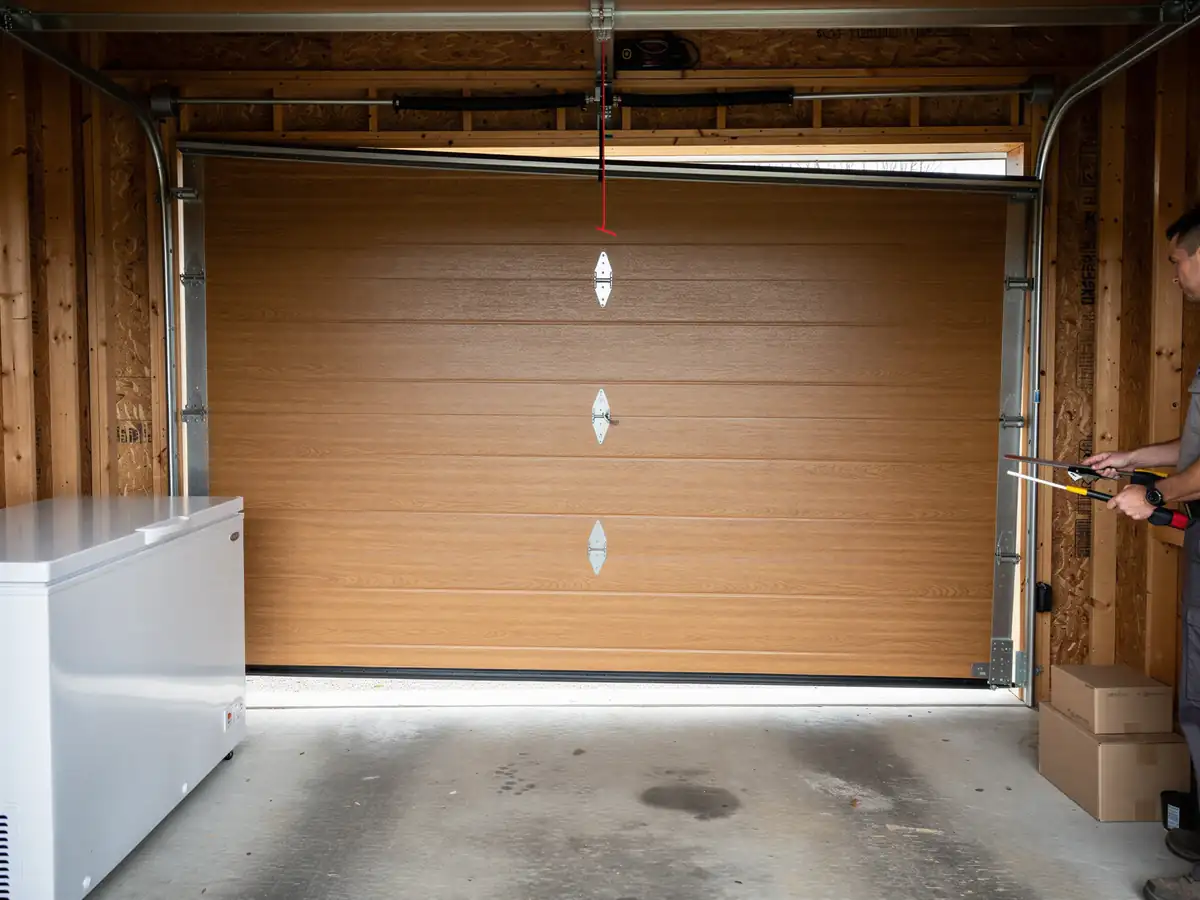
If the door's sagging at the corners, or there's daylight showing along the bottom seal even when it's fully closed, that's heat warping, not a simple adjustment. A door that used to close quiet and now bangs or shudders partway down is usually fighting a track that's no longer aligned with the opening. If the opener strains audibly in the afternoon heat but runs fine at night, that's the motor working against a door and frame that have moved out of tolerance with each other - common in houses built across the 1968-1999 stretch that makes up most of this service area. Visible gaps at the panel seams, paint cracking along fold lines, or a bottom panel that looks slightly bowed inward are all signs the steel itself has given up, not just the hardware. None of these show up overnight. They build over years of summer heat cycling the metal, which is why a repair quote on a door this age often turns into a replacement conversation once the tech actually opens it up and looks at the track and jamb underneath.