Serving Palm Springs, CA & nearby
(760) 227-5874
Palm Springs, CA

What Your Palm Springs Garage Door Is Up Against

Most Palm Springs homes went up between 1968 and 1999, median year 1986, before today's insulation rules - here's what that means for your garage door in severe desert heat.

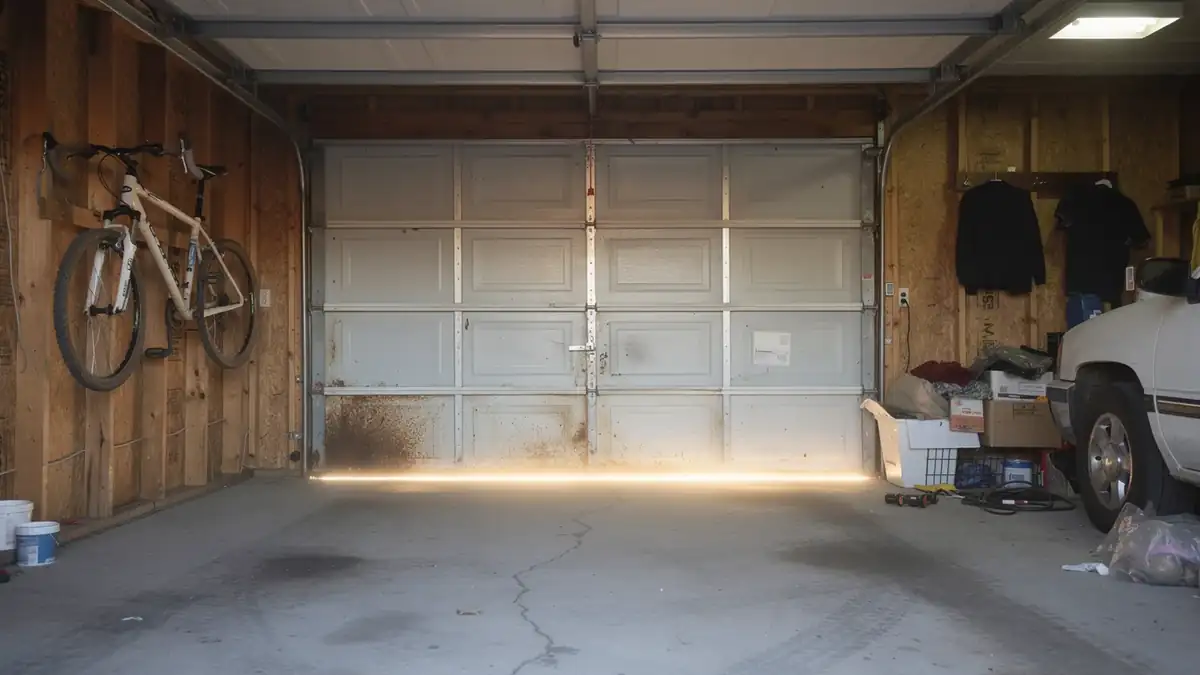
A white garage door is closed with a gap at the bottom.

What to Look At First

Start with the build date, not the symptom. Across the service area the housing stock runs 1968 to 1999 with a median year of 1986, and across the 13 named neighborhoods that make up most of this market, that 1980s-90s construction wave is the norm, not the exception. Doors from that window went in before current insulation rules applied to garage doors, so a lot of what's hanging on these tracks is a single layer of steel with no foam core at all. Open yours and look at the back side. If you see bare ribbed steel with nothing behind it, that's original-era construction talking, not a defect - it's just what the code required when the house was built. Check the bottom panel for warping first; a thin uninsulated panel is the one most likely to bow from heat on the sun-facing side of the house. Then check the weatherstrip at the bottom and sides - original seals from this era are usually cracked or gone by now. None of this means the door is broken. It means you're looking at 1980s-build hardware doing a job the code didn't ask it to do.

When It Stops Being a DIY Job

Swapping a roller or tightening a hinge bolt is fine to do yourself. A torsion spring under tension is not, and on a door this old the spring is likely original or a prior replacement you have no record of, which makes the stored tension a guess rather than a known number. If the door is binding, slamming down the last foot of travel, or the opener is straining and reversing, that's a spring or cable problem, and on uninsulated steel panels from the 1968-1999 build era the panel itself can be heavier per square foot than newer insulated doors of the same size, which raises the stakes on a spring failure. We won't pretend every call is worth a truck roll - a loose bracket or a dirty track sensor is a five-minute fix most owners can do with a screwdriver and a rag. But once you're talking about the spring, the cable drum, or a bent track on a door built before current wind and insulation standards, that's a job for someone who can match the hardware to a door this old rather than grab a generic kit off a shelf.

What Local Conditions Do

This area sits in a severe heat climate band, and that matters more for a garage door than people expect. Steel expands and contracts with the daily swing between a 110-degree afternoon and a cooler desert night, and on an uninsulated 1980s-90s panel that movement happens right through the metal with nothing to buffer it. Over enough years that cycle loosens the fasteners holding panel sections together and dries out whatever rubber or nylon is left in the rollers and seals. Painted finishes on south- and west-facing doors fade and chalk faster here than they would in a milder climate, and that same sun exposure is what warps thin steel panels on the side of the house that gets afternoon light. None of this is unique to one house - it's what severe heat does to garage doors built in the decades before insulated cores and better weatherstripping became standard. If your door is original to a house from the median 1986 build year, the heat has had three to four decades to work on it, and that shows up as panel warp and seal failure well before the opener or springs typically give out.

The Situation

The service area covers roughly 42,010 households, about 26,565 of them owner-occupied houses, with a median household income of $69,704 - a market where most people own the home they're in and are weighing repair against replacement on a real budget, not an unlimited one. For a lot of these owners, the honest math on a single-layer 1980s door with heat-warped panels is that a repair buys a few more years, but a replacement with an insulated door built to current code closes the gap this housing stock was built with. We work across Palm Springs and into nearby communities including Rancho Mirage, Thousand Palms, Desert Hot Springs, Bermuda Dunes, and Cabazon. We don't try to talk every customer into a new door - if the spring or roller fix solves the actual problem, that's the job. But on a door that's original to a house from the 1968-1999 build window, replacement parts for the exact hardware aren't always easy to source, and that's worth knowing before you commit to a repair.
How it works

From “it’s stuck” to “it’s fixed”

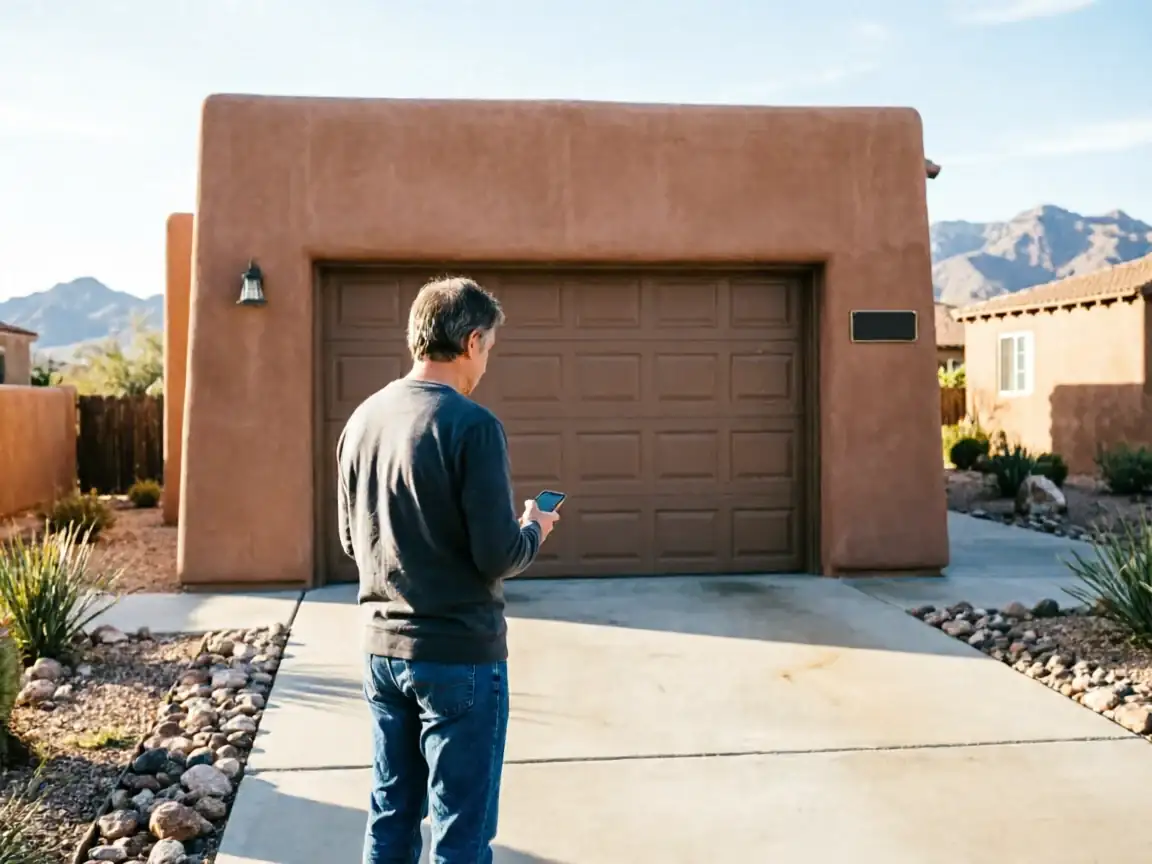
A man stands in front of a brown garage door, looking at his phone.

Tell us what’s wrong

Describe the symptom - won’t open, loud bang, opener runs but the door won’t move.

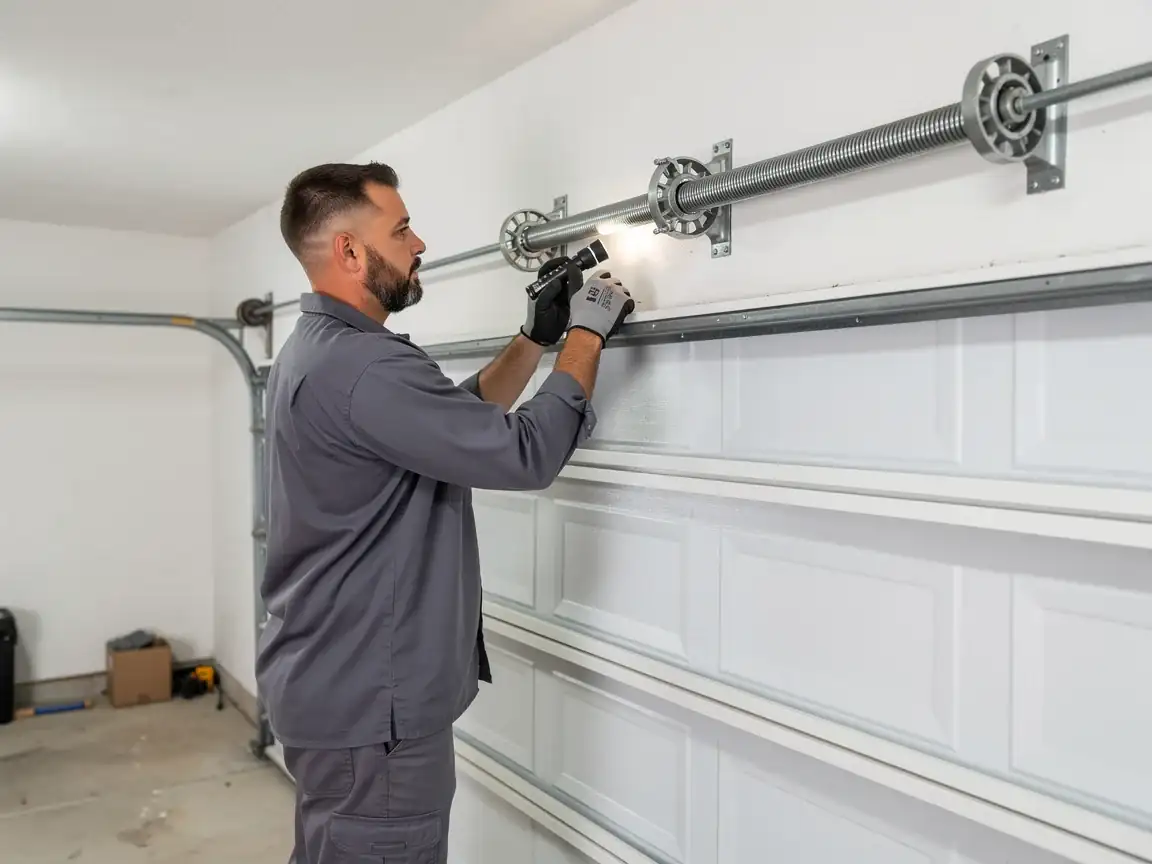
A technician shines a flashlight on a garage door torsion spring.

On-site diagnosis

A technician tests the door under power and by hand and finds what actually failed.

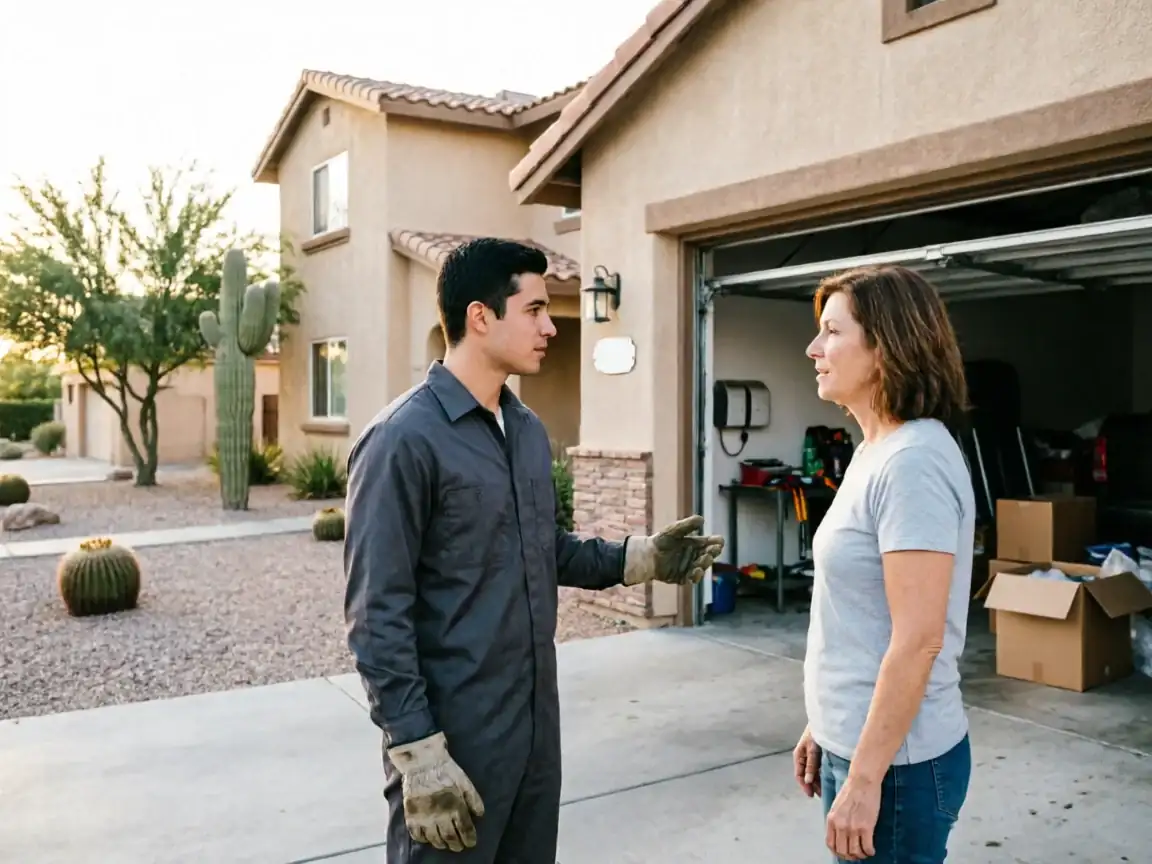
A technician in a gray uniform talks to a woman in front of a house.

Clear, up-front plan

You get the fix that’s needed and what drives the cost - before any work starts.

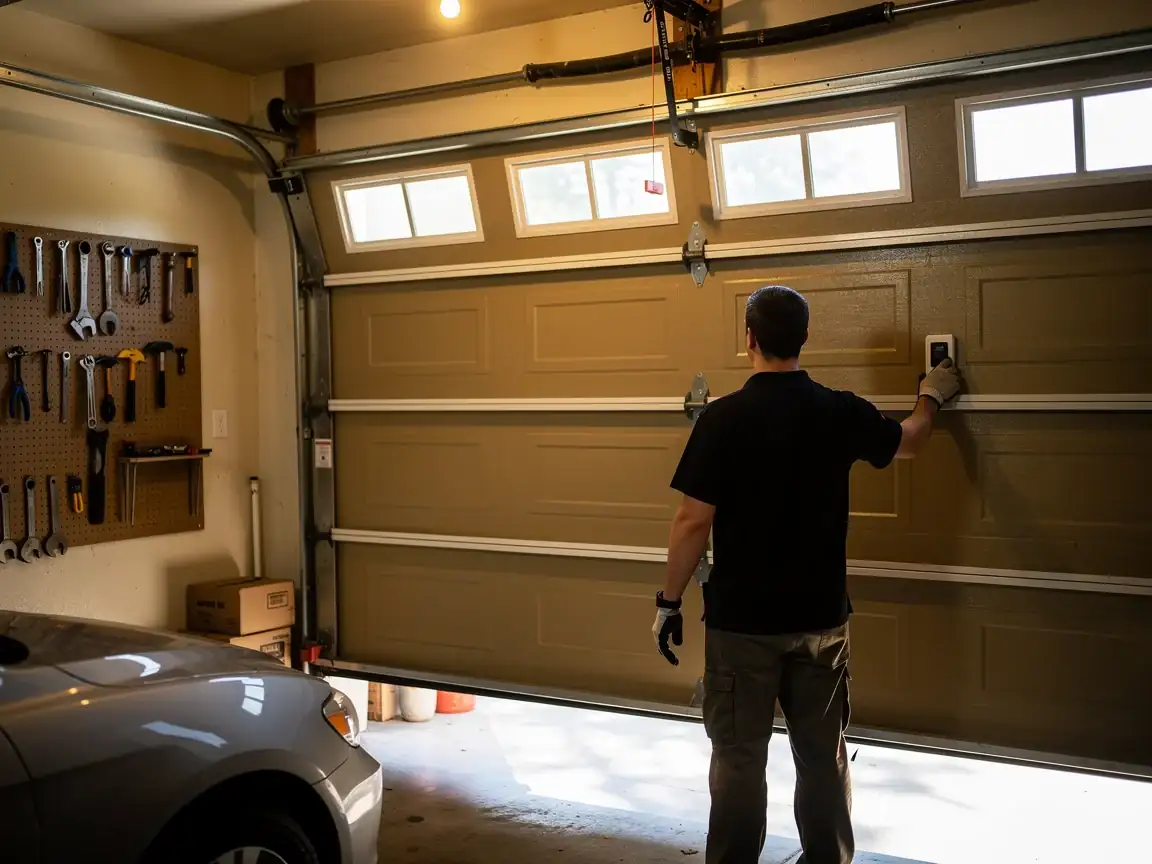
A technician in gloves operates a tan garage door with windows.

Repaired & tested

The repair is done, the door is set true and tested, and the work area left clean.

Not sure which repair your door needs in Palm Springs, CA? Describe what it’s doing - every job starts with a diagnosis.

How we work

What to expect

A straight, honest approach on every Palm Springs job - diagnosis first, the right parts, and clean work.

01

Diagnosis first

Every visit starts by finding what actually failed - not a pre-written parts list.

02

The right part for the door

Springs and openers matched to the door’s weight and age, so the fix holds up.

03

Straight answers

When a repair makes more sense than a replacement - or the reverse - you hear it plainly.

04

Clean, careful work

Tension released safely, hardware set true, the door tested under power before we leave.

What we do

Garage Door Services

Repair and installation work for Palm Springs homes and businesses.

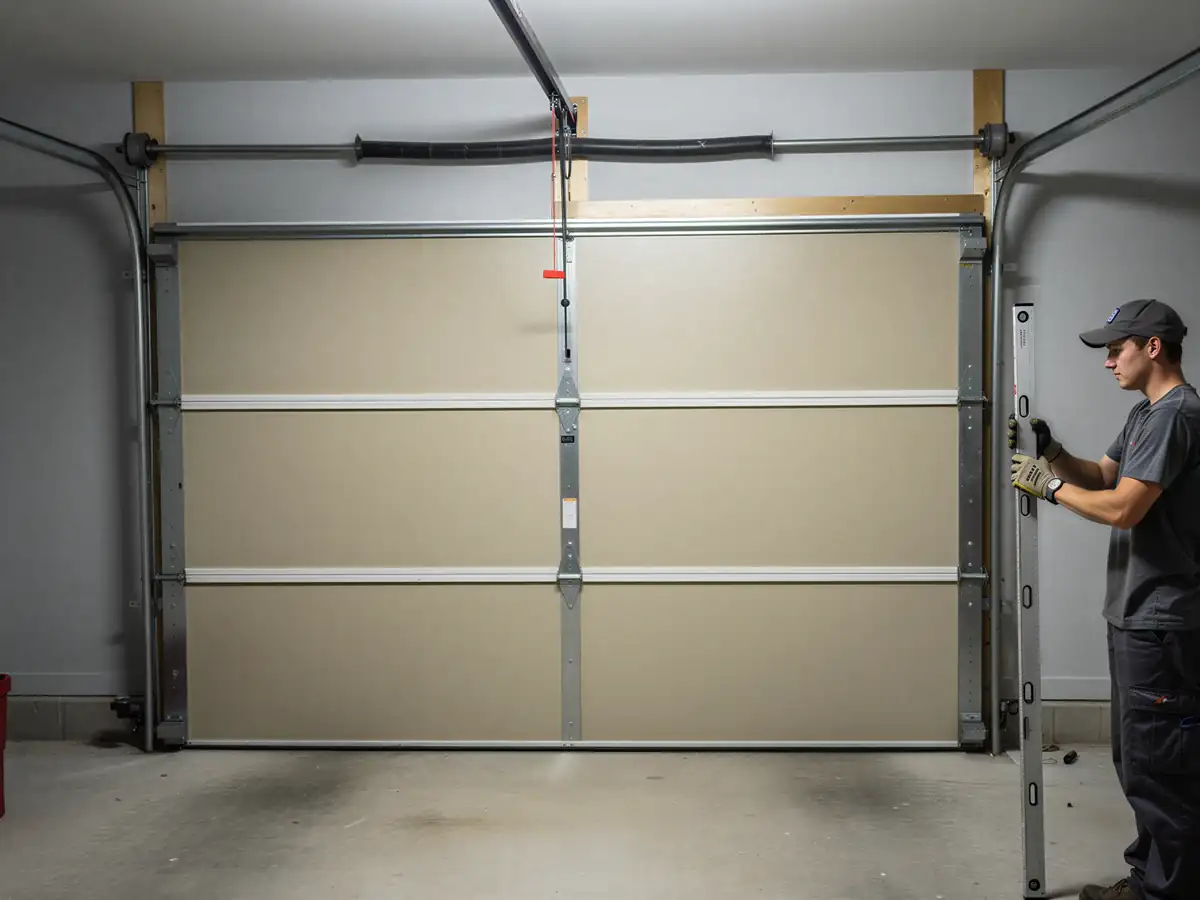
A technician uses a level to adjust a beige garage door.

Garage Door Repair

Torsion springs here fatigue faster than almost anywhere else because of Palm Springs's heat band and its 1968-1999 housing stock. Here's why, and what the fix actually involves.

Learn more
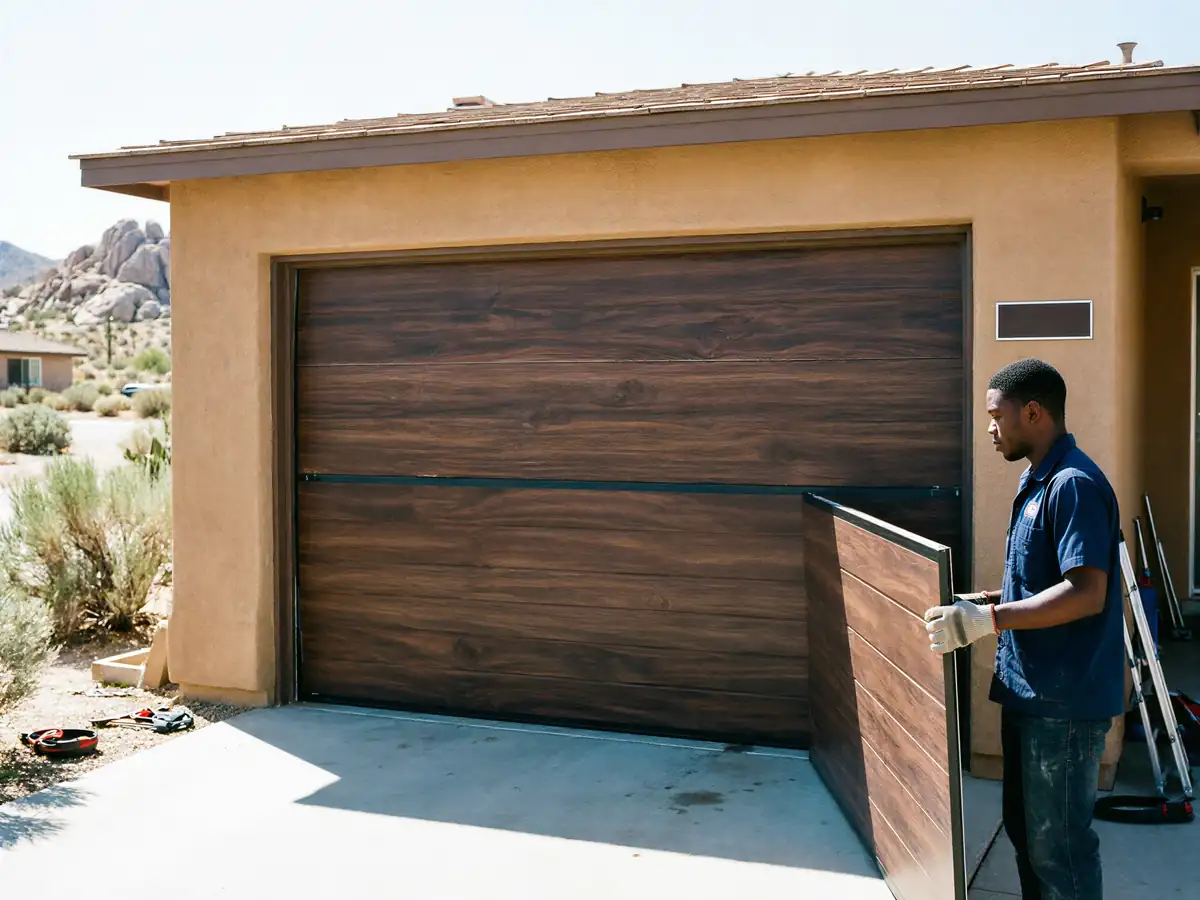
A technician installs a dark wood-look garage door on a tan house.

Garage Door Installation

Garage door installation in Palm Springs, built for 1980s-90s homes and severe desert heat. See why original doors fail here and what the install involves.

Learn more
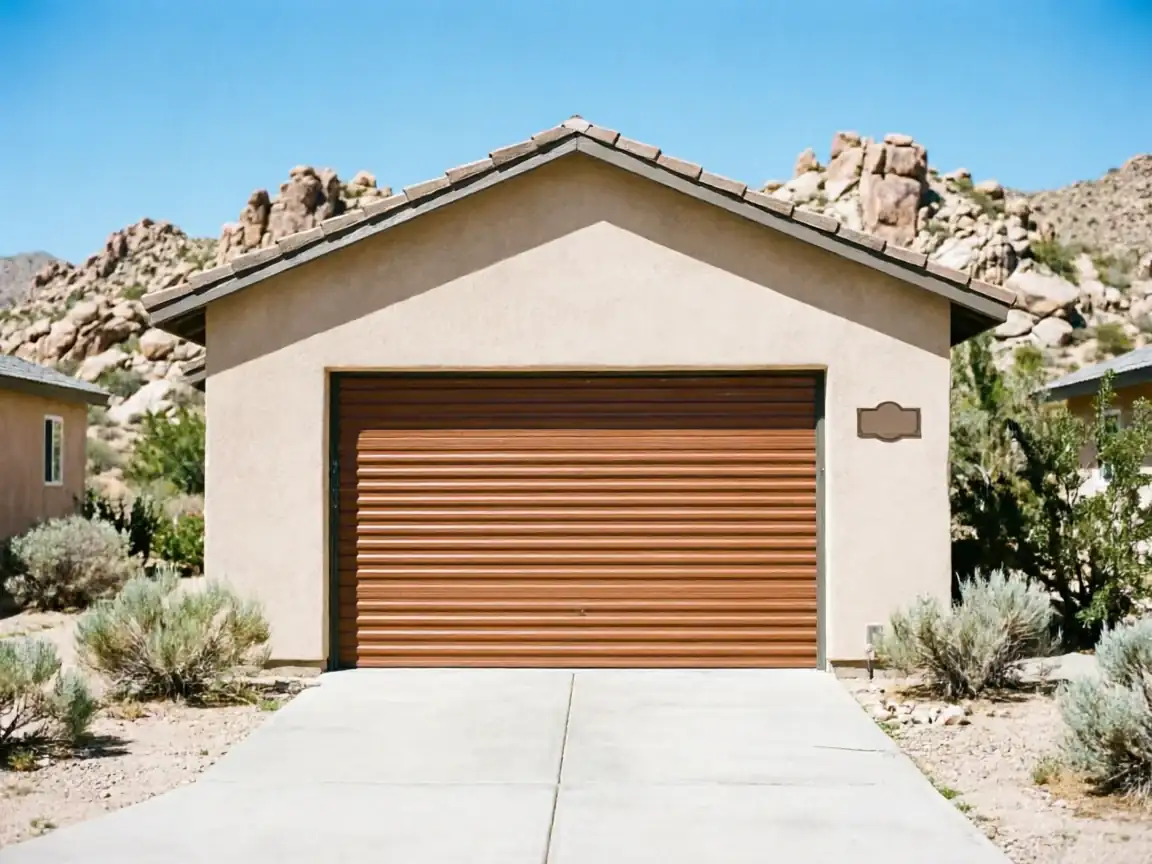
A beige garage with a brown roll-up door and a concrete driveway.

Garage Door Service

Garage door service for Palm Springs homes built 1968-1999, where desert heat fatigues springs and brittle rollers faster than almost anywhere else in the valley.

Learn more
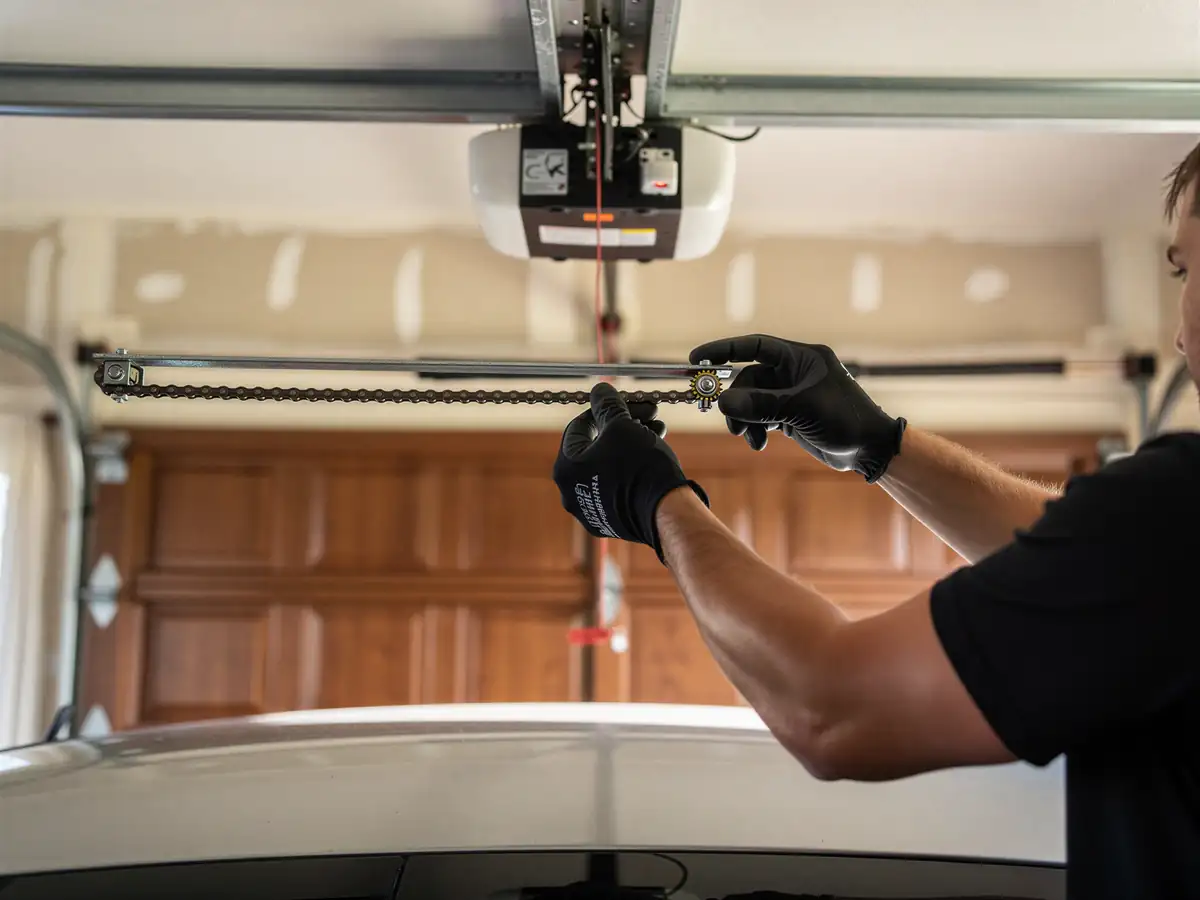
A technician in black gloves adjusts the chain of a garage door opener.

Opener Repair

Openers fail fast in Palm Springs heat on 1980s-90s tract homes. We fix dead openers, stripped gears, and no-response remotes across the Coachella Valley.

Learn more
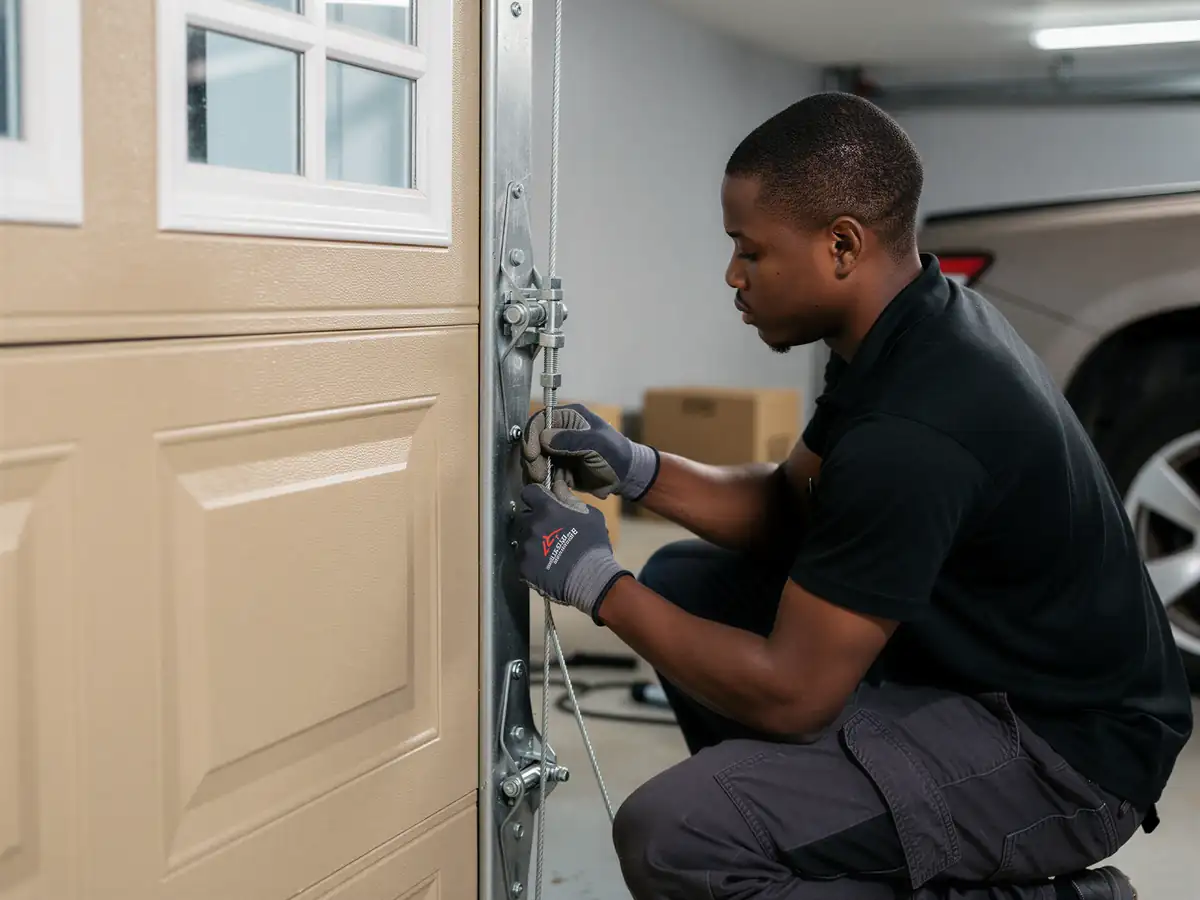
A technician in gloves adjusts the cable on a tan garage door.

Cable Repair

Cable repair for Palm Springs homes built mostly 1968-1999, where severe summer heat dries out factory cables years before they'd fail elsewhere. Same service area, no guesswork.

Learn more
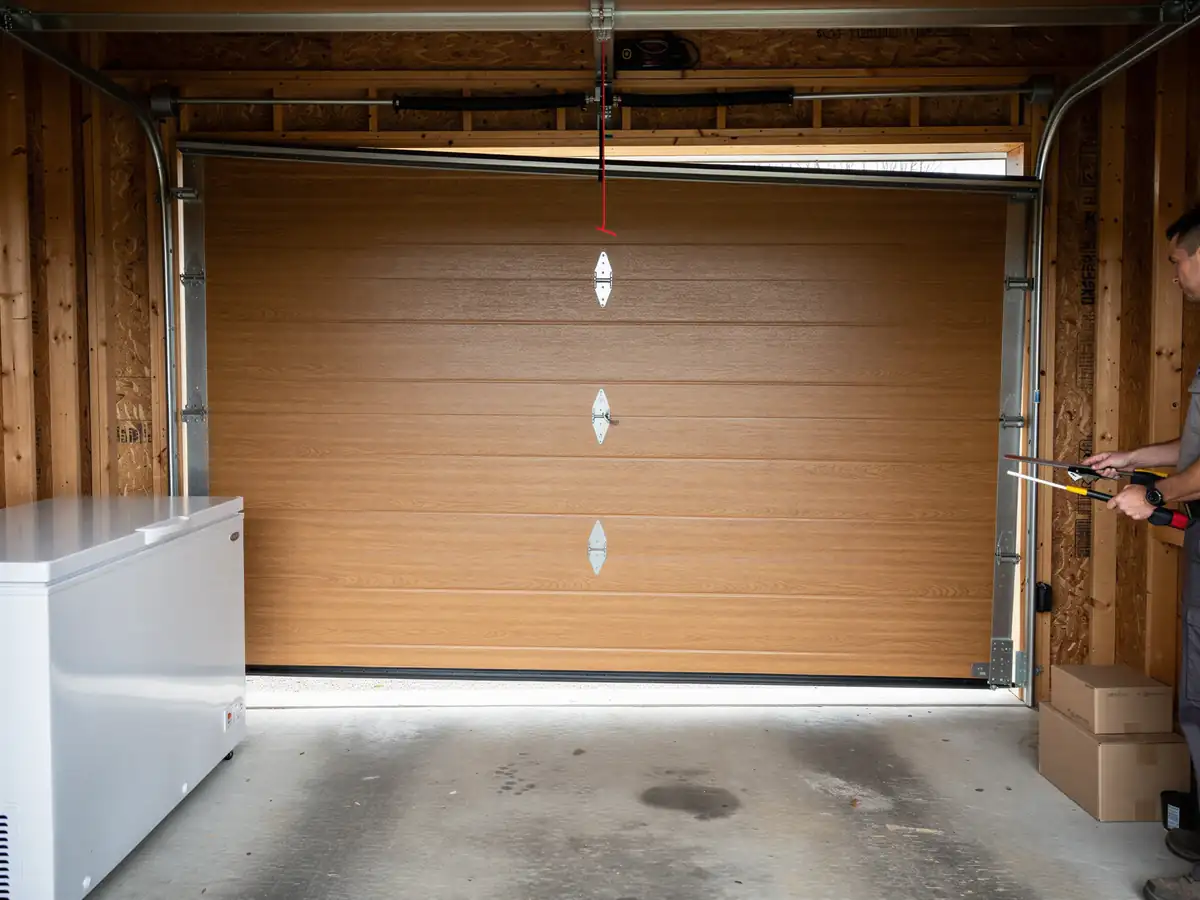
A brown garage door is partially open with a technician holding tools.

Off-Track Repair

A garage door off track in Palm Springs usually traces to heat-warped track and aging rollers from the area's 1980s-90s housing stock. Here's why, and what fixing it actually takes.

Learn more
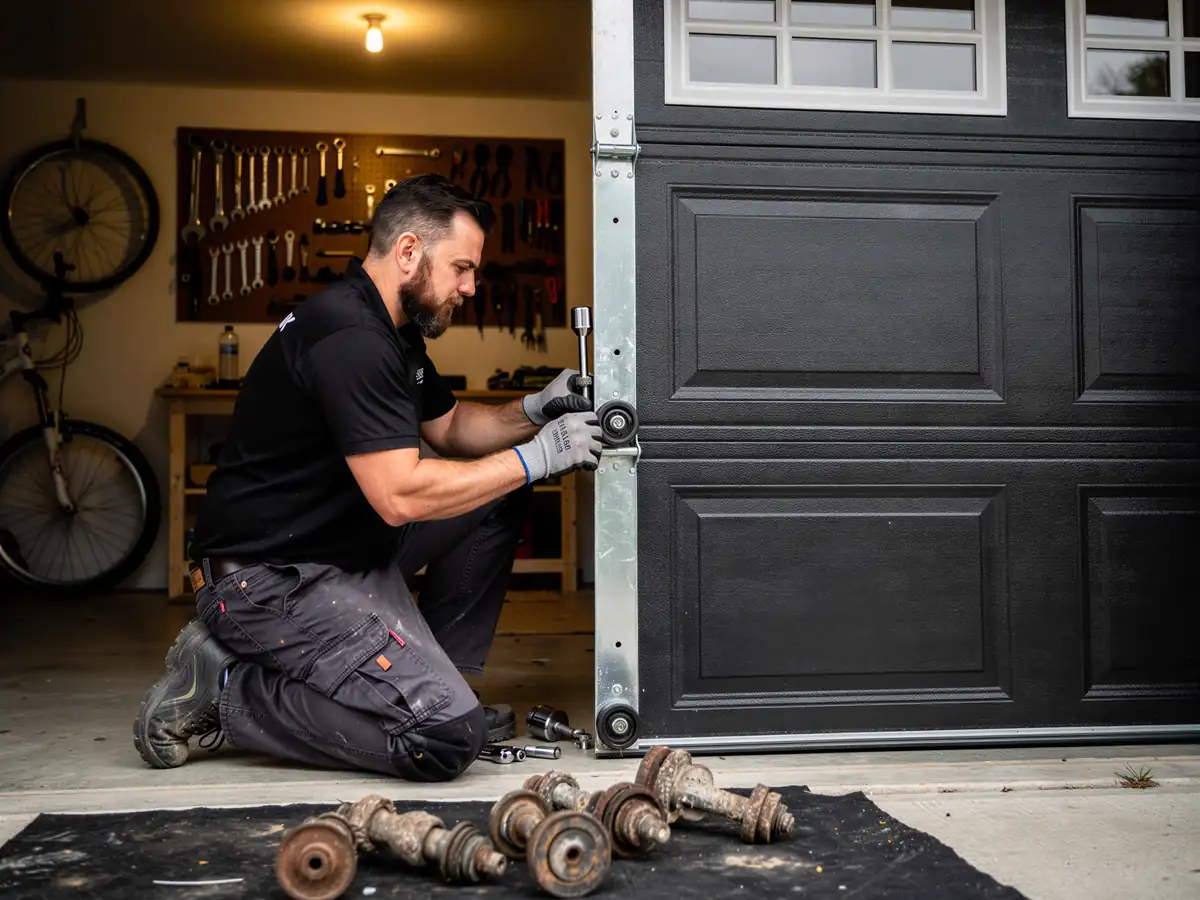
A technician kneels, repairing a black garage door with a wrench.

Roller Replacement

Rollers failing fast in Palm Springs heat? We replace worn nylon and steel rollers on doors built from the 1968-1999 boom years across the valley.

Learn more
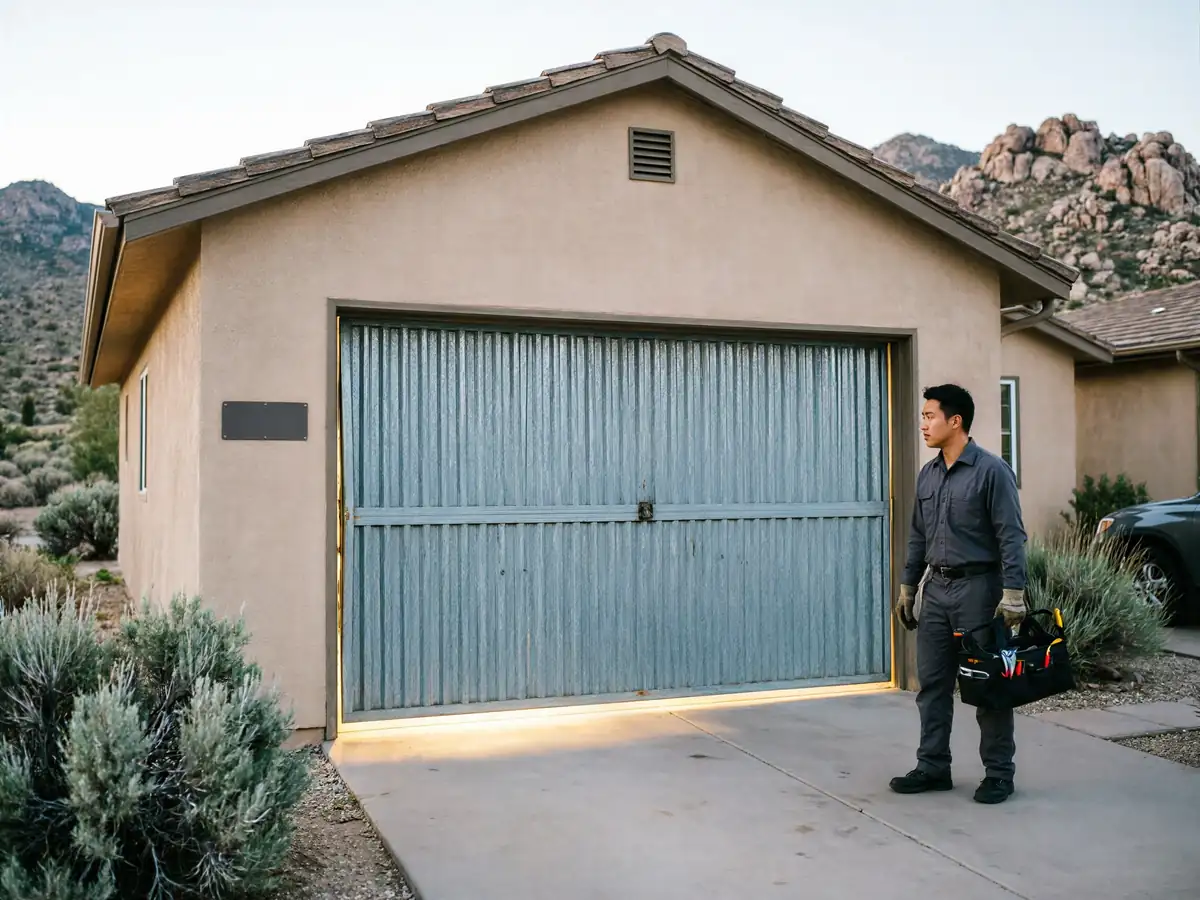
A technician stands with a toolbox in front of a garage with a metal door.

Emergency Garage Door Repair

Broken spring or dead opener in Palm Springs heat? We explain why these failures hit 1968-1999 housing stock hardest and what an honest fix actually involves.

Learn more
Questions

Frequently asked

Straight answers about garage door repair in Palm Springs. Still unsure? Ask us directly.

My house was built in the 1980s - is my garage door insulated?

Probably not. Garage doors built before current insulation rules were typically a single layer of steel with no foam core. If your house falls in the 1968-1999 range common across this area, open the door and check the back panel - bare ribbed steel with nothing behind it means it's original-era construction.

Why does my garage door panel look warped on one side?

Severe heat and direct sun cause uninsulated steel panels to expand and contract daily. On older doors from the 1980s-90s build era, that cycle warps thin panels over time, especially on south- or west-facing garages. It's a climate effect on original hardware, not necessarily a sign of damage from an impact.

Should I repair or replace an original garage door from this era?

Depends on the damage. A worn roller or seal is worth fixing. A warped panel or a spring you can't verify the rating on, paired with the fact that hardware from houses built before current insulation code is hard to source, often makes replacement the more sensible move long term.

Is it safe to replace a garage door spring myself?

No. A torsion spring holds serious stored tension, and on an older door the spring may be original or an undocumented past replacement, meaning you don't know its rating. That's a job to have someone handle who can match the spring to the door's actual age and weight.

Ready to get your garage door sorted?

Tell us what it’s doing and where you are in Palm Springs - we’ll take it from there.

Request a QuoteCall