Why This Fails Locally
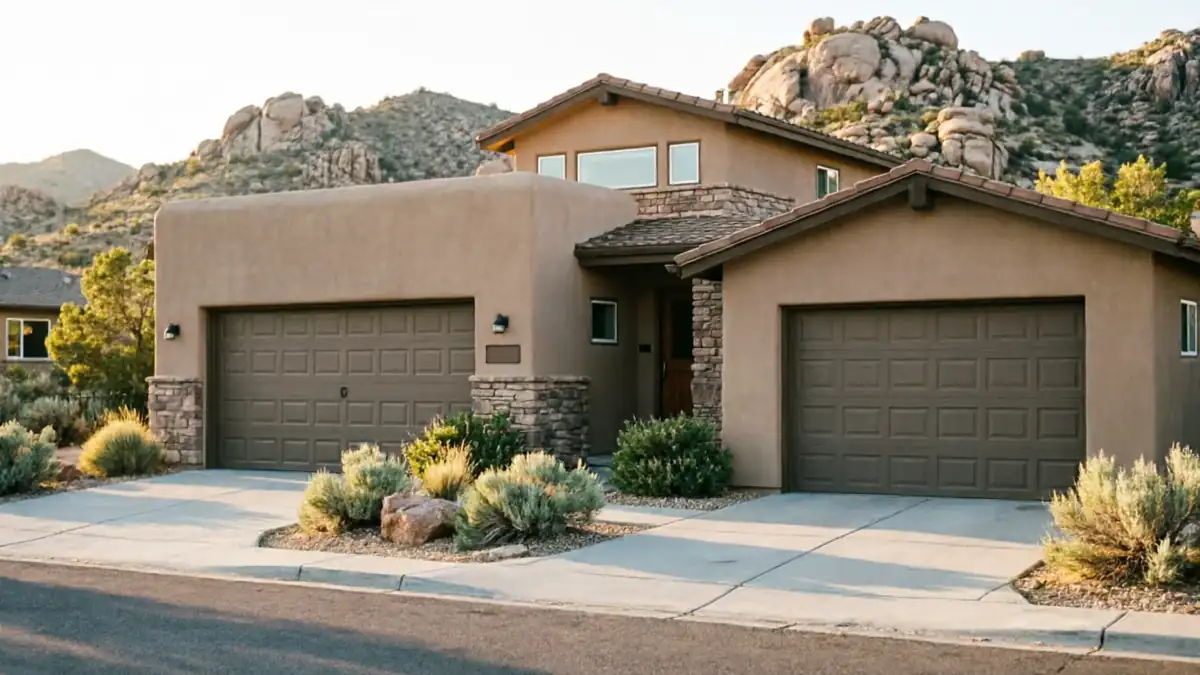
Most houses in the Palm Springs service area went up between 1968 and 1999, with the median build year landing around 1986 - that's across thirteen named neighborhoods, almost all of them 1980s and 90s tract construction. Openers from that era, and even the second and third replacement units installed in those same houses since, were never built for what this valley does to them.
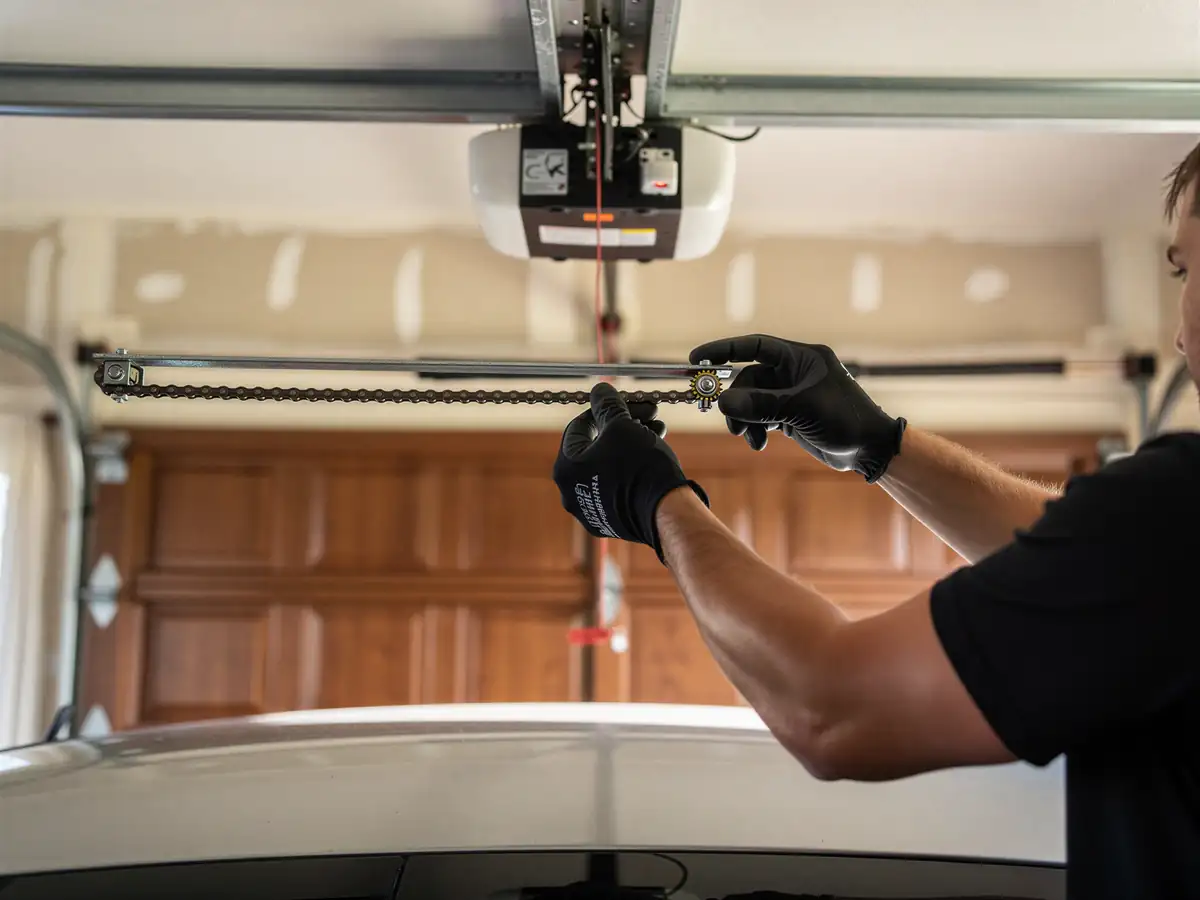
Palm Springs sits in a climate band rated severe for heat, and heat is an opener's enemy in three specific ways: it dries out and cracks the belt or chain drive, it bakes the grease out of the gear set until the motor is grinding metal on metal, and it cooks the circuit board's capacitors until the logic board starts missing signals from the remote. None of that is a manufacturing defect. It's just what 100-plus degree garage ceilings do to a motor housing year after year.
So when an opener here dies, it's rarely one random part failing - it's the whole unit reaching the end of a heat-shortened life at roughly the same age as every other opener on the block, because the houses around it went up in the same ten or fifteen year window.
Can You Do This Yourself
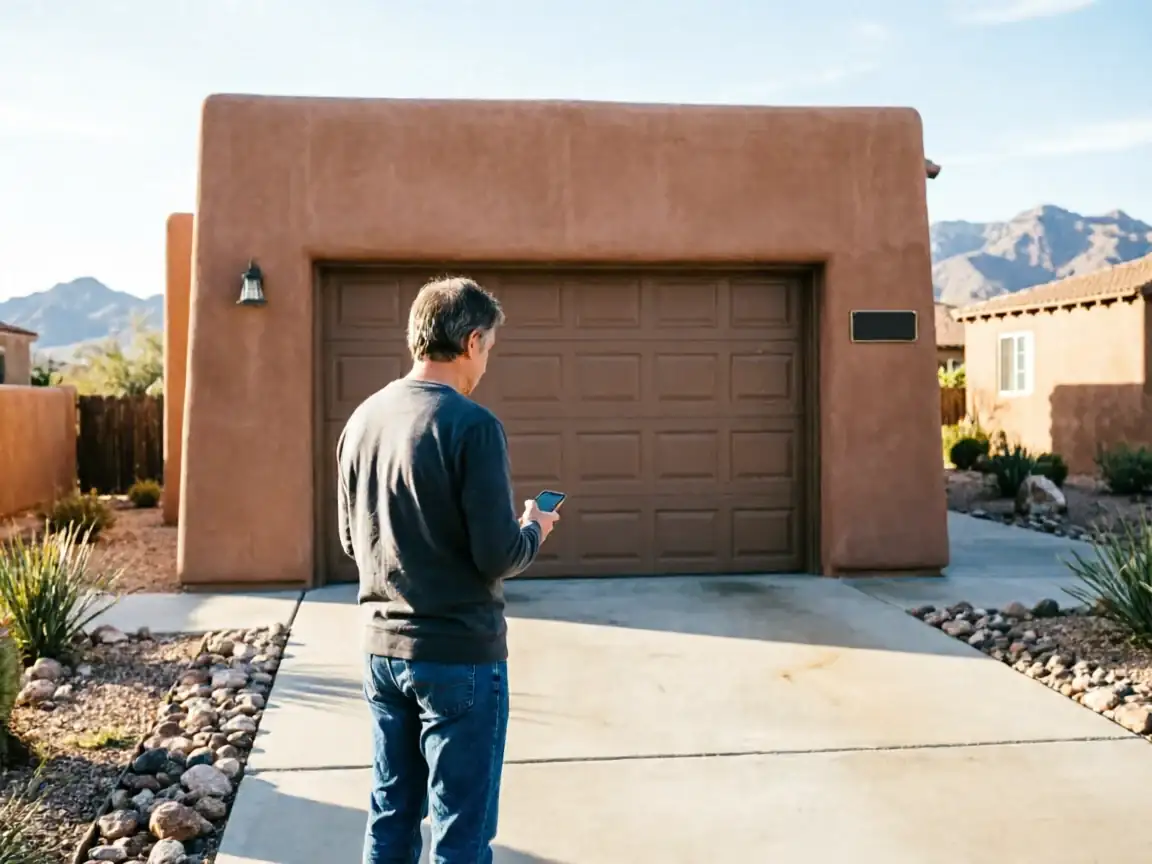
Some of this is fair to tackle without calling anyone. If the opener runs but the door won't respond to the wall button or the remote, check the antenna isn't bent flat against the motor housing, and swap the remote battery before you assume the logic board is dead - that alone solves a surprising share of no-response calls. Resetting the travel limits after a power outage is also something most owners can do with the manual that came with the unit.
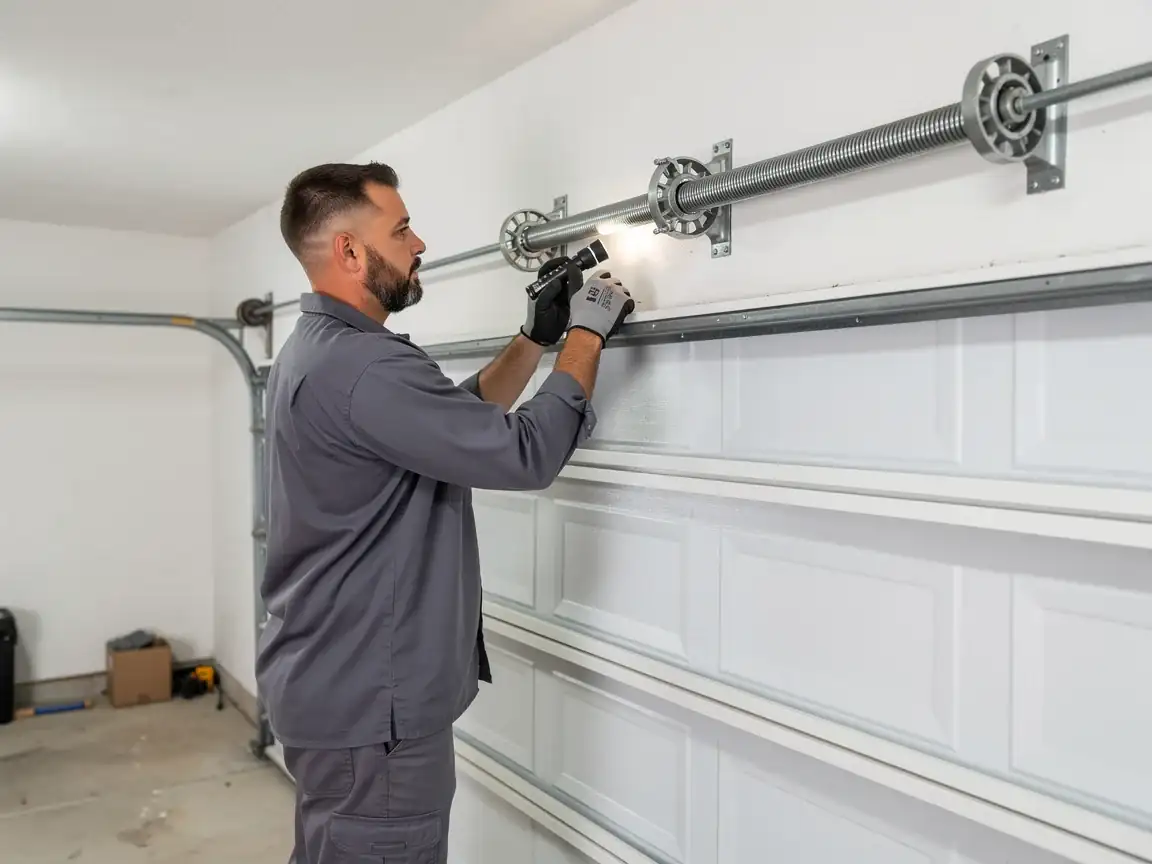
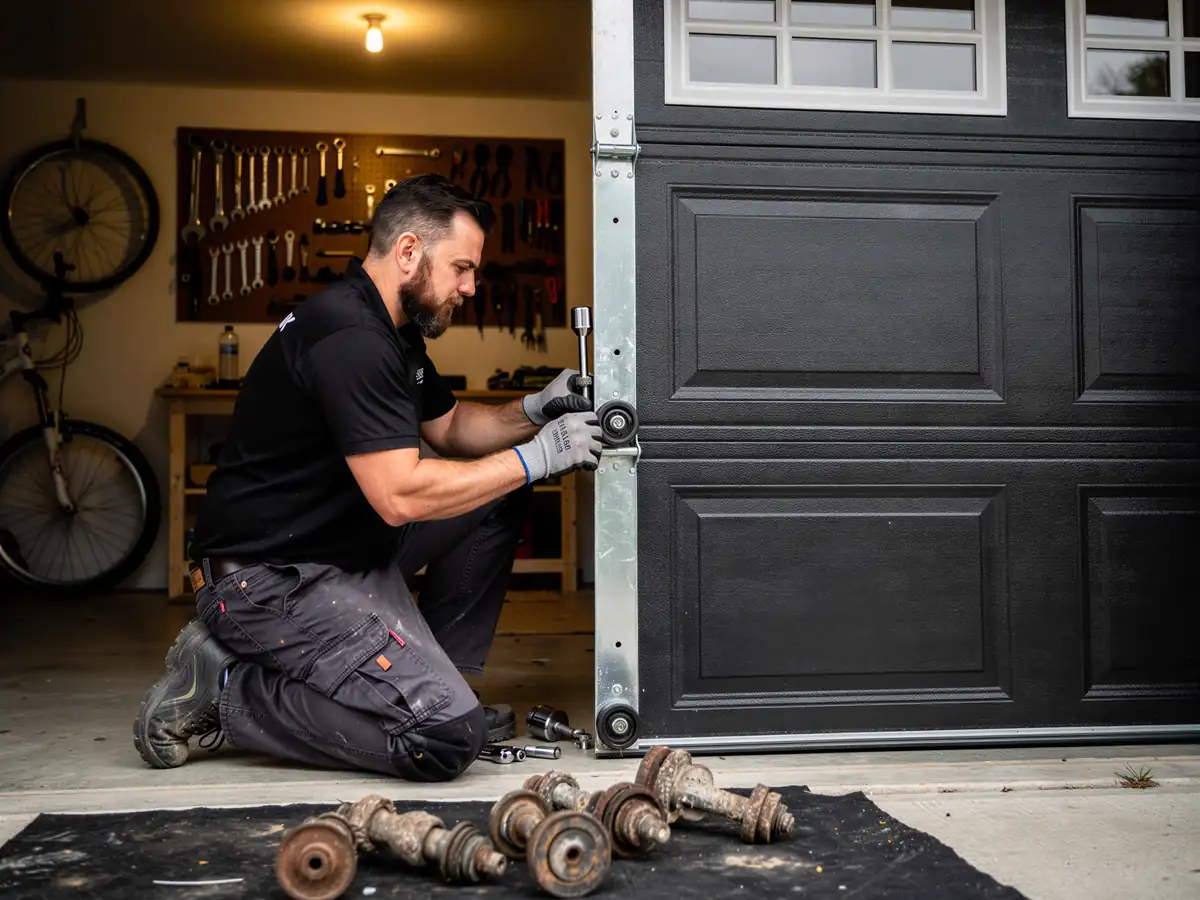
What we don't recommend DIY-ing is anything involving the spring side of the door, the drive gear inside the motor housing, or the circuit board itself. Gear kits and logic boards are matched to specific motor models, and ordering the wrong one is a wasted week waiting on a return. If the opener is straining, reversing partway through a cycle, or making a grinding sound that wasn't there last month, that's a sign the gear set or the capacitor bank is on its way out - not something a tightened bolt fixes.
One honest limit: if your opener is old enough that the manufacturer no longer makes parts for it, we're not going to pretend a repair is the smart move. At that point replacement costs about the same as a repair and comes with a working unit, not a patched one.
What the Fix Involves
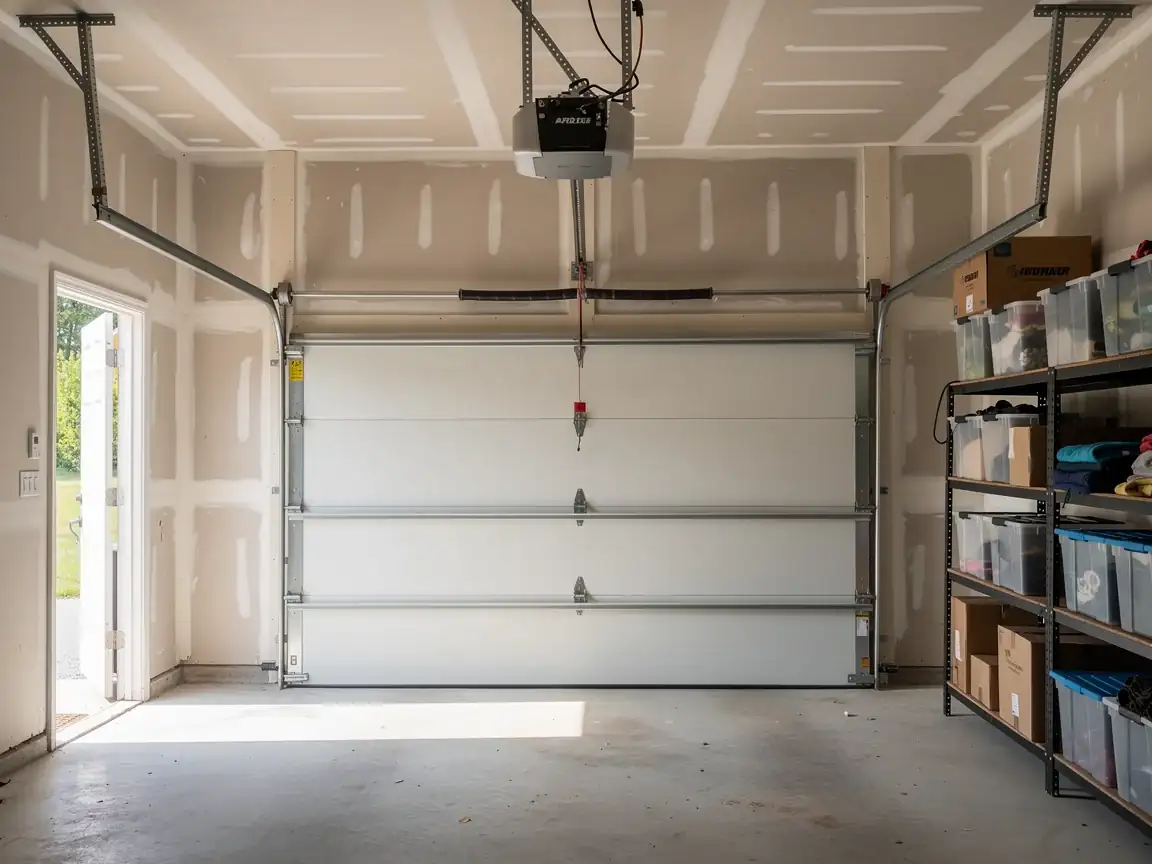
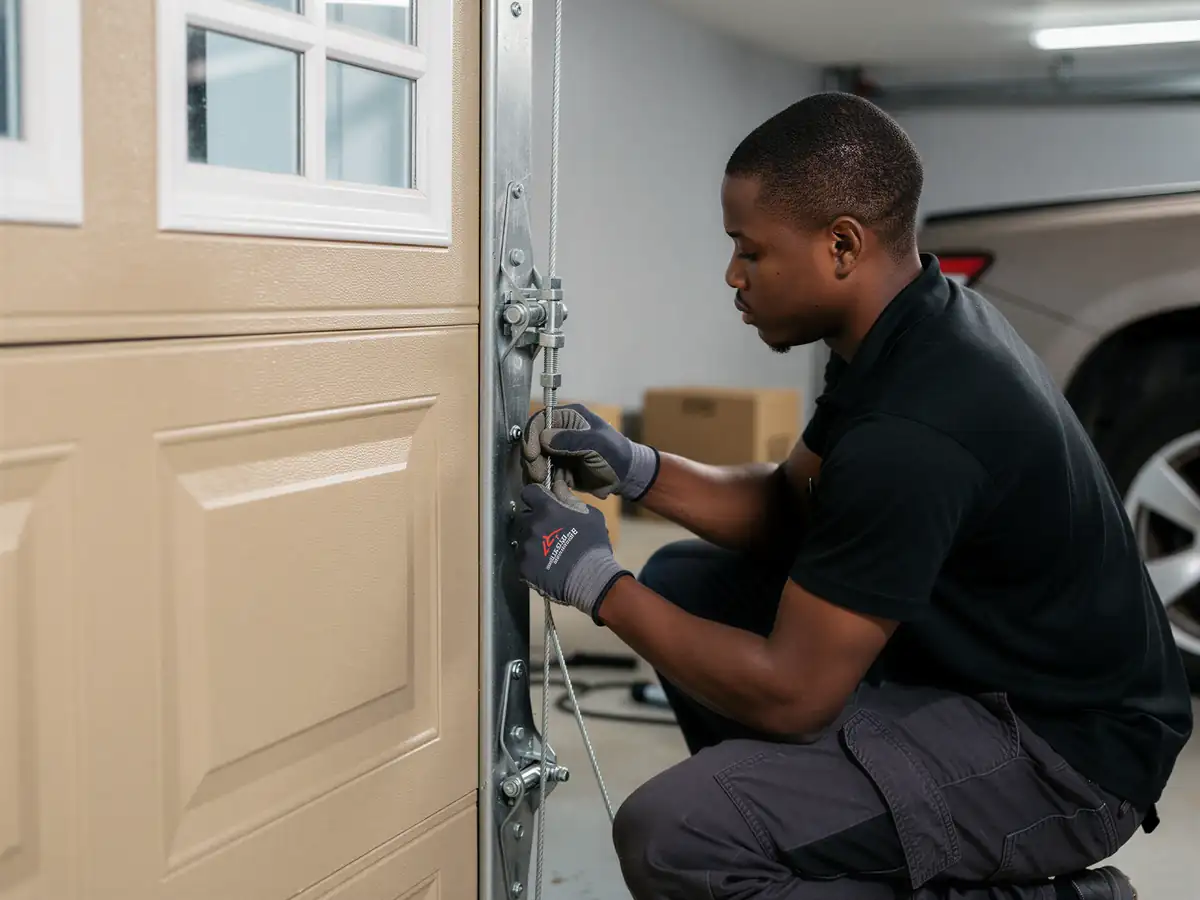
For a dead or grinding opener, the first thing we check is the motor housing
Pulling the cover to look at the drive gear, since heat-dried grease and worn nylon gears account for a large share of the no-start and grinding calls we get out here. If the gear's stripped, it gets replaced, not greased and hoped on.
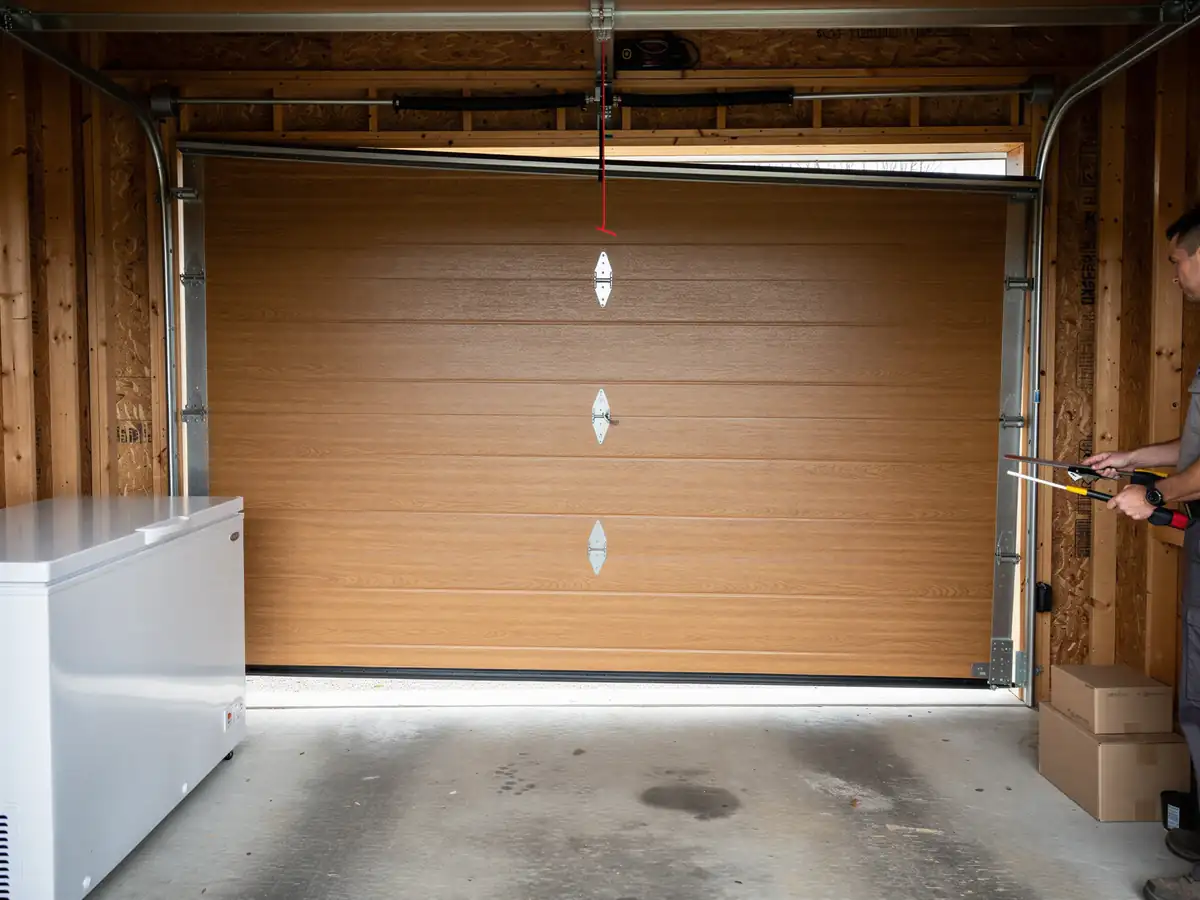
If the motor runs but the door won't move or reverses on its own
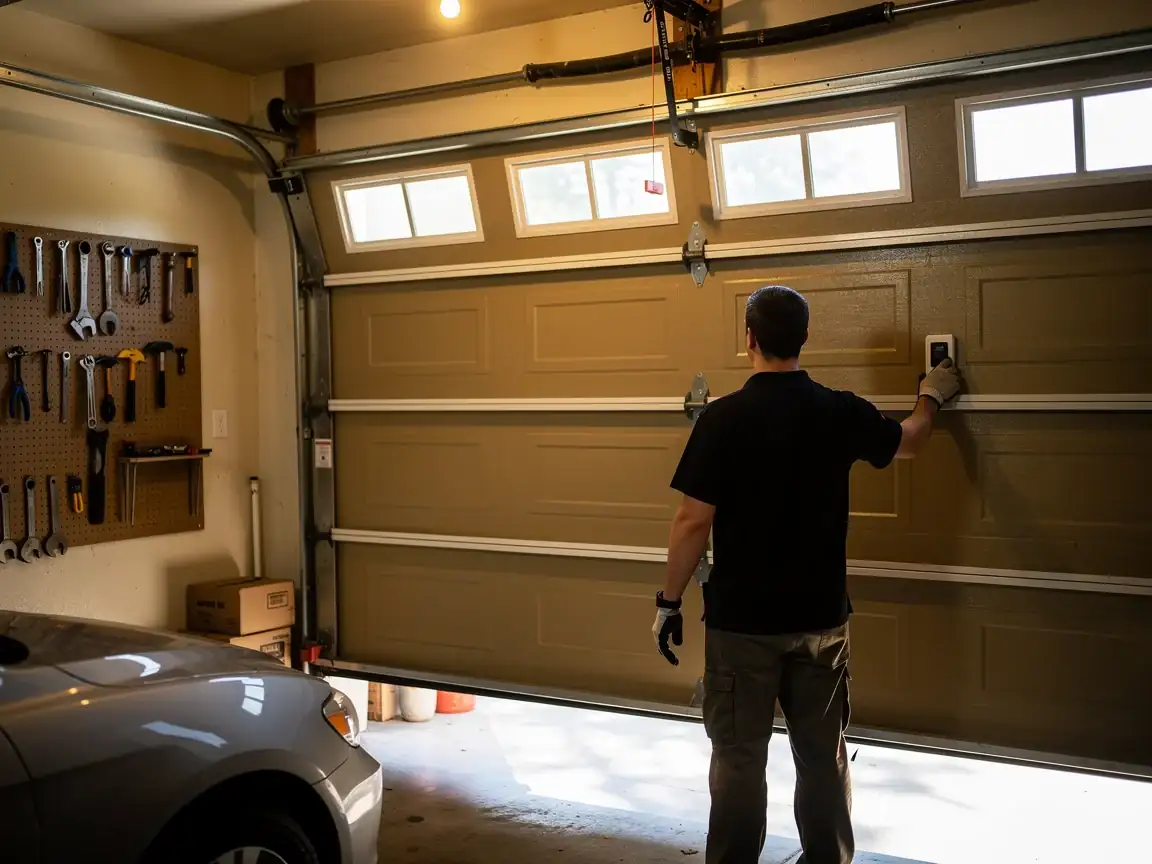
We're usually looking at the travel limit settings, the safety sensor alignment near the floor, or a failing capacitor on the circuit board - the board either holds a charge long enough to run the motor or it doesn't, and in this climate that part ages faster than owners expect.
No-response remotes get checked for battery
Then for the logic board's receiver circuit, since boards baked by years of attic-level heat in the garage ceiling lose the ability to read a clean signal. On older units matched to discontinued opener models, we check parts availability before quoting a repair - if the board or gear kit isn't stocked anymore, we say so and talk replacement instead of promising a fix we can't deliver.
What You Are Seeing
The opener runs but the door doesn't move - usually a stripped drive gear, the part that fails first in heat-aged units. The door starts down and reverses back up on its own - almost always a misaligned or sun-faded safety sensor, or a limit setting knocked loose. The remote does nothing, but the wall button still works - that's a receiver or logic board problem, not the remote itself.
A grinding or screeching sound from the motor housing before anything else goes wrong is early warning, not background noise - it's the gear set losing its grease. A light that flickers or an opener that hums but won't engage points to a capacitor on the circuit board giving out, which is common in units that have spent a decade or more in an uninsulated garage ceiling here.
If the opener works fine for a few cycles, then dies once the garage has heated up through the afternoon, that's a near-certain sign of a board or capacitor that's thermally failing, not a wiring issue. That pattern is specific enough that we usually know what we're looking at before the truck even leaves.