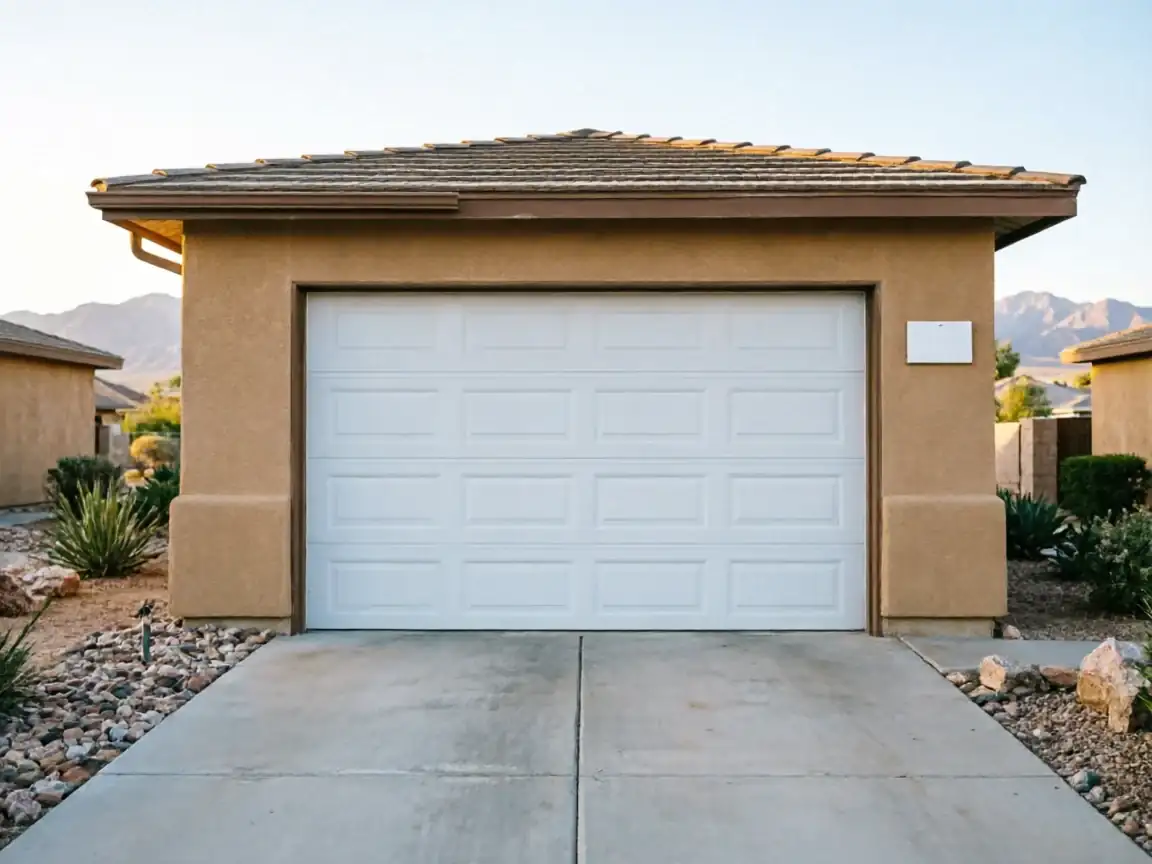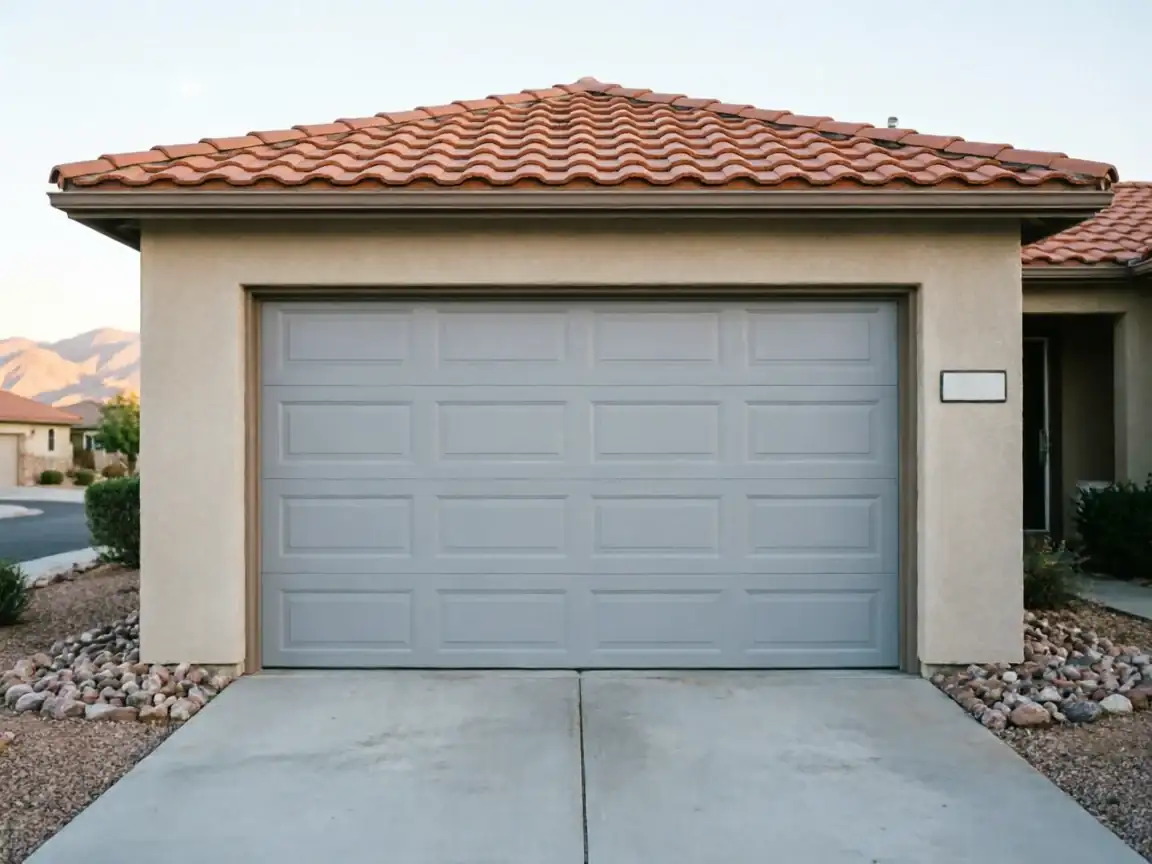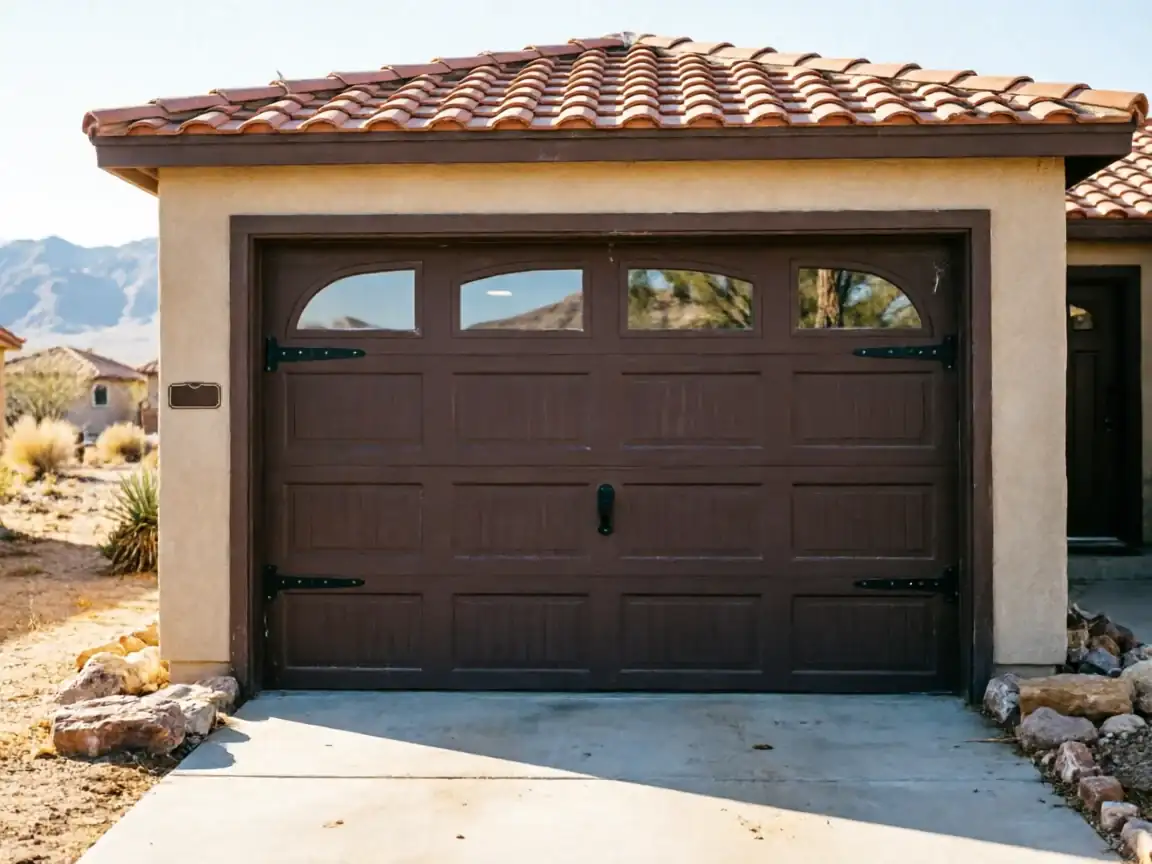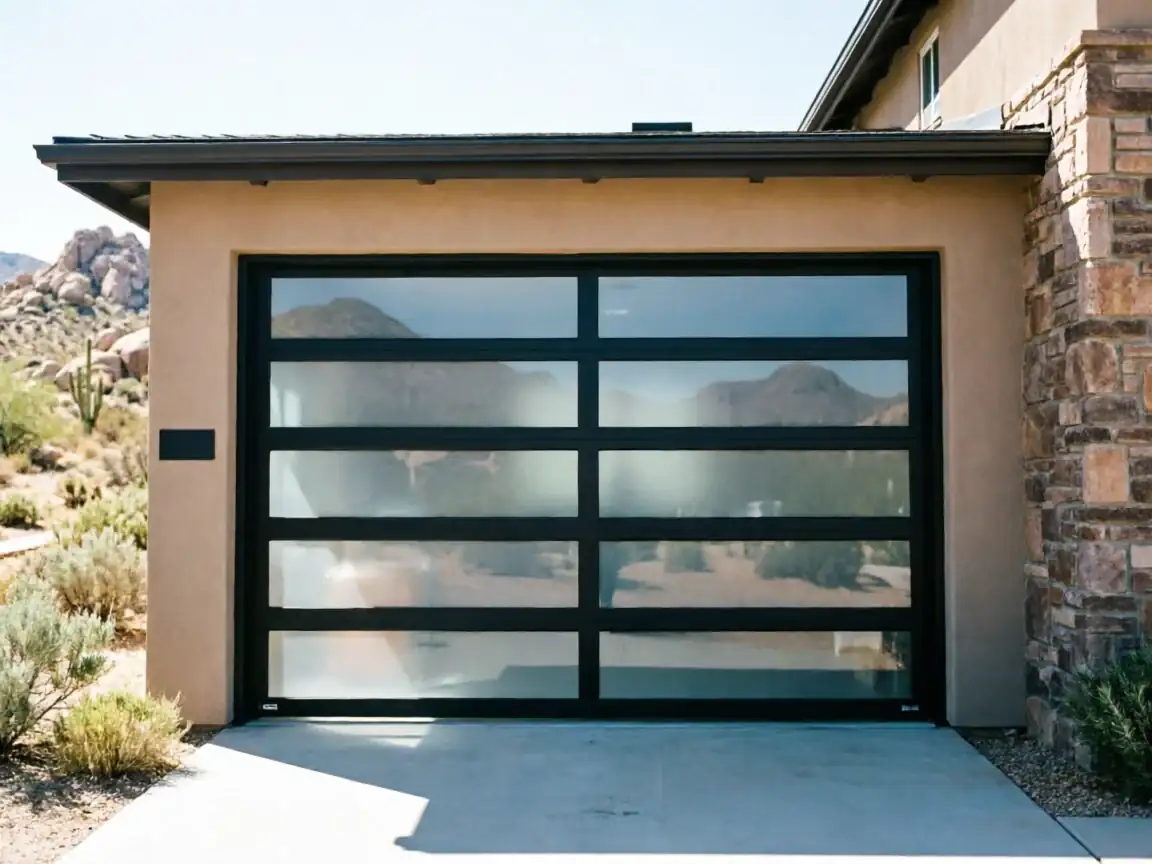
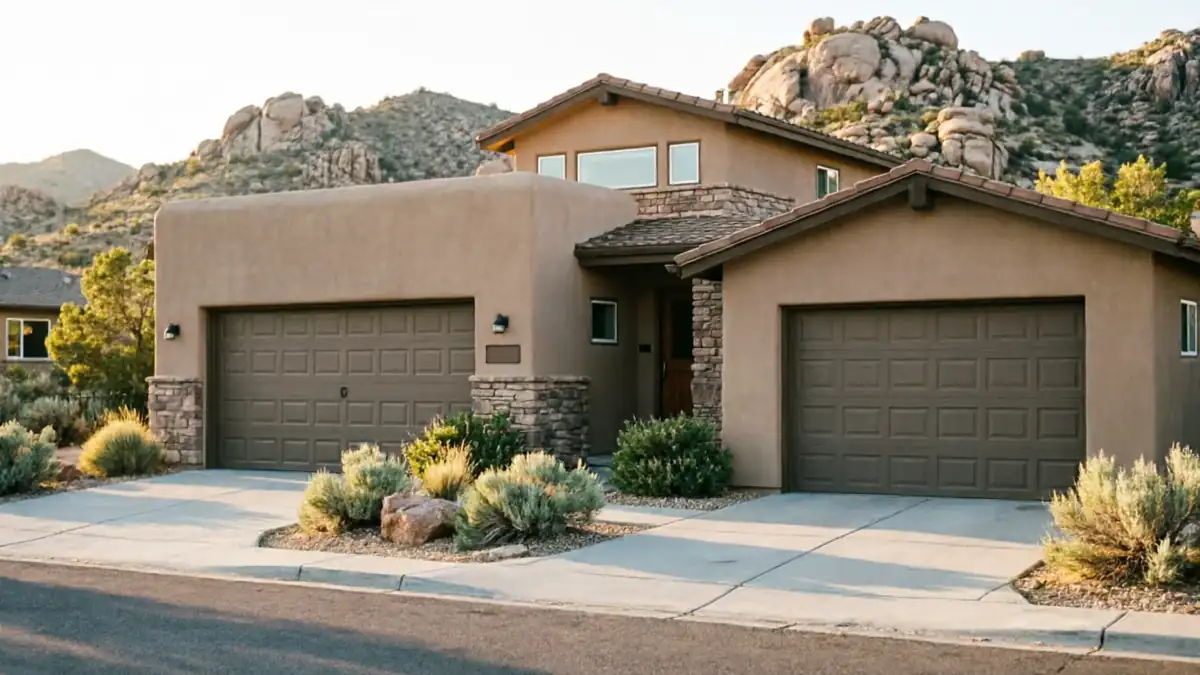
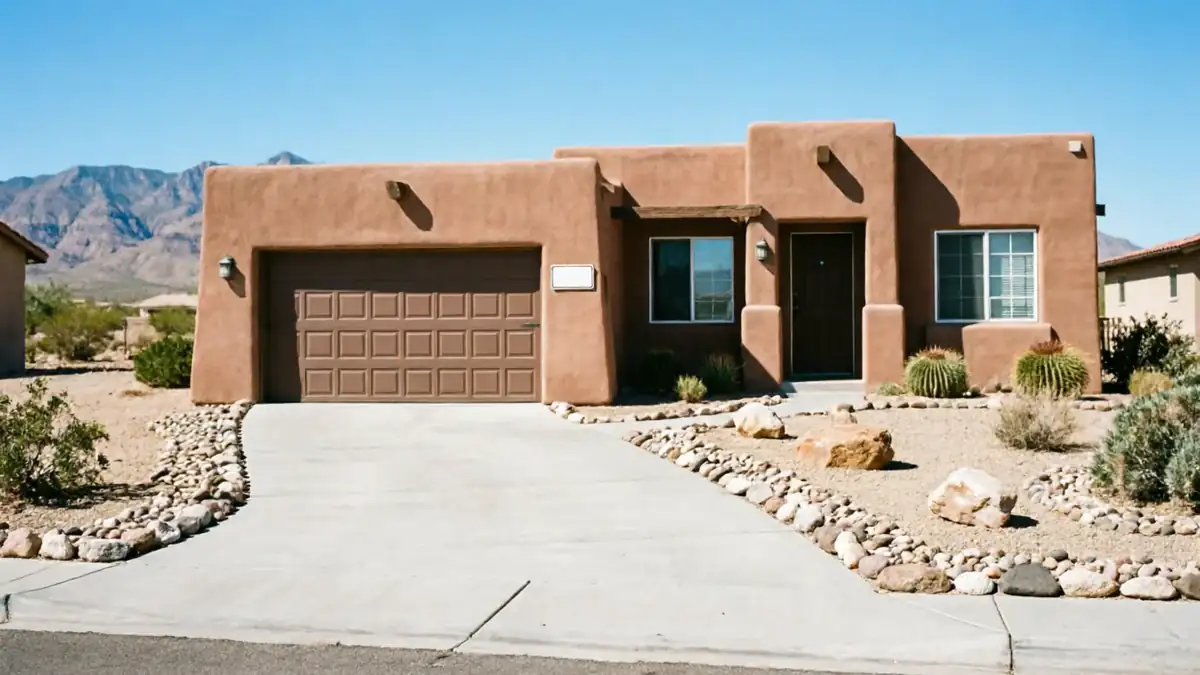
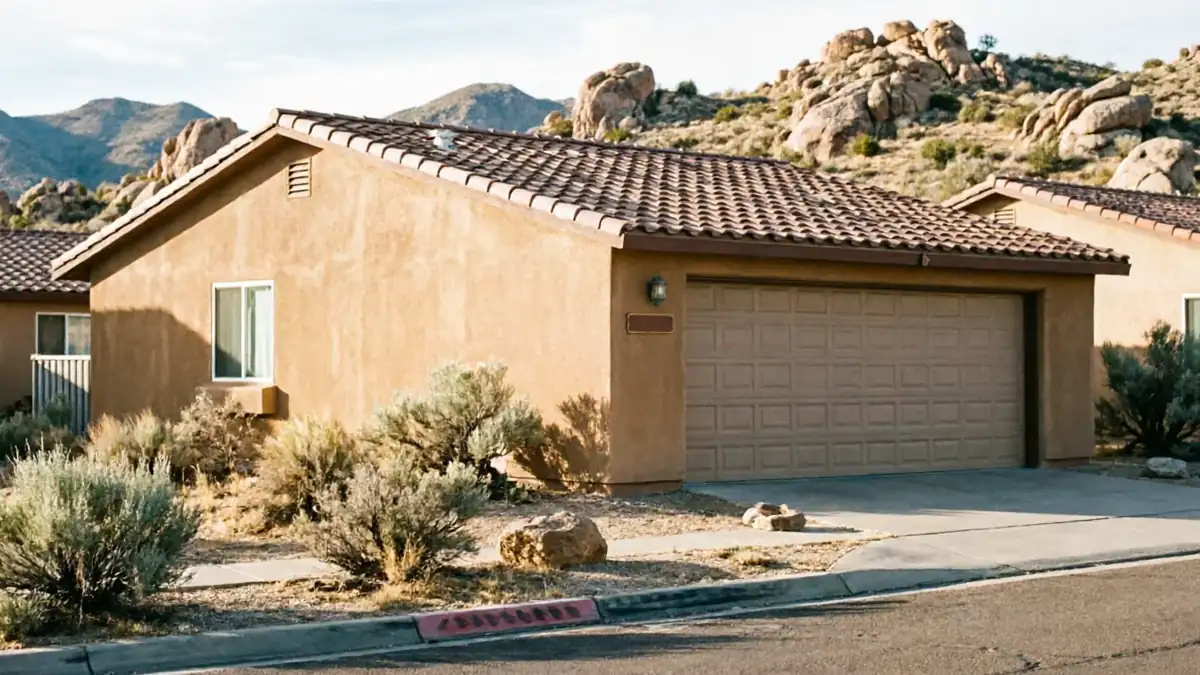
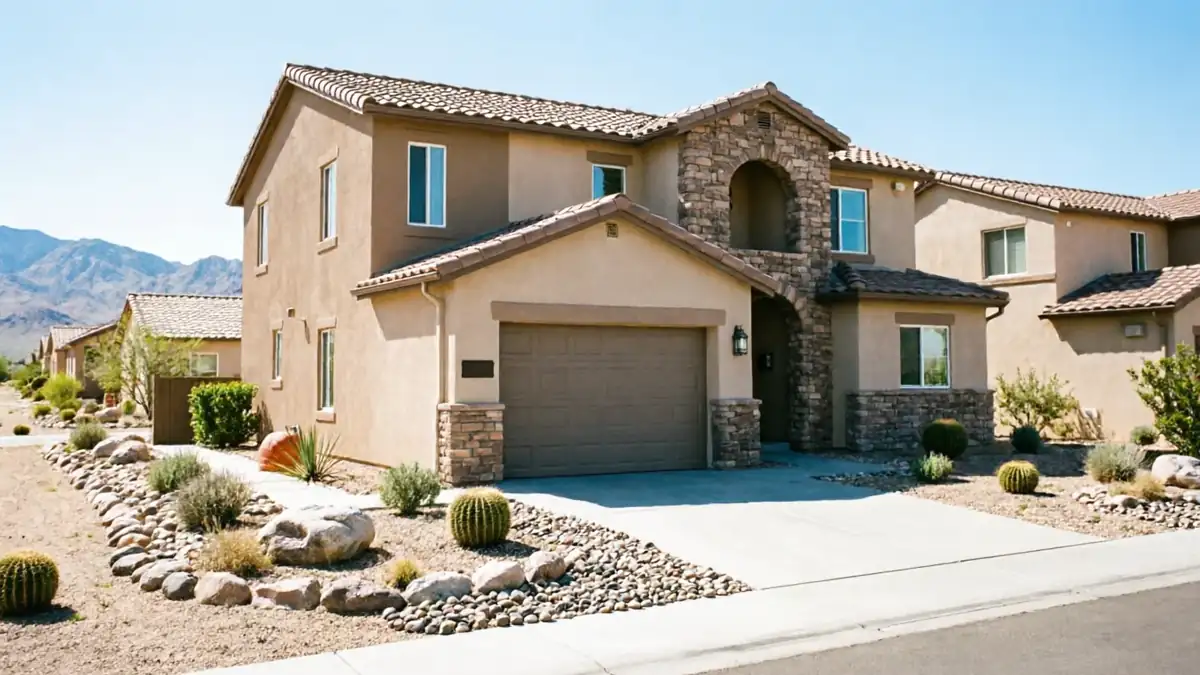
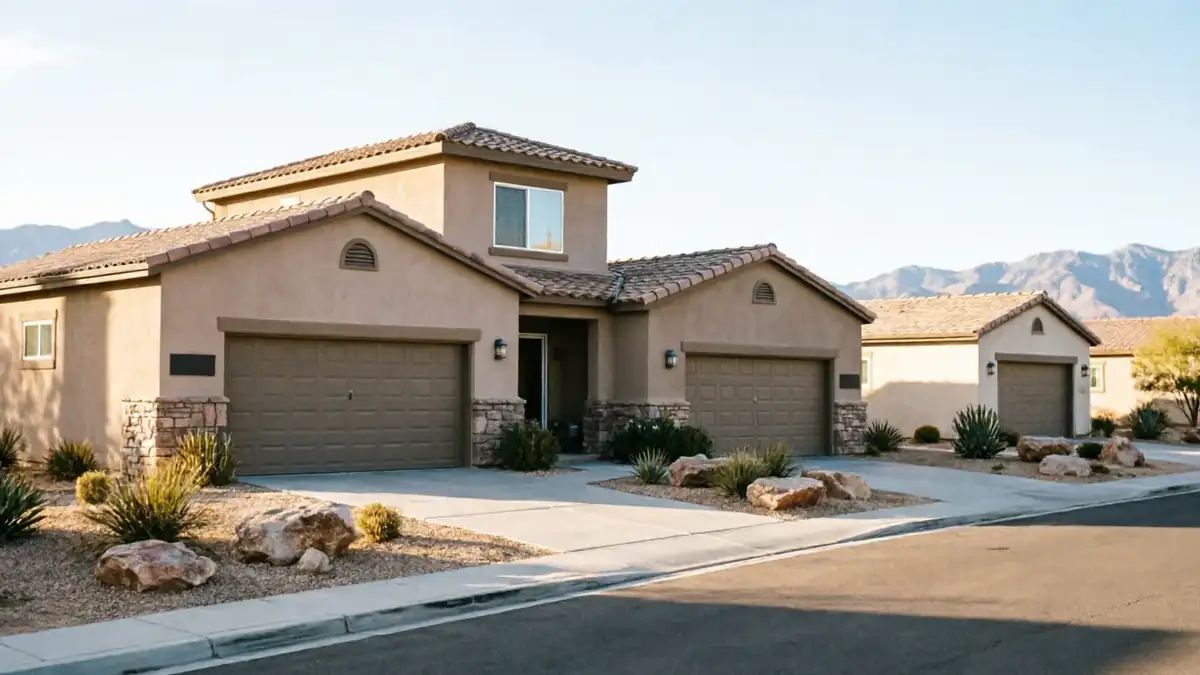
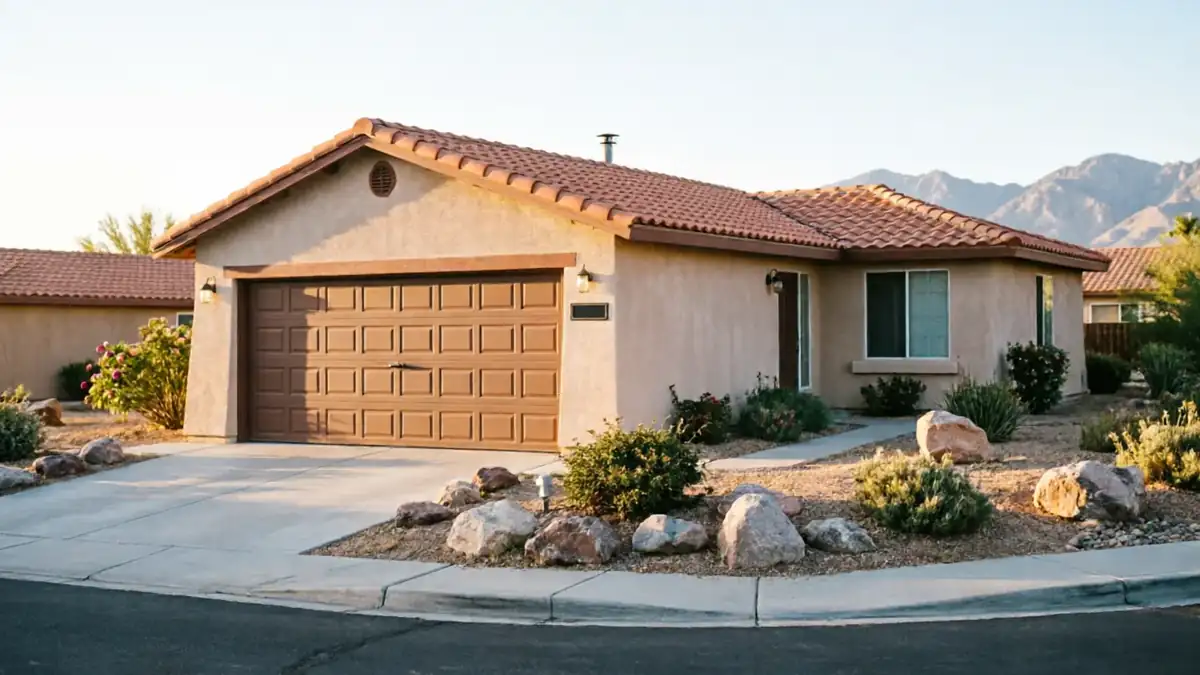
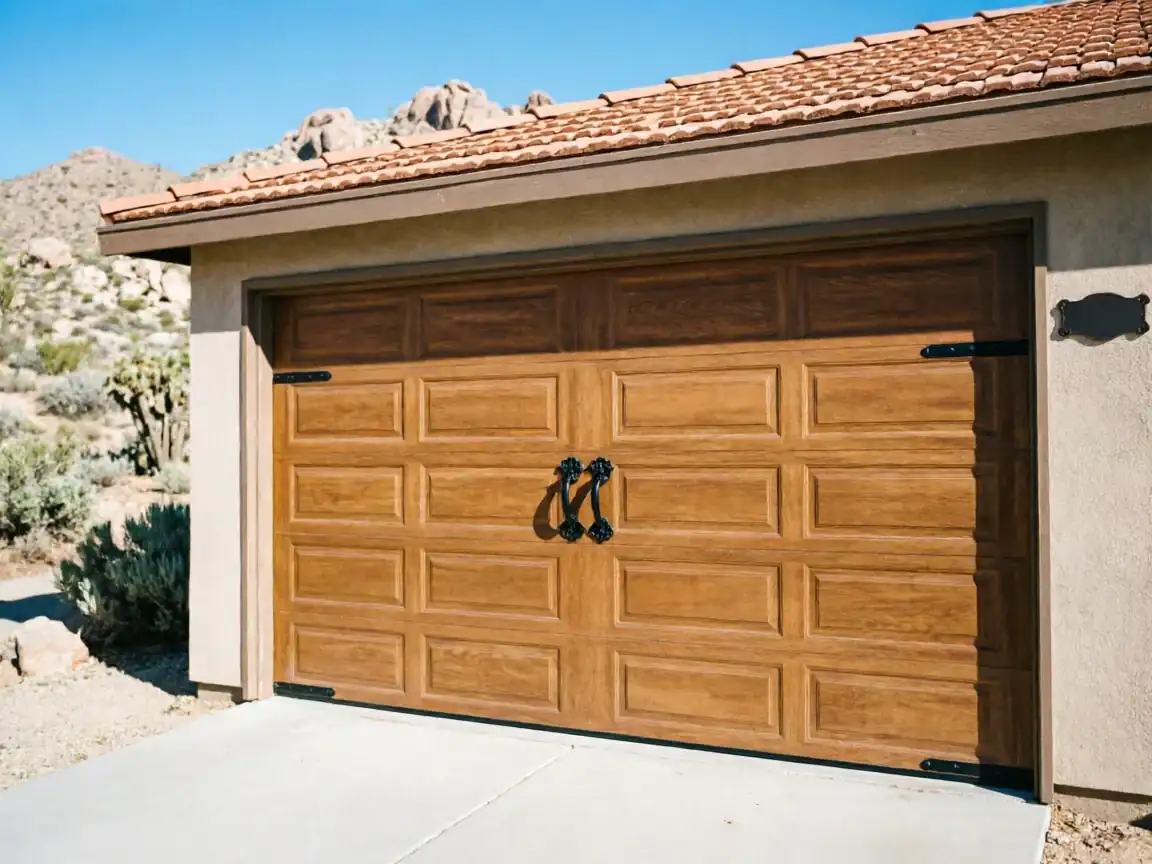
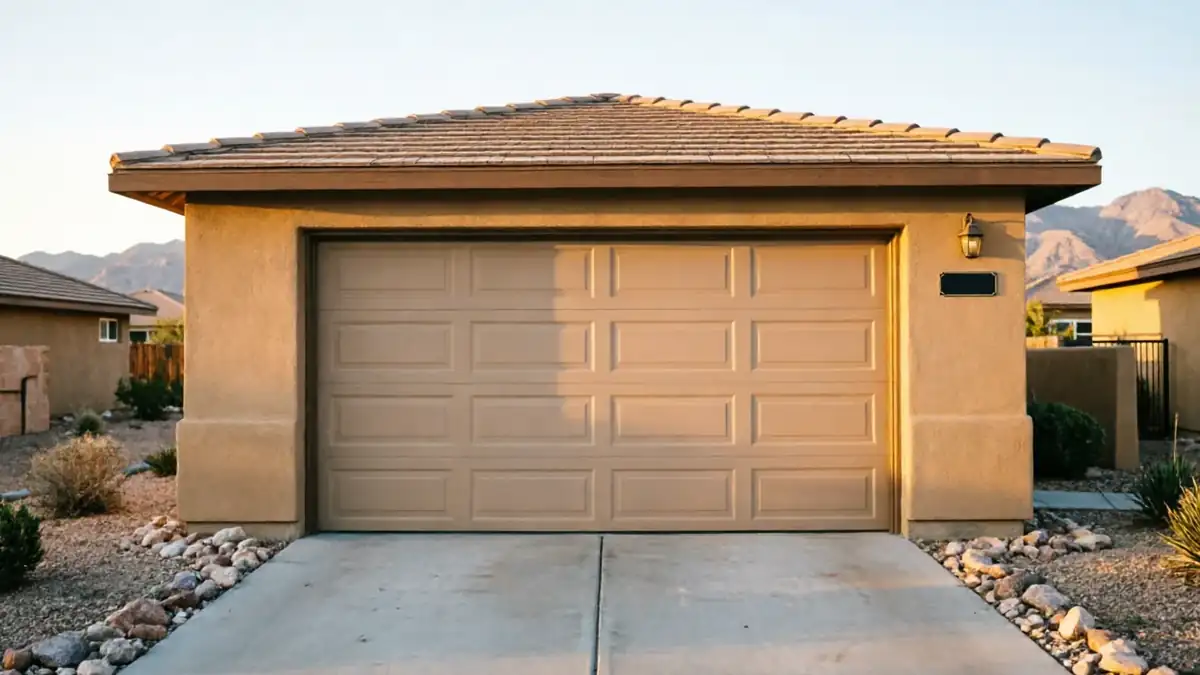
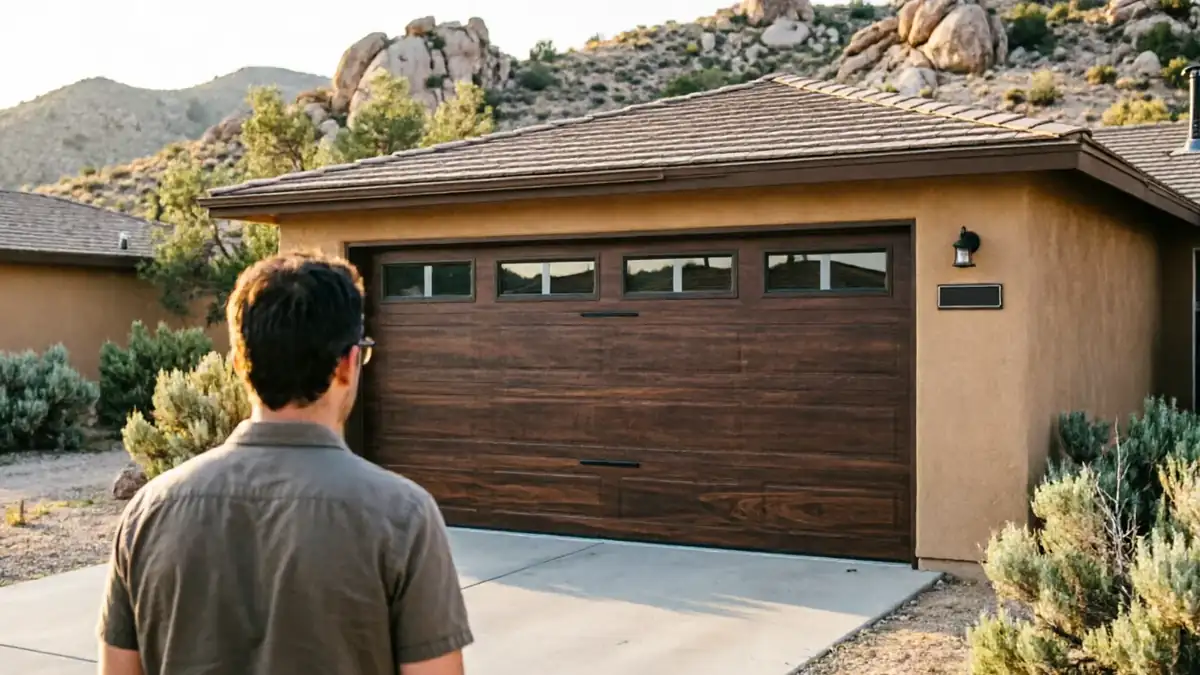
The Houses Here
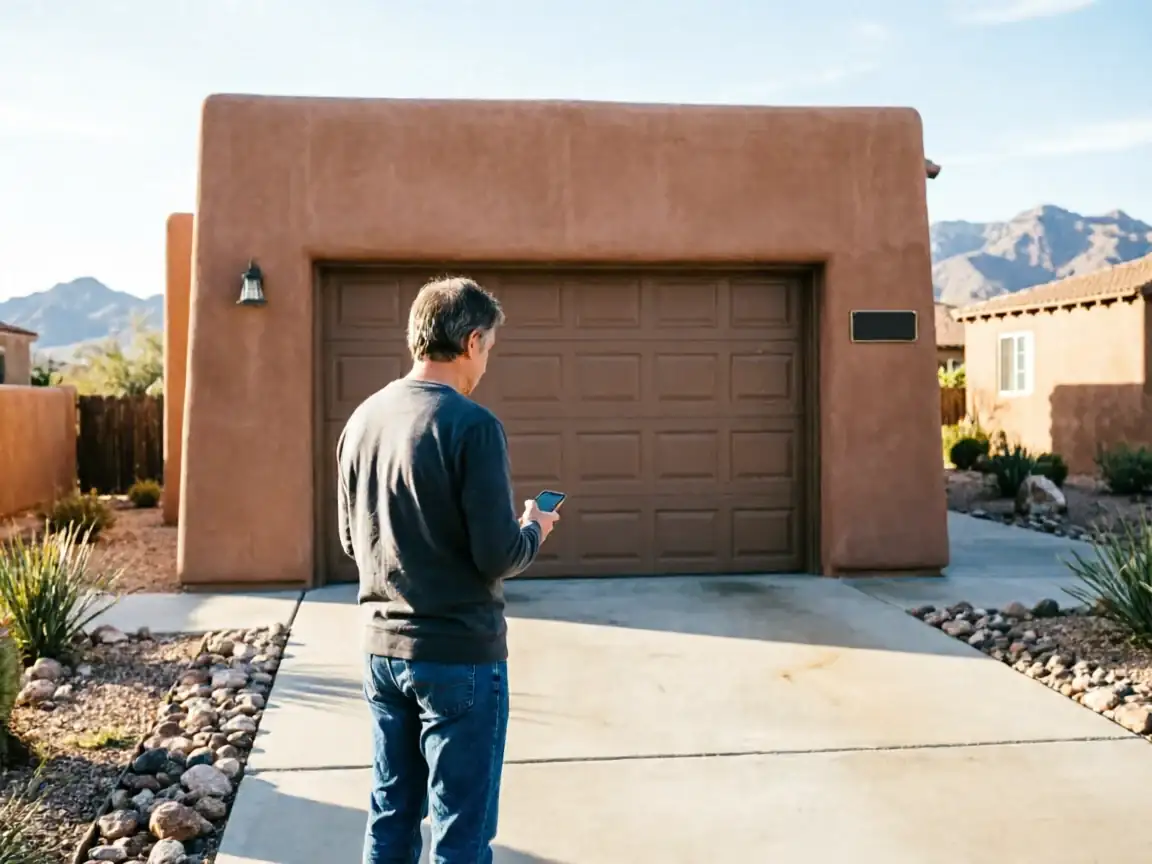
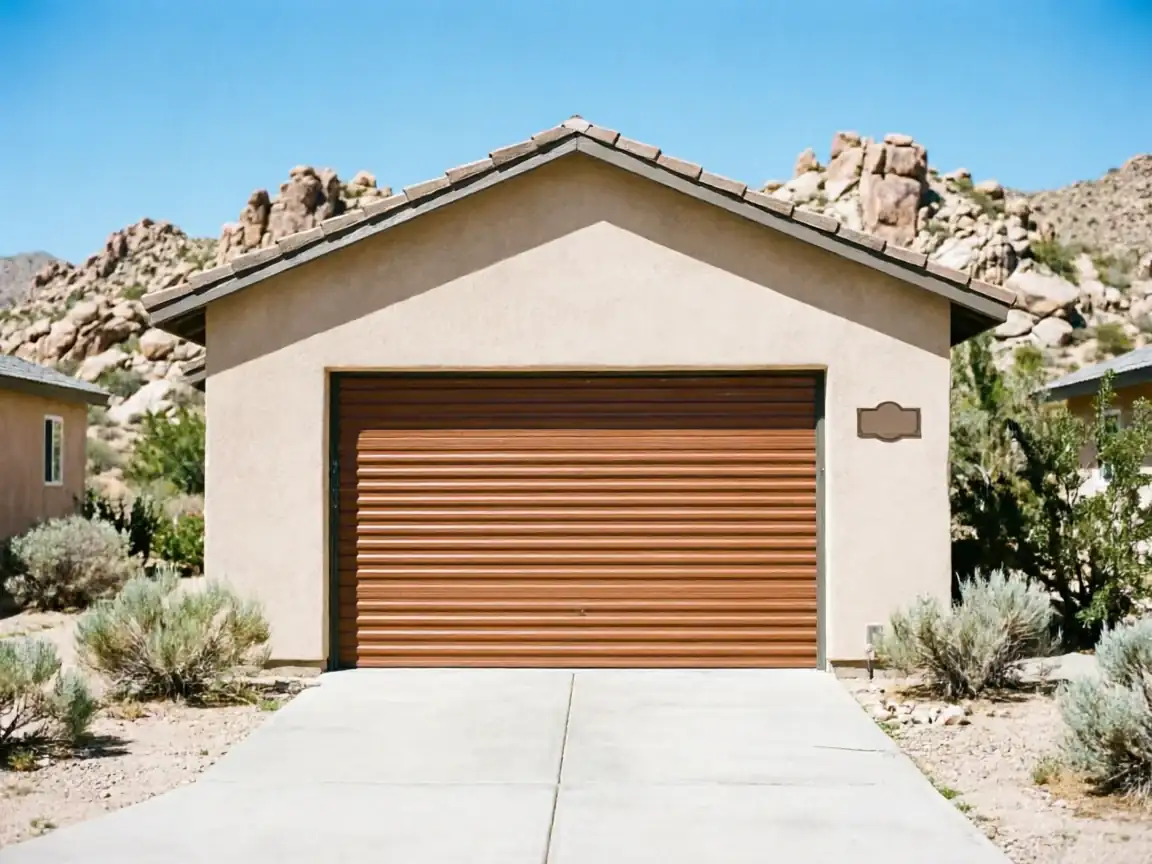
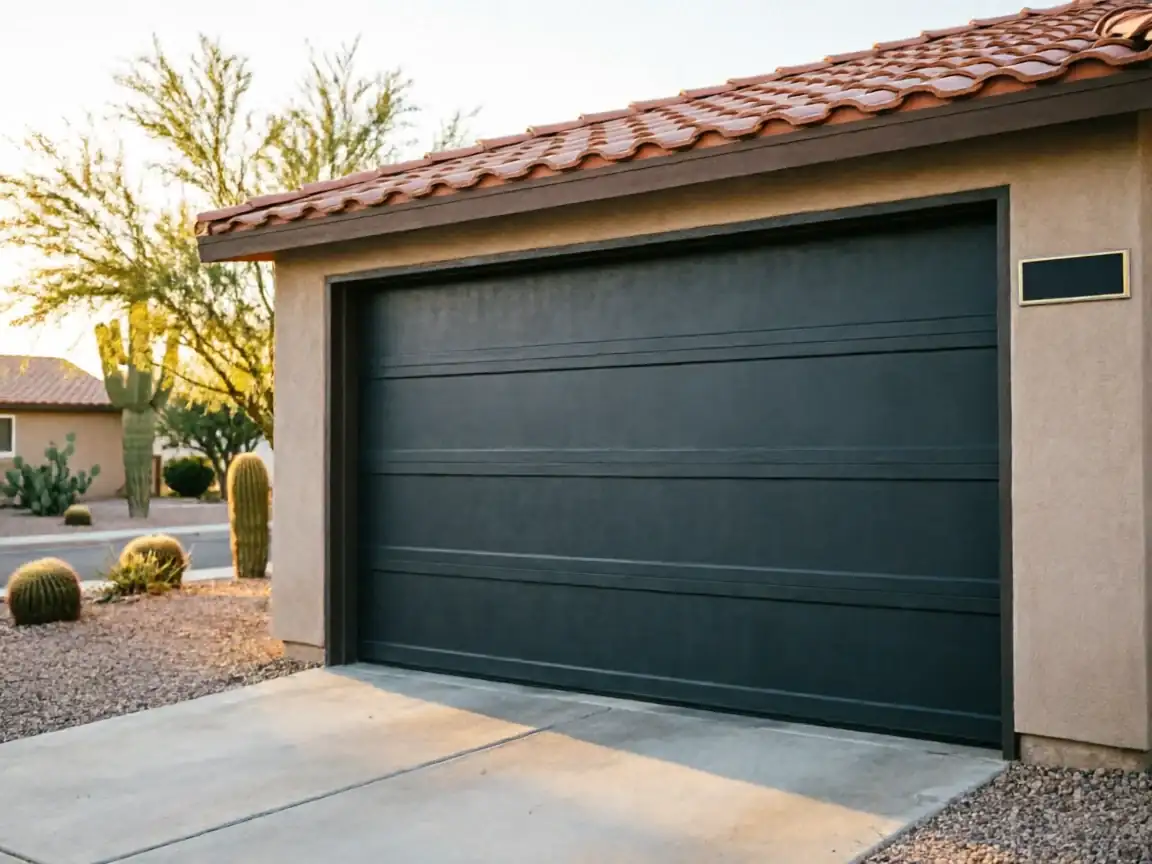
Desert Hot Springs skews a bit younger than a lot of the surrounding desert. The median home here went up around 1989, which puts a good chunk of the neighborhood just past the stretch when steel sectional doors with factory torsion springs became the standard, rather than the older extension-spring setups you still find in parts of this service area that date back to the 1970s. That's a meaningful split. A door built new in 1989 was likely installed with a torsion spring rated for the weight of the original panel, not whatever heavier insulated door got swapped in later by a previous owner. With 11,432 households in town, there's a wide range of ages mixed in, but the center of gravity sits in that late-80s build window rather than the mid-80s average you see across the wider area. That one-to-three-year difference sounds small until you're standing in front of hardware that's either original or isn't.
What the Housing Means for Your Door
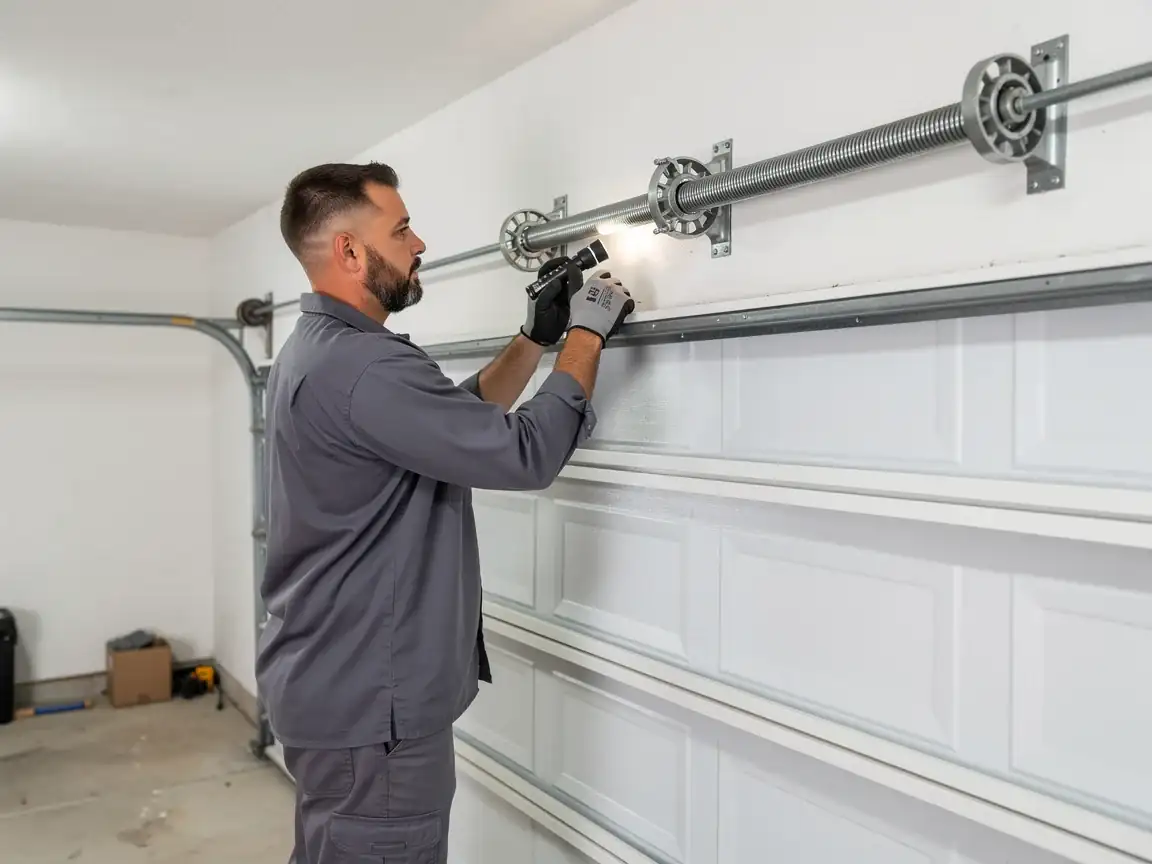
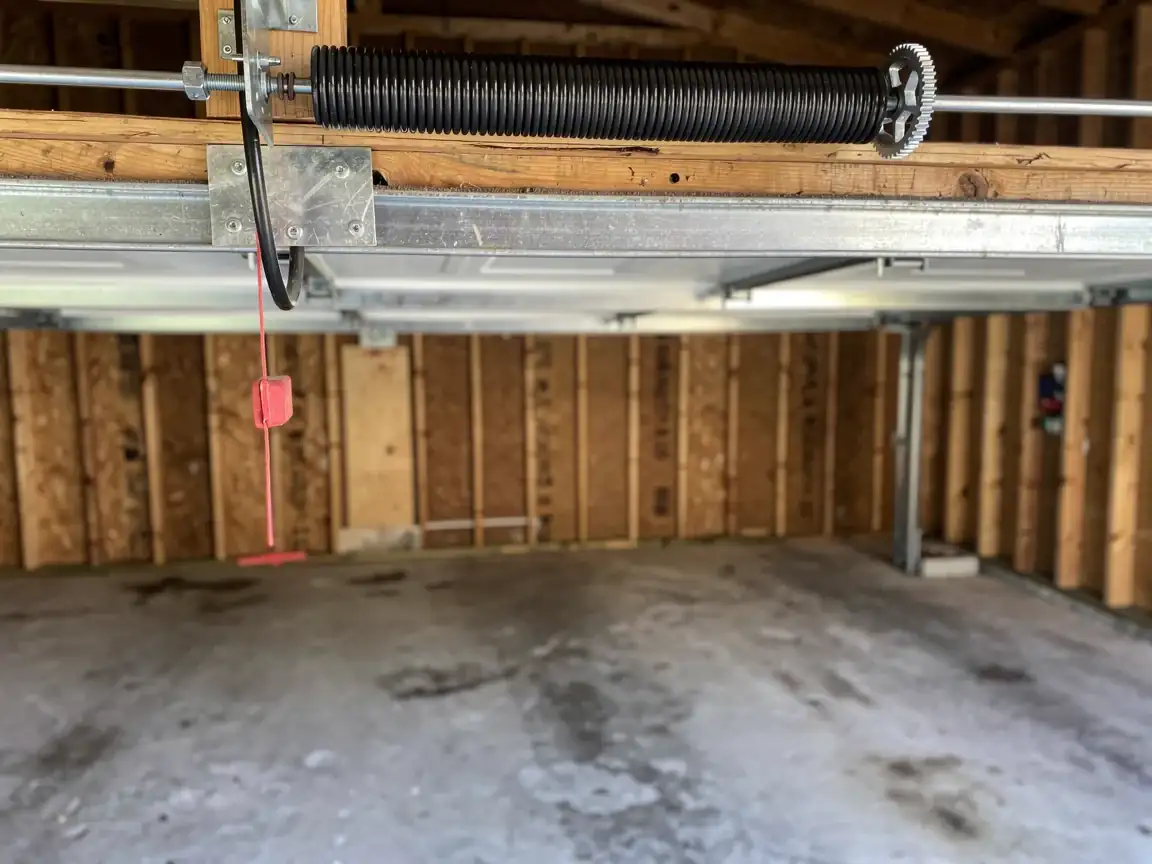
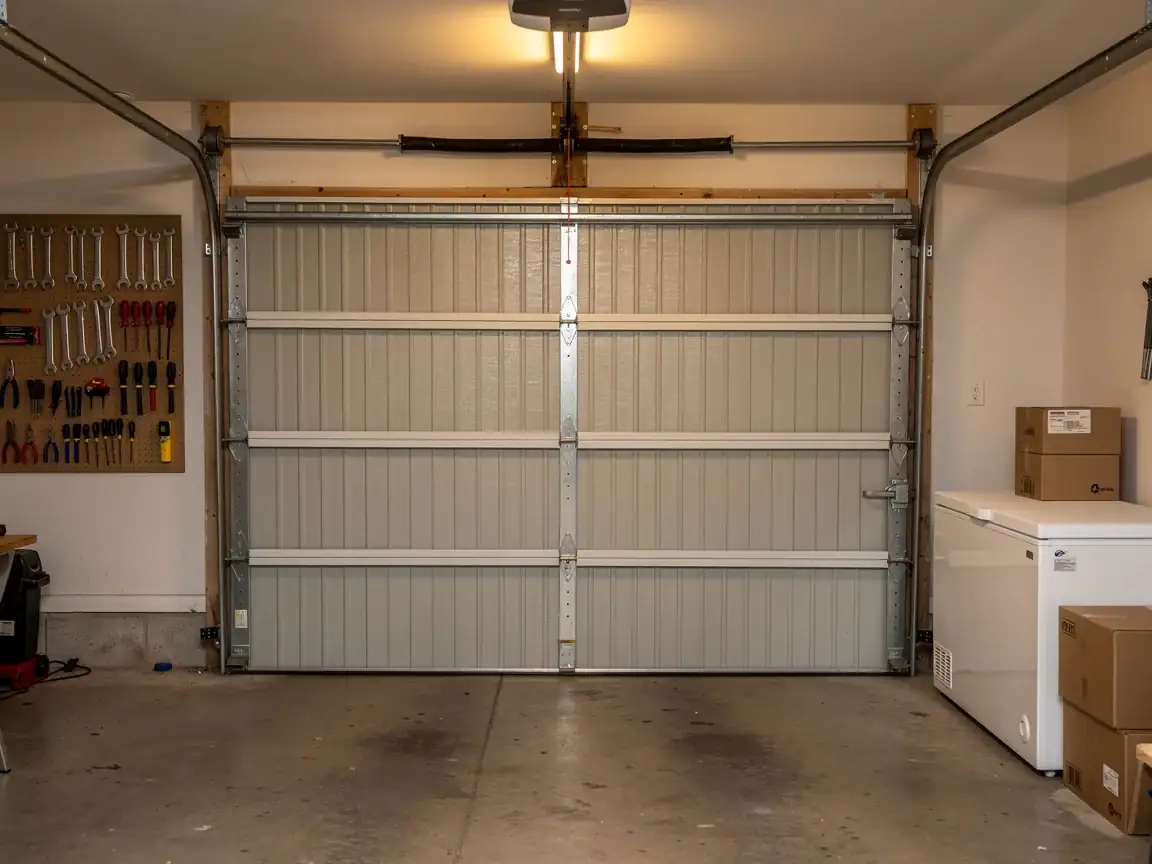
Doors from this era commonly run on a single torsion spring mounted above the opening rather than the twin side-mounted springs on older tract housing nearby. The failure mode is different too: when that single spring goes, the whole door drops at once instead of hanging crooked on one side, which is the giveaway with older extension-spring doors. Desert heat doesn't help either way - this area sits in a severe heat climate band, and that kind of sustained high-temperature cycling dries out spring lubricant and nylon rollers faster than a moderate climate would, regardless of install year. If your door is original to a late-80s build, the springs have likely already been replaced once or are due. We don't stock every spring size on the truck for every build year, so a same-visit repair on an unusual or older spring sometimes means a return trip once the part's in.
Older vs Newer Streets
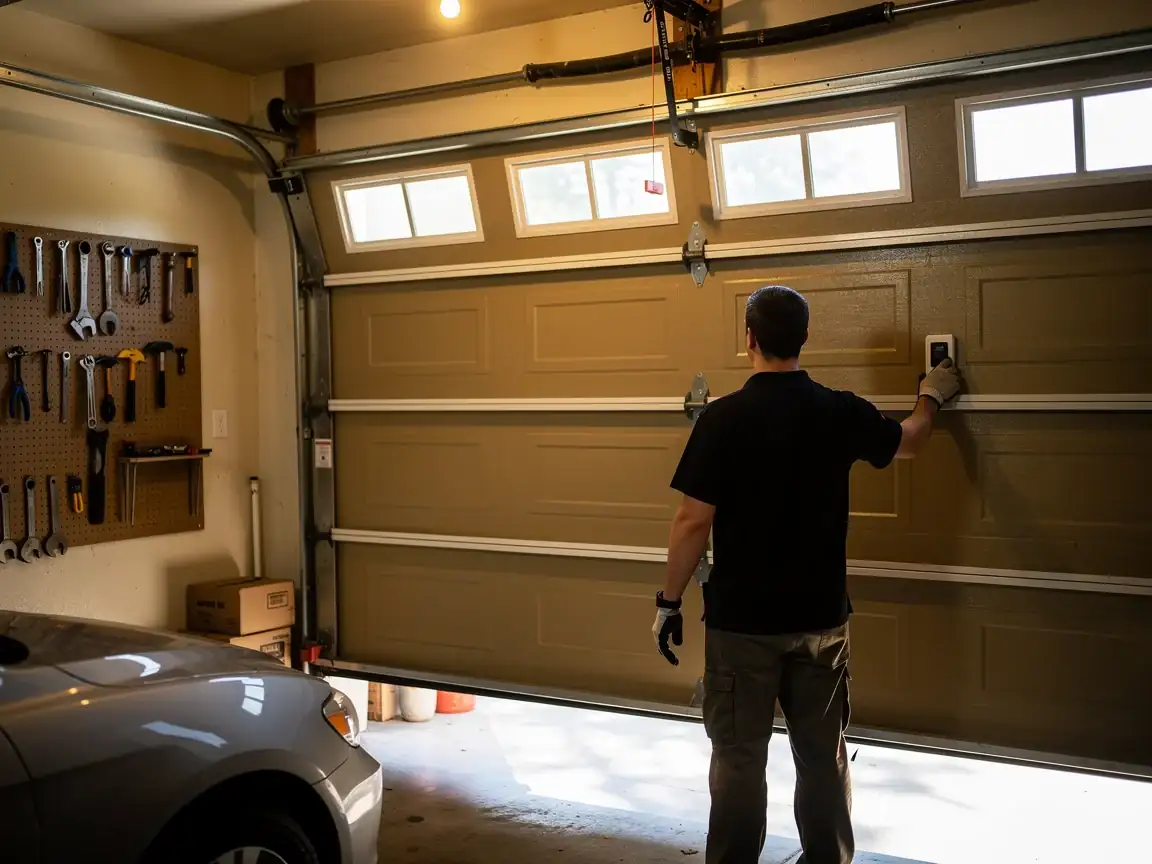
Within Desert Hot Springs itself you'll still find a split between older streets closer to the historic core, with doors and openers original to a build well before 1989, and newer streets built nearer the median year or after, where openers are more likely chain-drive units from the 90s rather than the older direct-drive or screw-drive setups. Median household income here runs $50,349, noticeably below the $69,704 median across the wider service area, which is relevant mostly in terms of repair-versus-replace decisions - on an older, lower-value door, a $150 spring job usually makes more sense than a full replacement, where on a newer insulated door with a failed opener board, replacement parts can run close to half the cost of a new unit. We'll tell you which side of that line your door is on before we start, not after.