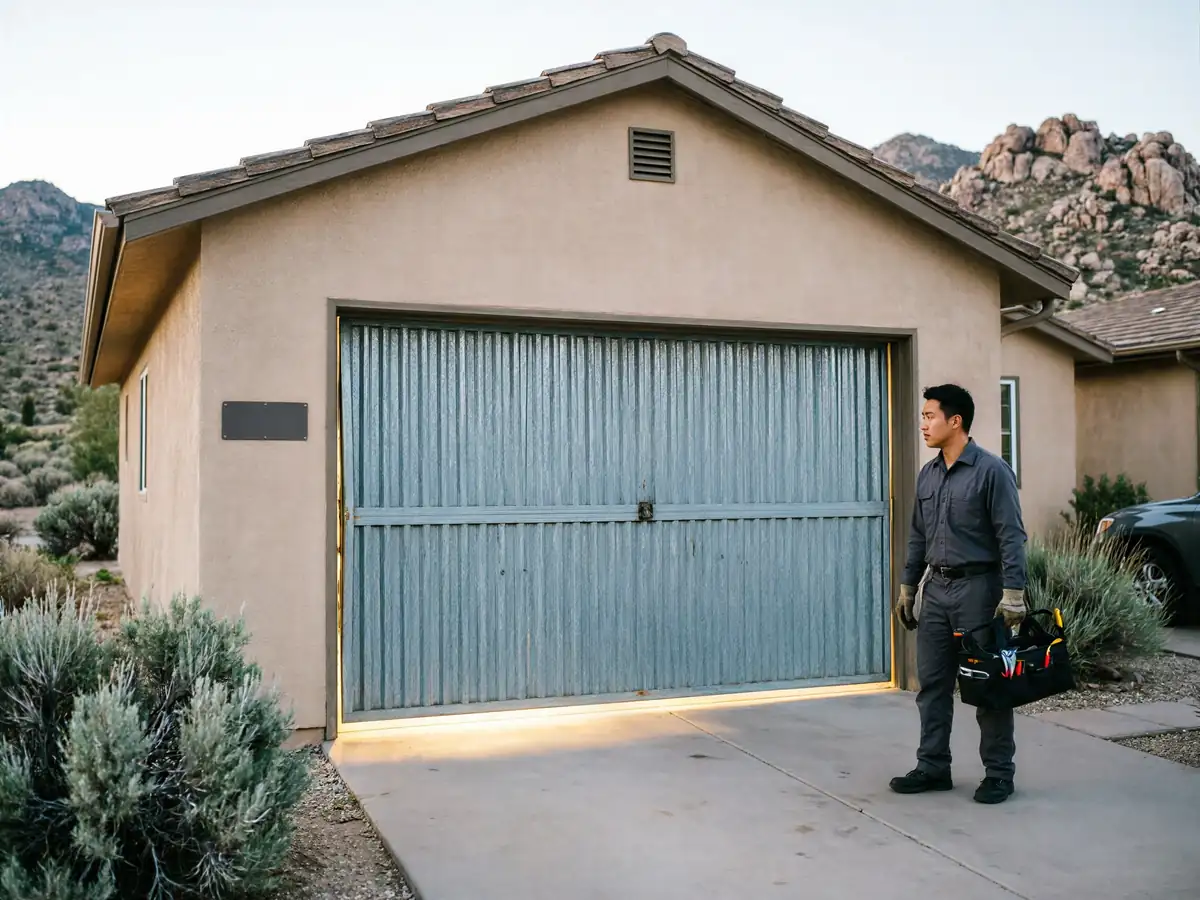
Why This Fails Locally
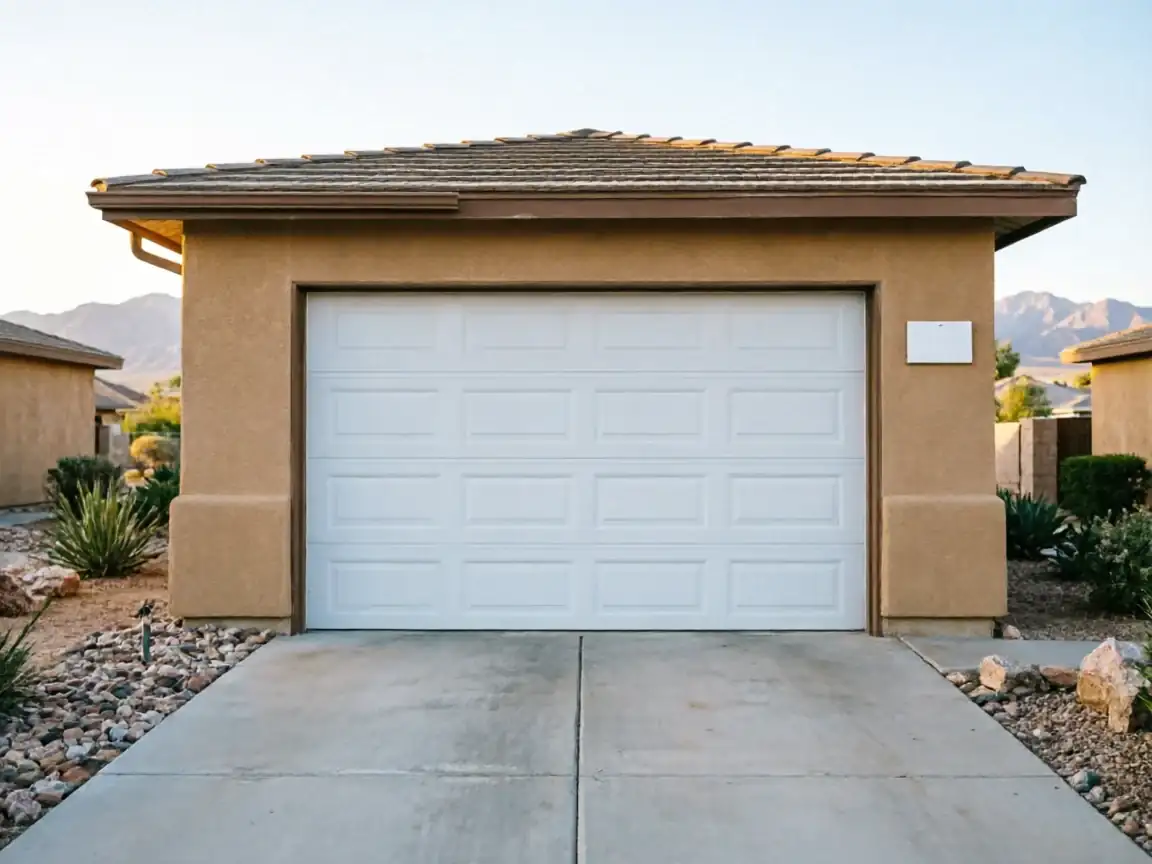
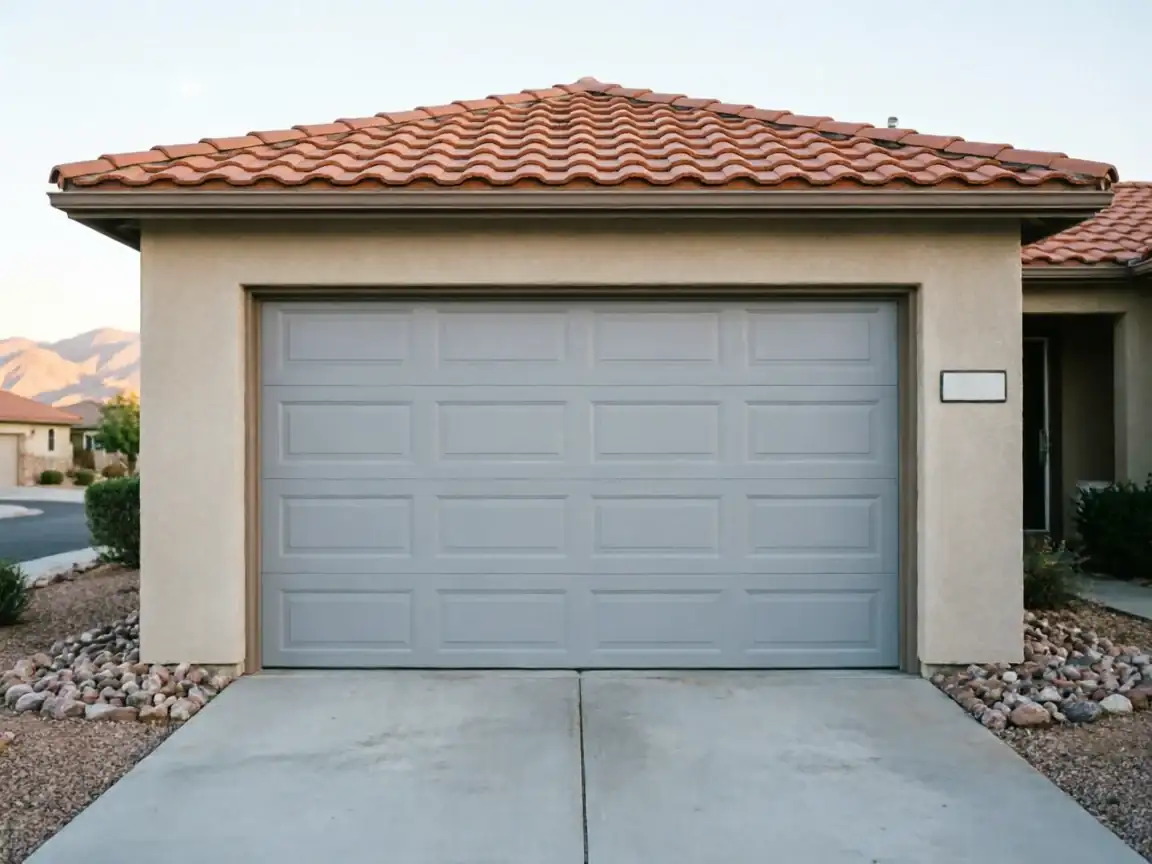
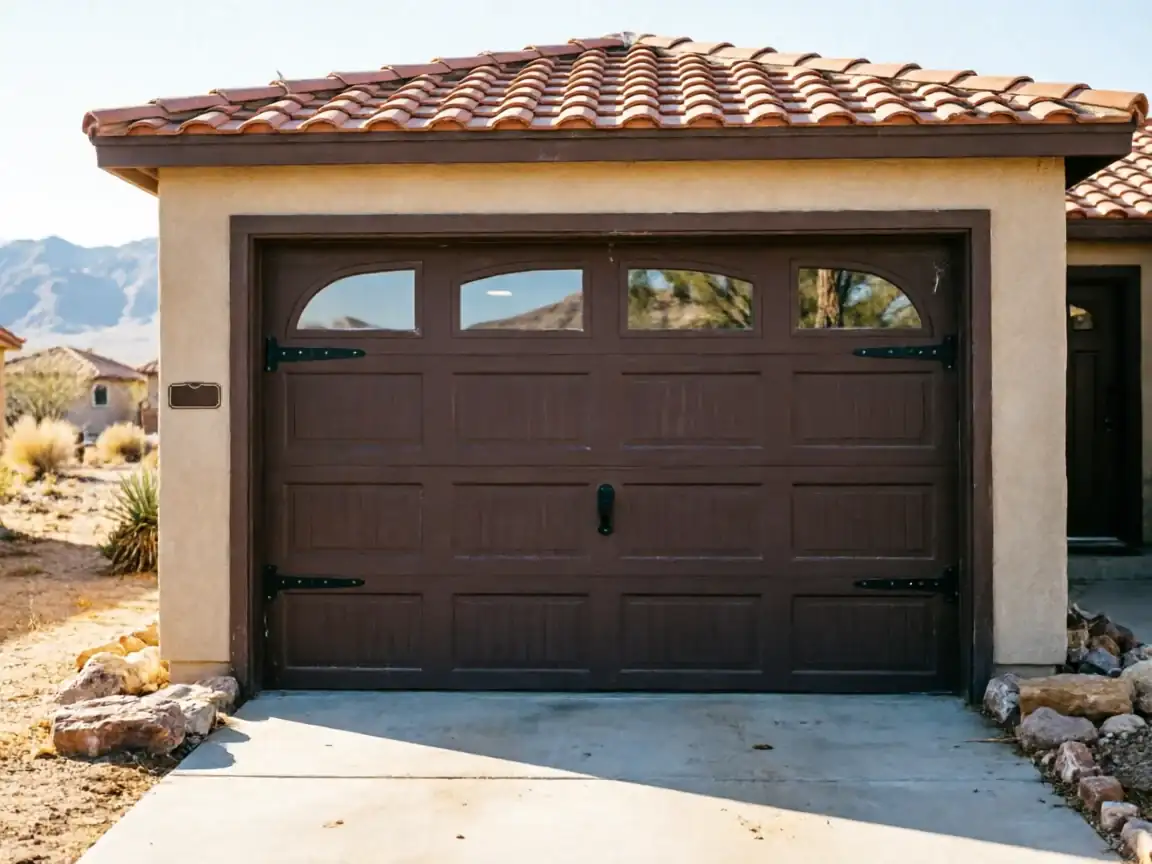
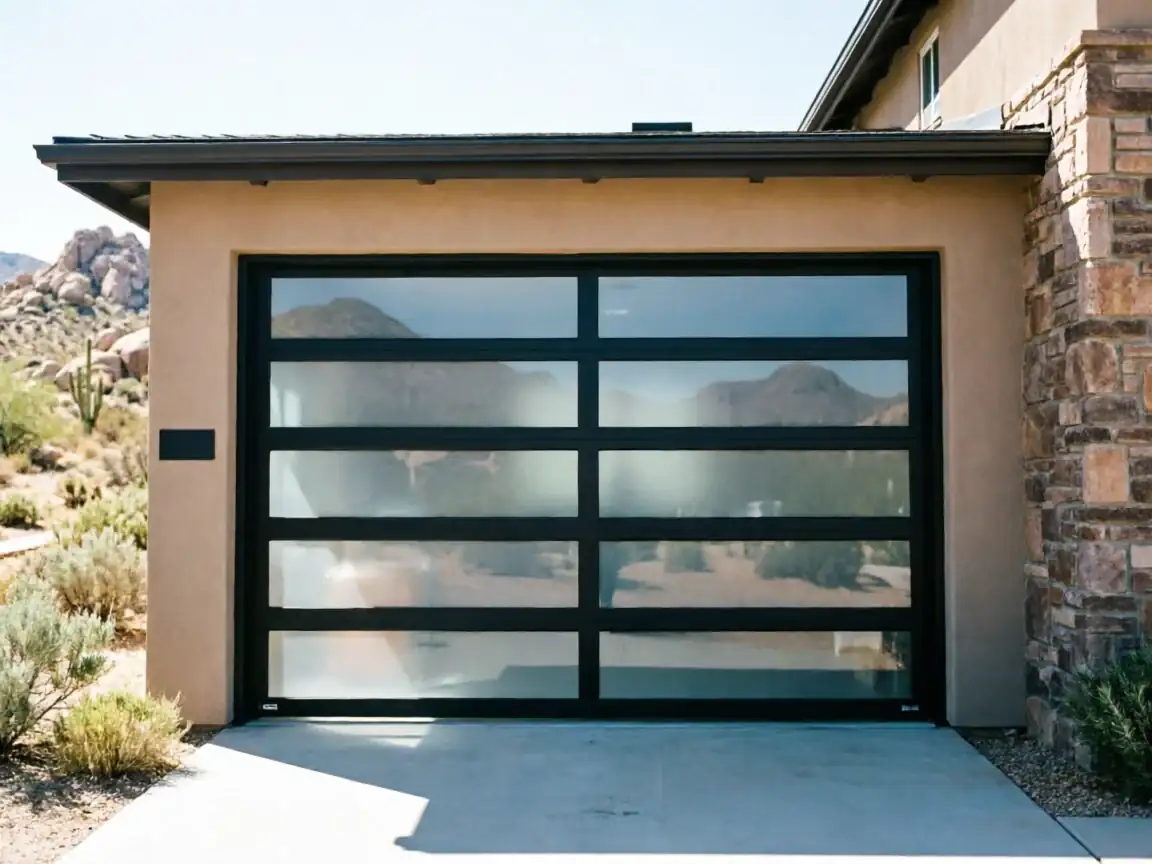
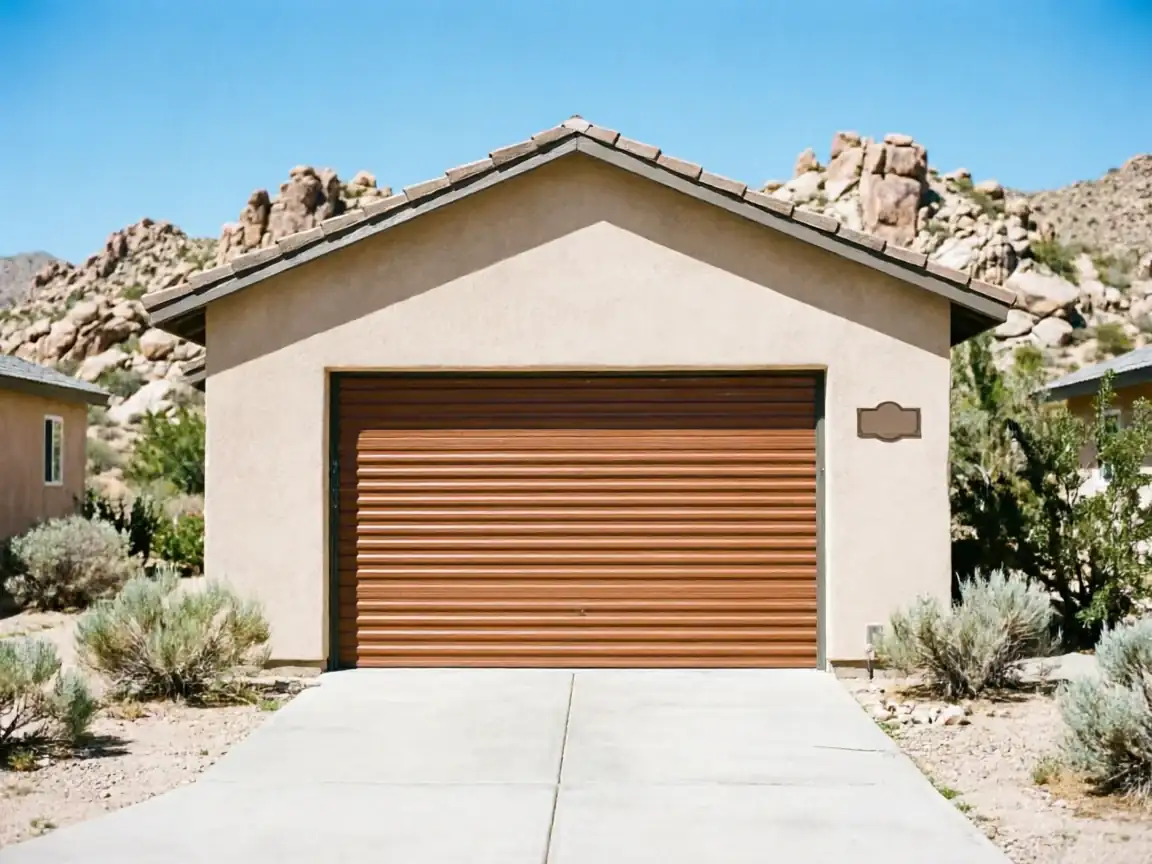
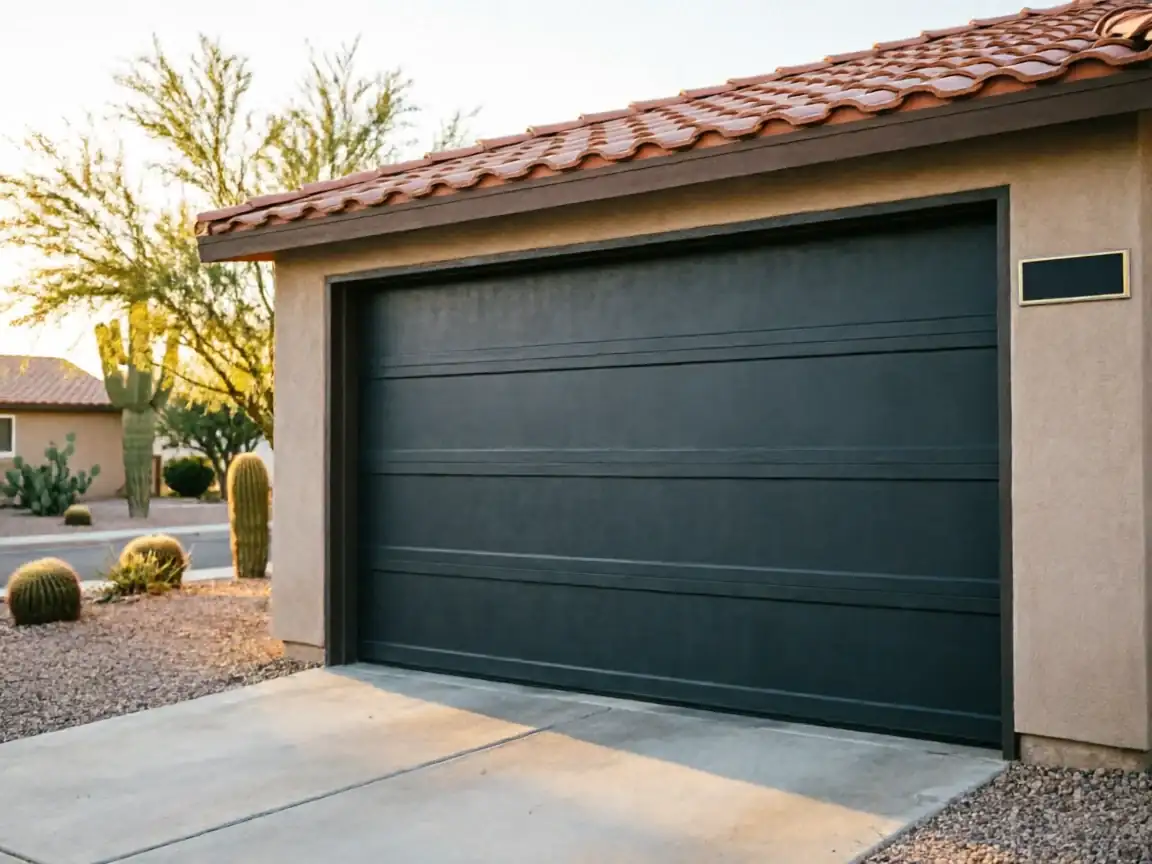
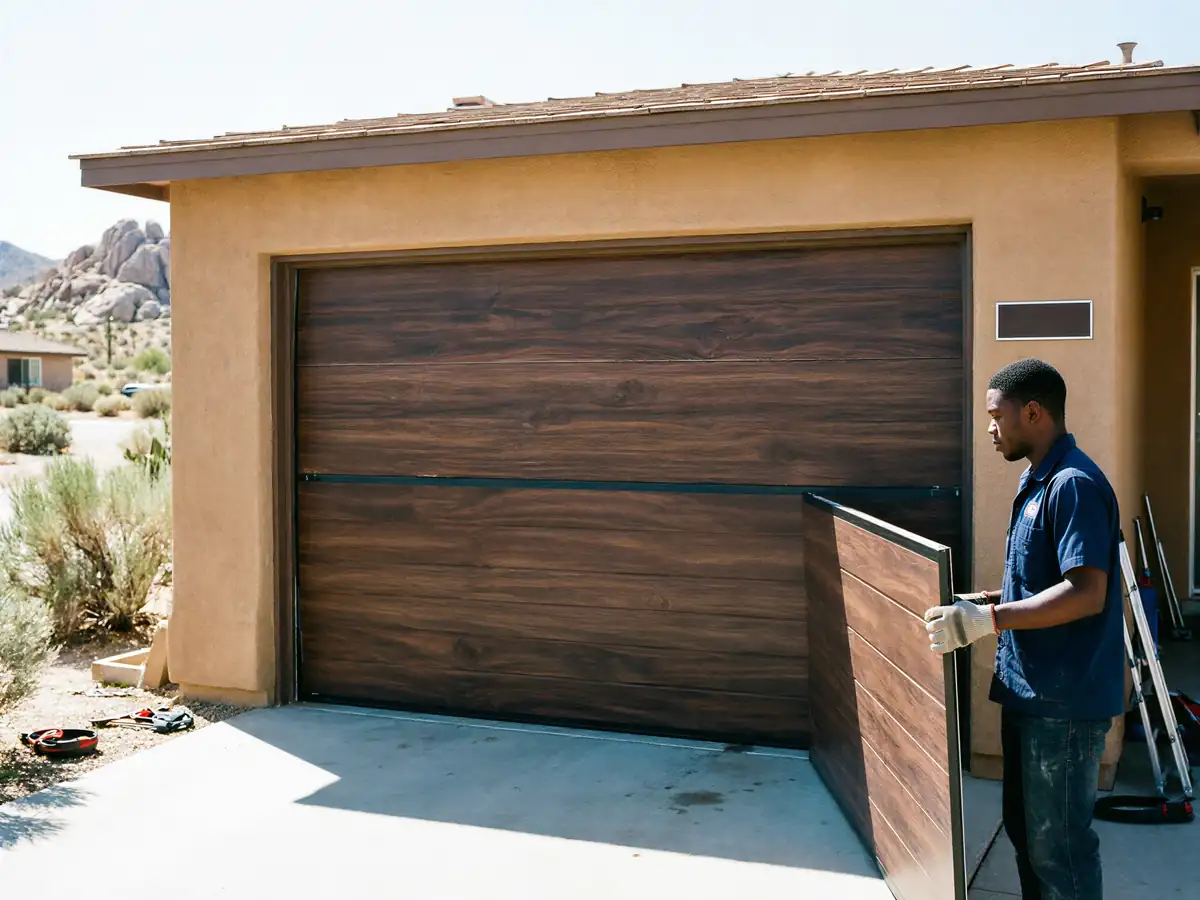
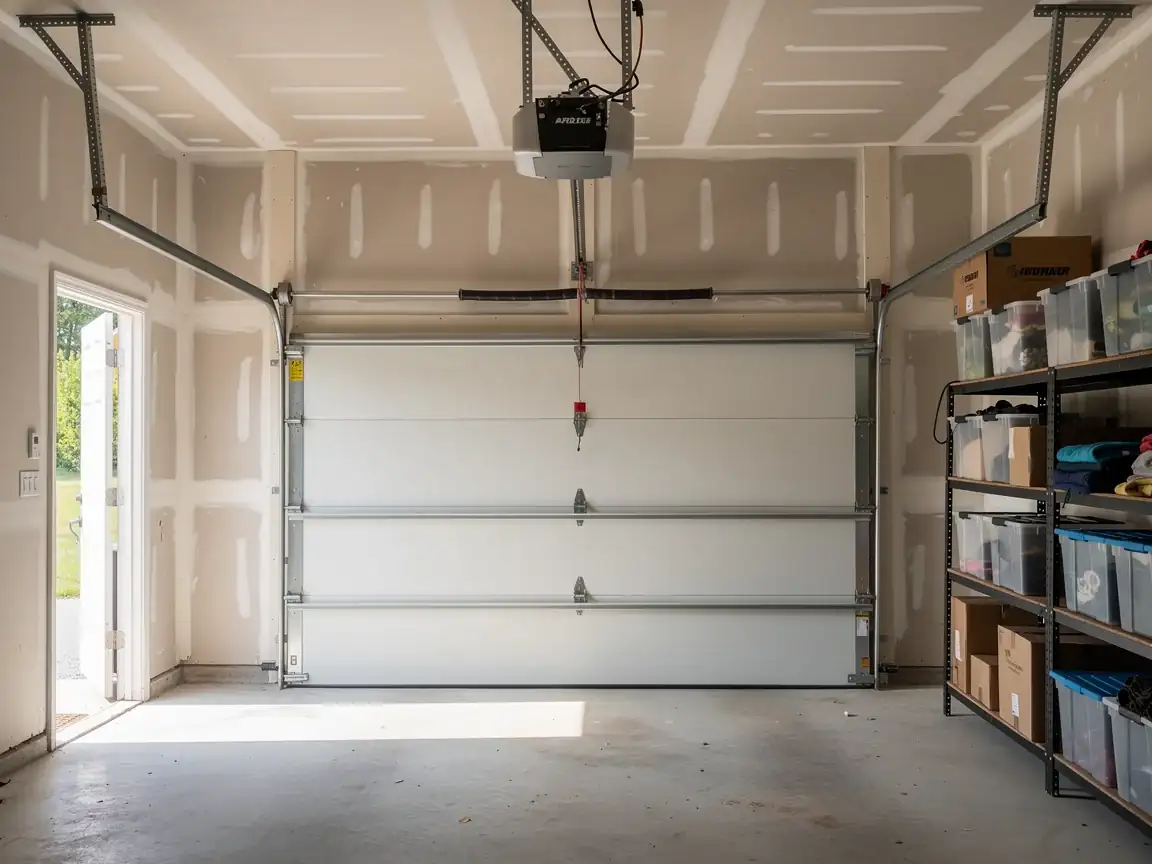
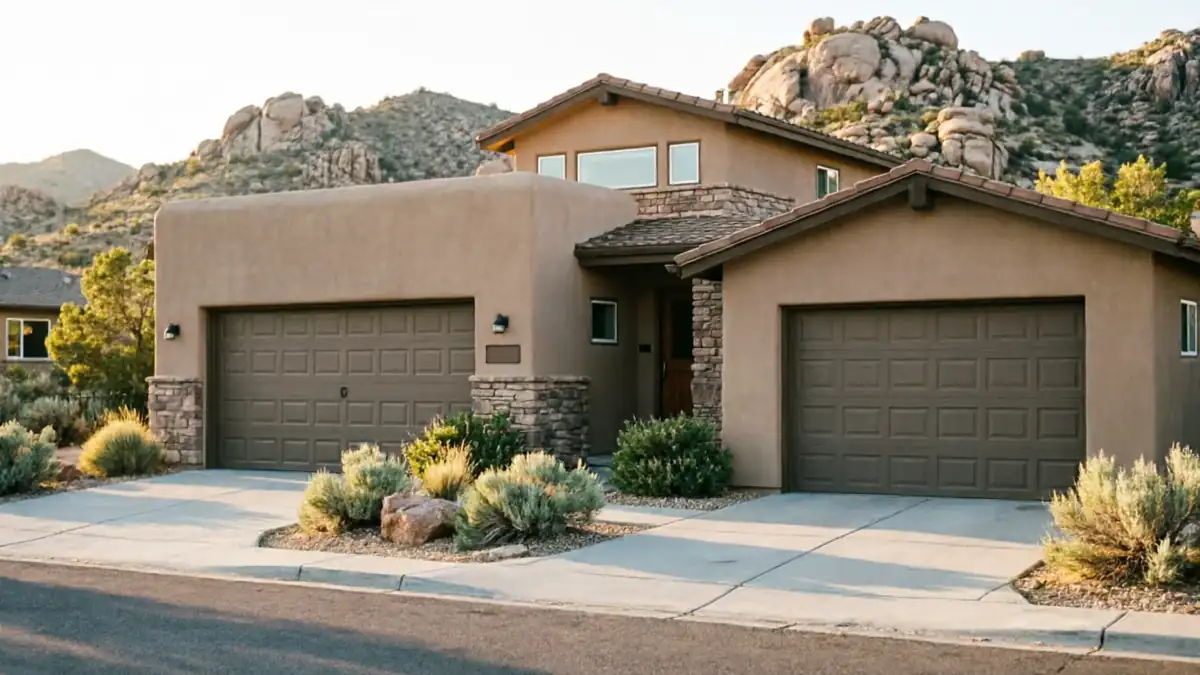
Most of the housing stock across this service area went up between 1968 and 1999, with a median build year around 1986. That's a lot of original torsion springs, steel rollers, and garage door openers that have been cycling through decades of desert heat. The climate here runs in the severe-heat band, and that matters more than people think: the metal in a torsion spring fatigues faster when it spends half the year expanding and contracting in triple-digit garage temperatures. Nylon rollers dry out and crack. Opener circuit boards, especially the ones from the 80s and 90s still hanging in a lot of these garages, weren't built for this kind of sustained heat load.
Across the 13 named communities in this area, the pattern repeats: a door that worked fine in March seizes up or snaps a spring in July or August, right when the garage is acting as a second attic. It's not bad luck. It's 30-40 year old hardware meeting a climate it was never rated to handle indefinitely. We see the same failure modes over and over because the housing stock and the weather are doing the same thing to every door on the street.
With roughly 26,565 owner-occupied houses in the service area, that's a large number of garages built in the same two-decade window, aging on the same clock.
Can You Do This Yourself
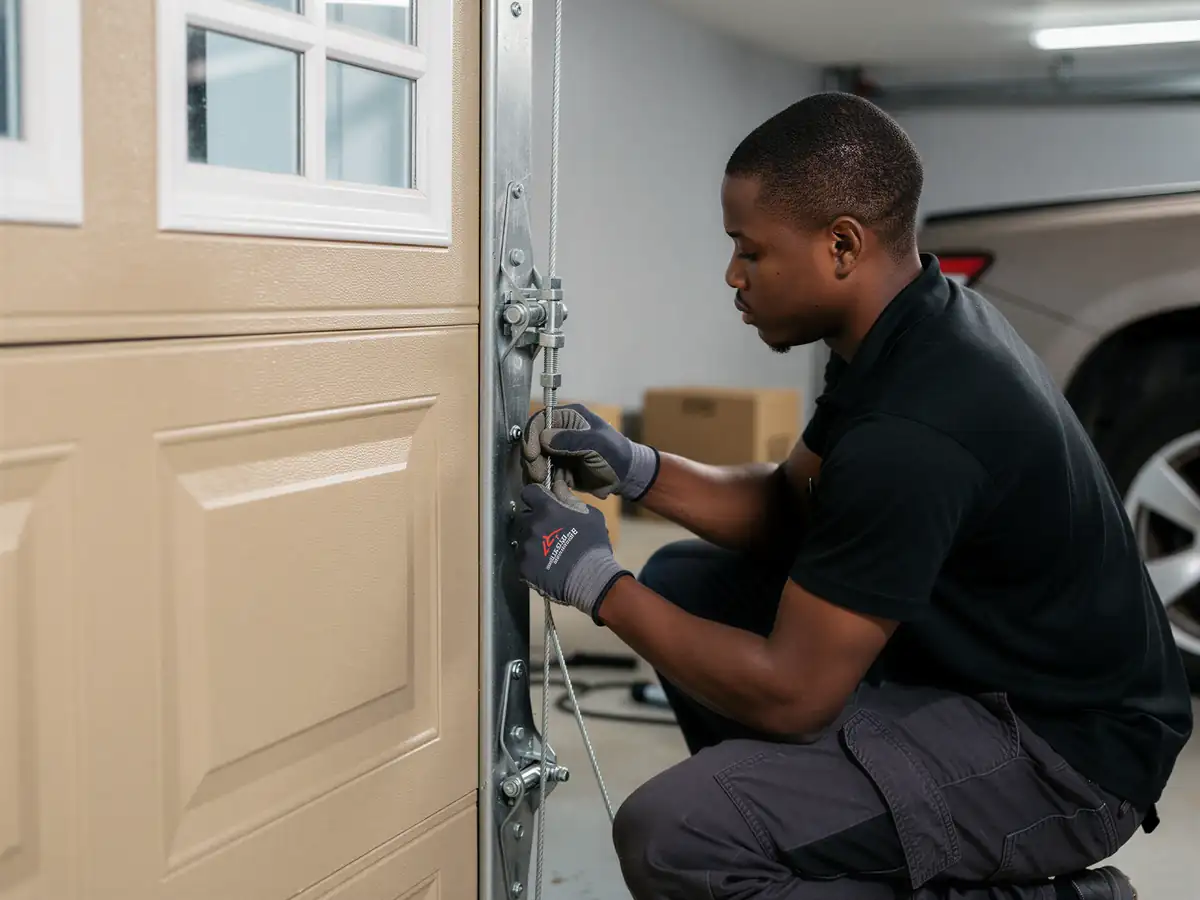
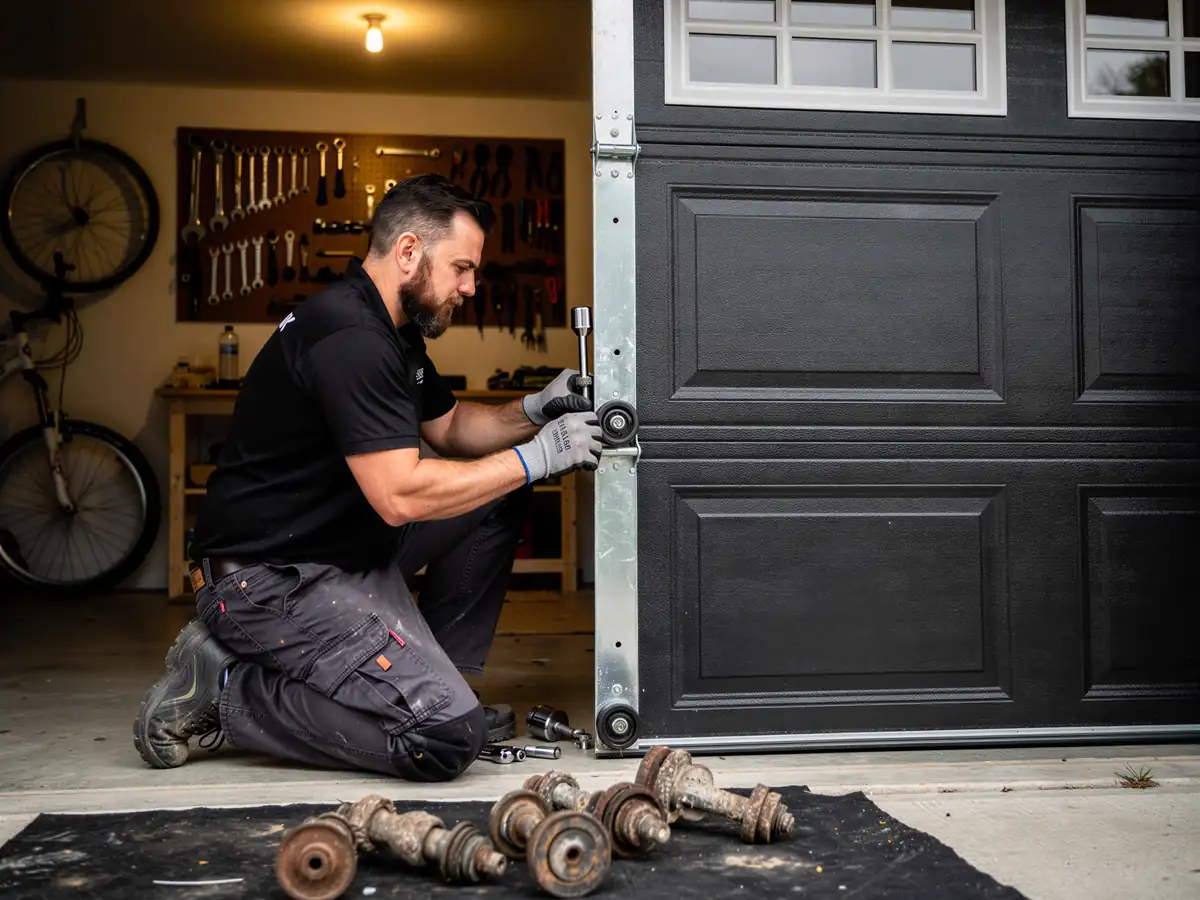
Some of what breaks on a hot desert garage door, you can handle. A roller that's binding, a track that's slightly out of alignment, a sensor eye that's gotten dusty and stopped lining up - those are a wrench and ten minutes, not a call.
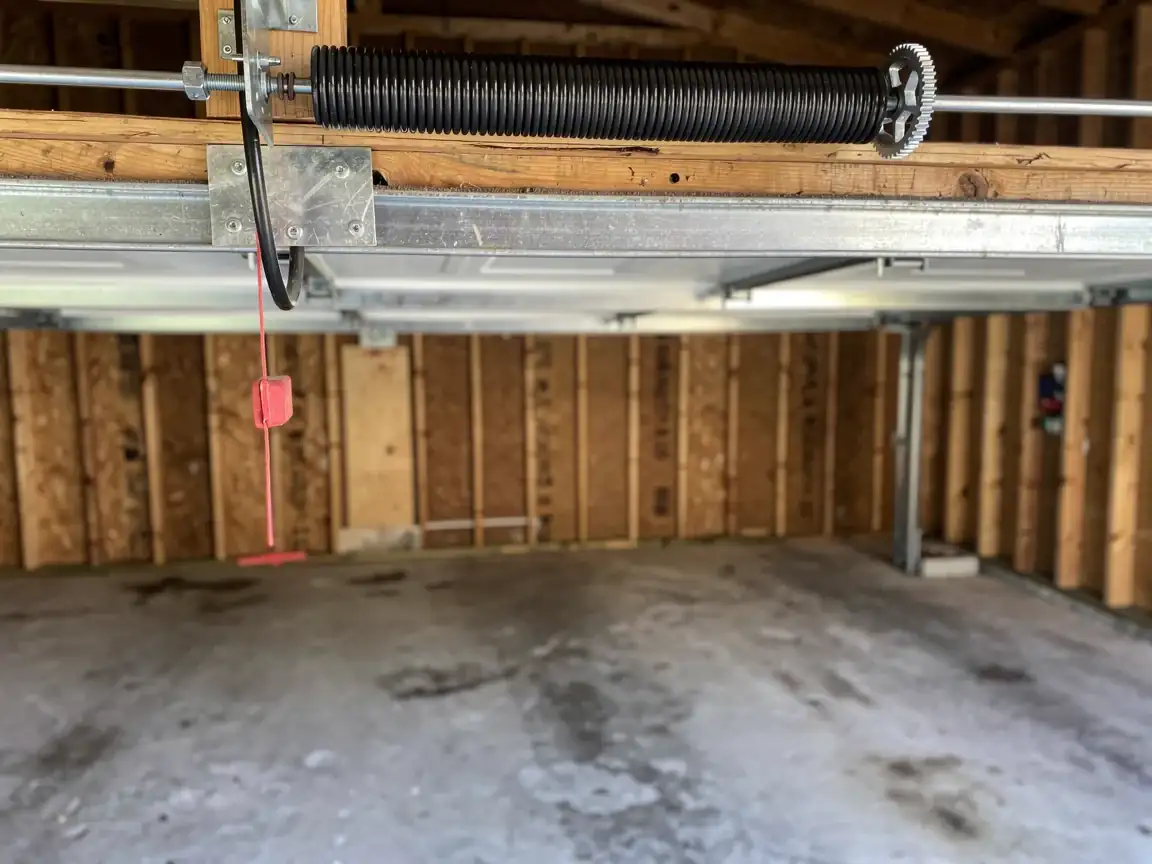
A broken torsion spring is not a DIY job. The spring on a standard double door in this age bracket is wound under enough tension to break bones if it lets go while you're working on it, and most homeowners don't have the winding bars or the experience to do it safely. Cables under tension are the same category. If the door won't open, won't stay open, or came down hard and fast, stop and call - don't troubleshoot it with the door half-raised over your head.
One honest limit: if your opener is one of the older units common in this area's 1980s-90s housing and the logic board has failed rather than the motor, we may tell you replacement makes more sense than repair. Boards for units that old are getting hard to source, and paying for a board swap on a motor that's also near the end of its life isn't always money well spent.
What the Fix Involves
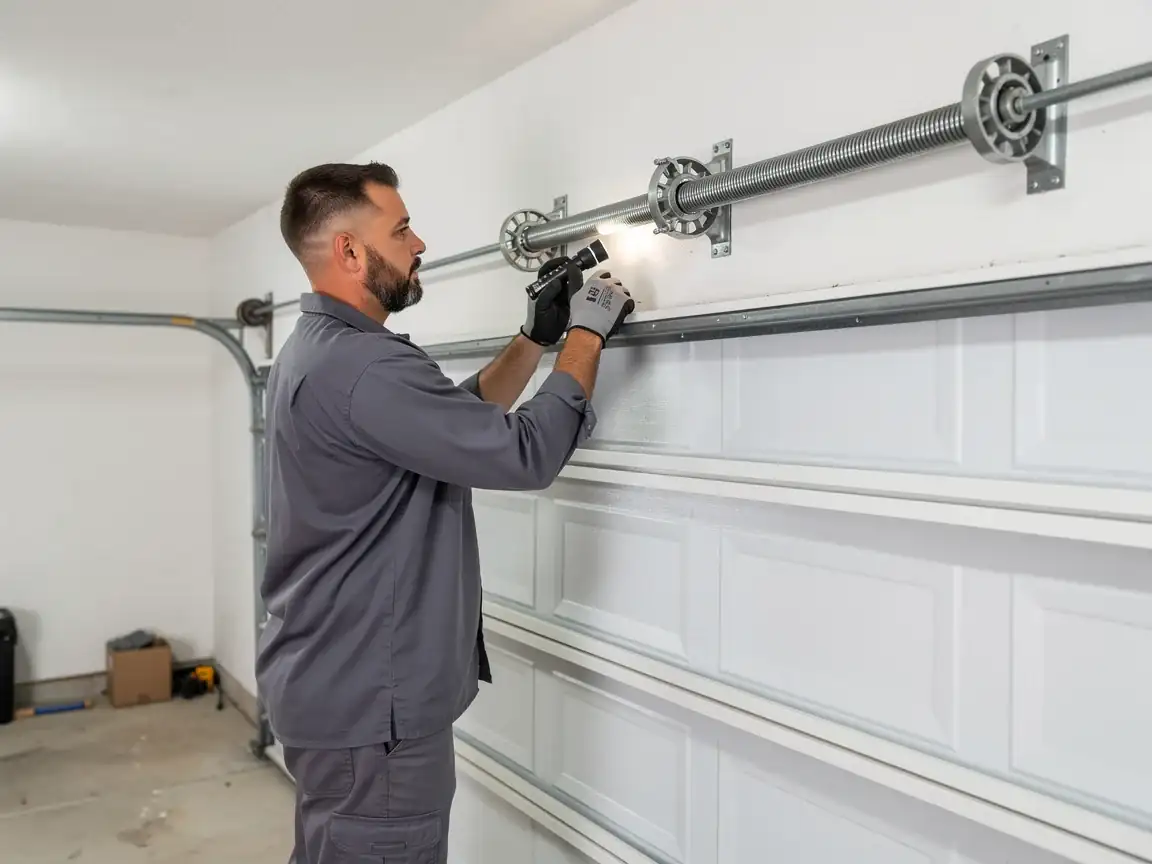
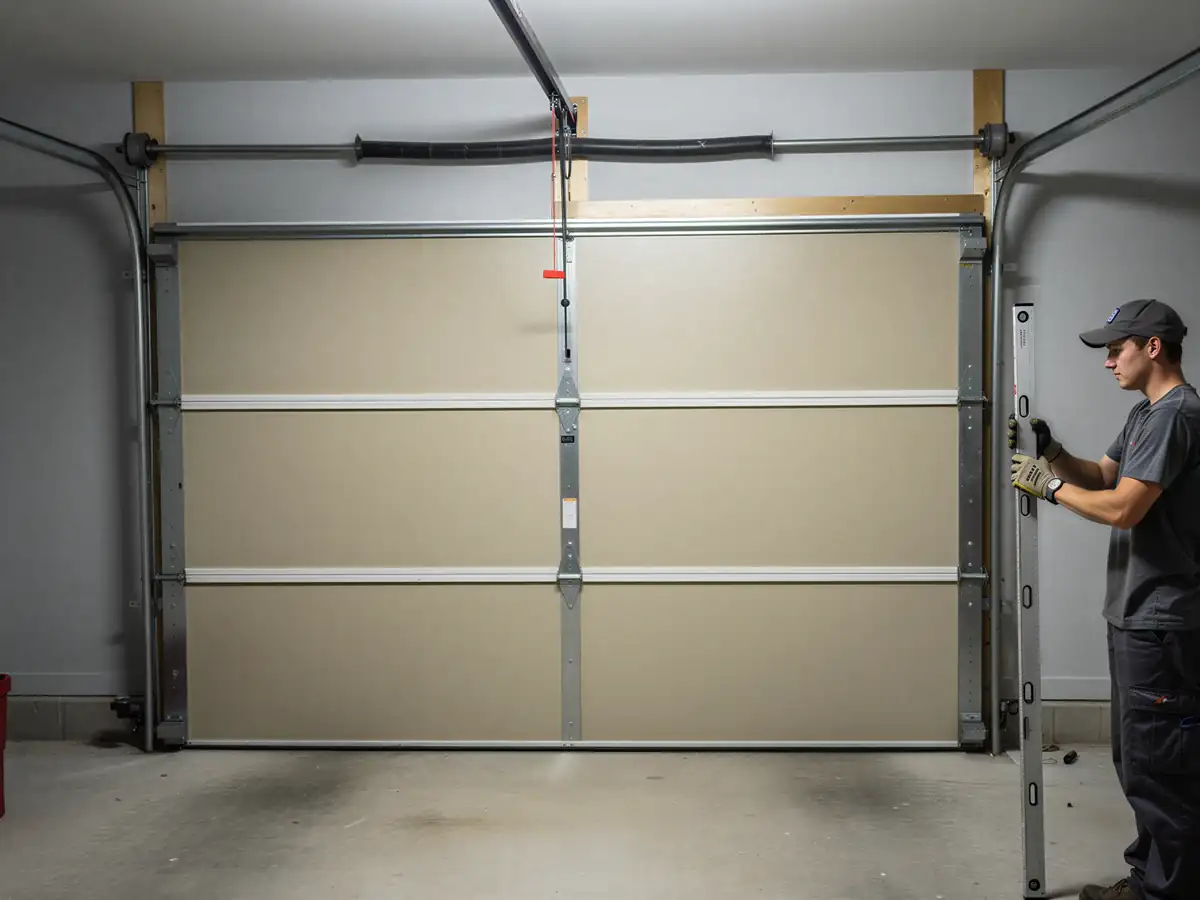
For a broken torsion spring, the job is unwinding what's left of the old spring safely
Matching the new spring's wire size and wind to the door's weight and the drum size on the shaft, then winding it to the correct number of turns for that door. Get the turns wrong and the door is either too heavy to lift by hand or slams down with too much force - neither is acceptable to leave behind.
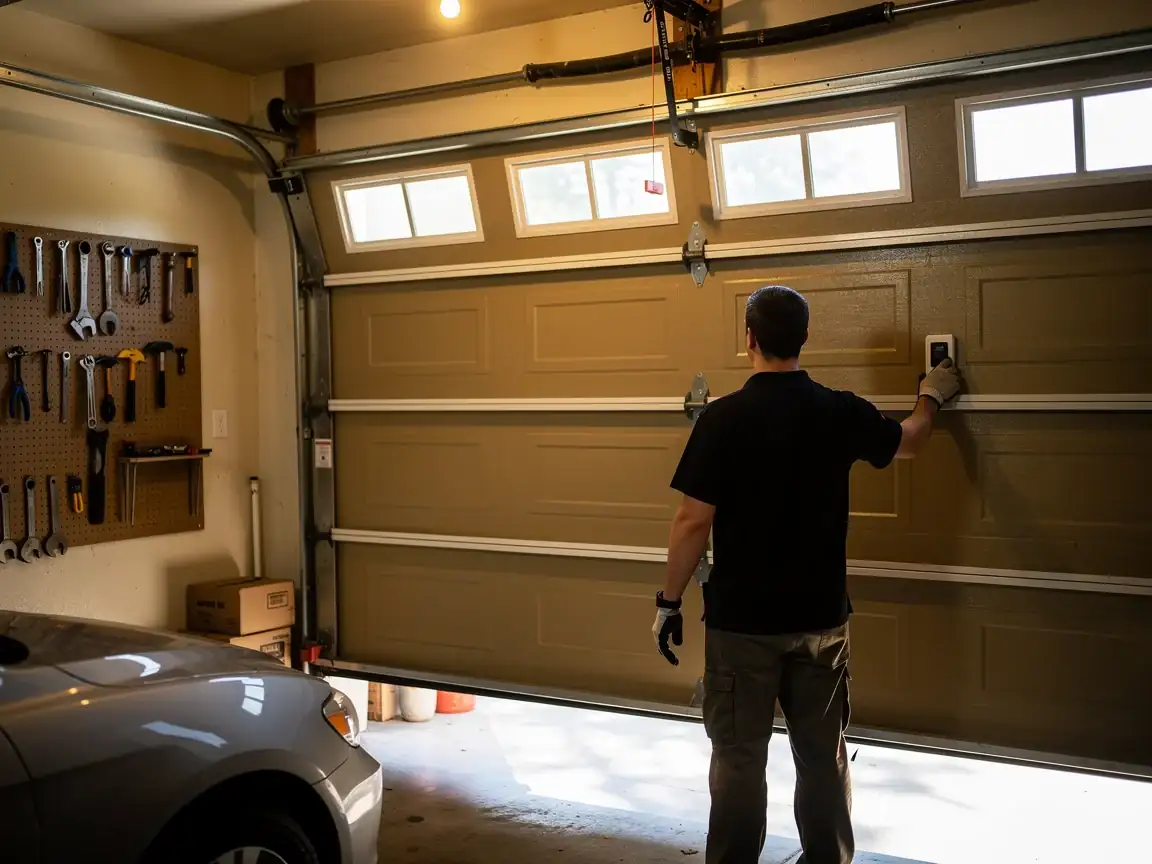
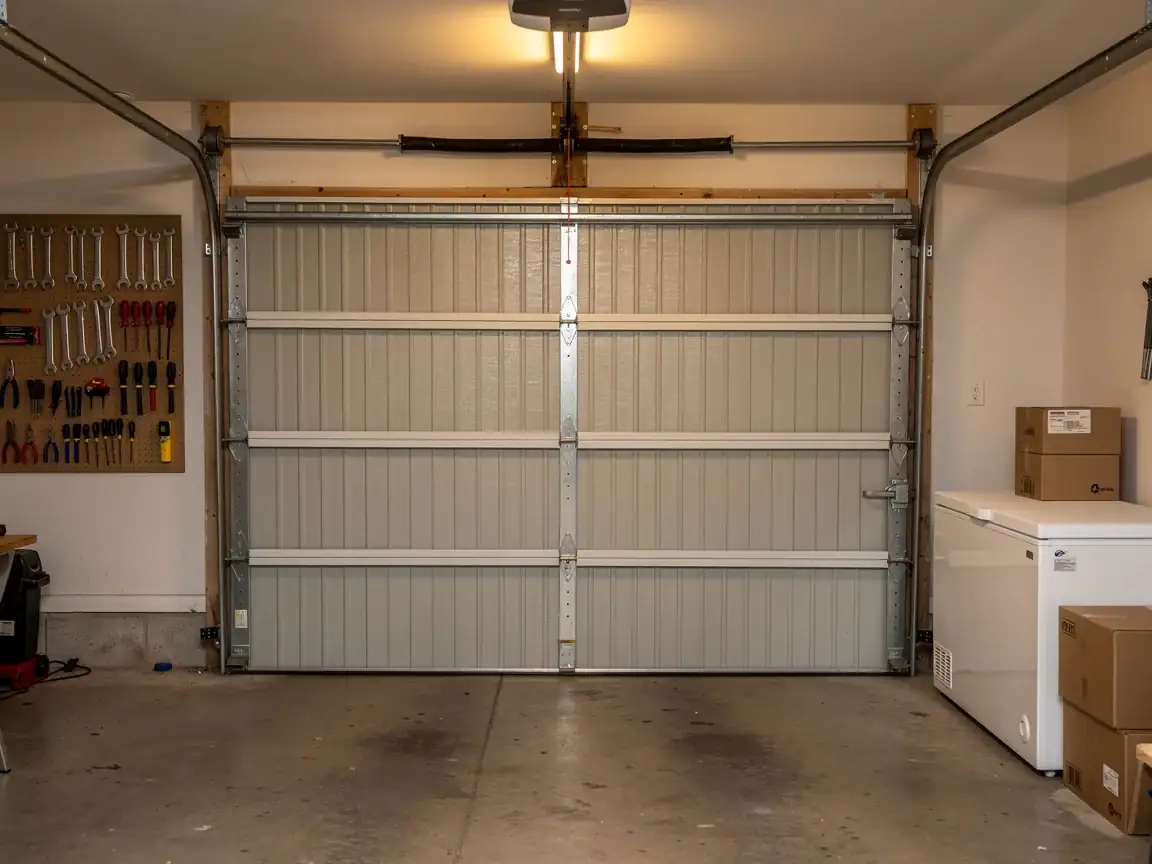
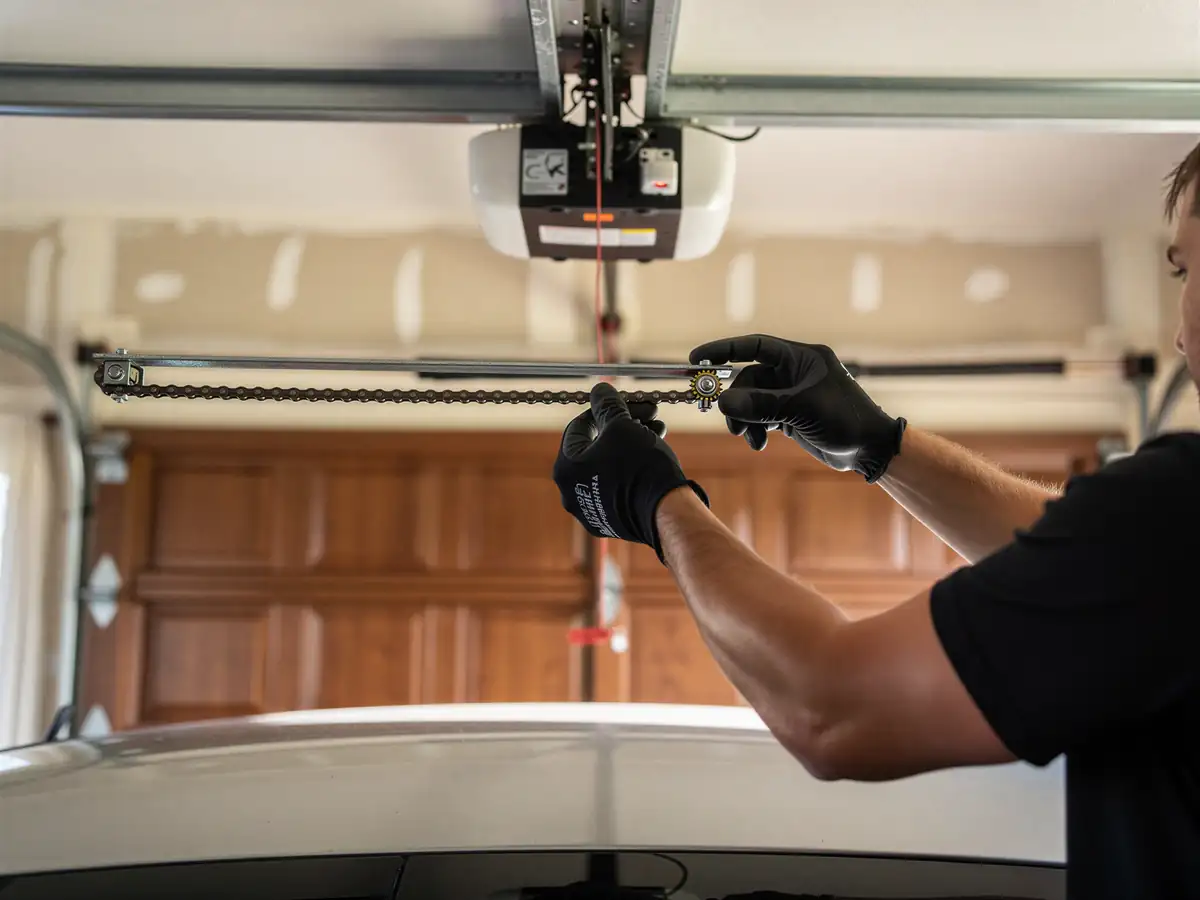
For opener failures, the first question is whether it's the motor, the logic board, the drive gear, or just a dead travel module
On houses from the 1968-1999 build window, we often find the mounting hardware itself has worked loose from years of heat-cycling, which can mimic an opener problem when the real issue is a bracket.
Cable and drum work gets done in pairs even when only one side has failed
Because if one cable is 30 years old and frayed, the other one on the same door is the same age and close behind it. That's not upselling - it's avoiding a second emergency call three months later.
- 30 years
What You Are Seeing
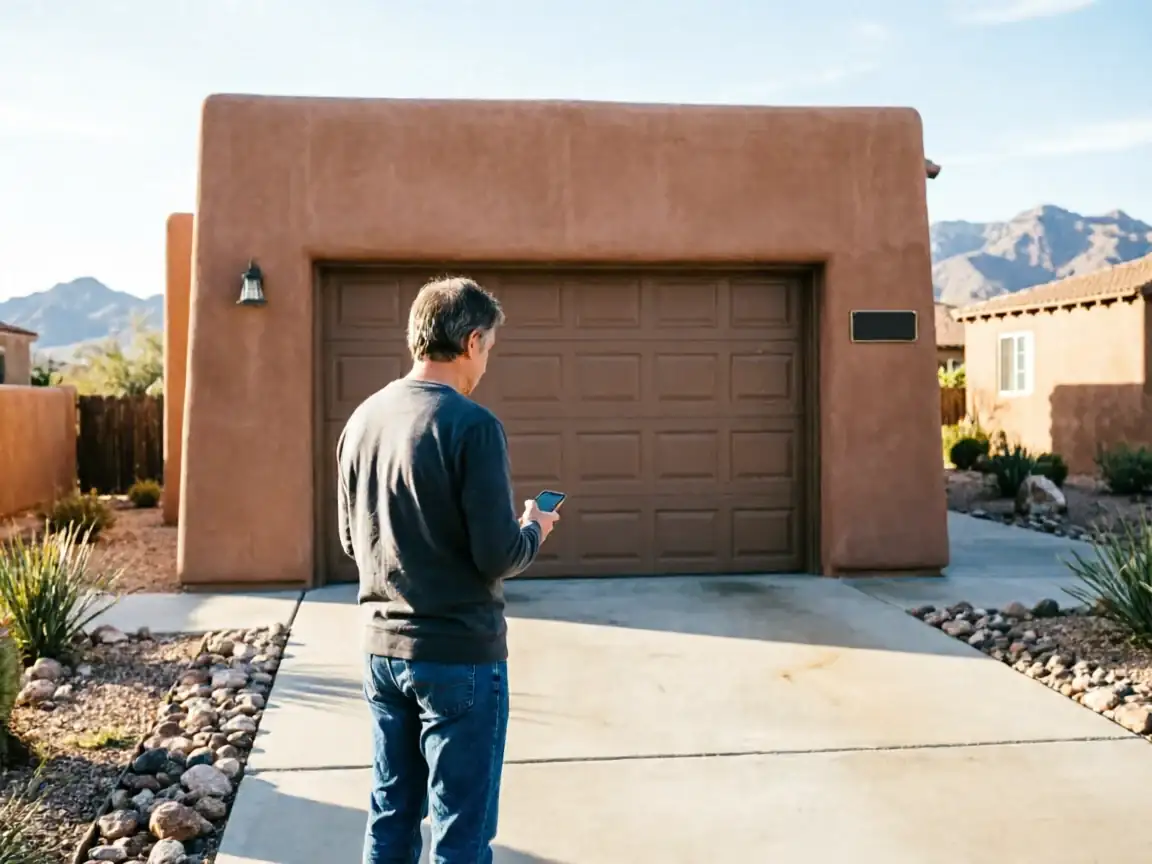
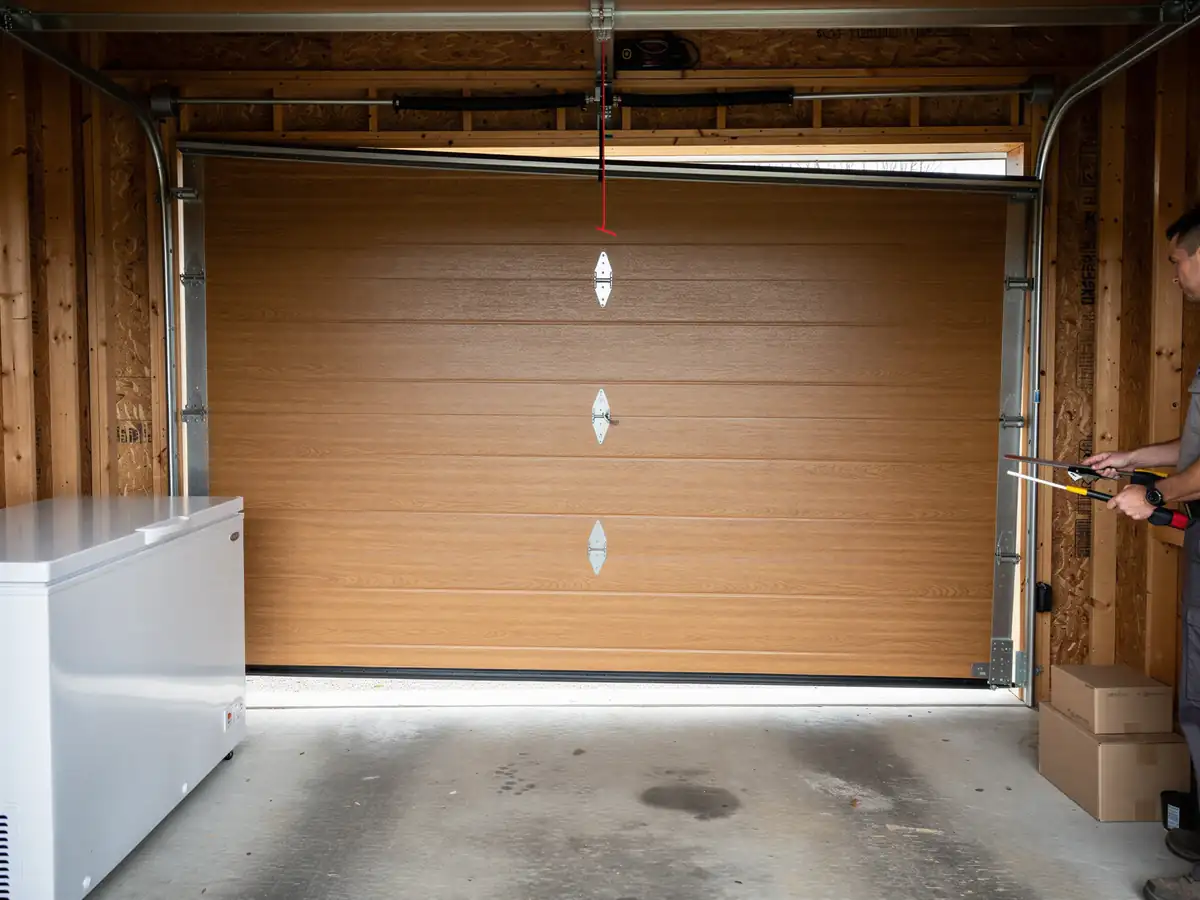
A door that won't budge, with the opener motor humming but nothing moving, usually means a broken spring - the opener isn't built to lift the door's full weight on its own. A door that opens partway and reverses or drops is often a misaligned sensor or a cable starting to fail. A loud bang from the garage followed by the door refusing to move at all is almost always a spring letting go.
If the opener runs but the door doesn't engage, check whether the emergency release cord got pulled - it happens more often than people expect, especially in households with kids or during a power outage. A grinding or scraping sound as the door travels usually points to rollers or track, not the spring system, and is a lower-urgency fix than anything involving the lift mechanism itself.
If you're not sure which of these you're looking at, describe what you're hearing and seeing when you call - the sound and the point of failure tell us most of what we need before a truck is even on the way.