What to Look At First
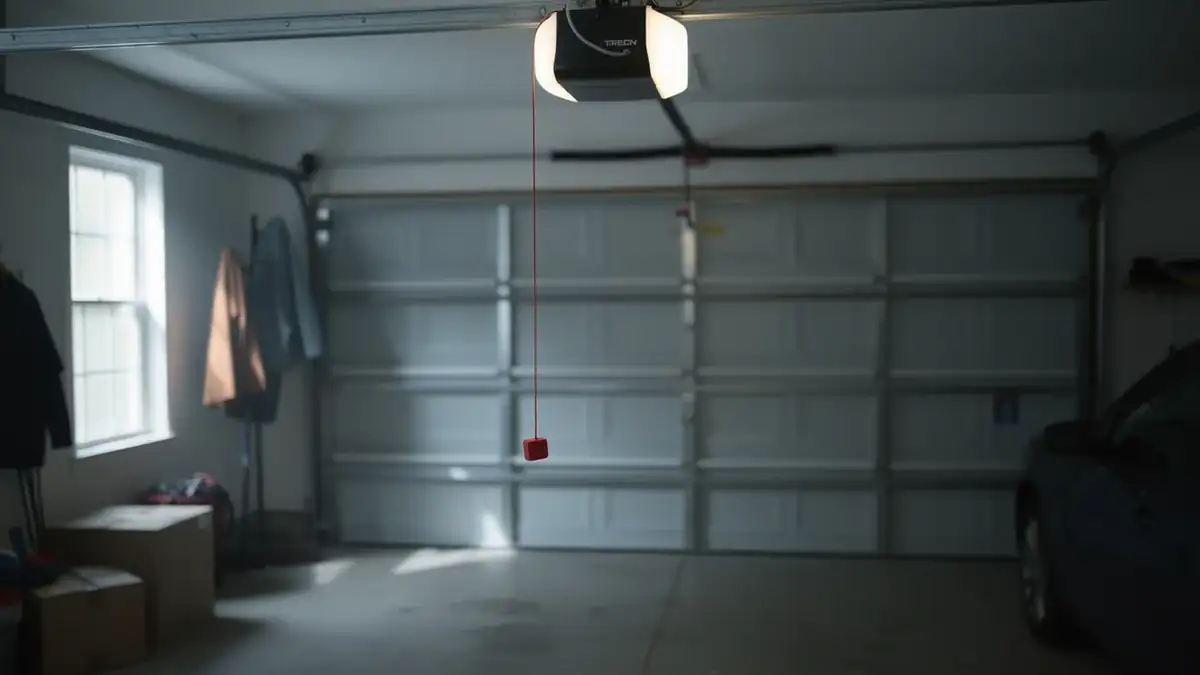
Most houses in this part of the valley went up between 1968 and 1999, with the median landing around 1986. That means a lot of original or first-replacement openers are now 25 to 55 years old, and a good share of those units were installed before battery backup was standard equipment. When the power drops, as it does more often here during the hottest stretches when the grid is under heavy air-conditioning load, a door with no backup battery simply will not move, manual release or not, unless you pop the trolley by hand.
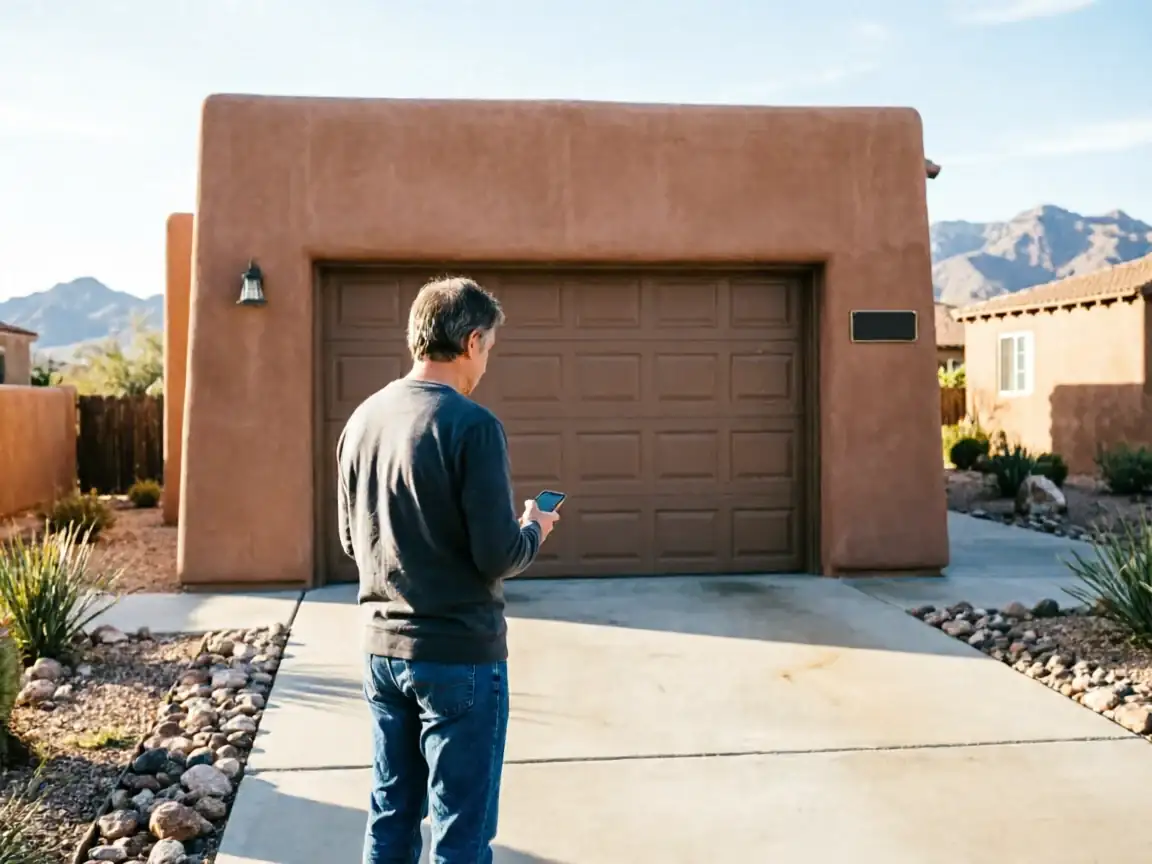
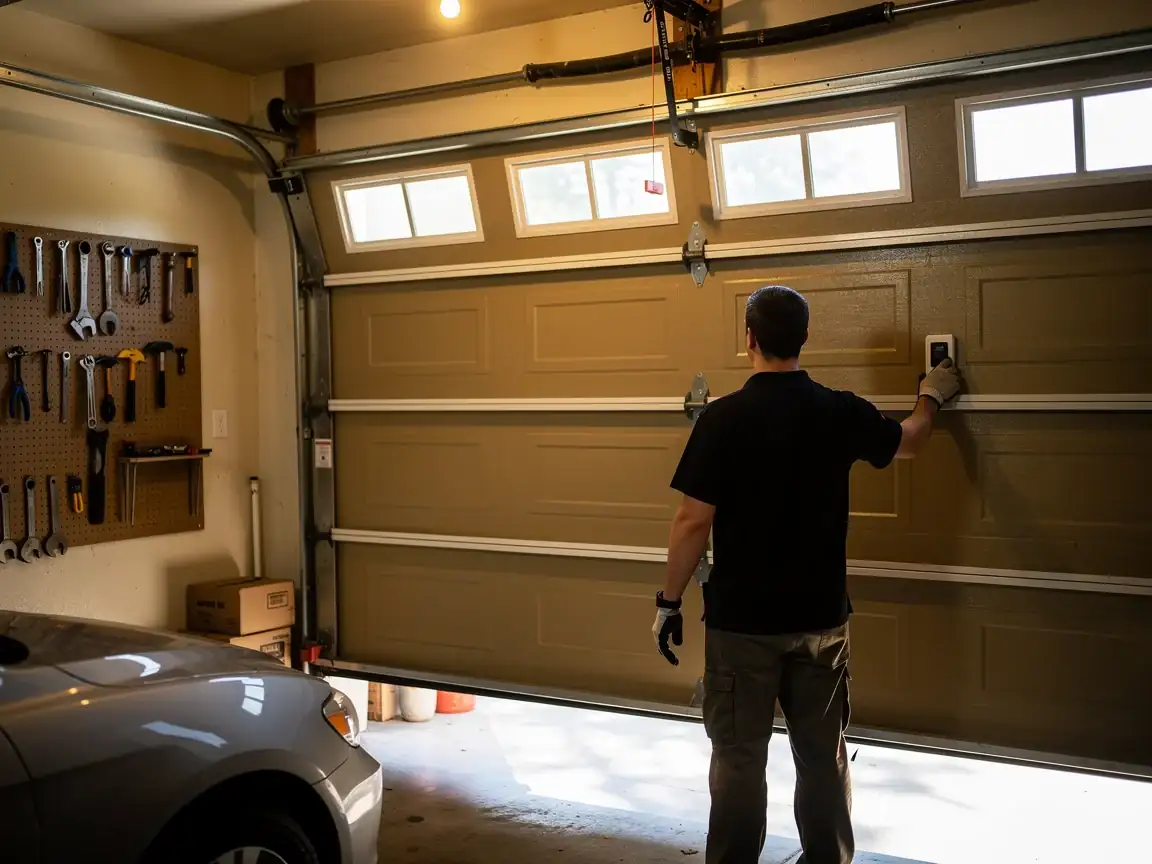
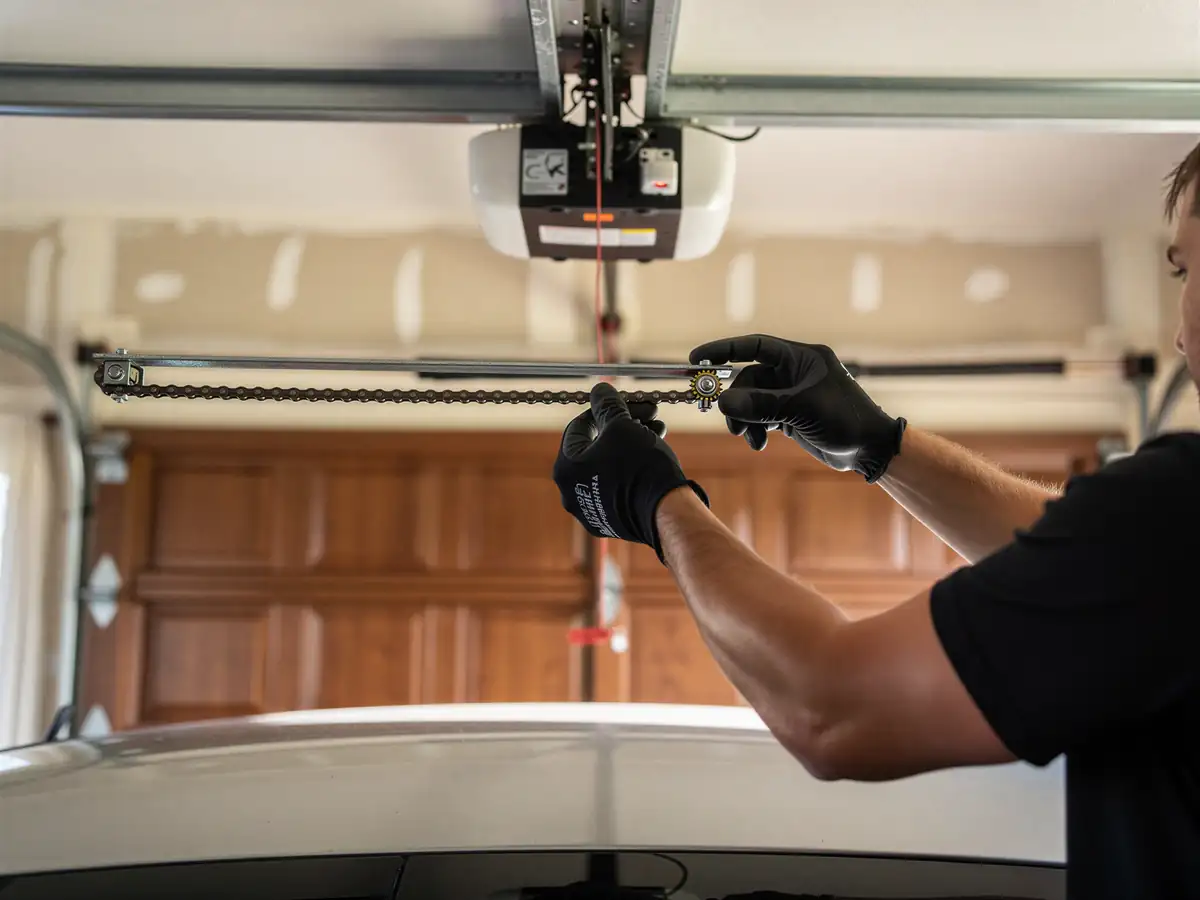
Start by checking the label on your opener motor head for a model year or a battery compartment. If there's no battery bay, you're running an older unit, and that's useful information before anyone touches a wrench. Also check whether the wall control still lights up during an outage. If it's dead too, the issue may be upstream of the opener itself, which changes what kind of call you need to make.
Across the service area, roughly 42,010 households include about 26,565 owner-occupied houses, and a large share of those sit on the same 1980s-90s stock. That's a lot of openers in the same age bracket failing for the same reason at the same time of year.
When It Stops Being a DIY Job
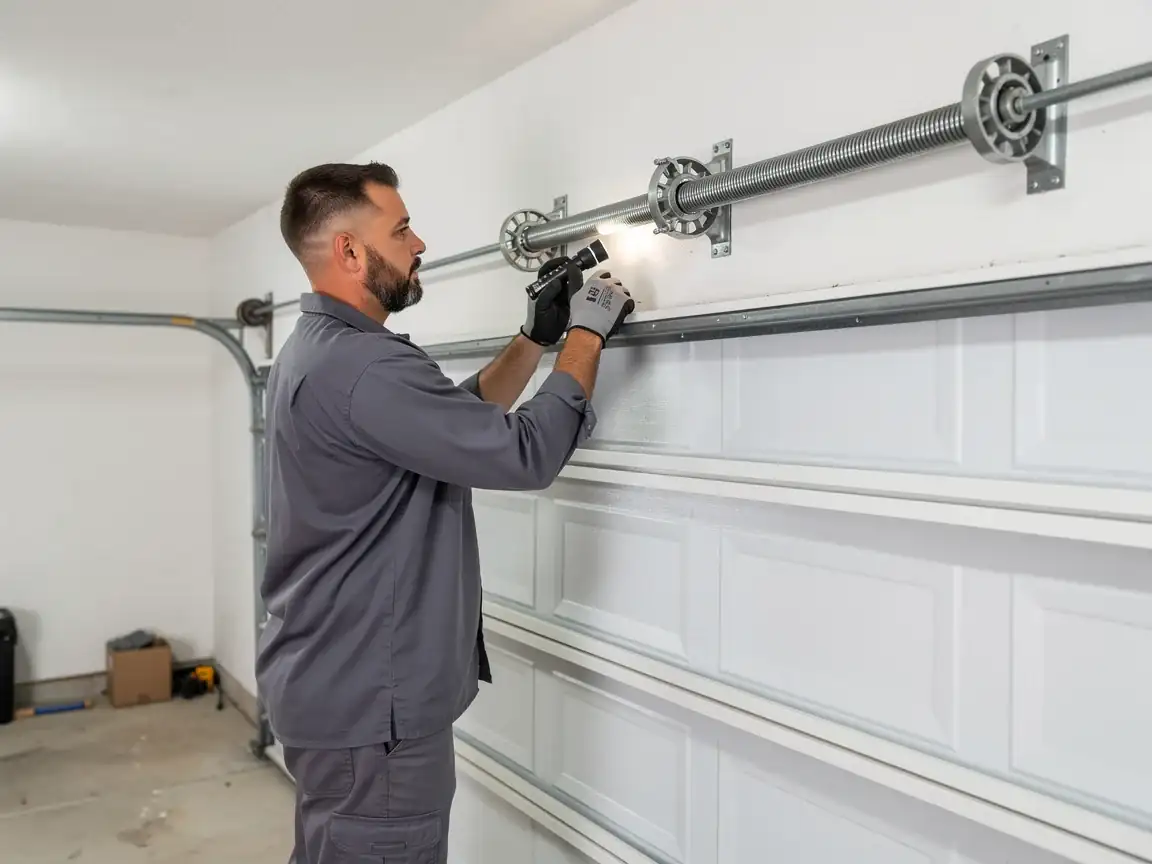
Swapping a dead opener for a new one with battery backup is a reasonable weekend project for some owners. Where it stops being DIY is when the power cut happens mid-cycle and the door is caught half-open on a torsion spring system original to a house built in the 1968-1999 window. Springs from that era are long past any reasonable service life, and a spring that lets go while someone is wrestling with a dead opener and a manual release is not a rare combination out here.
If your opener trips its breaker repeatedly, or the wall button does nothing even on a confirmed live circuit, that's electrical, not mechanical, and it's outside what a doorknob-and-WD40 fix will solve. We don't do panel or breaker work ourselves; if the fault traces back past the opener's own power cord, that's a call to an electrician first.
One honest limit: we can't always get a battery-backup replacement unit on the truck same day if your model is older and takes a specific chain-drive or belt-drive carriage. Supply on some of those older-style carriages runs behind, and we'll tell you straight if that's the case rather than quote a time we can't hit.
What Local Conditions Do
This area sits in a severe heat band
And that does two things to openers that milder climates don't deal with. First, the motor itself works harder and runs hotter for more months of the year, which shortens the life of the capacitor and gearing inside a mid-range unit. Second, heat-driven grid strain is exactly what triggers the rolling outages and voltage sags that catch an opener mid-cycle in the first place. Put those two together and you get a specific local pattern: heat-worn openers failing right when the power is least stable.
Houses built in the 1986 median year typically have garages that run hotter than the rest of the house
Since insulation standards from that era didn't treat garages as living space. An opener mounted in that environment ages faster than the same unit would in a cooler, better-insulated space. If your opener motor feels hot to the touch on a normal day, that's worth noting before it fails on a day when the power also goes.
The Situation
With median household income in the area at $69,704, most owners we talk to want the fix that lasts, not the cheapest part that gets them through the week, and that's usually the right call on an opener that's already near the end of its run. If your unit predates battery backup and you're in a 1980s-90s-era house in this valley, replacing it with a backup-equipped model isn't an upsell, it's matching the equipment to conditions that are already working against it.
If you're closer to Rancho Mirage or Thousand Palms, the same housing-age and heat pattern holds across most of the service area's 13 named neighborhoods. The fix doesn't change by zip code, the timing does, since outages tend to cluster on the worst heat days.