What to Look At First
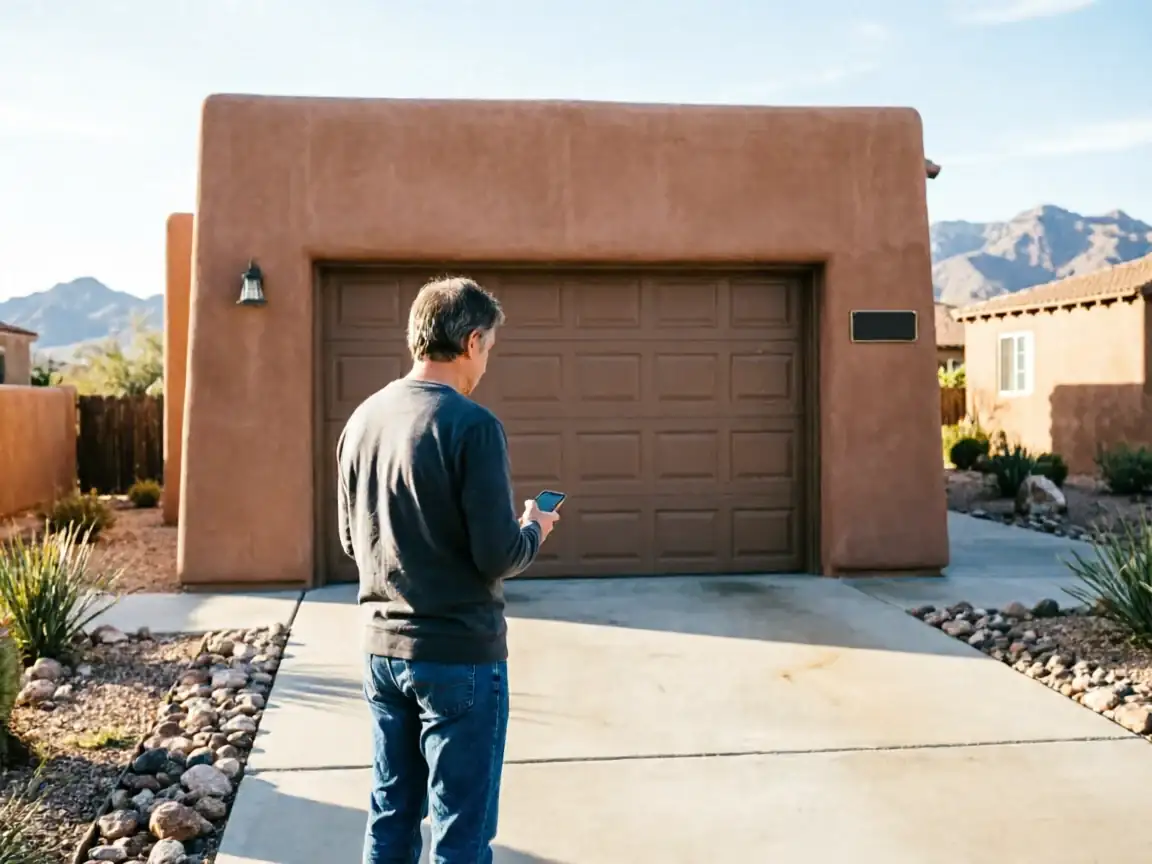
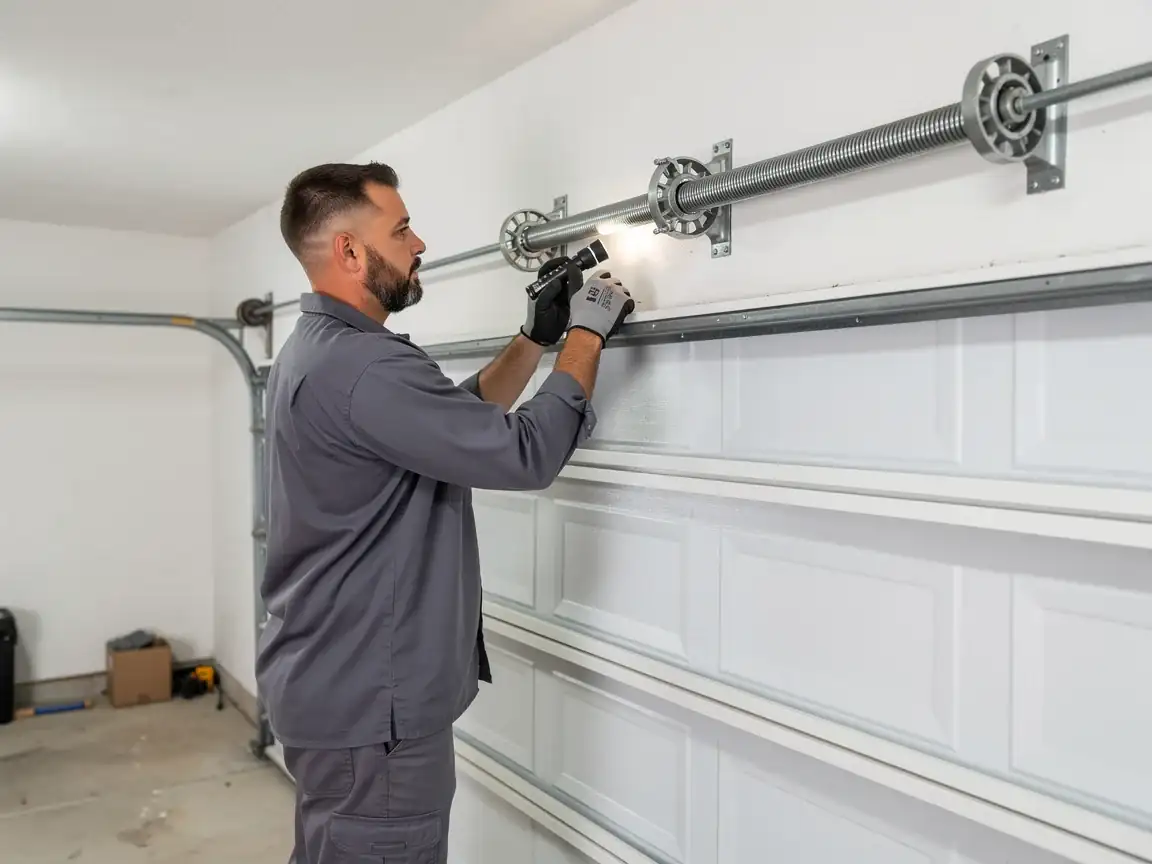
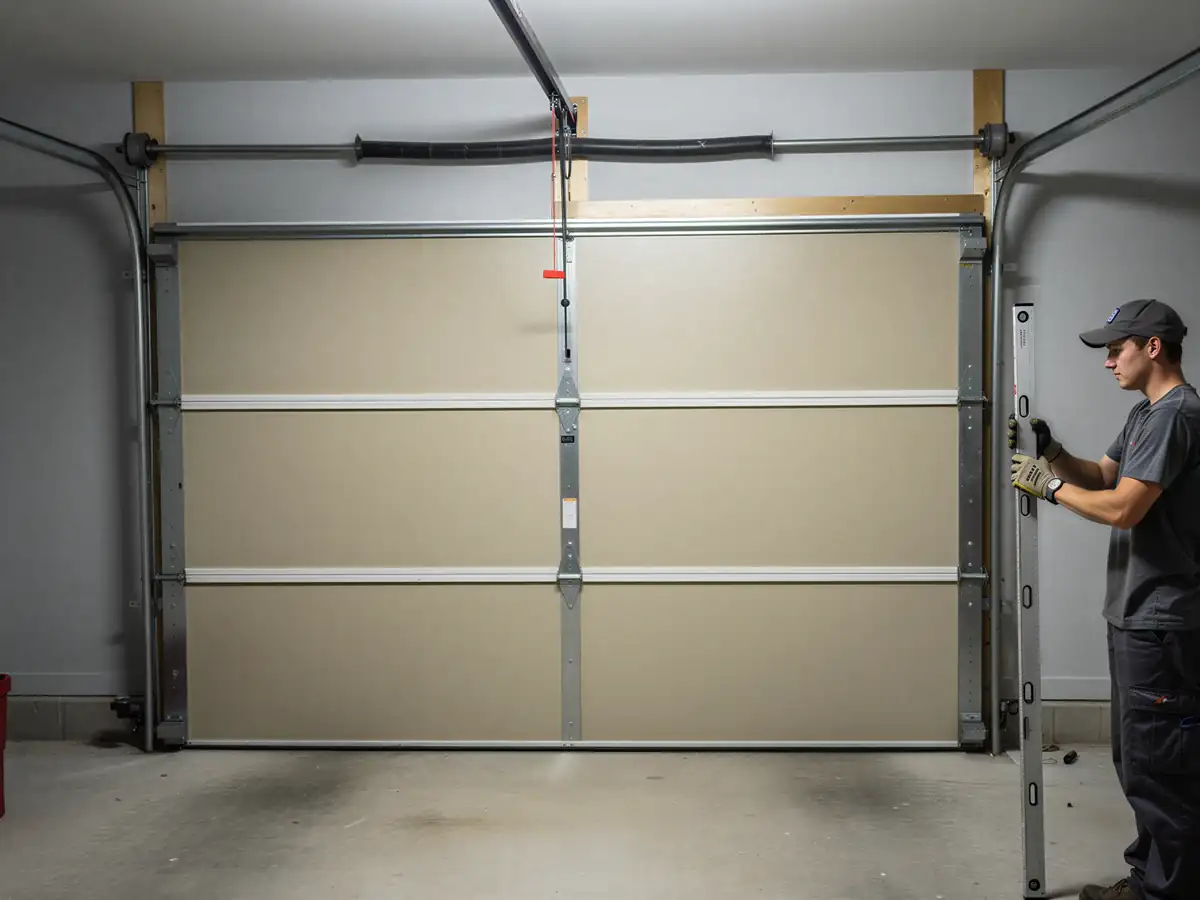
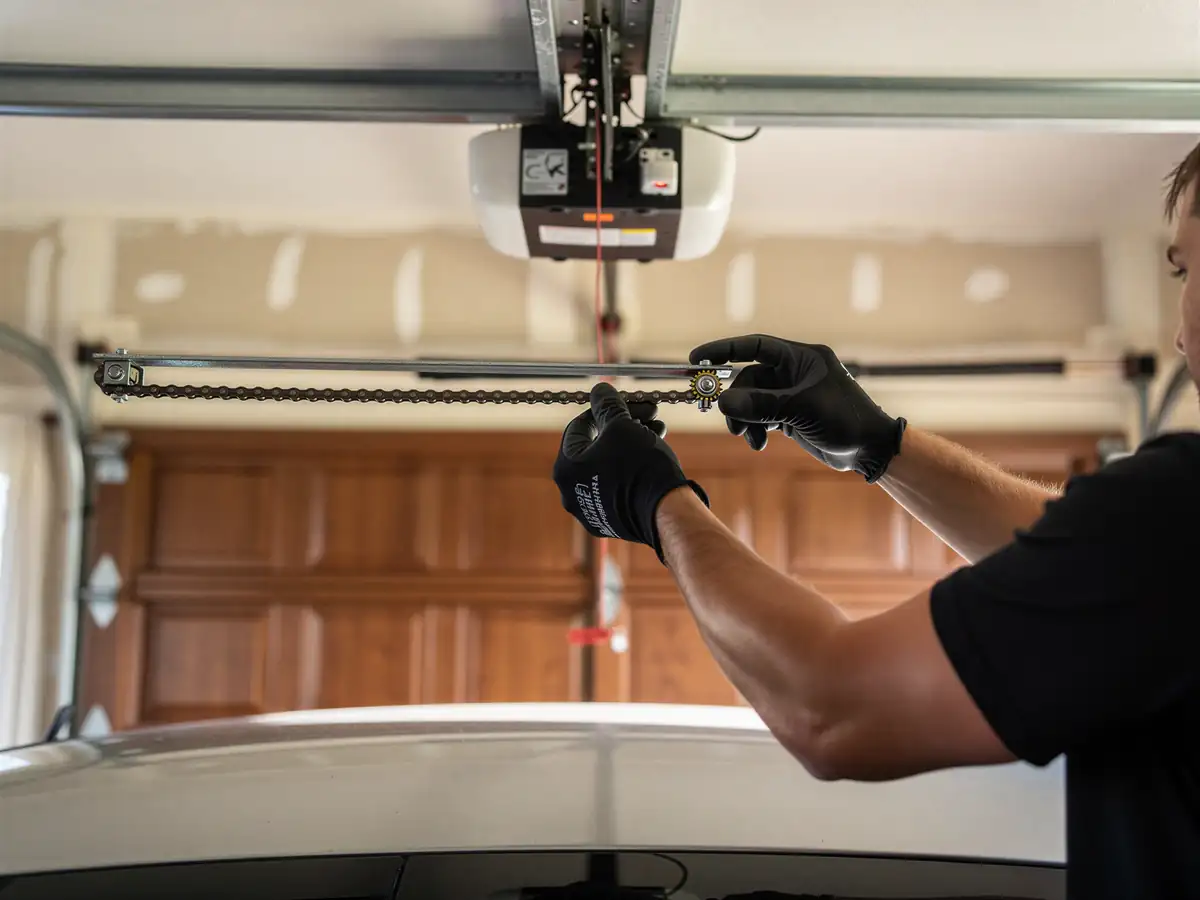
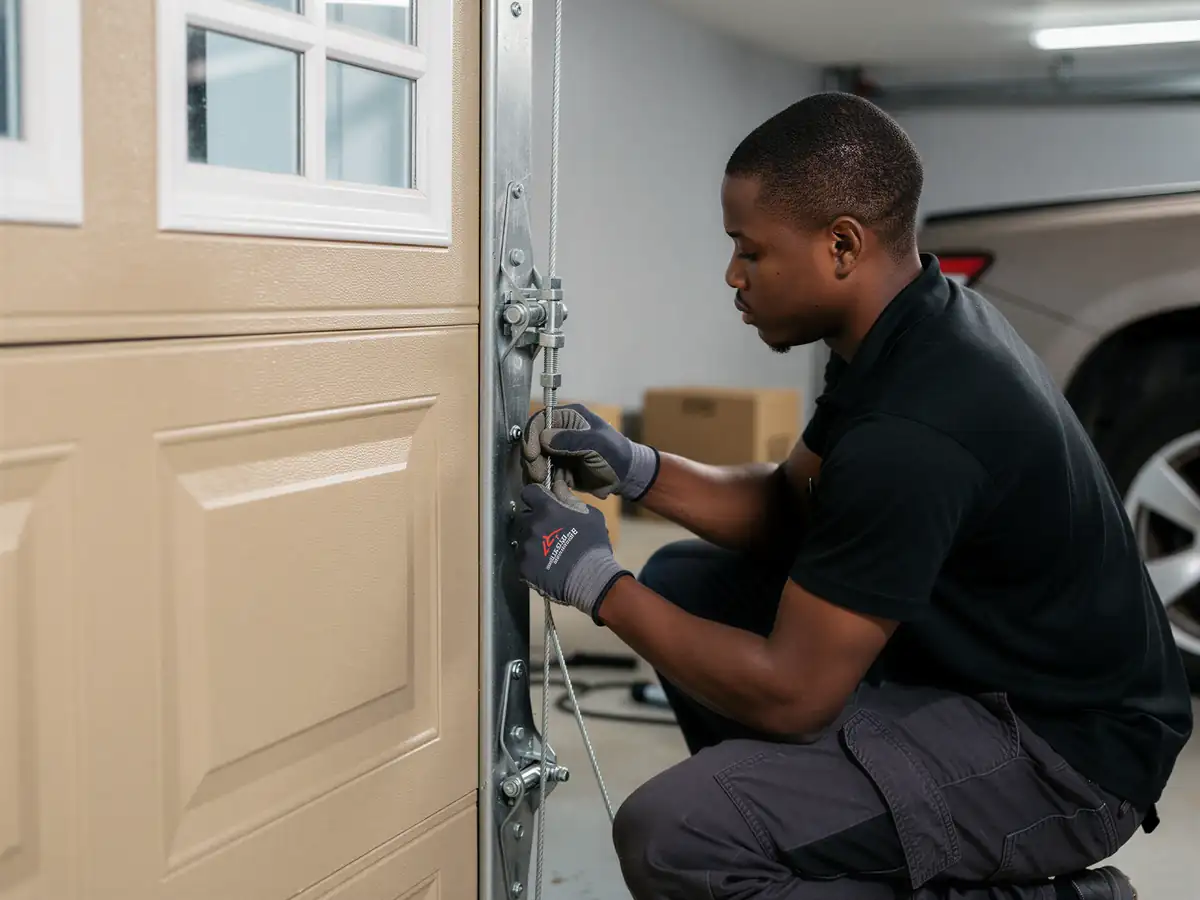
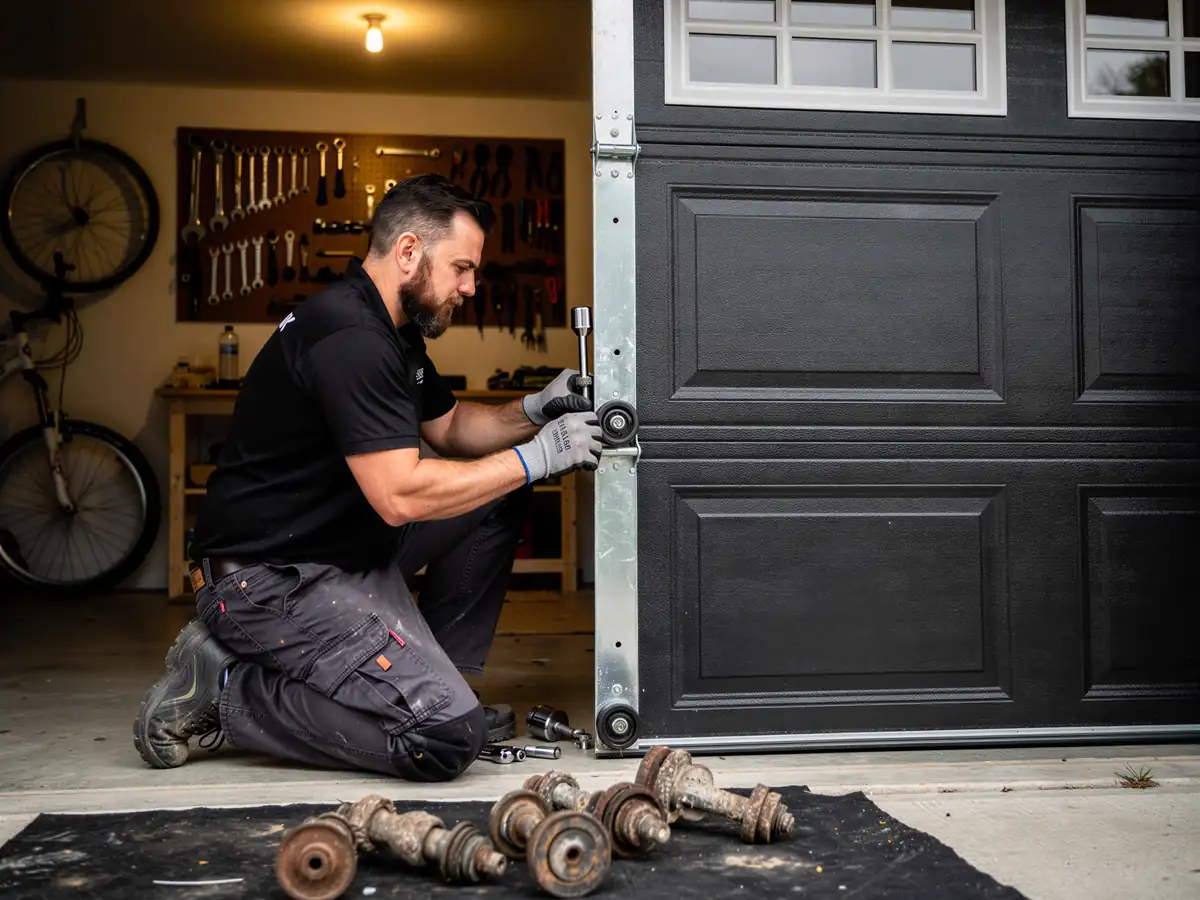
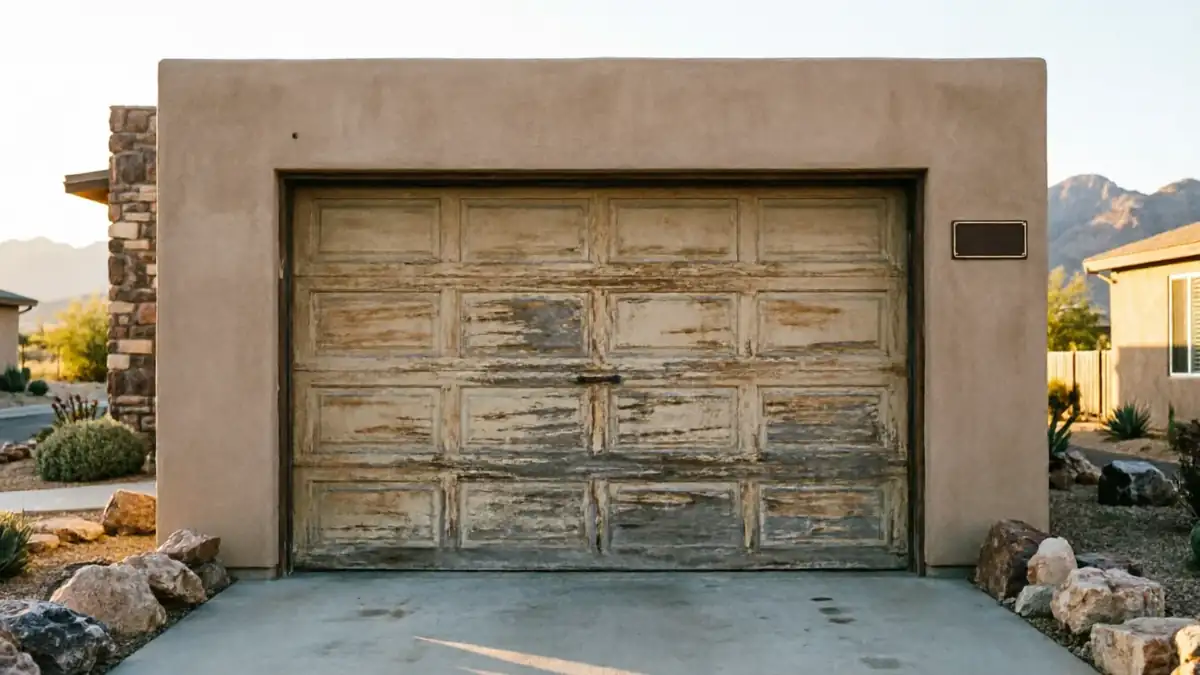
Houses across the Palm Springs service area were mostly built between 1968 and 1999, with the median landing around 1986 - that's across the 13 named areas that make up this market, not just one pocket of town. A door that age is old enough to have its original torsion spring, its original steel rollers, and in a lot of cases its original chain-drive opener still bolted to the ceiling. Before you call anyone, look at three things. First, the springs - are they the original single spring on an older torsion bar, or has someone already converted to a dual setup. Second, the rollers - steel rollers from a 1980s build are usually worn oval by now, not round, and that's what makes the door sound like it's grinding. Third, the opener - a motor from that era is on borrowed time even if it still runs, and replacement parts for some of those units stopped being made years ago. None of this means the door is junk. A worn roller and a tired spring are both fixable on a door that's otherwise sound. What matters is knowing which part you're actually dealing with before you decide it's hopeless.
When It Stops Being a DIY Job
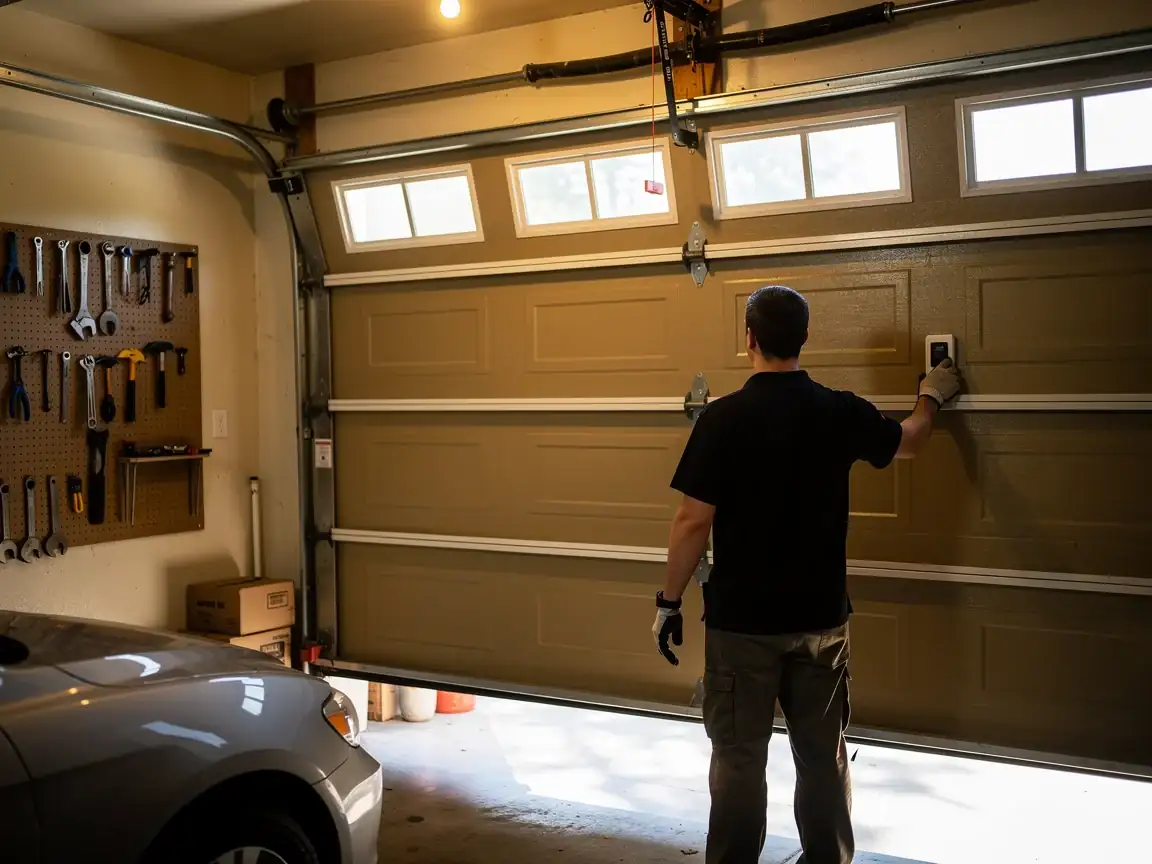
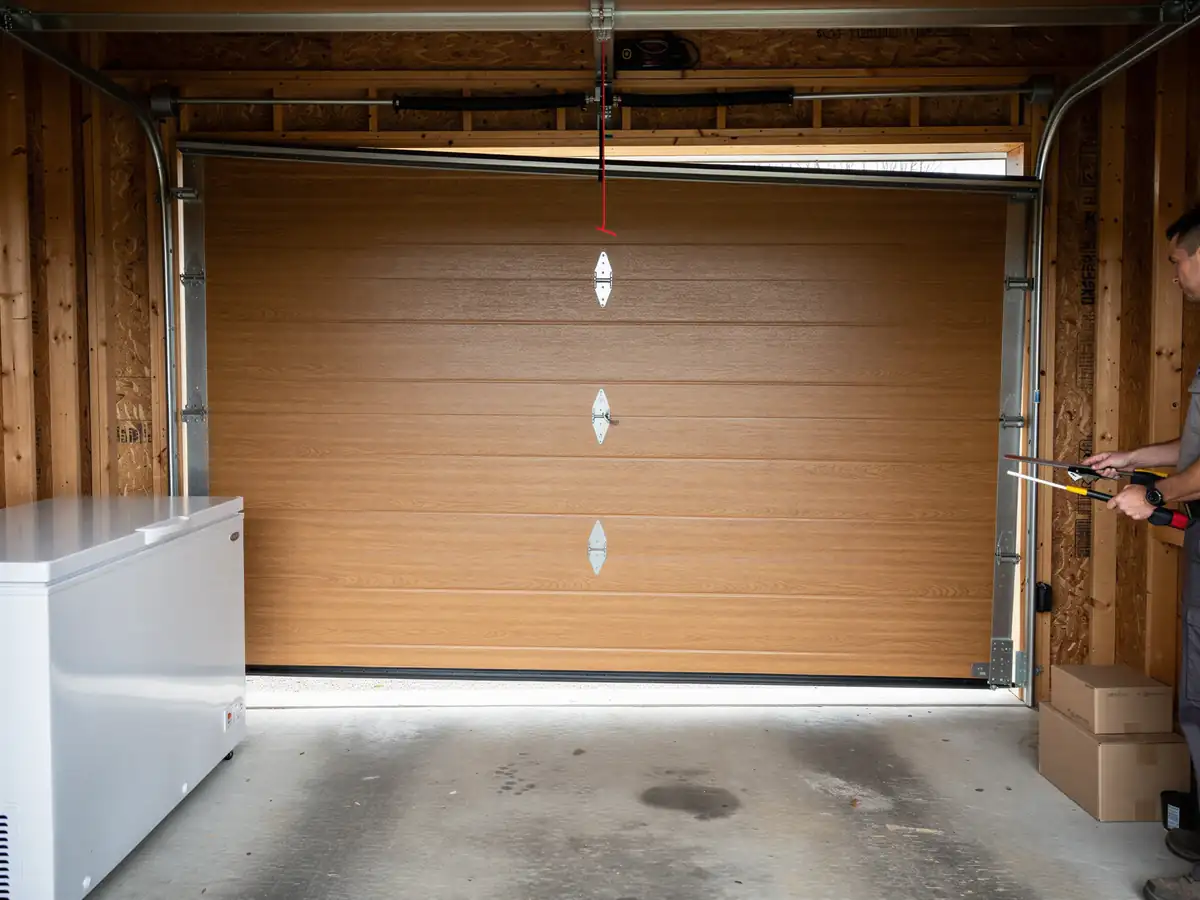
A torsion spring under tension can put someone in the hospital, and that doesn't change no matter how old or new the door is. But age raises the stakes here specifically: a spring installed when the house was built in the 1970s or 80s has had decades of desert heat cycling it, and metal fatigue doesn't announce itself before it lets go. If the door is original to a house from that build window and the spring has never been replaced, that's not a weekend project - that's a call. Track alignment is a closer call. If a roller's jumped the track but the track itself isn't bent, you can sometimes walk it back in. If the bracket's pulled away from the jamb, stop - that's a structural issue, not an adjustment. Openers are the one place where DIY makes the most sense: swapping a dead logic board or a worn gear kit on an old chain-drive unit is within reach for a lot of homeowners. The line isn't really about the age of the door. It's about whether the part that's failed is one that stores energy.
The Situation
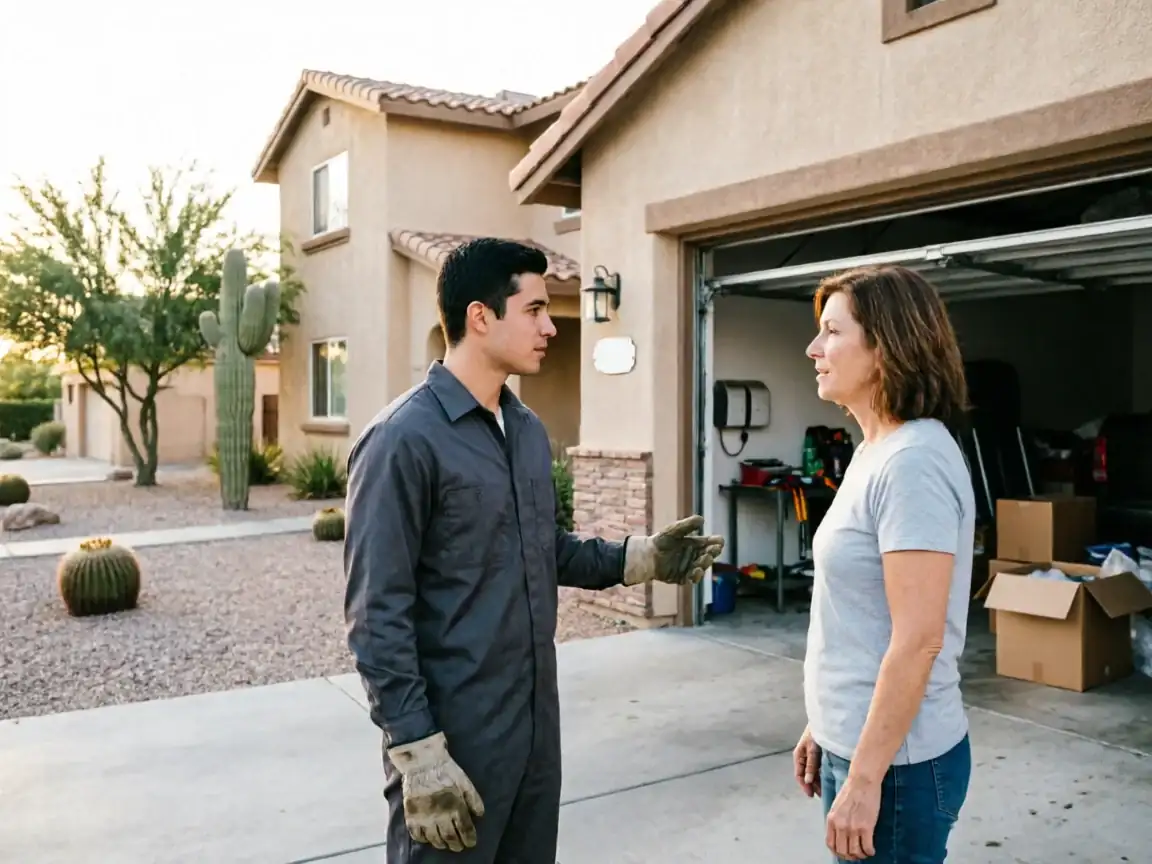
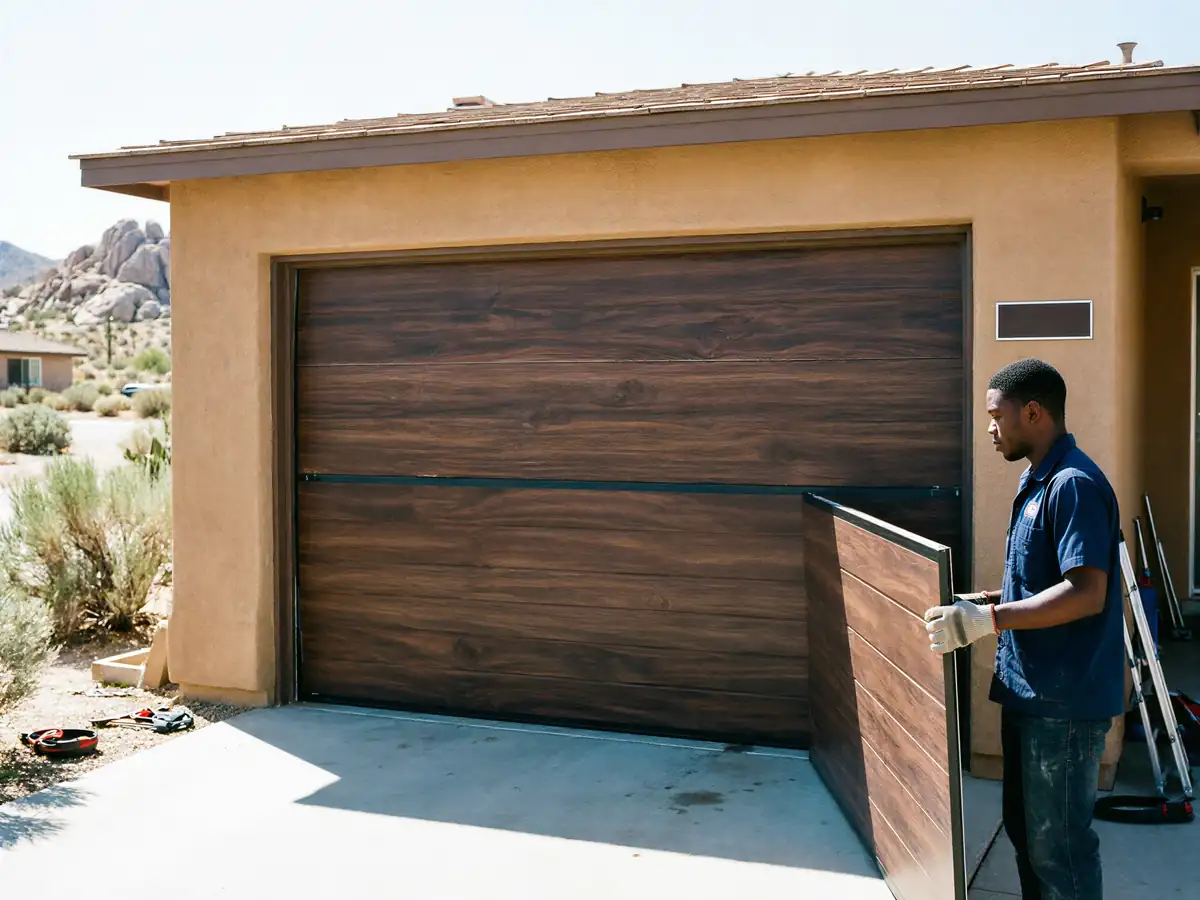
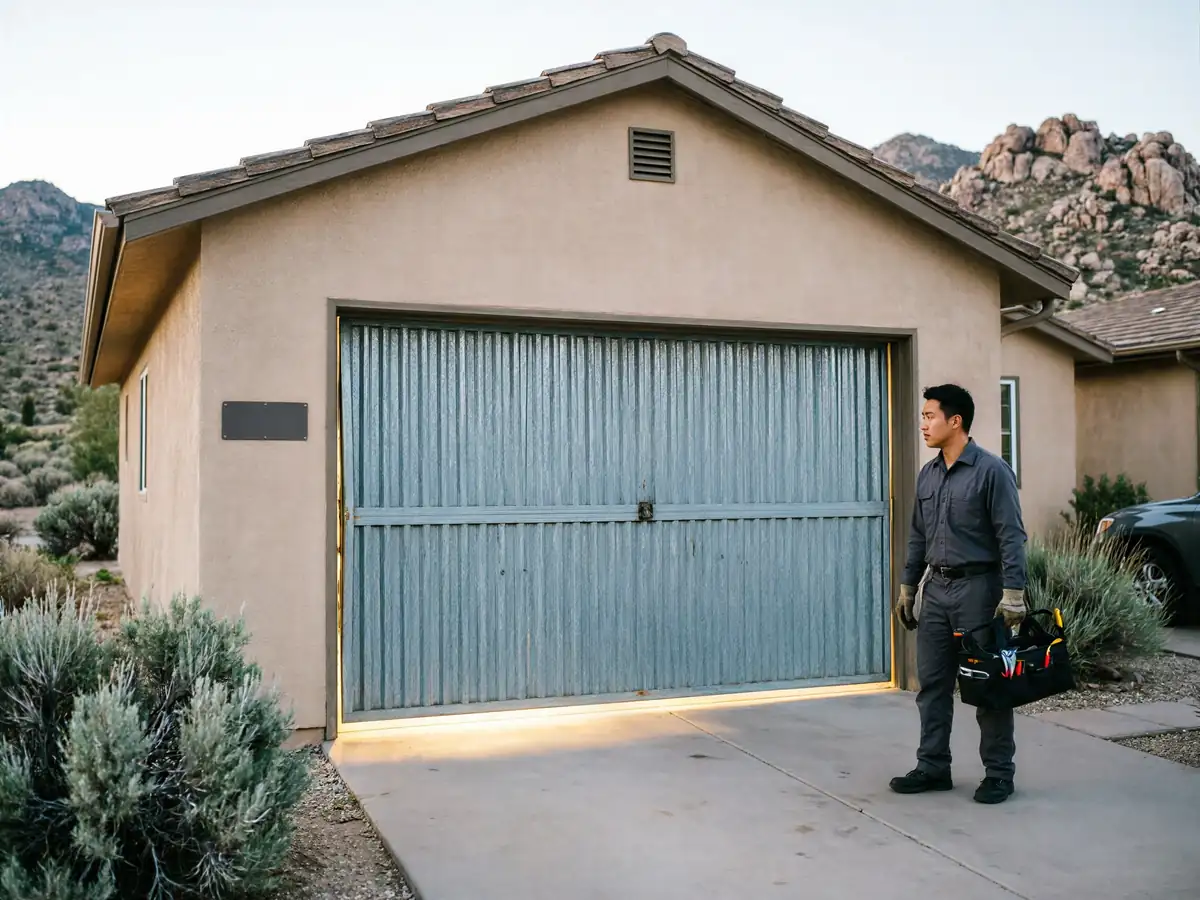
With a median household income of $69,704 across roughly 42,010 households and 26,565 owner-occupied houses in the service area, a lot of the calls in this market land on the same math: is it cheaper to fix the one part that failed, or is the door past the point where that makes sense. A single broken spring, a bad roller set, a dead opener logic board - on a sound door, those are repairs worth making, even on a house from the 1970s or 80s. Where it stops being worth it is when the panels themselves are sun-warped or rusted through at the bottom, or when you're looking at a second or third major part failing on the same door inside a couple of years. Here's the honest limit: we don't try to talk someone into replacing a door that still has good bones just because it's old. But we also won't quote a repair on a door where the next failure is six months away and costs more than the first one did.