Why This Fails Locally
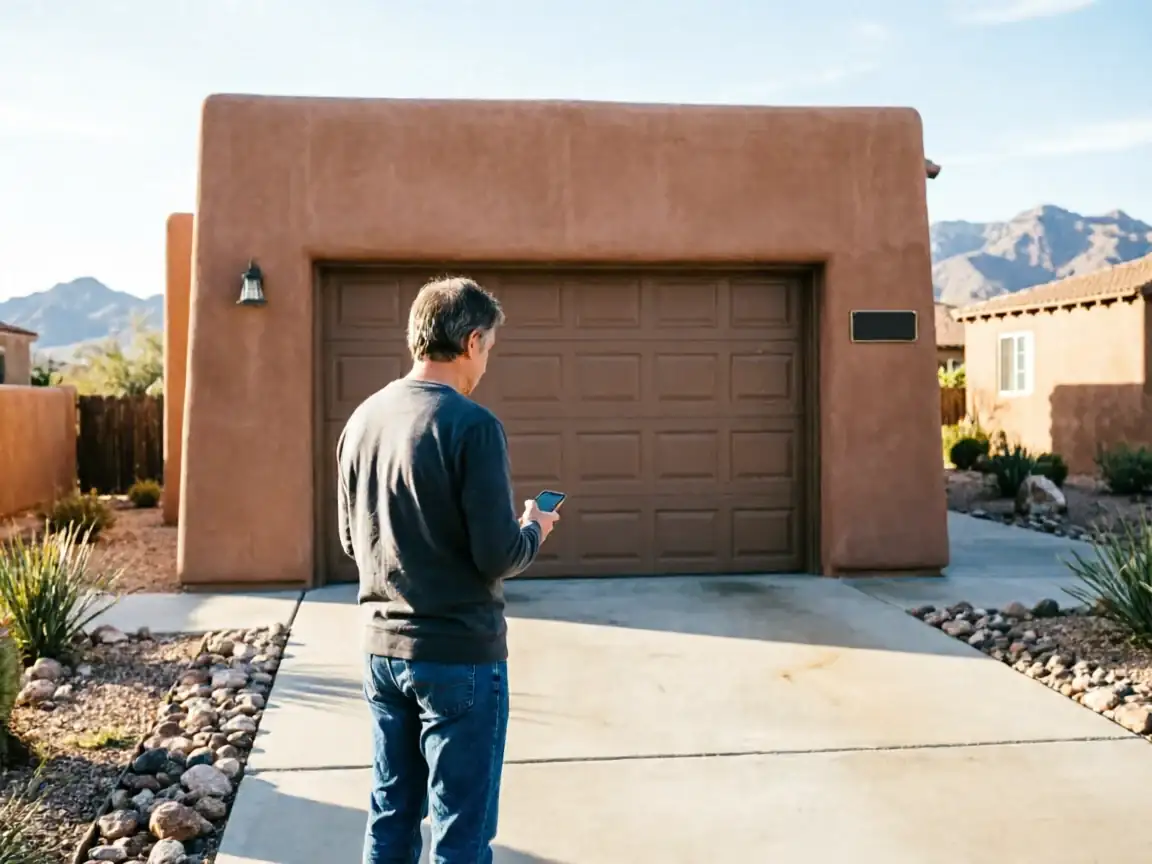
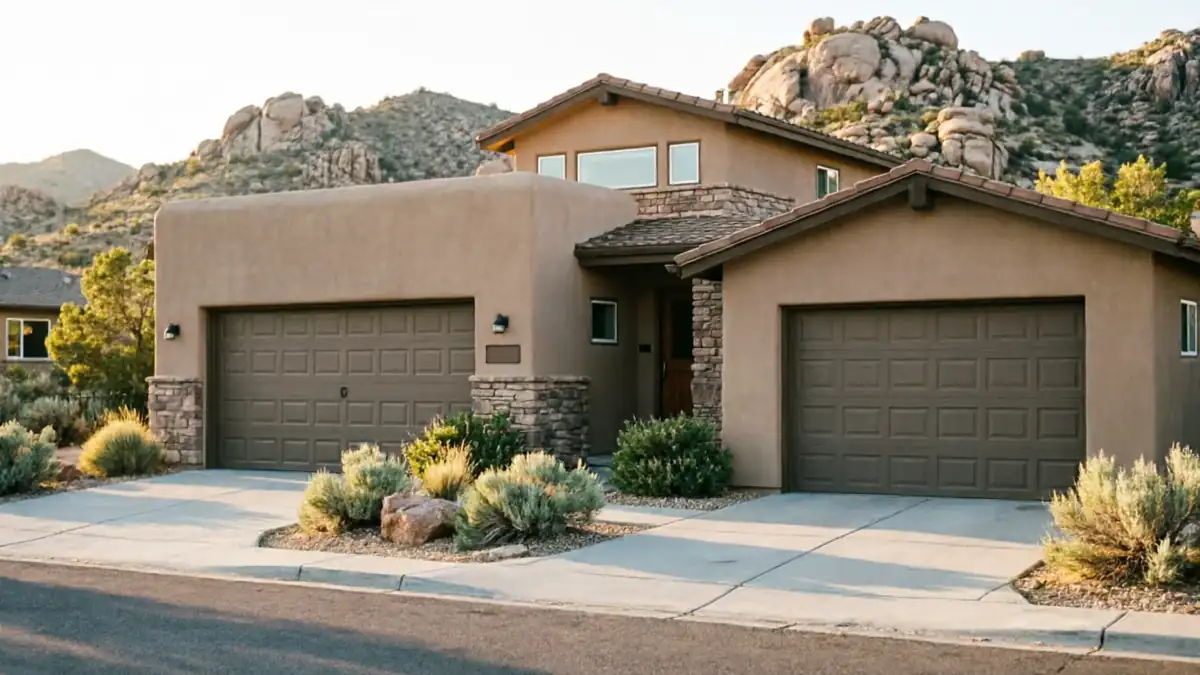
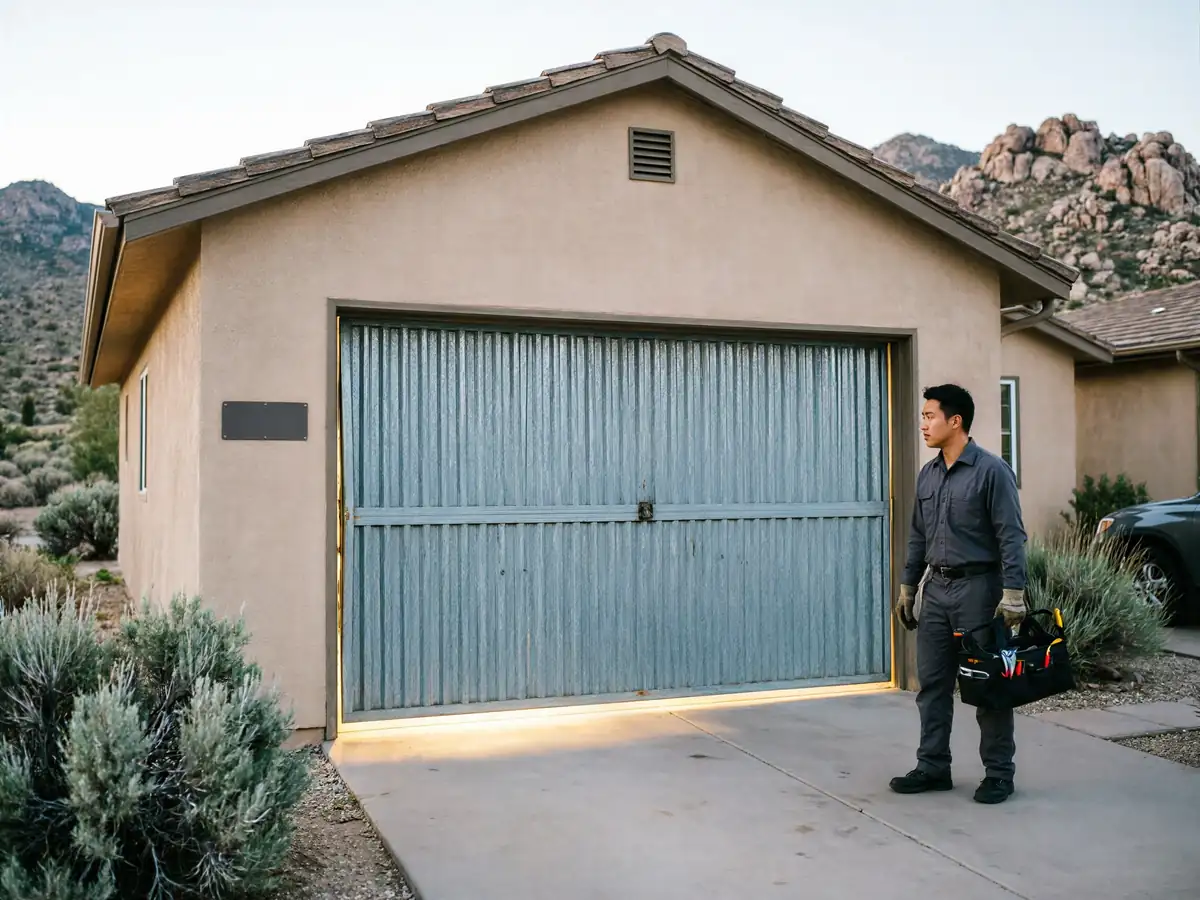
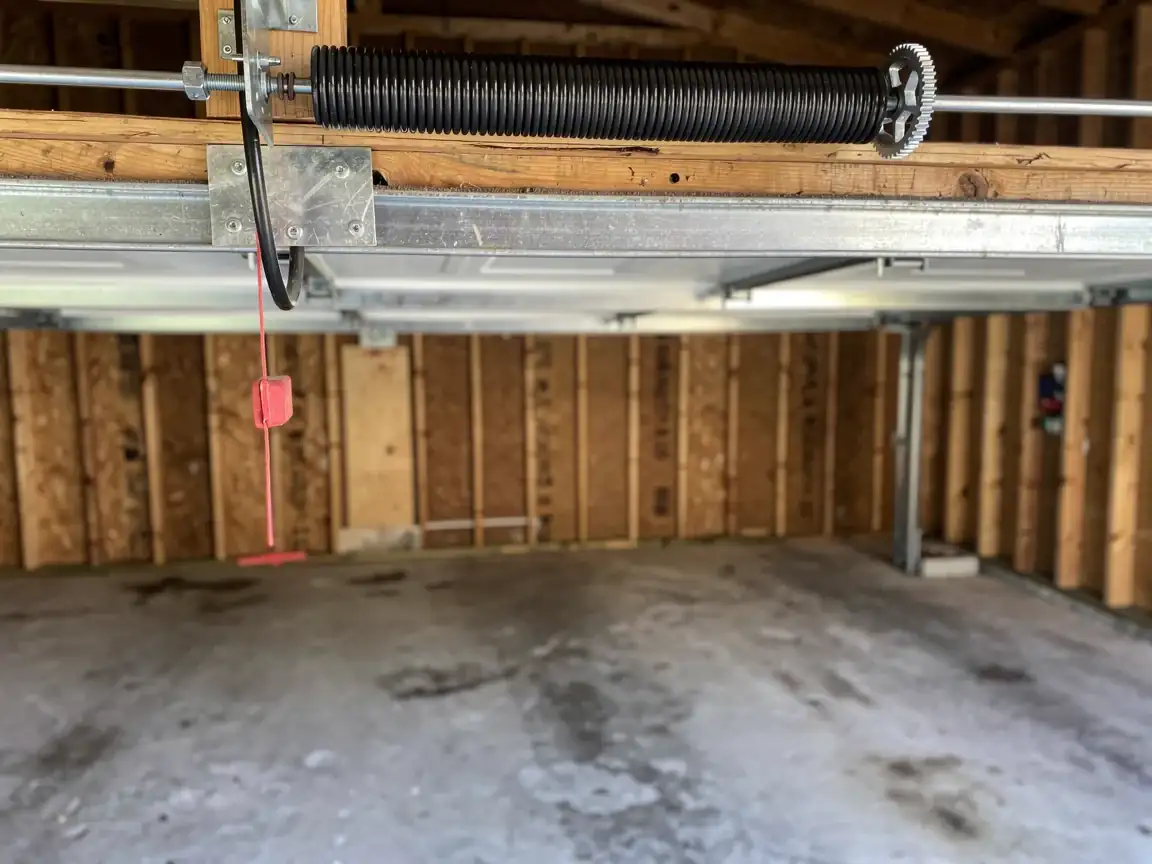
Most of the garage doors we get called on sit on homes built somewhere between 1968 and 1999, with the median close to 1986. That's not a coincidence - across the 13 named areas we work in, that's the bulk of the housing stock. A torsion spring rated for roughly 10,000 cycles doesn't care how old the house is, but it does care about heat, and Palm Springs sits in a severe heat band that most manufacturers never tested for. Steel expands and contracts every single day here, summer highs stress the coil, and the oil inside a spring that's been baking in a hot garage for three decades has usually gone thin or gummy years before the cable or the rollers show any sign of wear. Add original hardware that was never swapped for anything heavier, and you get a door that worked fine in April and snaps a spring in July. This isn't a defect in any one door - it's what happens when 1980s-era torsion hardware spends decade after decade in a climate built to shorten its life. We see the same failure pattern on house after house in this part of the valley, which is exactly why it's worth understanding before you call anyone out.
Can You Do This Yourself
Some of this you can handle. Lubricating hinges and rollers, tightening loose bolts on the track brackets, checking the photo-eye sensors for dust - none of that requires a truck. If your door is noisy but still opens and closes evenly, a can of garage-door-specific lubricant and twenty minutes will tell you a lot.
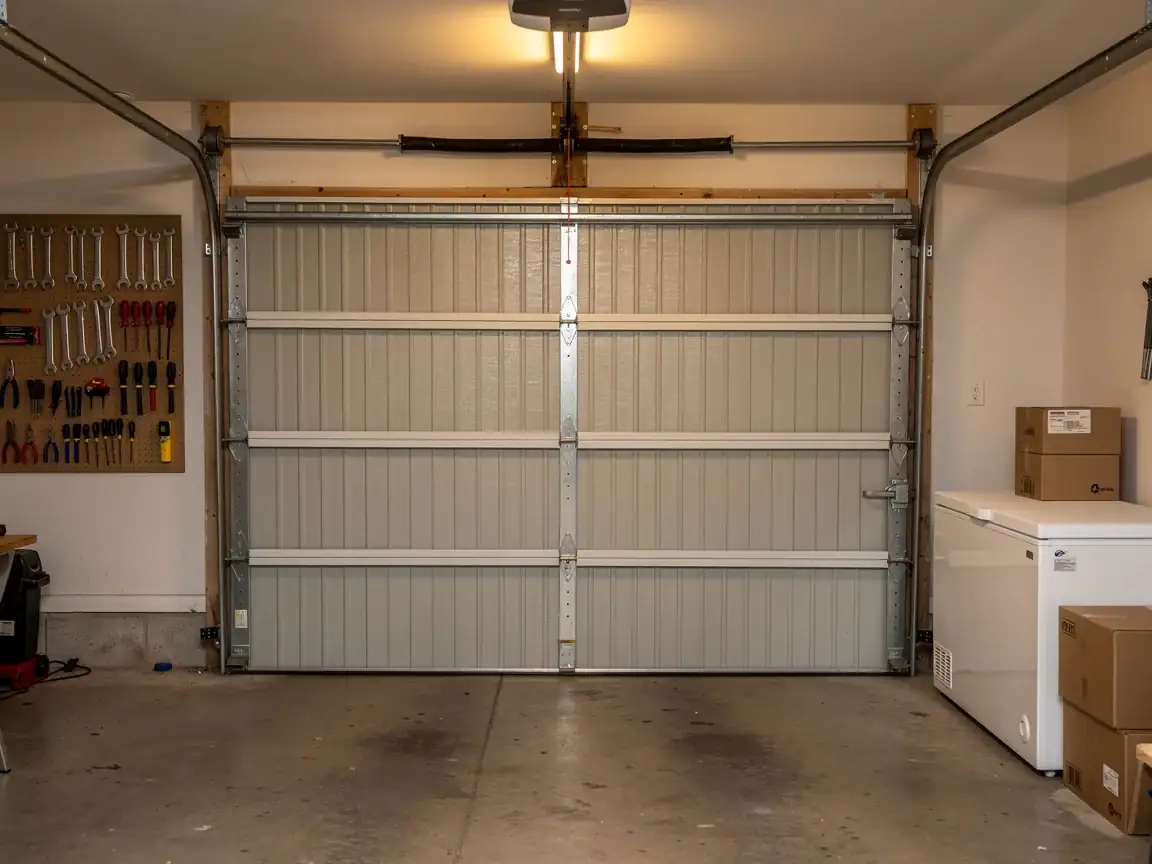
What you shouldn't touch is the torsion spring itself. It's wound under enough tension to break a finger or worse, and on an older door that's been sitting in Palm Springs heat for years, the steel can be more fatigued than it looks. Same goes for the cables running down to the bottom bracket - if one looks frayed, frayed is rarely the whole story. If your opener is grinding, hesitating, or reversing on its own, that's usually a gear or capacitor issue, not a settings problem, and taking the cover off an opener under warranty can void it.
Be honest about what you're seeing before you decide. A door that's merely loud is a DIY job. A door that's heavy, uneven, or won't stay up on its own is not.
What the Fix Involves
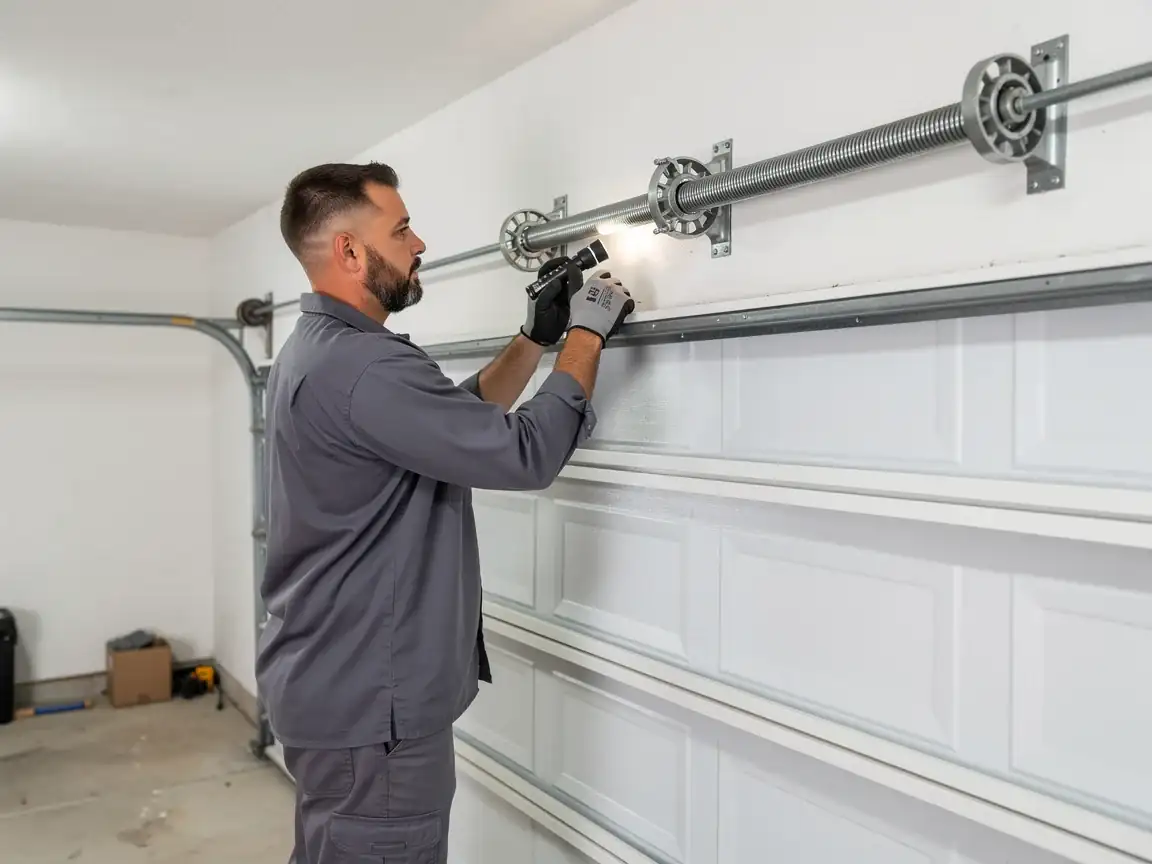
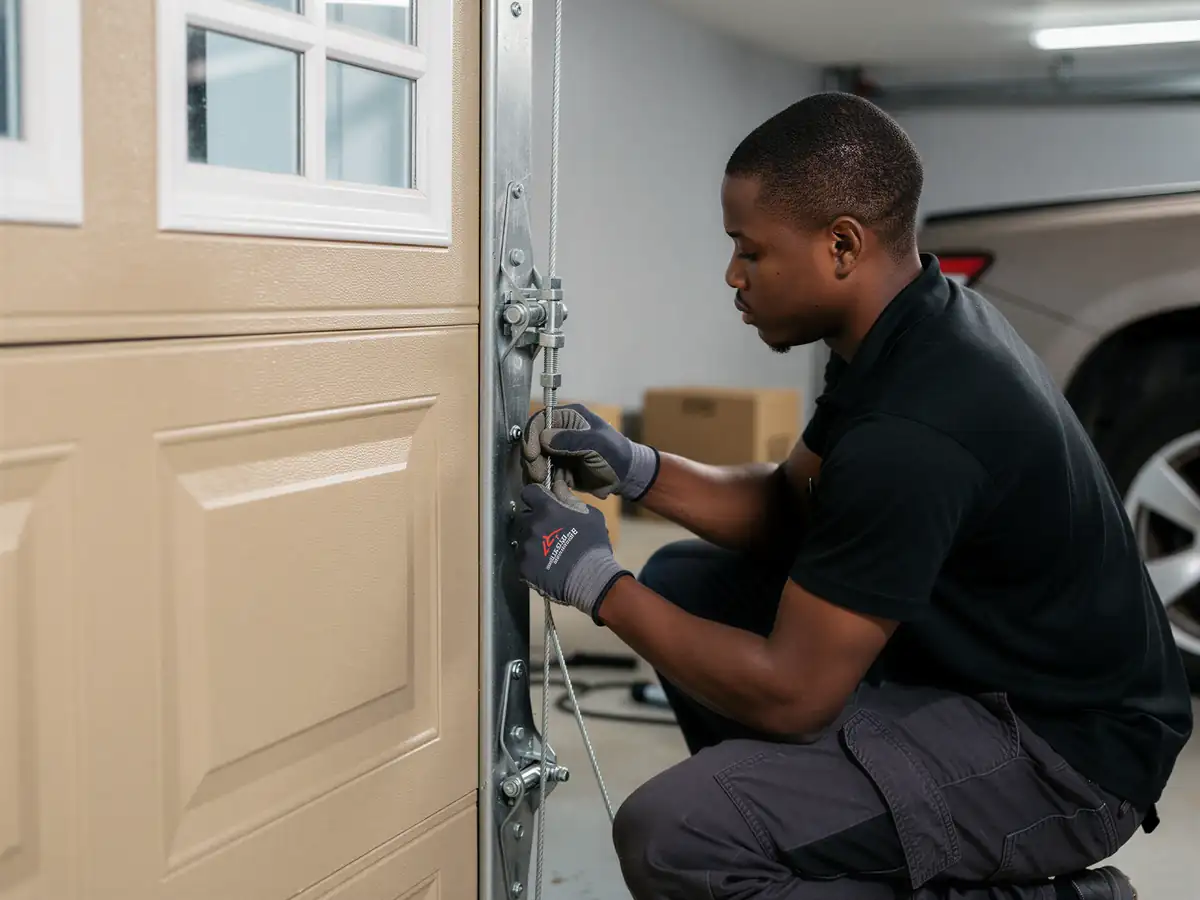
For a spring replacement, we match the new spring's wire size and wind to the door's actual weight rather than swapping in whatever came off
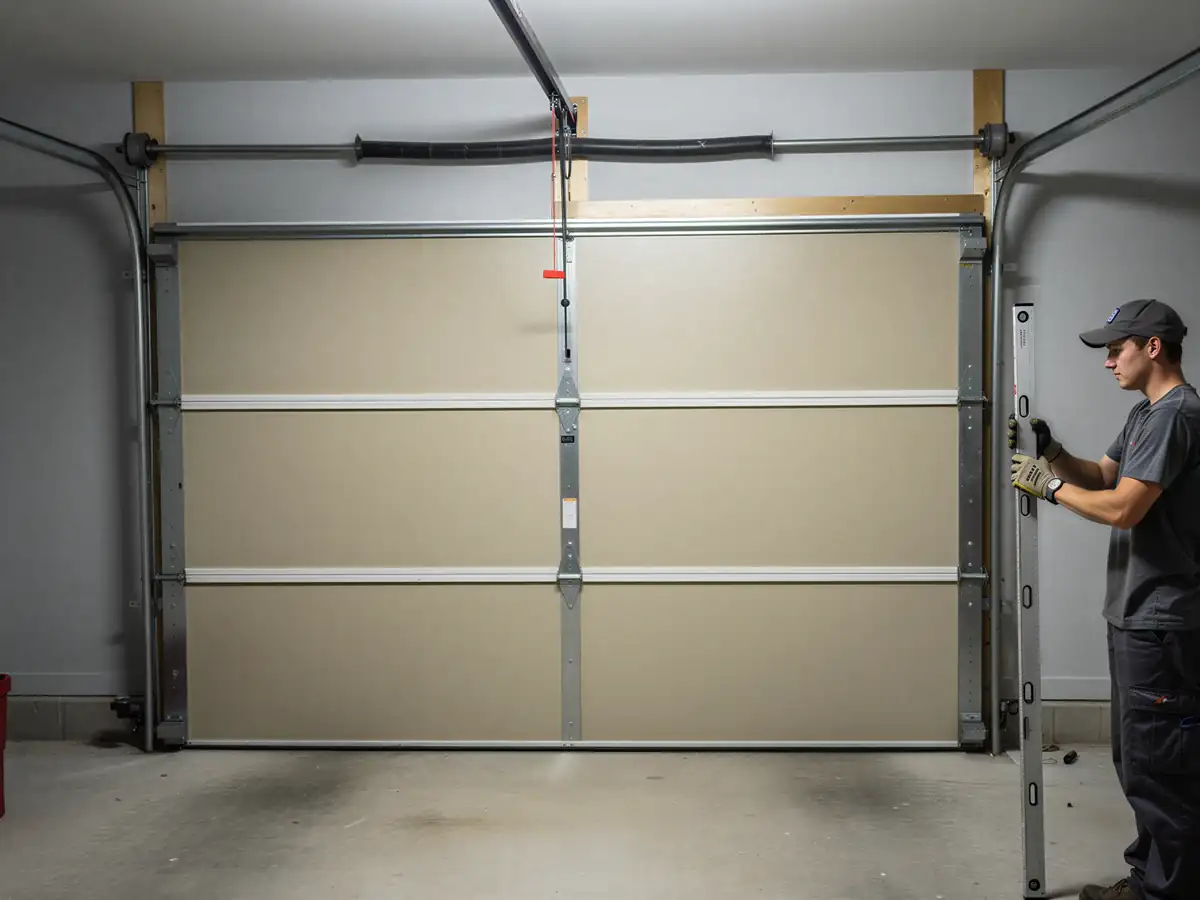
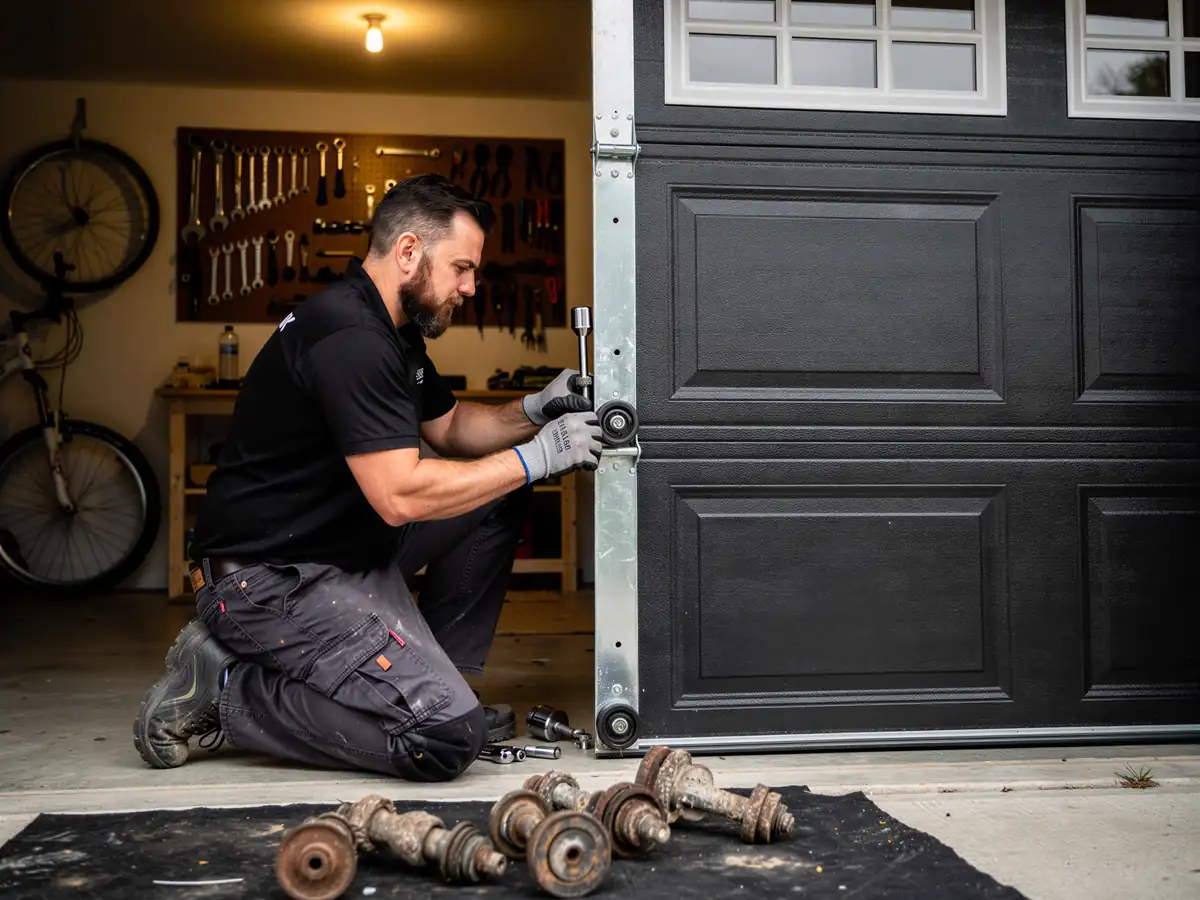
A door built in the 1980s or 90s often carries different panel weight than what's sold today, so a generic replacement spring under- or over-tensions the door. We also check the drums, cable condition, and bearing plates at the same time, since a spring rarely fails in isolation on a door this age.
On openers, heat does a different kind of damage
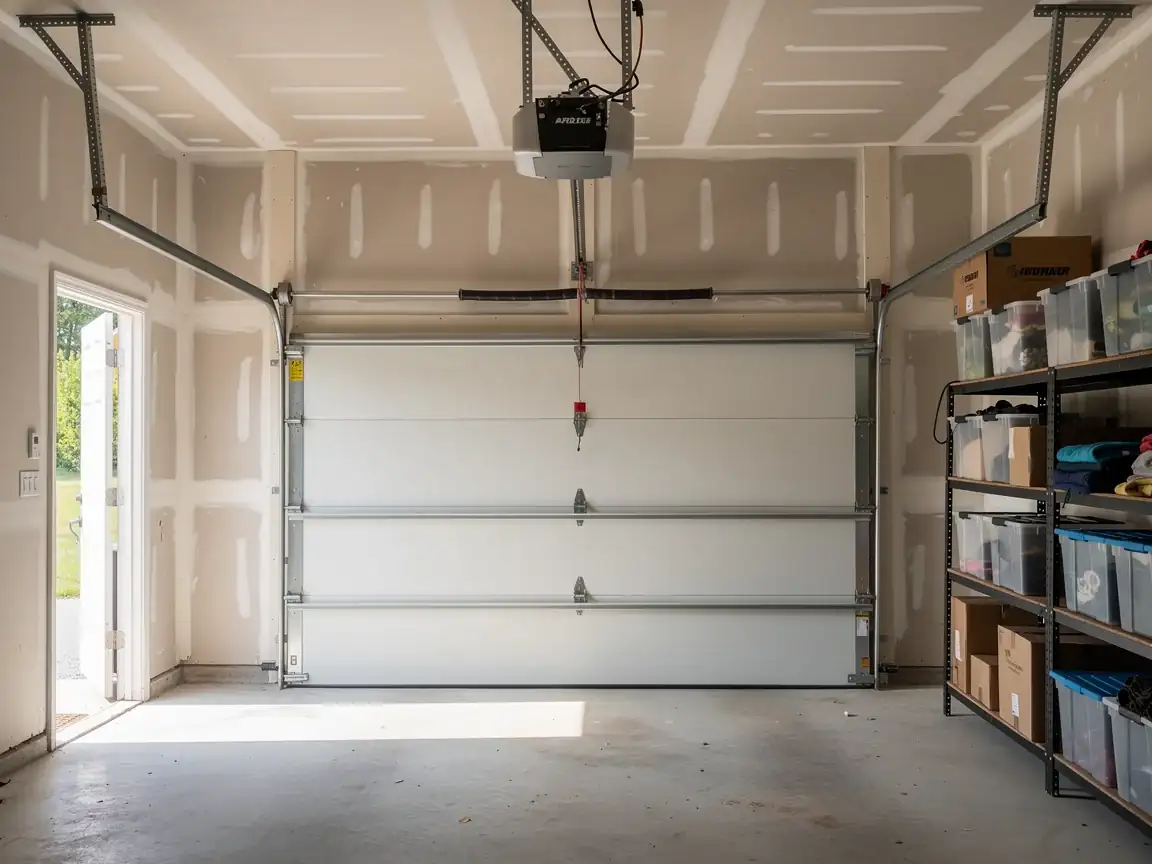
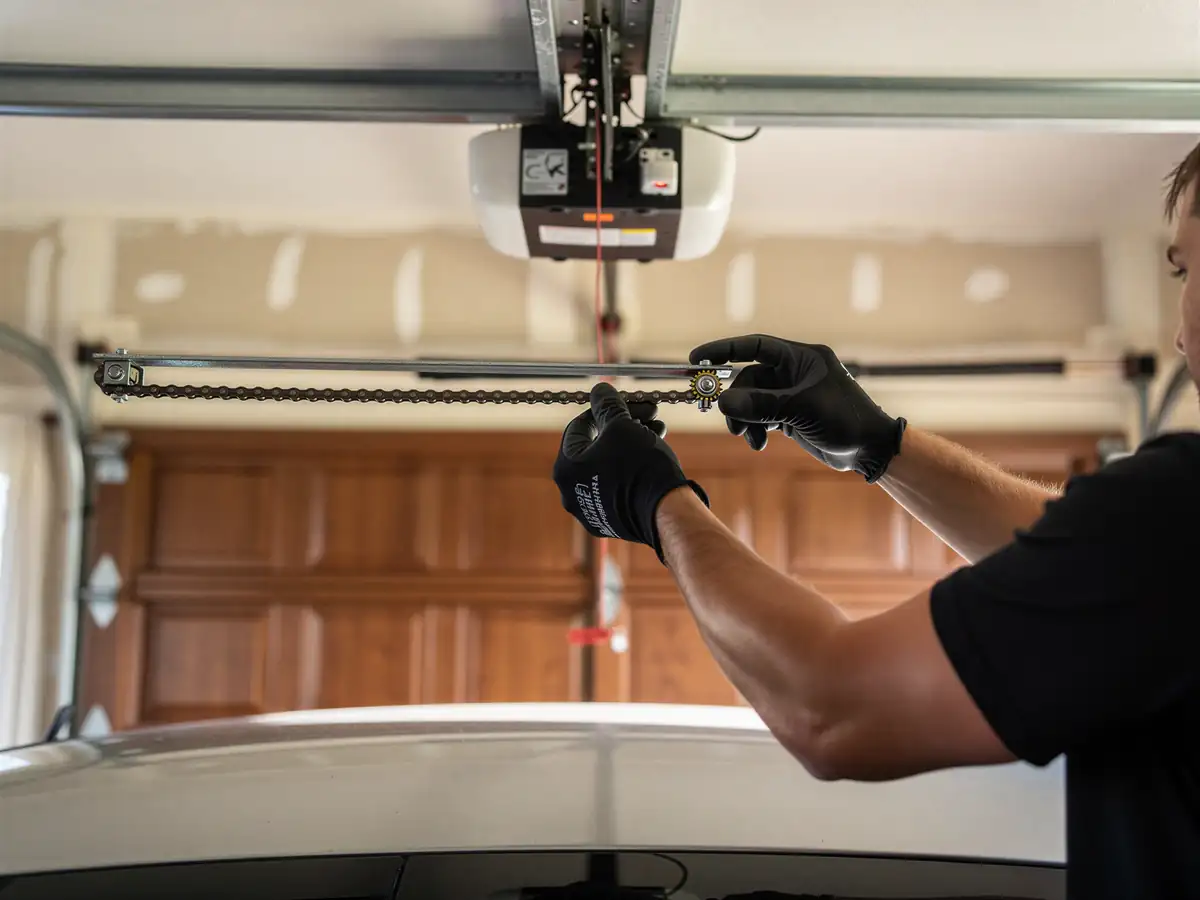
It dries out lubricant in the gear and bakes capacitors until they lose capacity, which shows up as weak lifting or a motor that hums without moving the door. If the opener itself is original to a house built before 2000, replacing the unit is often more honest than chasing individual parts, since sourcing exact boards for that vintage isn't always possible.
One limitation worth stating plainly
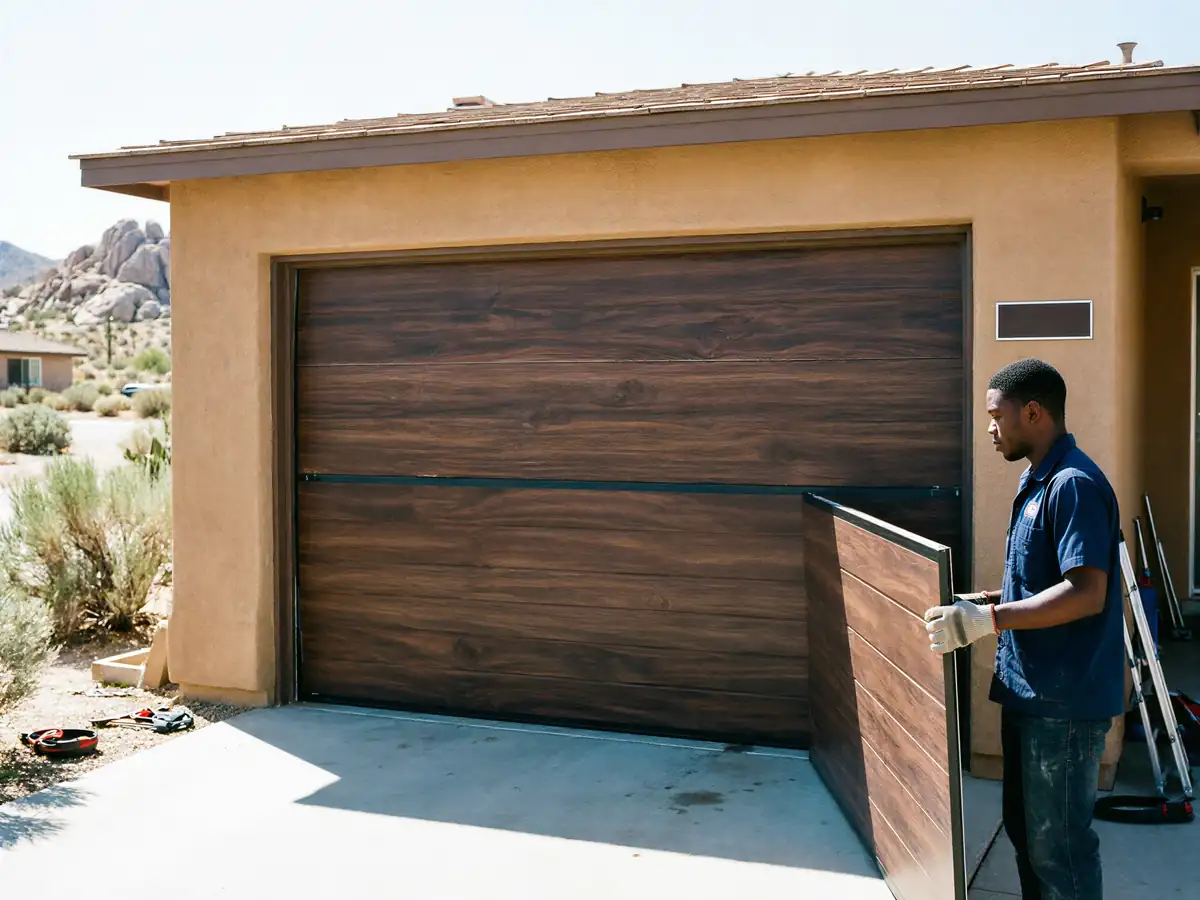
If a track is bent badly enough, or the door panel itself has warped from years of direct sun, realignment sometimes buys only a few months before the same symptom returns, and replacement is the better money.
What You Are Seeing
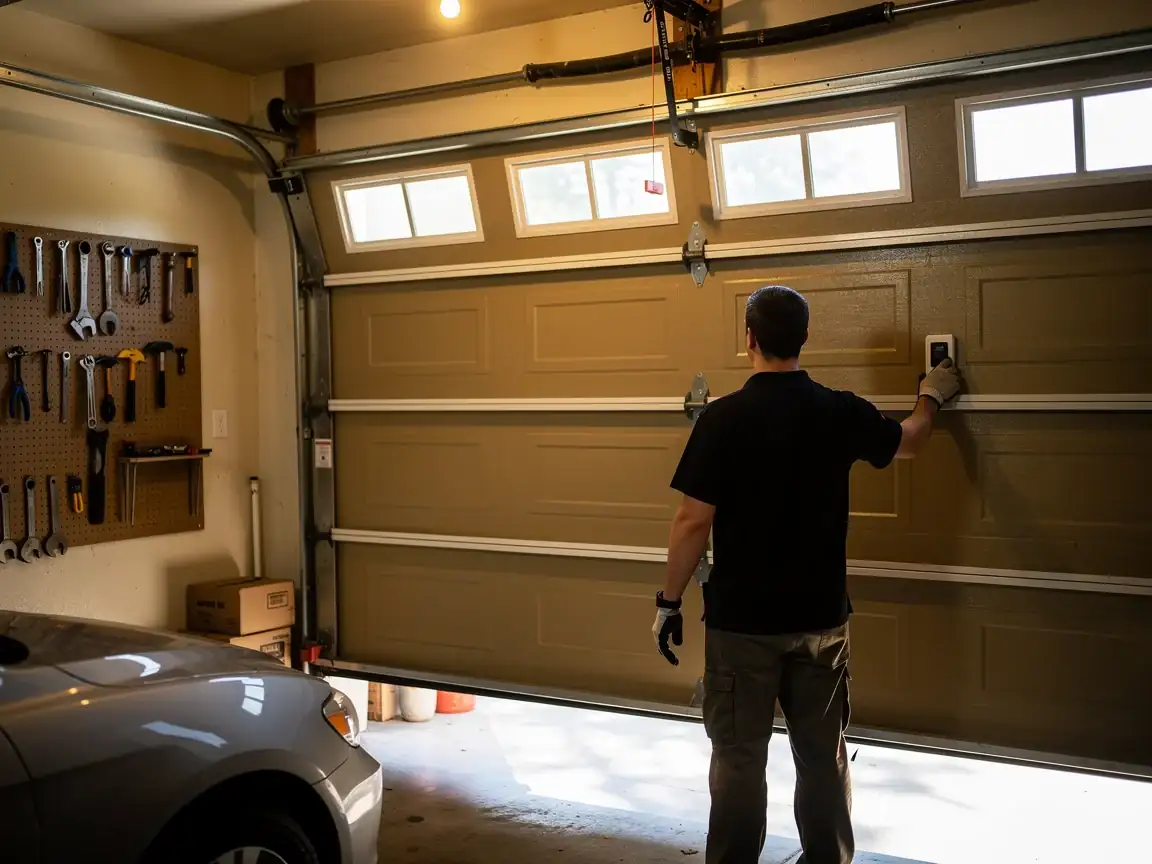
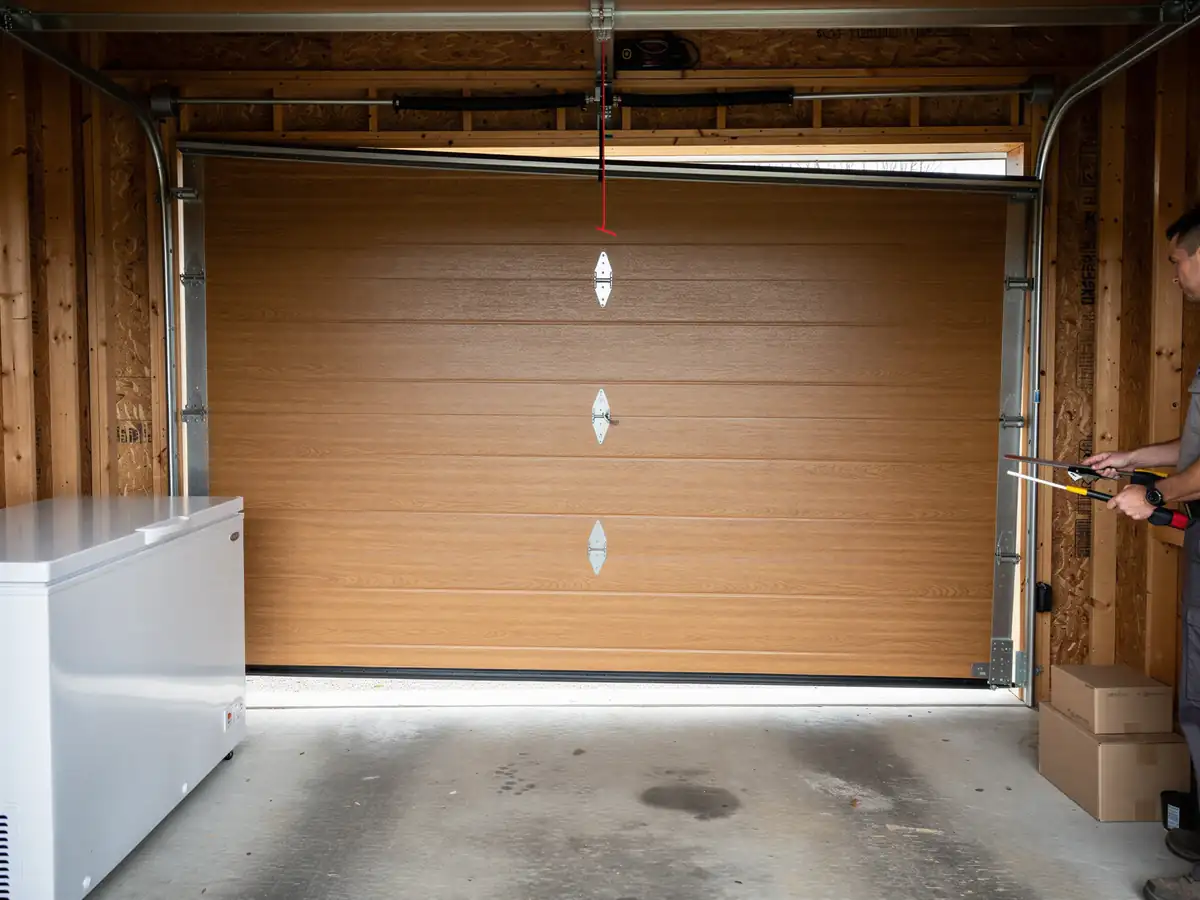
A door that slams the last foot instead of lowering smoothly almost always means the spring has lost tension - on an older torsion setup that's the single most common call we get in this stretch of the valley. If the door opens unevenly, with one side dropping faster than the other, check the cables before anything else; they stretch and fray at different rates even on a door that looks symmetrical from the driveway.
A grinding opener that struggles on hot afternoons but seems fine in the morning is telling you the motor or capacitor is heat-stressed, not that something is loose. And if the door reverses right after it starts closing, that's typically the photo-eye sensors, which get knocked out of alignment easily on older brackets that have shifted slightly over 30-plus years of thermal expansion.
If you're not sure which of these you're looking at, describe what the door does - not what you think is wrong - when you call. That's the fastest way to get the right fix on the first visit instead of a second trip for a part nobody brought.