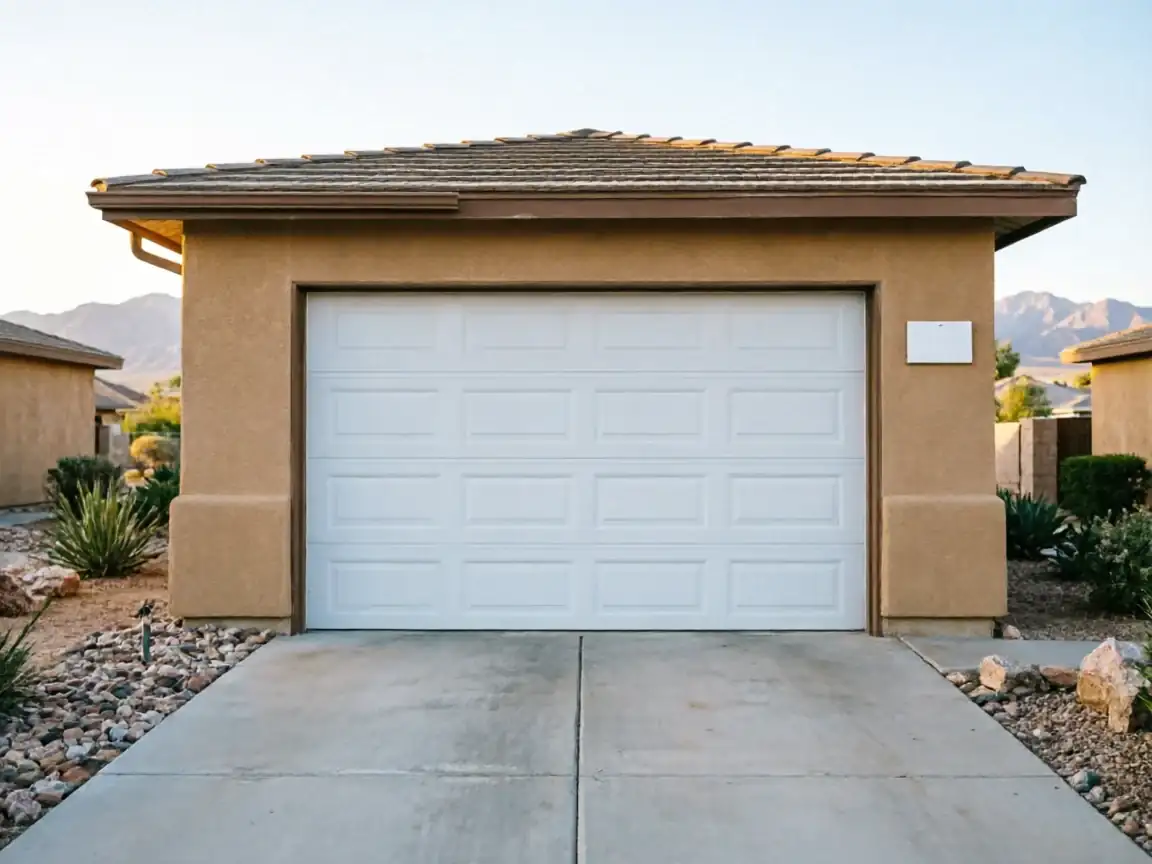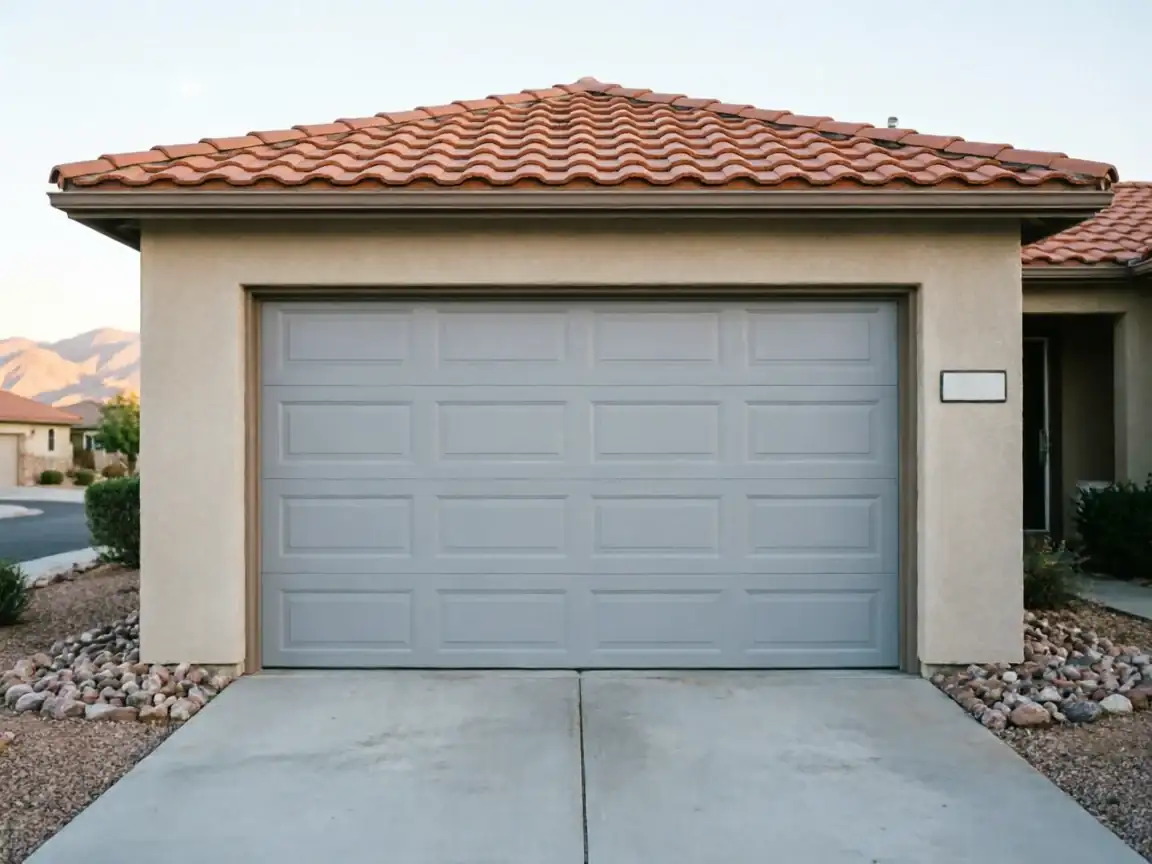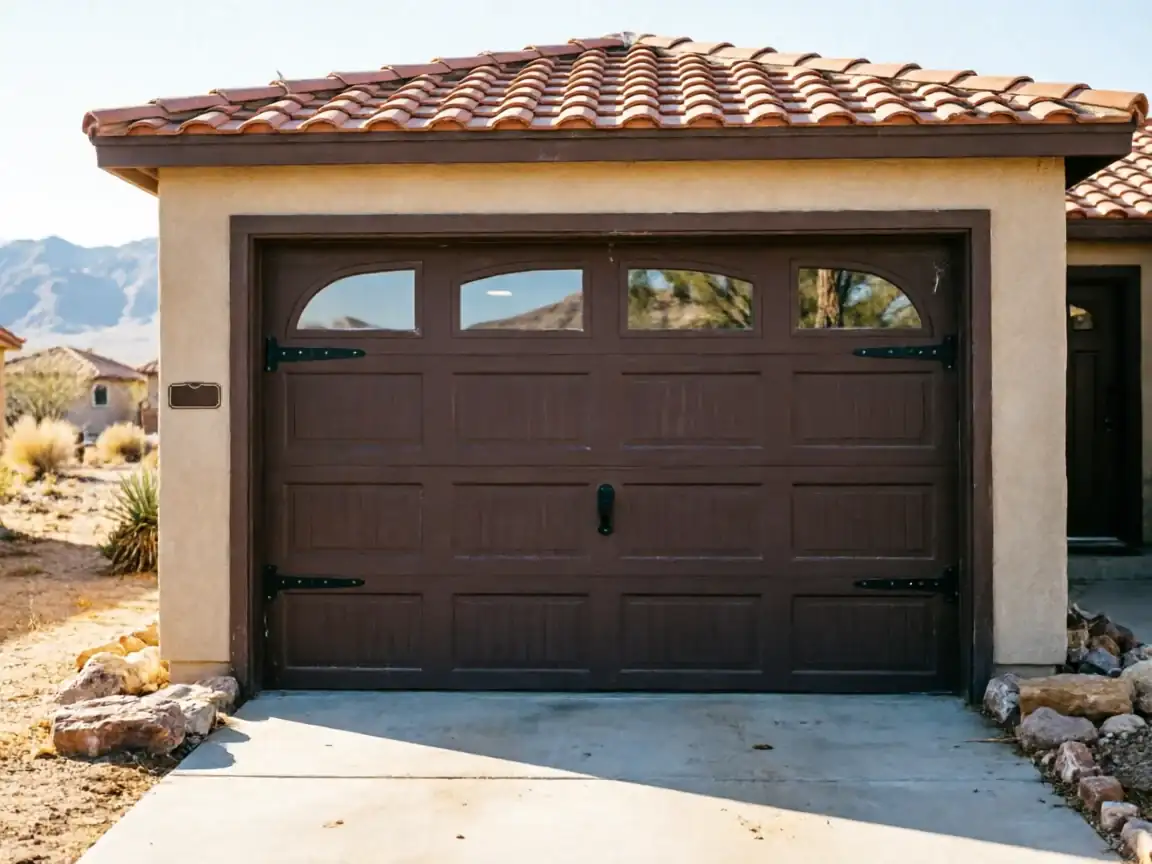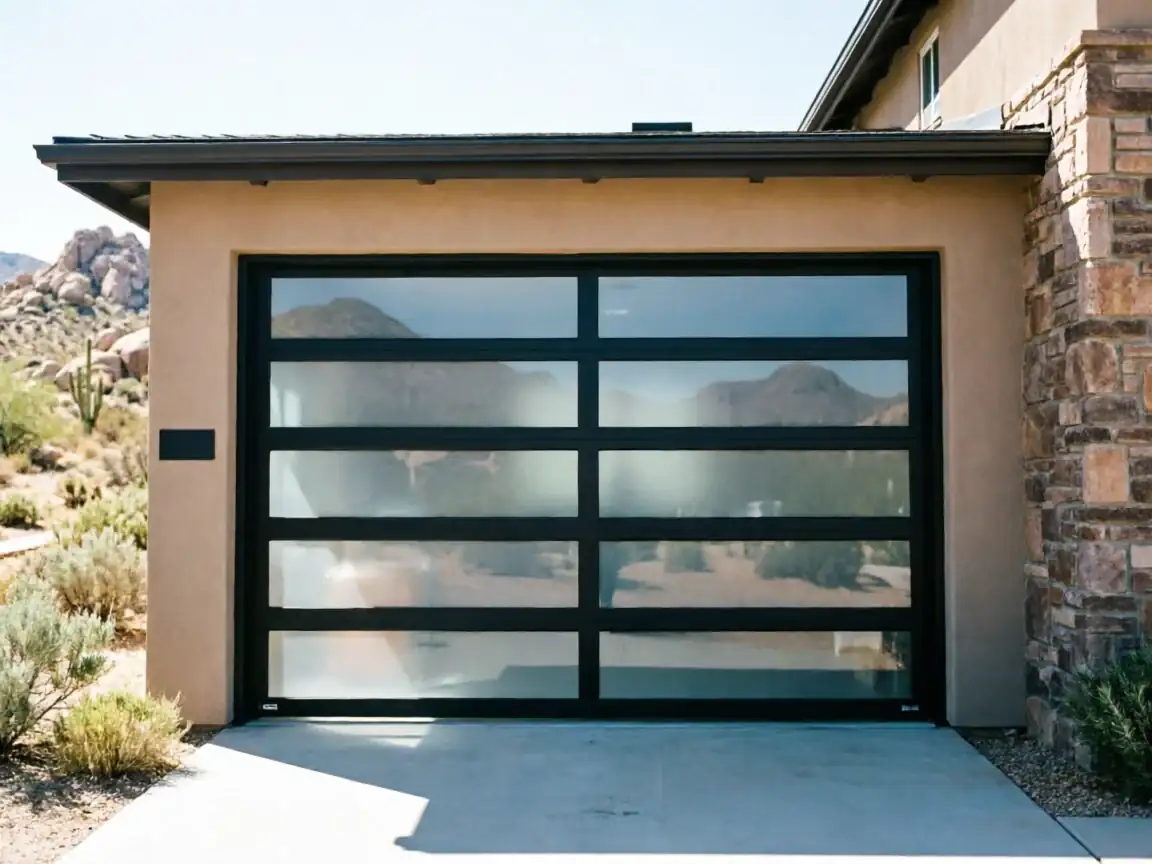
The Houses Here
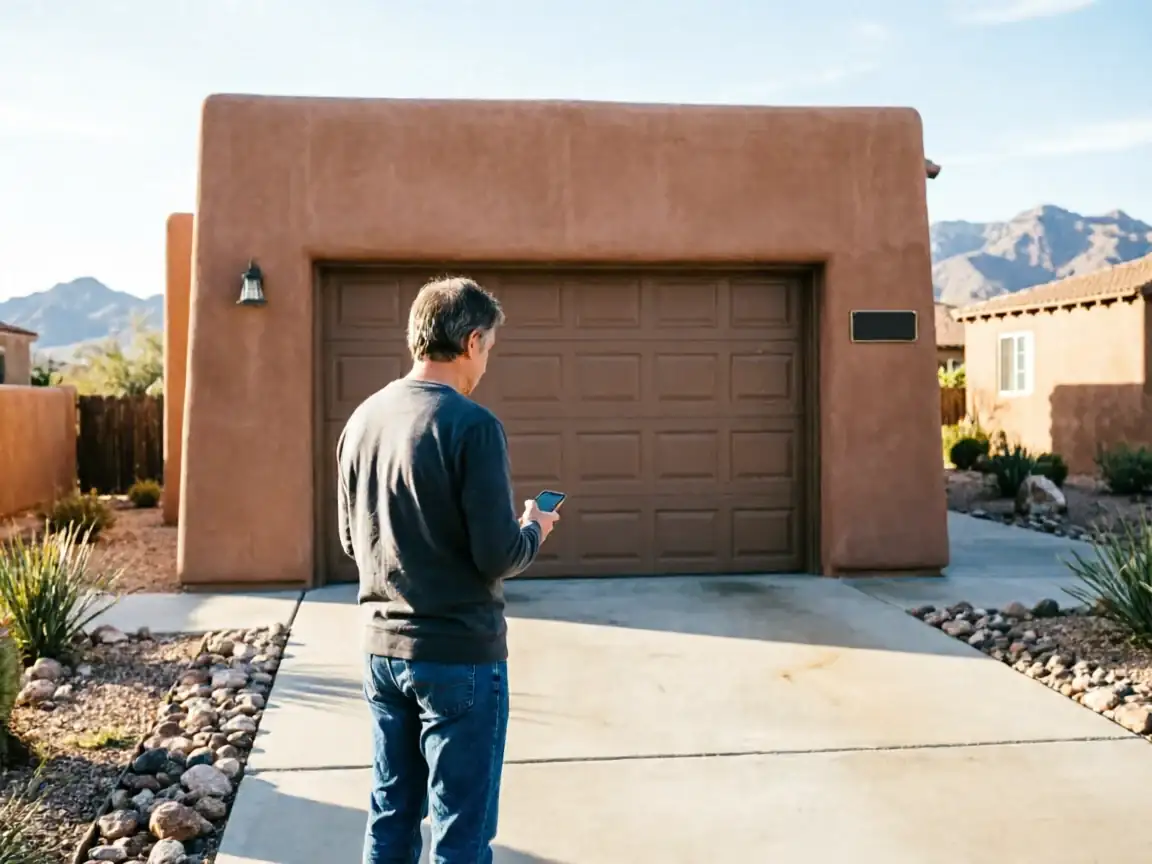
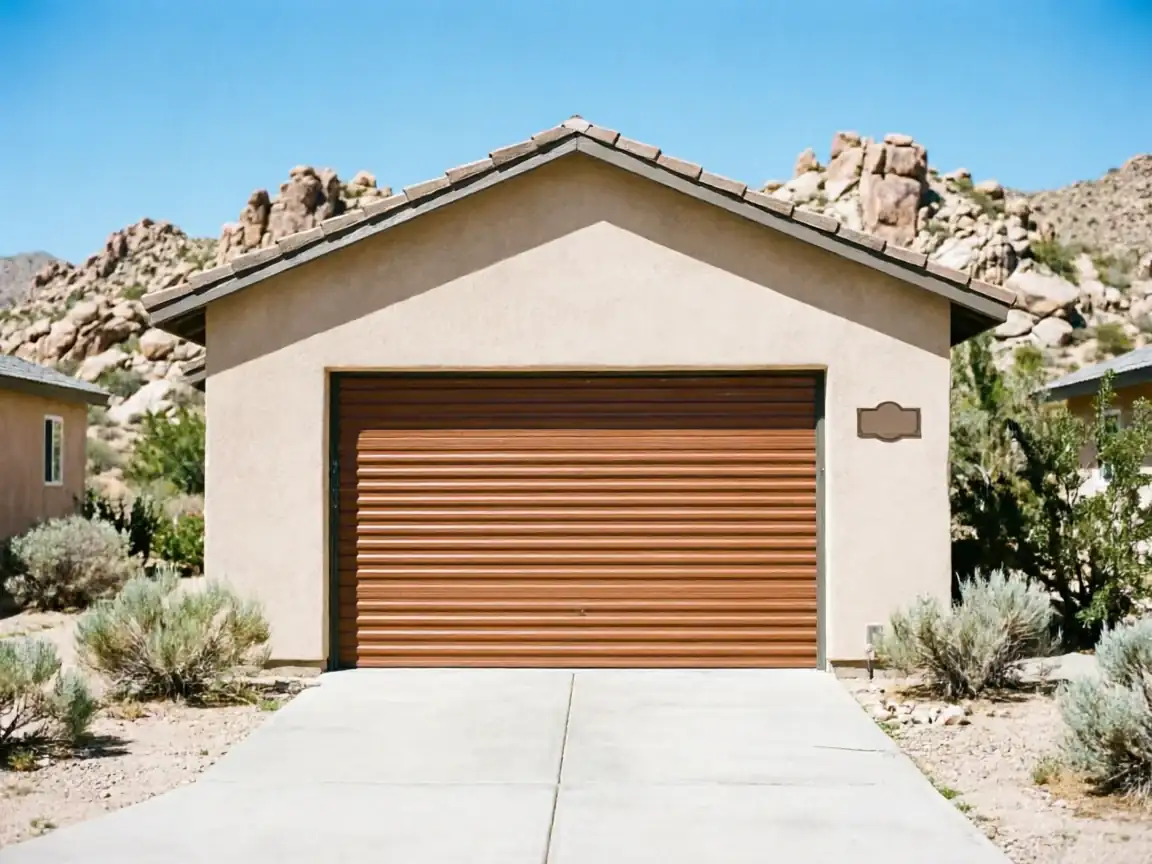
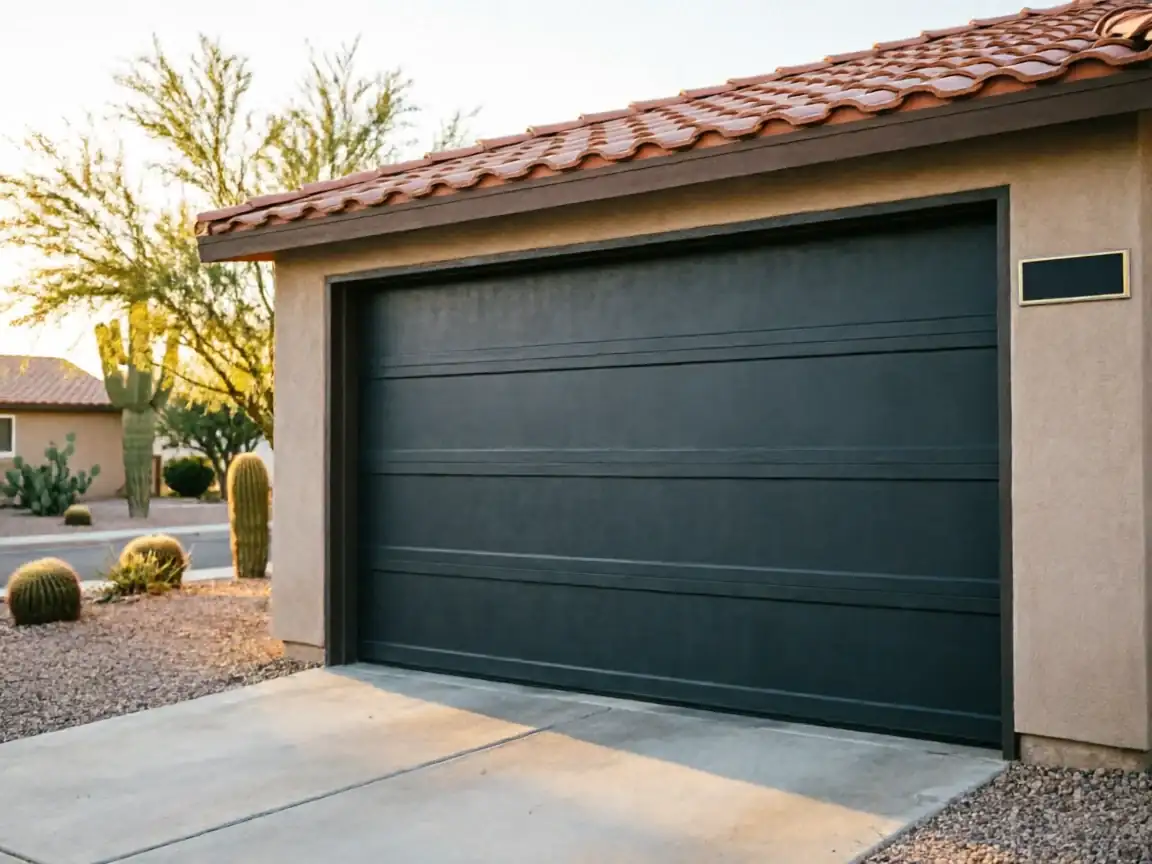
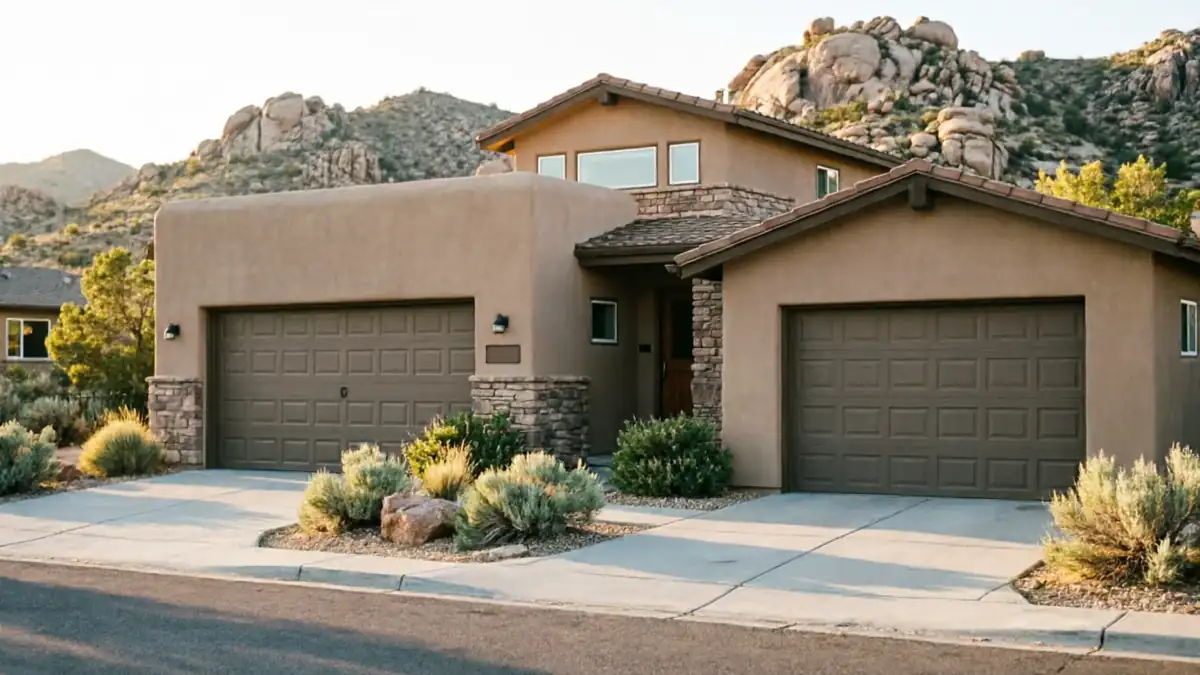
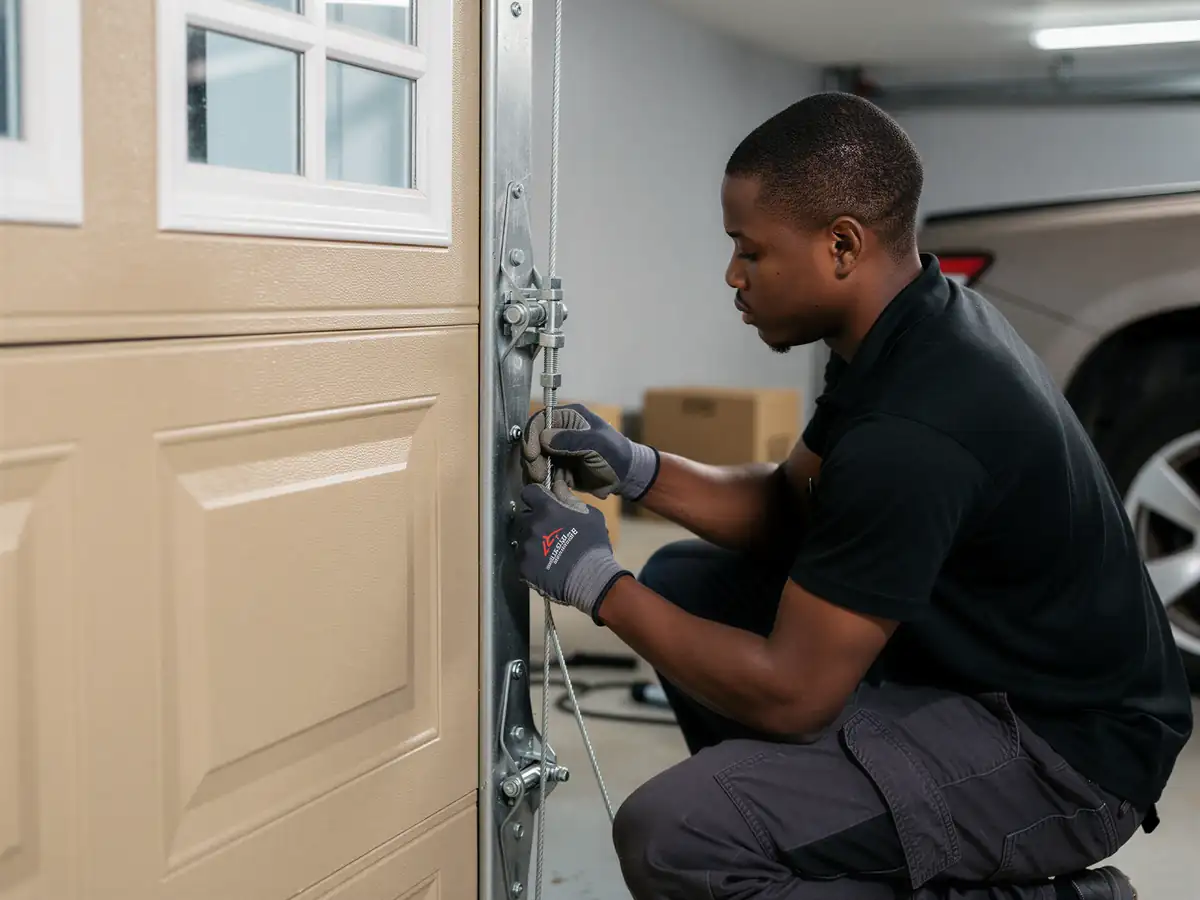
Desert Edge's housing stock centers on 1982, a little newer than the broader Palm Springs service area, where the median build year runs closer to 1986 across the wider mix of 1968-1999 construction. That gap matters less for curb appeal and more for what's bolted to your header. A door put in during the early 1980s came with a specific generation of torsion spring and a specific style of extension cable clip that newer tract construction phased out by the early 1990s. With about 1,970 households in Desert Edge, this isn't a sprawling subdivision with ten different builders - it's a tighter run of homes that mostly went up close together, which means a lot of garages here share the same original hardware, the same header clearance, and often the same wear pattern on the same rollers. If one neighbor's spring went two winters ago, yours is probably due around the same age.
What the Housing Means for Your Door
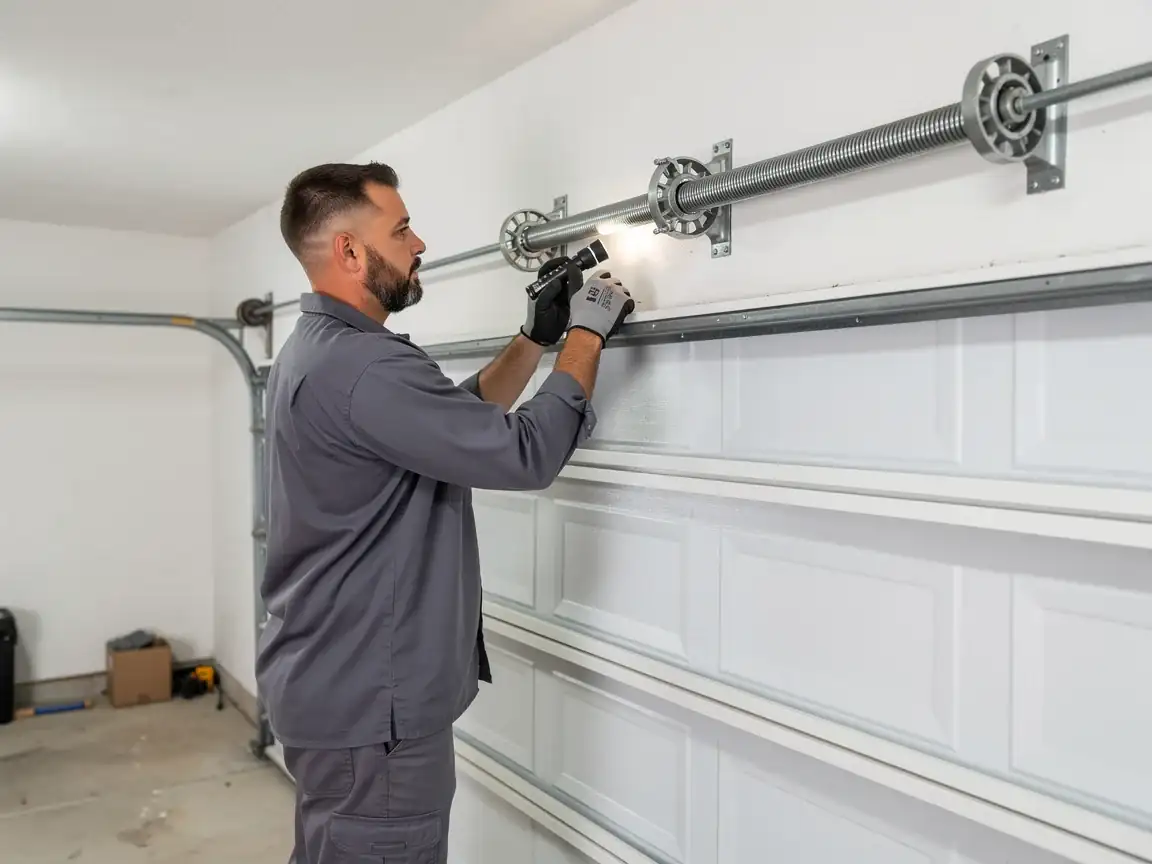
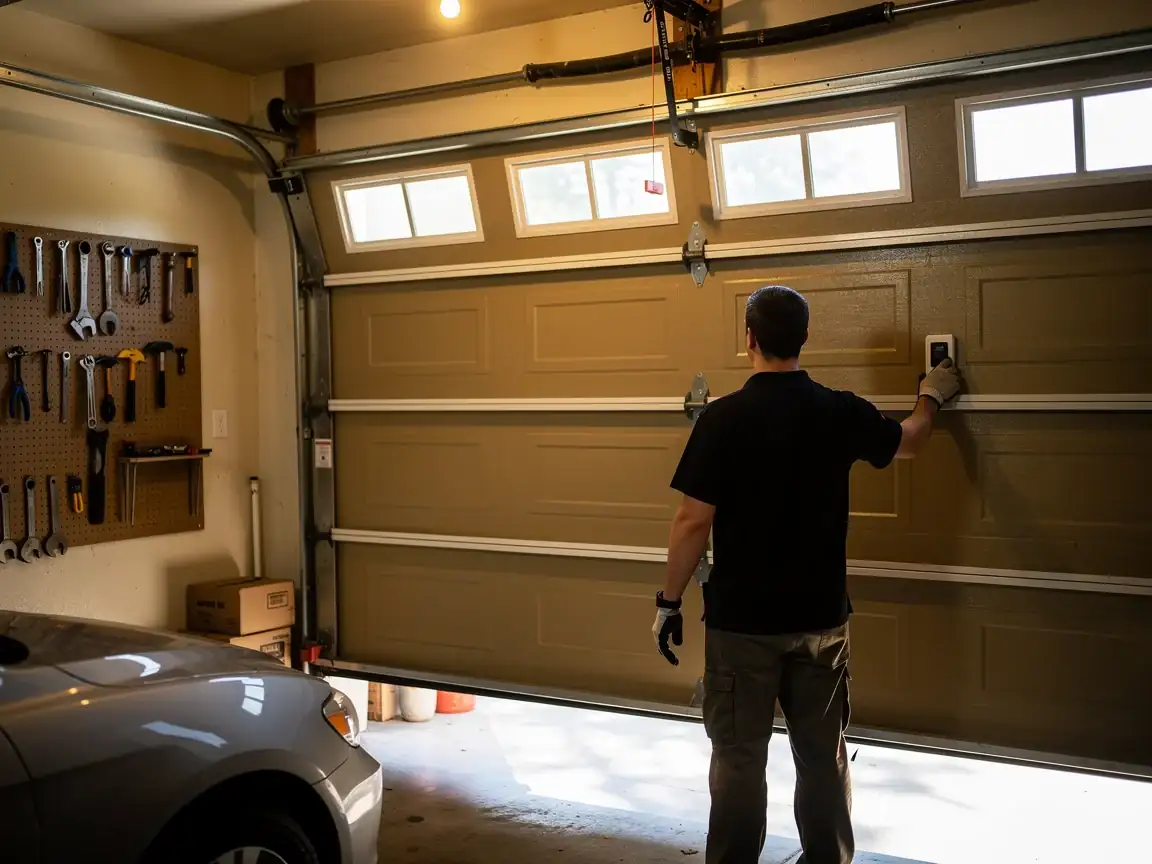
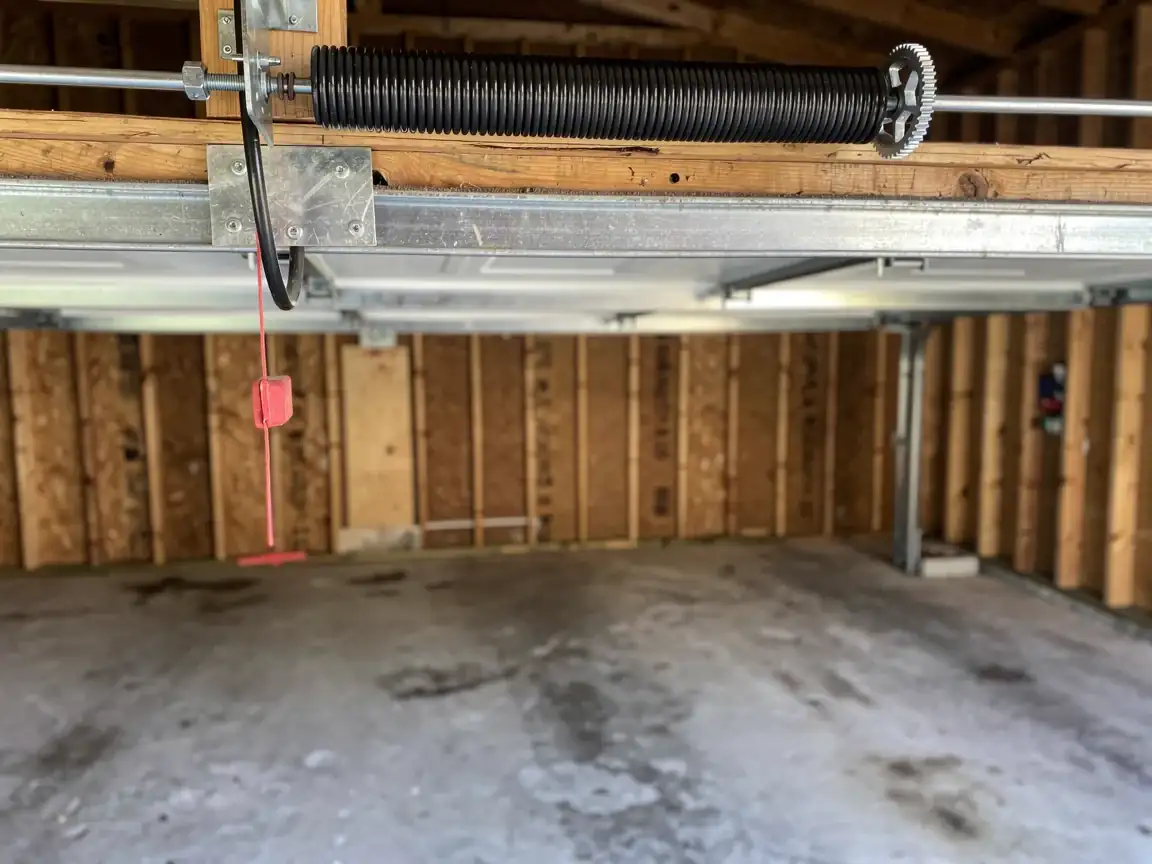
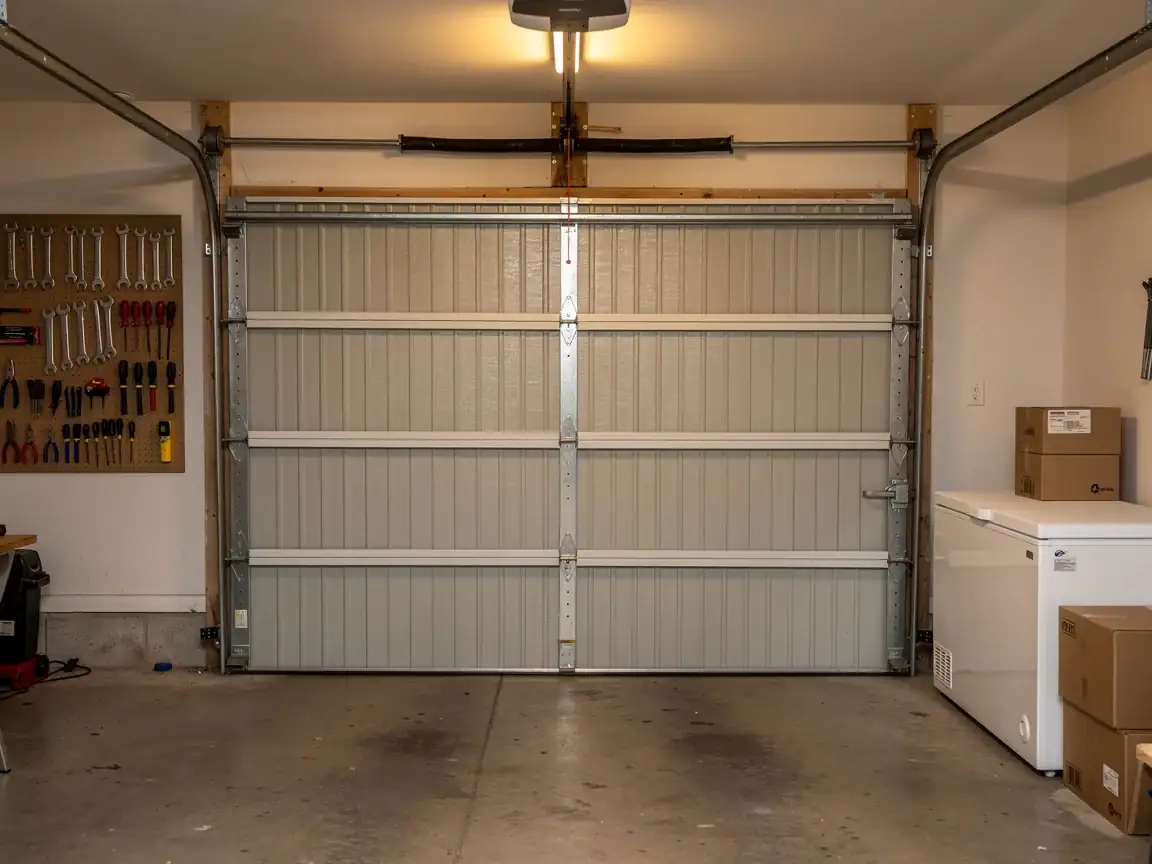
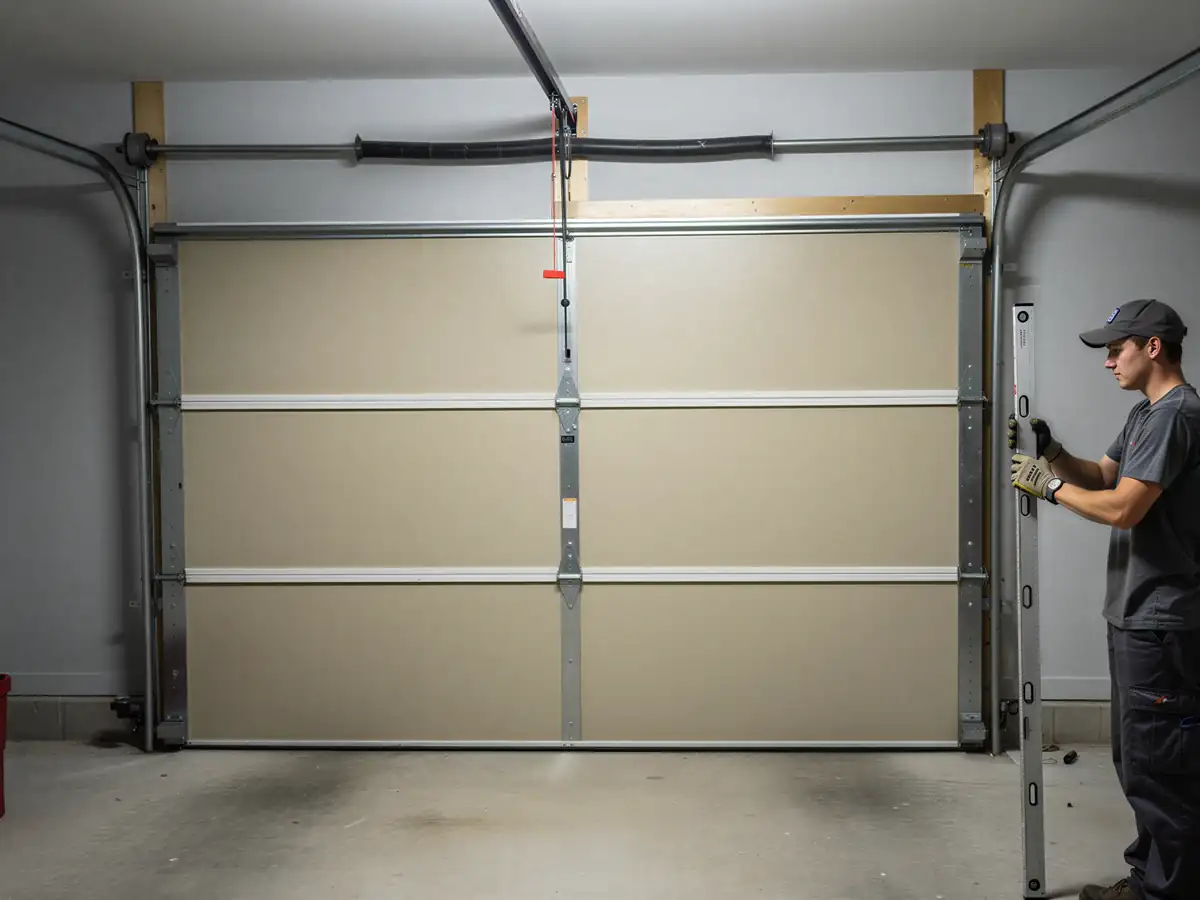
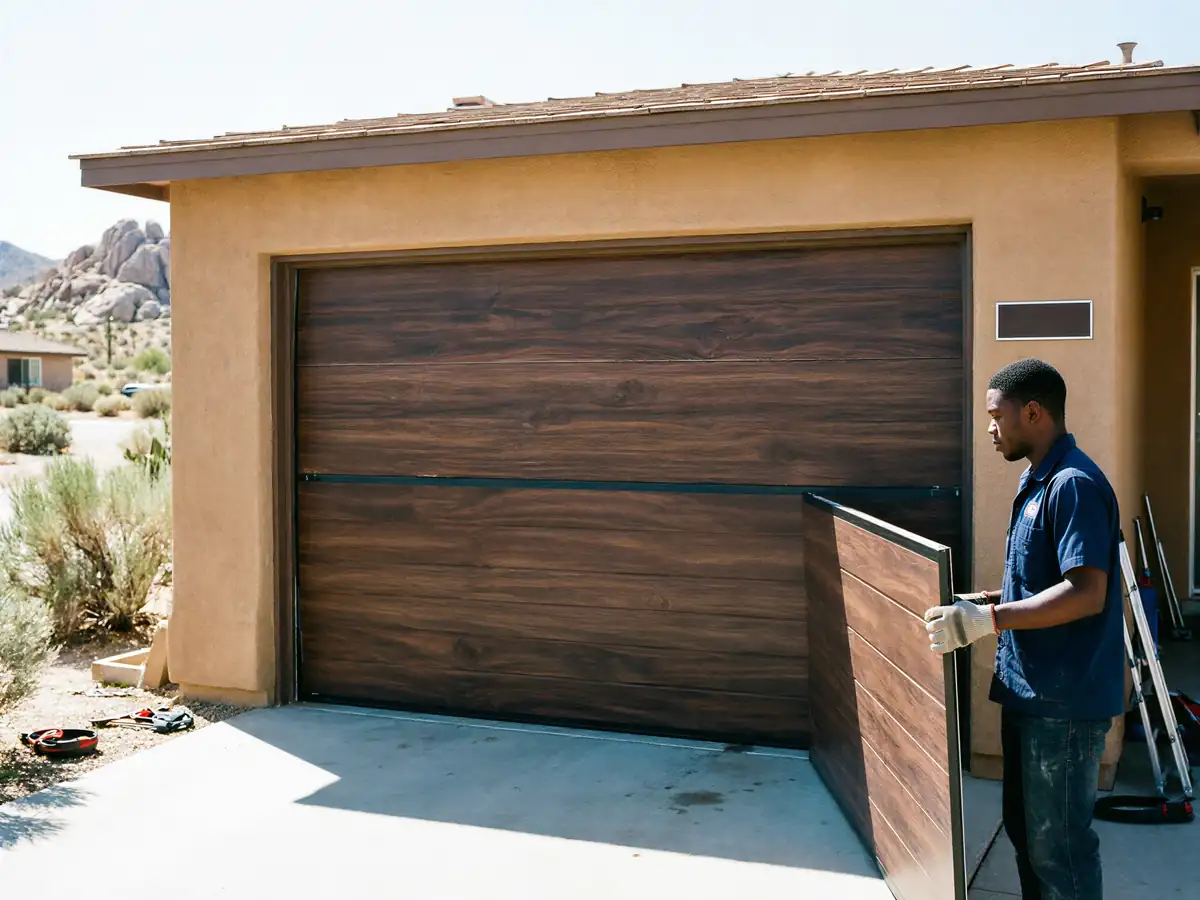
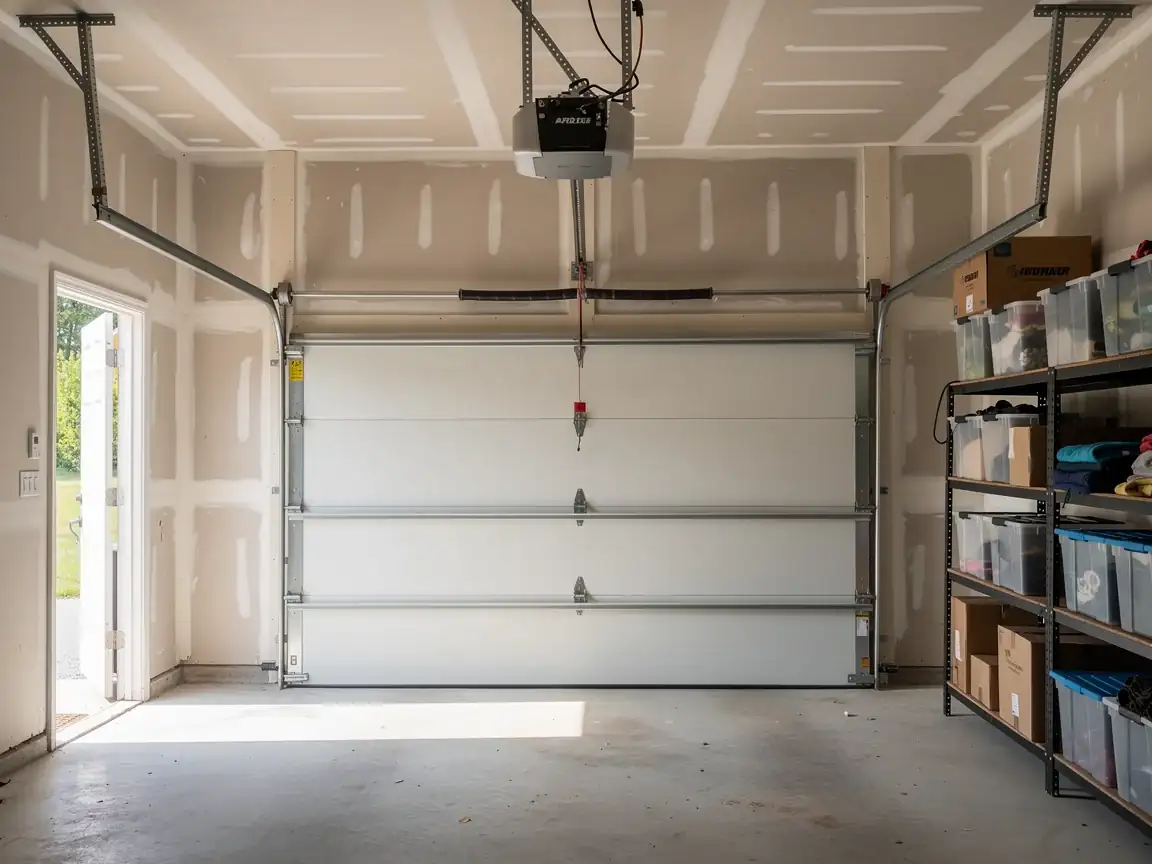
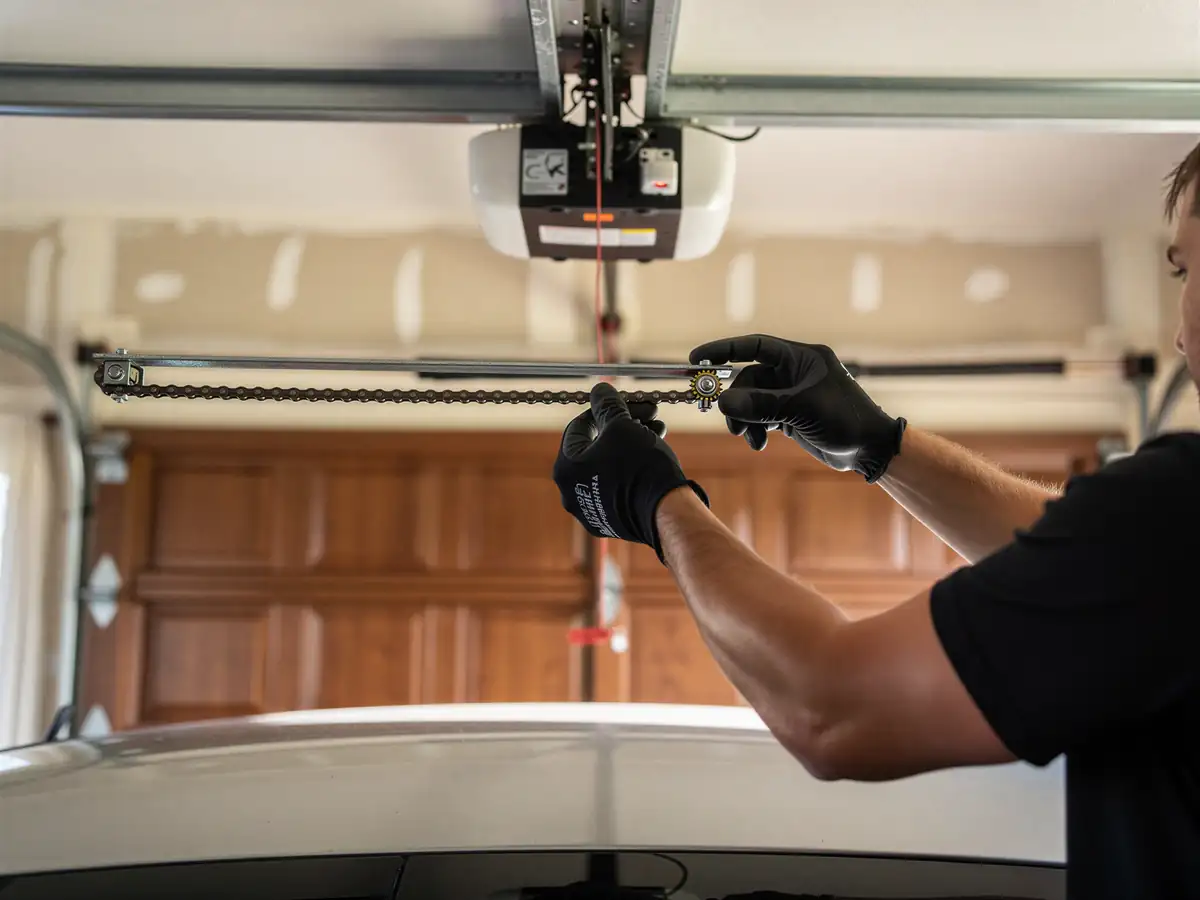
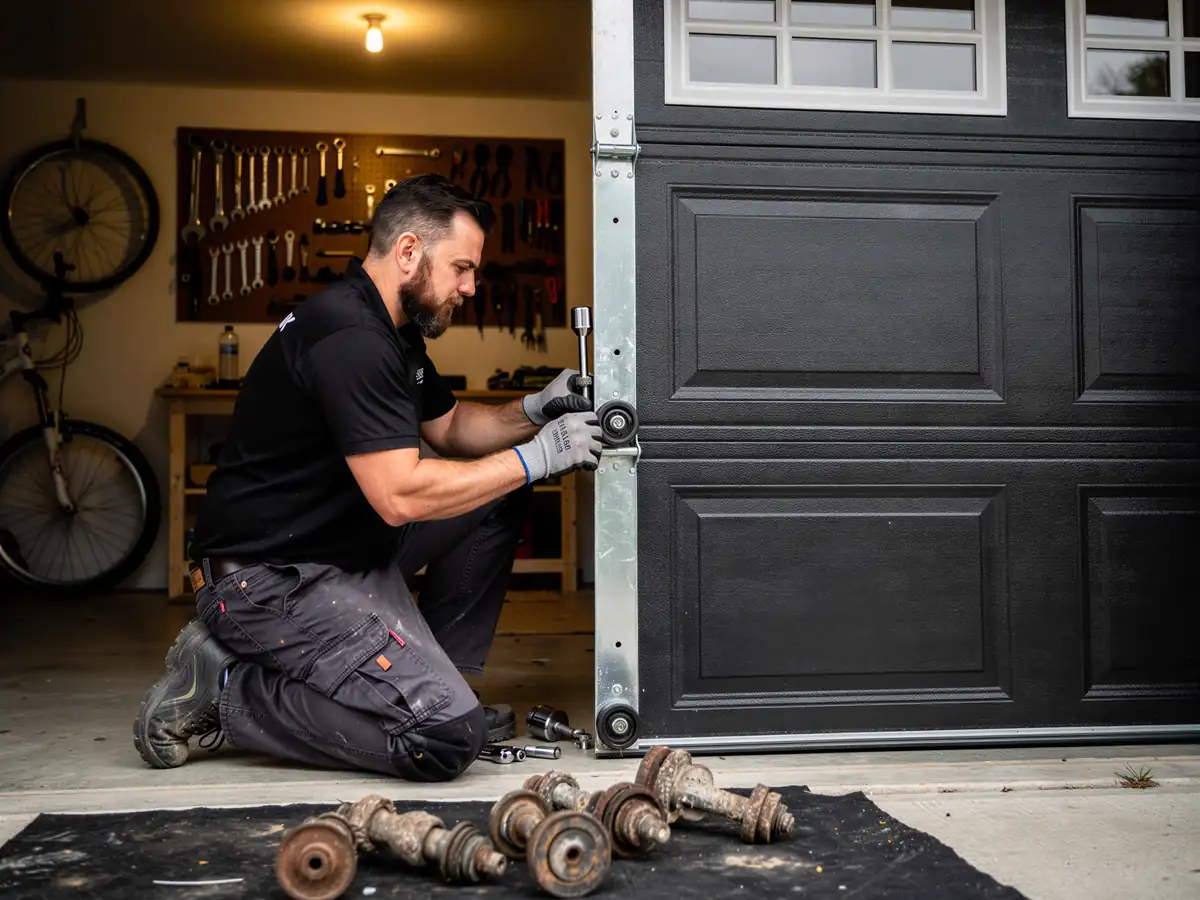
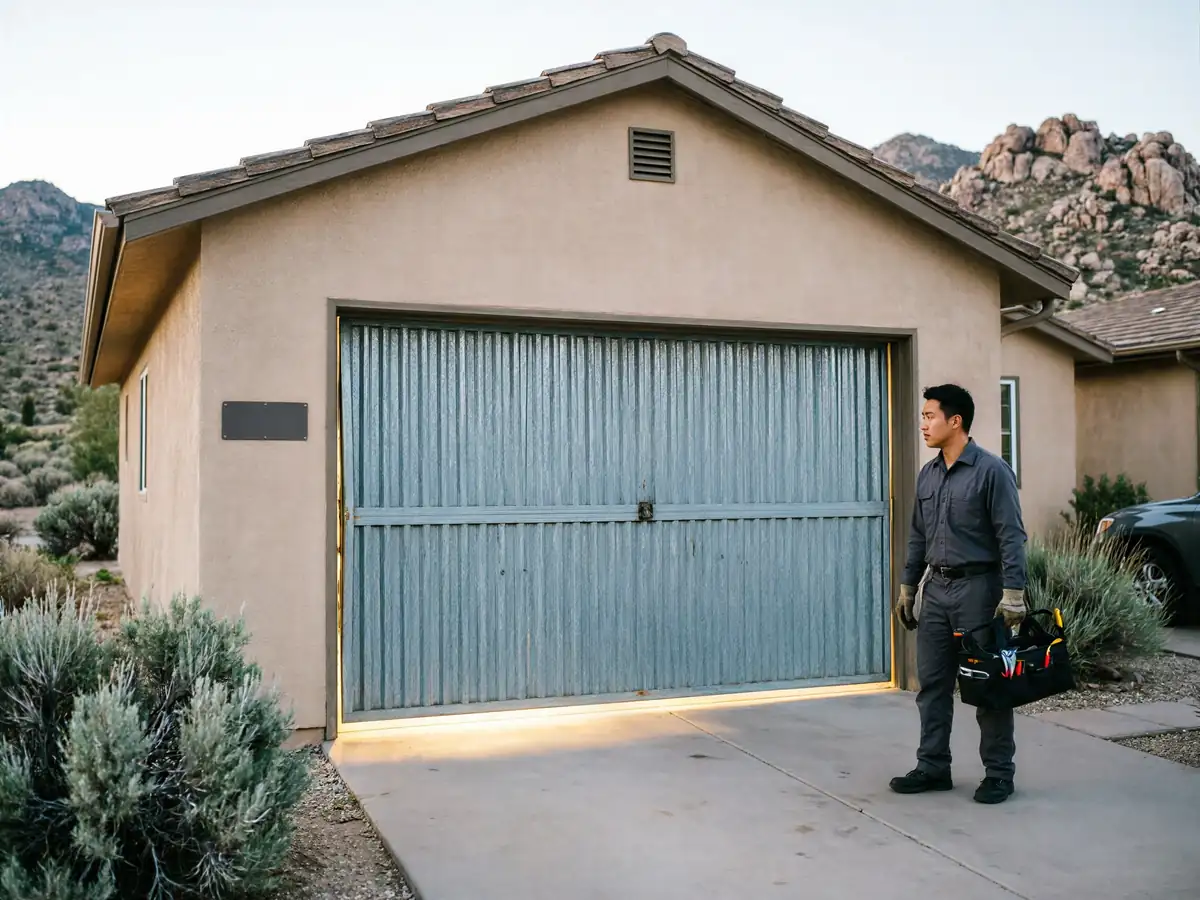
A door from 1982 is old enough that the original springs have likely been replaced at least once already, and if they haven't, they're overdue - torsion springs in this heat band don't hold their cycle life as long as the catalog numbers suggest. Desert sun breaks down lubricant and dries out nylon rollers faster than cooler climates, and that stress shows up first on doors this age because the steel has had four decades of thermal expansion and contraction working the same joints. The common call we see on 1982-era doors is a cracked bottom panel from UV exposure, paired with a worn idler bearing that's been quietly grinding for a year before it seizes. Openers from this era, if original, are chain-drive units long past rated life - most homeowners have already swapped to a belt-drive, but the wiring and wall button are sometimes still the original 1980s run, which isn't a safety issue by itself but does limit which modern opener accessories will plug in cleanly. None of this is unique to one house - it's the shared math of a neighborhood built in a tight window.
Older vs Newer Streets
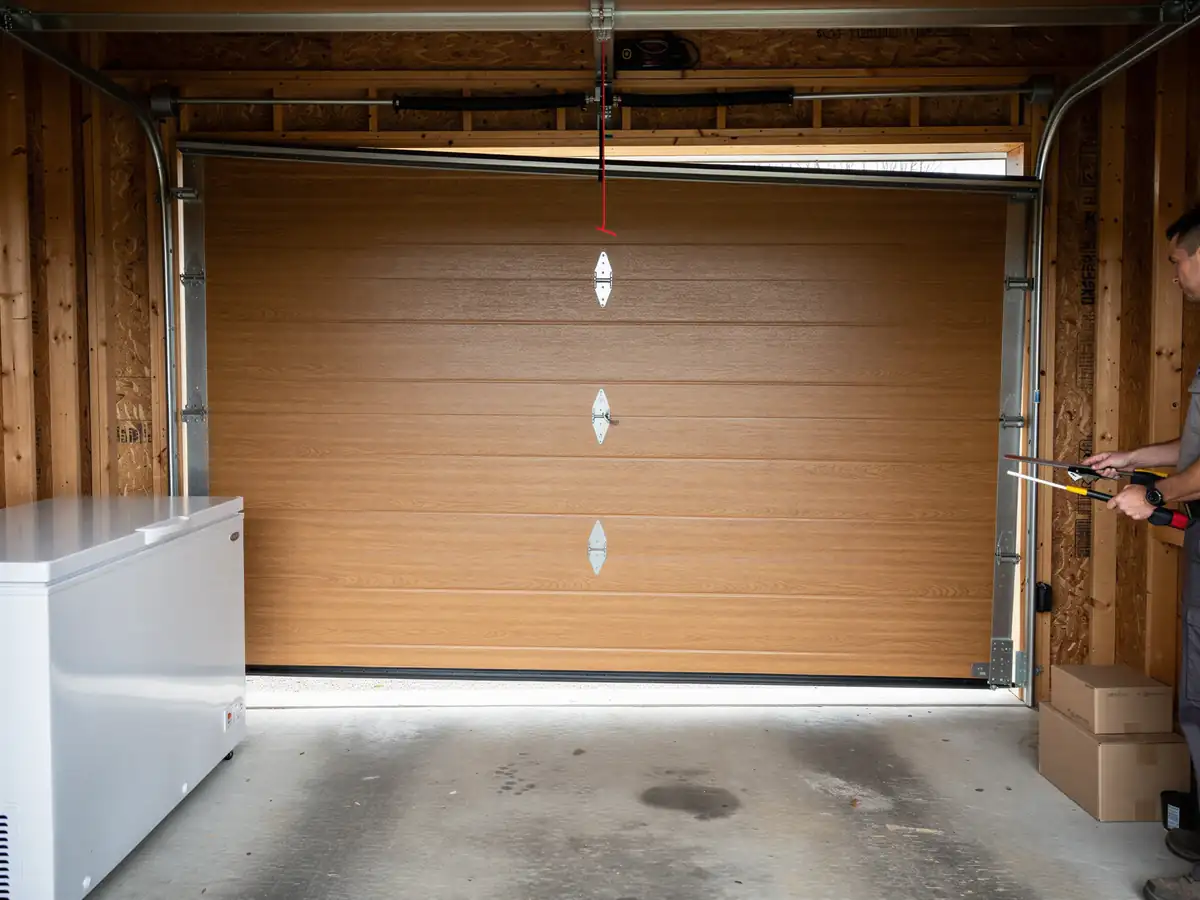
Not every block in Desert Edge dates to the same build year - a street of 1982 houses can sit a few hundred feet from a run of homes finished later in the 1980s or even into the 1990s, and the difference shows up in header height and track style more than in anything visible from the street. Older streets here are more likely to have the narrower 7-foot door opening and side-mounted torsion springs that need a specific coil diameter nobody keeps on a shelf at a big box store. Newer streets, built closer to the broader area's 1986 median, are more likely to already have 8-foot openings and center-mounted torsion setups that take standard parts. If you don't know which you have, the quickest tell is whether your spring sits dead center above the door or off to one side - center means newer stock, side-mounted usually means older. We carry both, but if your house is on the older end of the block, mention that when you call so the right spring size is already on the truck.