Can You Do This Yourself
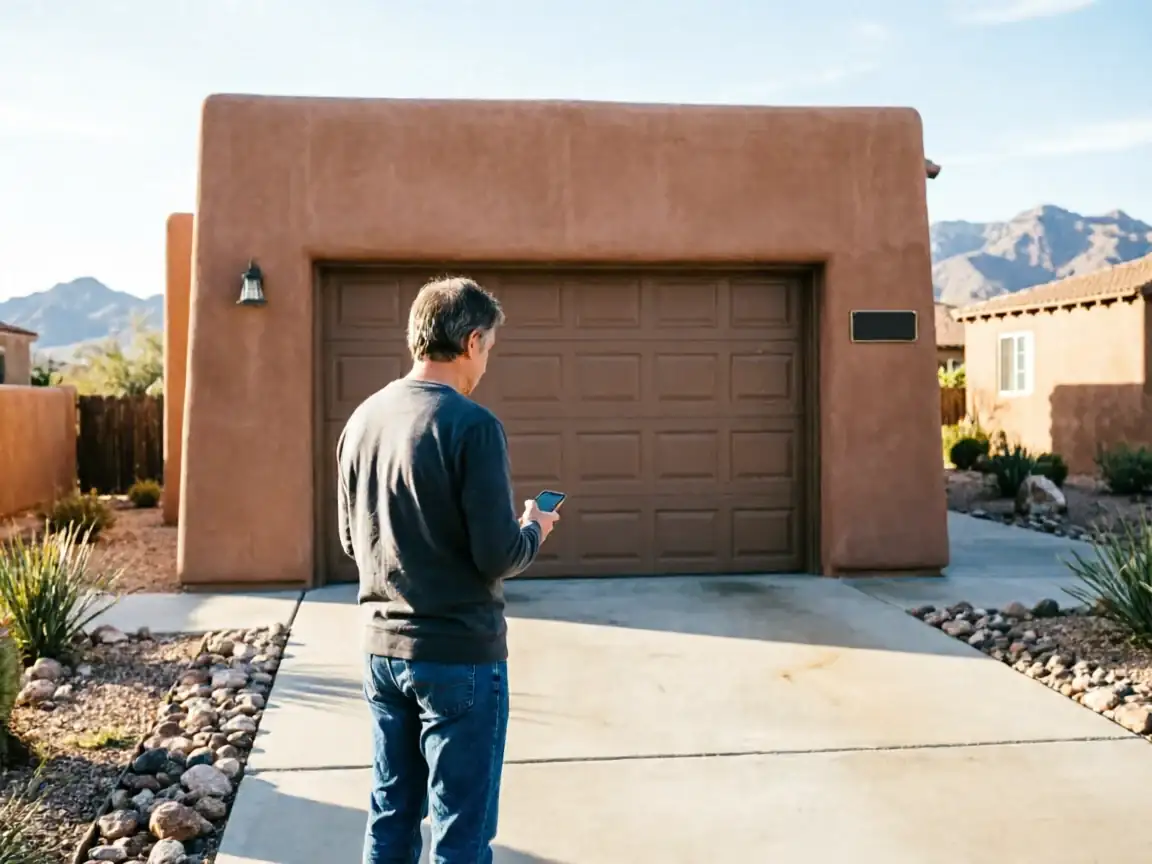
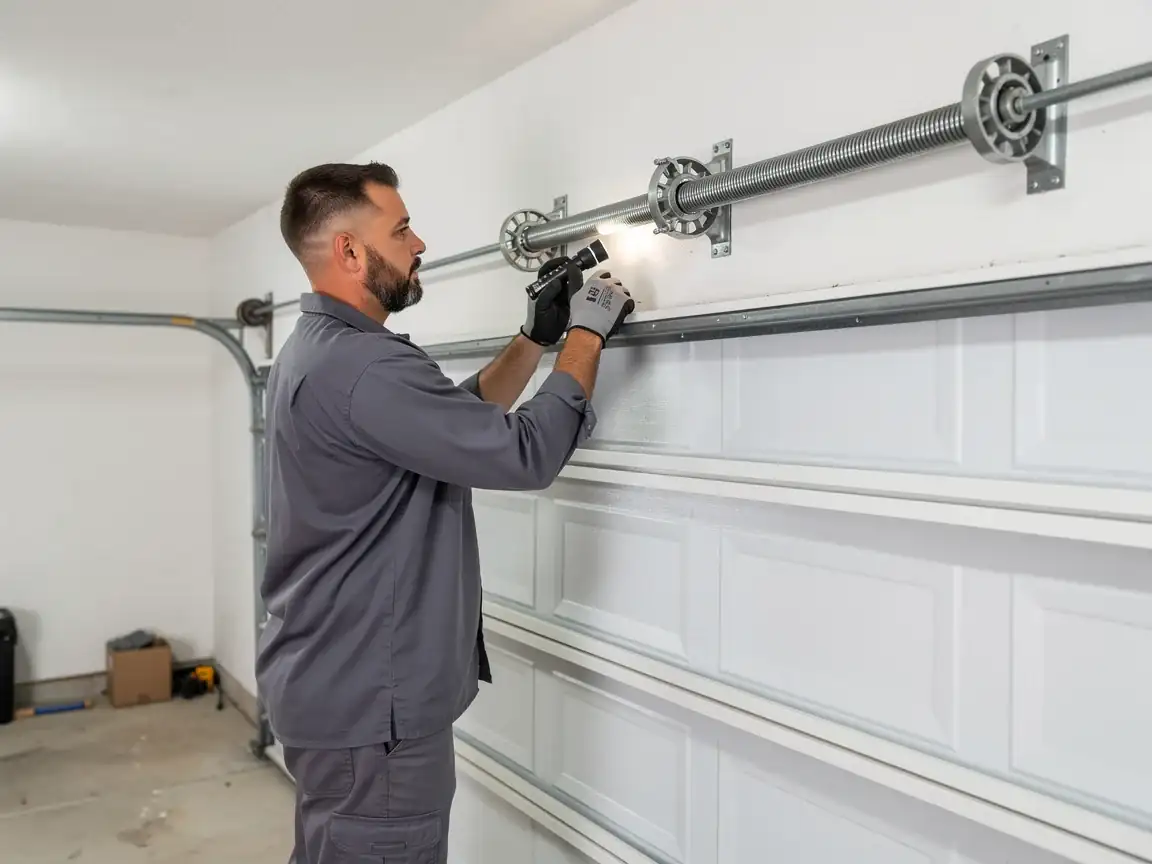
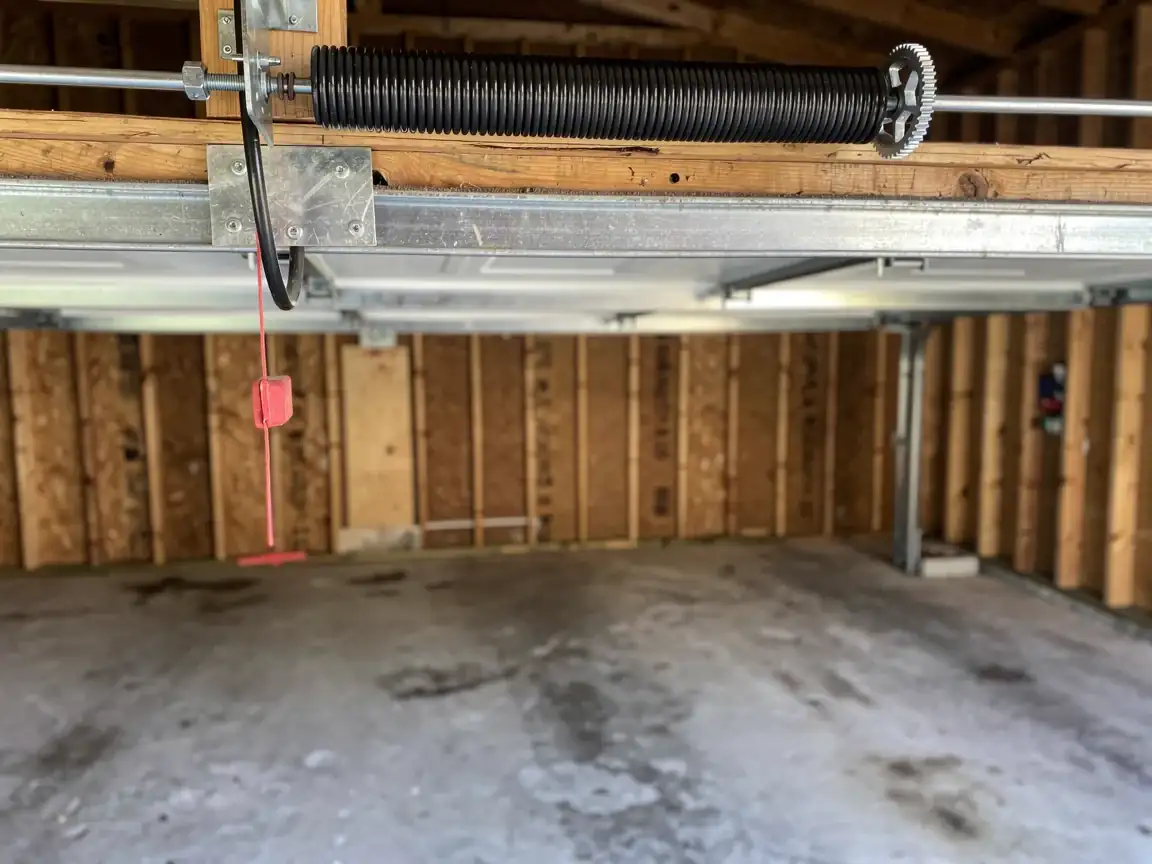
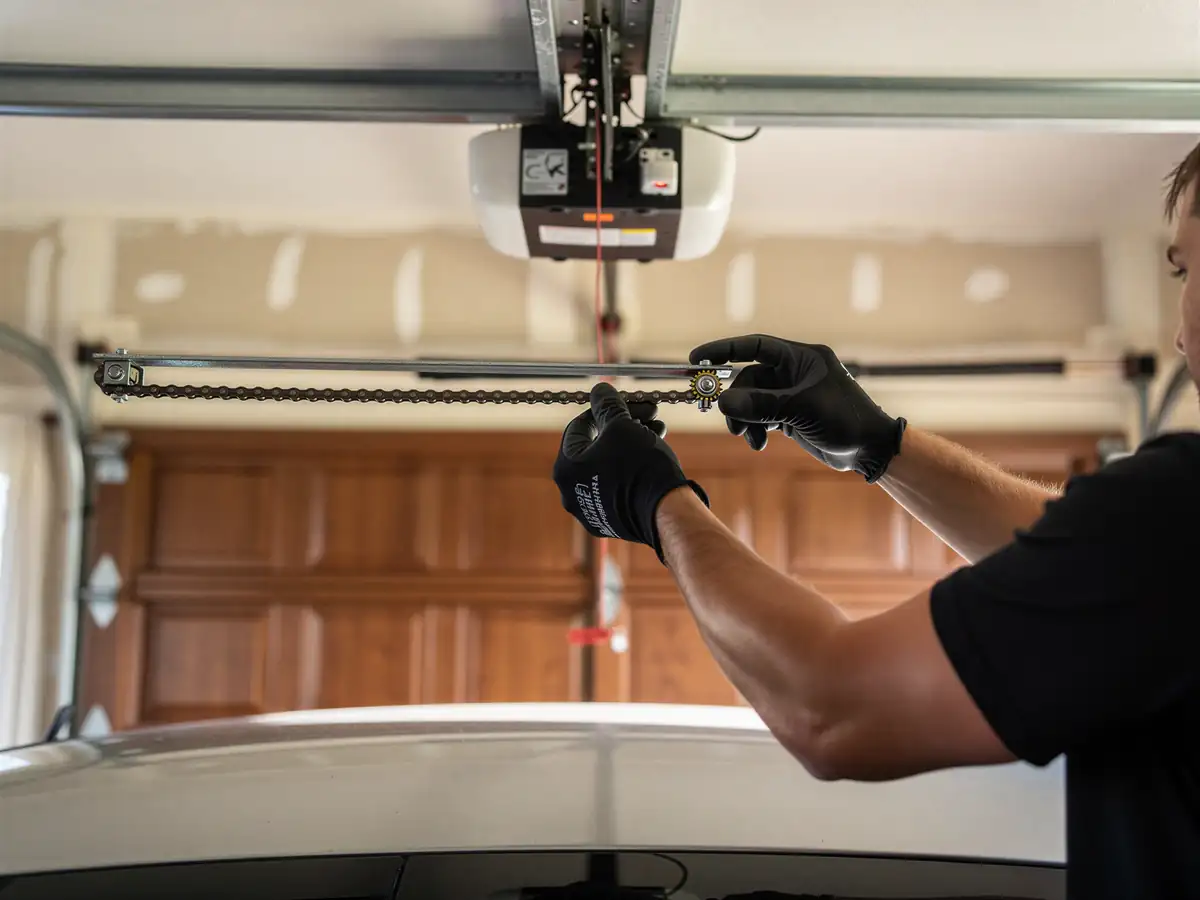
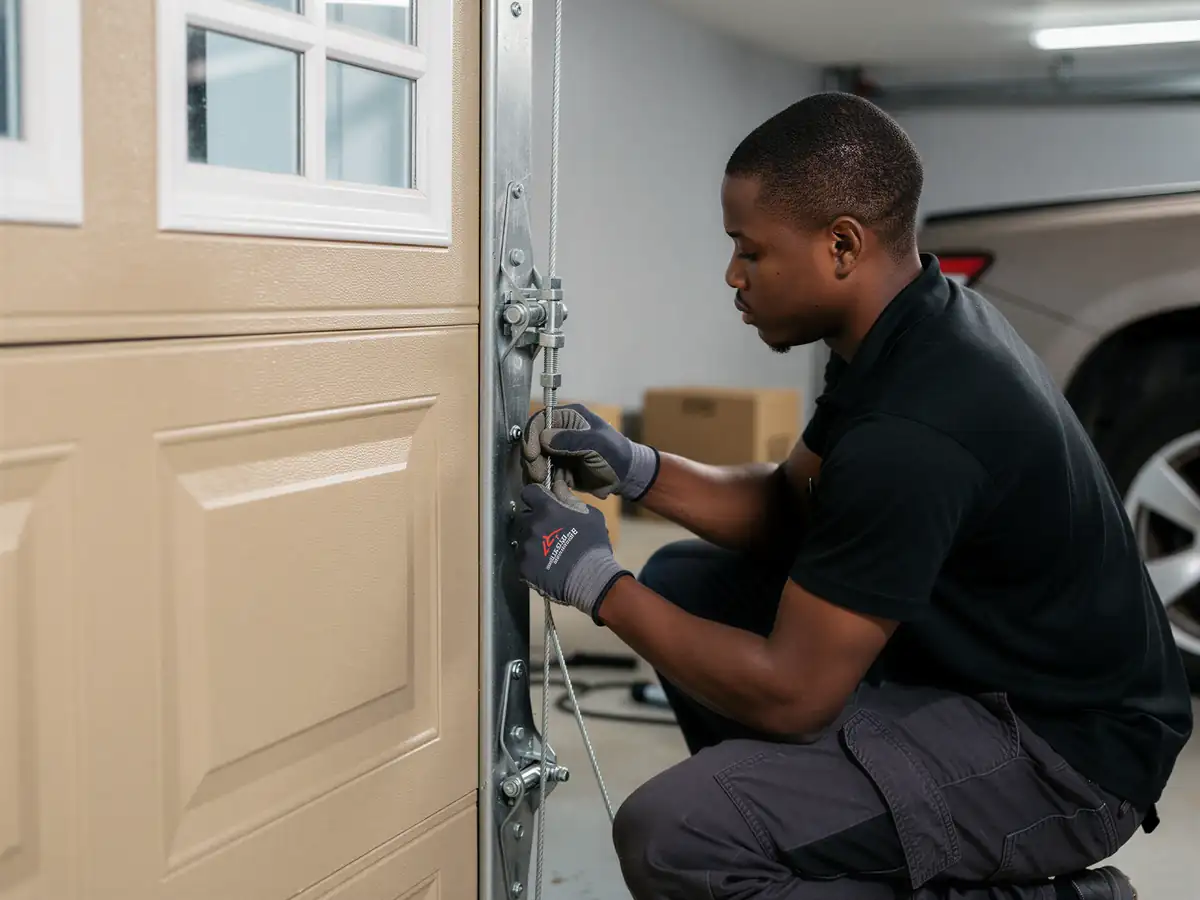
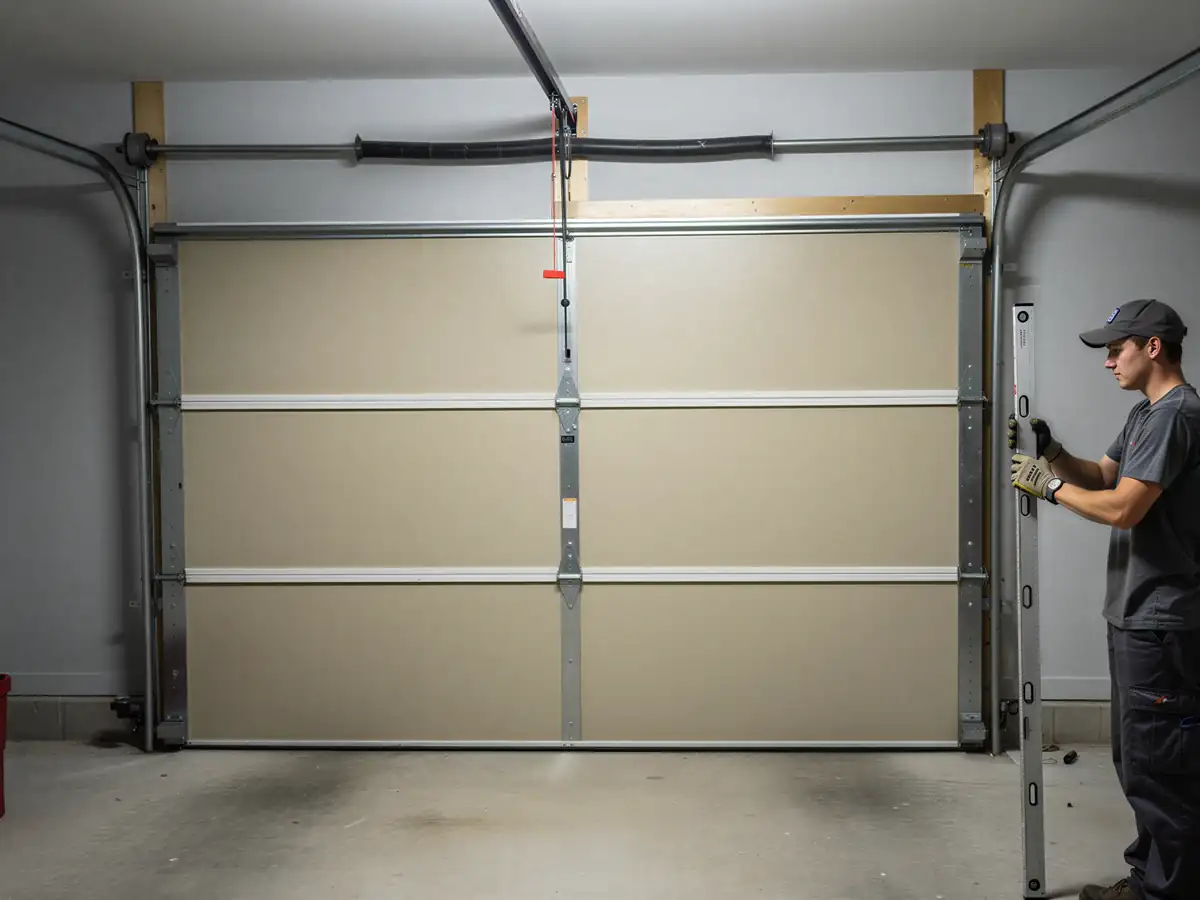
A loose track bracket or a sensor that's drifted out of alignment is something a homeowner can often reset without a call. Tighten the bolts, wipe the sensor eyes, see if the door runs true again. Torsion springs are a different matter. On a door built around 1982, the spring has had four decades of summer heat cycling it, and when it lets go it does so under enough tension to break fingers or crack a windshield if you're standing in the wrong spot. We don't recommend DIY spring work on any door, and we won't talk you through it over the phone. Cable replacement and anything involving the winding bars is the same story. Where we tell people to save their money is cosmetic stuff: a dented bottom panel that still seals fine, or a squeak that's really just a dry hinge pin. A can of the right lubricant fixes more doors in this neighborhood than people expect. The honest limit here: if your opener is original to the house, parts for it may simply not exist anymore, and no amount of troubleshooting changes that.
The Cost of This Job
Desert Edge's median household income sits well below the wider service area's $69,704, which is exactly why we don't push replacement as the first option here. A worn torsion spring or a cracked roller gets fixed, not swapped out for a new door, whenever the track and opener are still sound. We size the repair to the problem, not the other way around. What changes the number more than anything is age: a door original to a 1982 build often needs more than one part replaced in the same visit, because the springs, the rollers, and the cable drums tend to wear out on a similar schedule. We'll tell you on site which parts are failing together and which ones still have life in them. We don't publish a flat price list because house to house the hardware varies enough to matter - a two-car door with extension springs costs differently from one that's already been converted to torsion. What we can tell you up front is that we quote before we touch anything, not after.
What You Are Seeing
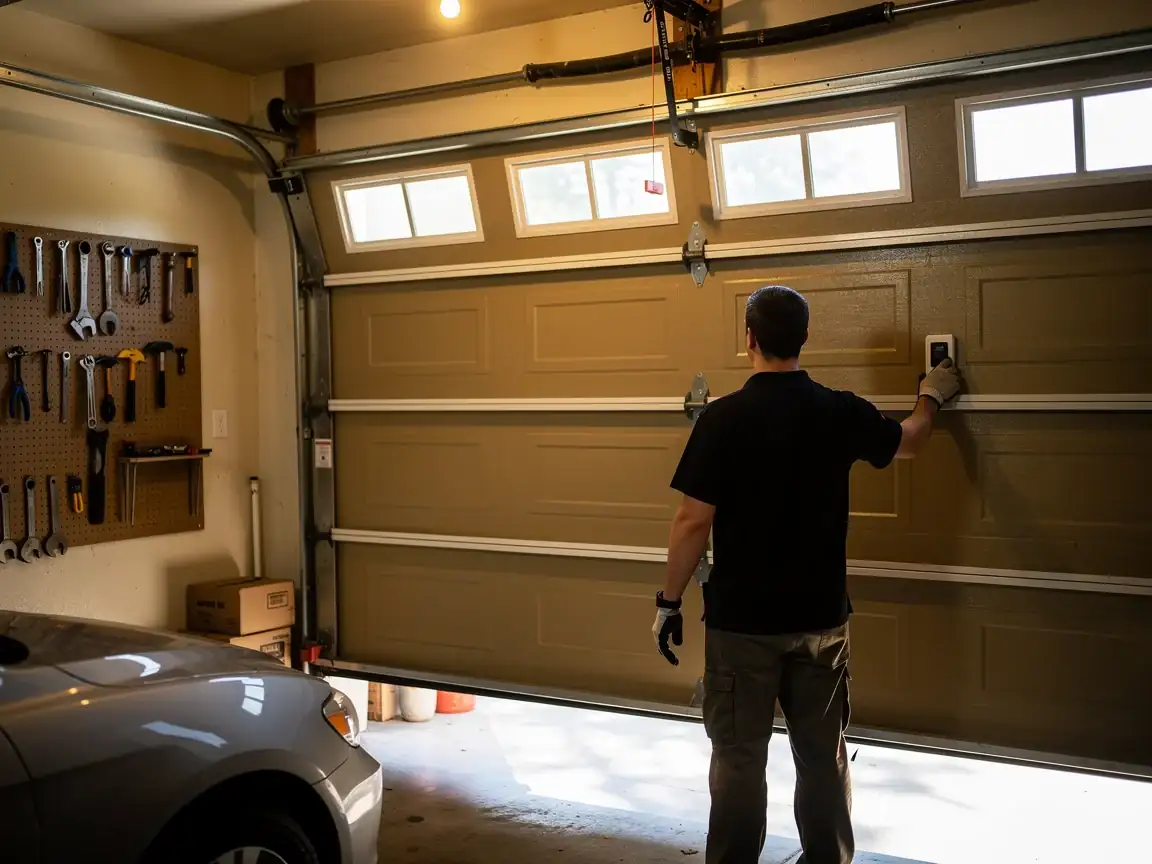
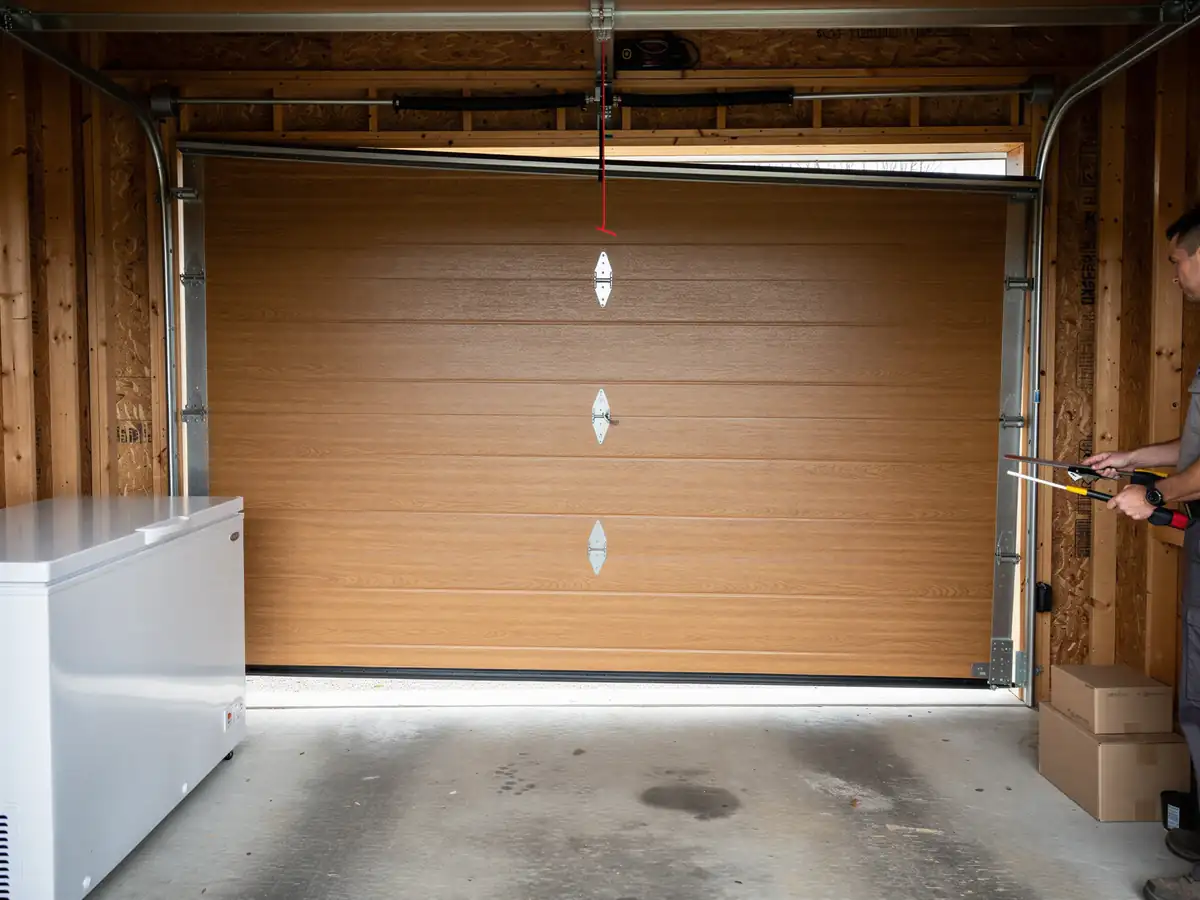
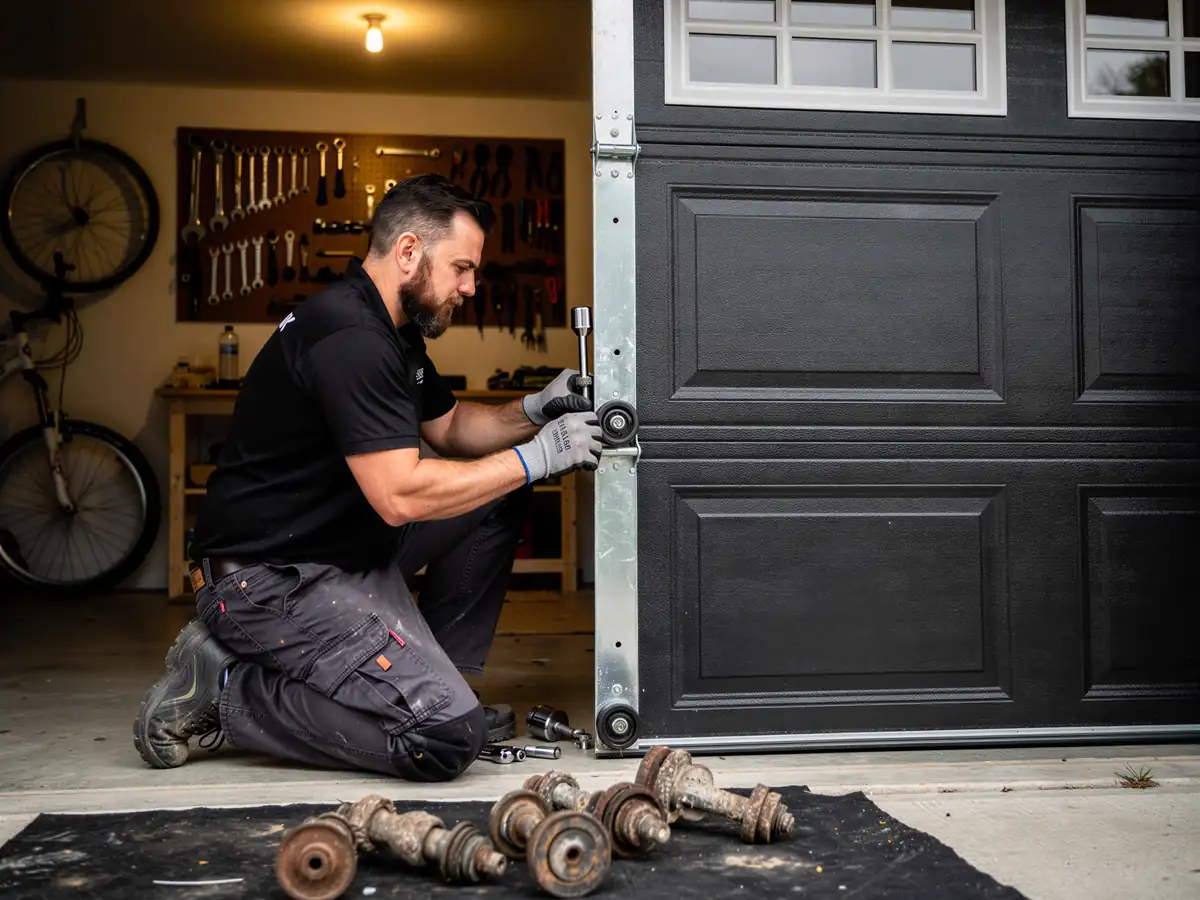
The door that used to open in one smooth motion now jerks partway up and stalls - that's a spring that's lost tension, not an opener problem, even though the opener gets blamed first. A door that slams down the last foot instead of settling is the same symptom from the other direction. Loud grinding or a rhythmic squeak as the door travels usually means a roller has worn through its bearing, common on houses built before nylon rollers were standard. If one corner of the door looks lower than the other when it's shut, a cable has likely slipped or frayed on its drum. None of these are related to the opener's remote or its motor, which is the part people usually replace first and shouldn't. On a house with its original 1982 hardware, it's also common to see two of these symptoms show up close together - the spring and the rollers tend to fail within the same year or two of each other, since they've been carrying the same load for the same stretch of time.
How Long You Are Without the Door
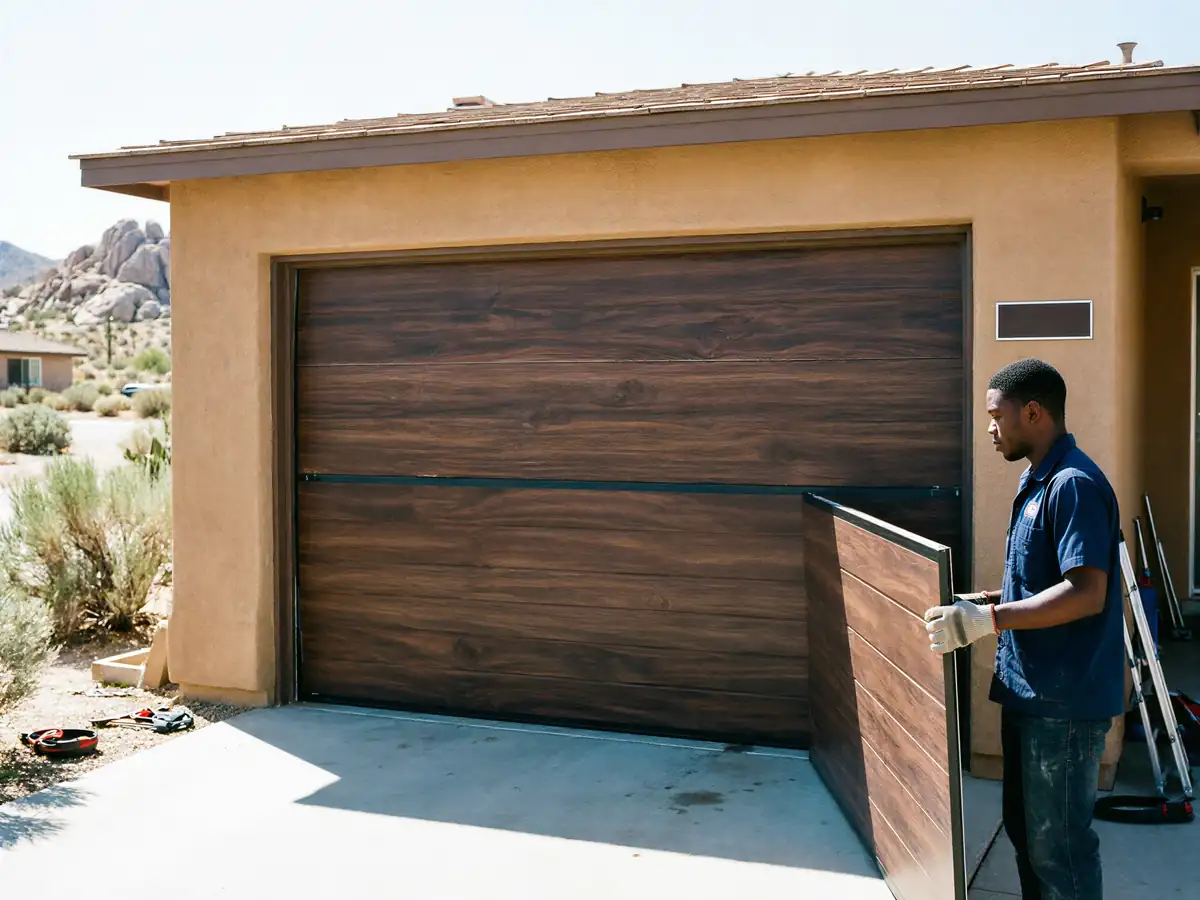
Most spring and roller jobs finish in a single visit once the truck is on site - the work itself is a few hours, not a few days. What takes longer is anything needing a part that isn't a standard torsion spring or roller size, which happens more often on original hardware from houses built before the mid-80s, since some drum and shaft sizes from that period aren't common stock anymore. On those jobs we'll tell you honestly if we need to order a part rather than guess and leave you waiting. Because Desert Edge is served from Palm Springs rather than from a depot inside the neighborhood, we schedule the visit rather than promising a walk-up fix, but once we're there the repair itself doesn't take any longer than it would anywhere else in the service area. If your door is stuck shut or open when we talk, say so when you call - that changes how we plan the visit, not how long the actual repair takes.