What to Look At First
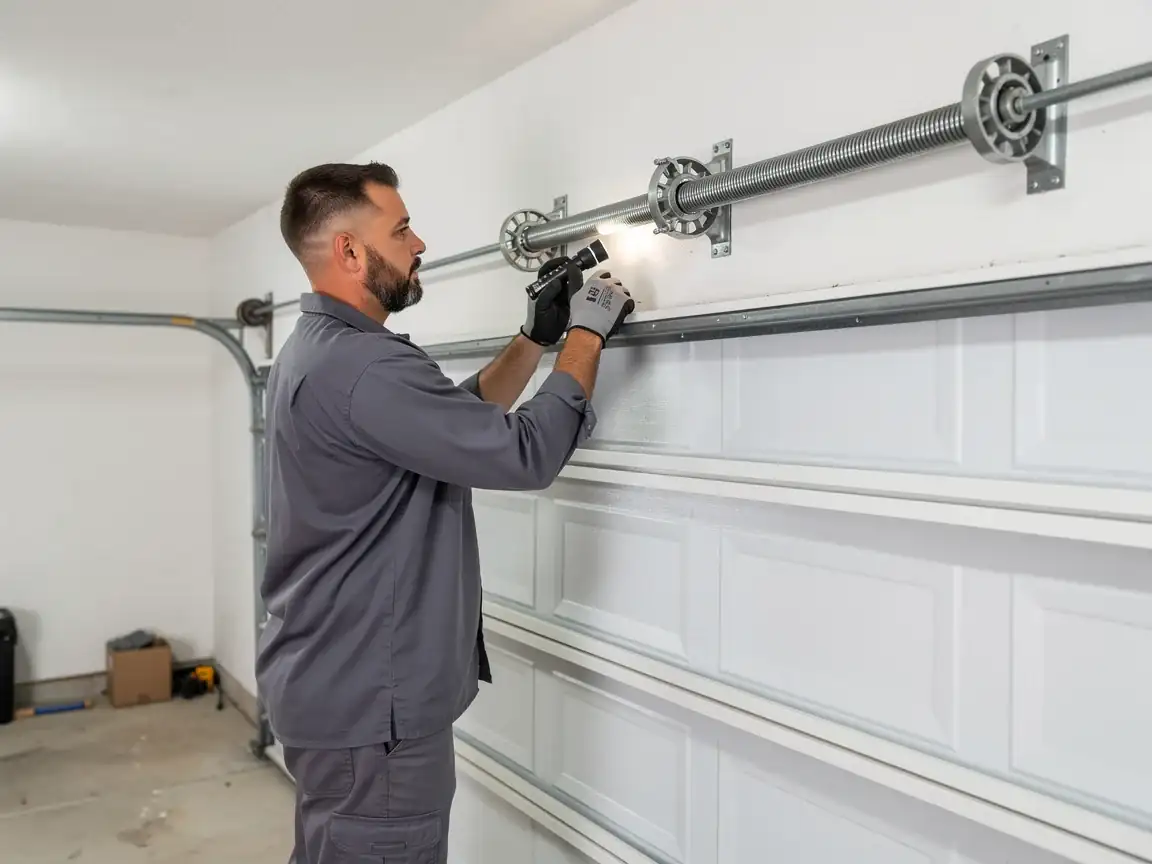
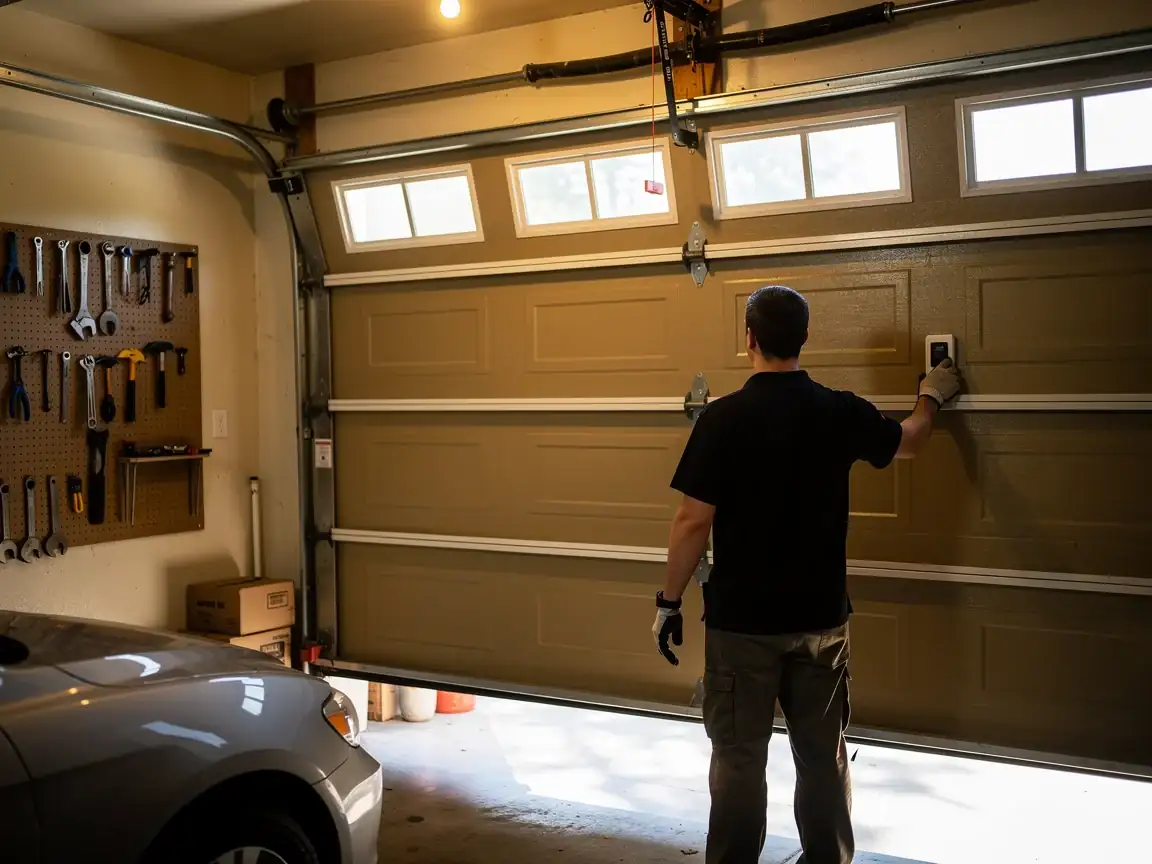
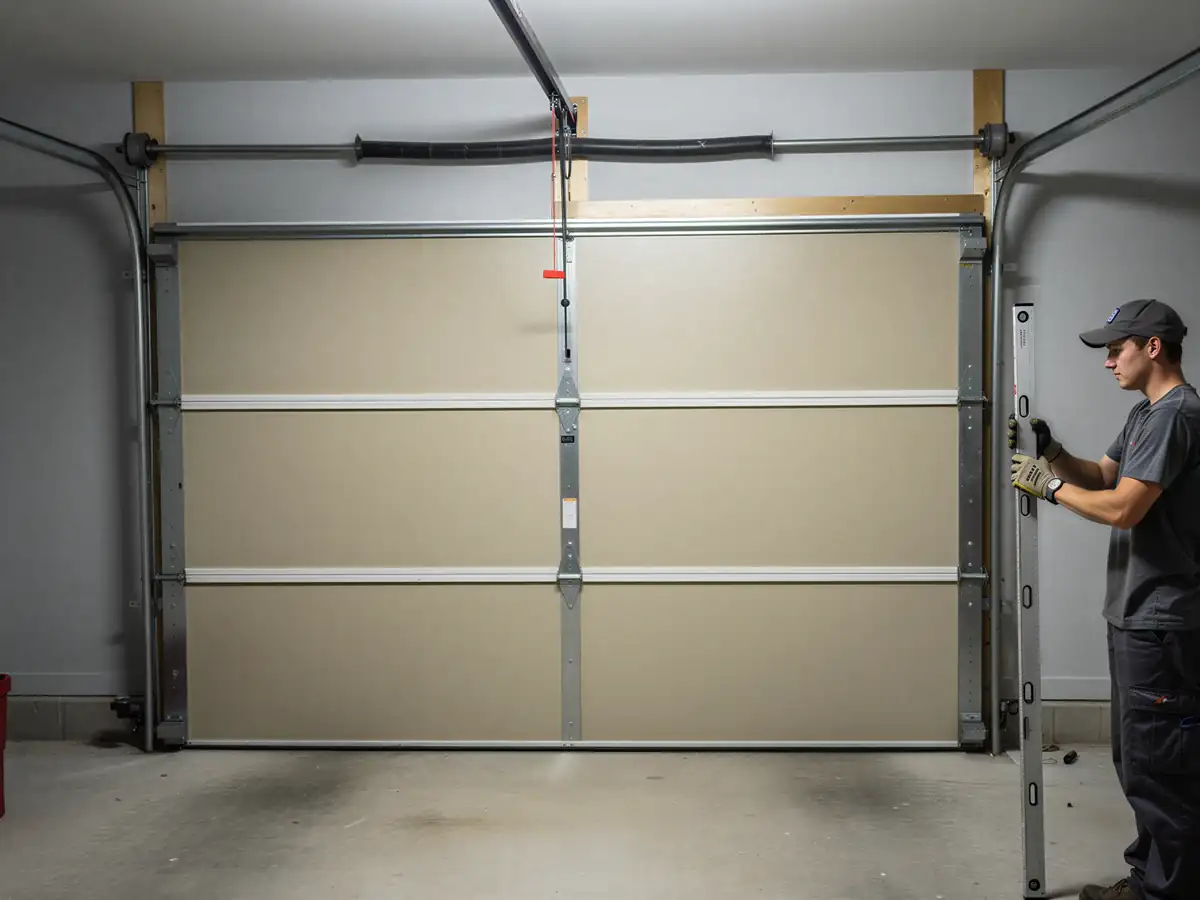
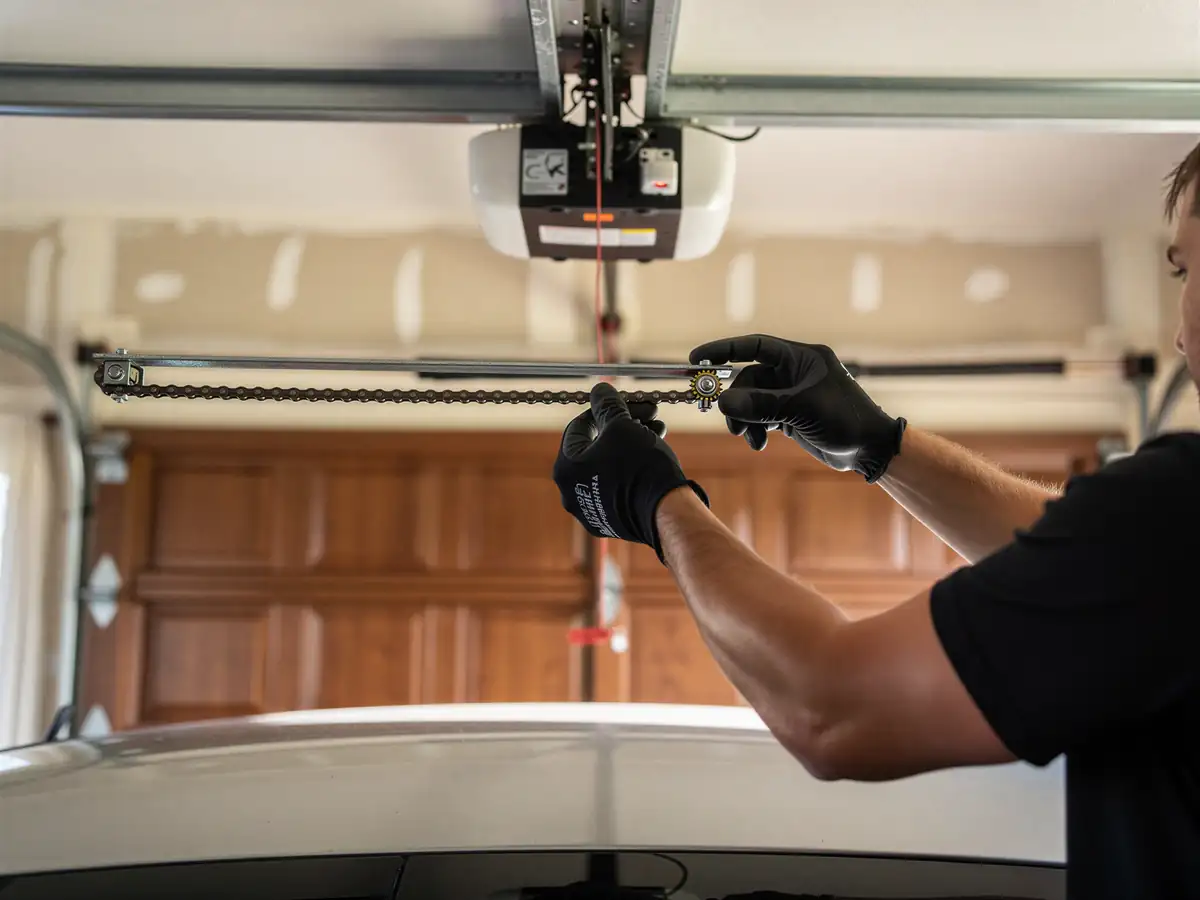
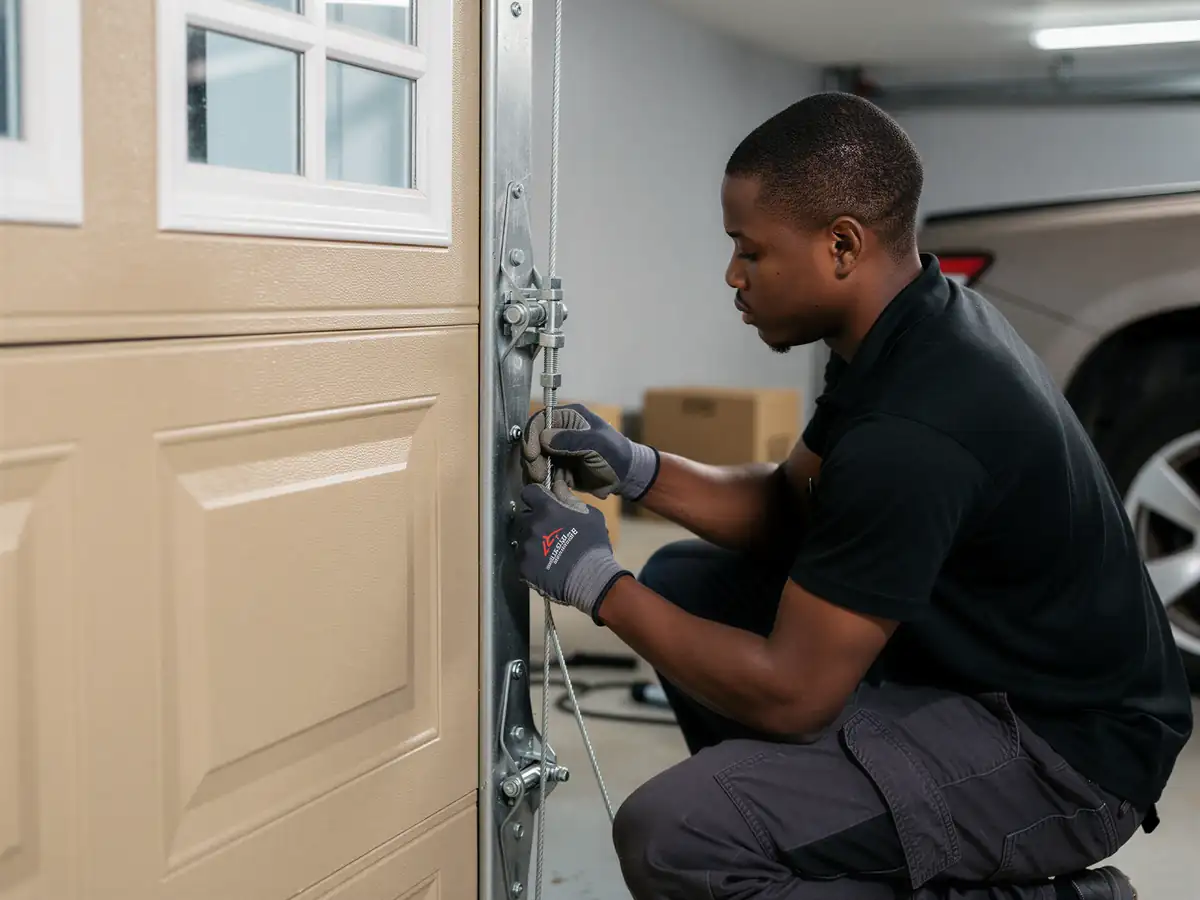
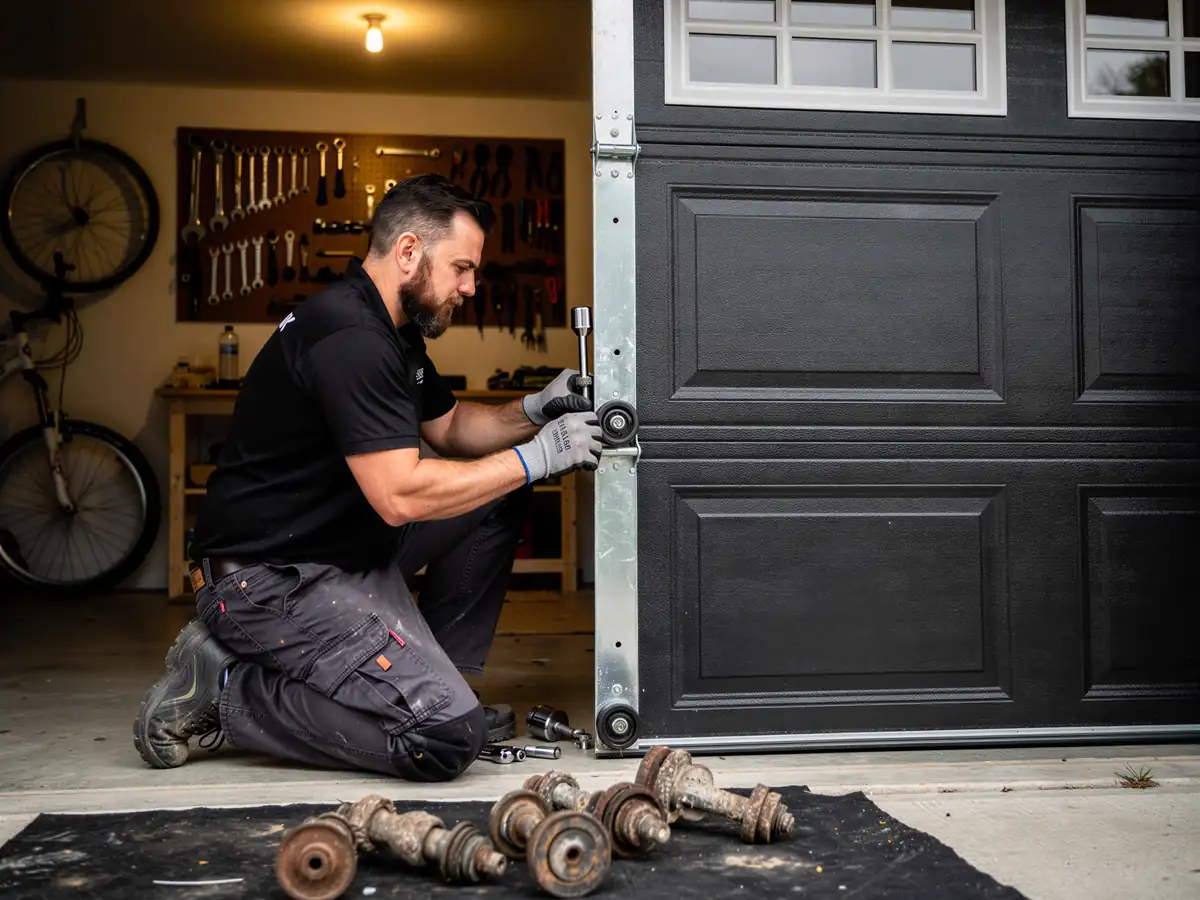
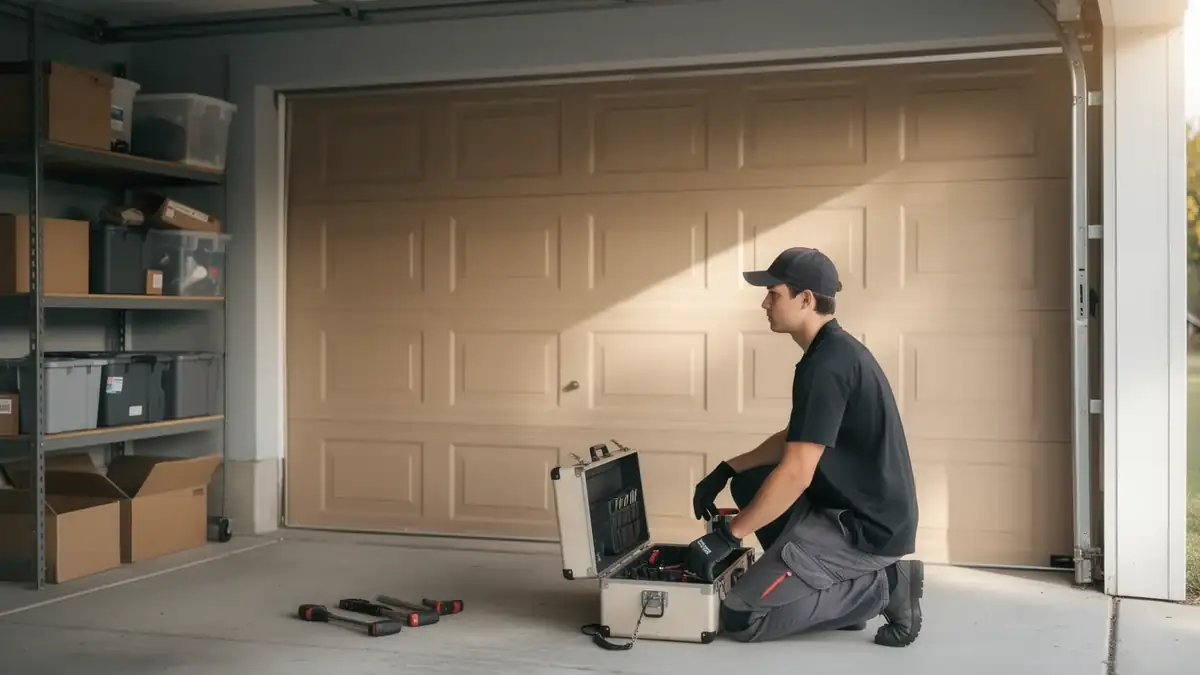
Most houses on this side of the valley went up between 1968 and 1999, with the bulk of that stock dating to the 1980s and 90s across the thirteen areas we work in. That matters because a door built in that window is usually original or on its second opener, and the hardware reflects it: extension springs on older tracks, early-generation torsion setups on the rest. First thing on a call is pulling the panel covers and checking the spring type, because a tech who shows up expecting one and finds the other wastes half the visit. We also check the track bolts and the bottom bracket, since houses from this era often have galvanized hardware that's been sitting in direct sun for three or four decades. Rust isn't usually the problem here - heat fatigue in the metal is. We look at the cable drums for wear grooves, the rollers for flat spots, and the opener's drive gear, which on units this age is almost always plastic and almost always the first thing to strip. None of this is guesswork; it's just knowing what a 1986-median house is likely to have behind the panel before we open it.
When It Stops Being a DIY Job
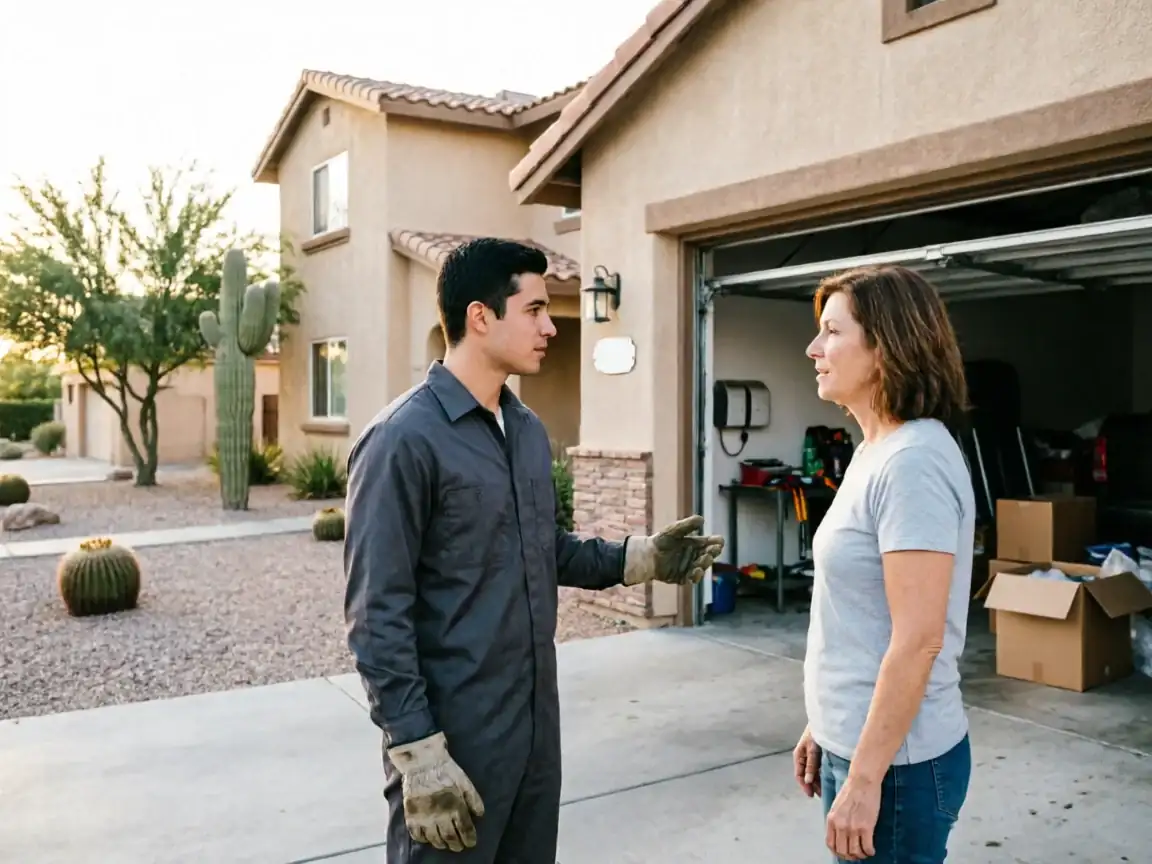
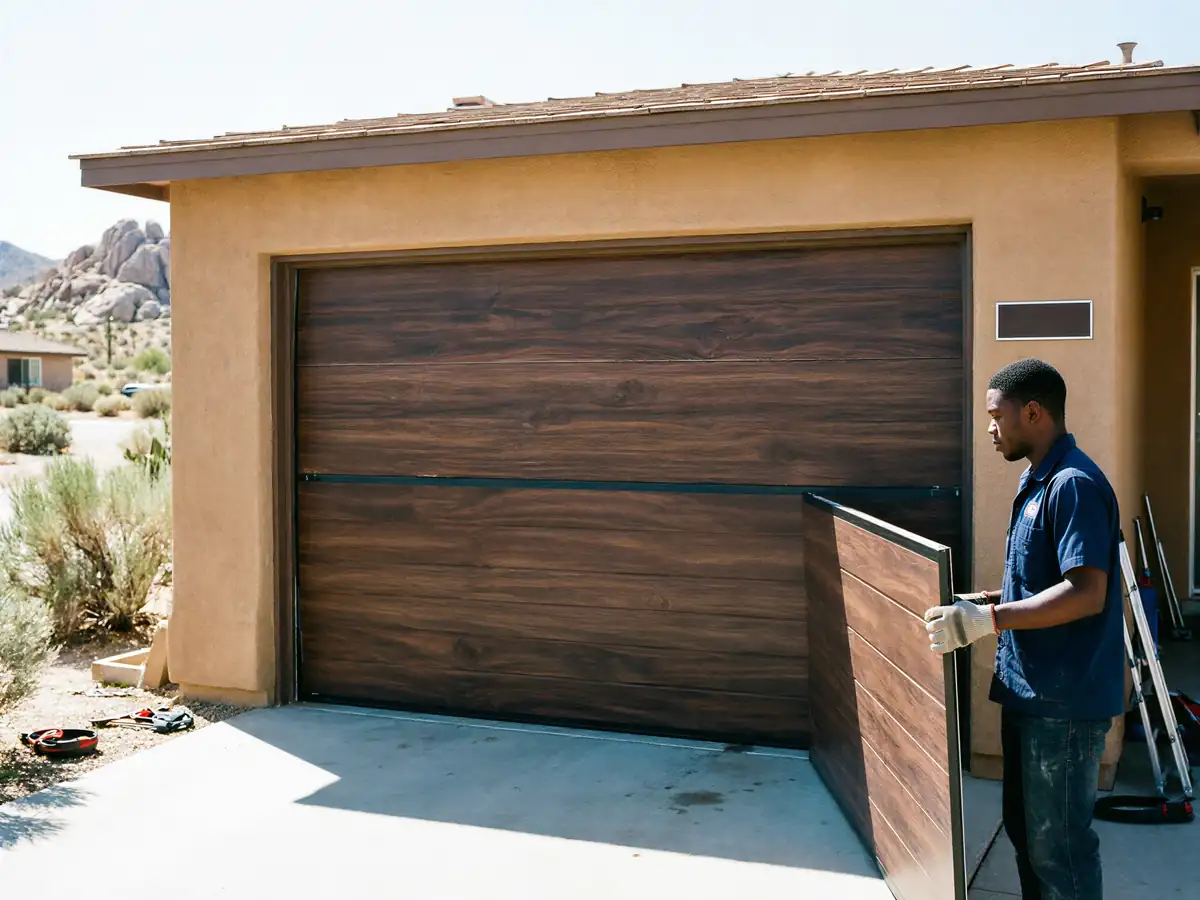
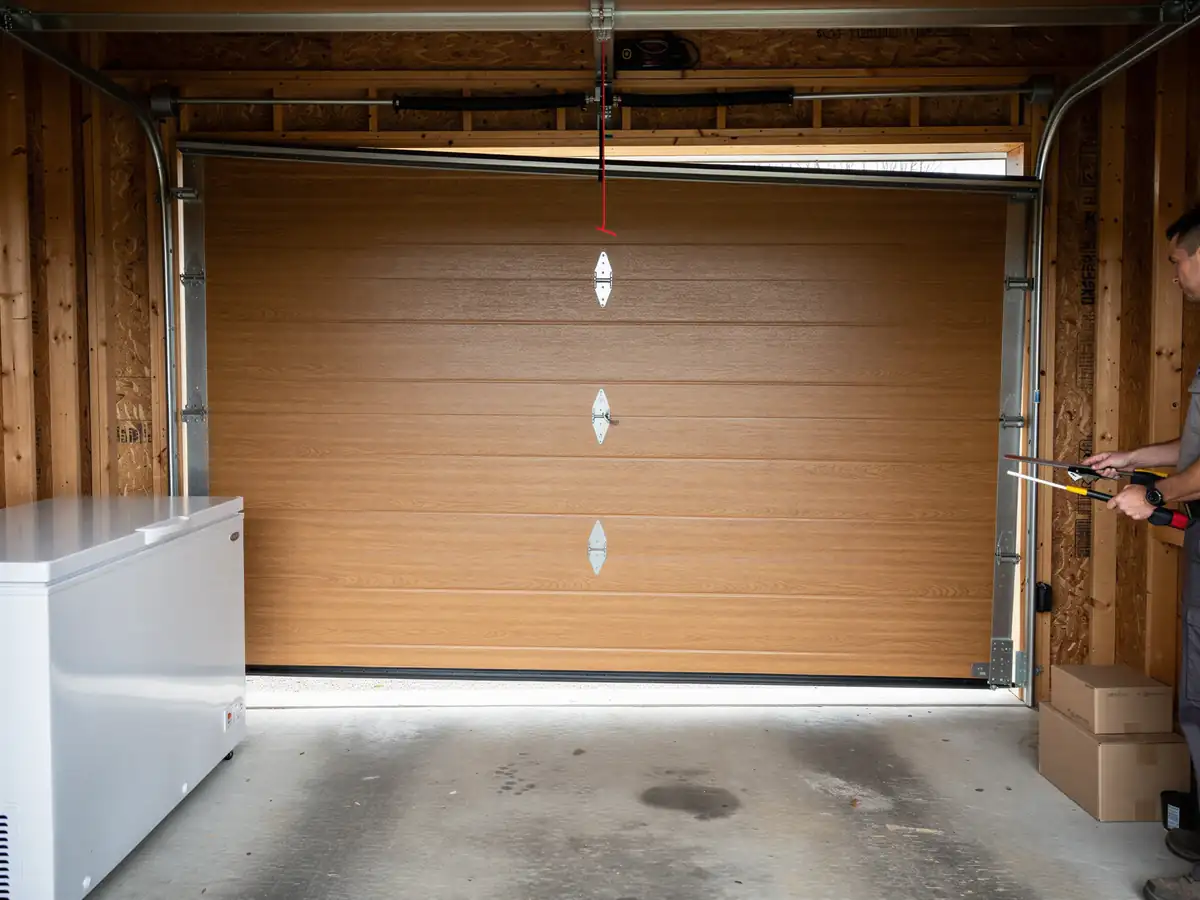
A broken torsion spring on a double door is not a weekend fix, and we say that plainly: the spring is under enough tension to break a hand or worse, and most of the doors in this service area are wide two-car units, not single, lighter panels. If the door won't budge and you hear a bang before it jams, that's a spring. Call for that one. Where we draw our own line is on cosmetic issues - a dented panel that still opens fine, or a noisy roller that isn't failing yet. We'll tell you to leave those alone and spend the money later if you ask, because not every noise is a job. The honest limitation: if a part is obsolete - some of the extension-spring hardware from the 1970s and early 80s genuinely is - we may need to order it, and that can push a repair out a few days rather than same-day. We won't pretend a universal bracket is a drop-in fix when it isn't.
The Situation
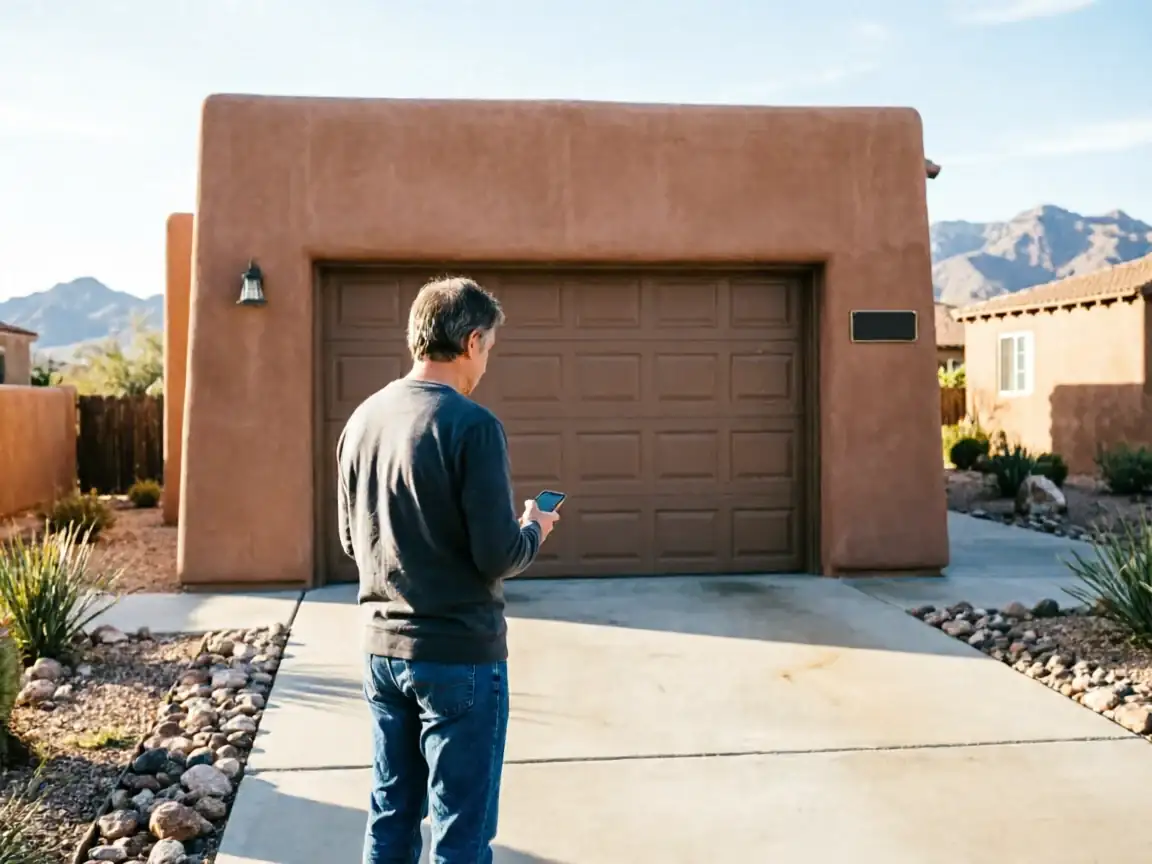
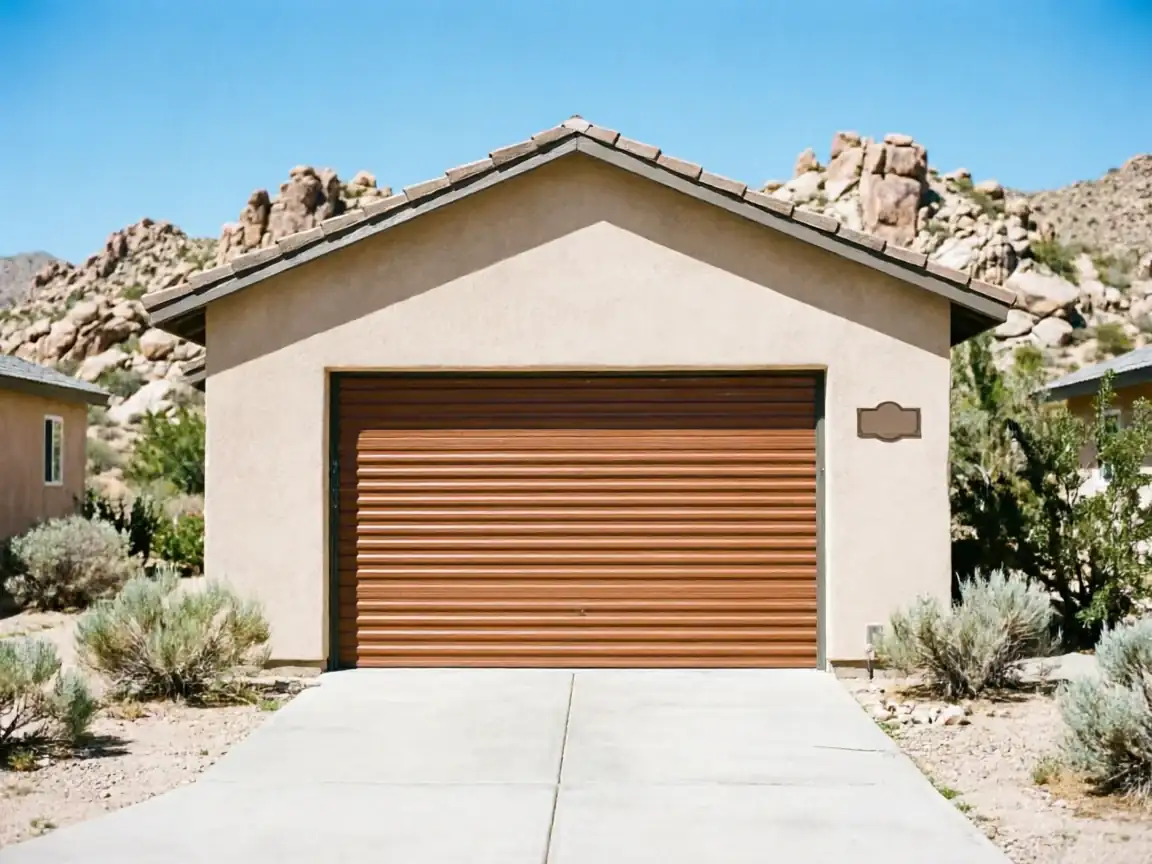
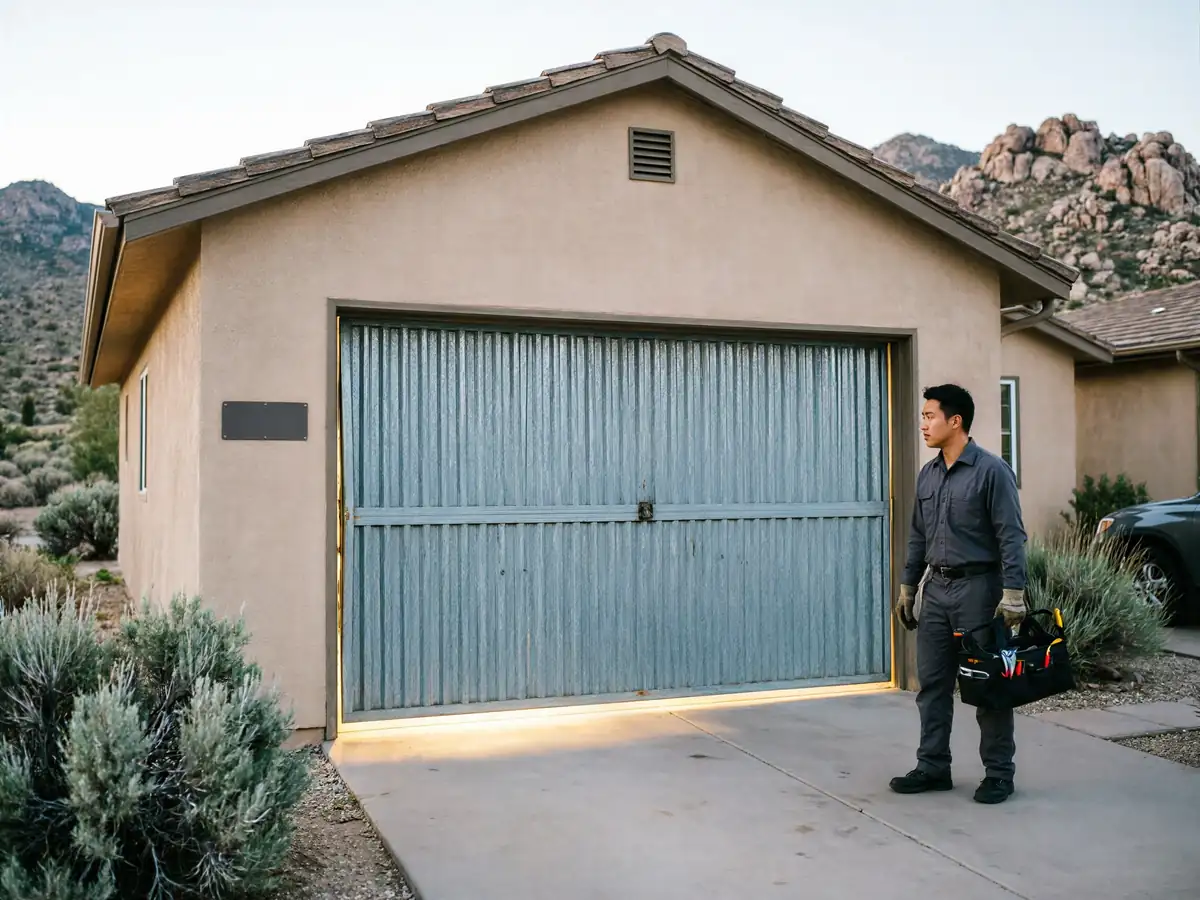
Across the roughly 42,010 households we serve, with about 26,565 of those in owner-occupied houses, and a median household income near $69,704, most calls land in a predictable range: spring replacement, opener board failure, or a track realignment on a house from the 1980s or 90s stock that makes up most of this area. We cover Palm Springs itself and the nearby communities - Rancho Mirage, Desert Edge, Thousand Palms, Desert Hot Springs, and the rest out to Cabazon and Morongo Valley - and the service call looks about the same no matter which of those you're in, because the housing age and the climate load are shared across the valley. What changes house to house is how much heat exposure that particular garage has taken and whether the hardware was ever upgraded. A call starts with the spring and track, moves to the opener if the door moves fine by hand, and ends with a straight answer on whether the part is worth replacing or the door is.