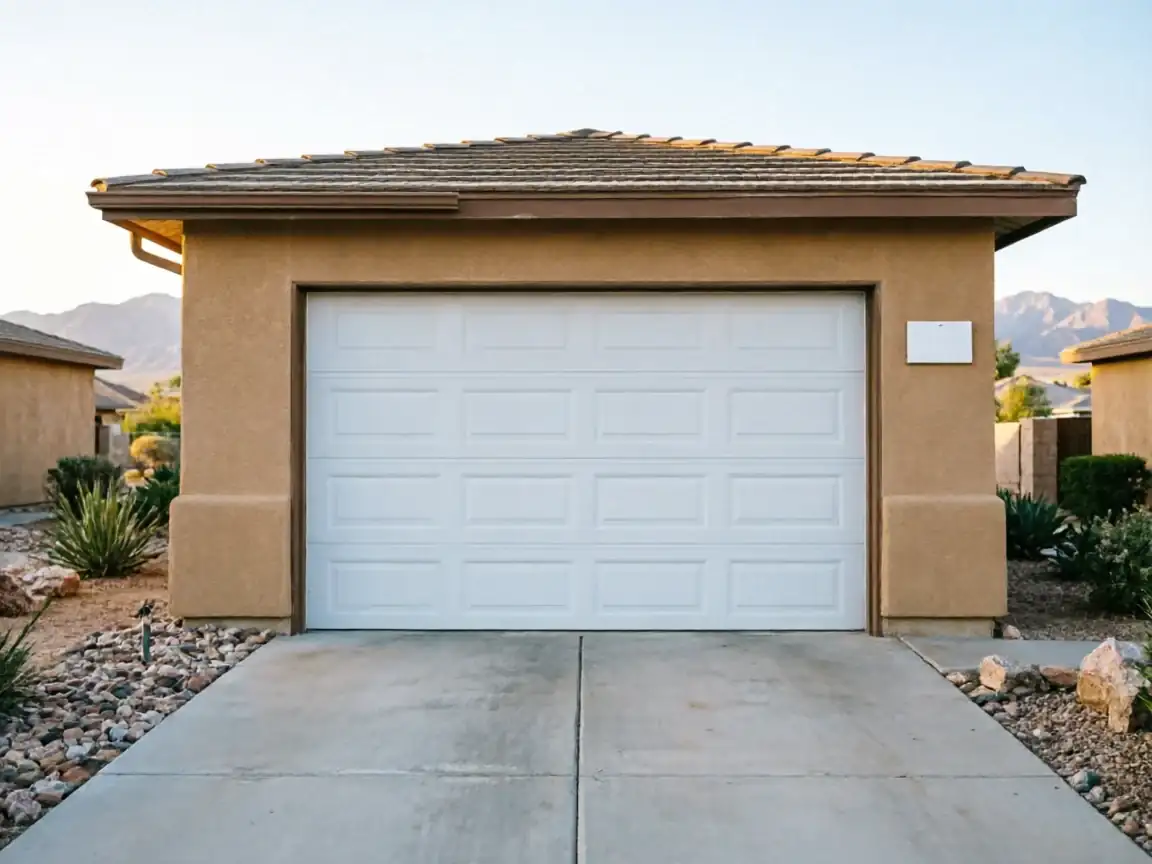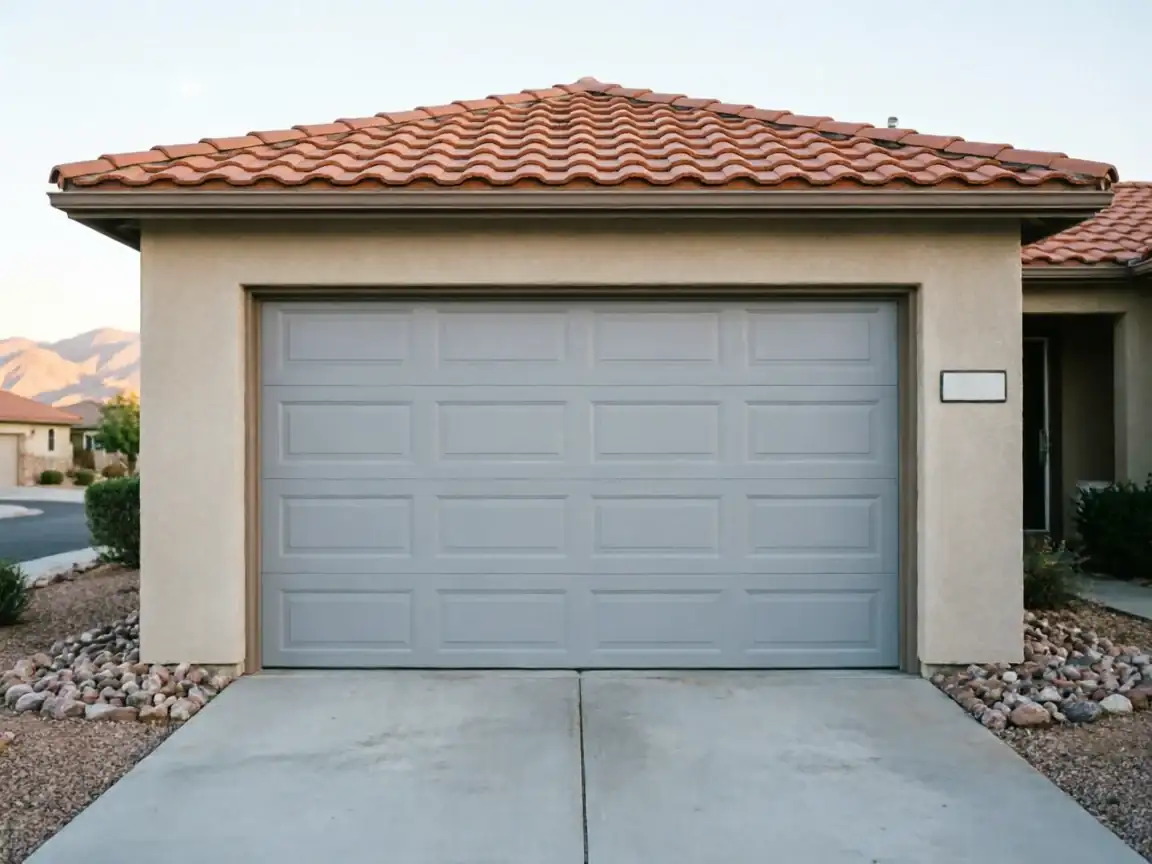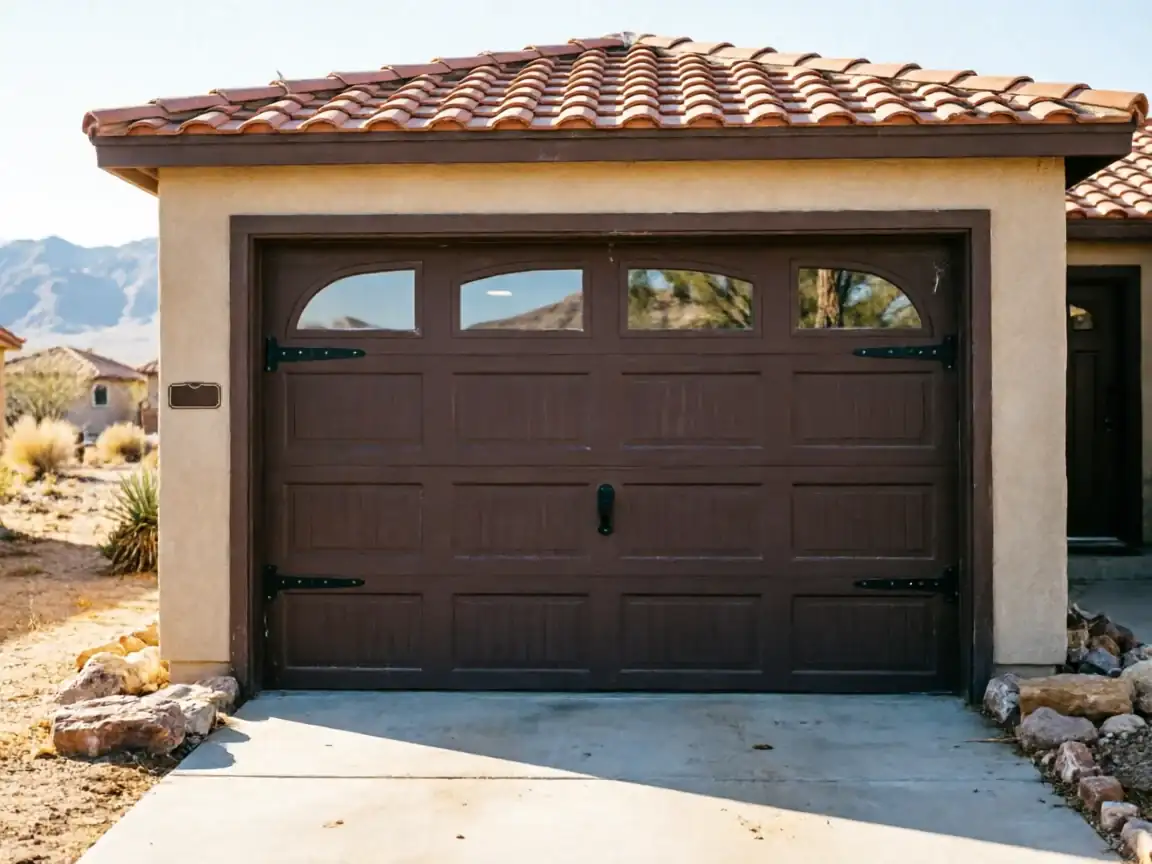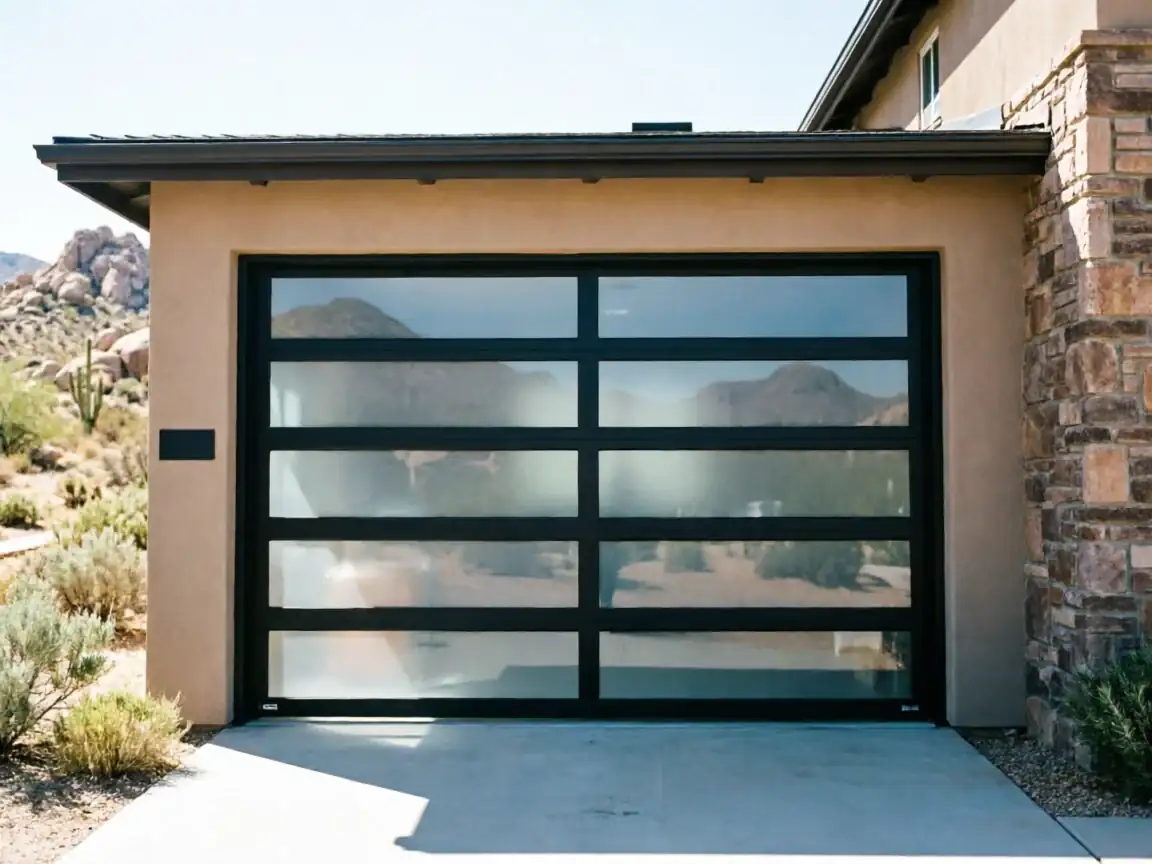
Why This Fails Locally
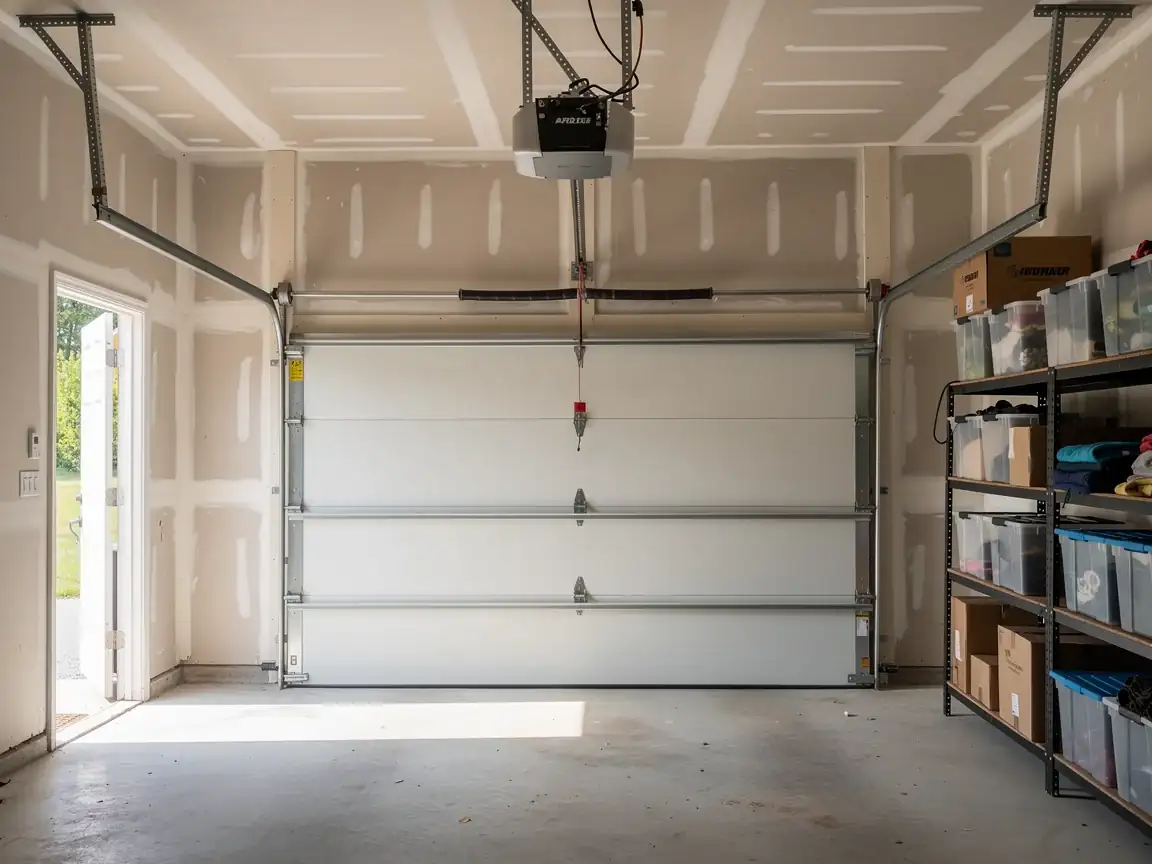
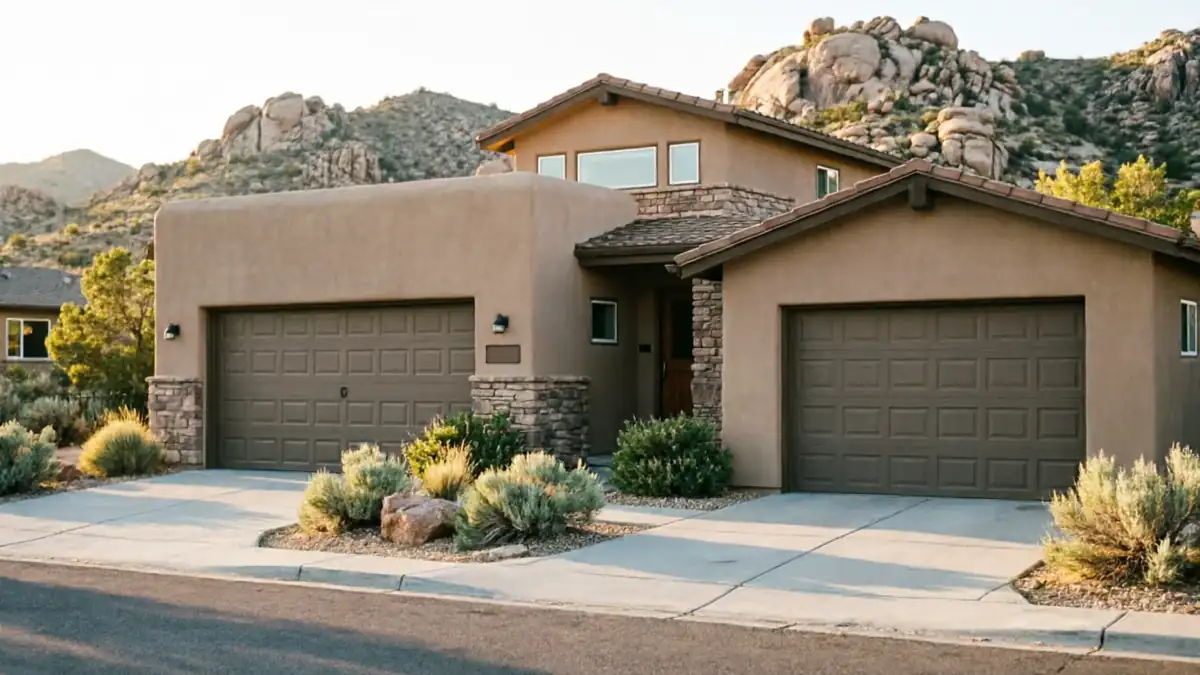
Most houses across this service area went up between 1968 and 1999, with the median build year sitting around 1986, so a lot of garage doors are running on steel track that's over thirty years old. Across the 13 named communities in this area, the stock is overwhelmingly 1980s and 90s construction, which means original extension-spring setups and roller tracks that were never designed for today's heat loads.
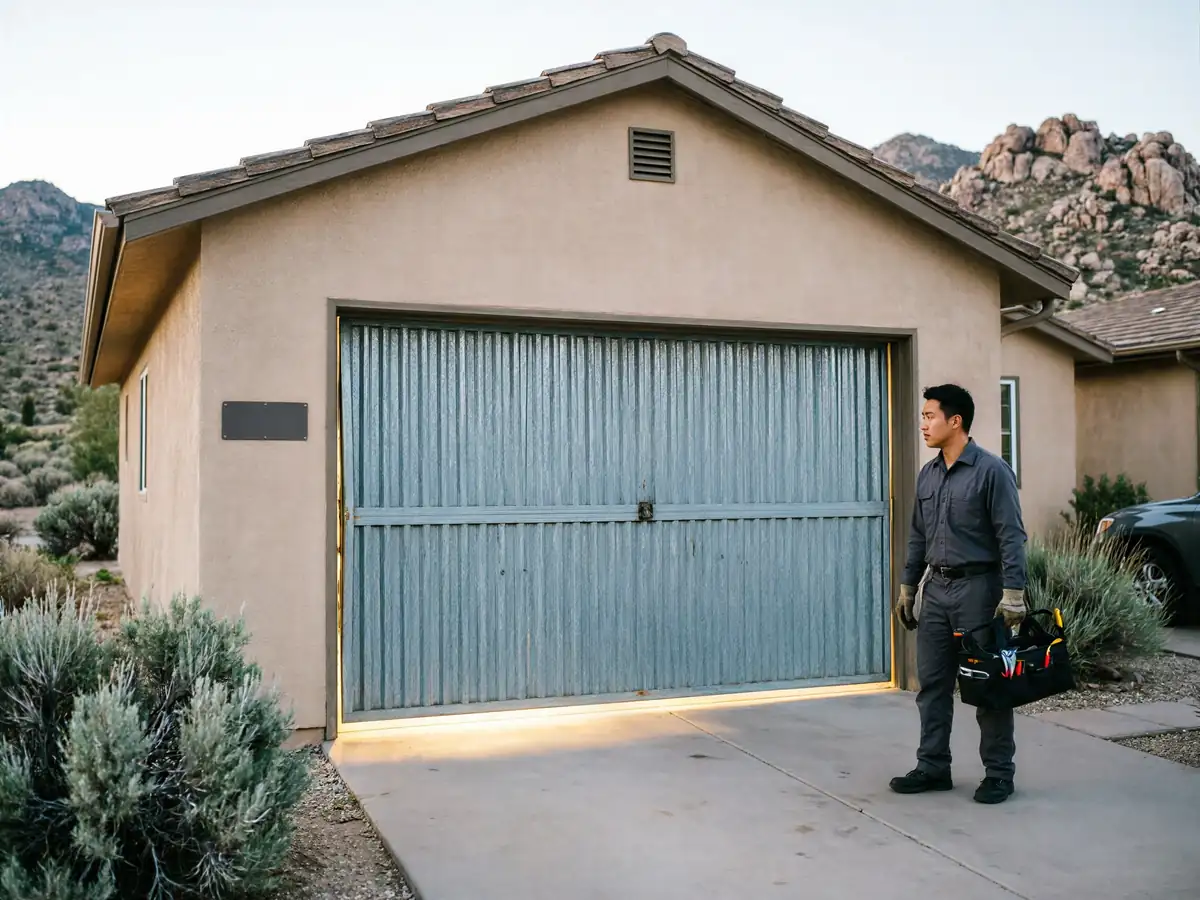
This area sits in a severe-heat climate band, and that heat is what pushes aluminum and steel track out of alignment in the first place. Metal expands in the sun, the track brackets loosen against drywall or stucco studs that have dried out over decades, and the rollers - often the original steel ones - start riding the edge of the rail instead of the center. Once a roller rides the edge, it's only a matter of time before the door jumps the track entirely, usually on the last foot of travel going up or down.
With 26,565 owner-occupied houses out of 42,010 households in this service area, off-track calls cluster hard around homes from that same construction window. Newer builds with nylon rollers and galvanized track hold up better against the heat cycling. Older ones don't, and that's most of what's out here.
Can You Do This Yourself
If the door is only loose on the track - rattling but still moving on both sides evenly - you can sometimes retighten the bracket bolts with a nut driver and get another year out of it. That's a real fix for a mild case.
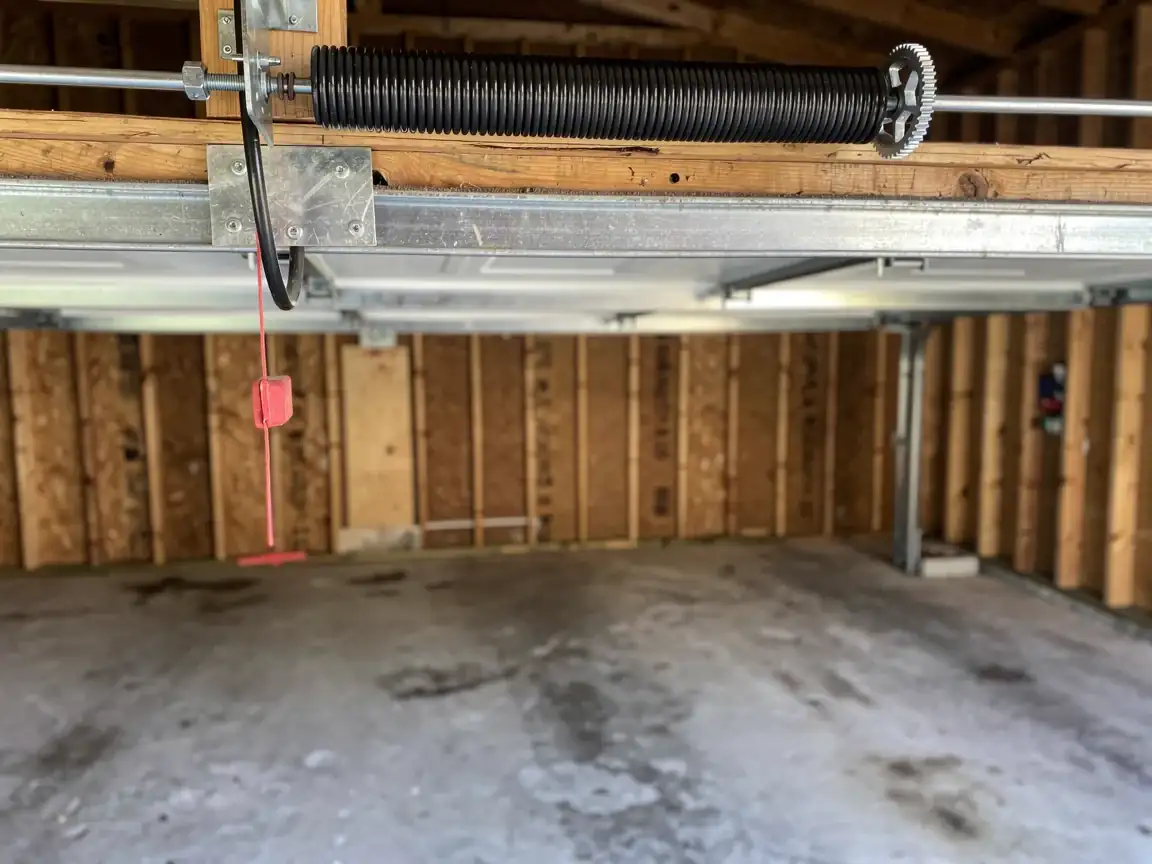
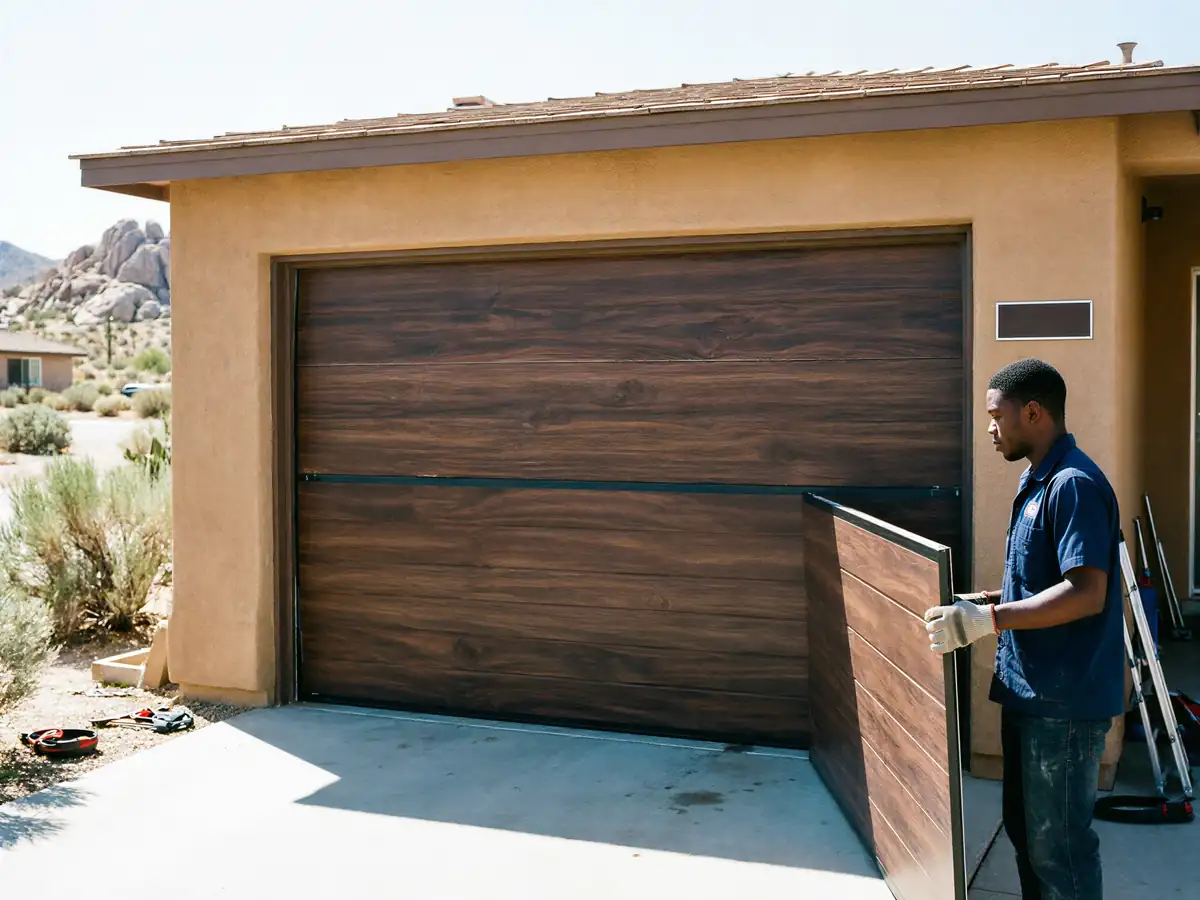
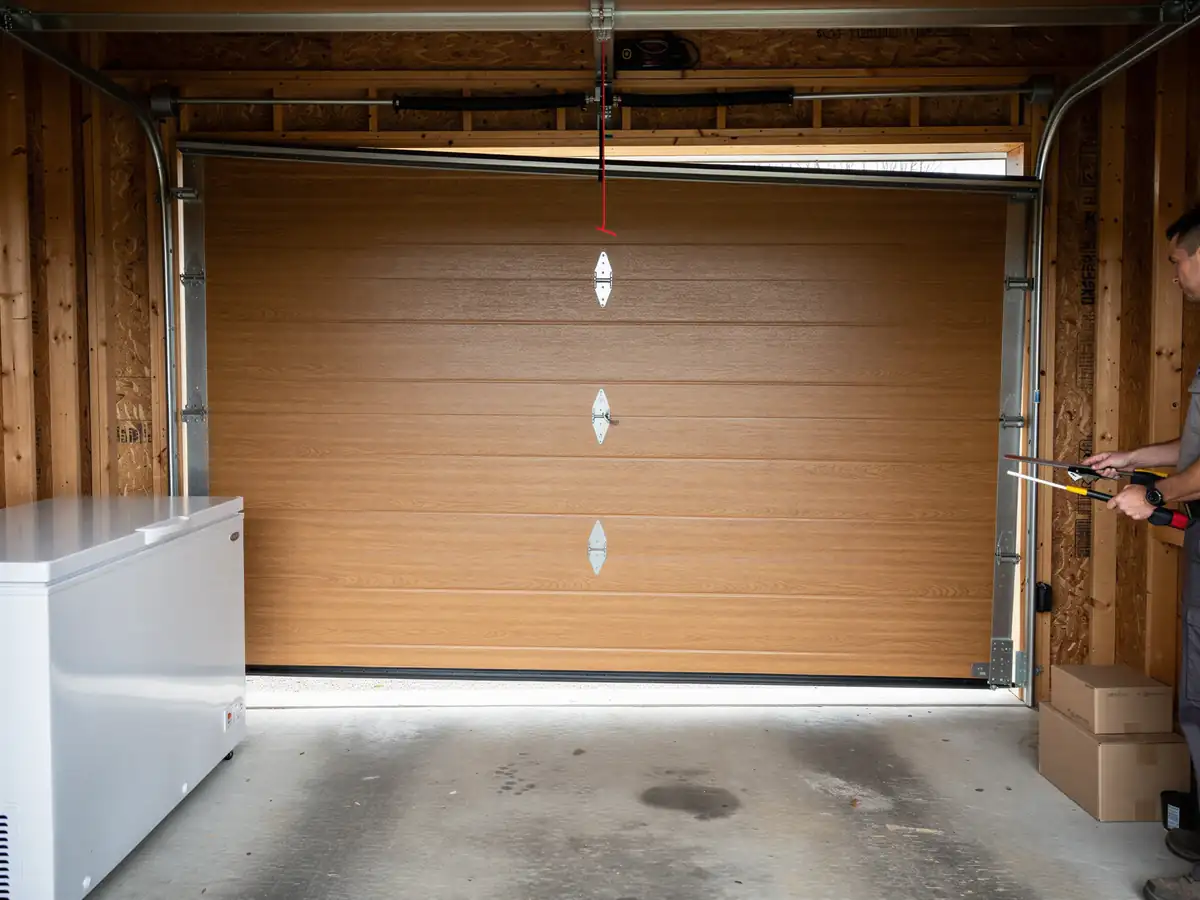
If one side of the door has actually come out of the track, or the door is hanging at an angle, stop. Do not run the opener. Do not try to force the panel back into the rail by hand. A door under spring tension that's already off one track can come down the rest of the way, and torsion springs hold enough force to break a wrist or worse. This is the honest limit here: once a panel is out of the track, it's a job for someone who works under tension every day, not a weekend fix.
What you can safely do: disconnect the opener by pulling the emergency release cord, prop the door if it's stuck half-open, and leave it alone until someone looks at it. Don't keep hitting the wall button hoping it resets itself - that's how a mild off-track problem turns into a bent track or a cracked panel.
What The Fix Involves
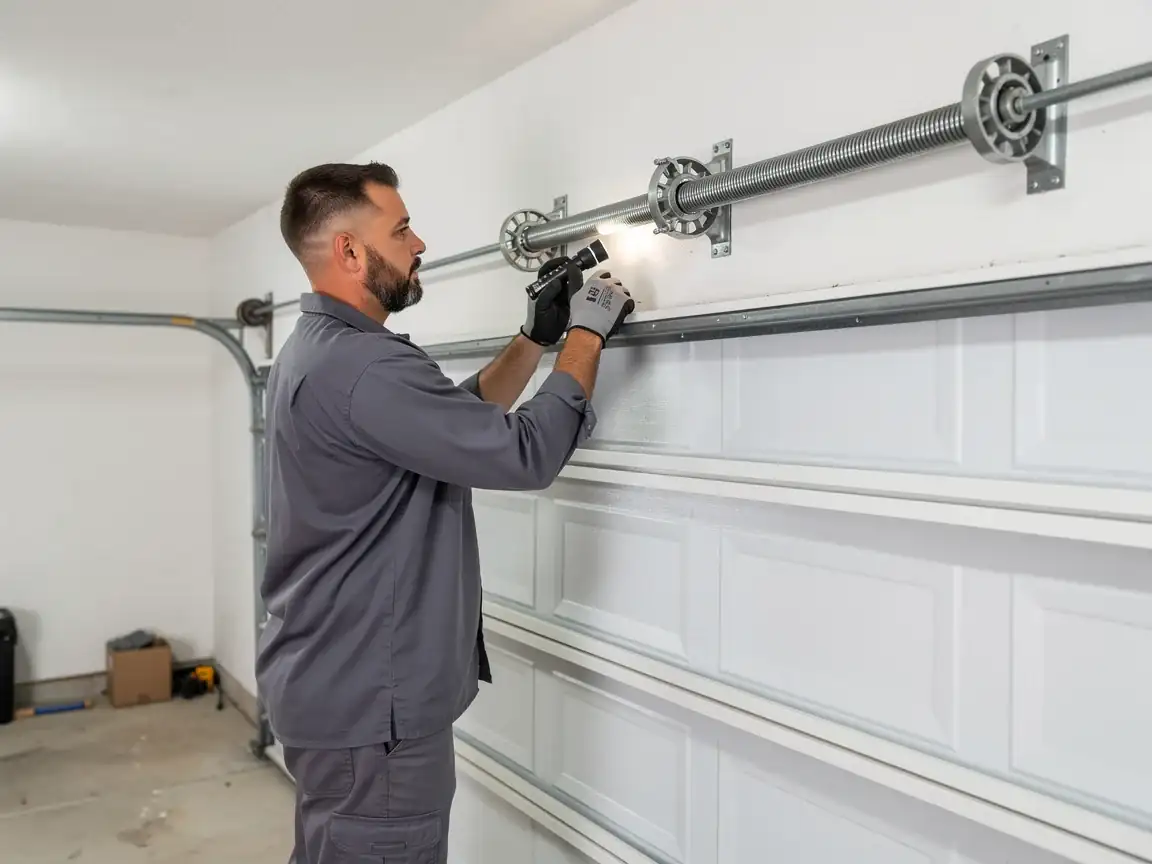
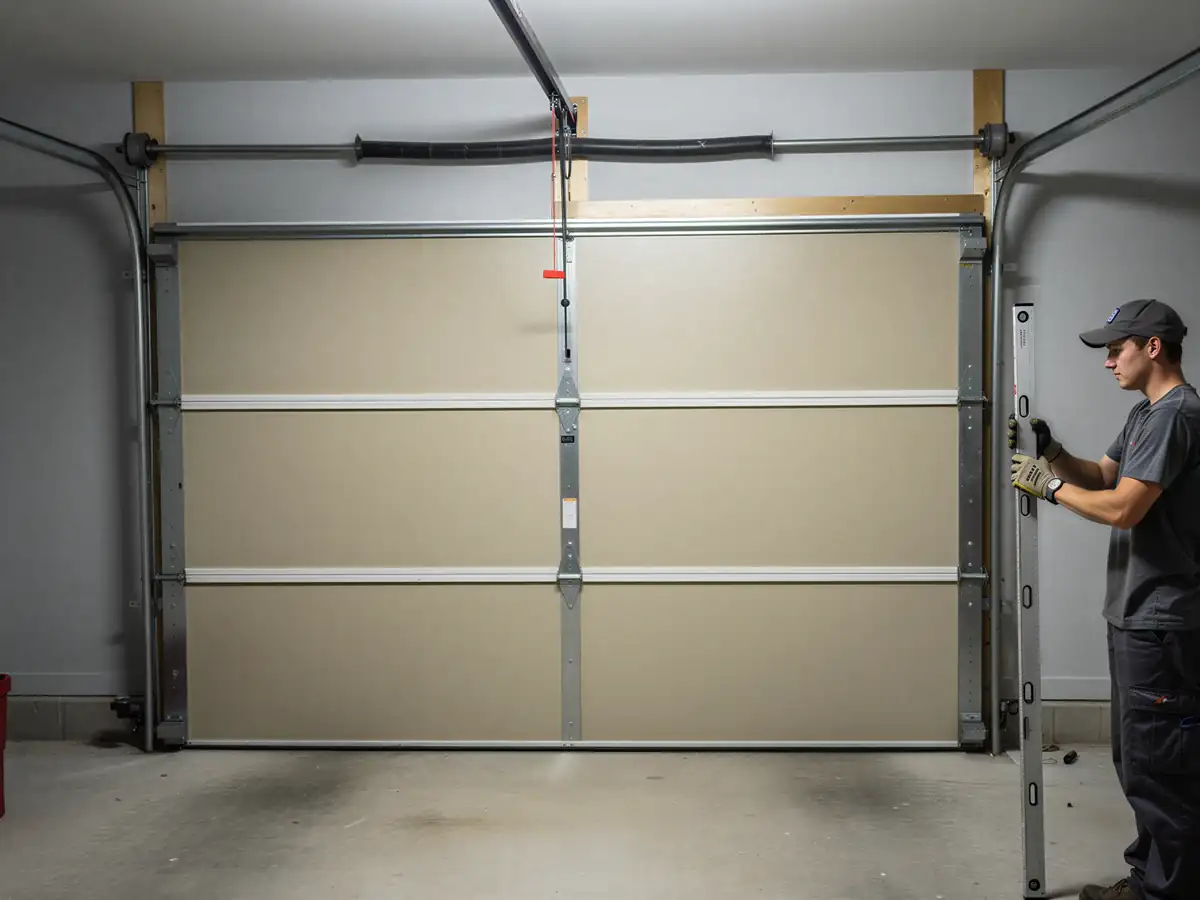
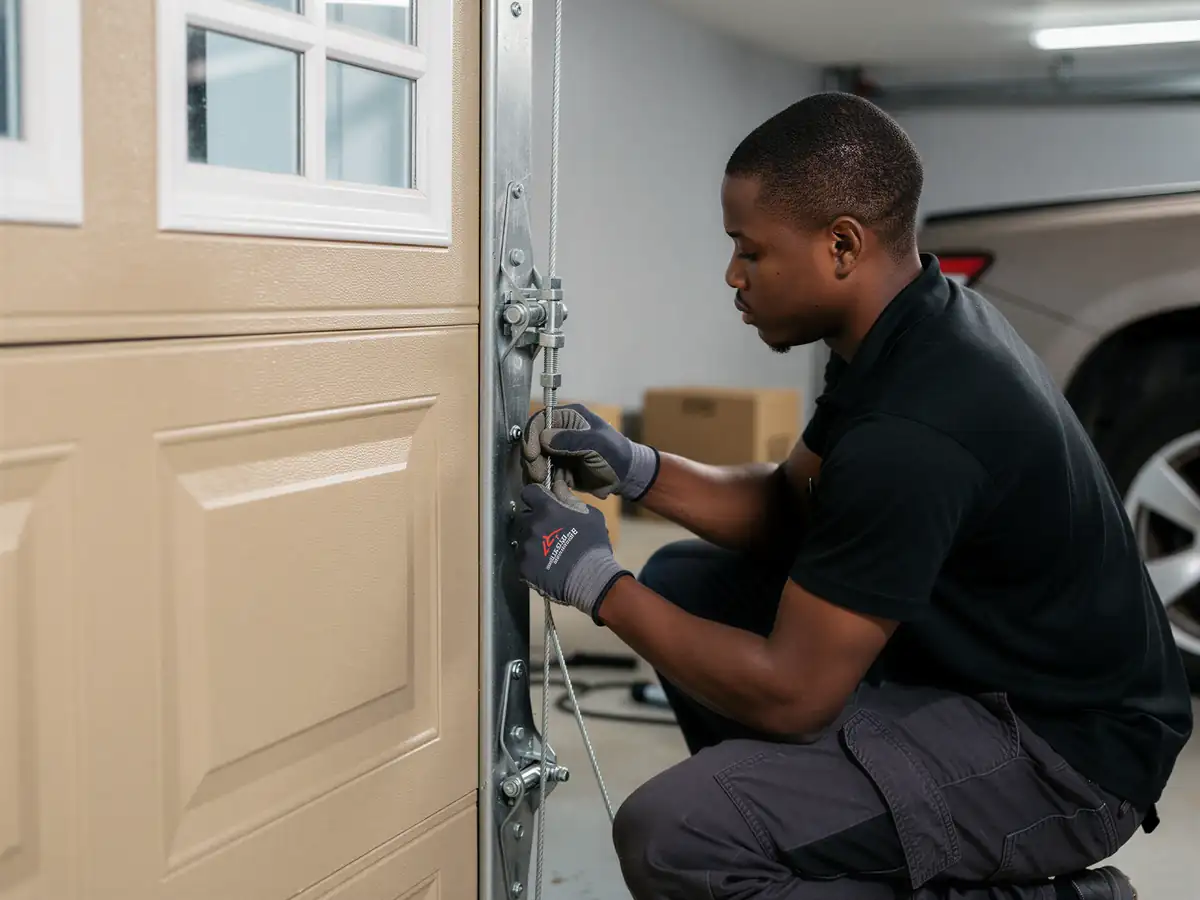
Getting a door back on track starts with releasing tension safely
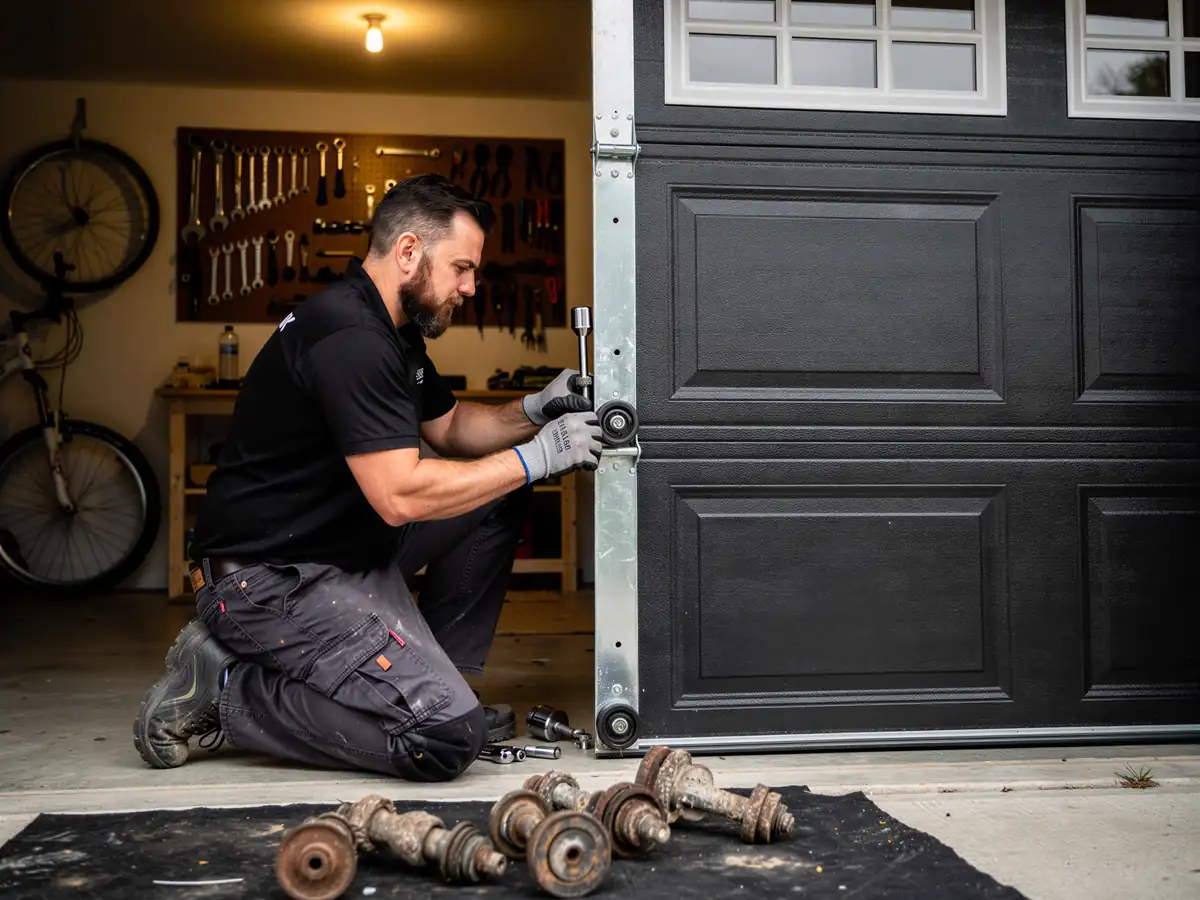
Either backing off the torsion spring or securing the door so it can't drop while the rail is open. From there it's a matter of checking whether the track itself bent (common once it's been knocked loose) or whether it's just the rollers that failed.
Bent track in this climate is often a replacement job, not a straightening job
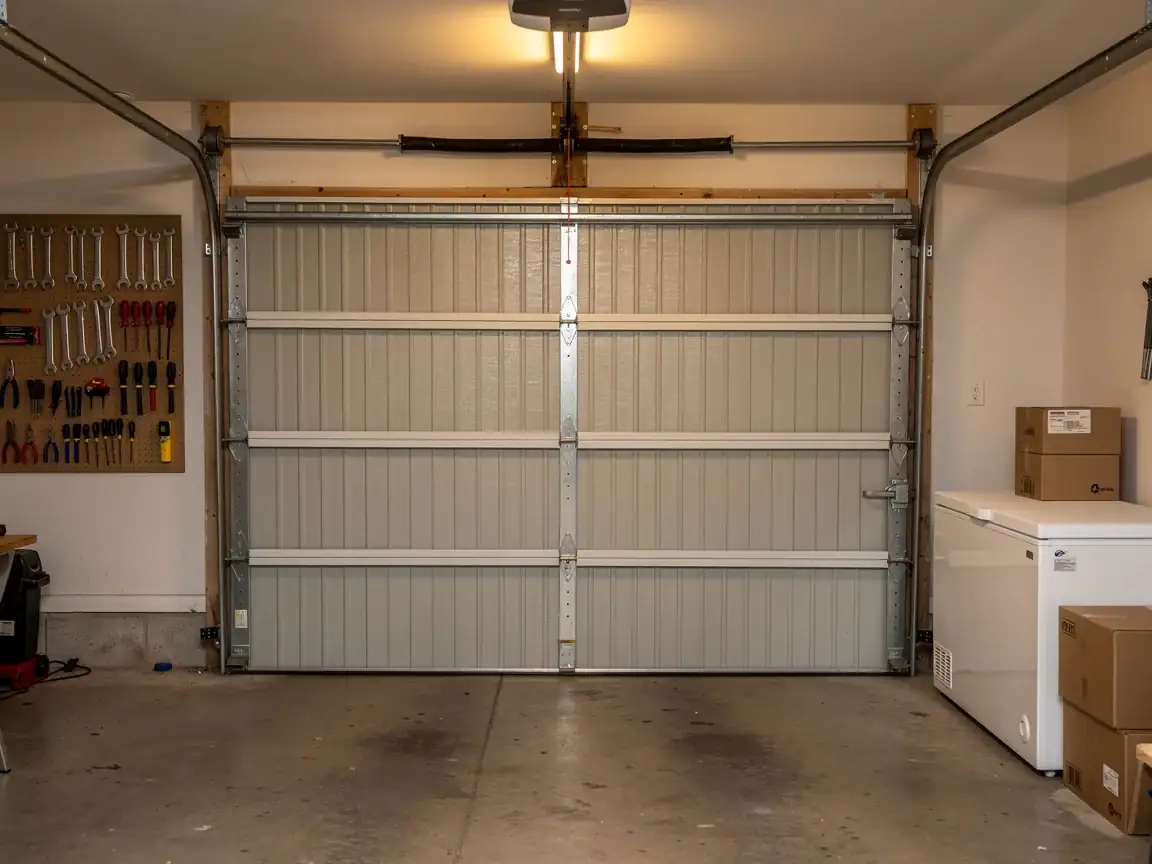
Heat-stressed steel that's already been bent once tends to bend again in the same spot. Rollers get swapped for nylon if they're not already, since nylon handles heat cycling better than the original steel rollers found in a lot of the 1980s and 90s builds here. Brackets get re-anchored, sometimes into fresh wood if the old mounting point has worked loose over the years.
Last step is balancing the door again
Checking that both sides lift evenly and the cables are seated correctly in the drum, since a door that was off track for even a day or two can let a cable walk off its groove without anyone noticing until it happens again.
What You Are Seeing
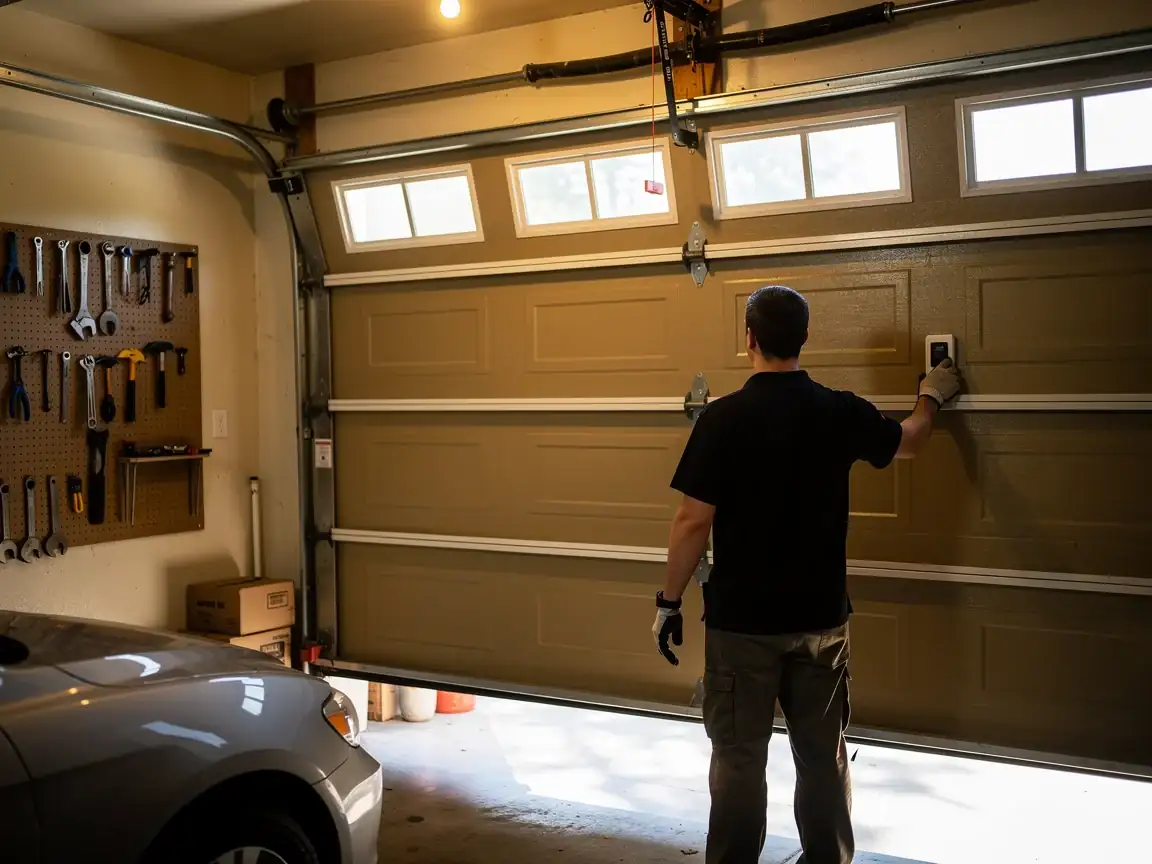
The usual signs: the door stops partway and won't go up or down, one side looks higher than the other, you hear a grinding or popping sound near the top corner, or the door visibly bows instead of running flat. Sometimes it's quieter than that - a soft thunk every time the door passes a certain spot, which is a roller catching on a seam in bent track before it fully derails.
On these houses, it tends to show up after a stretch of extreme heat, since that's when the track metal is most expanded and least tolerant of a roller that's already worn down. You might notice it first thing in the morning when the metal has cooled overnight and contracted back, which can make a marginal track problem suddenly obvious.
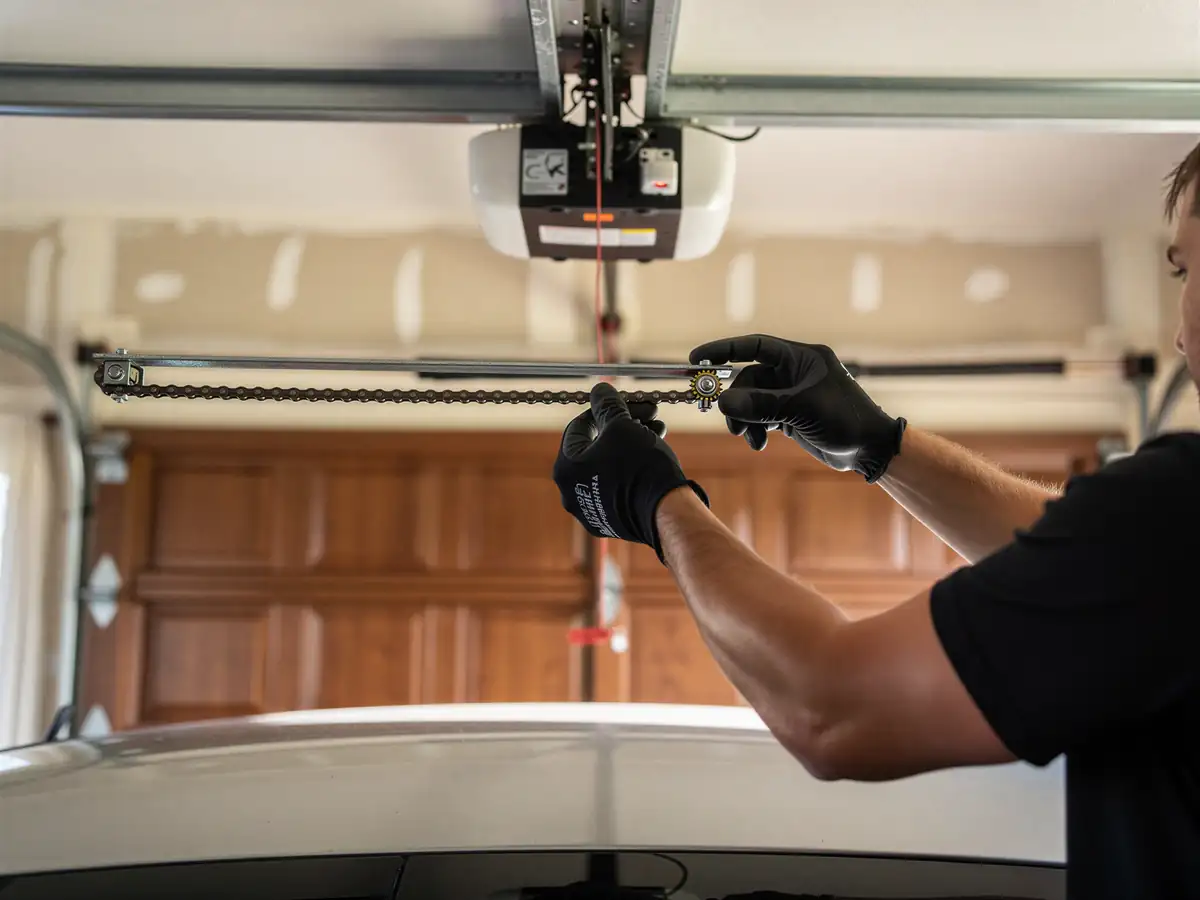
If the opener is straining, reversing on its own, or making a new noise right before this starts, that's often the early warning - worth a look before the door actually leaves the rail.