Why This Fails Locally
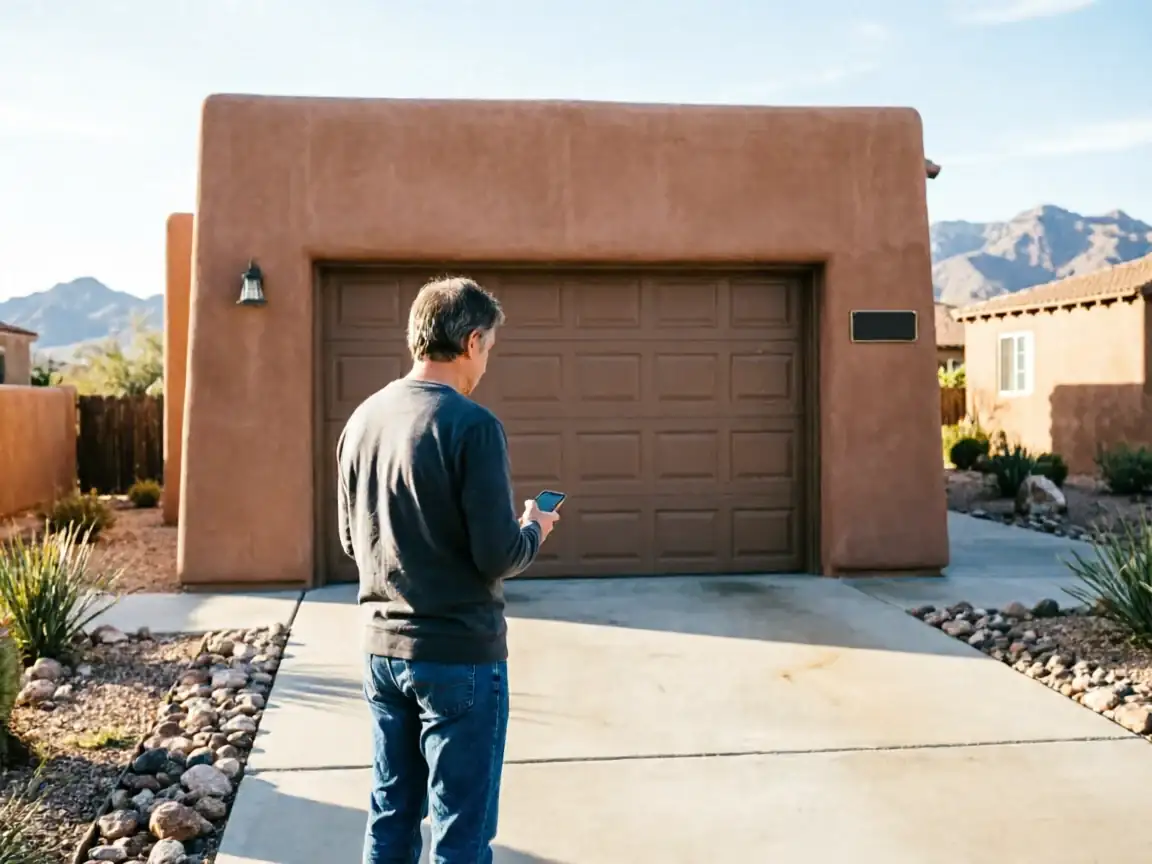
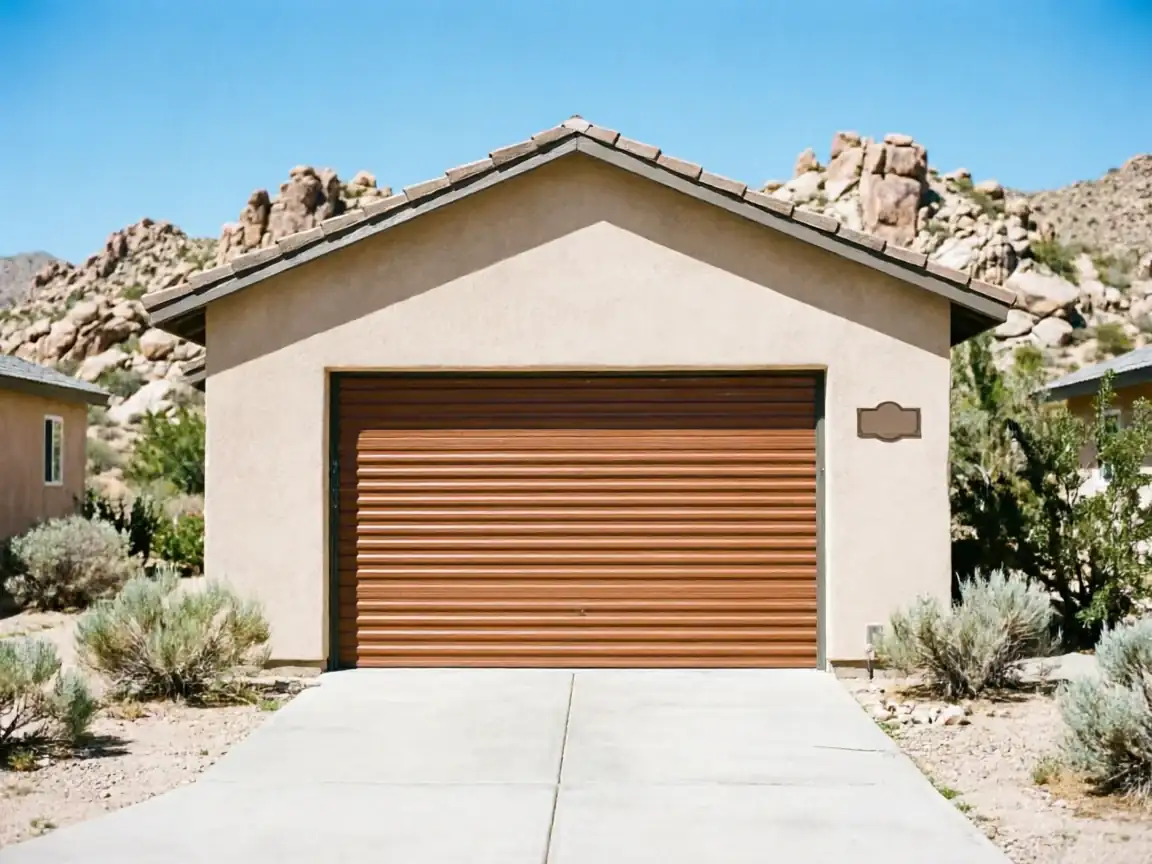
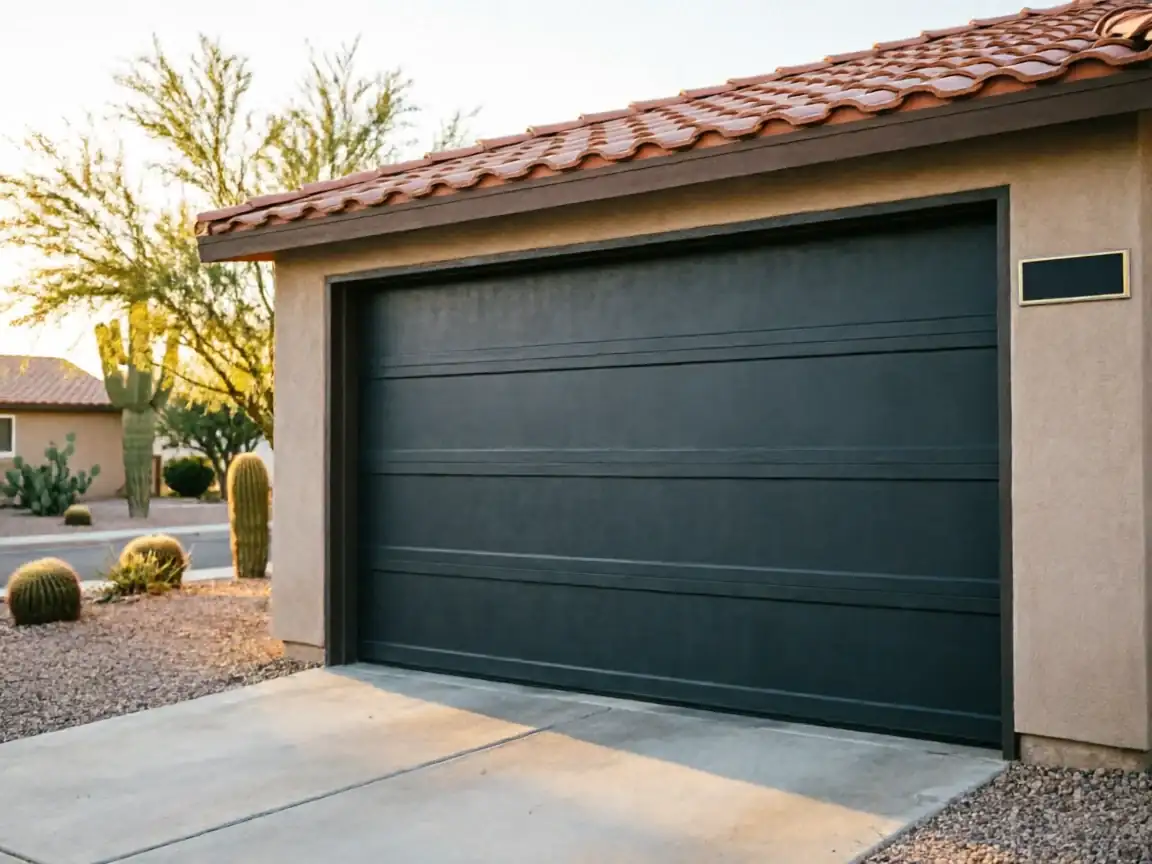
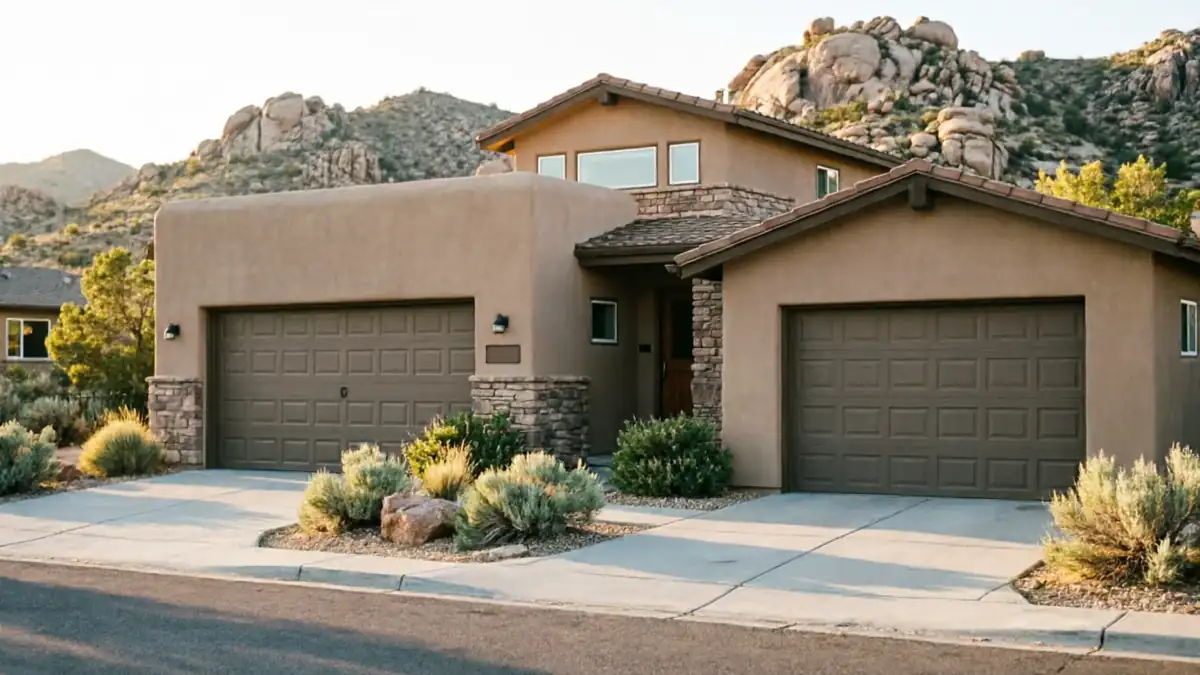
Most houses across this service area went up between 1968 and 1999, with the bulk of the stock dating to the 1980s and 90s across the thirteen named communities we cover. That matters for cables because of what Palm Springs does to them: this is a severe heat climate, and a garage that sits closed all day in July can run well past 140 degrees inside. Lift cables are galvanized steel wound around a drum, but the swage fittings and the zinc coating both break down faster under sustained heat-cool cycling than they do in a mild climate. A cable rated to last in Seattle does not last the same number of years here.
We also see a lot of original hardware still in service on houses from that 1968-1999 build window. Nobody has touched the cables since the house was framed, because cables don't make noise when they're failing the way a spring does - they just fray, strand by strand, until one morning they don't. On a 42,010-household service area with 26,565 owner-occupied houses, a good share of those garages are original-door, original-cable setups that are simply due. This isn't a defect in the house. It's just what thirty-plus years of desert heat does to a steel cable nobody's replaced.
Can You Do This Yourself
A garage door is under spring tension even with the door closed, and the cables are part of that tensioned system - pulling a frayed cable off the drum without releasing tension first is how people lose fingers. If the door is a single panel or anything heavier than a light residential door, we don't recommend DIY cable work at all.
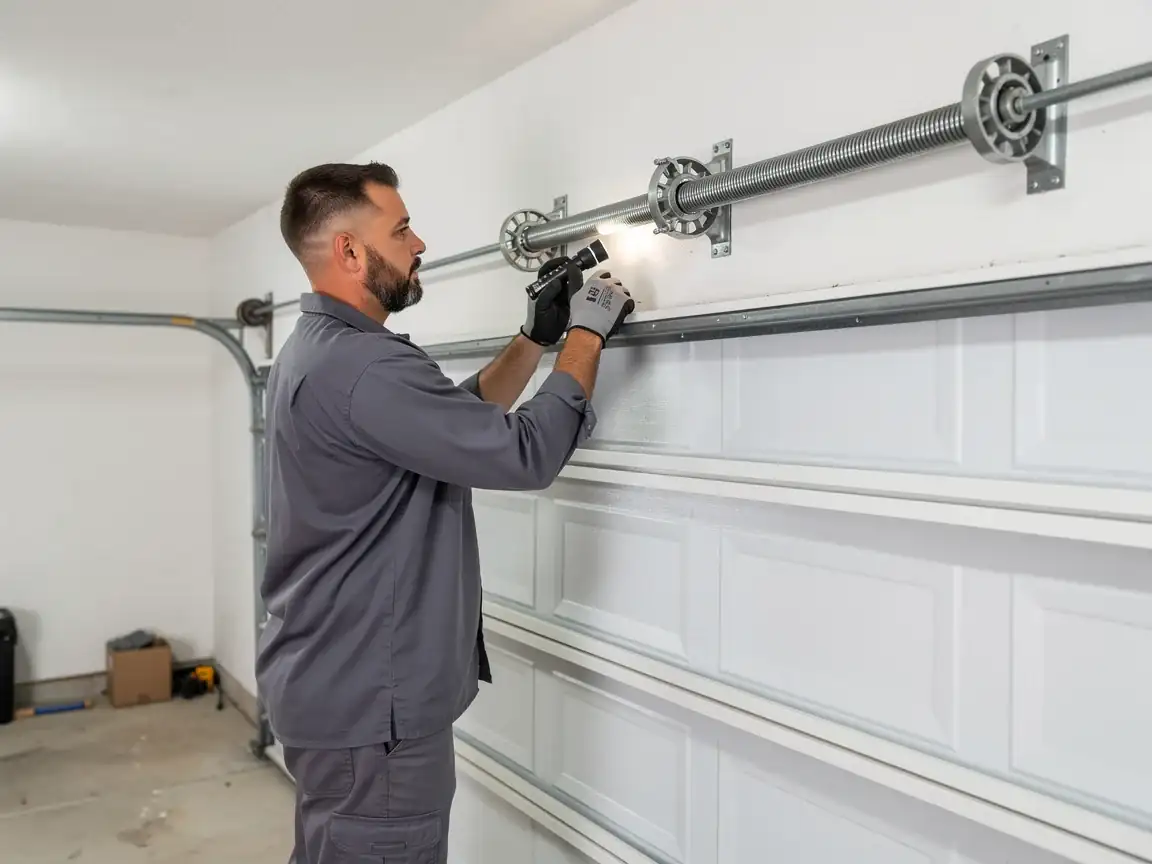
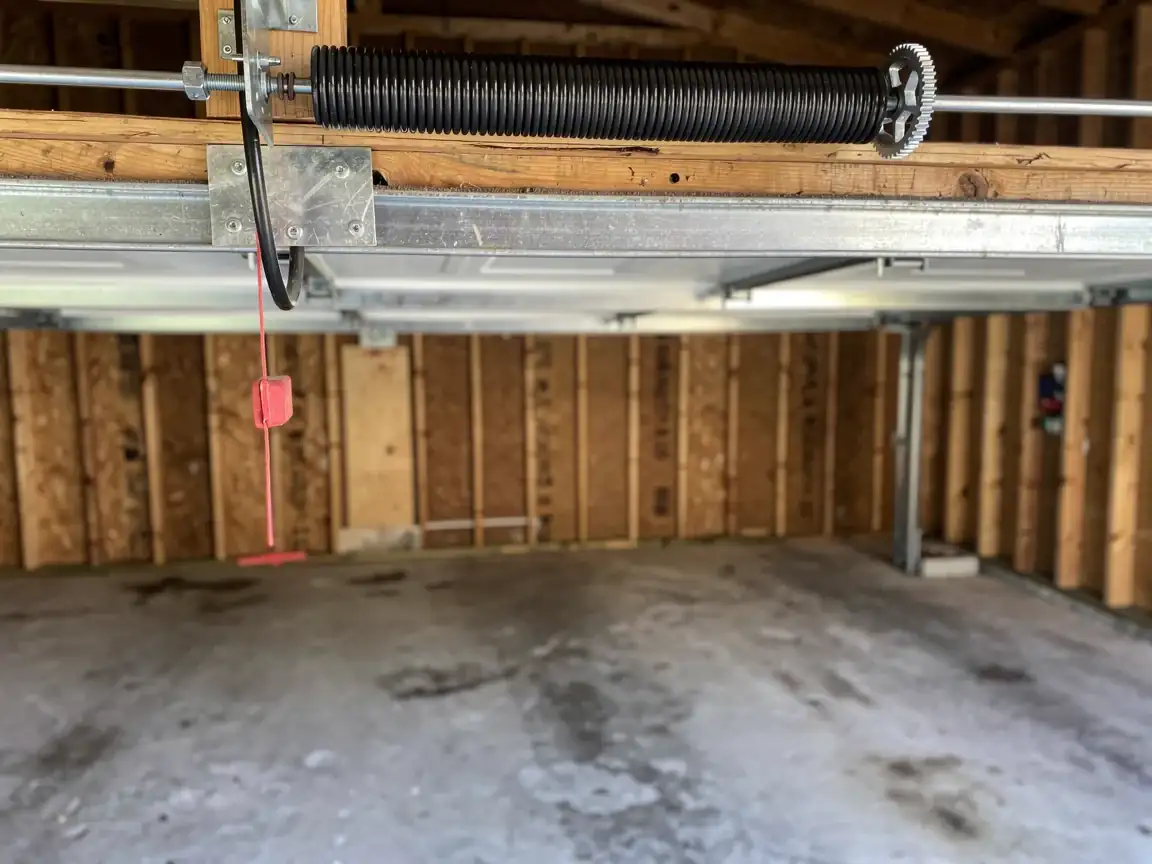
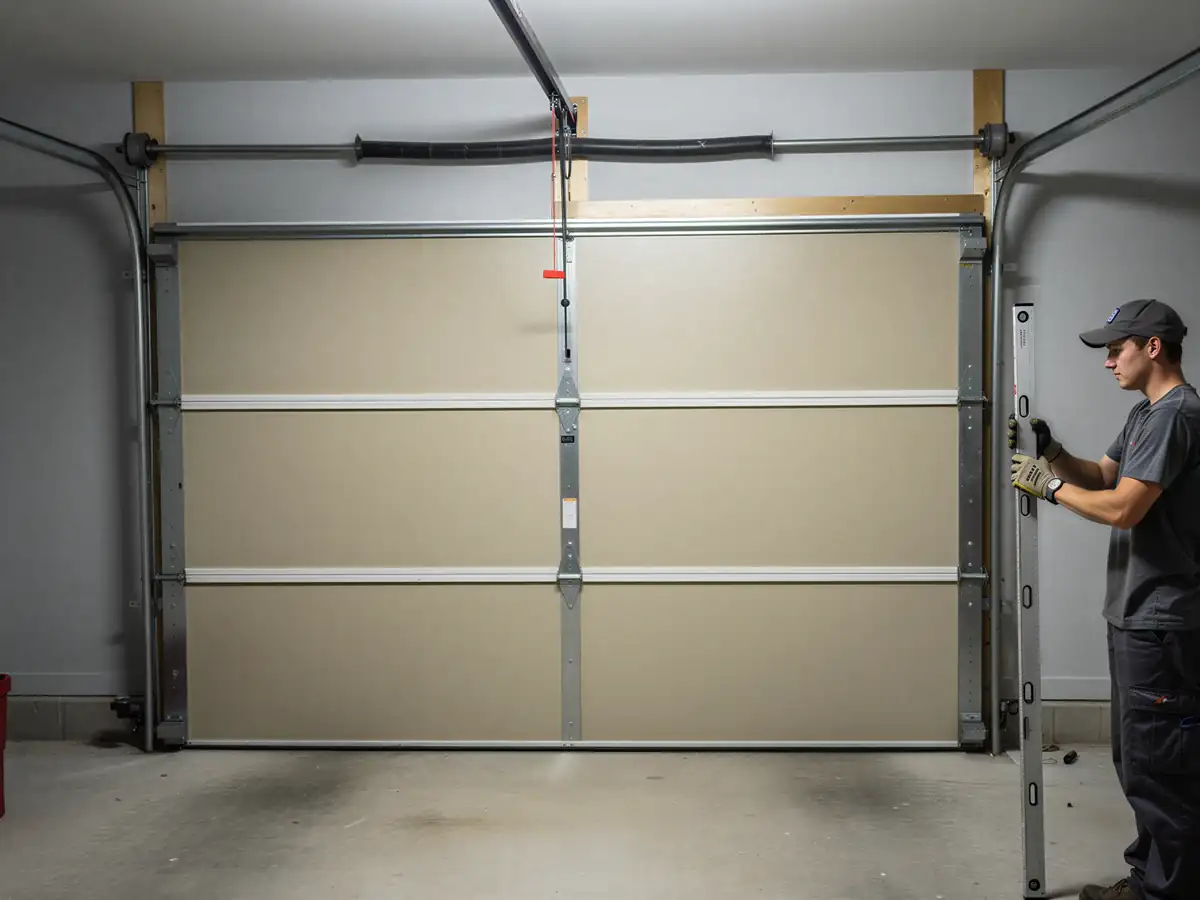
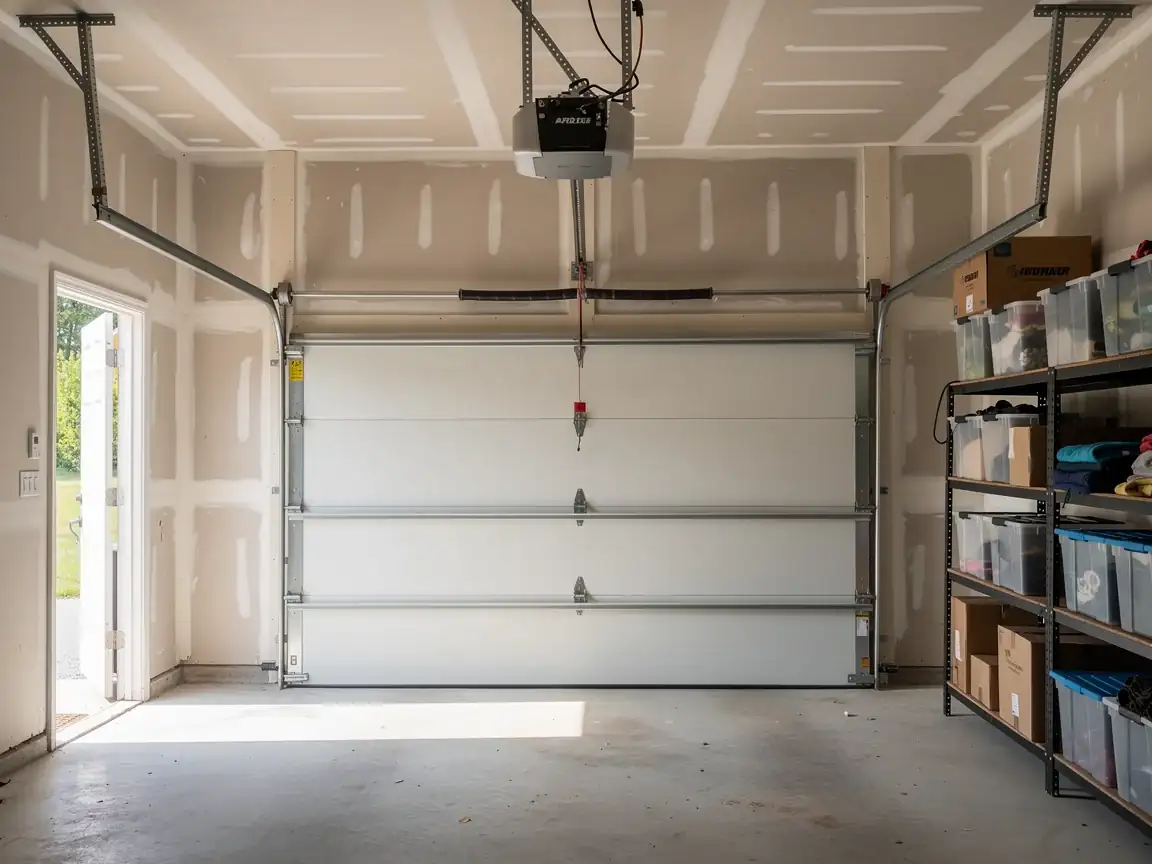
What you can safely do yourself: look. With the door down, check both cables where they wrap the bottom bracket and where they spool onto the drum near the top. Broken strands look like little wires poking out, almost like a frayed shoelace. If you see that on one side, assume the other side is close behind - they wear at close to the same rate since they've seen the same heat and the same cycles.
We'll say the honest thing here: if your cable has already jumped the drum or the door is sitting crooked, don't try to force the door open or closed to get your car out. That's the fastest way to turn a cable job into a cable-plus-track-plus-panel job. Leave it down and call it in.
What the Fix Involves
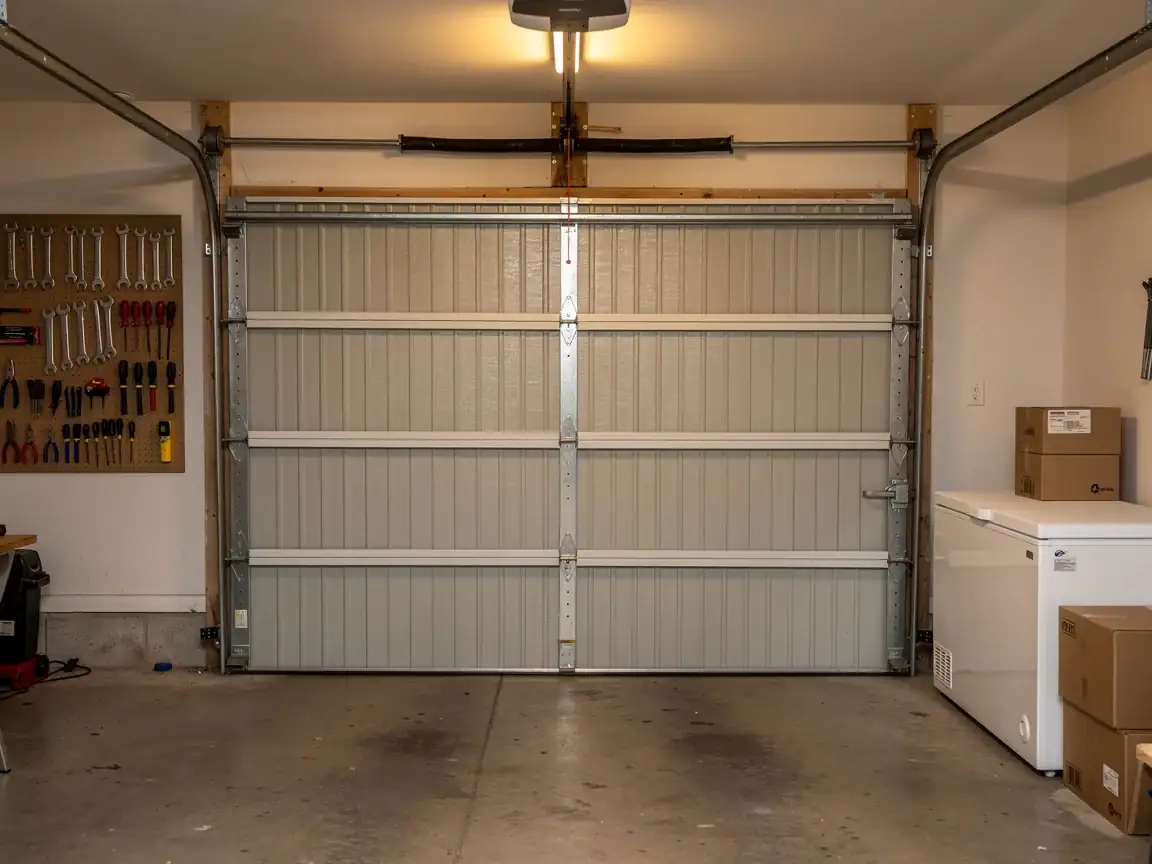
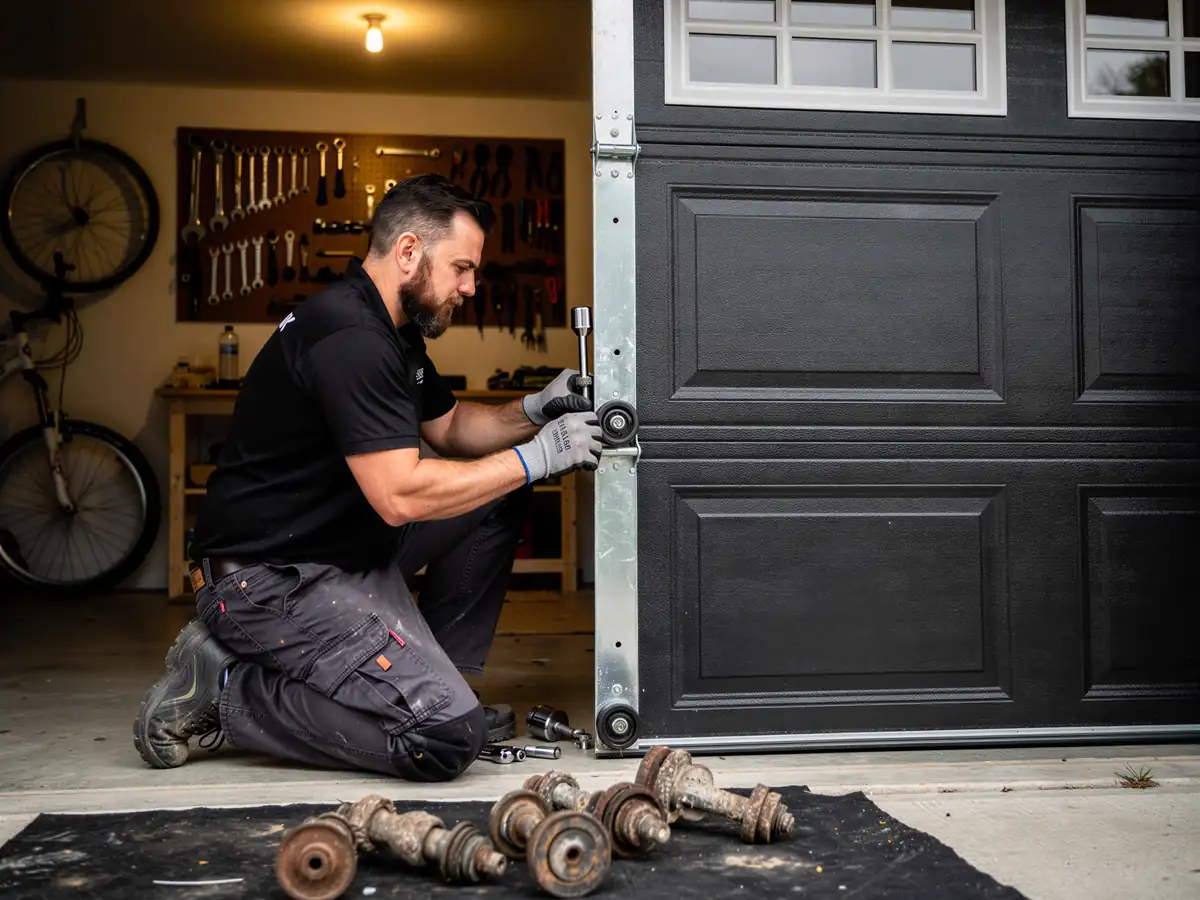
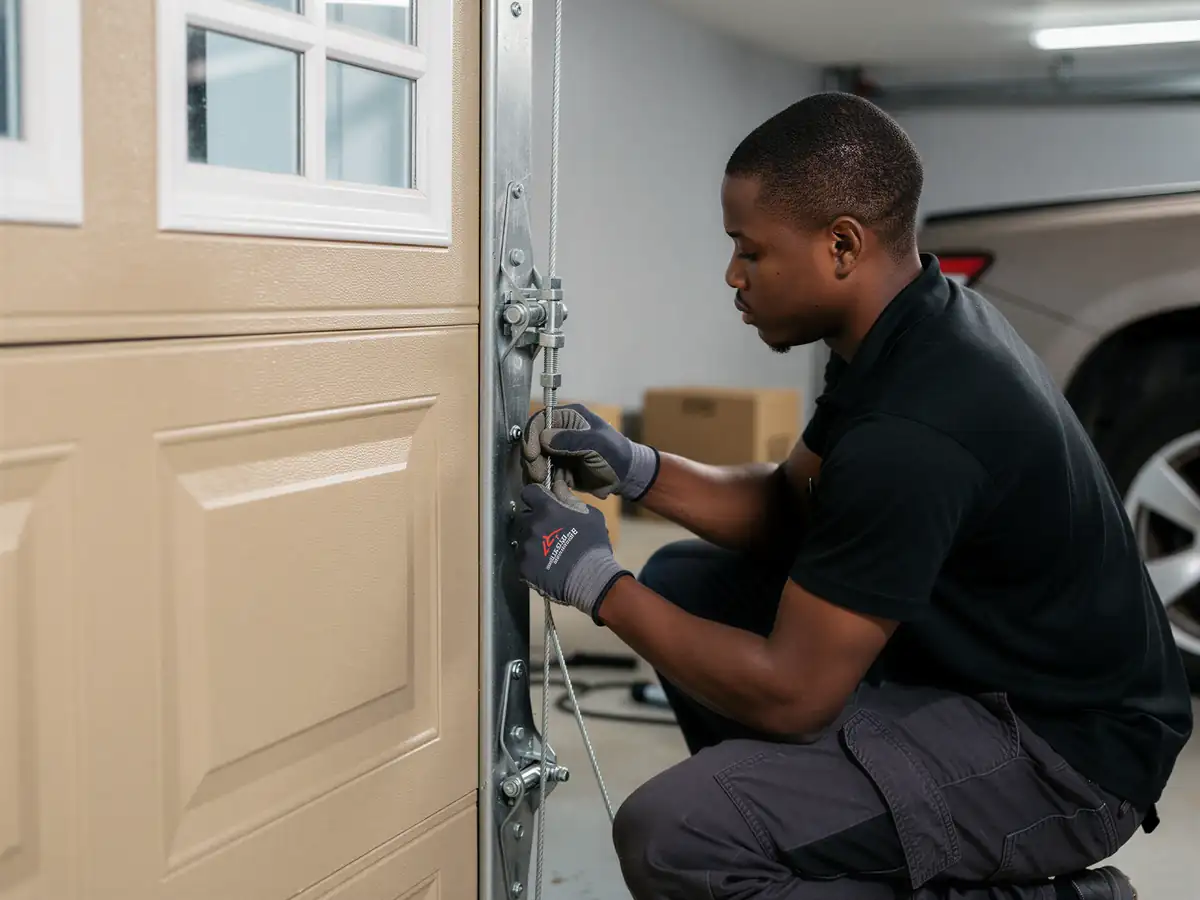
Cable repair means relieving spring tension safely, pulling the old cables off the drums and bottom brackets
And running new galvanized cable sized to your door's weight and drum diameter. We replace both cables as a pair, even if only one has failed - given the shared heat exposure across this climate band, a cable that failed from age means its twin is usually within a season of doing the same thing, and opening the door back up to do a second cable job a few months later costs more than doing both now.
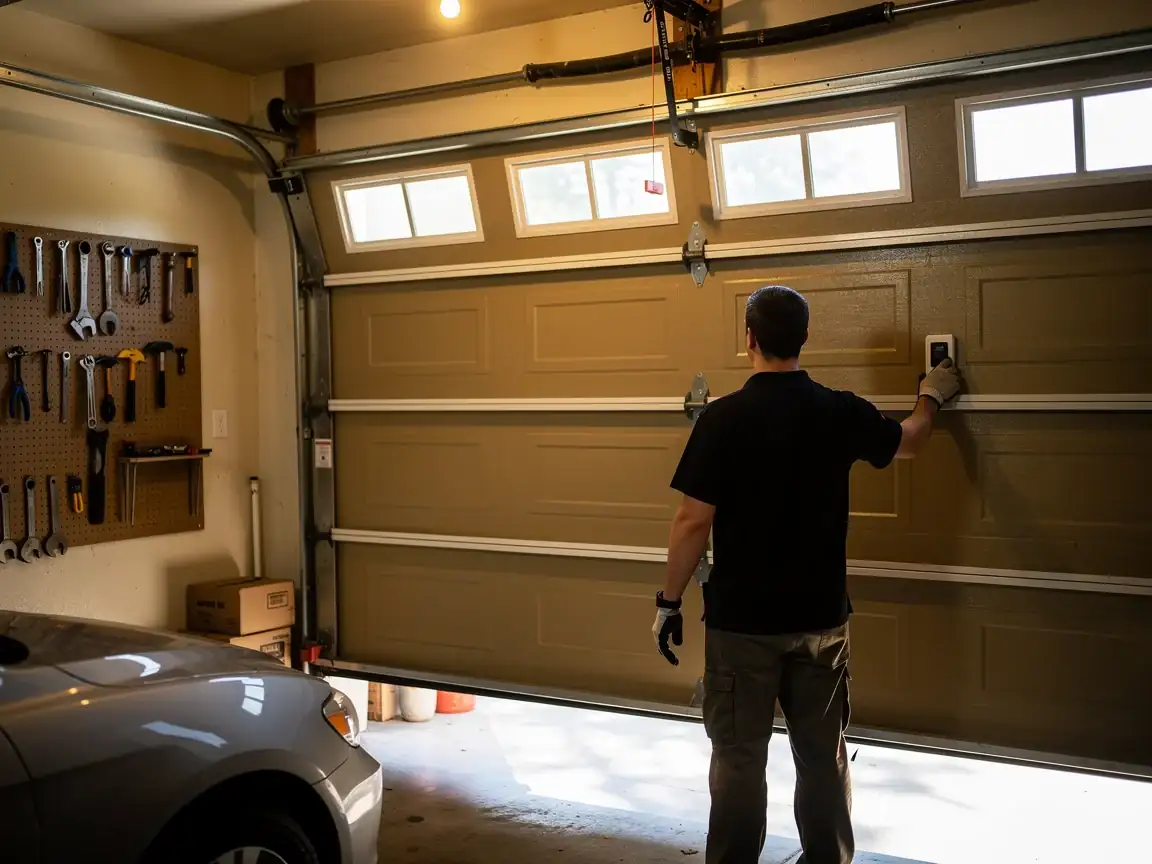
After the new cables are on, we re-tension the springs and run the door through full cycles to check that it tracks evenly and the drums are seated right
A cable that spools unevenly on the drum will fail again regardless of how new it is. If the drums themselves are worn or cracked from running against a failing cable, we'll flag that separately rather than bolt new cable onto bad hardware.
One limit worth stating plainly
If the bottom bracket has pulled loose or deformed, that's a structural repair beyond a standard cable swap, and we'll tell you before we start rather than after.
What You Are Seeing
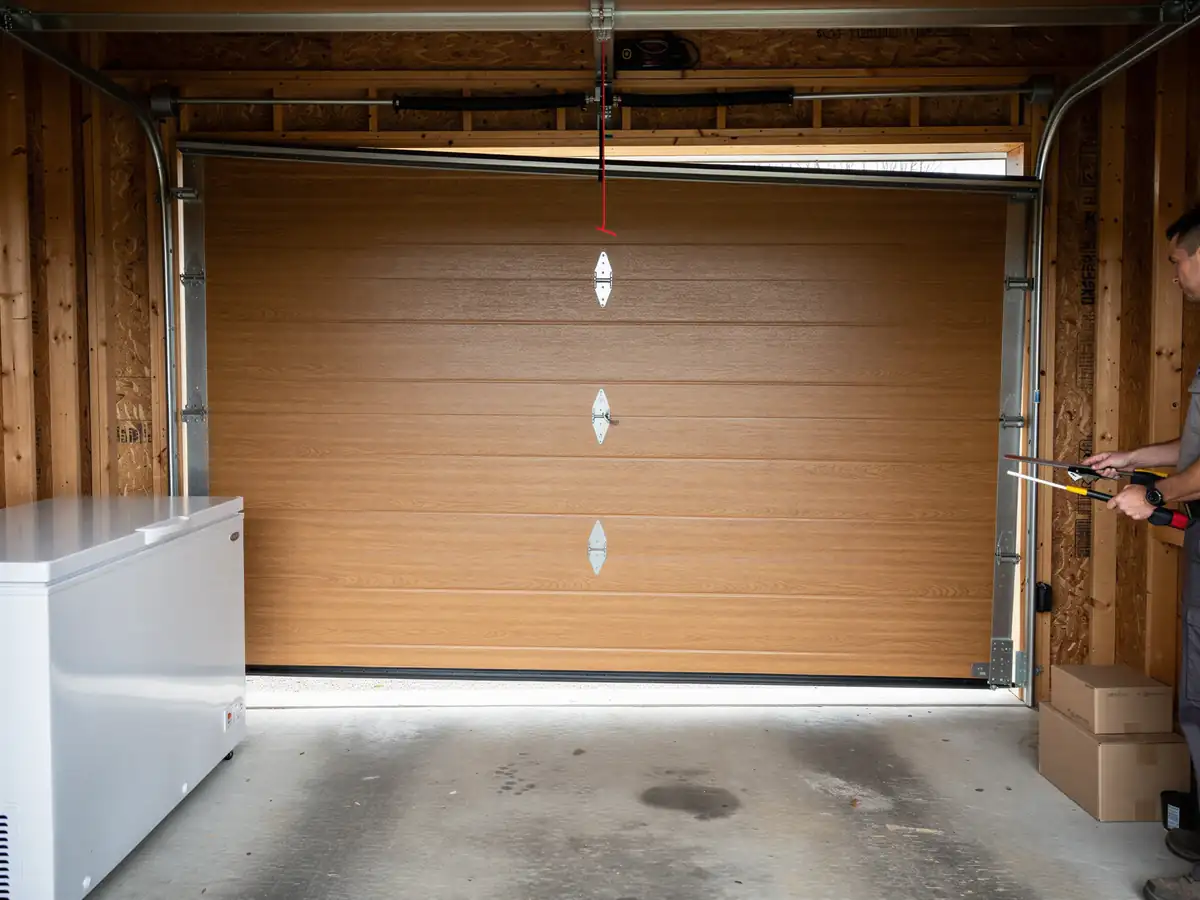
The signs of cable trouble are pretty consistent: the door hangs crooked in the opening, one side noticeably lower than the other. You might hear a snap or a loud pop right before it happens, or notice the door suddenly feels heavier on one side when the opener is straining to lift it. Sometimes a cable comes off the drum entirely and you'll see it hanging slack or wound up wrong next to the spring.
If the door won't move at all and the opener just hums, that's often a cable off the track jamming the whole mechanism, not a motor problem. Don't keep hitting the remote - that can strip the opener's gear trying to force a door that physically can't move.
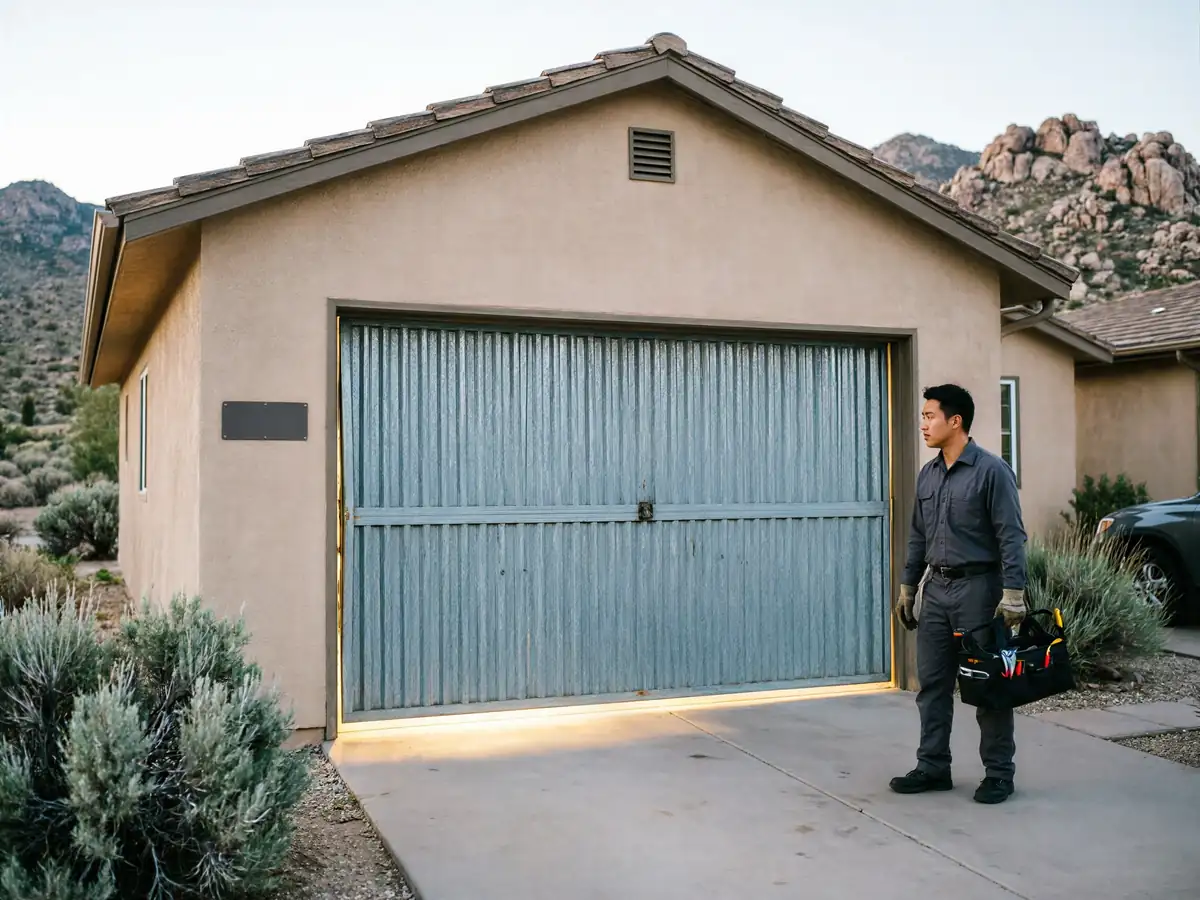
We cover this repair across the wider desert service area, including communities like Rancho Mirage, Thousand Palms, Desert Hot Springs, and the other towns within roughly a 20-mile radius of Palm Springs. If you're in one of those areas, the housing stock and heat exposure that drive this failure are the same ones described above.