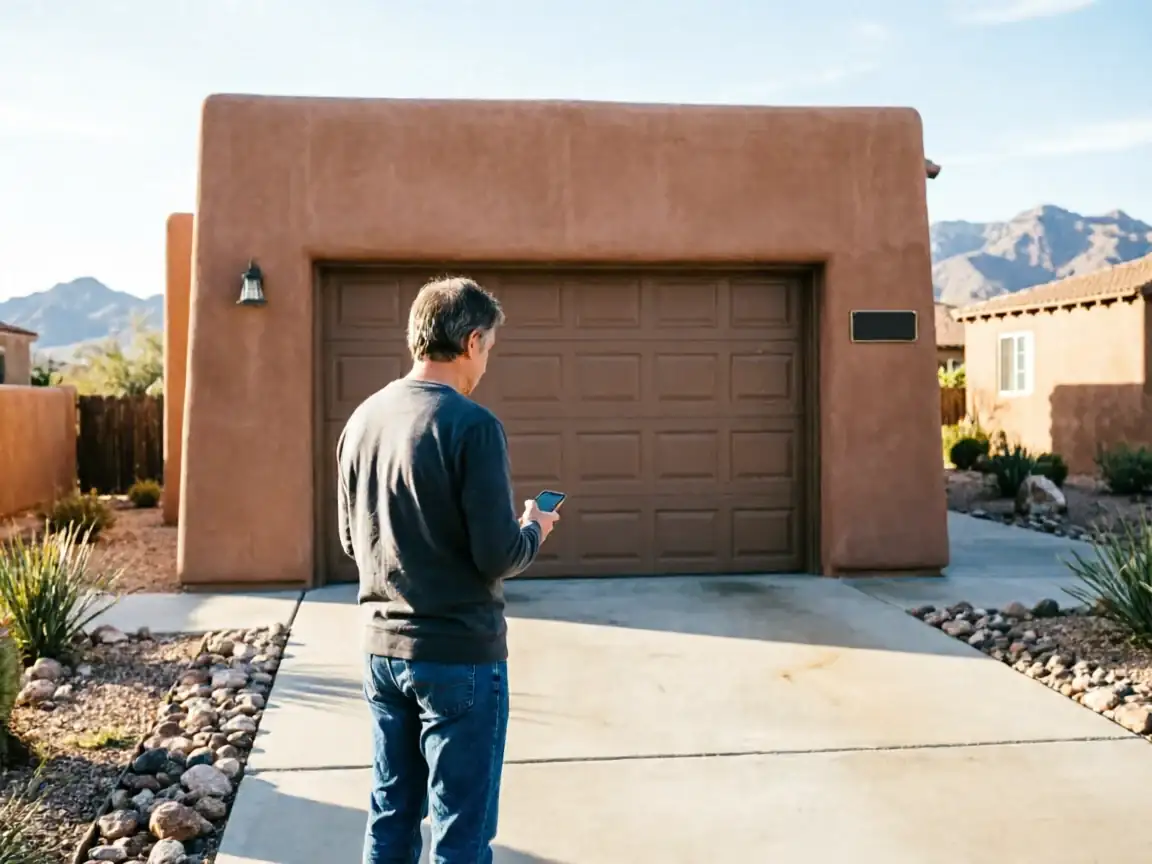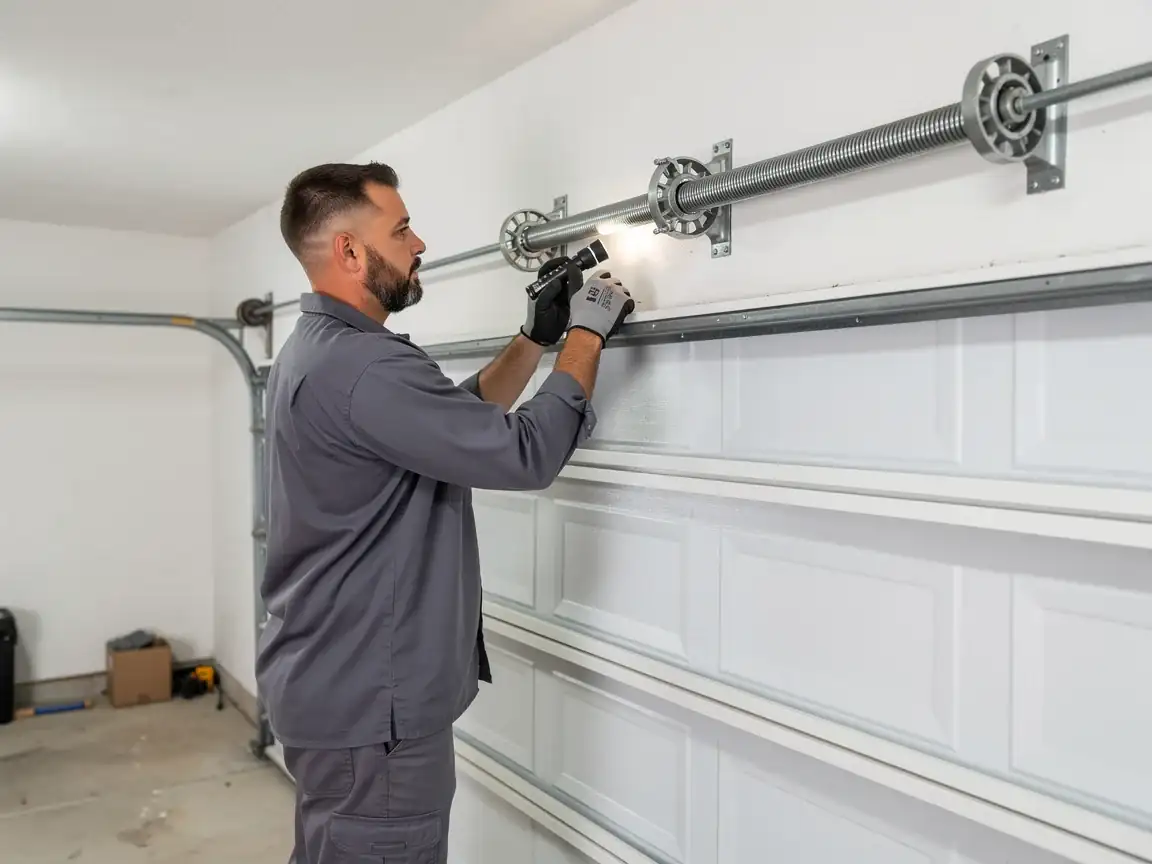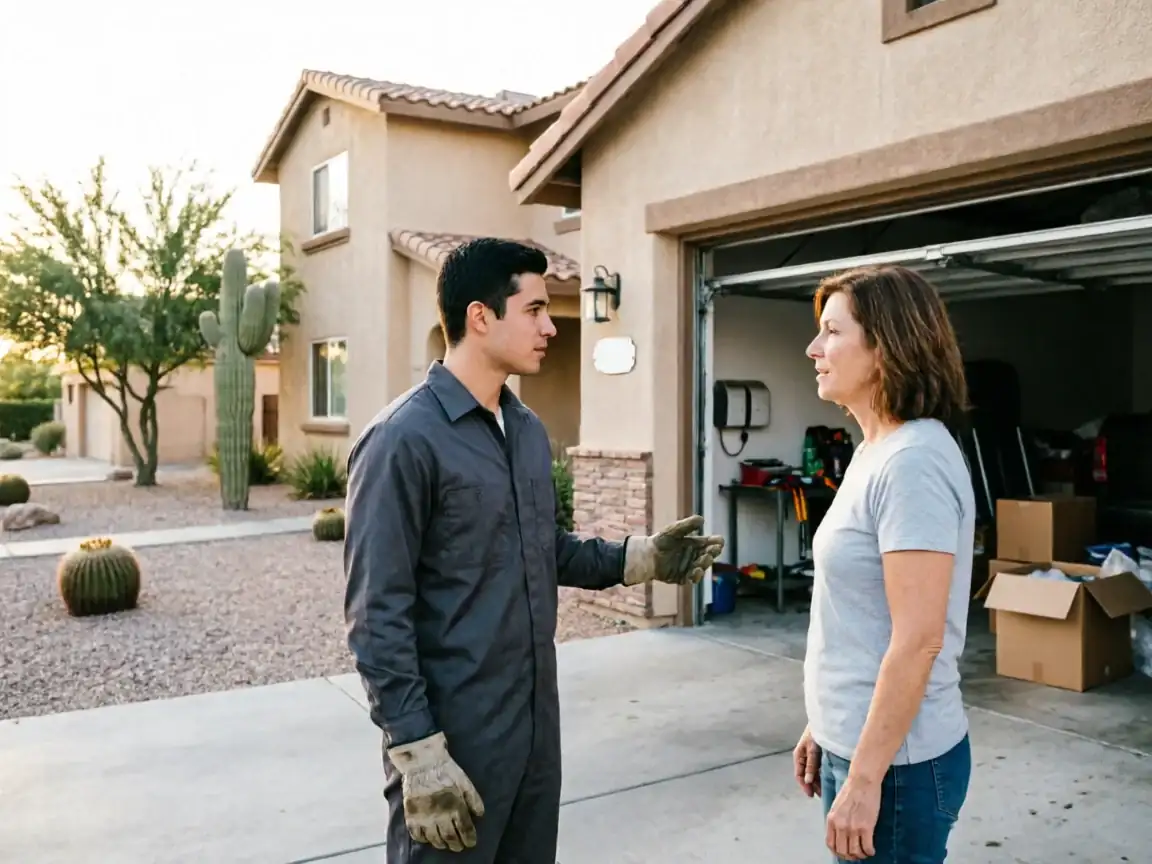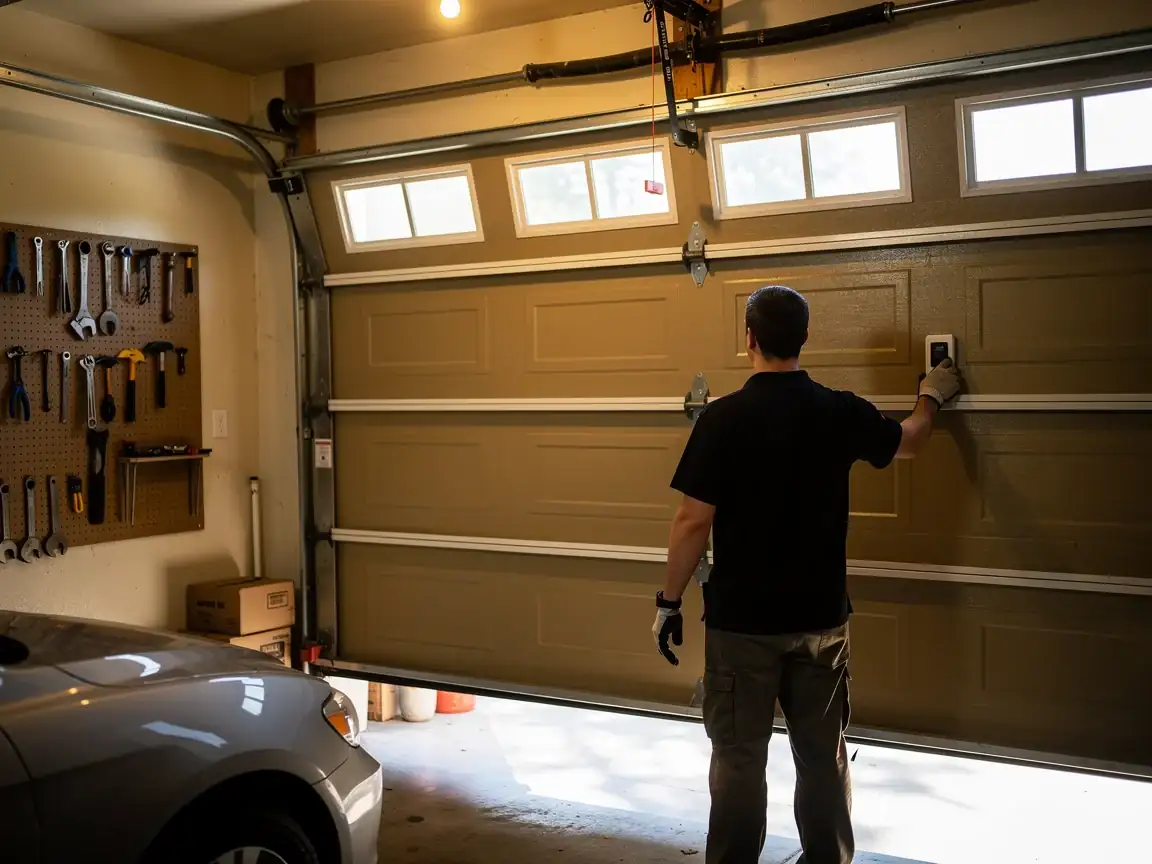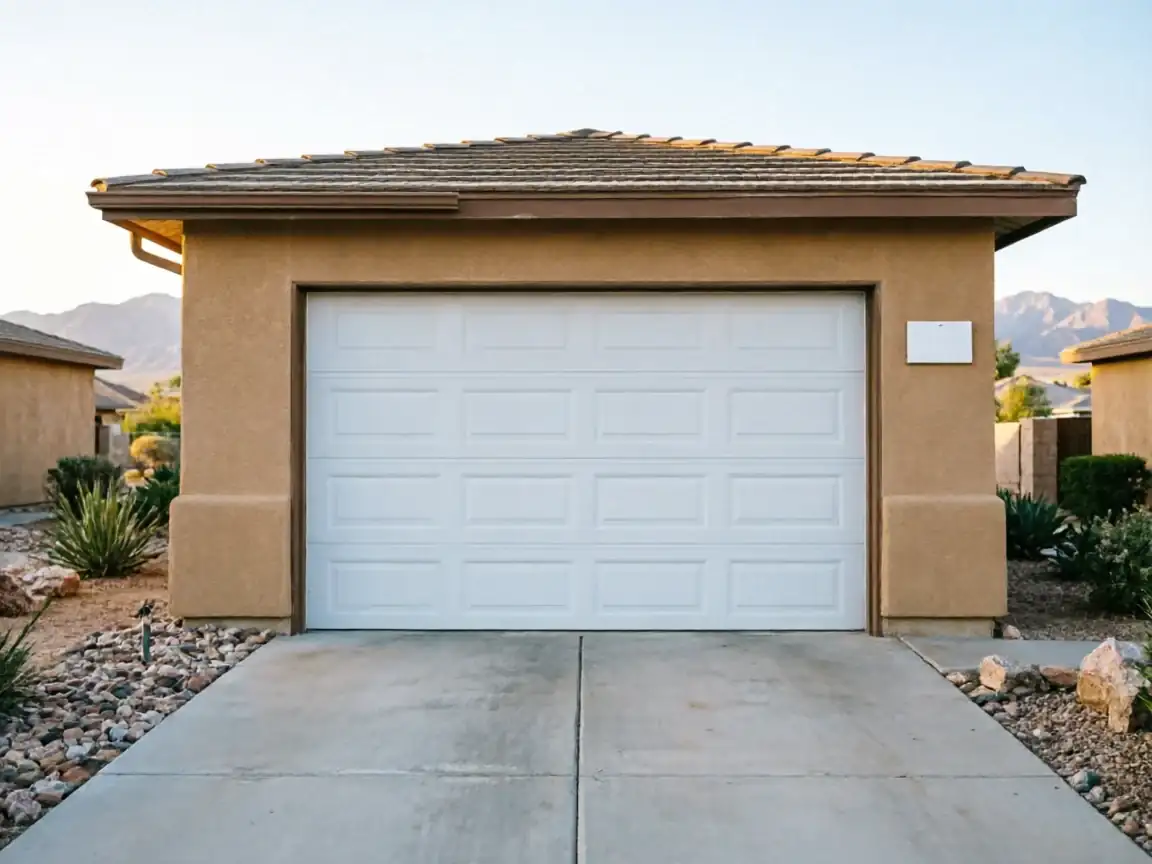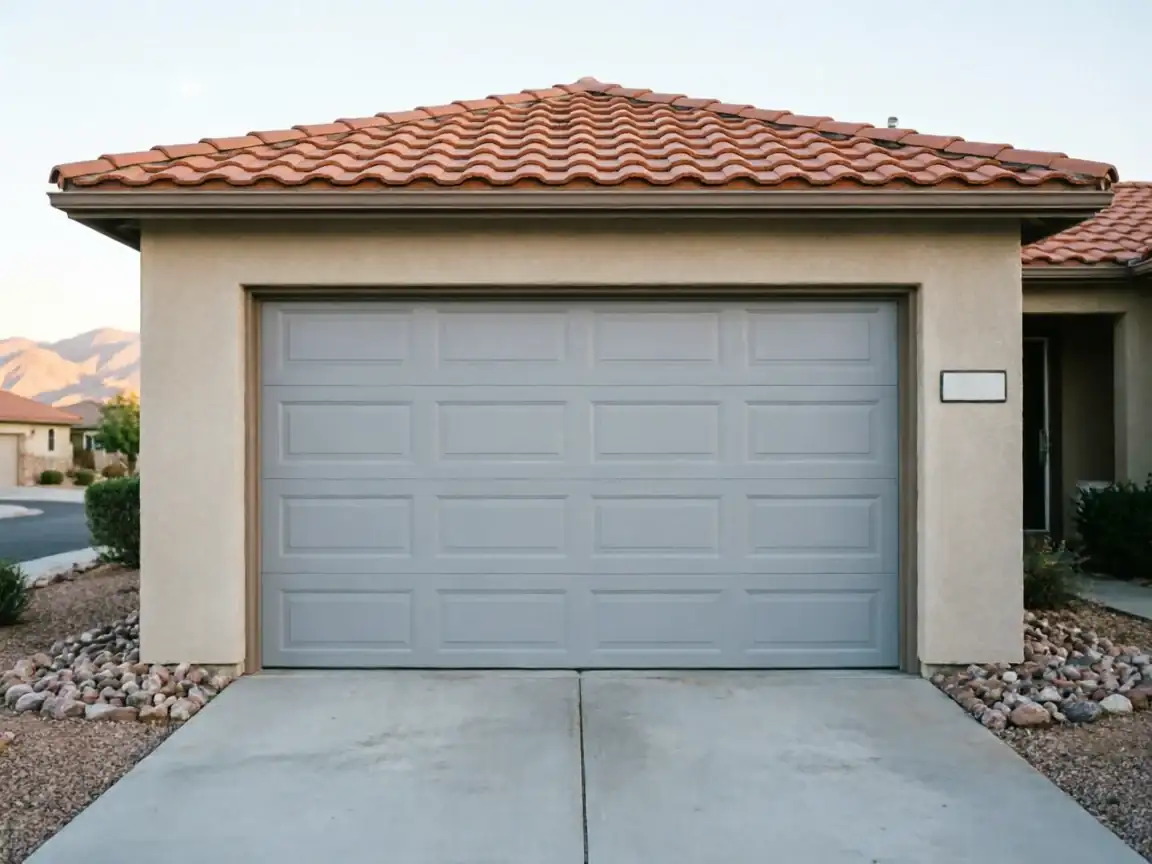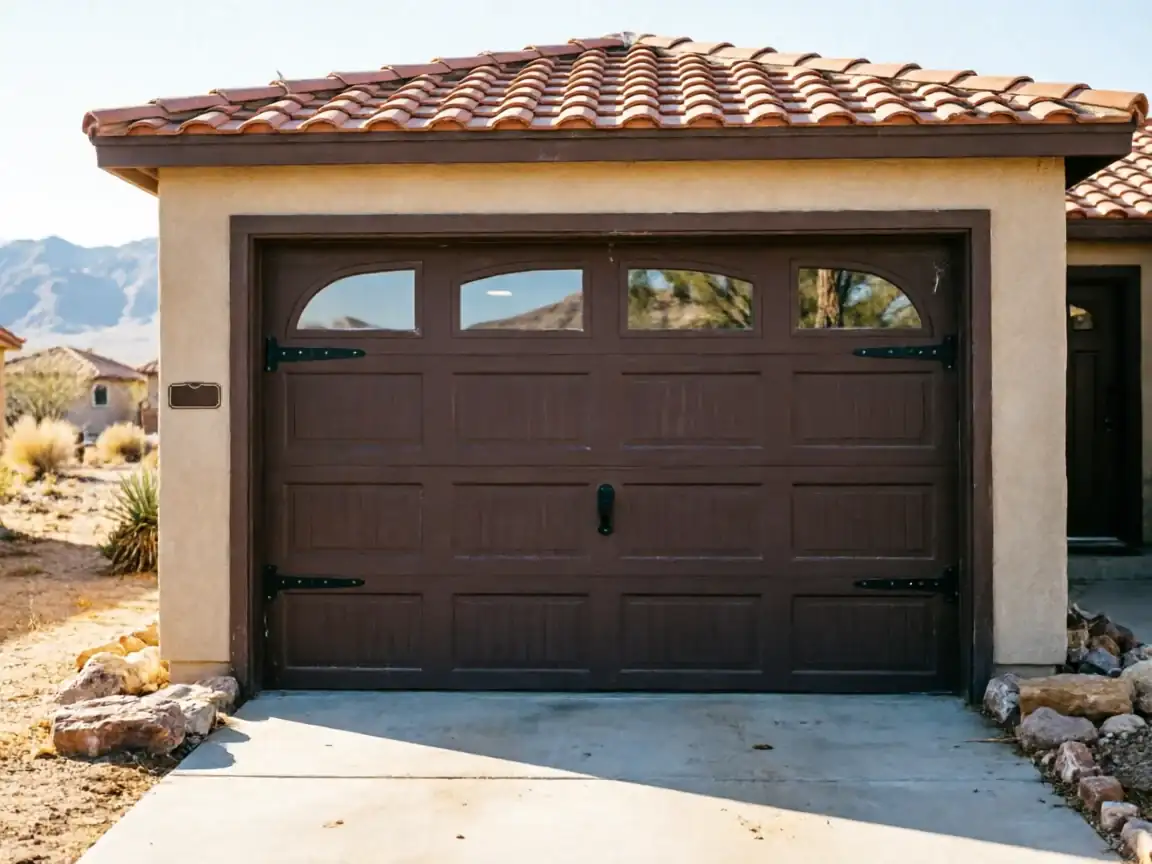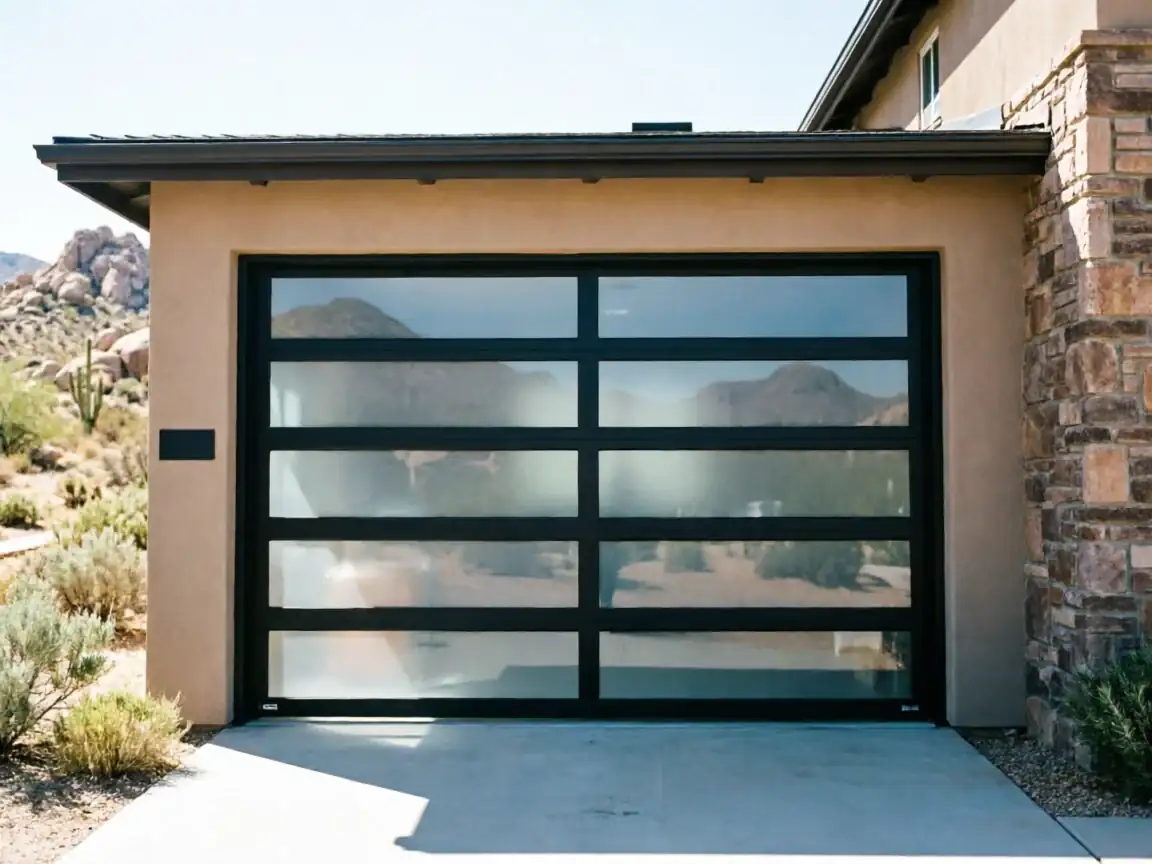
What You Are Seeing
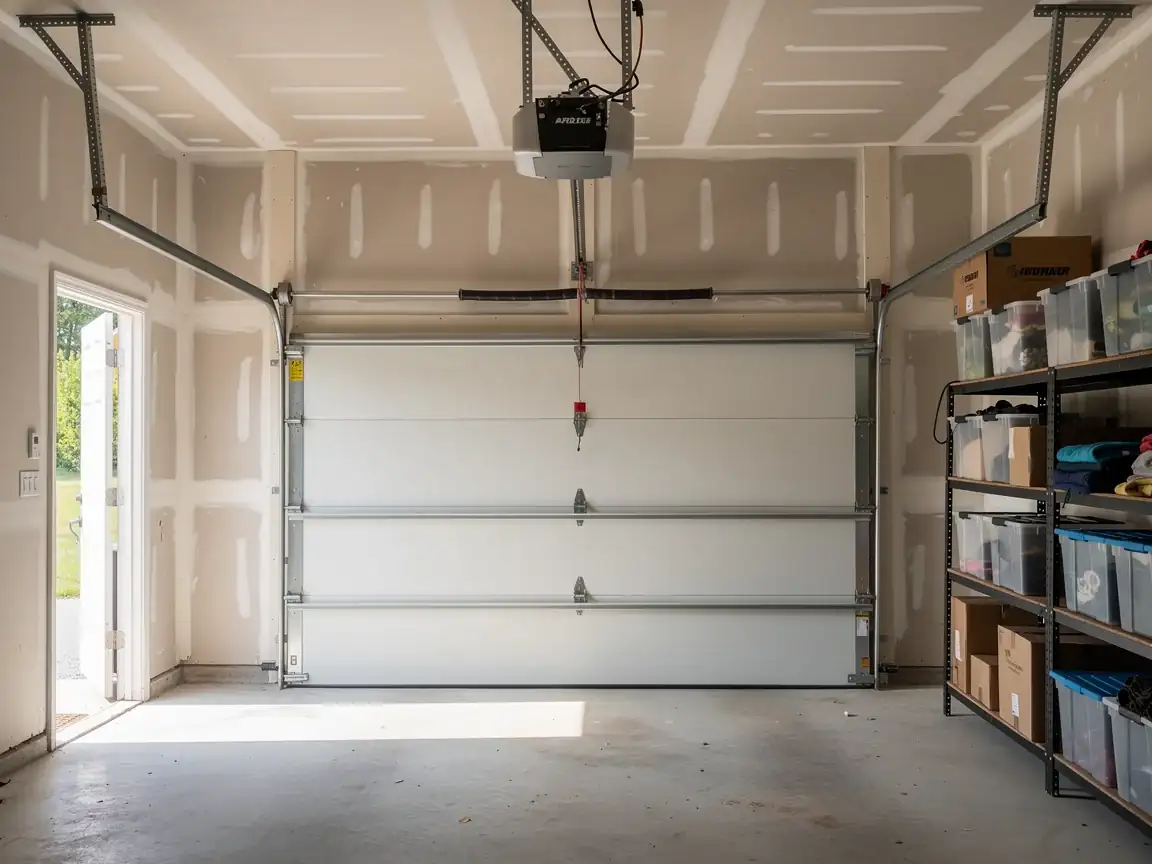
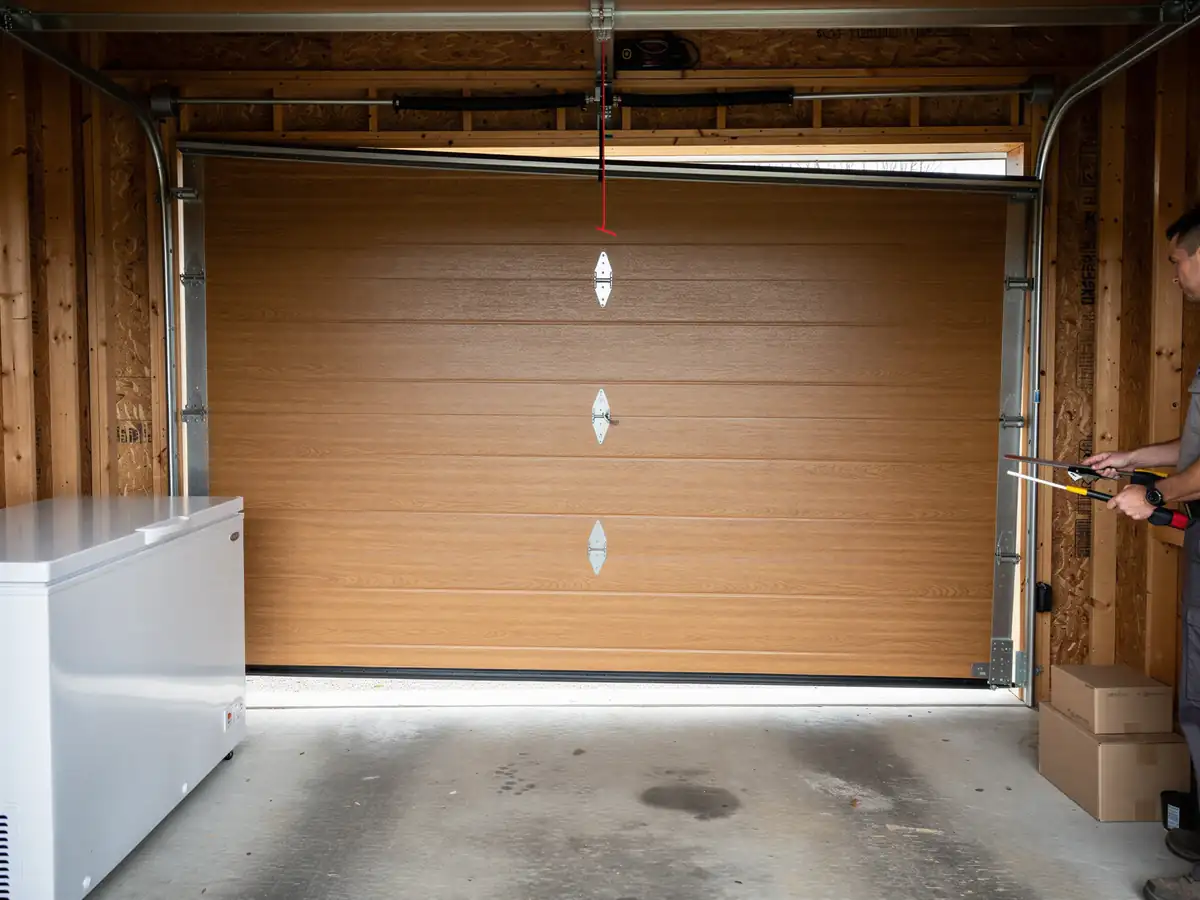
Most houses in Garnet went up around 1994, which puts the opener hardware behind a lot of these doors right at or past the 30-year mark. If nobody's swapped it, you're almost certainly looking at a chain-drive unit with an incandescent bulb socket, a logic board with no battery backup, and wall buttons wired straight to the head unit - no keypad, no app. That era of opener used steel drive gears that wear down to a fine plastic dust inside the housing, and that dust is usually the first clue something's wrong before the motor actually quits. With 2,119 households in Garnet and most of this area's stock going in during the same late-'80s-through-'90s building run, this isn't a one-off - it's the pattern across the whole area. What you're seeing when the opener grinds, stutters, or reverses for no reason is usually original gear wear, not a fluke. A door that won't close all the way and a light that flickers before the motor kicks in both point to a board or capacitor that's simply run its full life.
Can You Do This Yourself
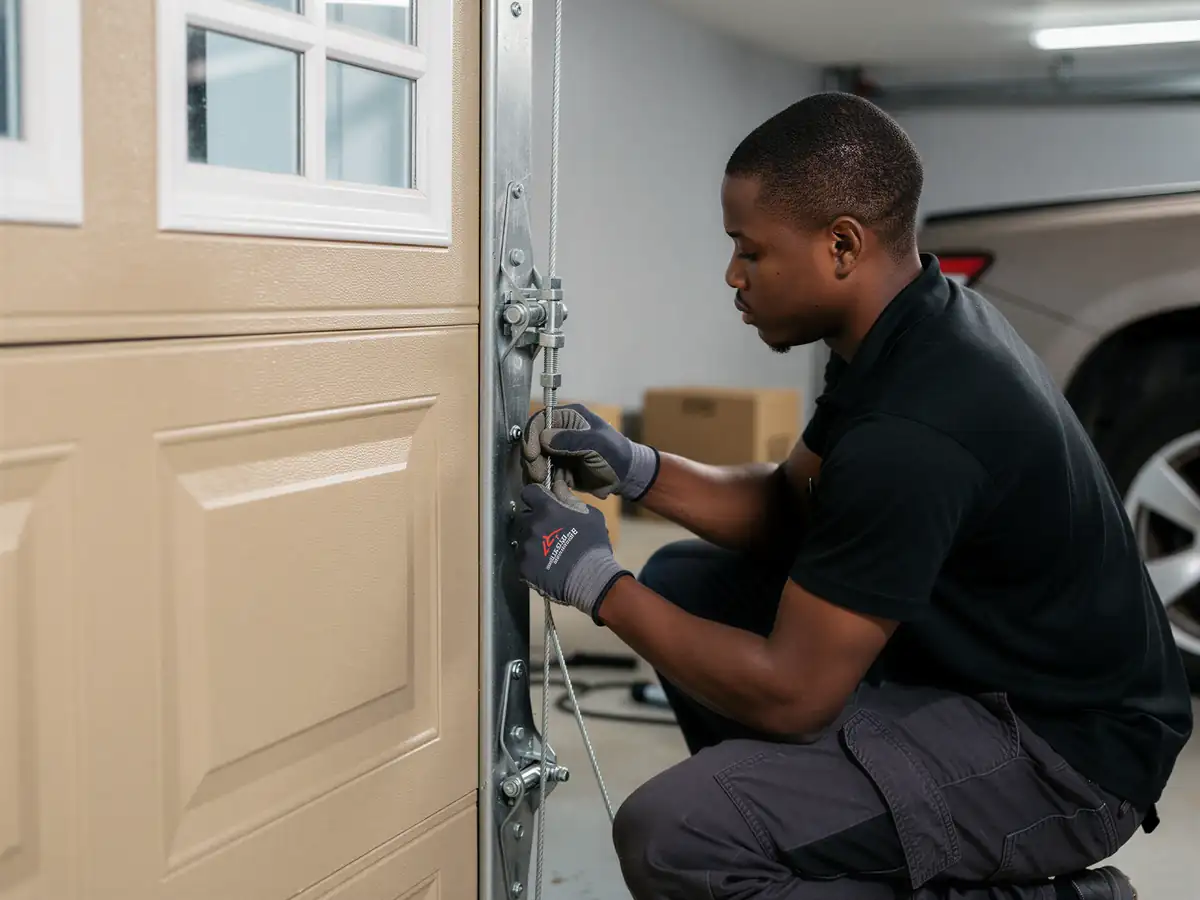
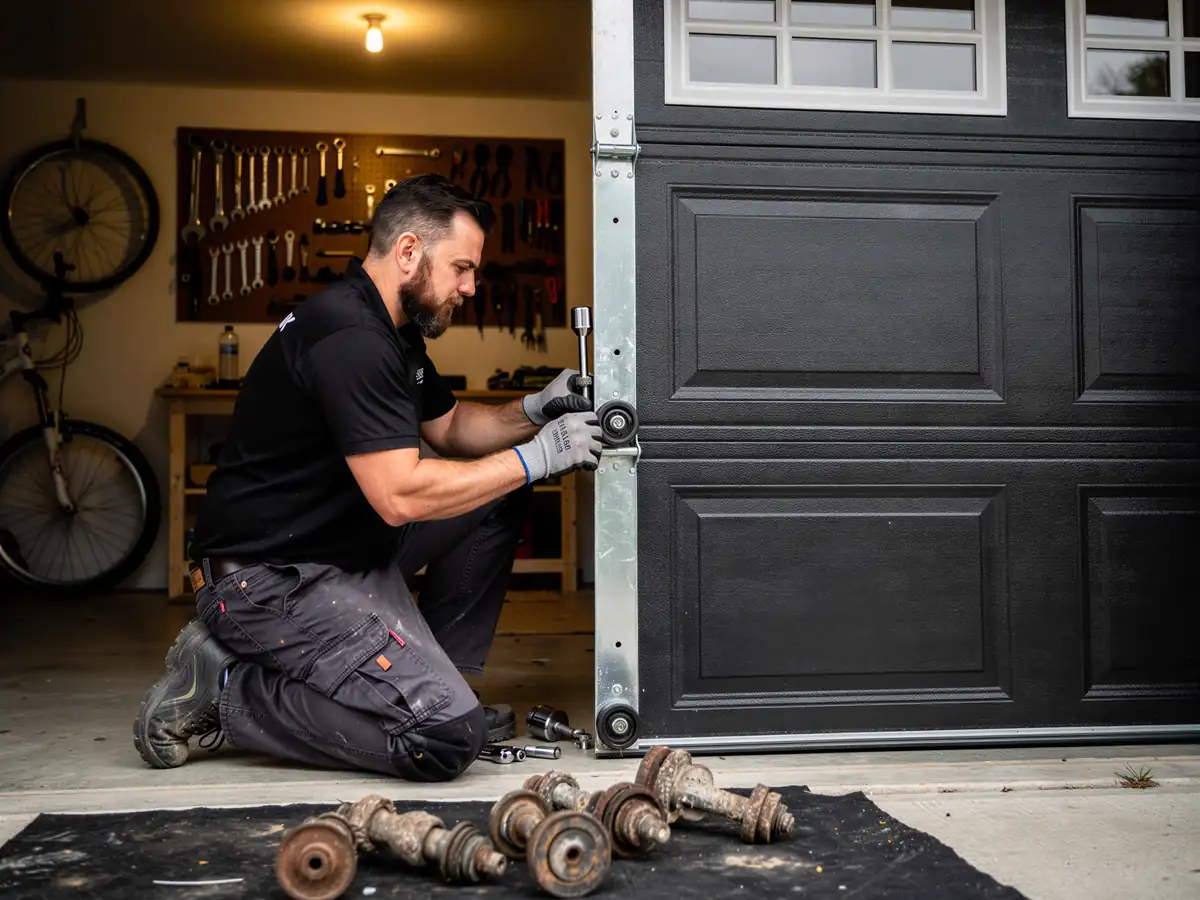
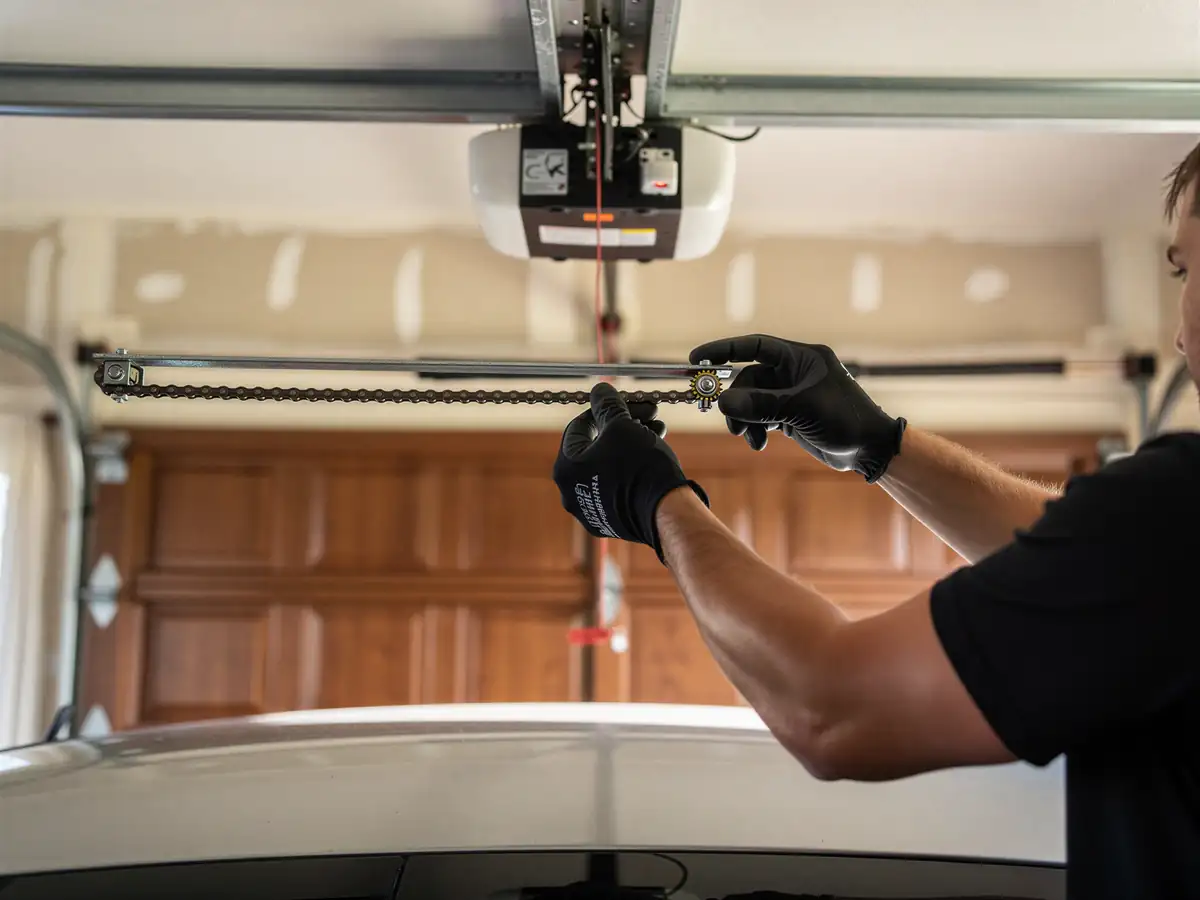
Some of this is fair game for a homeowner. Replacing the bulb, cleaning the photo-eye sensors (a pair of small boxes near the floor on each track, often knocked out of alignment by a broom or a bike), reprogramming a remote, and tightening the mounting bracket on the motor unit are all reasonable weekend jobs with a stepladder and a screwdriver. Where it stops being a DIY job is the motor housing itself. On a chain-drive unit this old, the sprocket and drive gear are usually both original, and opening that housing exposes you to a wound spring and a capacitor that can hold a charge after the unit's unplugged. If the opener runs but the door doesn't move - chain's moving, carriage isn't - that's a stripped gear or a sheared chain, and it's an easy fix once the housing's open, but not one to learn on the first try. If the door won't open at all and the motor hums without turning over, that's a capacitor, and those aren't sold at a hardware store in a form that fits a 1994 head unit. That's the honest line: bulb and sensor, yes; housing and capacitor, call someone.
The Complications
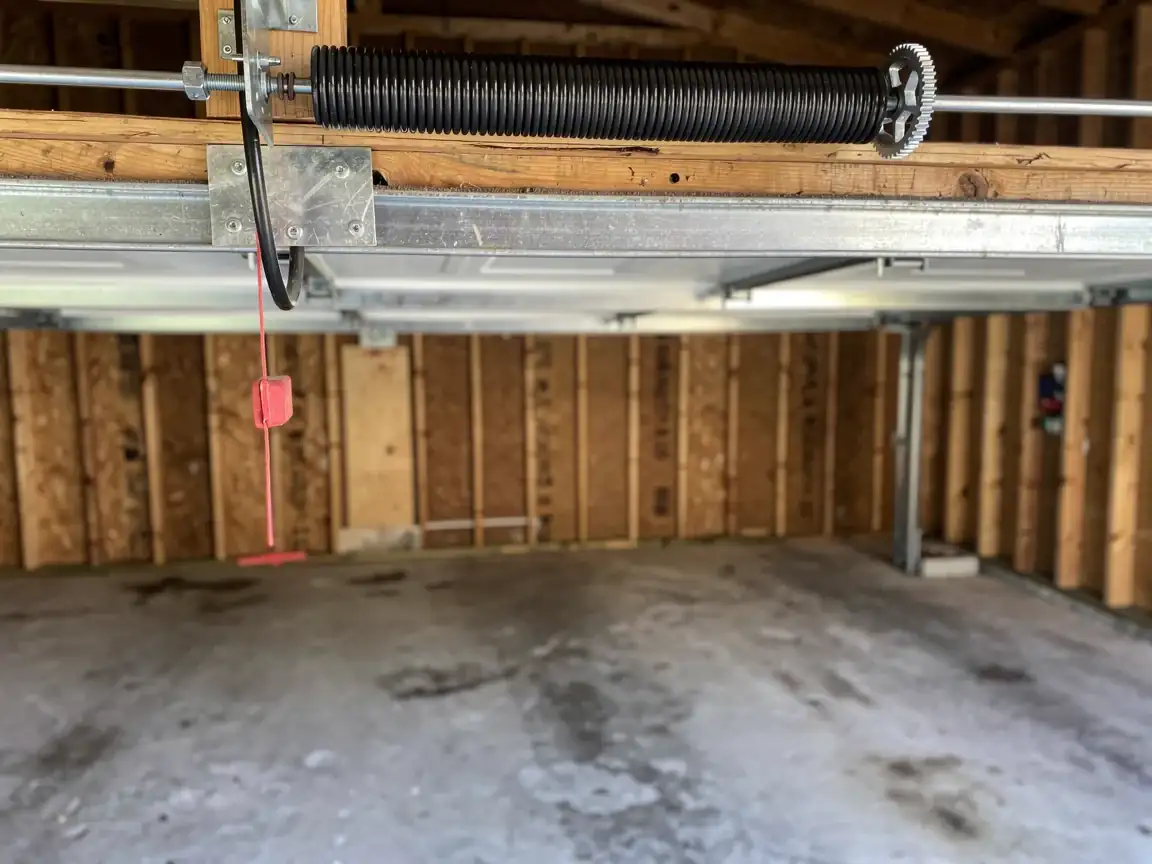
This part of the valley runs hard heat for a large chunk of the year, and an opener motor housing sitting against a garage ceiling bakes right along with the attic above it. Heat is rough on capacitors specifically - they're the component most likely to fail first in a severe-heat climate, and on a unit already near 30 years old, that failure often shows up as a motor that hums, tries, and gives up rather than one that dies outright. The other complication is the gear itself: original steel-and-plastic drive gears from the mid-'90s wear unevenly, so a door that worked fine yesterday can jam mid-cycle today with no warning sound at all. We travel out to Garnet from Palm Springs, about 9 miles, so there's no local parts stock sitting in a Garnet garage - if your board needs a part we don't carry on the truck, that's a return trip, not a same-day fix. That's a real limitation and worth knowing before you book a call expecting a one-visit guarantee.
How Long You Are Without the Door
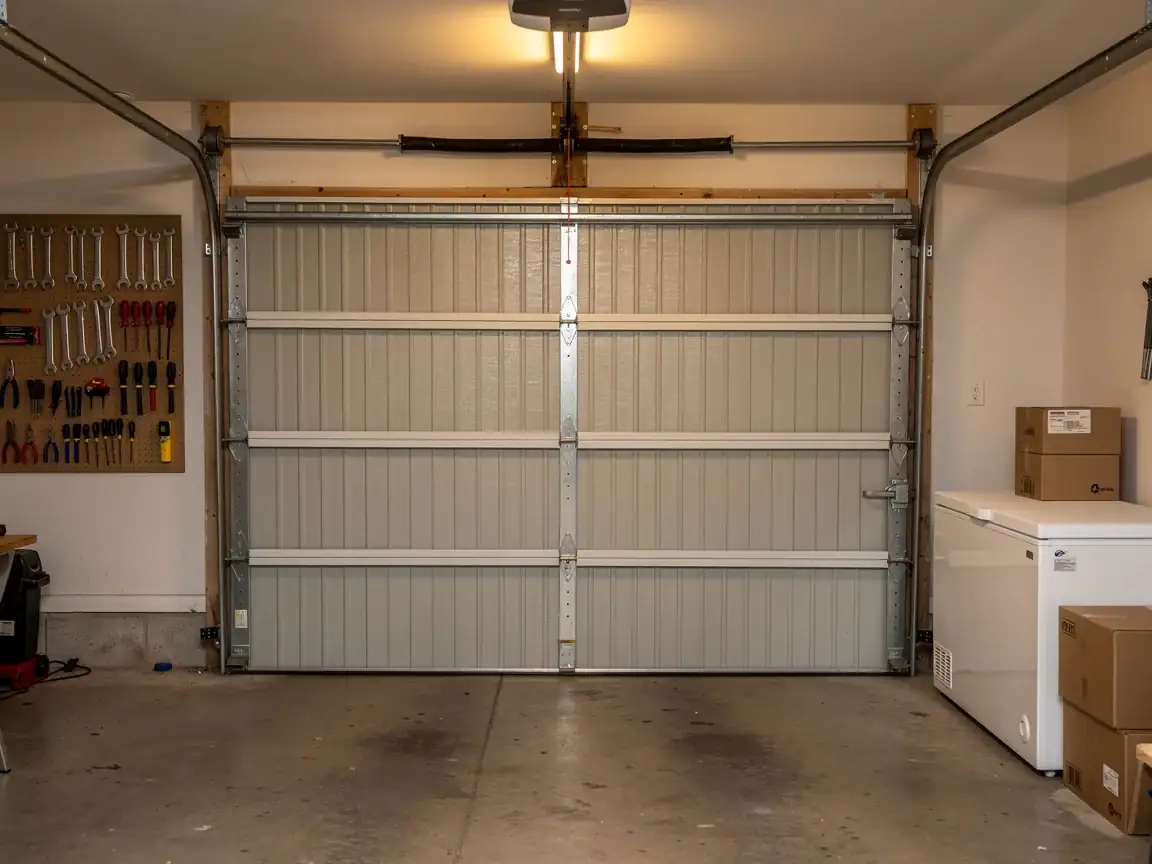
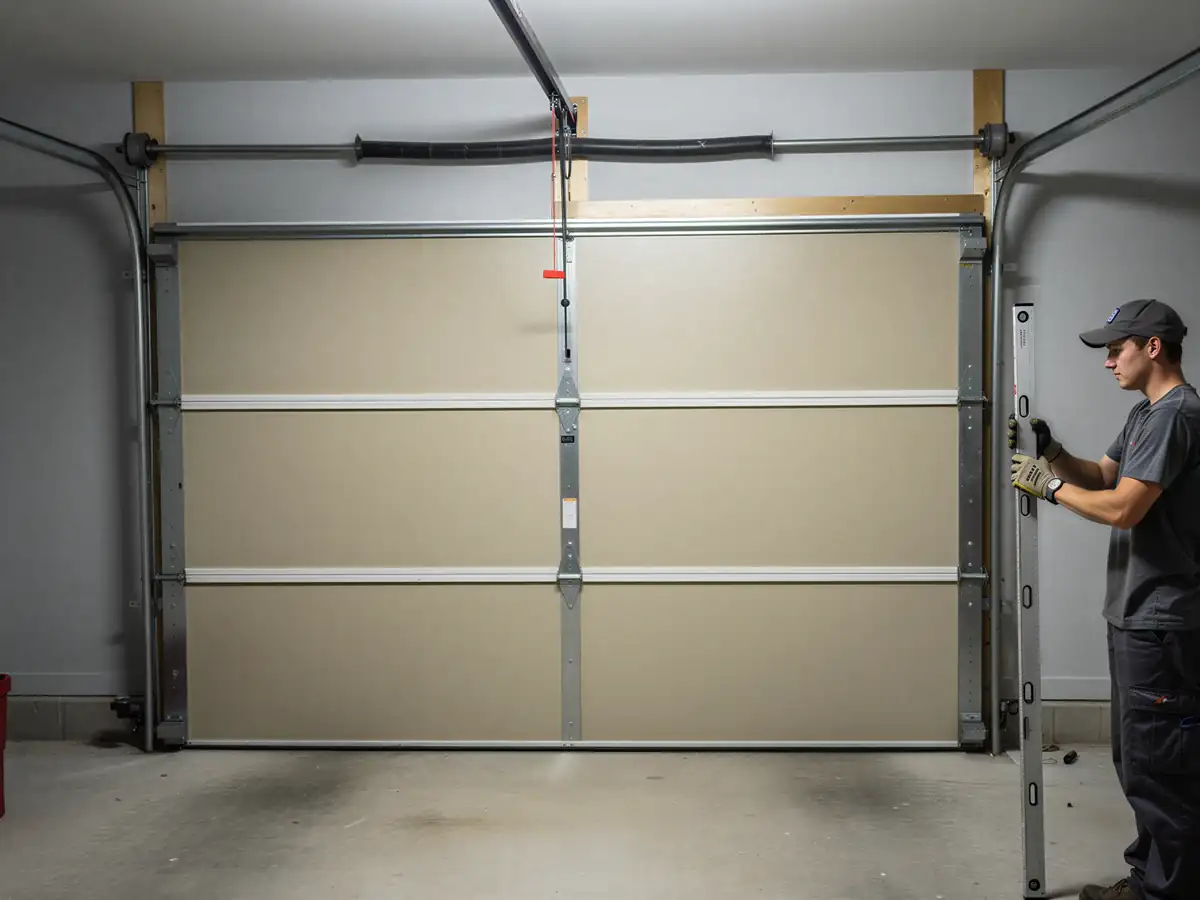
A chain-drive opener on a 1994 Garnet home usually gets diagnosed and fixed in one visit if the problem is the gear, the capacitor, or the sensors - none of those require a part we'd need to special-order. Where you're without a working opener longer is a cracked logic board, since boards for openers this old aren't always sitting on the truck, and we may need to order one before the second visit. In the meantime the door still opens and closes by hand from inside - disengage the red emergency release cord and lift it yourself - so you're not locked out of the garage, just without the motor. Given we're driving in from Palm Springs, about 9 miles out, we schedule the visit rather than promise a same-hour arrival, and that's worth factoring in if the door's stuck shut rather than just slow.