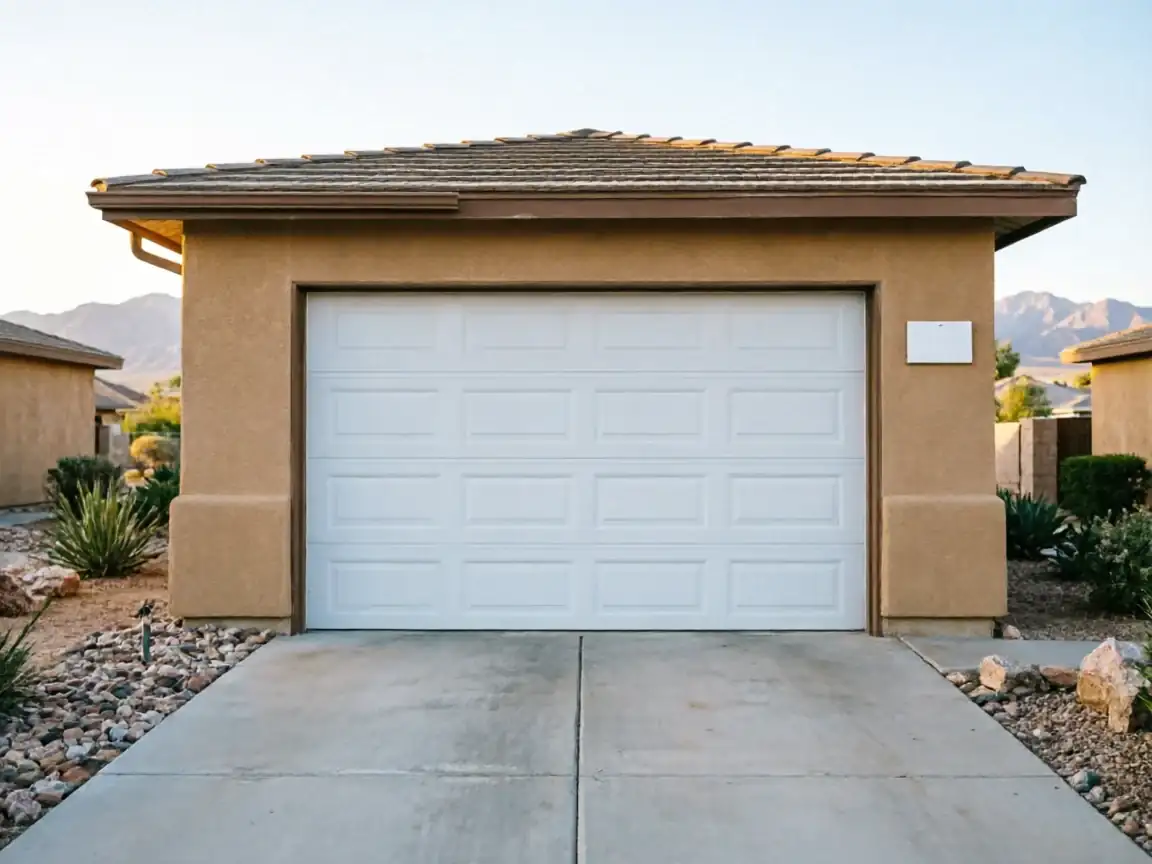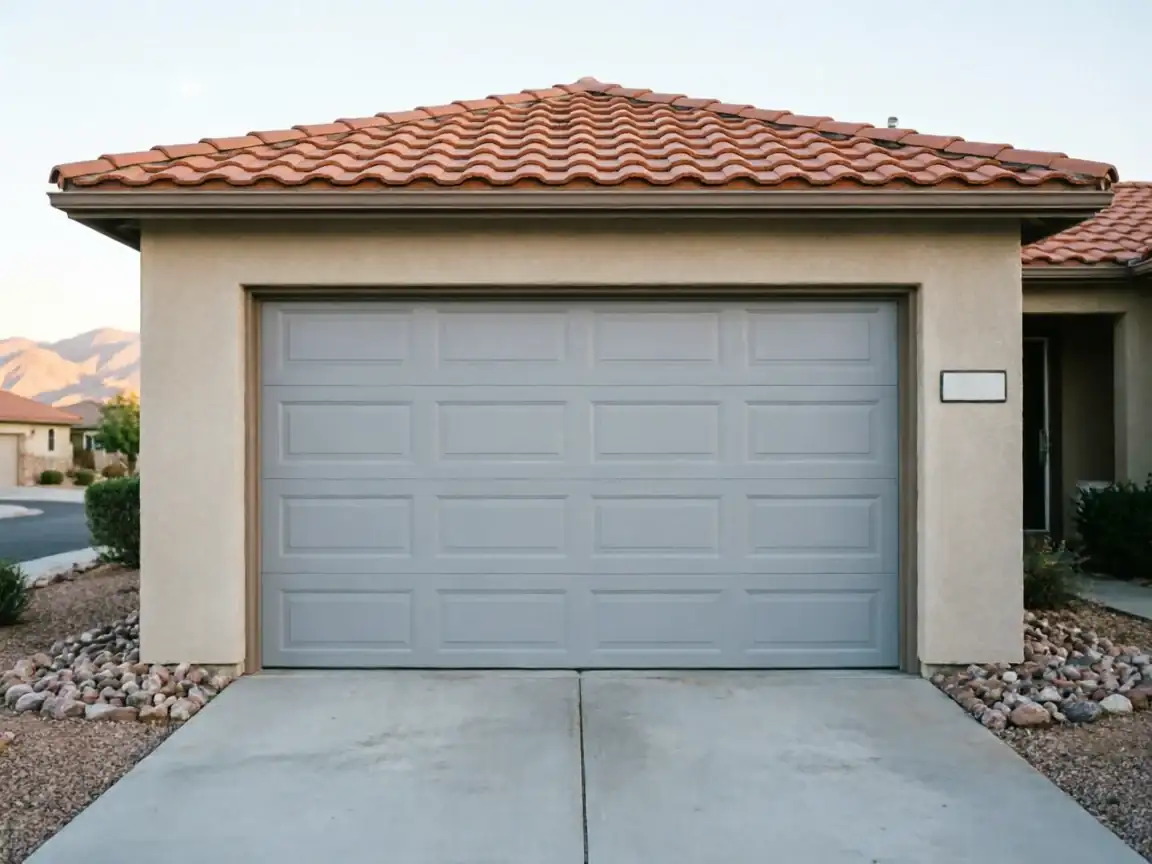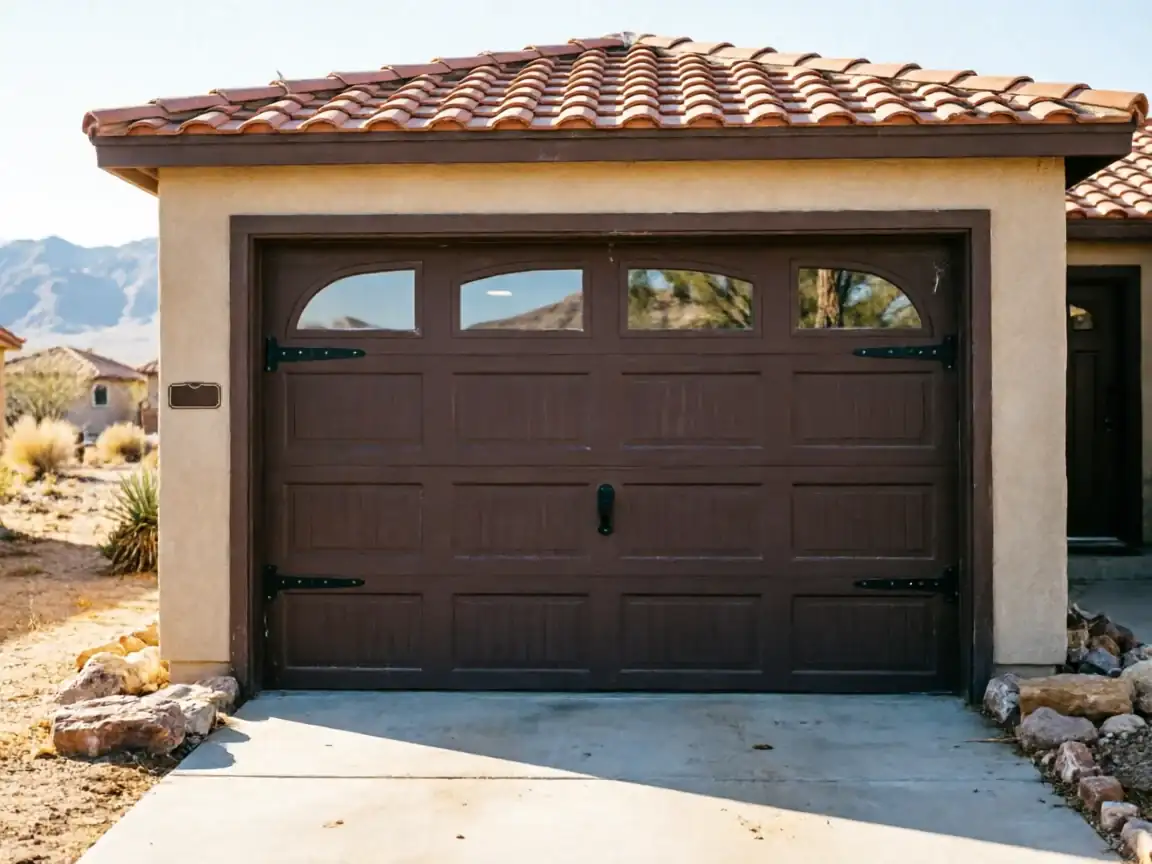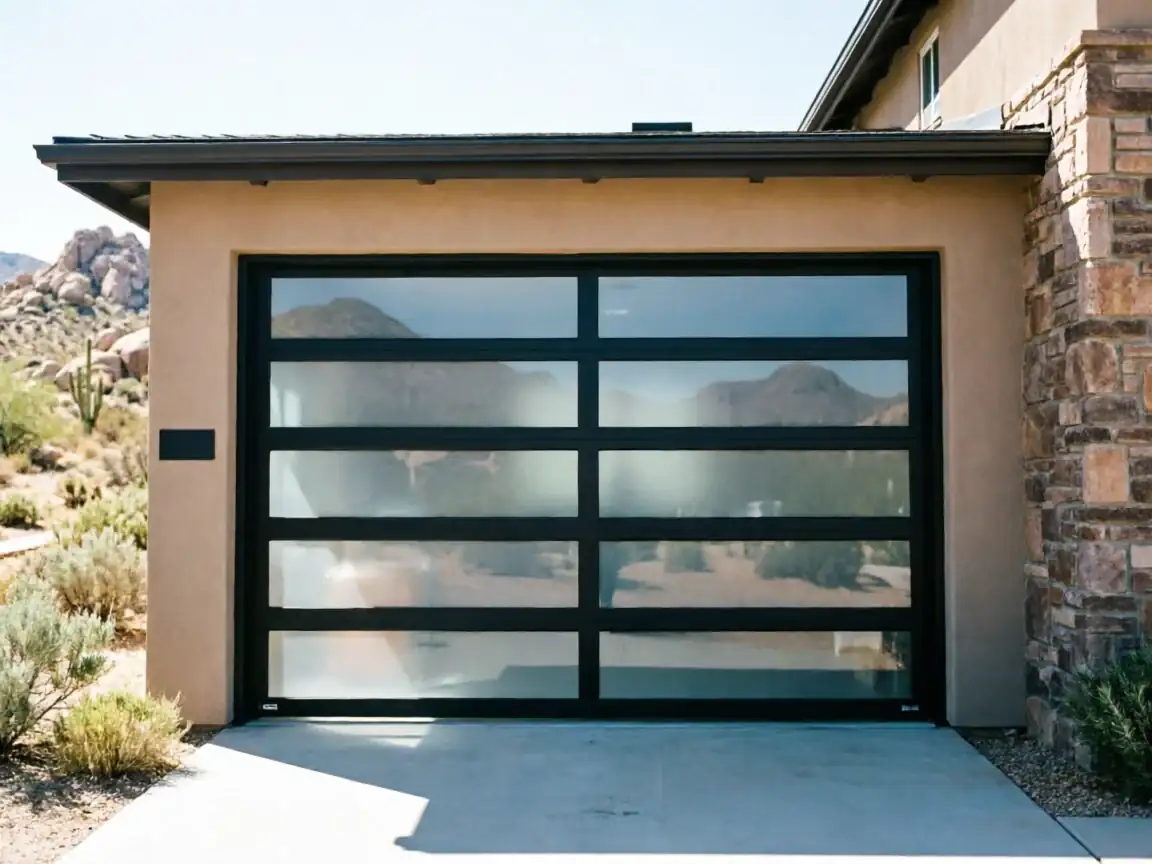
What You Are Seeing
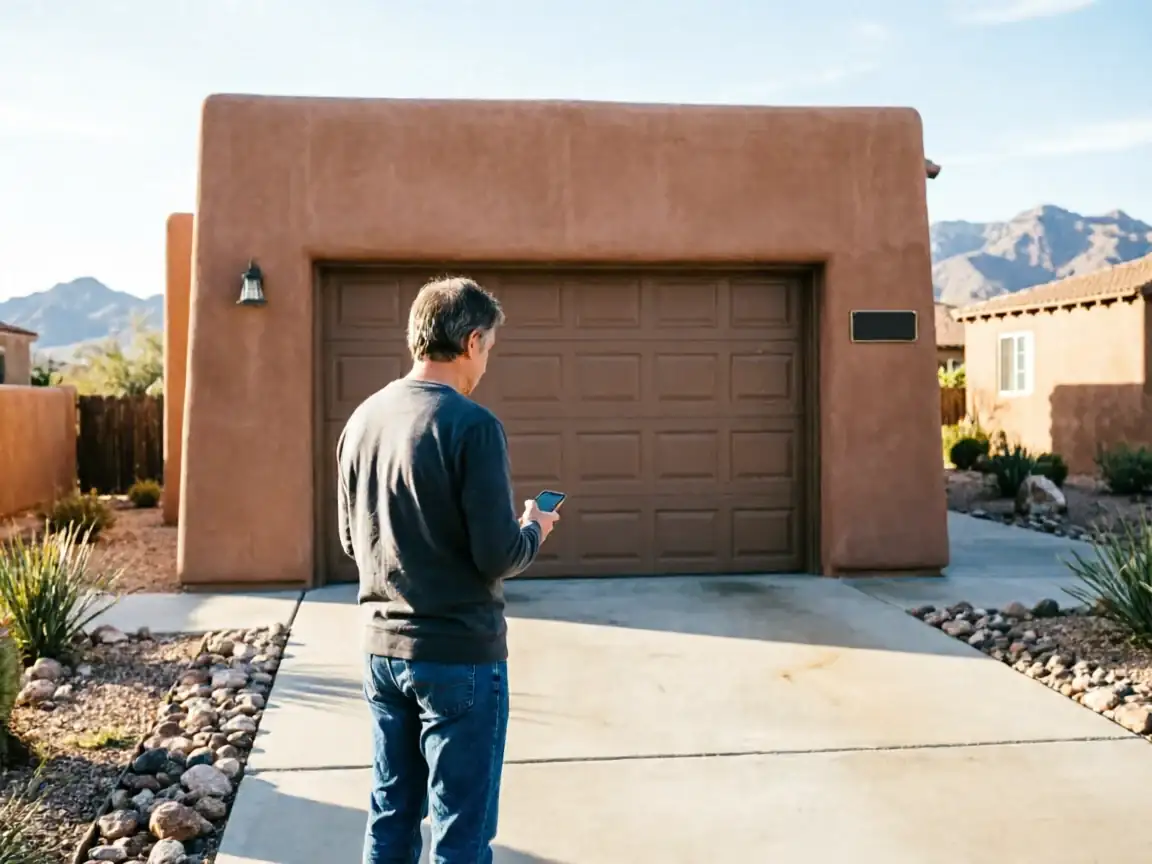
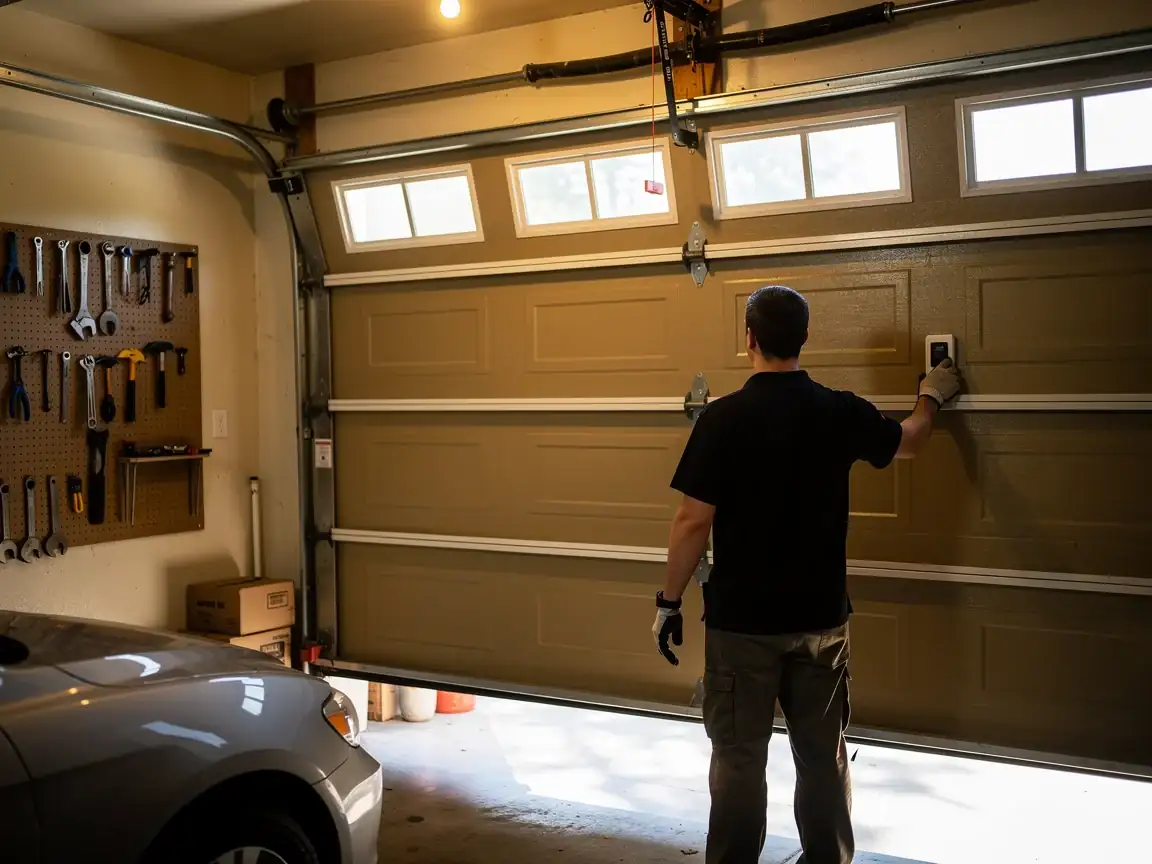
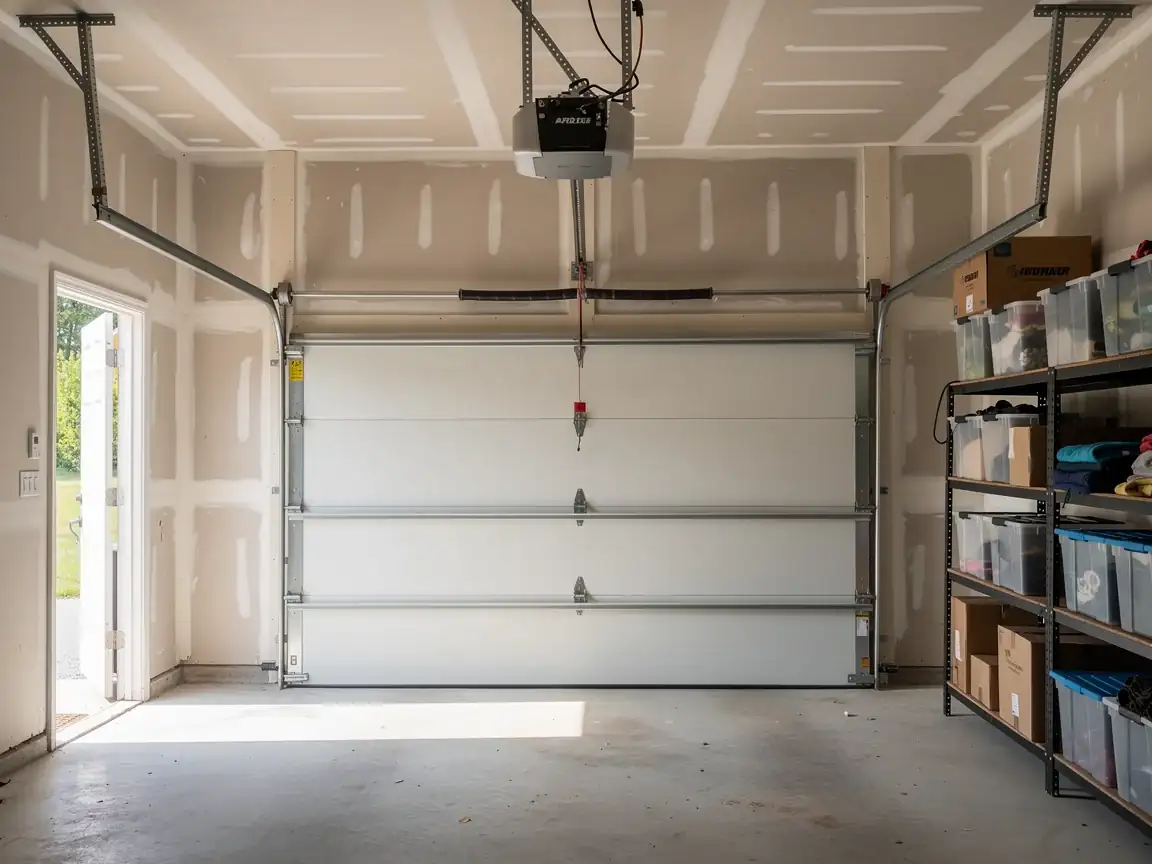
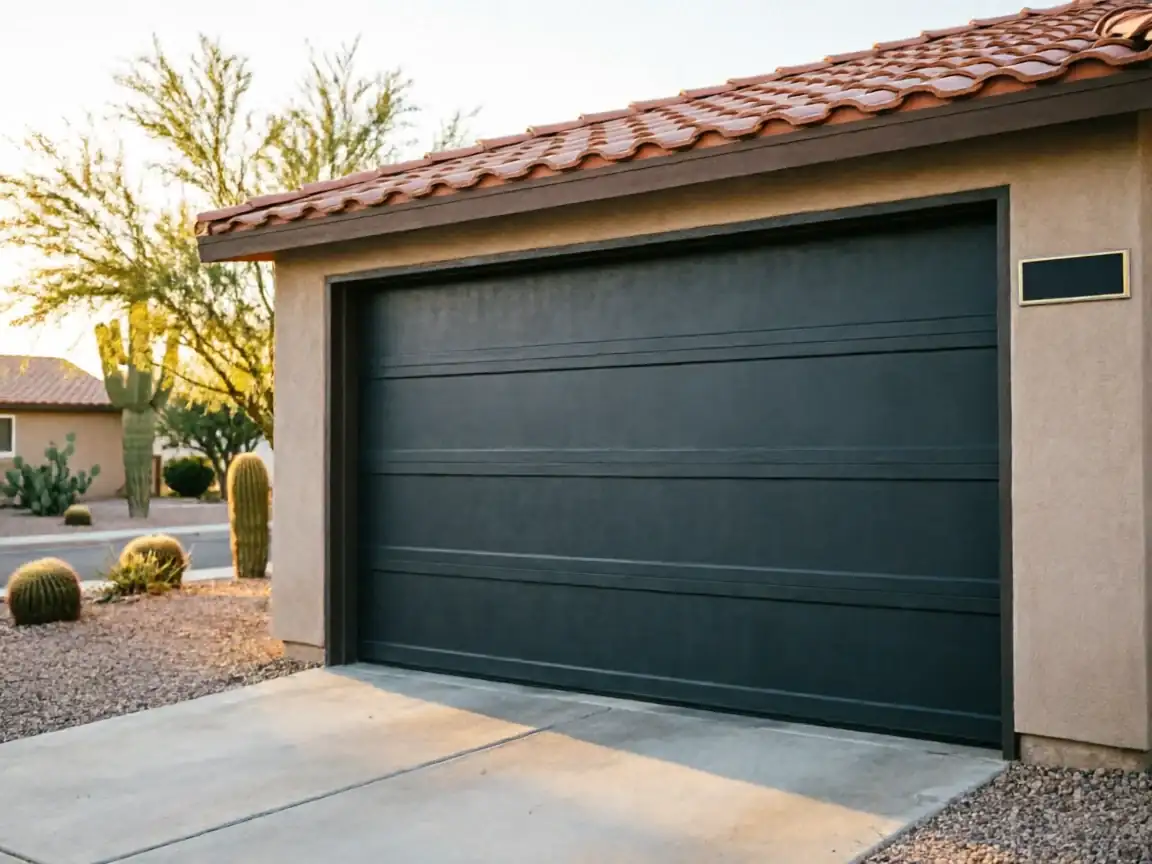
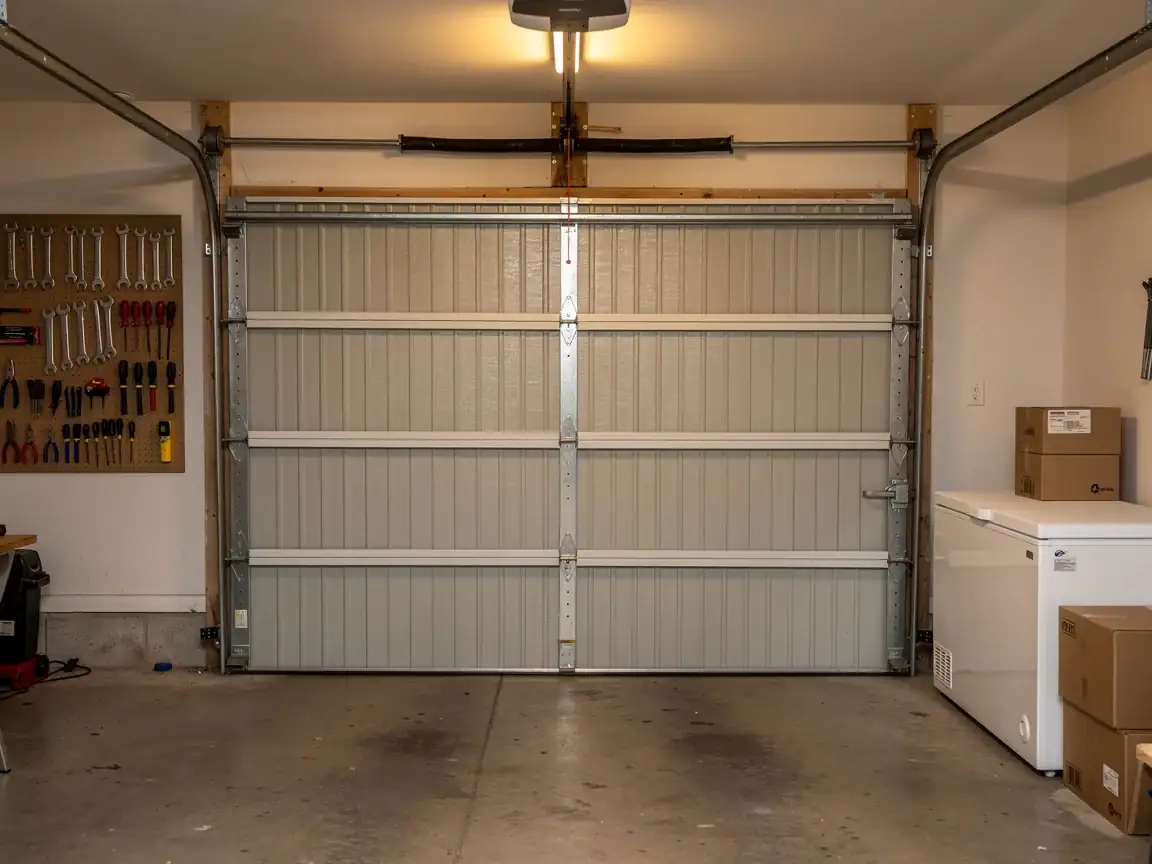
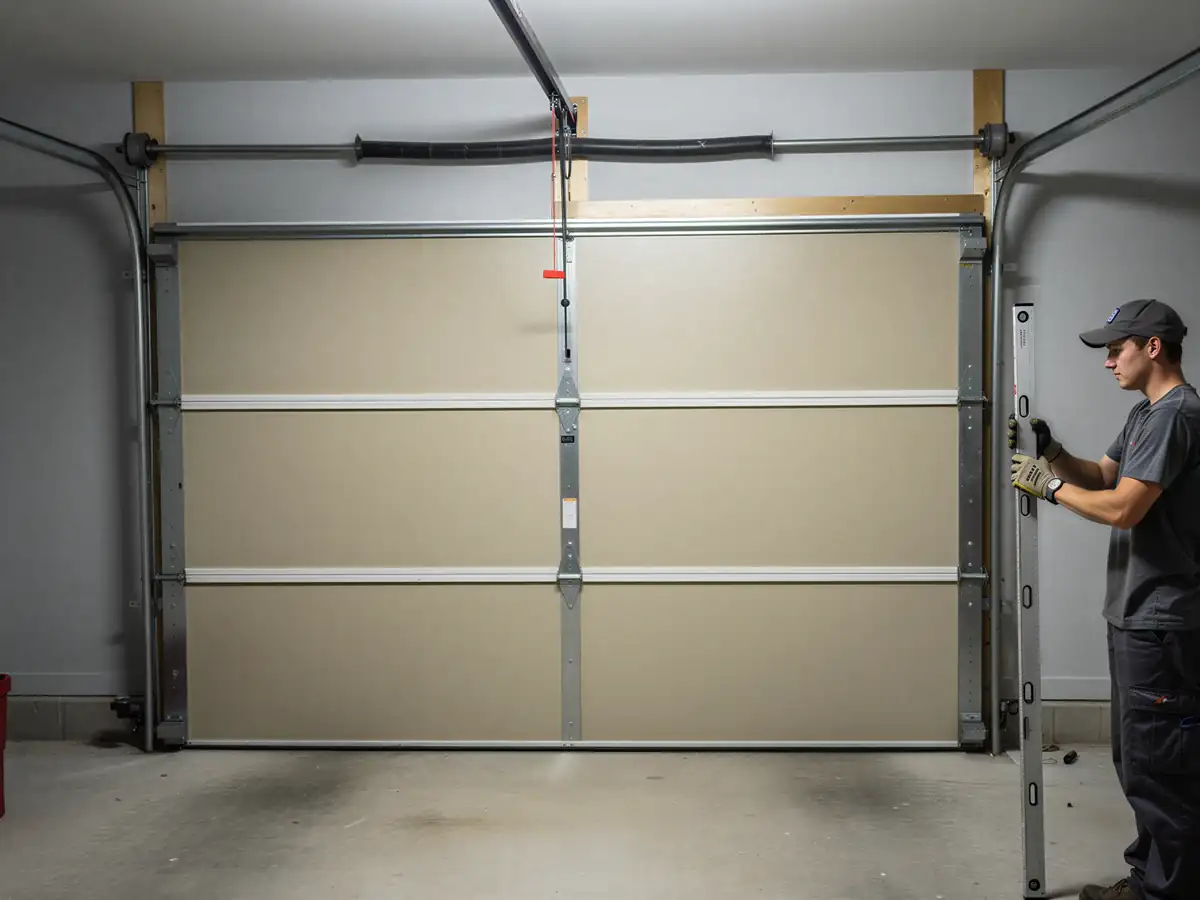
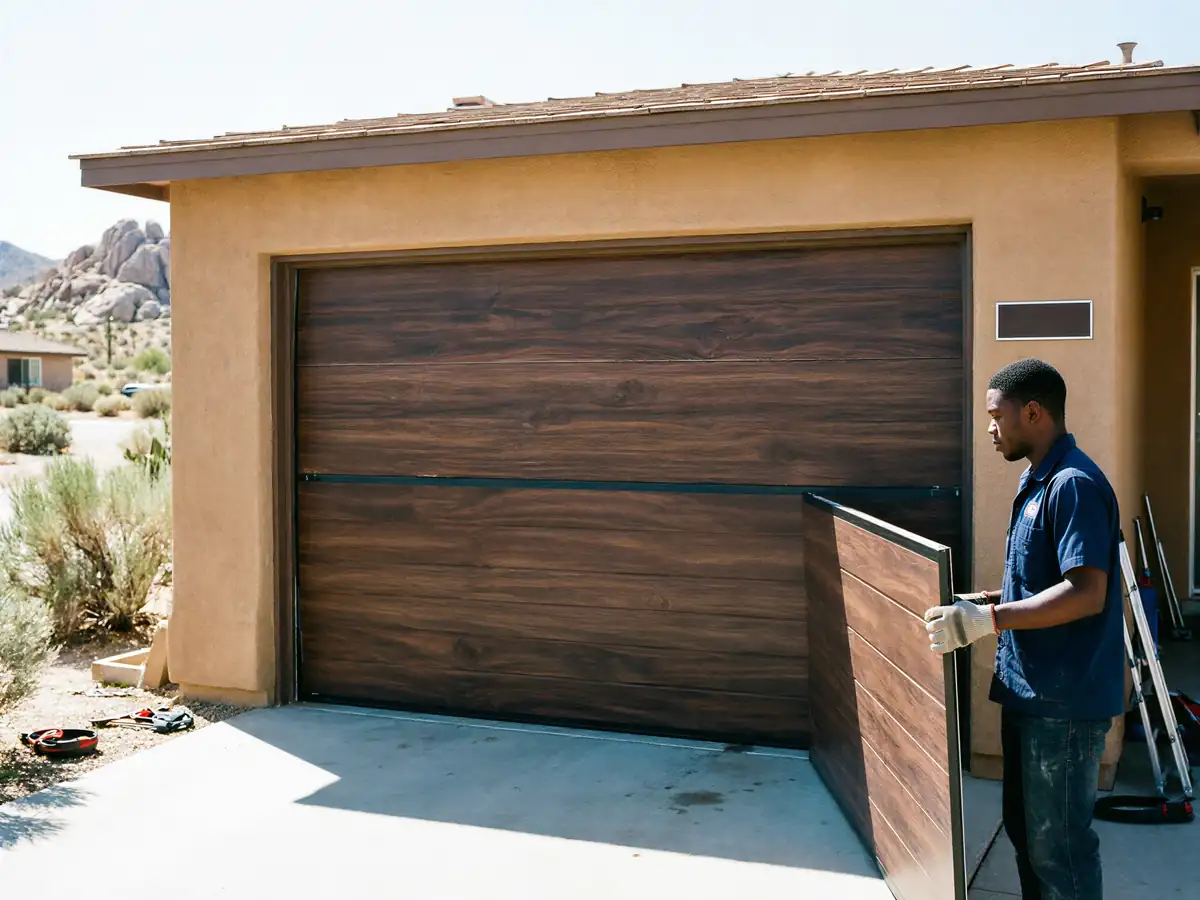
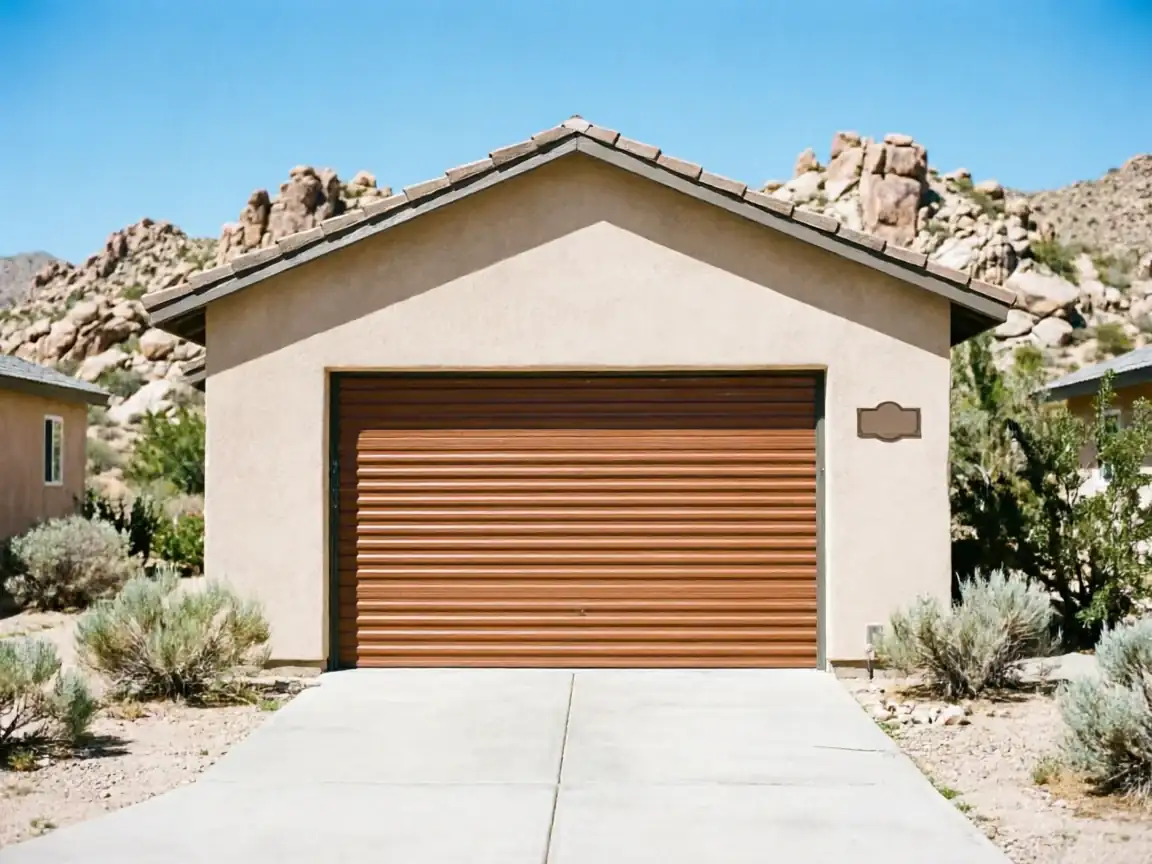
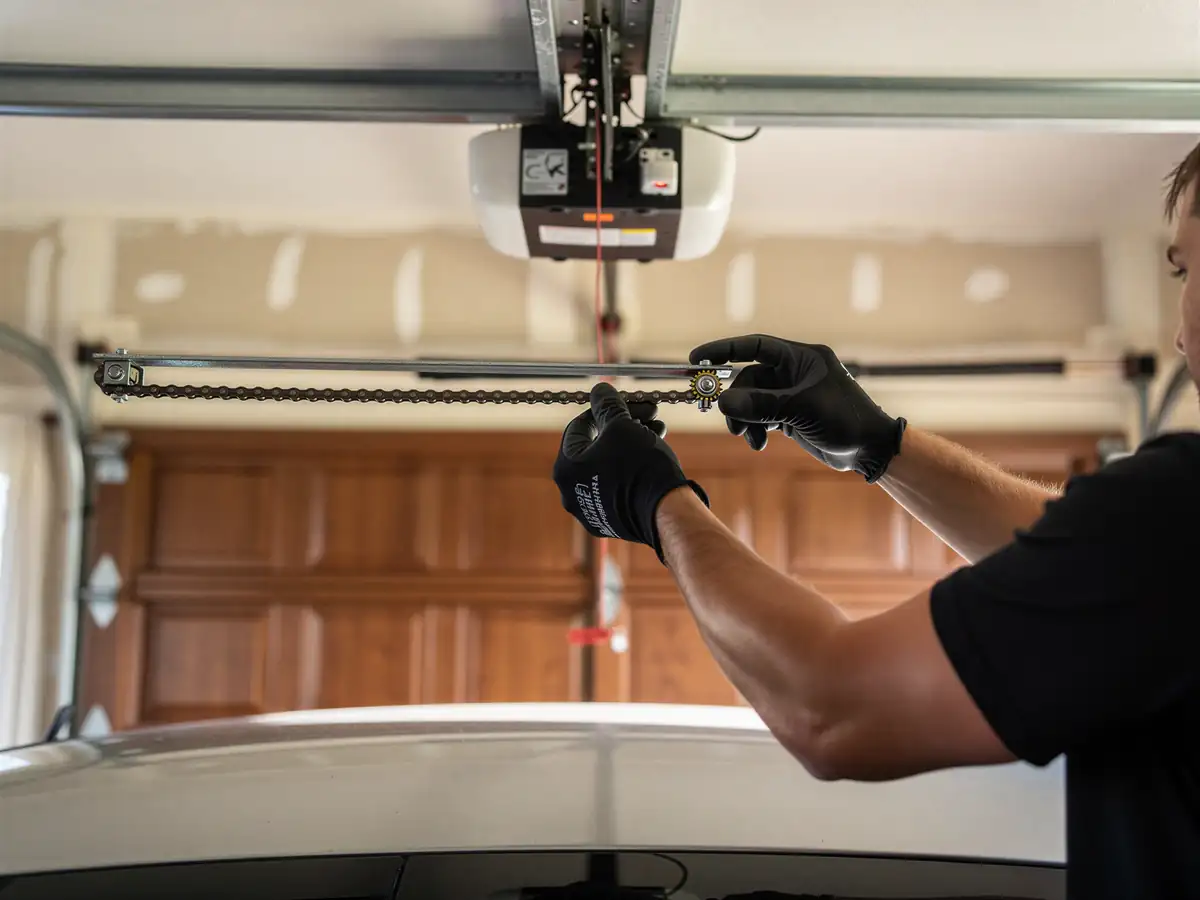
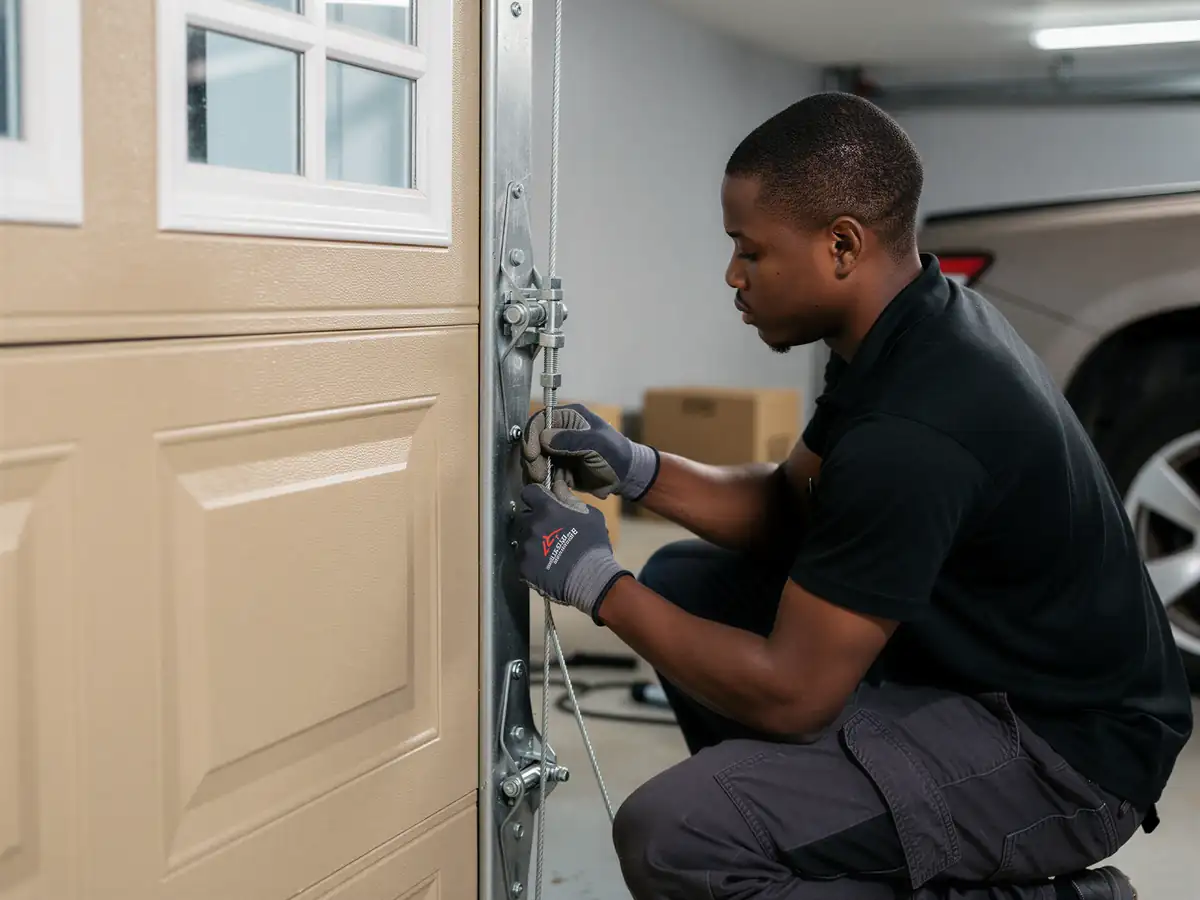
Garnet's housing stock centers on 1994, which puts it noticeably newer than the broader service area median of 1986. That ten-year gap matters more than it sounds. A door built in the early-to-mid 90s is more likely to have a factory-installed extension or torsion system matched to steel panels rather than the heavier wood composite doors common on older block in this valley. When something fails here, it's usually a snapped spring under tension, a slipped cable off a drum, or an opener logic board that's finally quit after two decades of triple-digit attic temperatures. You're less likely to be fighting rust-seized hinges from an original 1970s install, and more likely dealing with a plastic gear in the opener head stripped out from heat cycling. The fault pattern is different from what a crew sees on the older streets closer to downtown Palm Springs, and that changes what gets loaded on the truck before it even leaves.
Can You Do This Yourself
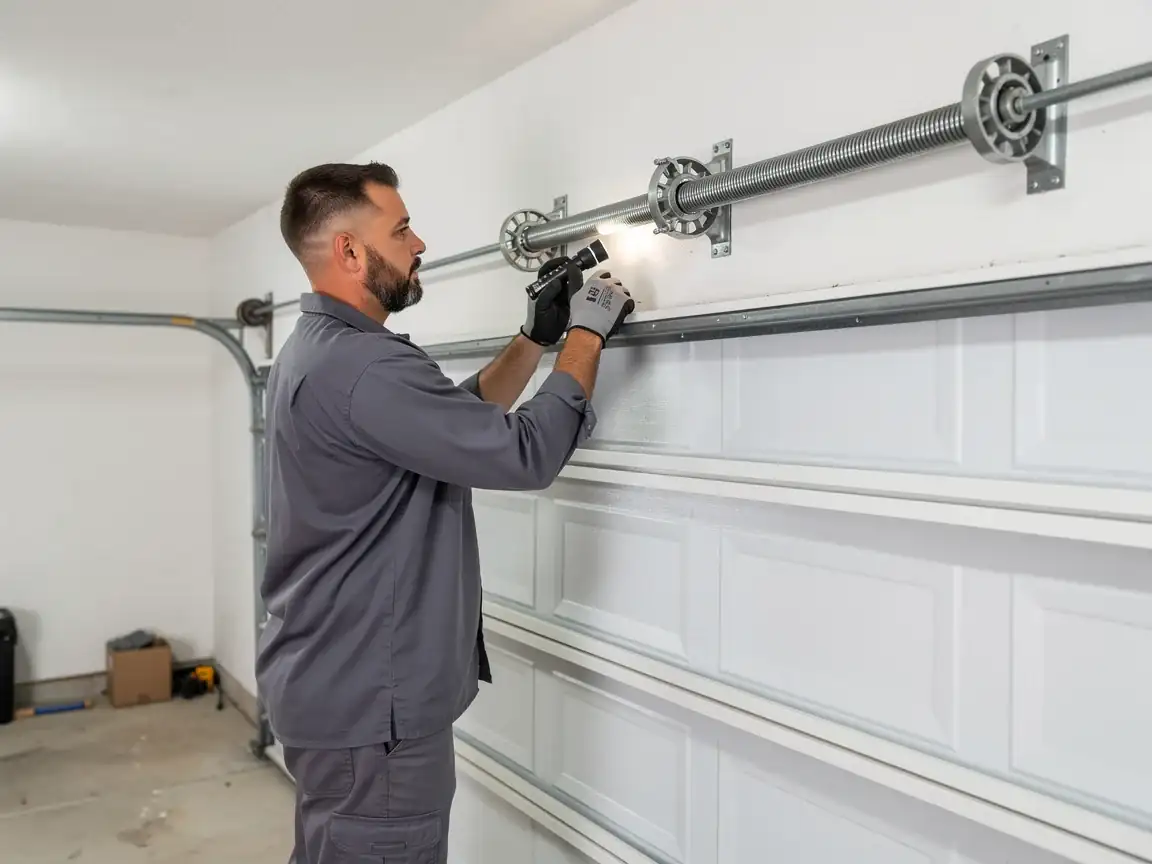
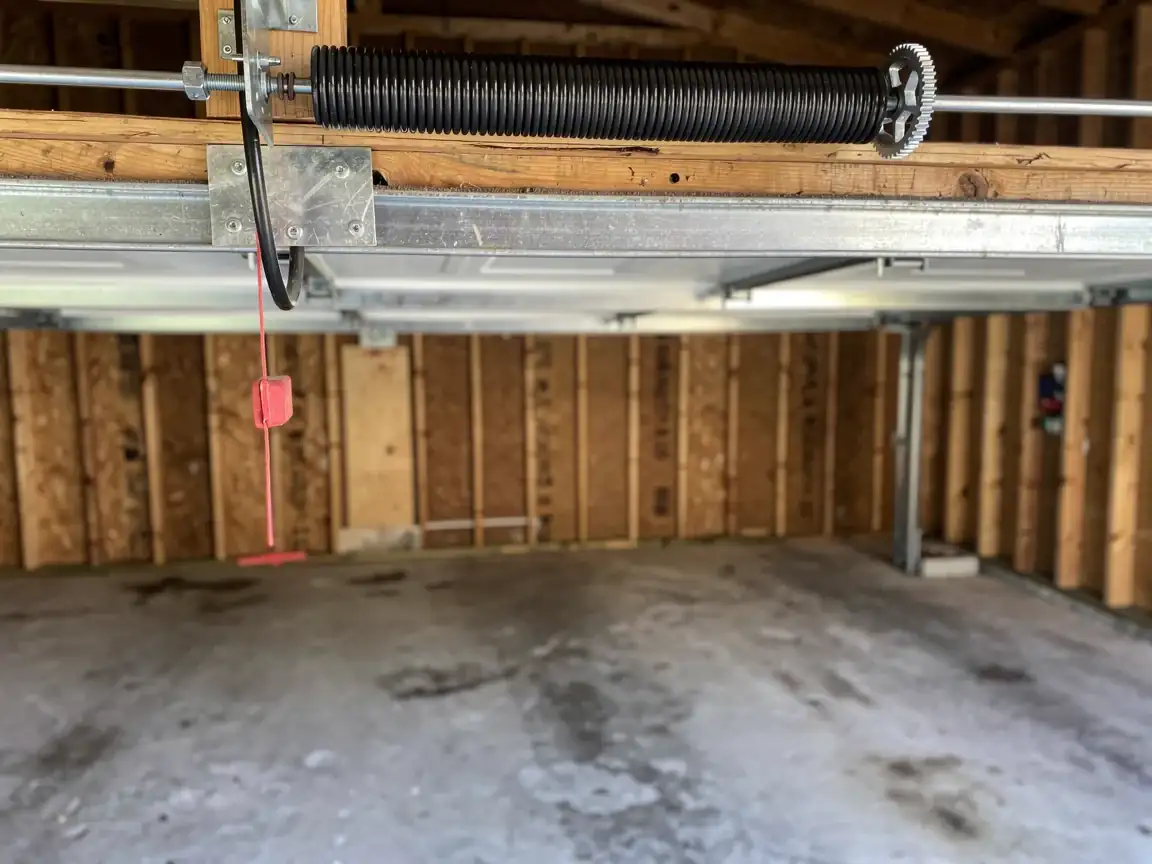
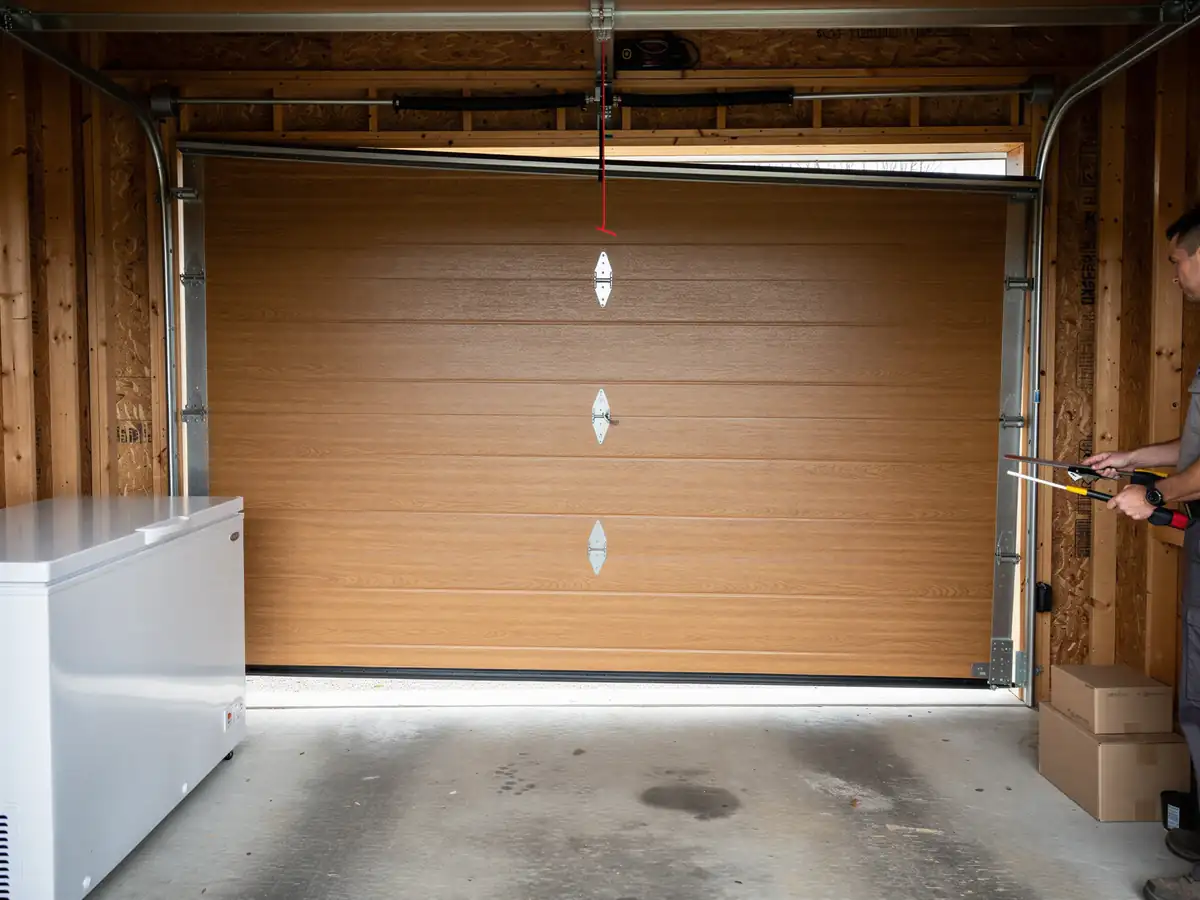
Some of it, yes. If the door won't close and the photo-eye sensors are dusty or knocked out of alignment, wiping the lenses and realigning them is a five-minute fix anyone can do. Same with a dead remote battery or a tripped breaker. But a broken torsion spring is not a DIY repair - the spring is wound under enough tension to break bone or worse if the winding bars slip, and the C-10 license requirement for spring work exists for a reason. If the door is off its tracks, or a cable has come off the drum, leave it. A door in that state can shift without warning when someone starts fiddling with it. Know the difference between an adjustment and a repair before you touch anything.
The Complications
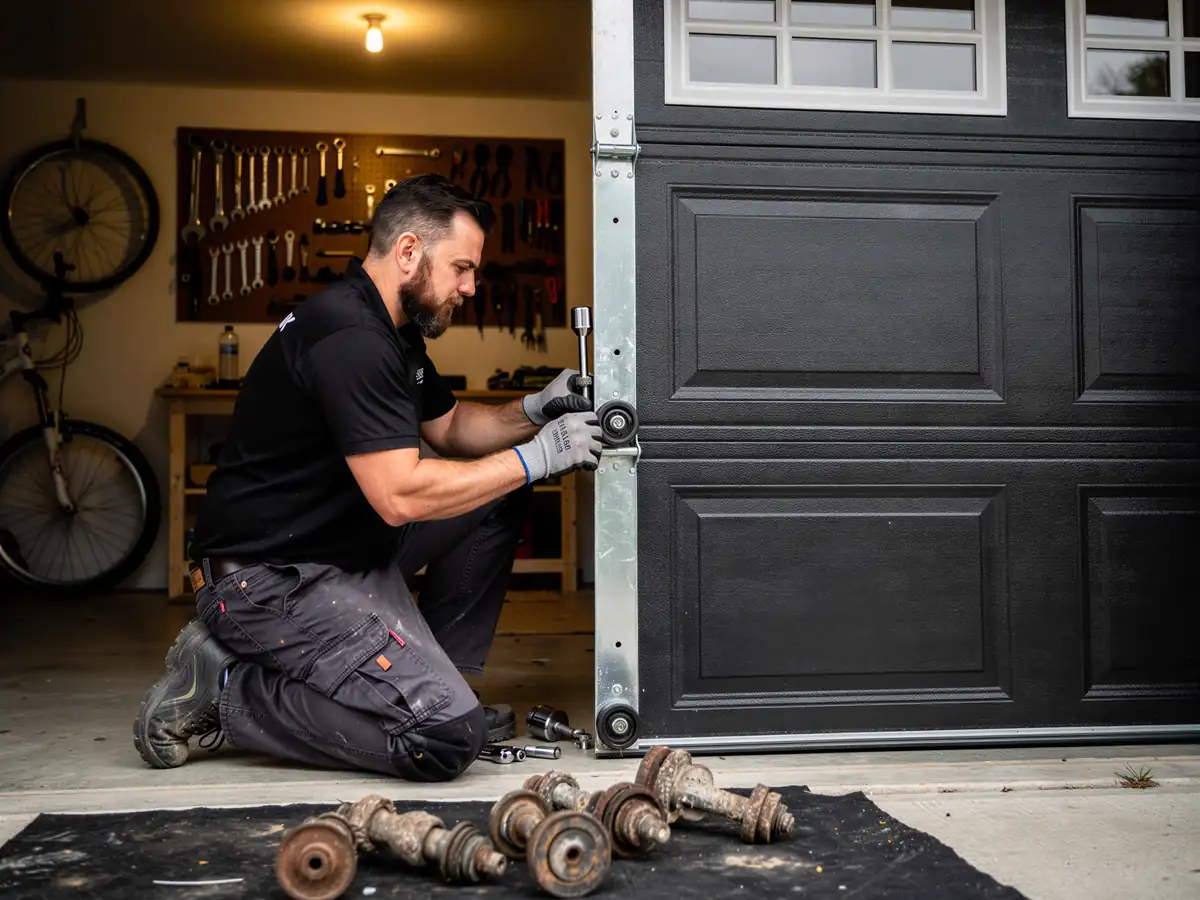
Desert heat is the complication that doesn't show up until it's already caused the failure. This service area sits in a severe heat climate band, and heat does two things to garage door hardware that cold climates don't see as much: it dries out and cracks nylon rollers and plastic opener gears, and it thins the lubricant on springs and cables faster than the maintenance interval most people assume is fine. On a newer door - built in the 90s like most of Garnet's stock - the failure point is often the opener electronics rather than the mechanical hardware, since circuit boards don't love being baked in an attached garage through summer. Garnet is about 9 miles from Palm Springs, which we mention only because it means a truck isn't idle nearby waiting - it's coming from the Palm Springs side, same as service to the other outlying areas we cover.
How Long You Are Without the Door
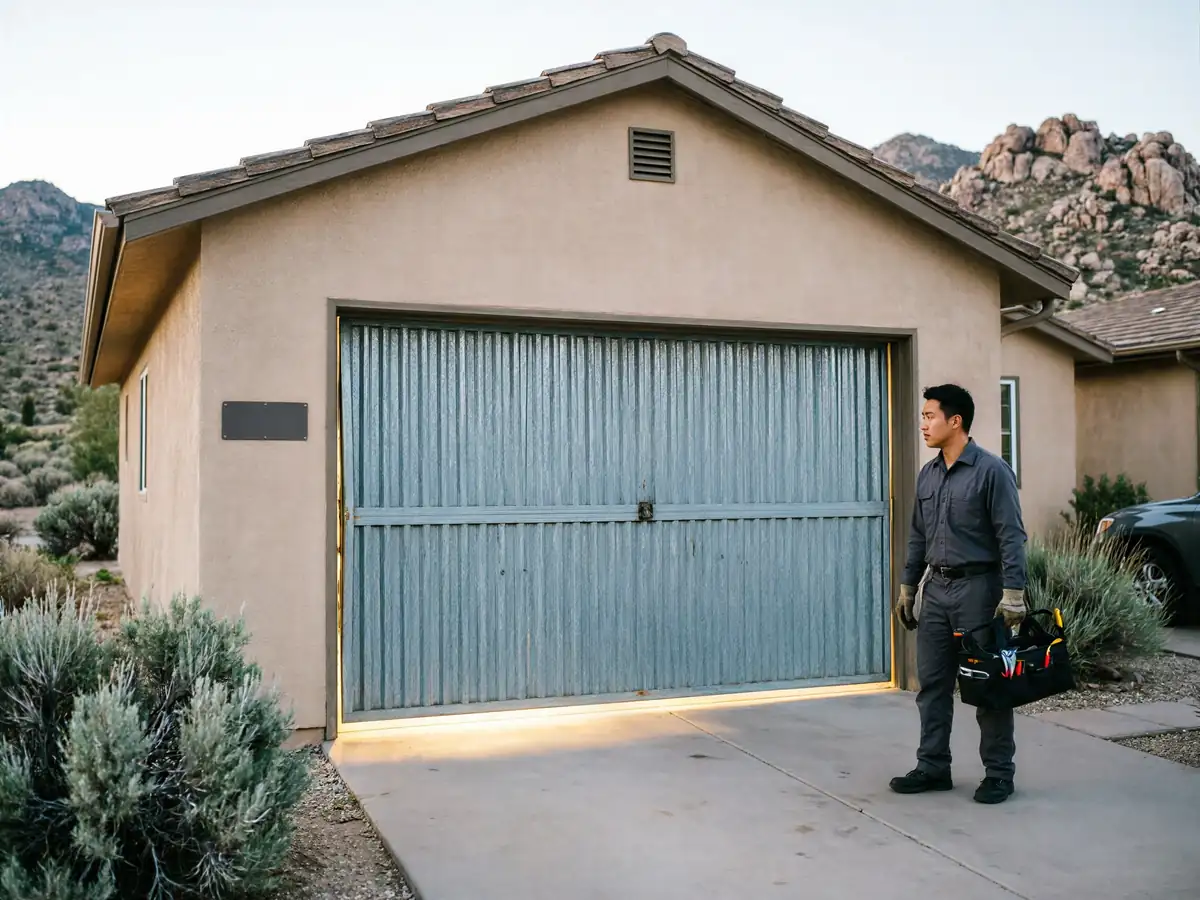
We're not going to quote a response time for Garnet specifically, because we work this area from Palm Springs rather than from a depot inside it. What we can tell you is what drives how long you're stuck with a disabled door: whether the part needed is a common spring size or opener model (usually on the truck already) or something less standard that needs ordering. A 1994-built door with a mainstream torsion spring is typically a same-visit fix once a tech is on site. A door needing a specific opener board or an odd-size panel takes longer, and we'll tell you that up front rather than let you assume otherwise.