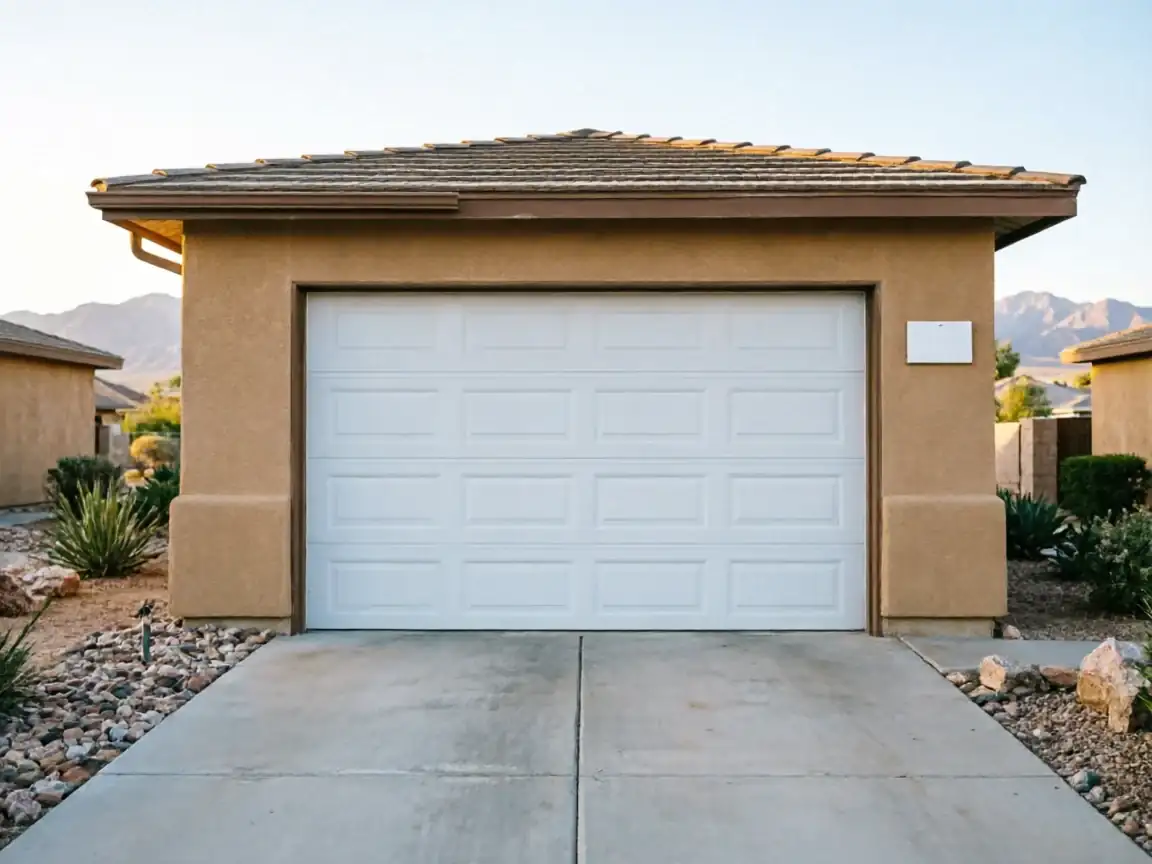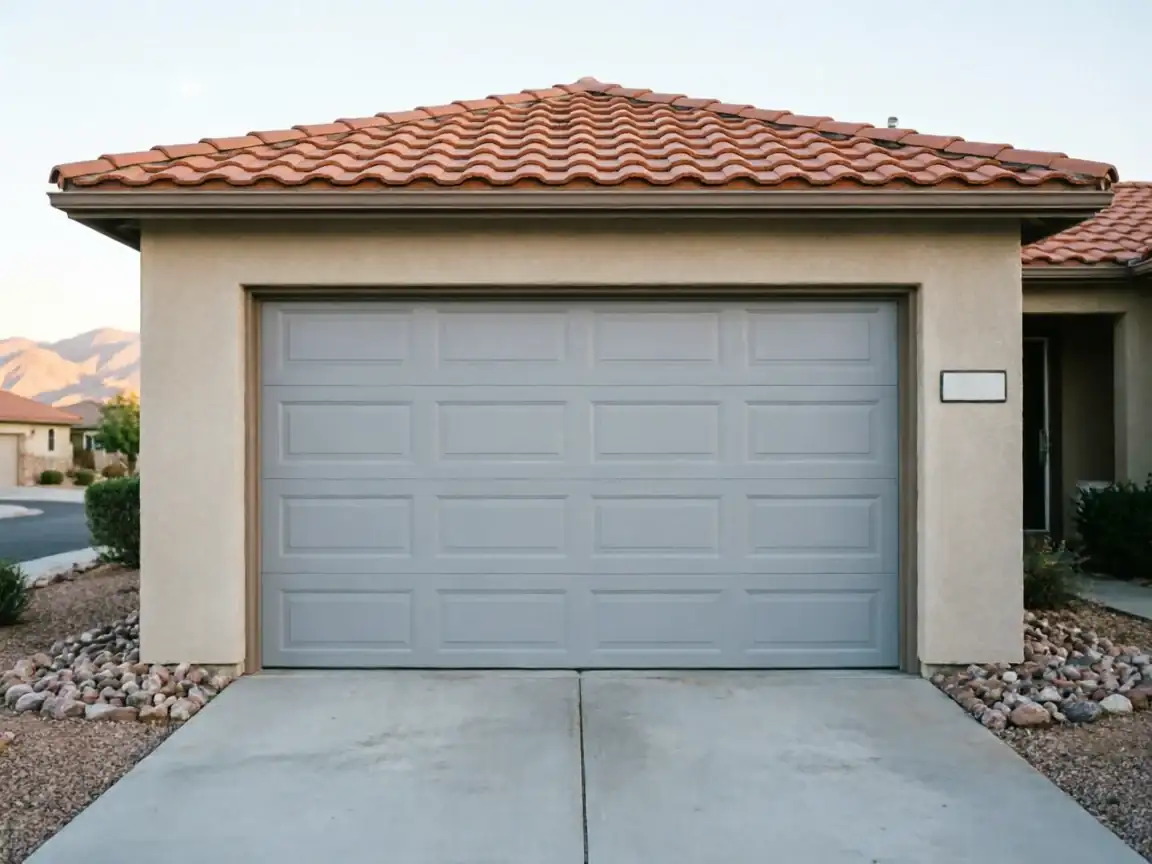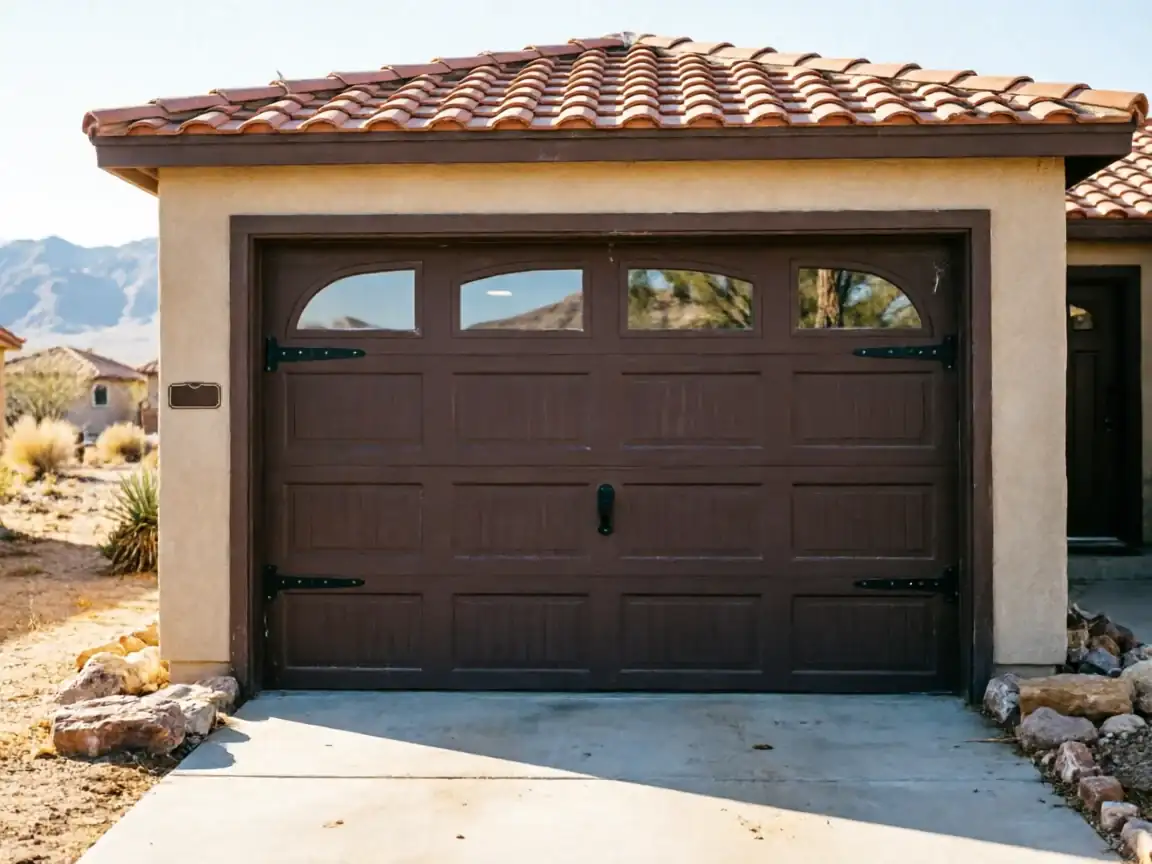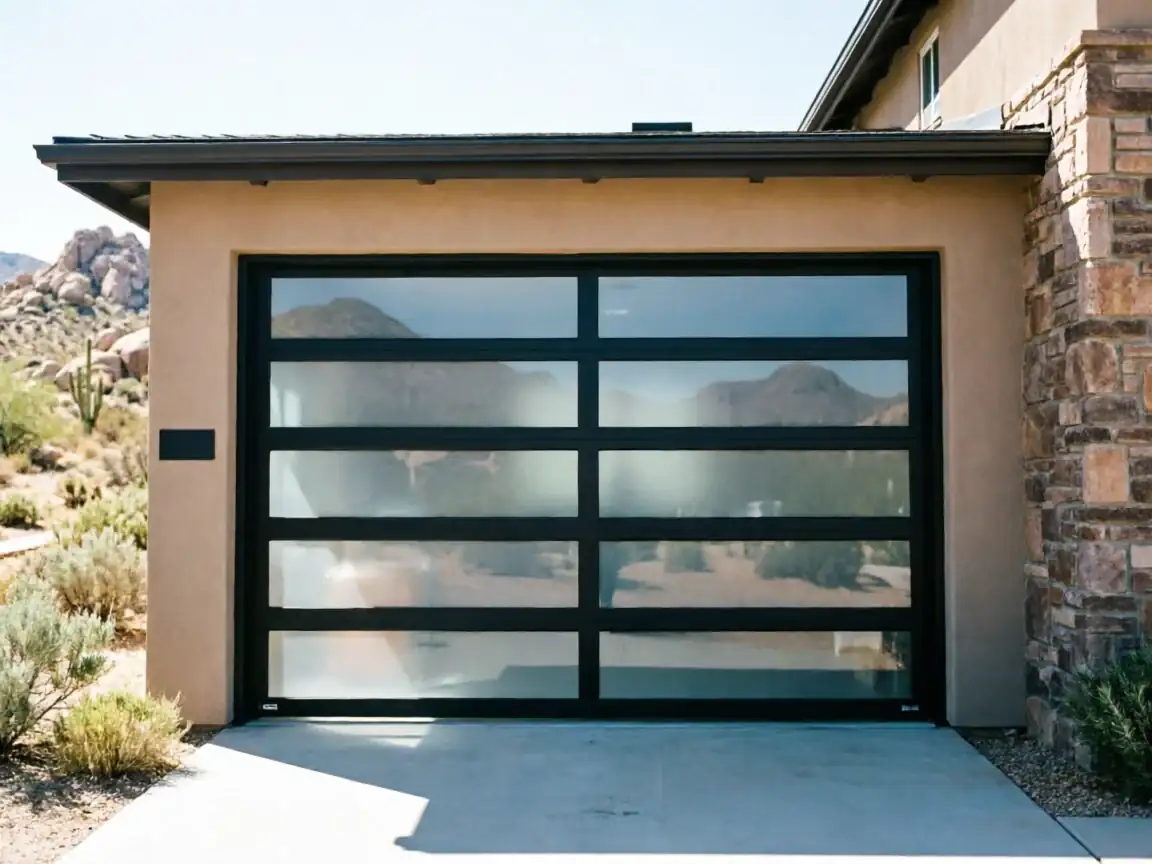
What You Are Seeing
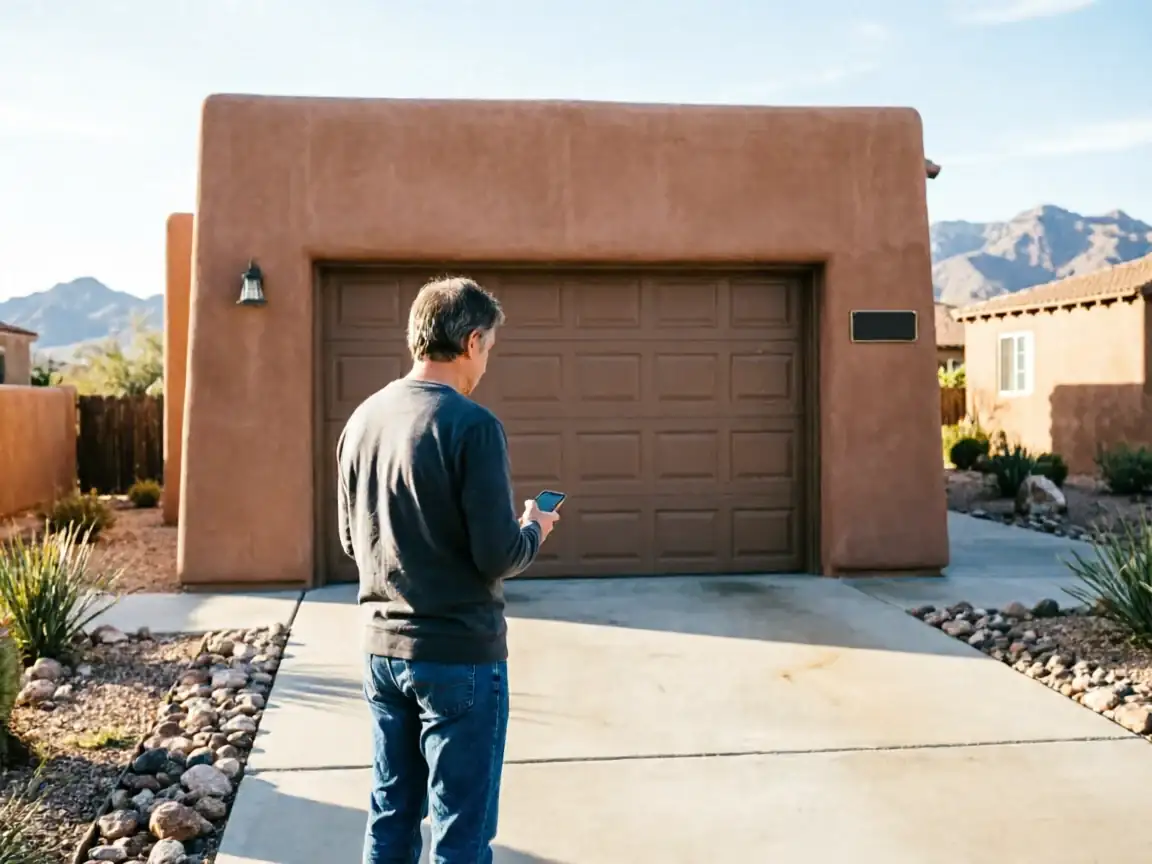
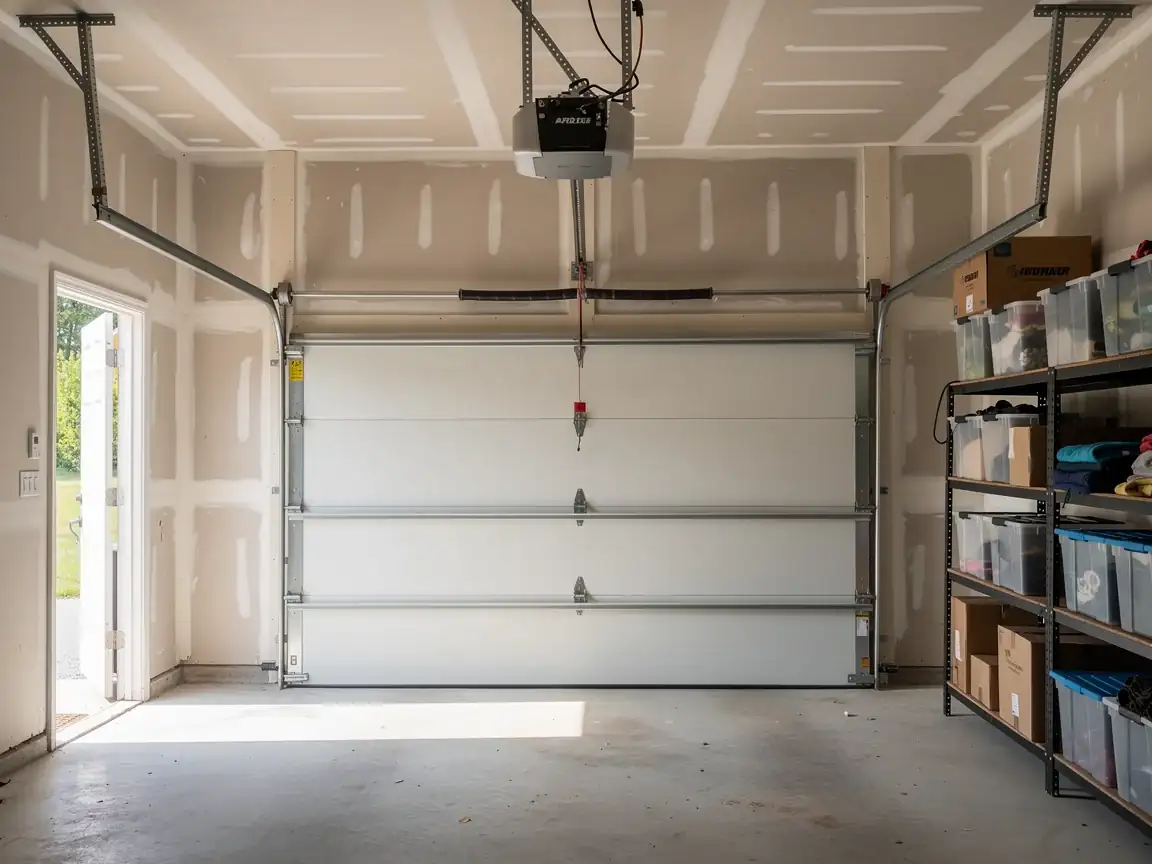
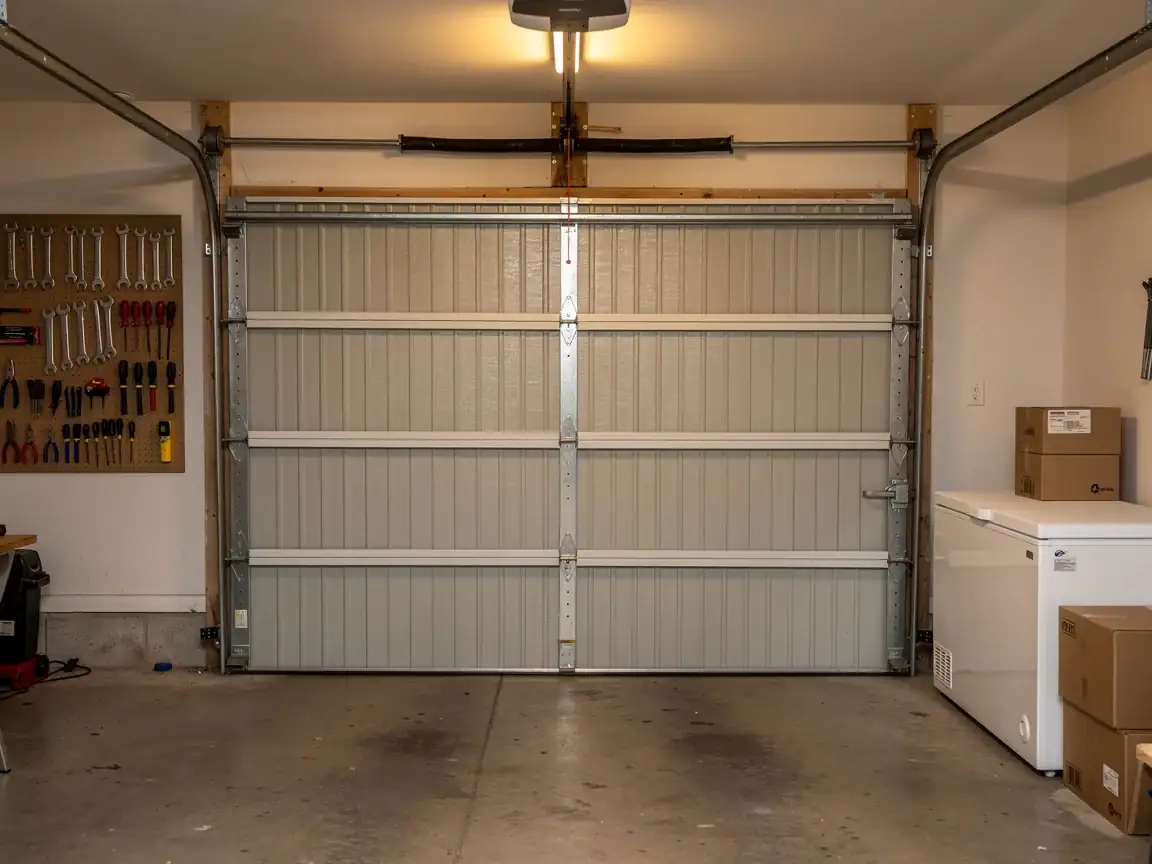
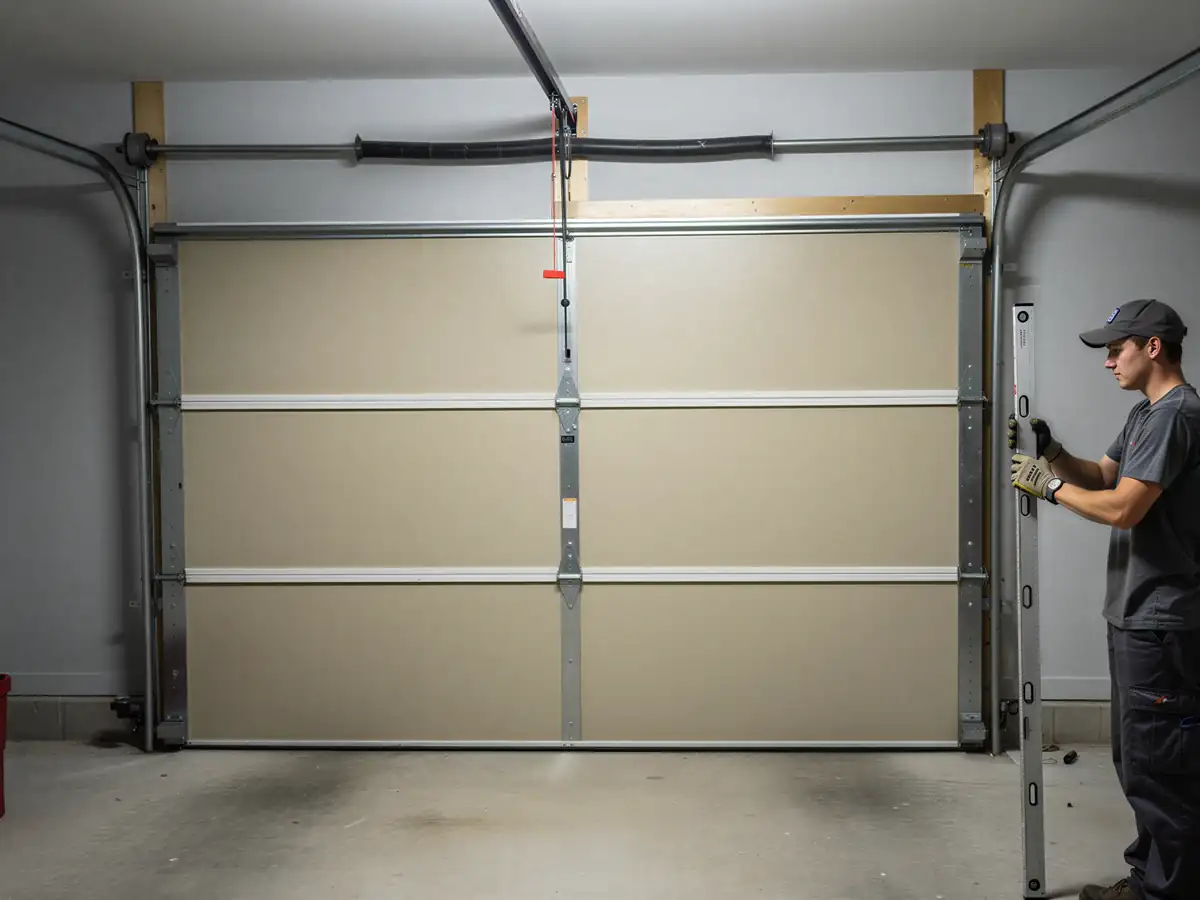
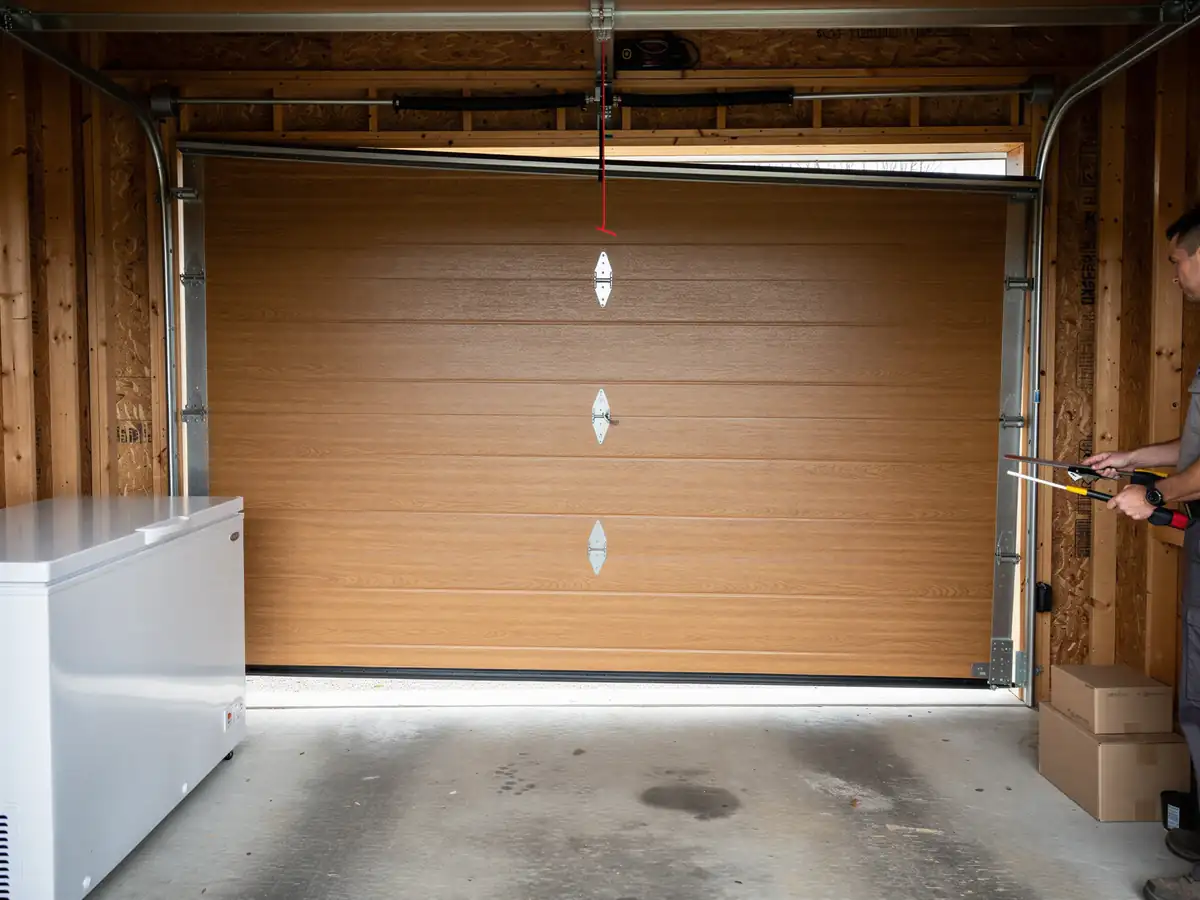
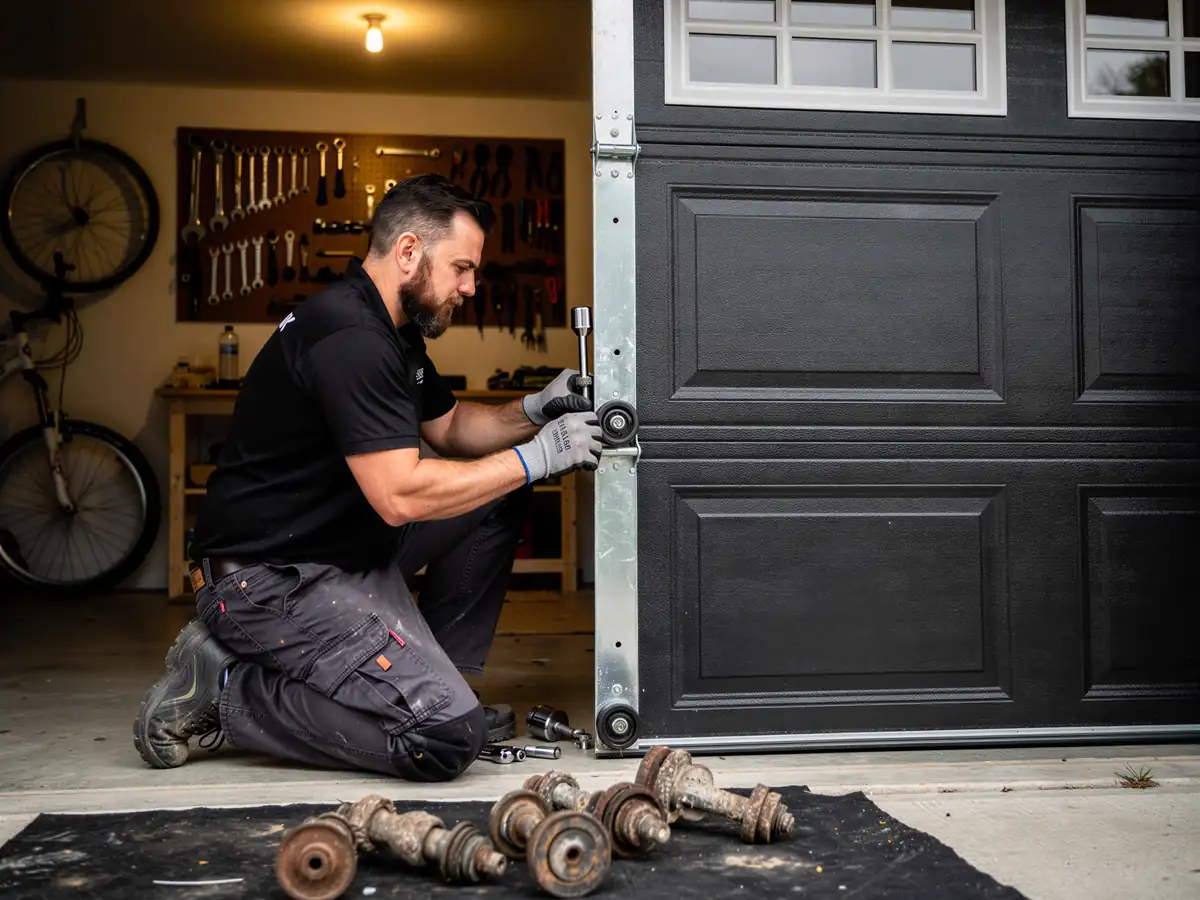
Garnet's housing stock centers on 1994, which puts most garages here a decade or more newer than the older pockets of the wider Palm Springs area. That matters for roller replacement because a mid-90s build almost always shipped with a steel sectional door on steel track, running on 10-ball or 7-ball galvanized steel rollers rather than the older ball-bearing nylon you see on later remodels. These are usually standard two-car doors, 16 feet wide, on a double track run rather than the single bay you'd find on an older infill lot. The rollers themselves are small, but they're the part doing the most physical work every time the door moves, and on a 30-year-old steel-on-steel setup they're usually the first thing to go. You'll hear it before you see it: a grinding or popping sound right as the door passes the bend from vertical to horizontal track, where the roller stem takes the most side load. Left alone, a worn roller eventually jumps the track or binds enough that the opener strains, which is a different and more expensive repair.
Can You Do This Yourself
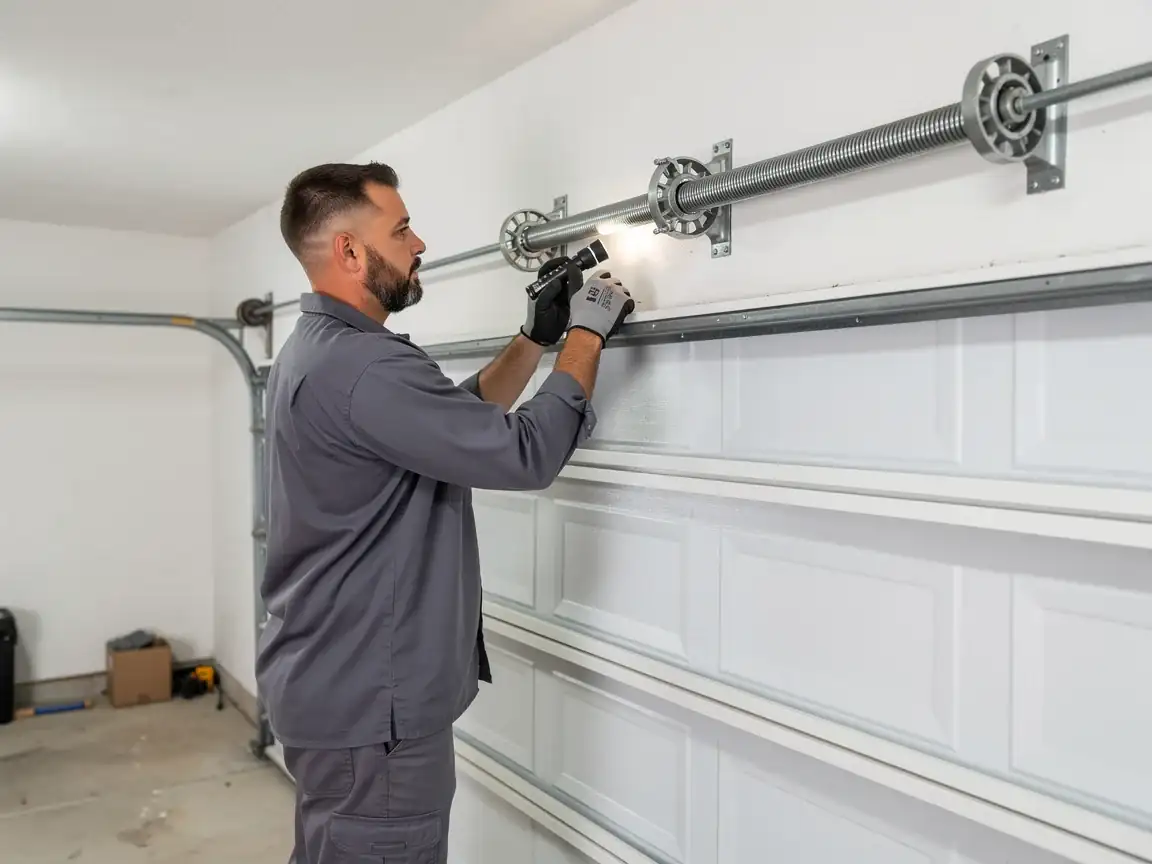
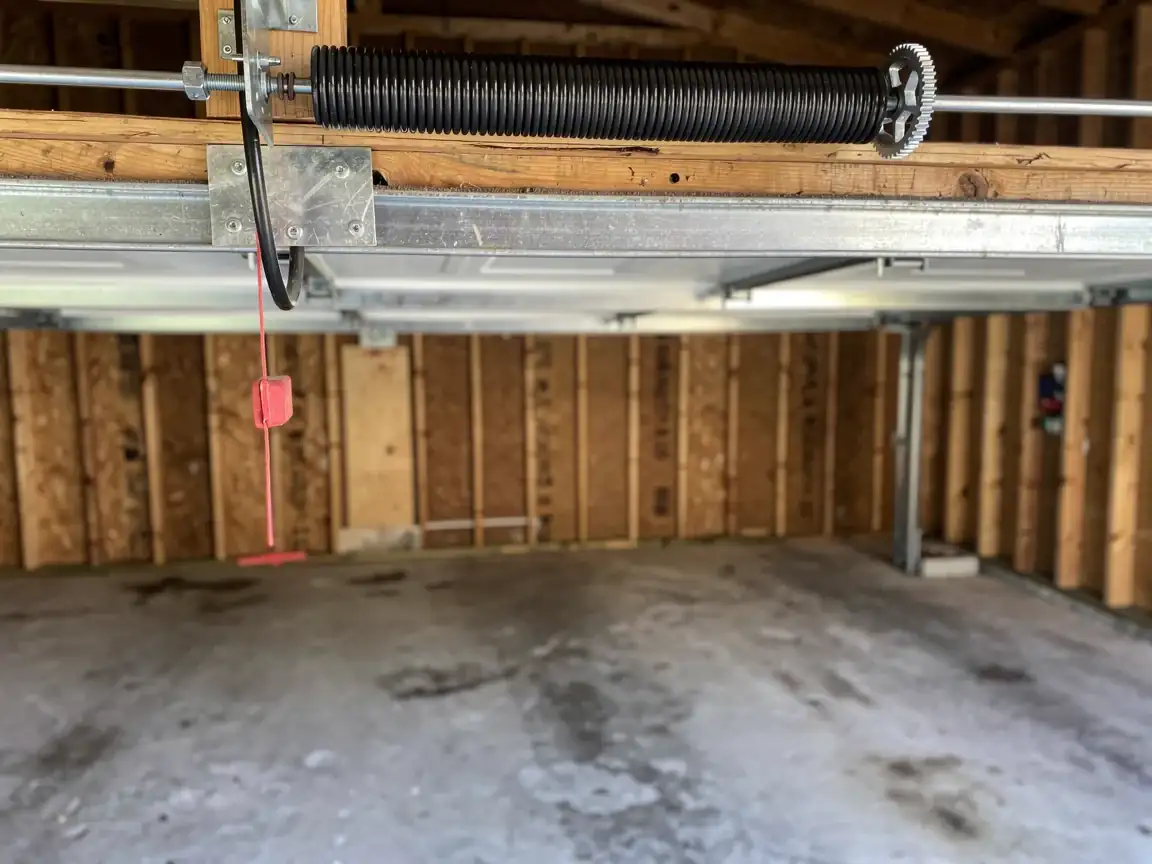
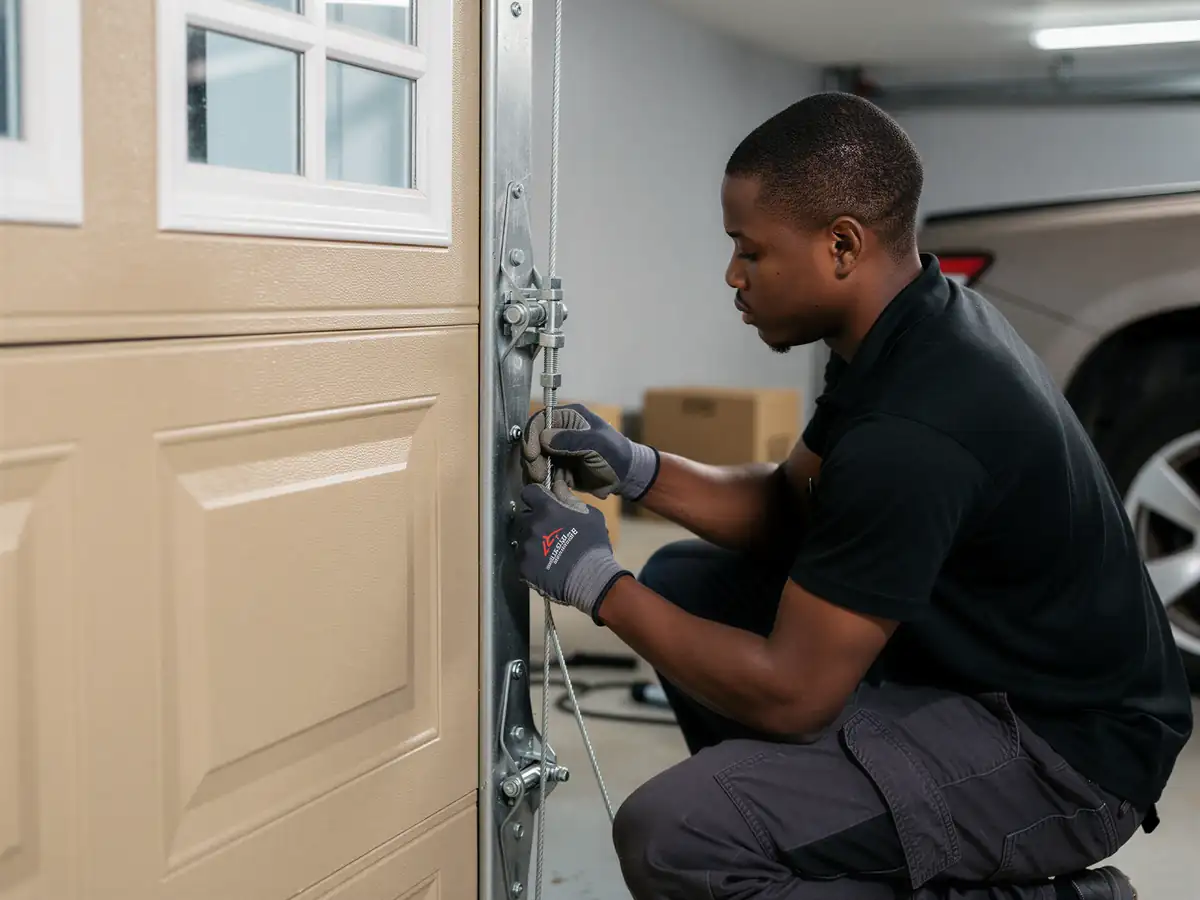
Replacing a single roller on a disconnected, manually-lifted door is within reach for someone comfortable with hand tools, but doing it safely means removing the retaining bracket under spring tension on hinges closest to the track ends - section one and the top section - and that's where people get hurt. On a double door at the sizes typical in Garnet, you're also working with heavier sections than a single-car door, which raises the stakes if a cable or bracket lets go while you're mid-job. Swapping an off-track roller on a middle hinge is lower risk and a reasonable DIY job if you have vice grips to clamp the track and know how the hinge pin seats. We won't talk you out of the easy ones. We will tell you plainly that top-roller and bottom-bracket work on a torsion-spring door is not a place to save money by skipping a call.
The Complications
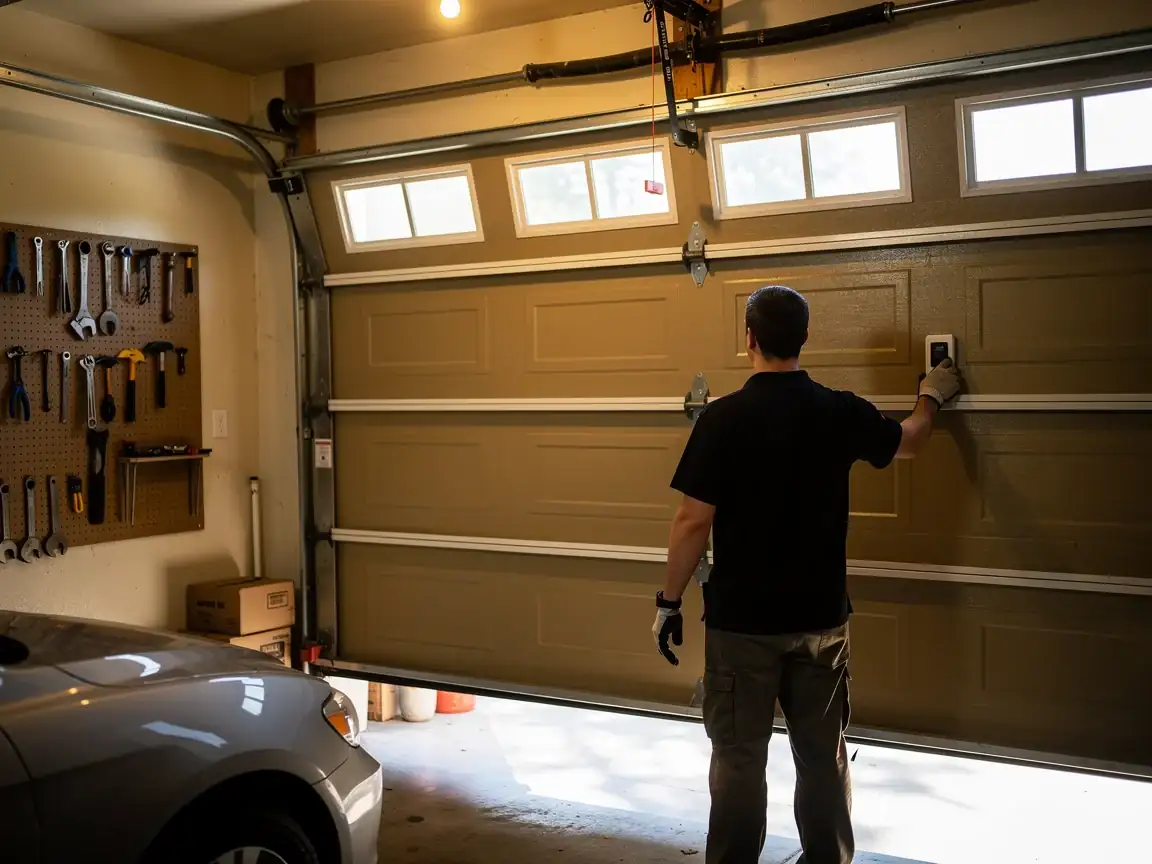
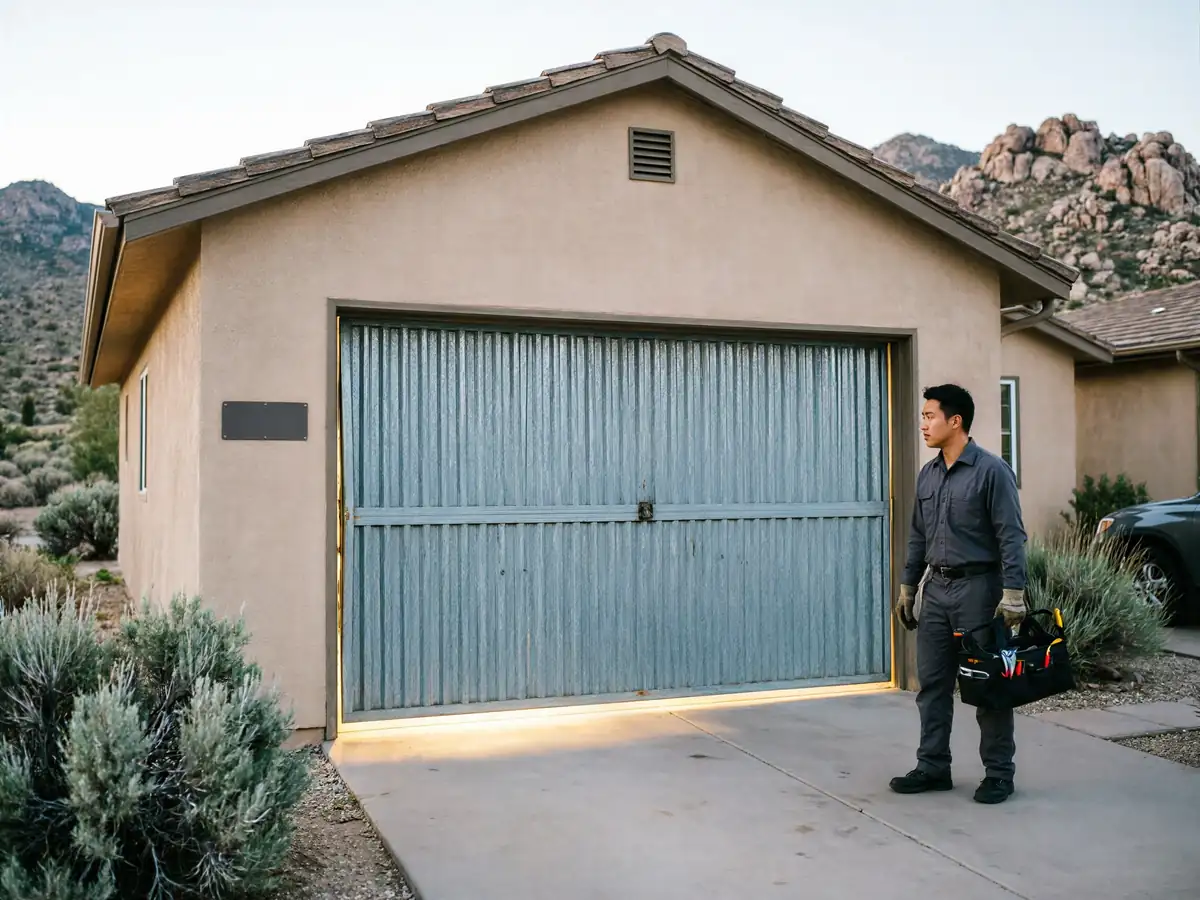
Garnet sits in a severe-heat climate band, and that heat does something specific to steel rollers: the stem lubricant breaks down faster than it would in a milder climate, and the wheel bearings dry out and start grinding months before they would elsewhere. On a 1994-era door, you're also dealing with track that's had three decades of expansion and contraction in triple-digit summers, so a roller replacement sometimes turns up a track that's slightly bowed or a bracket that's worked loose at the lag screws - things that don't show up until the old roller comes out and the door swings freely for the first time in years. We check for that before we call the job done, because a new roller on a bent track fails again fast.
How Long You Are Without the Door
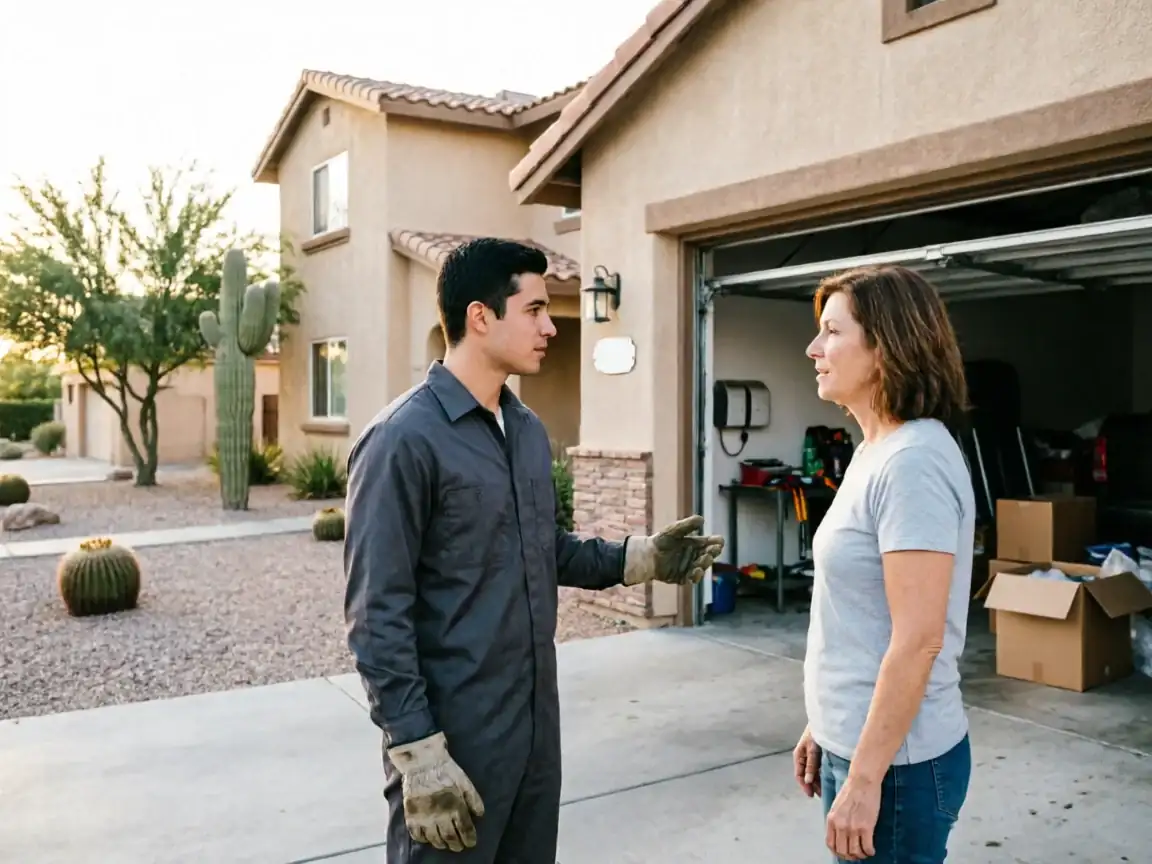
We're based in Palm Springs, about 9 miles from Garnet, and that drive is part of the schedule, not a complication on top of it. Once the truck is on-site, a straightforward roller swap on one door - even a full set of ten - is typically finished in the same visit, since it doesn't require ordering a part that has to be matched to your opener or your door's weight the way a spring or a panel does. Where it runs longer is if the track needs straightening or re-securing once the worn rollers come out, which adds time on-site but still doesn't usually turn into a second trip.