What You Are Seeing
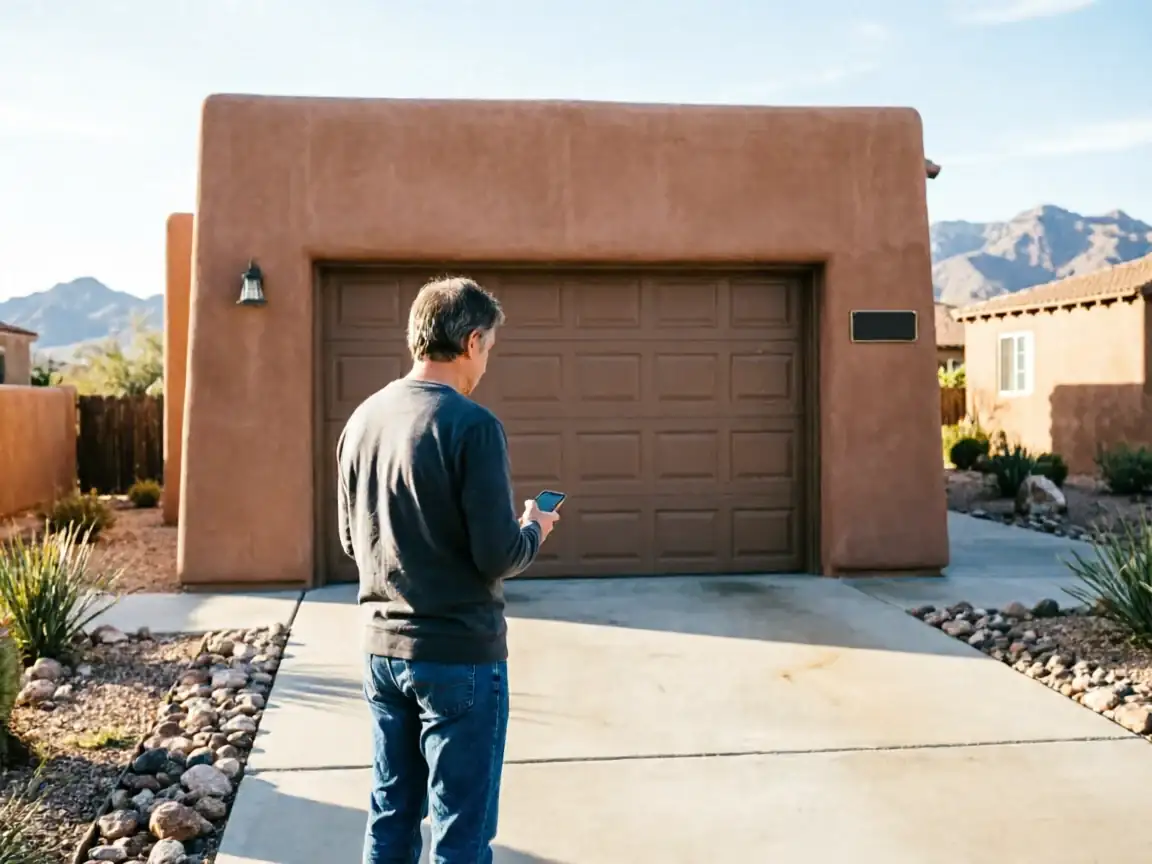
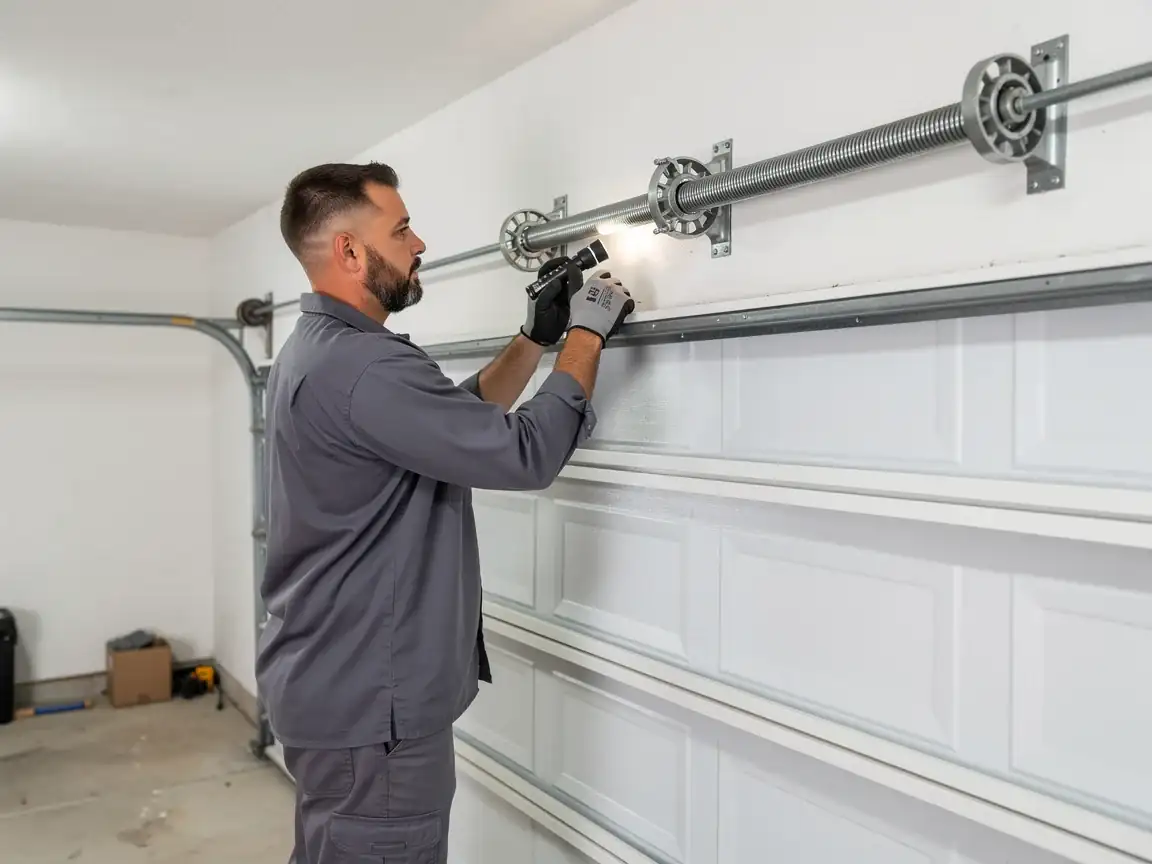
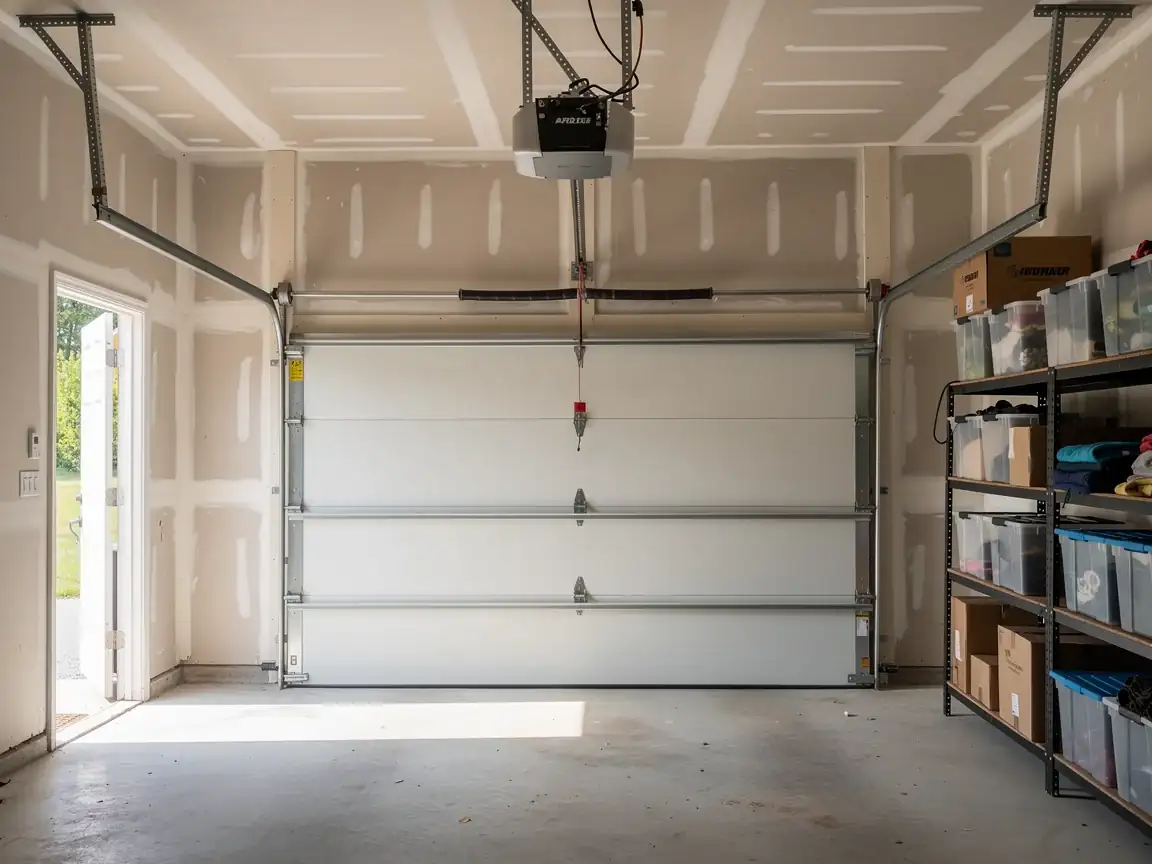
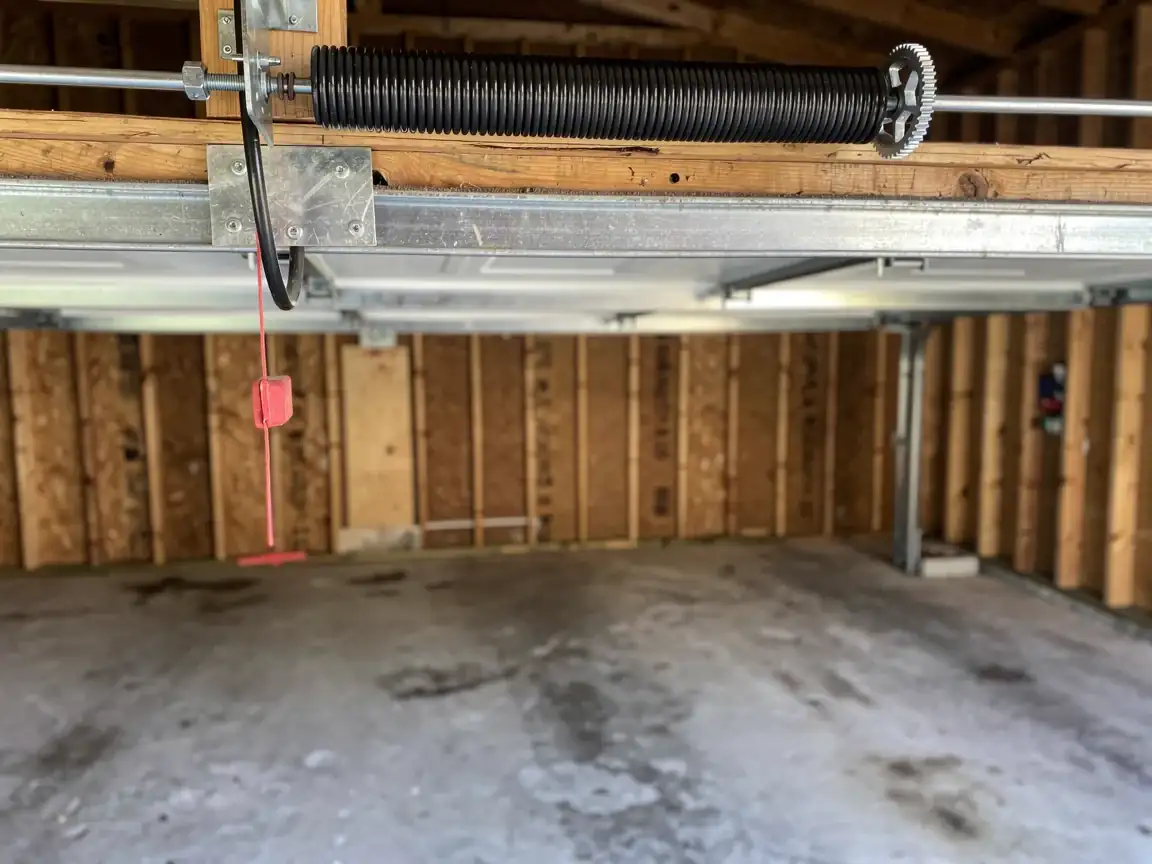
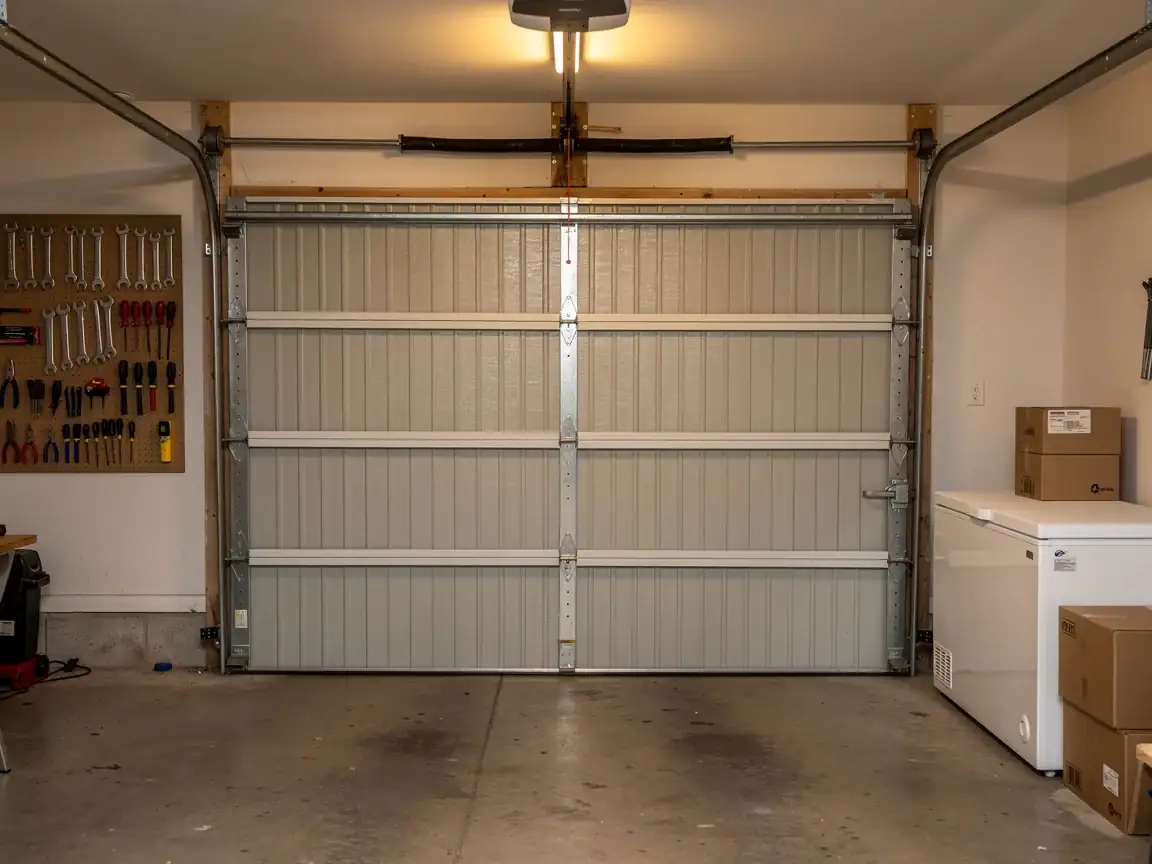
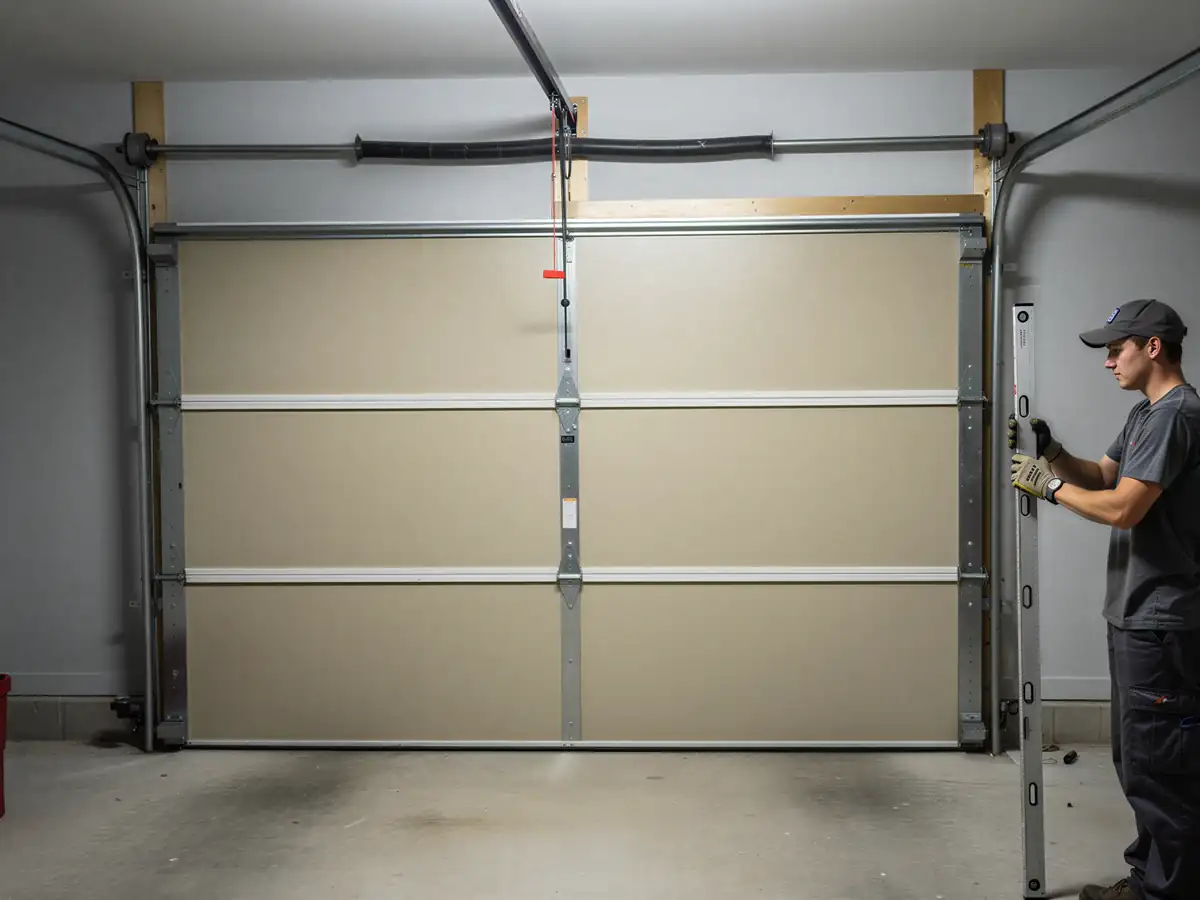
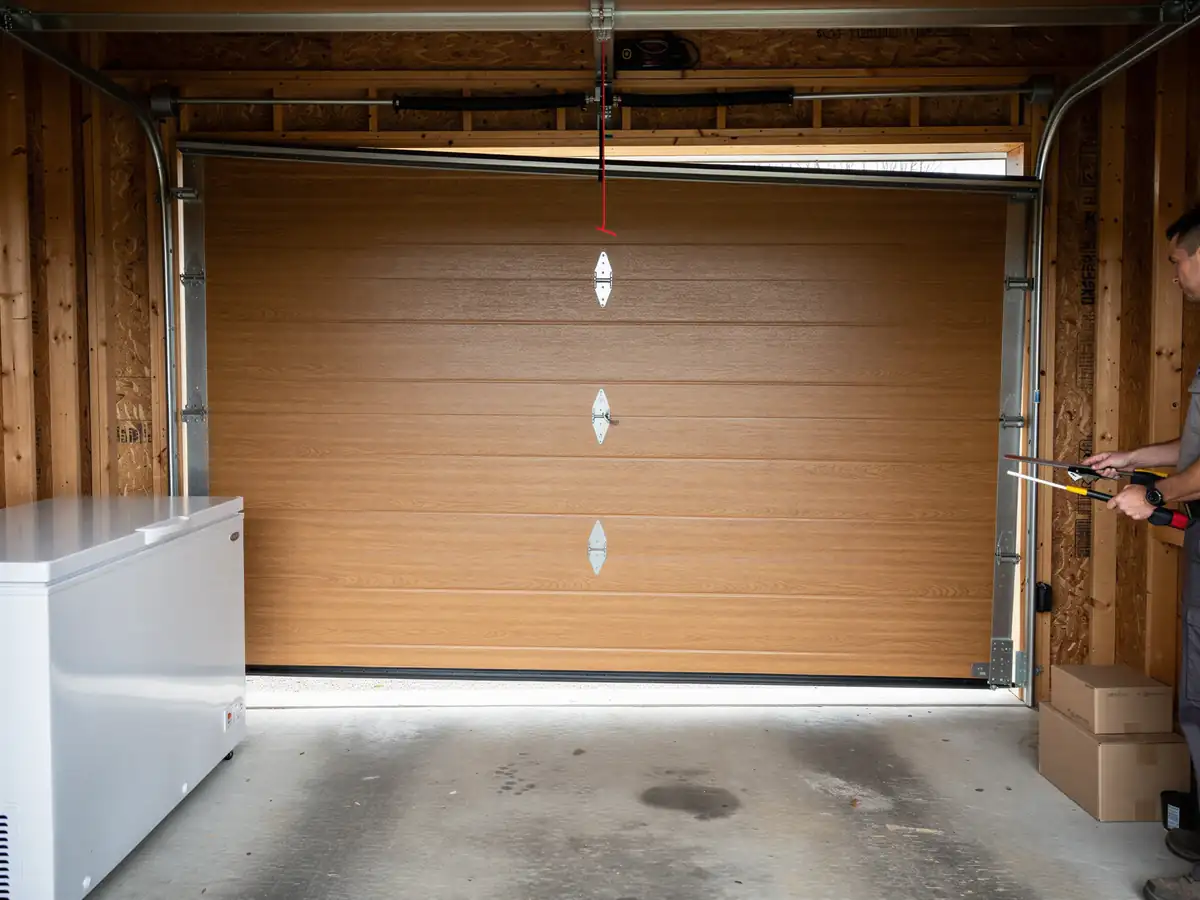
Garnet's houses mostly went up in the early-to-mid 1990s, a touch newer than the 1968-1999 spread you see across the wider service area. That matters for cables because a door from 1994 almost always came with galvanized lift cables on a standard torsion or extension setup, not the older hardware you'd find on a house built in the 1970s. What fails is usually one of three things: a frayed cable where it wraps the drum, a cable that's jumped the drum groove and bunched up, or a snapped cable on one side that lets the door hang crooked. If the door is sitting lower on one side, or you can see wire strands poking out near the bottom bracket, that's a cable, not the opener. Don't run the opener again once you notice this - a cable under tension that lets go can whip and bend the track or take a panel edge with it. The heat here does the cables no favors either; the severe heat band this area sits in dries out the galvanizing and the stranded wire gets brittle faster than it would somewhere milder. A cable that looks fine in January can be ready to go in July.
Can You Do This Yourself
A garage door cable is under real tension even with the door closed, because it's tied to a loaded torsion spring or an extension spring stretched along the track. Loosening the wrong bracket without releasing that tension first is how people lose fingers or get hit with a drum. This isn't a job for a ladder and a YouTube video. If one cable has snapped, the other side is still under full load and can let go the moment you start pulling the door around to work on it. The honest limitation here: we don't walk people through this over the phone, and we won't send parts without a truck behind them. If you want to do something yourself before anyone comes out, it's limited to the safe stuff - don't force the door up or down by hand, don't hit the opener's wall button, and if you can get a car out from under it, leave the door wherever it's sitting.
The Complications
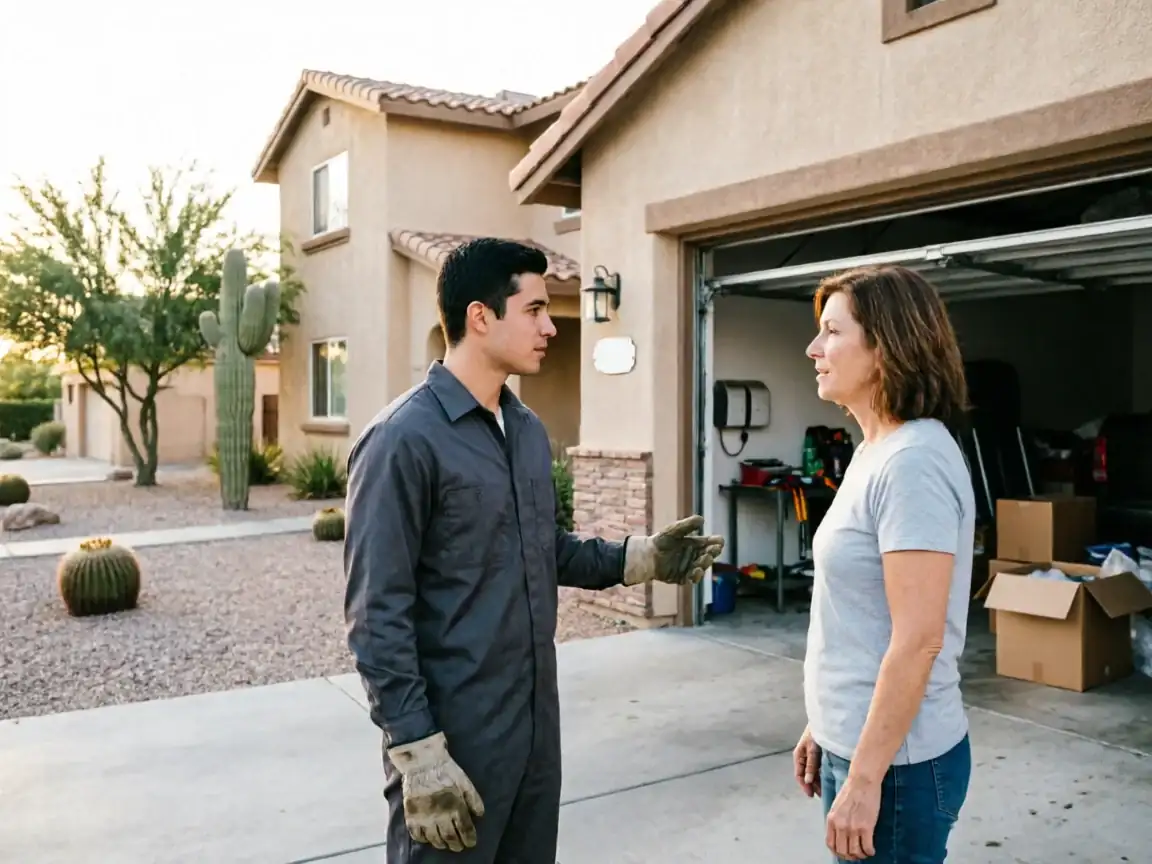
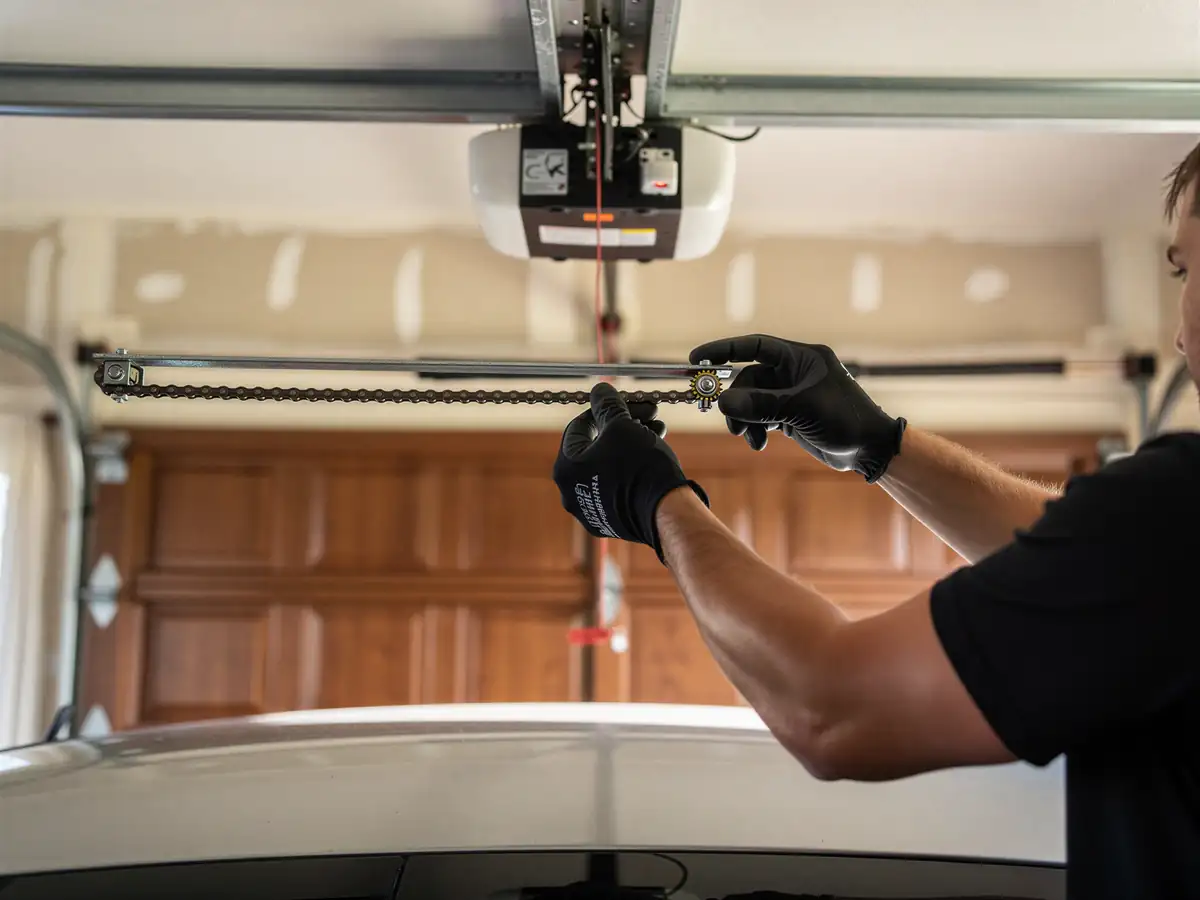
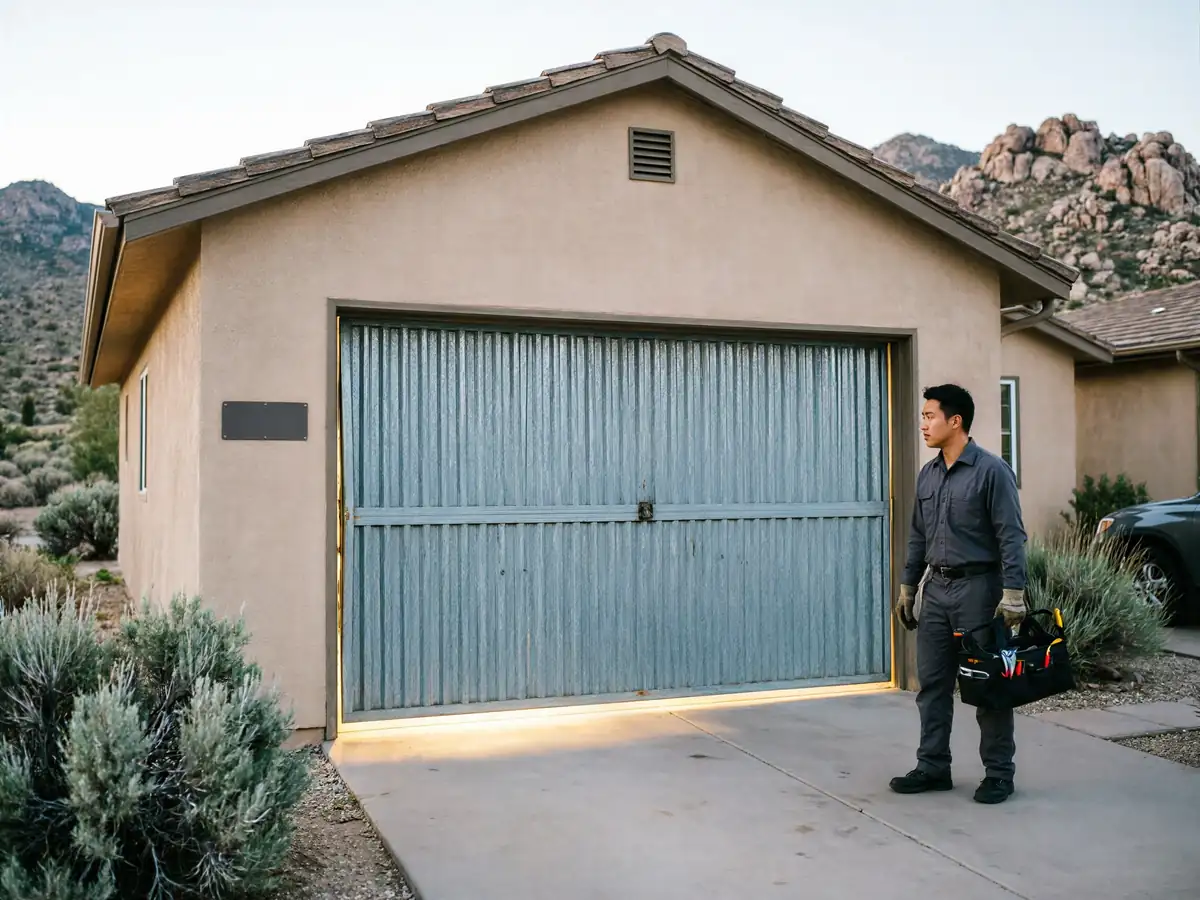
Garnet sits about 9 miles from Palm Springs, which is close enough that a truck can get out there without it changing the job, but it does mean we're not parked around the corner - if you call and we're mid-job somewhere else in the coverage area, you're working around that, not a dedicated Garnet crew. On the hardware side, 1994-era doors sometimes have extension springs with cables that run through a pulley at the bottom bracket instead of a torsion drum at the top, and those two setups need different cable lengths and different anchoring. If whoever quotes you over the phone doesn't ask which kind of spring system you've got, get a second opinion. We also don't stock every length and gauge of cable on the truck for every door era - if your door turns out to be an oddball setup, there can be a short wait on the exact part, and we'd rather tell you that up front than promise same-visit and miss it.
How Long You Are Without the Door
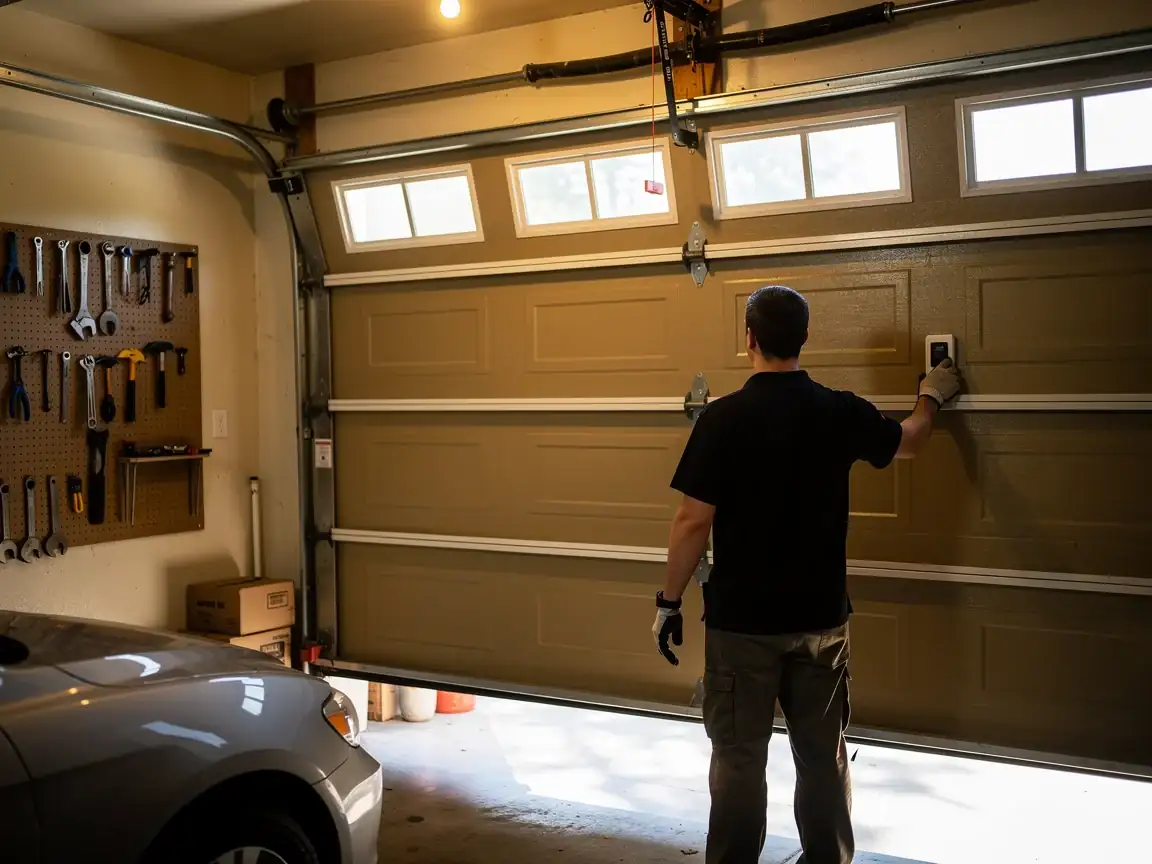
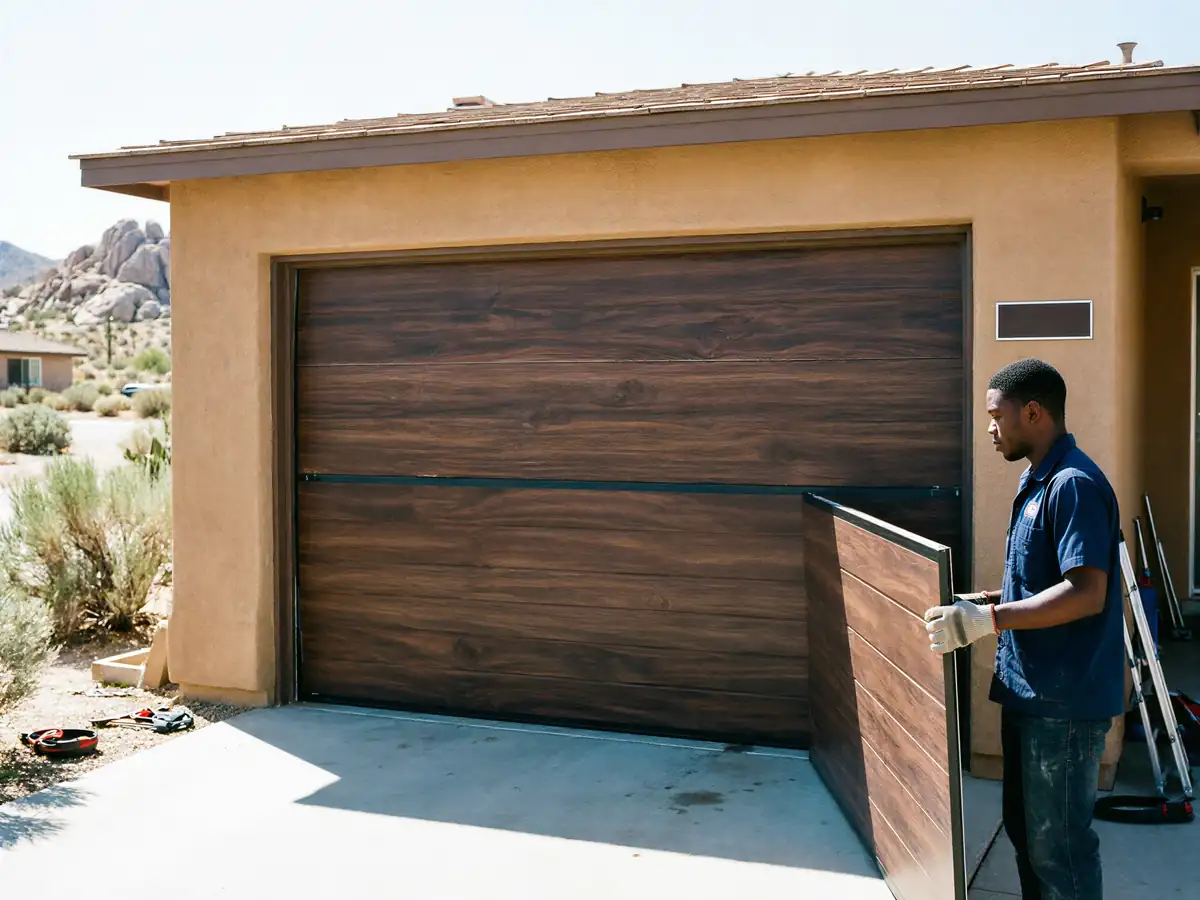
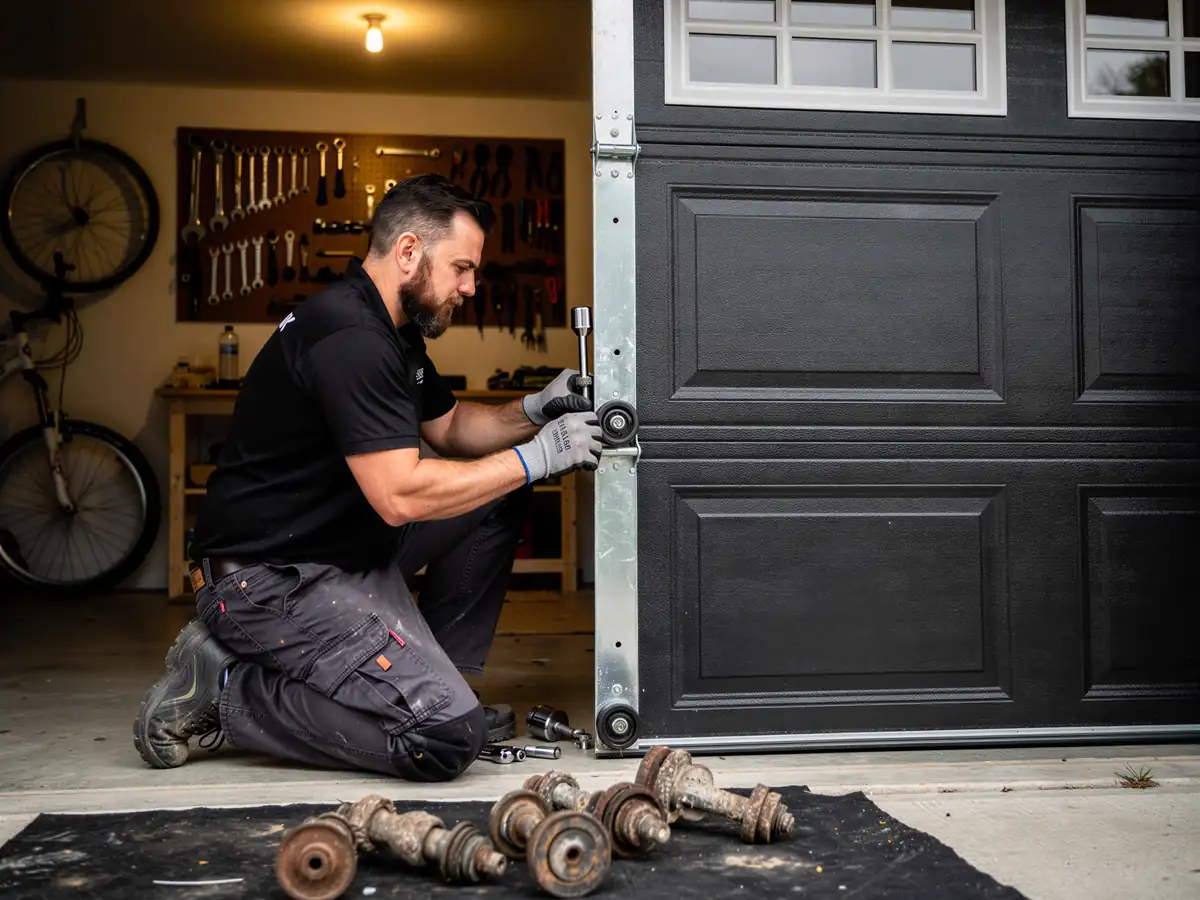
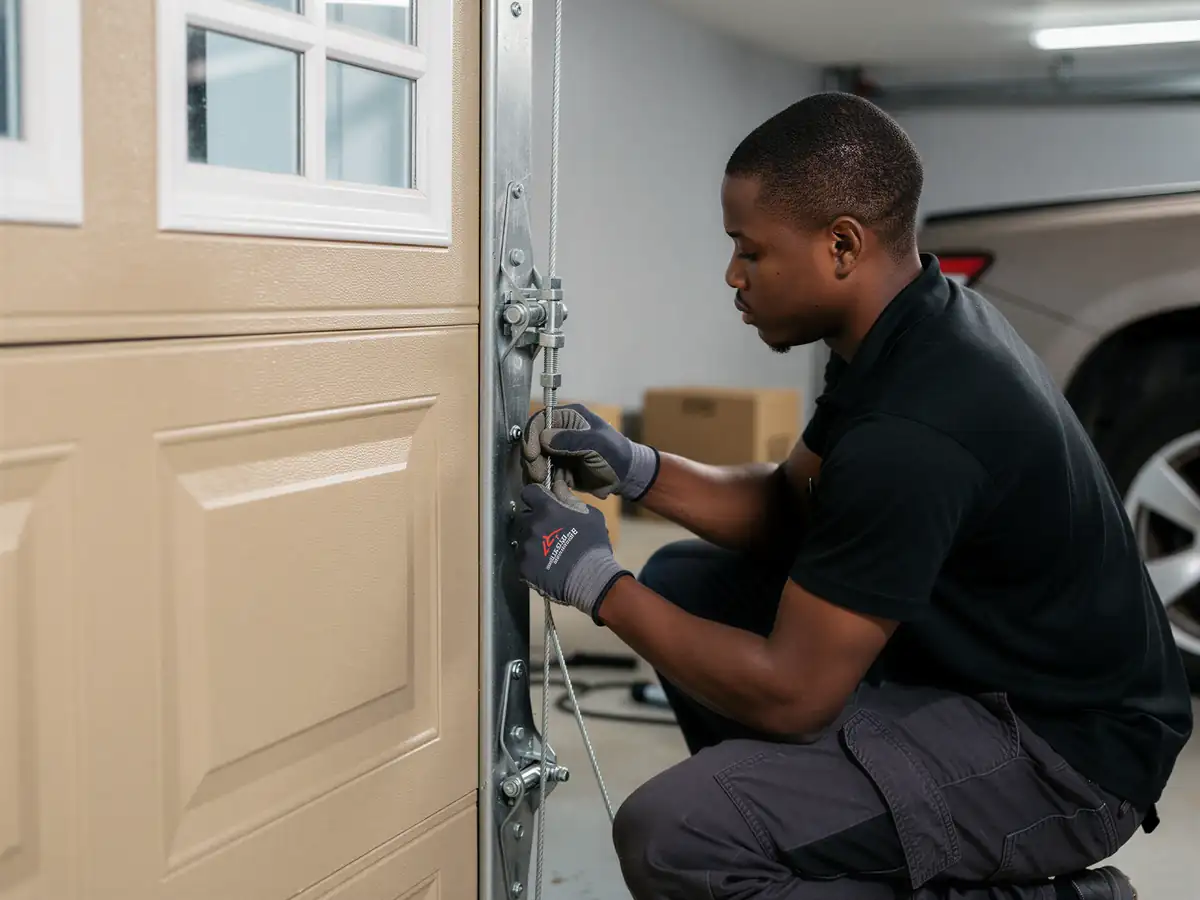
A single cable swap, once we're on site and the spring system checks out, is typically done inside a couple hours - the drum comes off, the old cable comes out, the new one gets seated and tensioned, and the door gets tested through a full cycle. What extends that is damage beyond the cable itself. If a panel got bent when the door dropped, or the track pulled away from the wall, that's extra time and sometimes a part we don't have in the truck. For most Garnet households with a 2,119-household base and a door from the 1990s, the straightforward case - one cable, nothing else bent - is the common one. We won't quote you a tight window before we've seen the door, because the honest answer depends on what we find once that panel comes off.