Parts We Carry
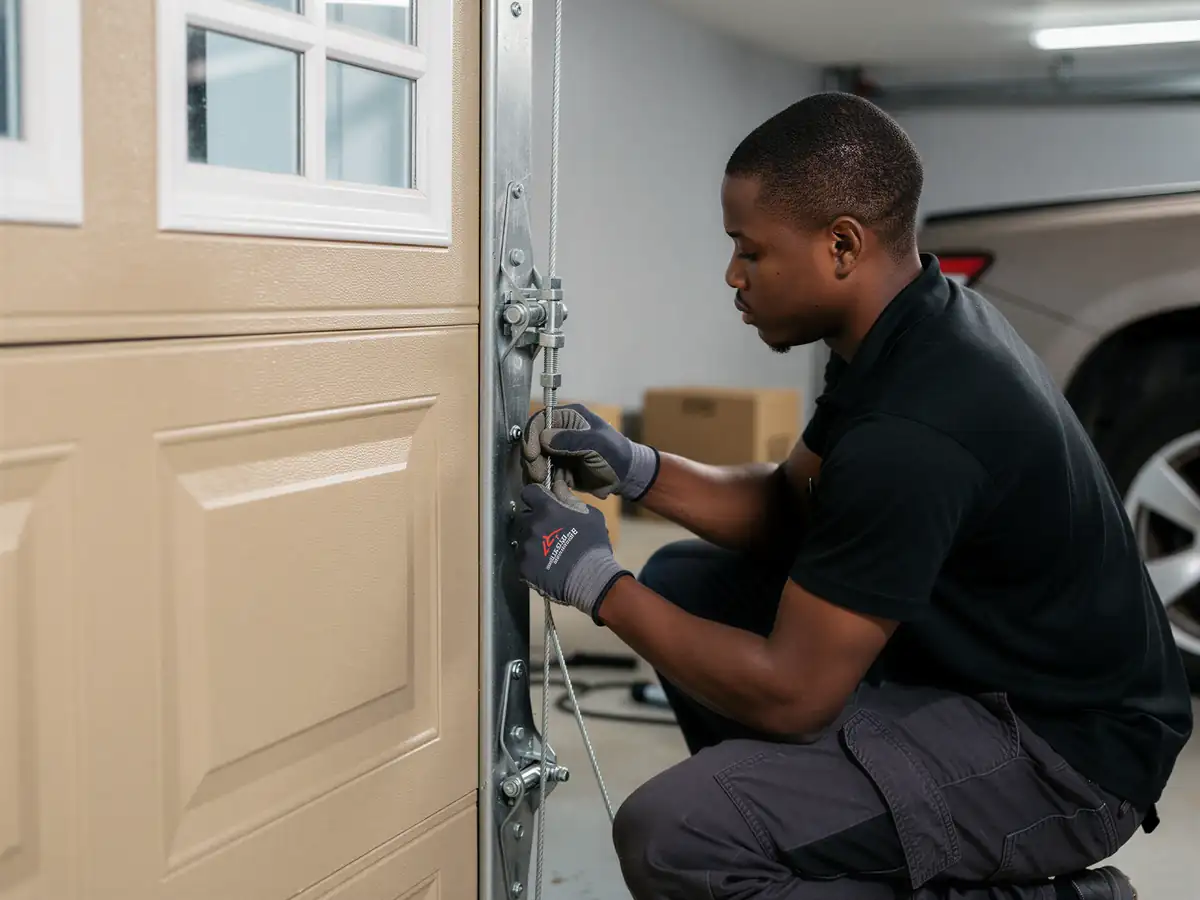
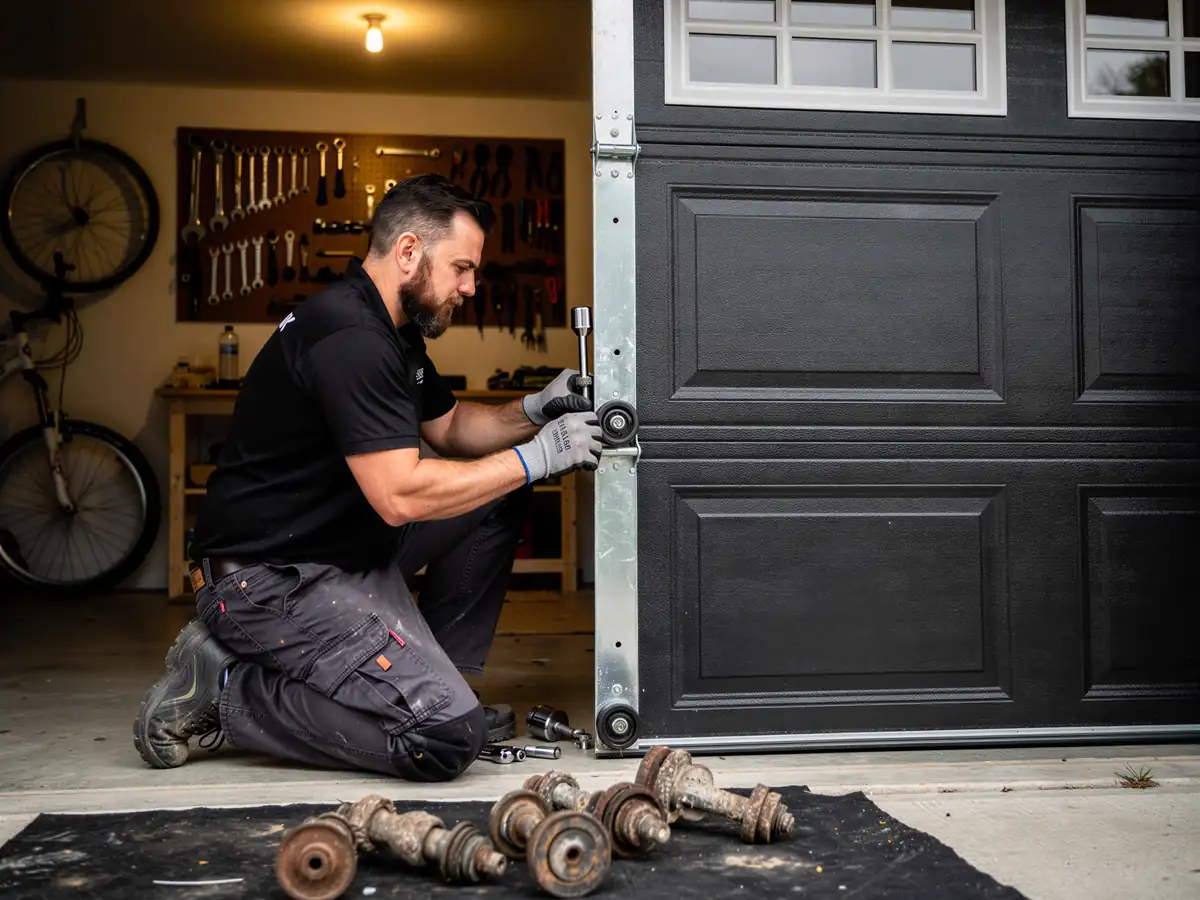
We stock three roller types on the truck: plain nylon, sealed-bearing nylon, and steel. Most calls out this way end with sealed-bearing nylon going in, because it runs quieter than steel and holds up better than plain nylon once the sun gets at it for a few summers. Steel rollers are still out there on older tracks, and we'll match steel-for-steel if that's what the opener and track geometry call for, but we don't push it as the better option unless the door's hardware genuinely needs it.
We carry common roller stem lengths and track widths for doors built through the 1990s, which covers the bulk of what we see across the service area. What we don't carry on the truck is obscure replacement track for a door nobody's made parts for in decades - if your rollers are shot because the track itself is bent or undersized by modern standards, we'll say so rather than force a roller into a track that's fighting it. Bring us the make and rough age of the door when you call and we'll tell you what we're bringing out before we load the truck.
Can You Do This Yourself
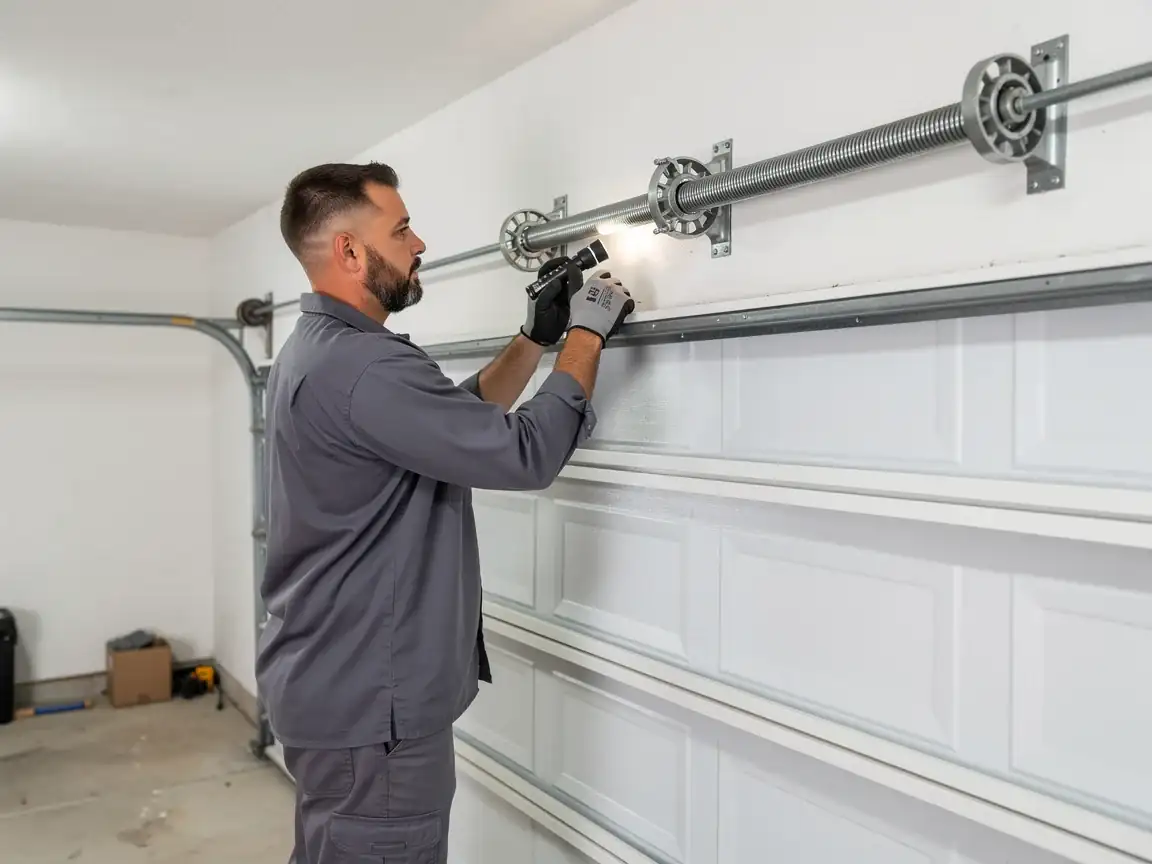
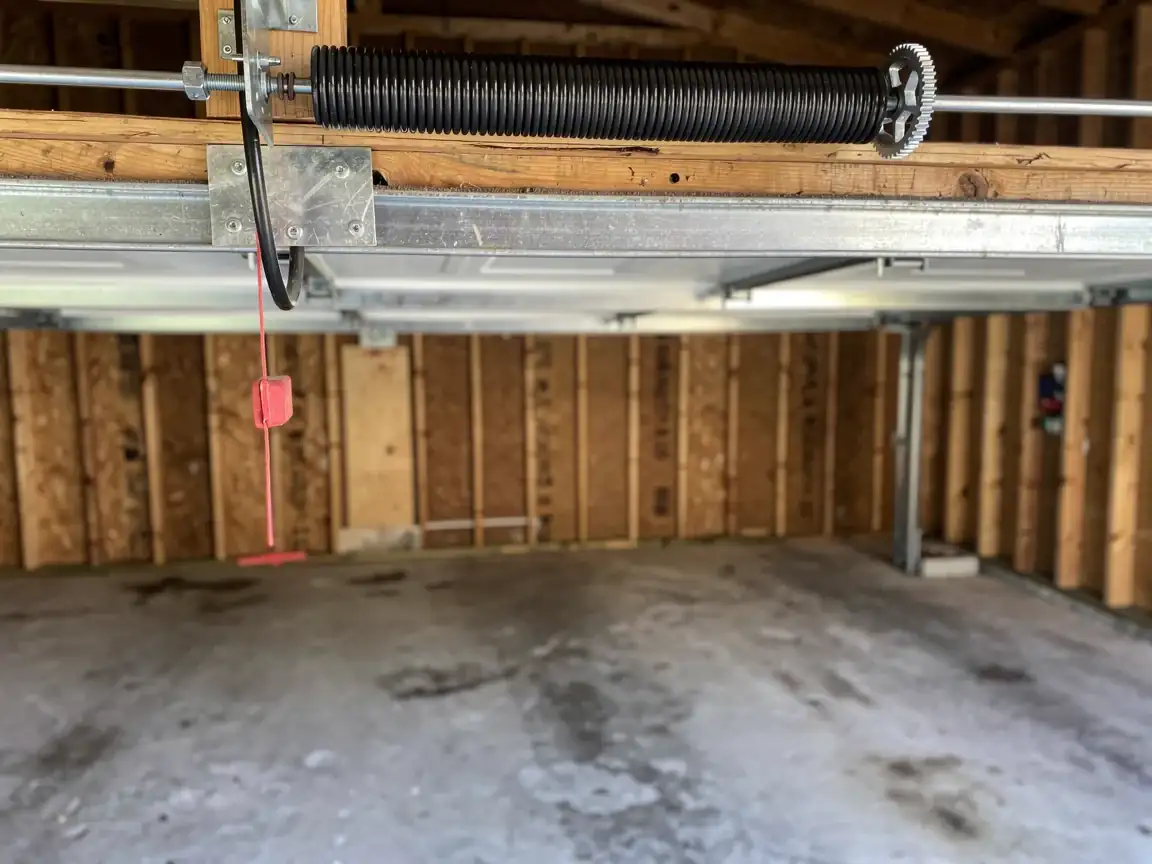
Rollers on the bottom two panels are within reach for a reasonably handy homeowner - loosen the bracket, slide the old roller out, slide the new one in, done. The rollers up near the top panel and anywhere close to the torsion spring are a different job. The cable and spring are under load, and a roller bracket near the top of the track sits close enough to that load that a slipped hand tool can let the door drop or the cable snap.
The honest limitation here: we won't talk you through the top rollers over the phone, and we'd rather you call us for those than end up in urgent care. If you're set on doing the bottom rollers yourself, release the opener first, block the door open, and don't work on a door that's already sitting crooked in the track - that's usually a sign of something bigger than a worn roller.
What You Are Seeing
Most houses in Morongo Valley went up around 1973
A good decade before the 1986 median for the wider service area. That earlier build date usually means steel rollers on steel track rather than the nylon-on-aluminum setups that came later. Steel rollers don't fail quietly - they grind, they chatter on the way up, and you'll often feel the door catch at the same spot in the track every single cycle, which is the worn flat spot on the roller itself.
If the noise has gone from an occasional squeak to a steady grinding
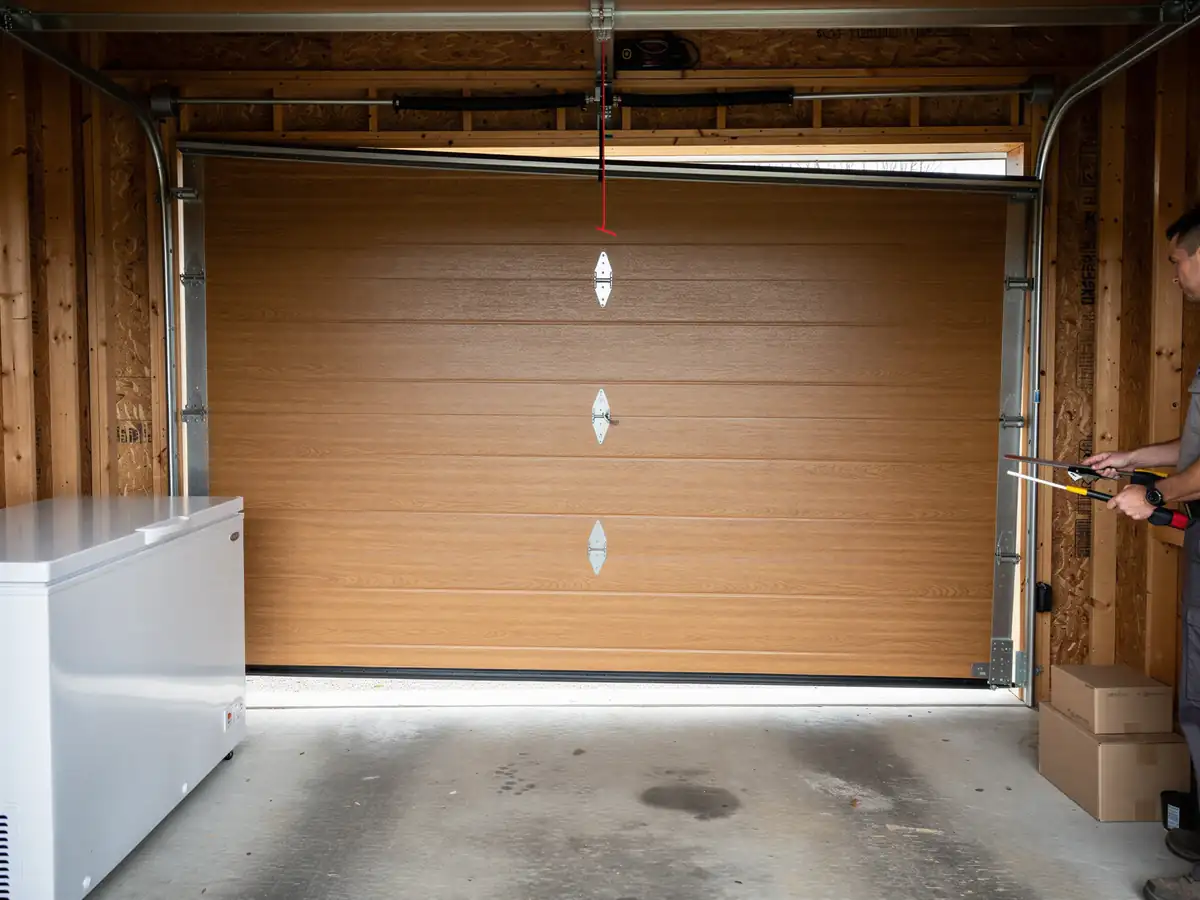
Or the door hesitates at the same point every time, that's roller wear, not opener trouble. A door that shudders right as it clears the bend in the track, where horizontal meets vertical, is almost always rollers that have flattened on one side. Left alone, flattened steel rollers start chewing into the track itself, which turns a roller job into a track replacement job.
Why This Fails Locally
This is a severe-heat climate band, and that matters more for rollers than for almost any other door part. Nylon rollers soften and swell when they sit in a hot garage for years, then they seize slightly in the bracket and wear unevenly instead of rolling true. Steel rollers don't soften, but the grease packed into their bearings cooks out faster here than it would in a milder climate, so the bearing dries and starts grinding years before it would somewhere cooler.
For a Morongo Valley door built around 1973, that's fifty-some years of this same heat cycle working on whatever rollers have been in that track, original or replaced. Even a roller swap done ten or fifteen years ago has likely seen enough summers out here to be due again. We don't treat roller wear as a one-and-done fix in this climate band - we tell owners up front that a second visit down the road is normal, not a sign the first job was done wrong.
Getting It Booked In
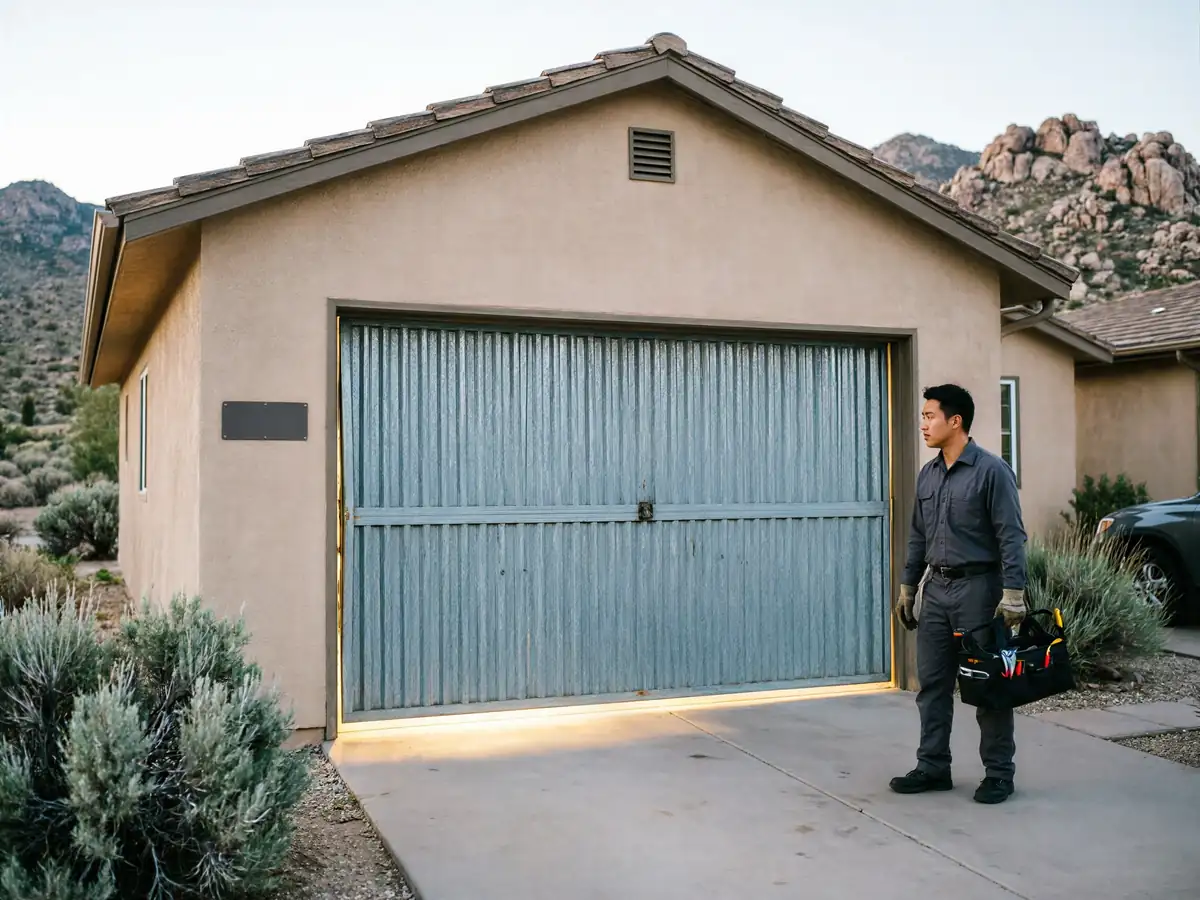
We run out of Palm Springs, and Morongo Valley sits about 19 miles out - one of the farther stops on our route, so getting a day on the schedule that works for both of us matters more here than it does closer in. Call ahead rather than same-day if you can; a scheduled slot lets us load the right roller type before we leave rather than guessing.
With 1,695 households in Morongo Valley against roughly 42,010 across the full service area, it's a smaller stretch of the map for us, which means fewer trucks passing through on a given day. That's not a knock on the town - it's just the math of how we route the week. Tell us the roller noise and roughly how old the door is when you call, and we'll bring the parts that actually match your situation instead of a generalist kit.
How Long You Are Without the Door
A straight roller swap on a door that's otherwise sound is usually a same-visit job
We pull the old rollers, fit the new ones, run the door a dozen times to settle them in, and you're done. The door isn't out of service for days waiting on parts unless the track itself needs replacing alongside the rollers, which happens more often on the older steel-track setups common in a 1973-built house.
If we get out there and find the track is bent or narrowed from decades of roller wear
That's a different conversation - we'll tell you on site whether it's worth re-tracking the existing door or whether the door's old enough that replacement makes more sense than chasing parts for it. We'd rather have that conversation honestly than quote a quick fix that doesn't hold.