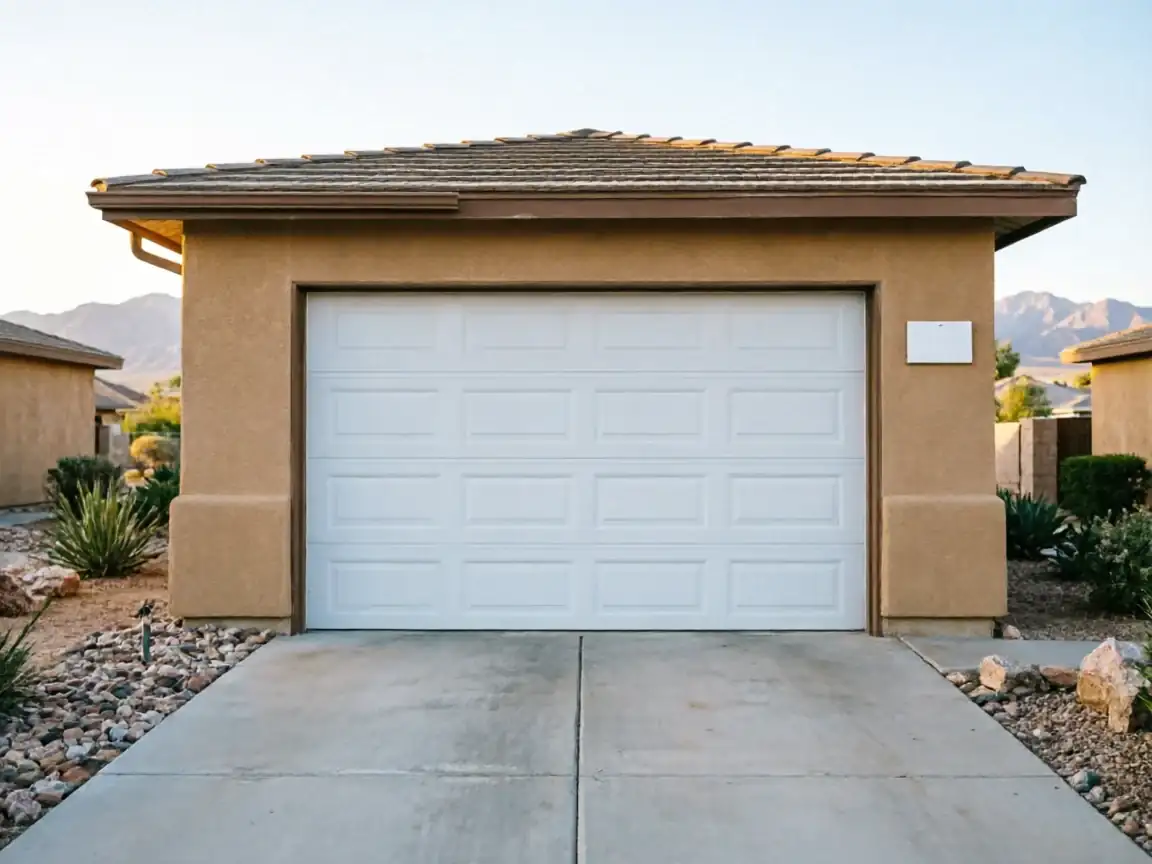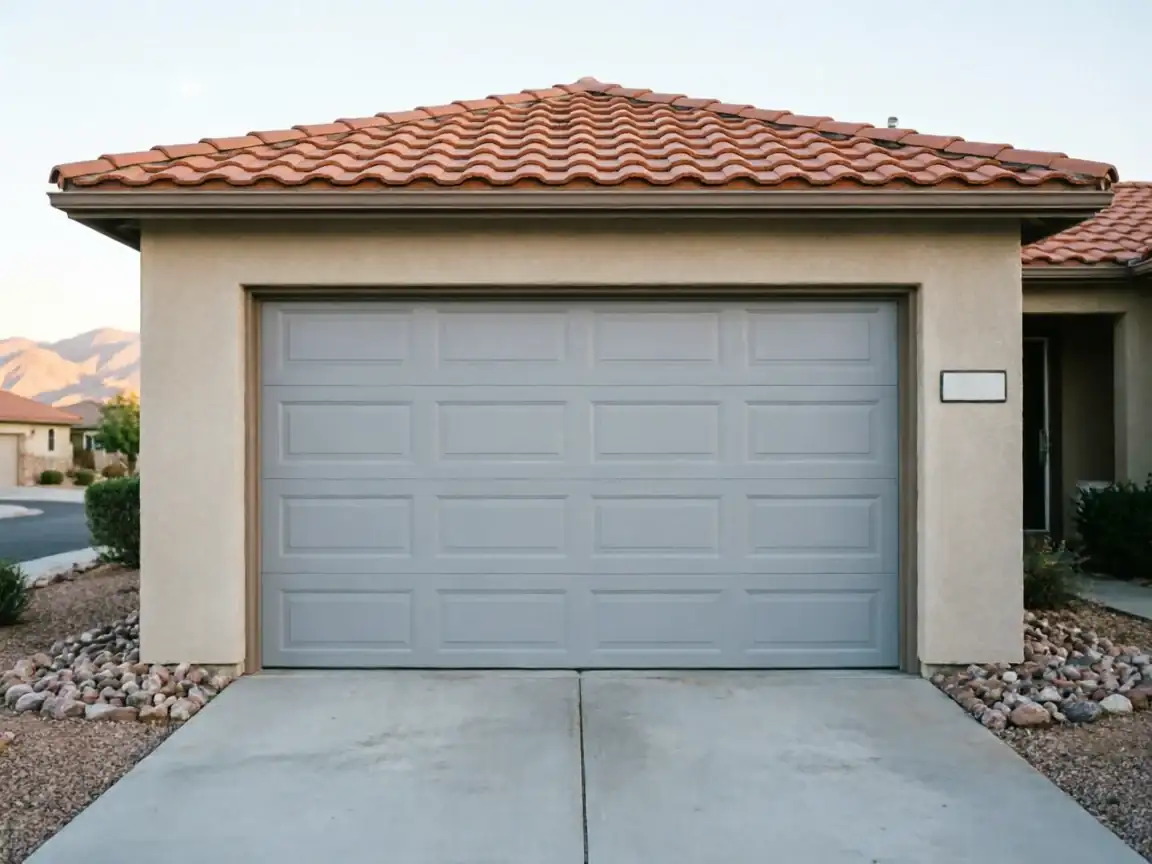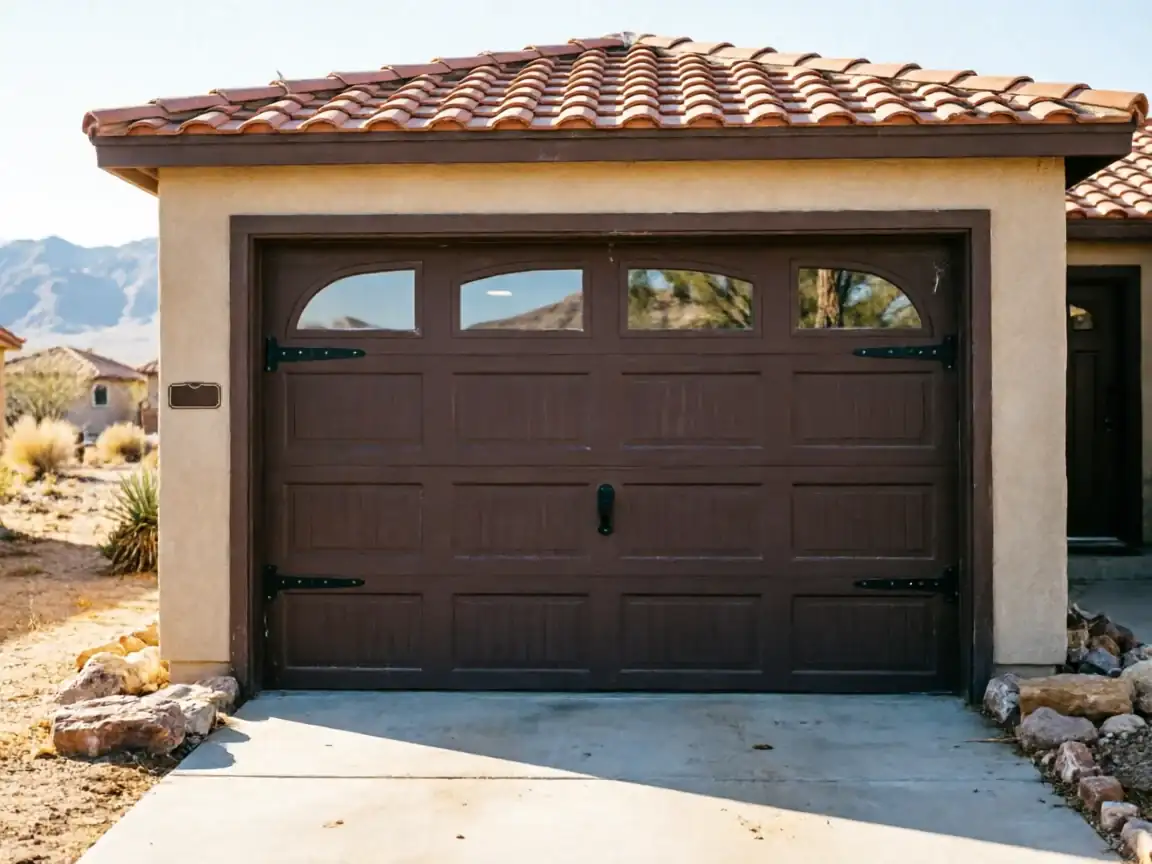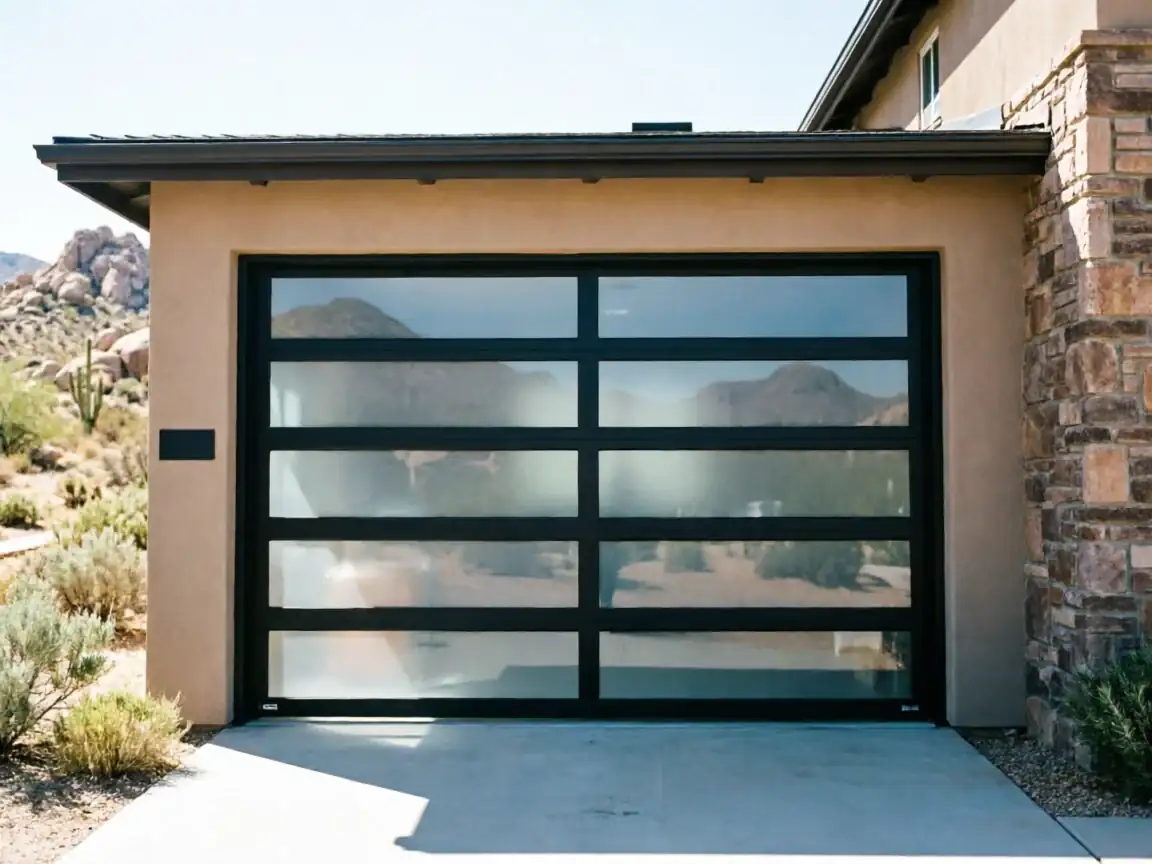
Parts We Carry
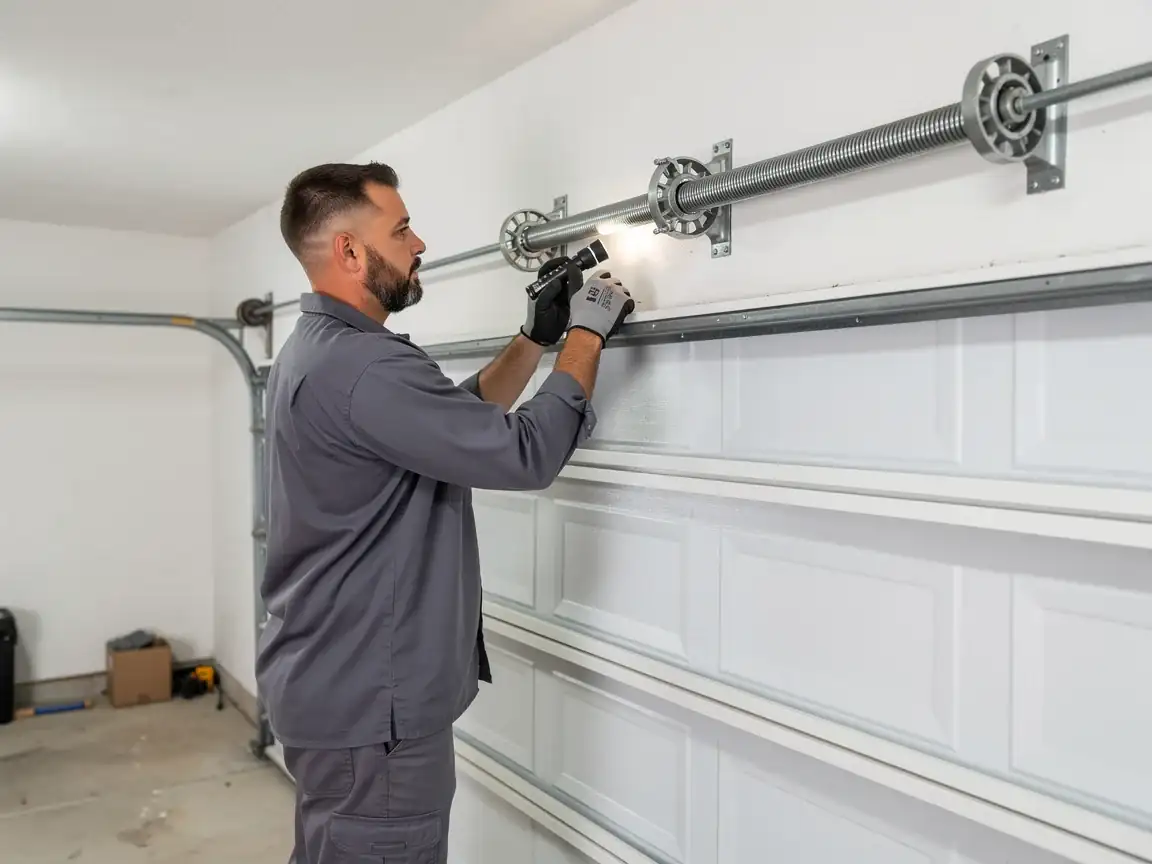
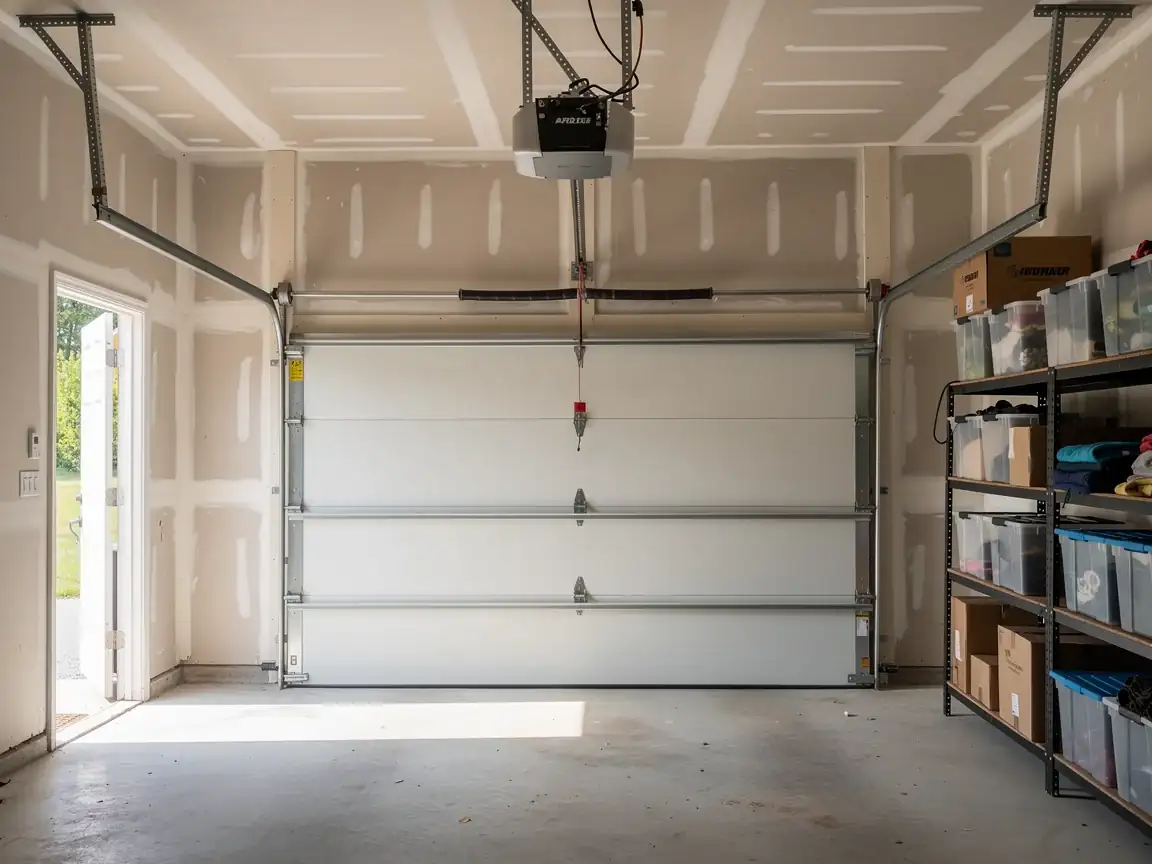
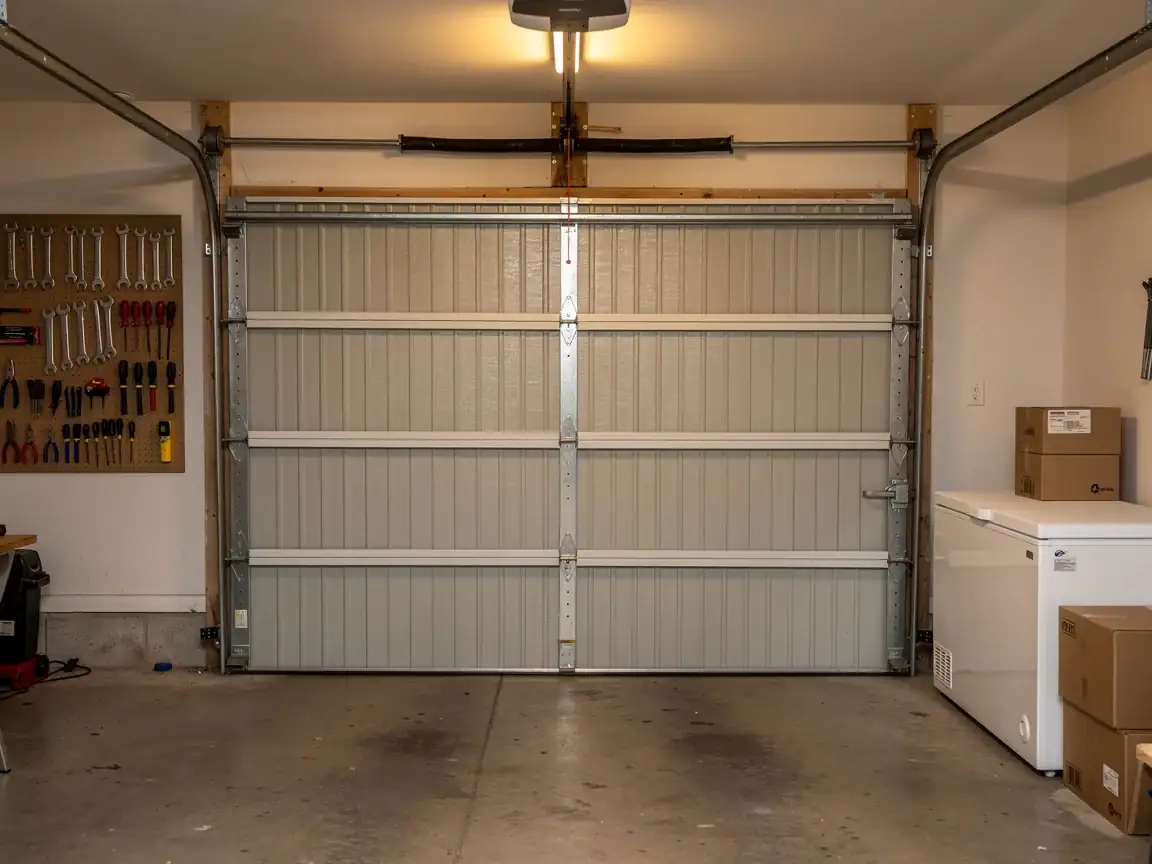
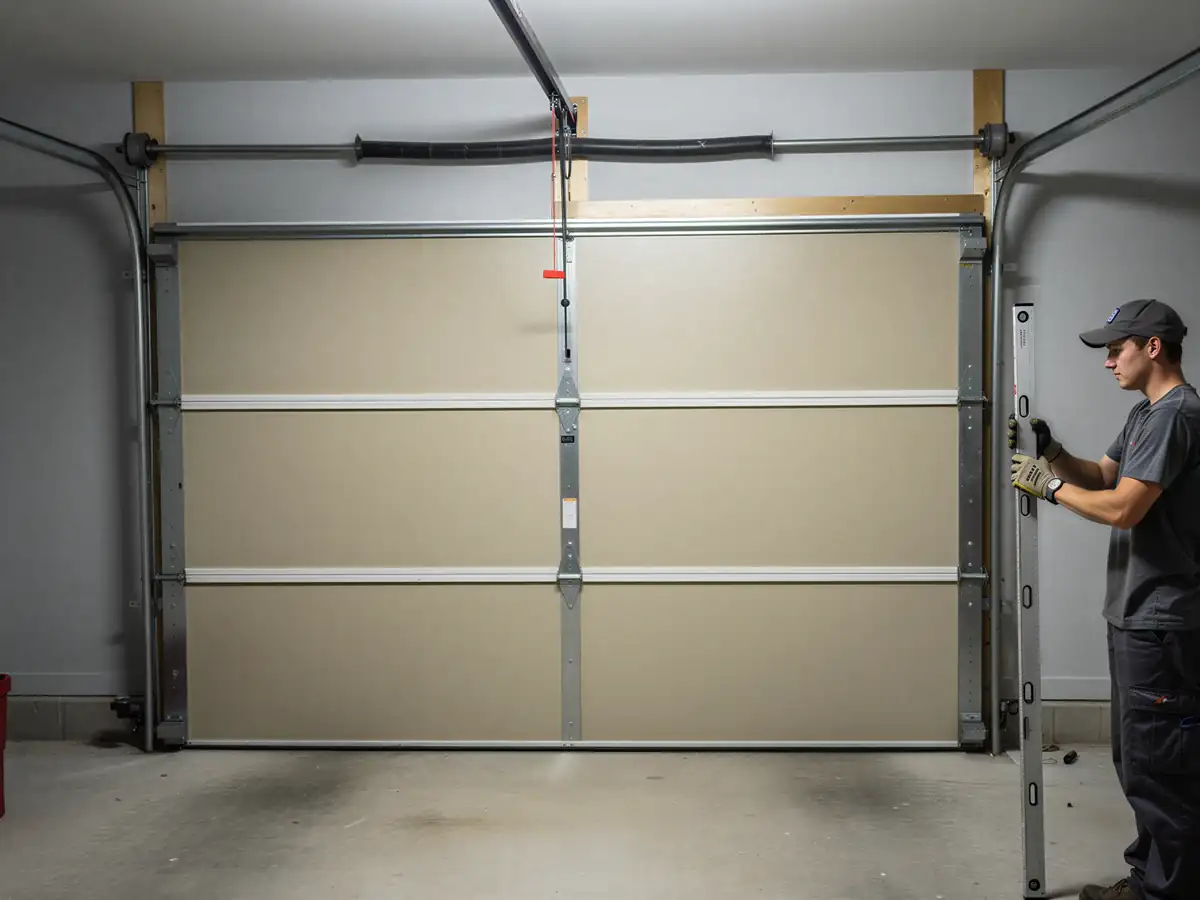
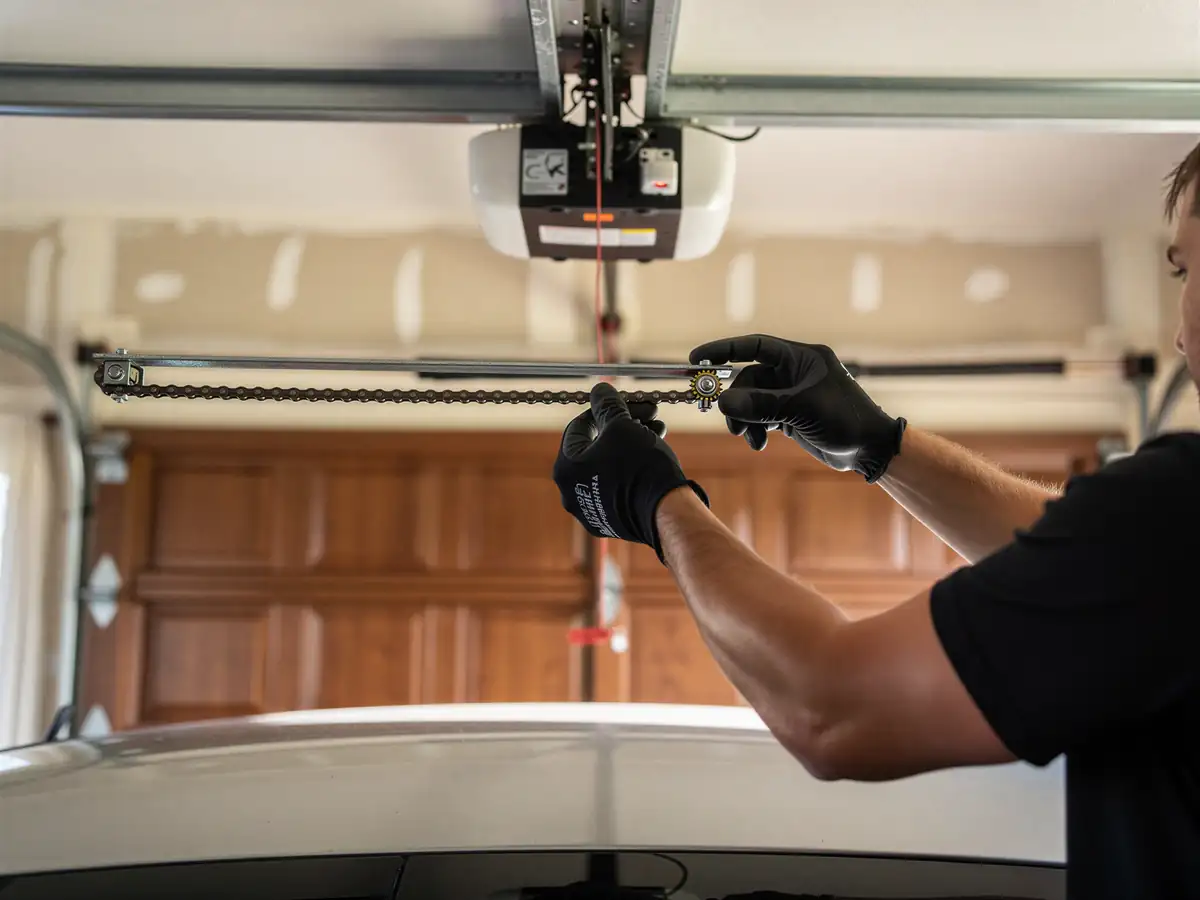
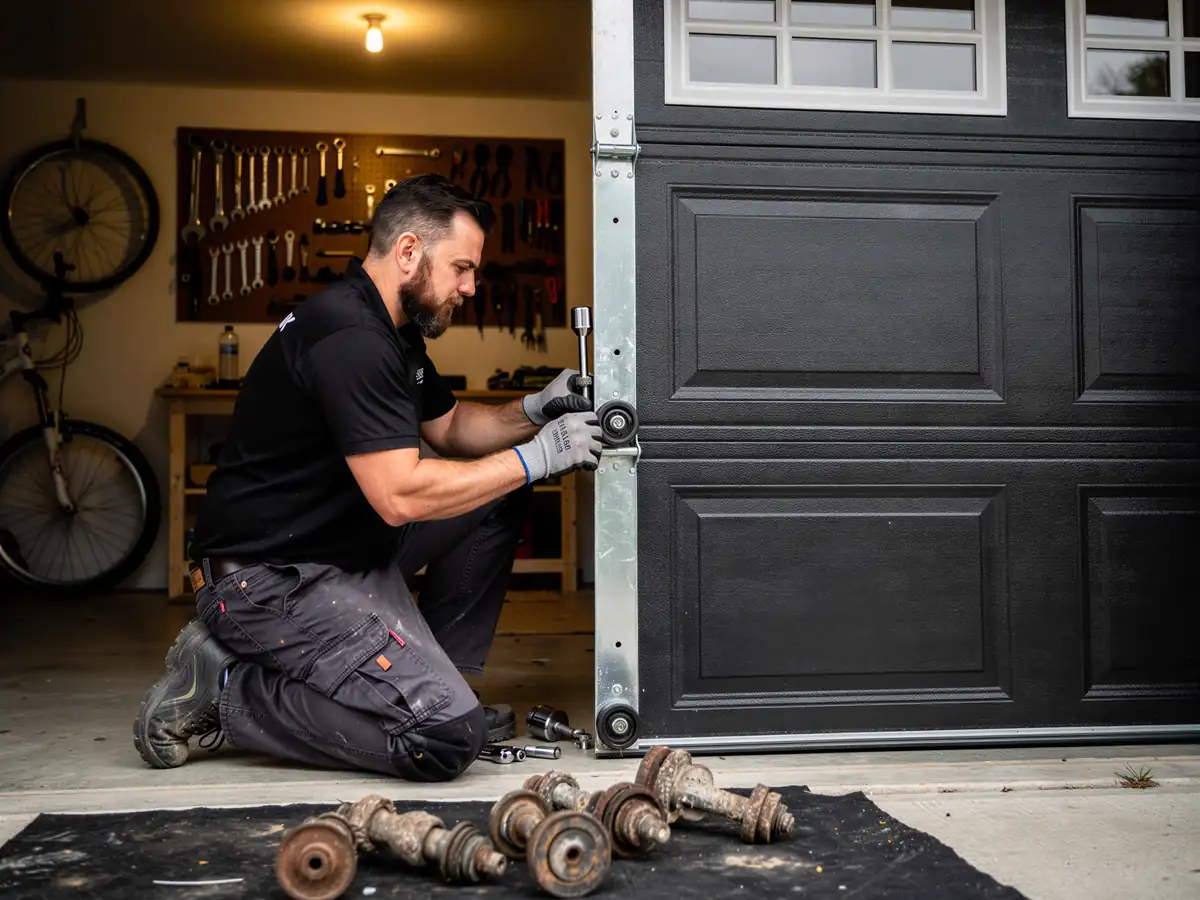
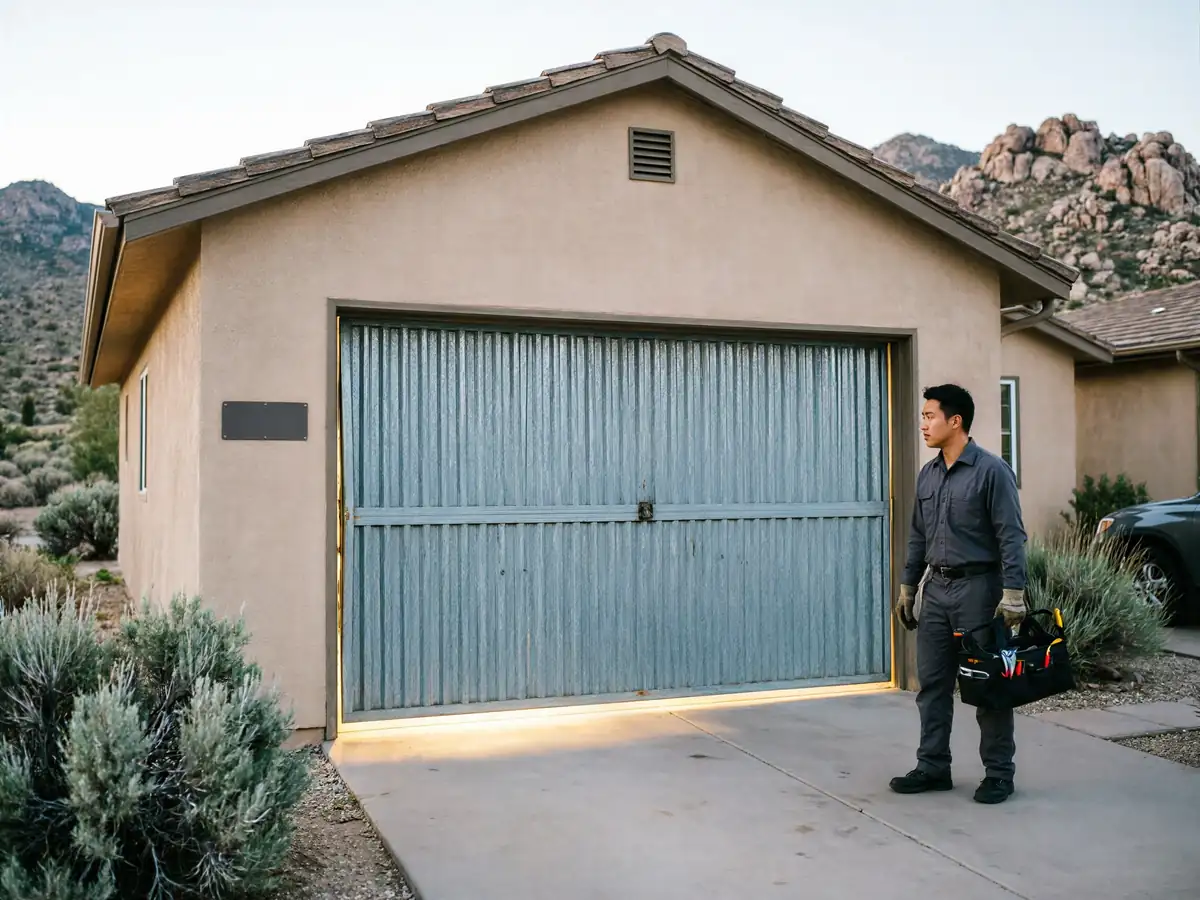
Morongo Valley is a small place - about 1,695 households total, which means the fleet of doors out here isn't huge, but it's consistent. Most homes went up around 1973, well before the service area's overall median of 1986. That puts you squarely in the era of steel torsion springs on single-stem center brackets, extension spring setups on older two-car doors, and galvanized track that's had fifty summers to pit and stretch. We carry torsion springs in the wind sizes that matched garage header heights from that build period, plus extension spring kits, since a fair number of houses out this way were never upgraded to torsion. We stock standard rollers, cable, and the hinges that fail first on panels this age - the ones at the bottom corners that take the brunt of a door racking on a bent track. What we don't stock on the truck is anything custom: a door that's been retrofitted with a non-standard opener bracket or a panel size nobody's made in decades. That's a special order, and we'll tell you straight if that's where you're headed instead of pretending we can swap it same visit.
Can You Do This Yourself
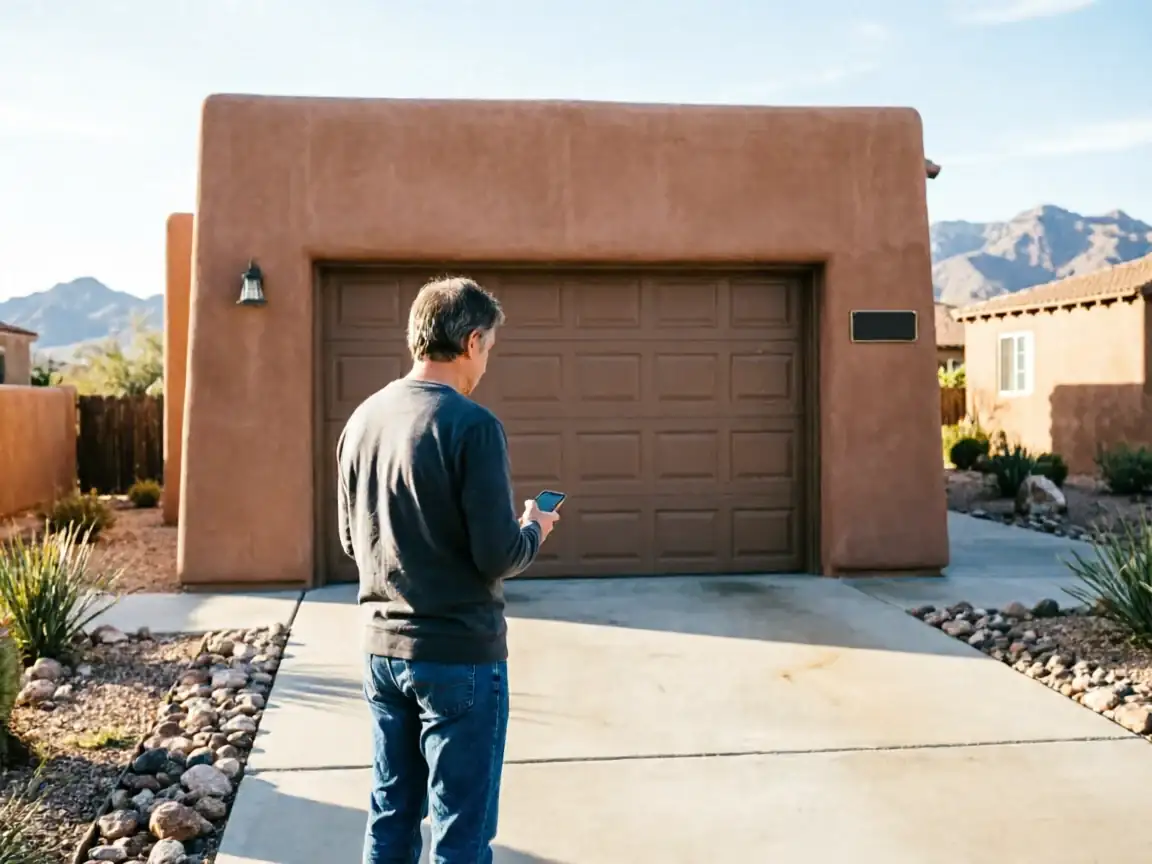
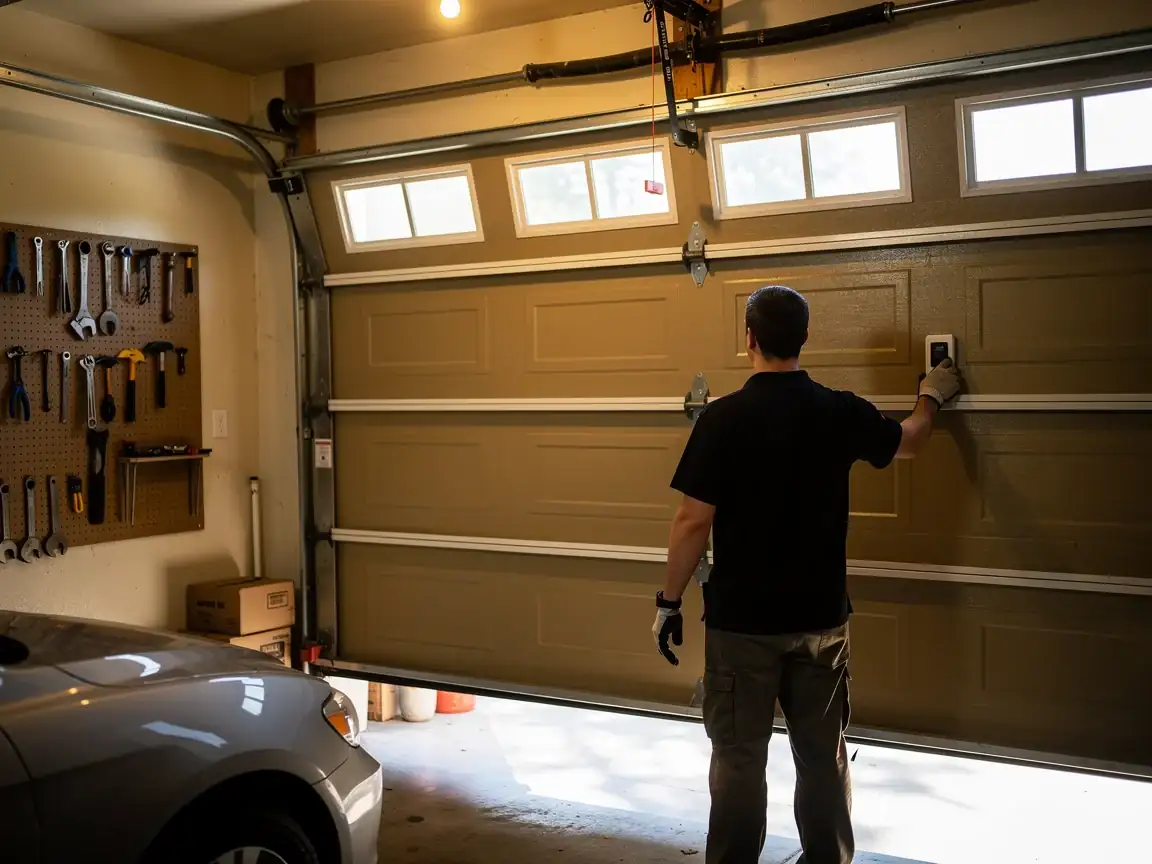
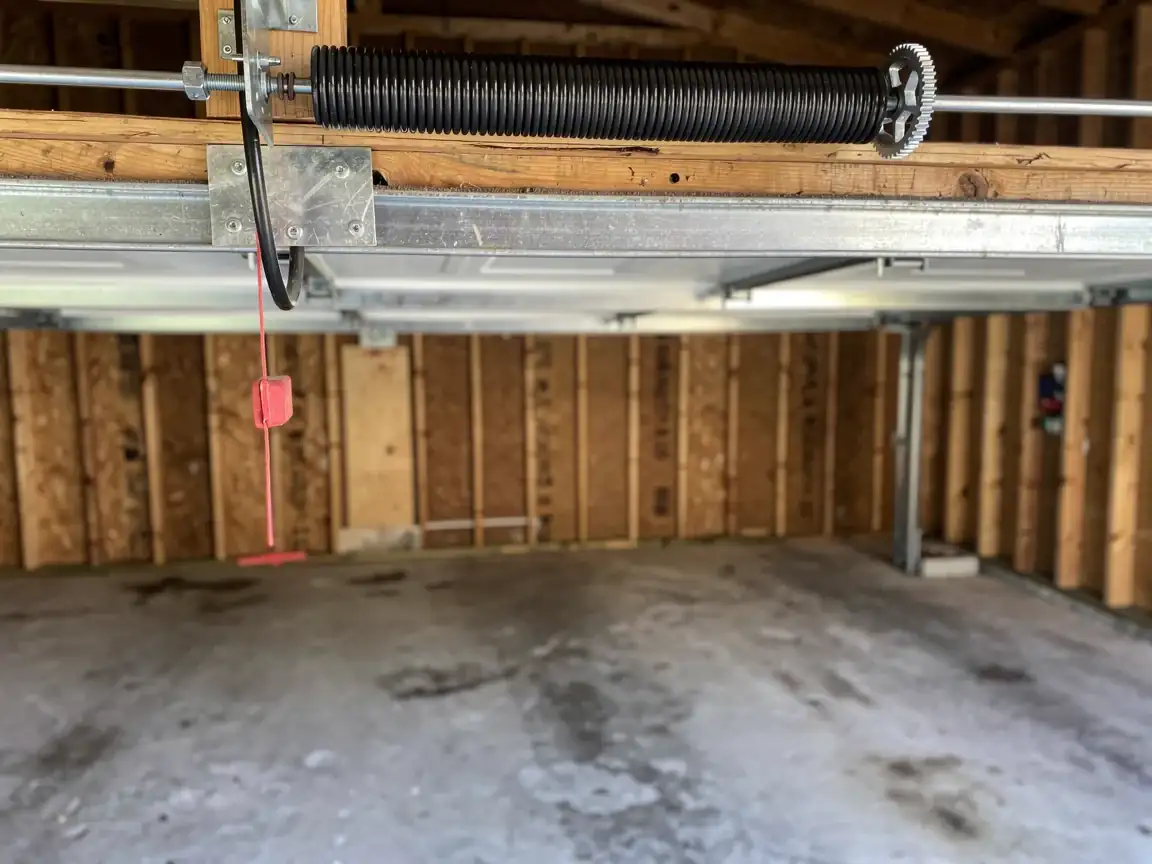
If the door won't open and you can see a spring has let go - coil separated, one half hanging - stop there. Don't cut the cable, don't try to lift the door by hand against a broken torsion spring; the tension stored in these old setups is still enough to take off a finger. What you can safely do yourself: check the wall switch for a dead photo-eye sensor (common after a hot summer swells the wiring), check the opener's remote battery, and look at the track for obvious separation from the wall bracket. If the door is just noisy - grinding rollers, a slapping sound on the way up - that's often a lubrication and roller job, and a homeowner with the right grease and a ladder can get through it. Anything involving the spring itself, the cables, or the drum at the top of the track is not a DIY repair, full stop, regardless of how confident the YouTube video made you feel. We'd rather get a call for something minor than get called after someone's hurt.
Why This Fails Locally
This area sits in a severe heat climate band, and heat is hard on garage door hardware in ways that aren't obvious until something breaks. Steel springs cycle through daily temperature swings that in summer can run well over 100 degrees by afternoon and drop sharply after dark - that expansion and contraction fatigues metal faster than it would in a milder climate. Lubricant that would last a season elsewhere cooks off in weeks here, leaving rollers and hinges running dry and wearing track faster. Add in that the typical house here was built around 1973, meaning the spring, track, and opener on a lot of these doors are either original or one replacement removed from original - older systems that have already absorbed decades of this heat cycling. A door that's marginal in a milder town is often the door that finally lets go here, usually on the hottest stretch of the year when everyone's running it the most.
Getting It Booked In
We work out of Palm Springs, about 19 miles from Morongo Valley, so there's drive time built into any call out this way - we won't pretend otherwise. When you call, tell us what you're seeing: door stuck open, stuck closed, spring visibly broken, opener running but door not moving. That lets us bring the right spring size and hardware instead of guessing on site. Because this is a smaller town by household count, we're not rolling through here constantly the way we might through a denser part of the service area, so the more detail you give us up front - what the door sounded like right before it failed, whether it's torsion or extension spring, roughly how old the opener is - the faster the visit goes once we're on-site. See our coverage page for what's included for Morongo Valley specifically.