Parts We Carry
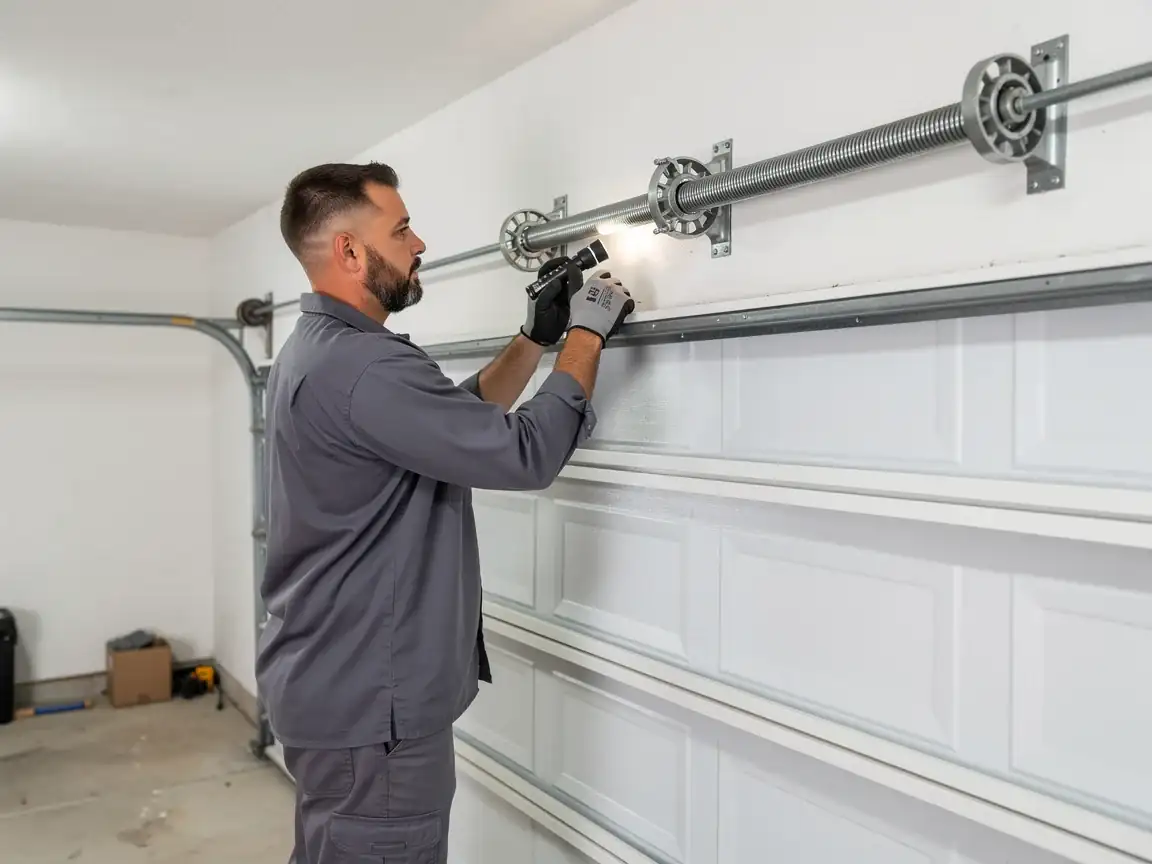
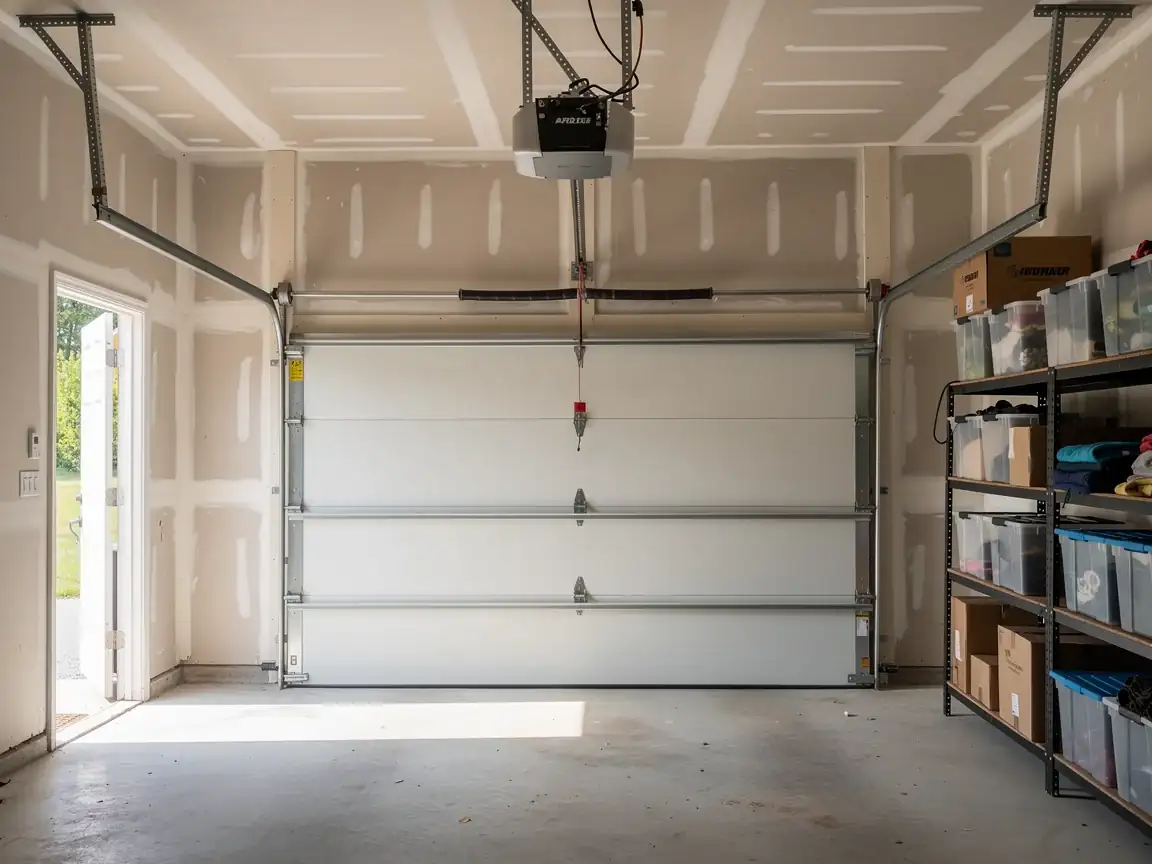
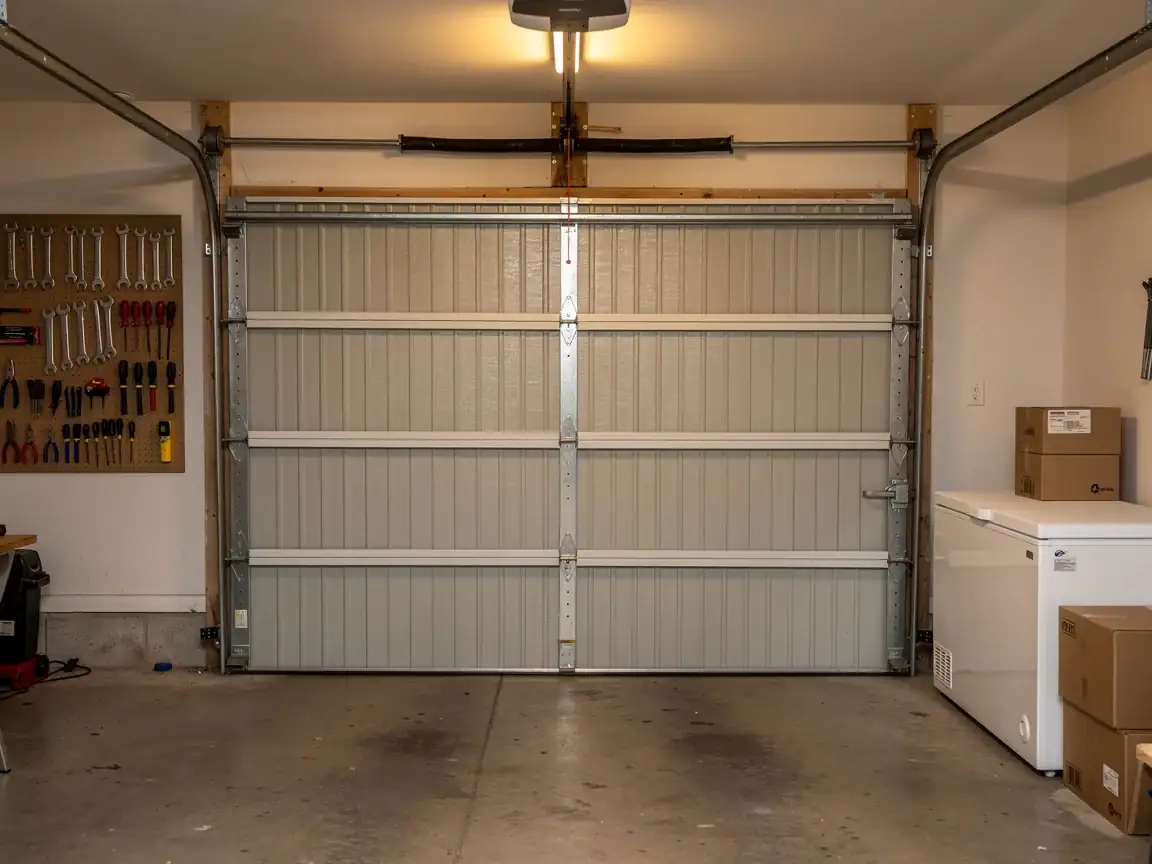
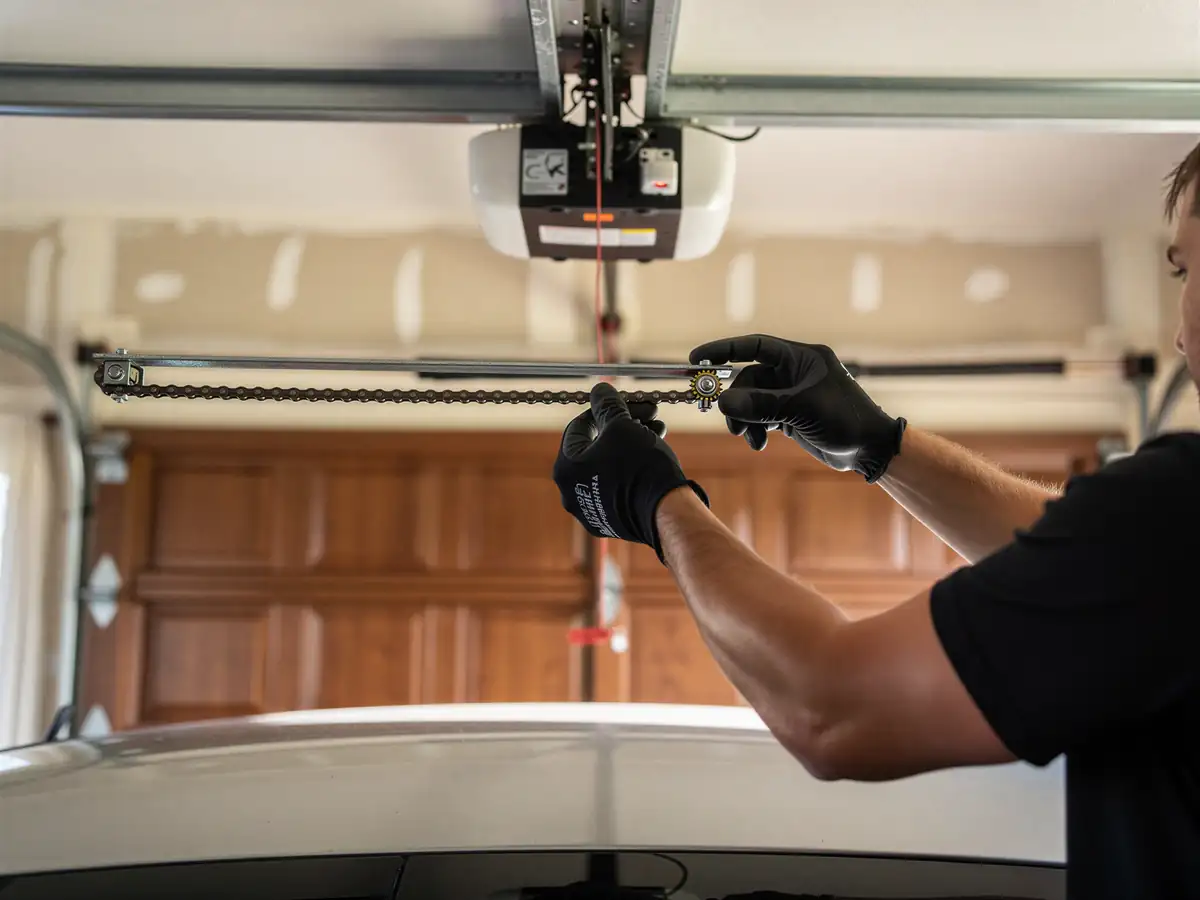
Morongo Valley's typical house went up around 1973, well ahead of the 1986 median across the rest of the Palm Springs service area. That gap matters on an opener call. Houses from this era were often fitted with chain-drive units on older rail systems, sometimes retrofitted once or twice since, which means we see a mix of mounting brackets and drive gears that newer tract housing never had. We carry trolley and drive gear kits sized for both older chain-drive rail and the belt-drive units that replaced them on later retrofits. What we don't stock on the truck is anything proprietary to a opener line that stopped being made years back - if your unit needs a part like that, we'll tell you straight that sourcing it takes time, and whether a full opener swap is the faster, cheaper call.
Can You Do This Yourself
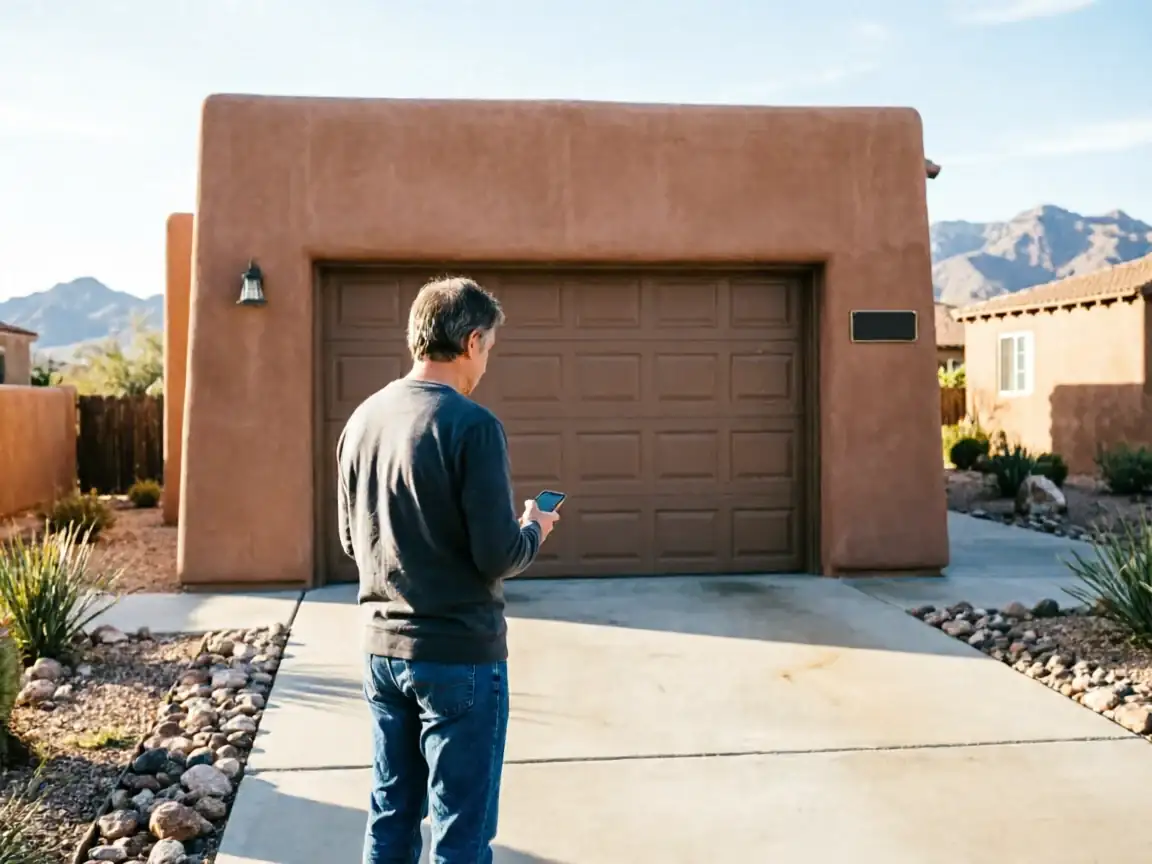
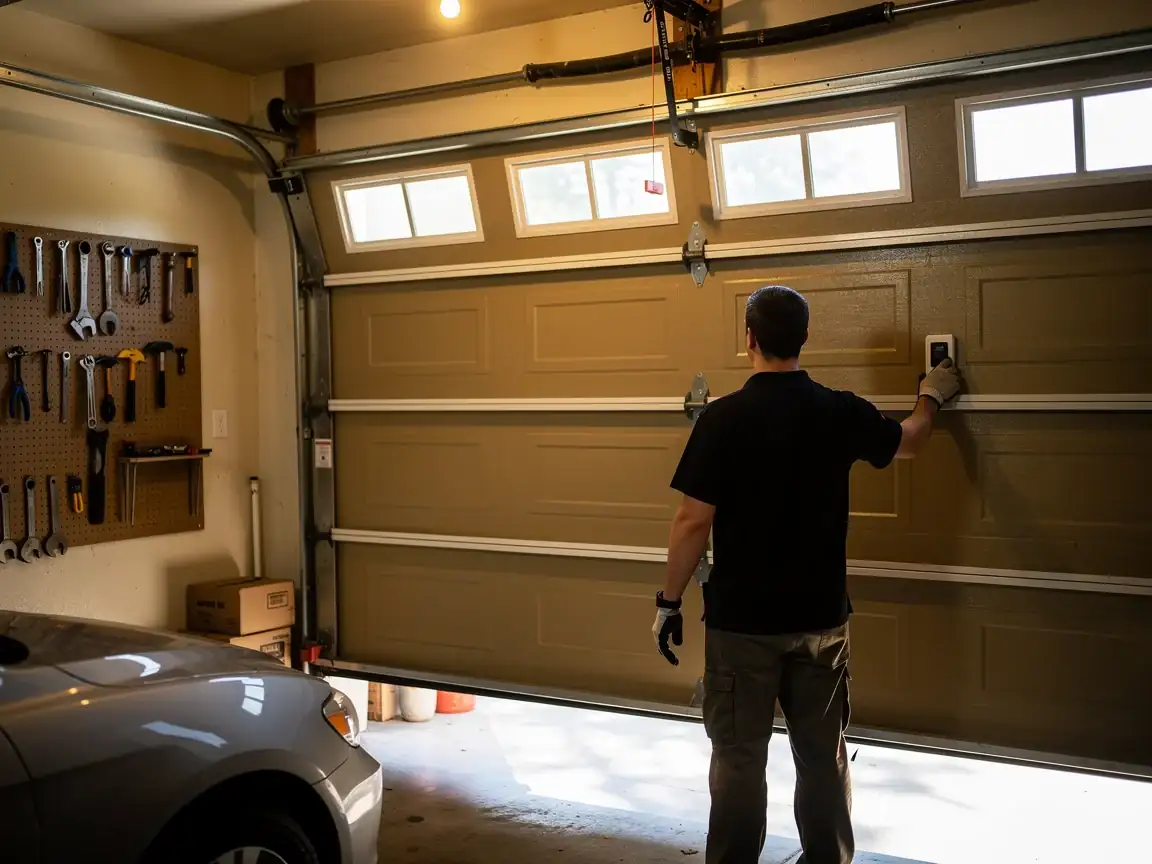
Some of it, yes. If the opener runs but the remote won't pair, or the wall button does nothing while the motor hums, those are often settings or a dead battery - check those before you call anyone. What you shouldn't touch yourself is anything involving the travel limits or force settings on an older chain-drive unit, especially one that's been on the house since before 2000. On aging rail systems the safety reversal can be out of spec without looking it, and an adjustment made wrong turns an opener that struggles into one that closes on something and doesn't stop. If the door reverses randomly, or the opener strains and the motor sounds labored, that's a call-us job, not a tinker-with-it one.
Why This Fails Locally
Summer heat here runs in the severe band for this region, and heat is hard on opener electronics sitting in an unconditioned garage for years at a stretch. Capacitors and circuit boards age faster under repeated heat cycling than they would in a cooler climate, and on a unit already a few decades old, that's often the final push. We also see belt and chain tension go slack faster where garages run hot through long stretches of the year - the material expands, sags, and starts skipping teeth on the drive gear. None of this is dramatic failure; it's a slow decline that homeowners usually notice as