Serving Palm Springs, CA & nearby
(760) 227-5874
Palm Springs, CA

Garage Door Repair for Morongo Valley Homes

Garage door repair for Morongo Valley homes built mostly around 1973, where original hardware is common. Palm Springs Garage Door Pros travels 19 miles out to handle it.

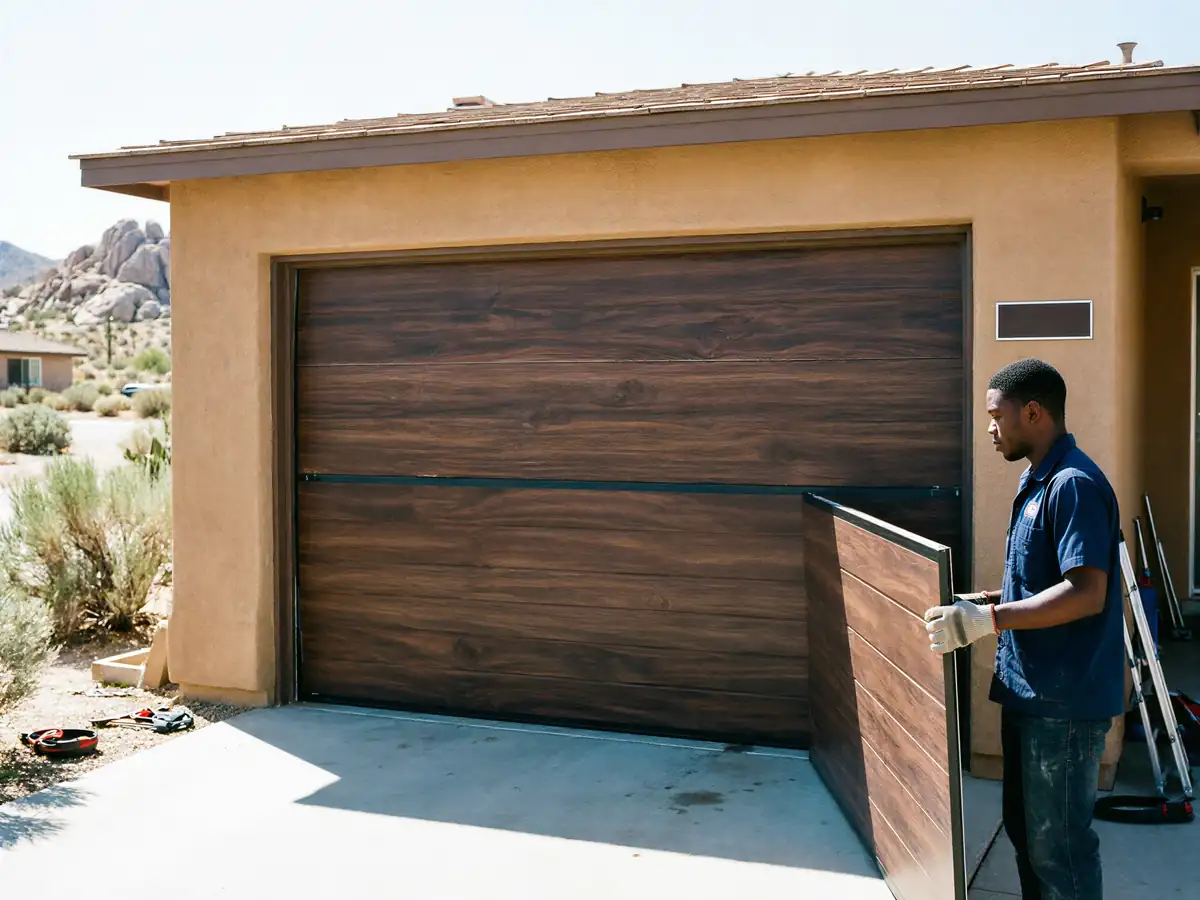
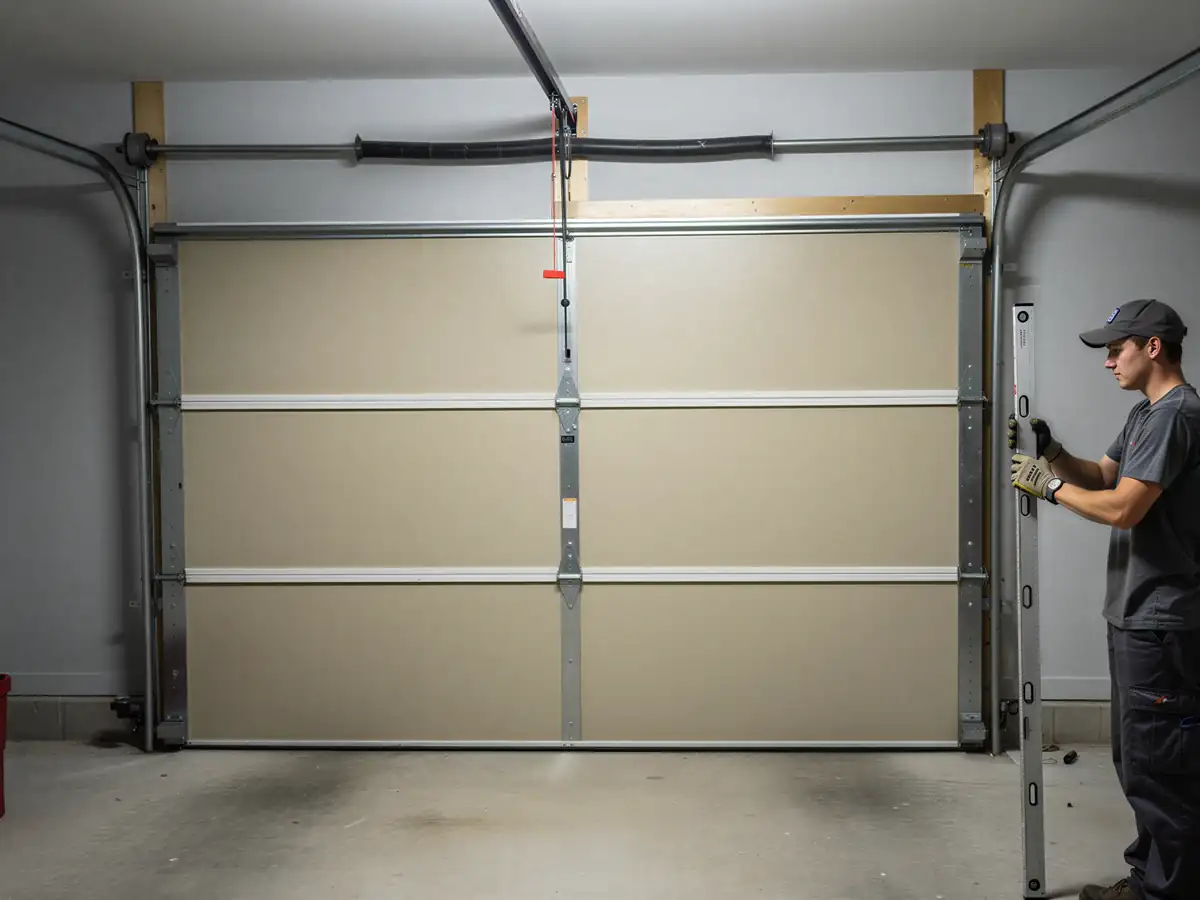
A technician uses a level to adjust a beige garage door.
Palm Springs, CA
8 services
5 service areas
Diagnosis first, then the fix

Parts We Carry

Morongo Valley's housing stock centers on 1973, which puts a lot of these garages a decade or more ahead of the 1986 median for the wider service area. That gap matters on a service call. A door that old likely still has its original torsion spring, its original hinges, and in some cases its original galvanized track - because nobody around here has had a reason to touch them until now. We stock standard torsion springs, extension springs, rollers, cables, and hinges sized for the door openings that were common when these houses went up, plus the newer hardware for anything that's already been swapped out. What we don't carry on the truck is obsolete wood-panel door sections from that era - if yours is cracked or rotted, we'll tell you straight whether patching it is worth it or whether the door itself is done.</br>We also carry opener logic boards and drive gears for the chain and belt units that replaced whatever hand-cranked or early electric setup came with the house, since most of those have already failed once by now.</br>If a part is unusual enough that we don't have it in stock, we'll say so on site rather than guess at a fix.</br>That's the honest limit: some original hardware from 1973 is old enough that a straight swap isn't possible and the fix is a new assembly, not a matching part.

Can You Do This Yourself

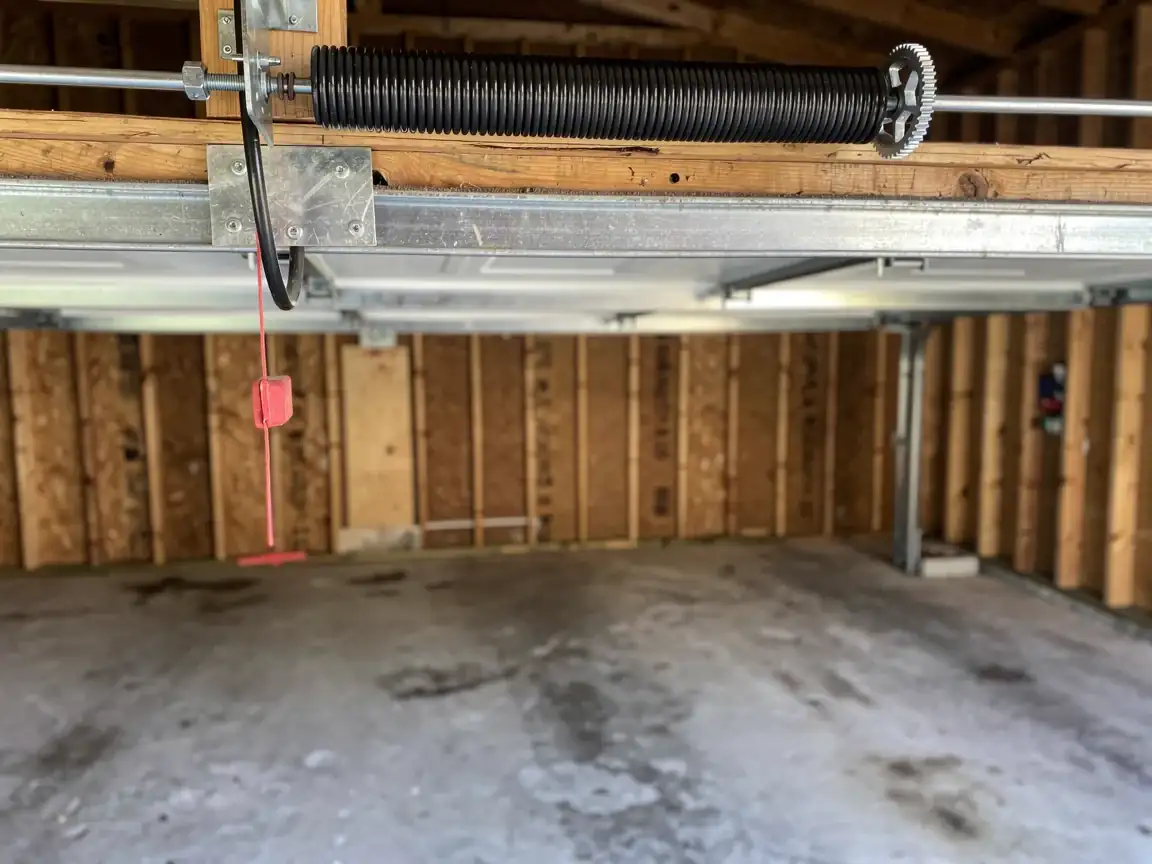
A loose roller or a door that's noisy but still tracking straight is something a handy homeowner can often deal with - lubricating hinges, tightening the track bolts, that kind of thing. What you should not touch is the torsion spring itself. On a house built around 1973, that spring has likely been under tension for decades without ever being replaced, and old steel under that kind of load doesn't fail politely. Springs are wound to a specific number of turns for the door's weight and size, and getting that wrong, or working on a spring that's already fatigued, can send it off the drum with enough force to break a finger or worse.</br>Cable work is the same story. If a cable has frayed near the drum, that's a sign the whole system is near the end of its life, not just the one part.</br>If the door opens and closes evenly and the only problem is noise, you can handle that yourself. If it's uneven, slow, or the spring looks stretched or gapped, that's a call, not a project.

What You Are Seeing

On a house from the early 1970s, the pattern we see most is a torsion spring that's lost tension gradually rather than snapping outright - the door gets harder to lift by hand, the opener strains and makes a grinding or straining sound, and eventually it won't lift past a foot or two off the ground. That's four or five decades of cycles catching up with original hardware that was never upgraded.</br>The second pattern is track misalignment from a door that's sagged slightly on one side over the years, which shows up as a panel that rubs or a door that closes crooked. Rollers from that era are usually steel, not nylon, and steel rollers that have run dry for this long tend to wear the track unevenly rather than just getting loud.</br>Less common, but it shows up here more than in newer construction: an opener that's been replaced once already, sometime in the intervening decades, but mounted on bracket hardware original to the house - so the opener is modern but the thing it's bolted to isn't.

Why This Fails Locally

The area carries a severe heat climate band, and that heat cycling is hard on anything original to a 1973 build. Steel springs and cables expand and contract through repeated high-heat summers, and over fifty-plus years of that cycling, metal fatigues faster than it would in a milder climate - which is part of why original torsion springs from this era tend to be near or past the end of their service life even on doors that still look fine. Lubricant on hinges and rollers also dries out and gums up faster under sustained heat, which speeds up wear on parts that haven't been serviced.</br>With 1,695 households in Morongo Valley and median income here at $56,821 - notably below the $69,704 median across the wider service area - we try to be straight about what's worth repairing versus replacing, since a full door-and-opener swap is a bigger expense here relative to income than it might be elsewhere in the service area. That's part of why we carry parts for the specific hardware eras common to this area rather than only stocking for newer construction.

Getting It Booked In

Palm Springs Garage Door Pros covers Morongo Valley as part of the wider service area, traveling the 19 miles out from Palm Springs for the call. There's no local branch or depot here - the truck comes from Palm Springs, so when you call, have a sense of what the door is doing (won't open, opens partway, loud grinding, visibly broken spring) so the right parts can go on the truck before the drive out.</br>Because this is a distance call rather than a next-door one, it helps to describe the door's age and type up front - original hardware from the early 1970s needs different parts than a door that's already been replaced once. See the Morongo Valley coverage page for what's included in this area, or the Palm Springs garage door repair page for the full range of work we do out of the home base.
How Long You Are Without the Door

We don't publish a fixed response time for Morongo Valley specifically, since every call out here is a 19-mile drive from Palm Springs and scheduling depends on what's already on the truck that day. What we can tell you is that most single-issue jobs - a spring, a cable, a set of rollers - are a same-visit fix once we're on site, because that hardware is common enough across the service area's older homes that we carry it as a matter of course.</br>Where it takes longer is when the door itself, not just the hardware, is the problem - warped panels or a track bent badly enough from fifty years of use that it needs a full replacement section. In that case we'll tell you on the spot what the wait looks like rather than promise a number we can't back up. Given the age of hardware common here, it's worth having that conversation honestly rather than assuming every call is a quick fix.

How it works

From “it’s stuck” to “it’s fixed”

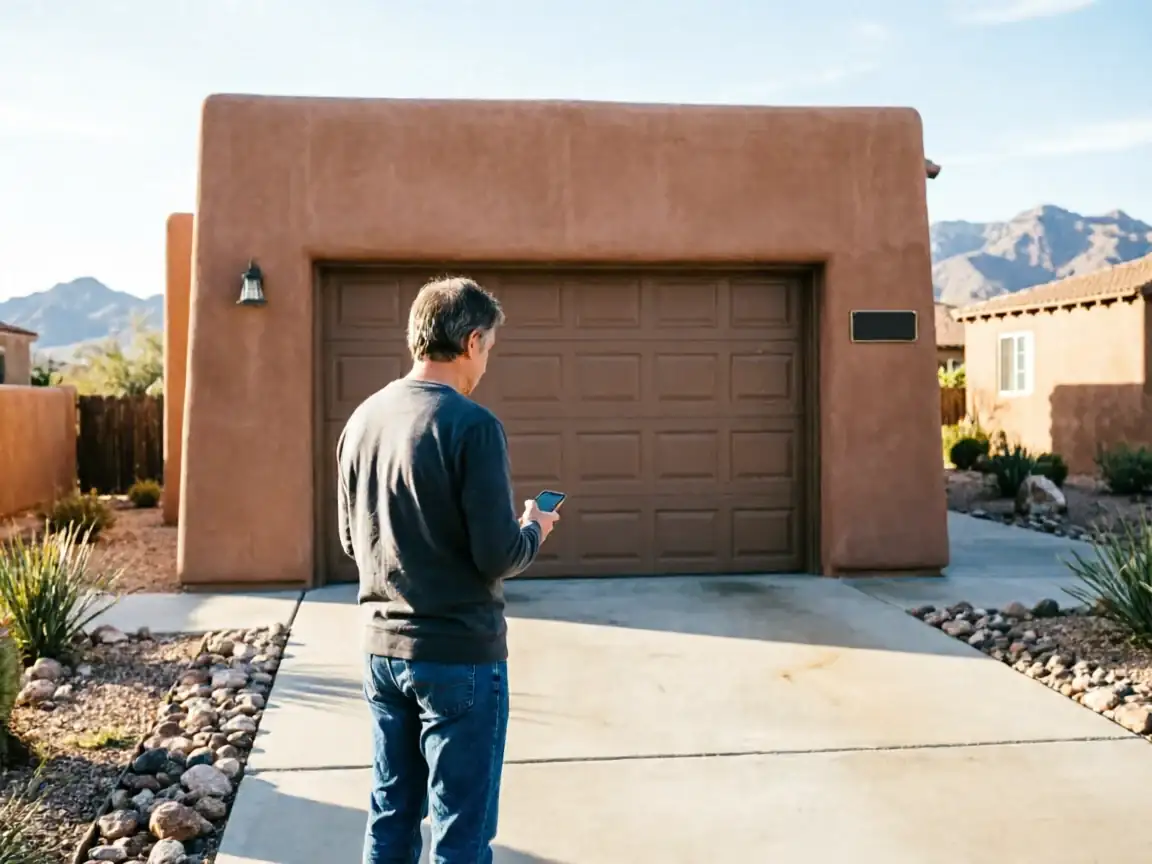
A man stands in front of a brown garage door, looking at his phone.

Tell us what’s wrong

Describe the symptom - won’t open, loud bang, opener runs but the door won’t move.

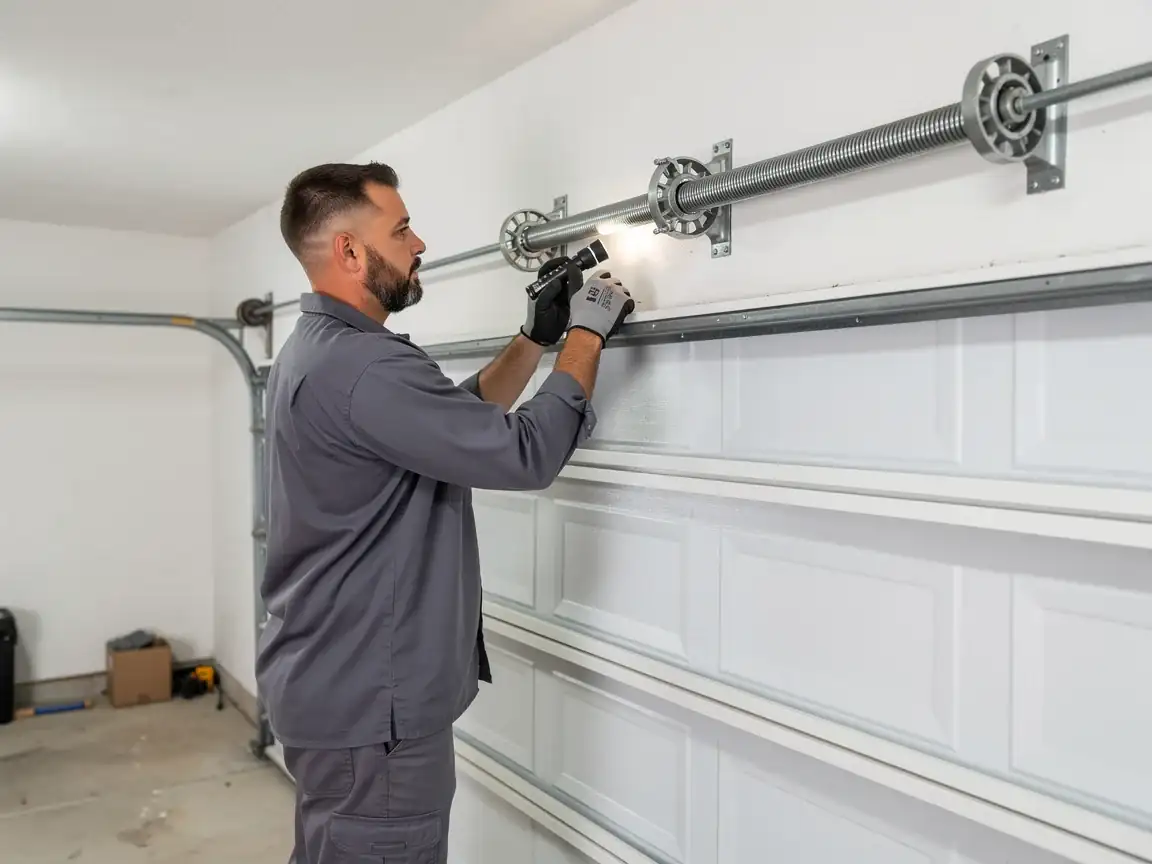
A technician shines a flashlight on a garage door torsion spring.

On-site diagnosis

A technician tests the door under power and by hand and finds what actually failed.

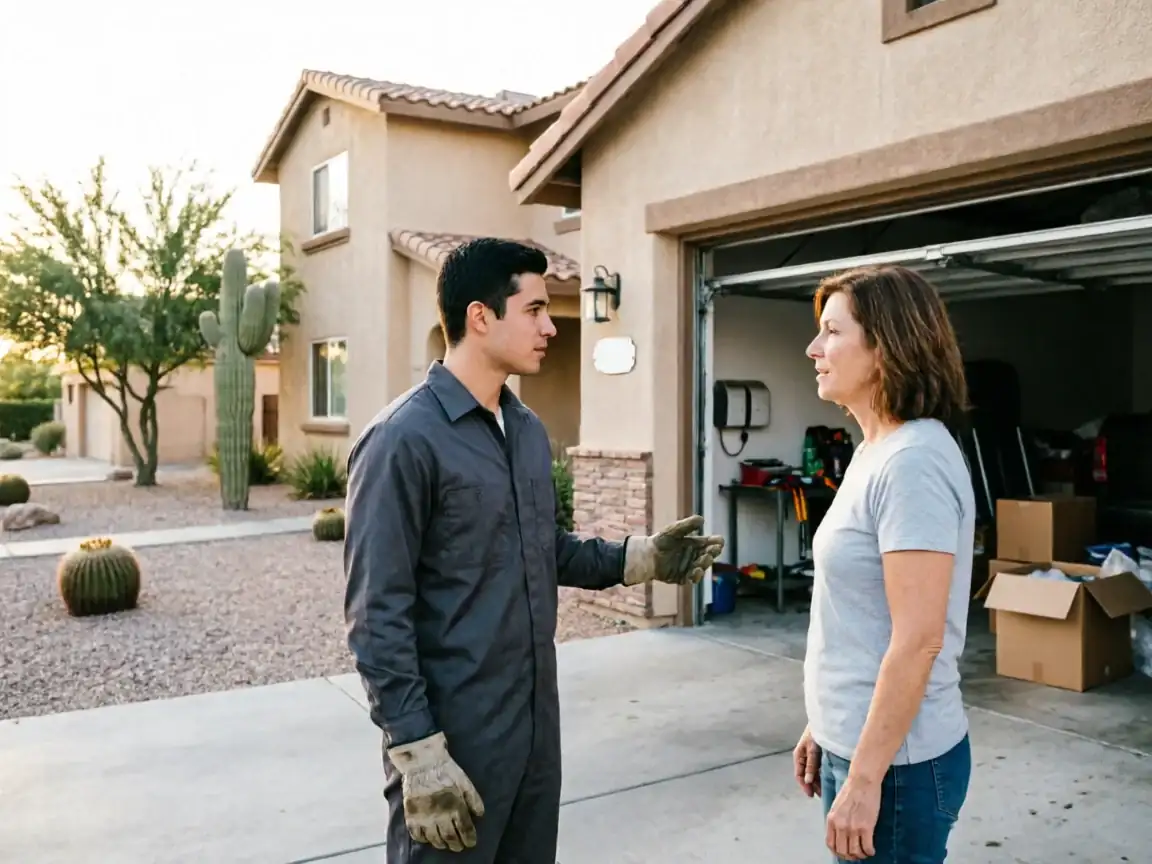
A technician in a gray uniform talks to a woman in front of a house.

Clear, up-front plan

You get the fix that’s needed and what drives the cost - before any work starts.

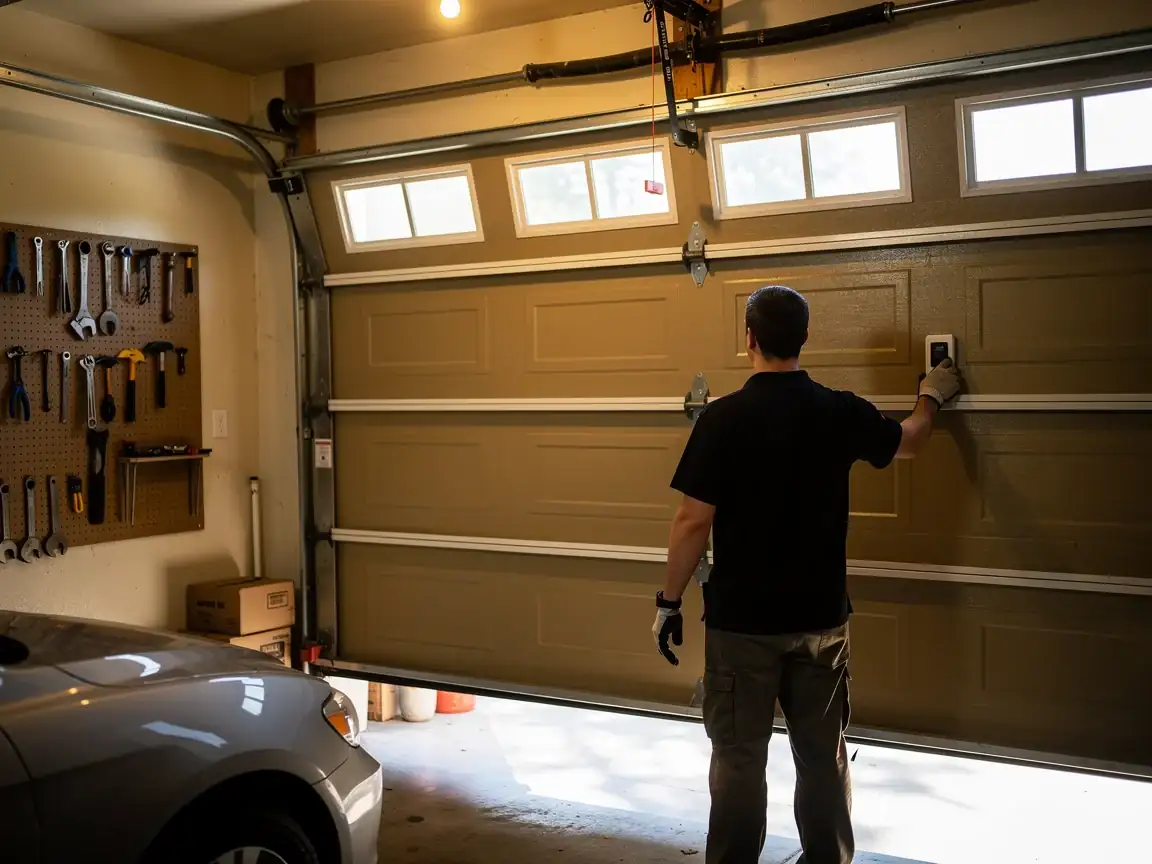
A technician in gloves operates a tan garage door with windows.

Repaired & tested

The repair is done, the door is set true and tested, and the work area left clean.

Not sure which repair your door needs in Palm Springs, CA? Describe what it’s doing - every job starts with a diagnosis.

How we work

What to expect

A straight, honest approach on every Palm Springs job - diagnosis first, the right parts, and clean work.

01

Diagnosis first

Every visit starts by finding what actually failed - not a pre-written parts list.

02

The right part for the door

Springs and openers matched to the door’s weight and age, so the fix holds up.

03

Straight answers

When a repair makes more sense than a replacement - or the reverse - you hear it plainly.

04

Clean, careful work

Tension released safely, hardware set true, the door tested under power before we leave.

47,371Residents in Palm Springs
8Garage door services
5Neighborhoods & suburbs
CAServing Palm Springs, CA
Questions

Frequently asked

Straight answers about garage door repair in Palm Springs. Still unsure? Ask us directly.

Is the original garage door hardware from the 1970s still safe to use?

Not reliably. A torsion spring or cable that's been in place since a house built around 1973 has gone through decades of heat cycling and tension, and steel fatigues over that time even without visible damage. We check tension and wear on site and tell you honestly whether it's safe to keep running or due for replacement.

Do you have a branch in Morongo Valley?

No. We're based in Palm Springs and travel the 19 miles out to Morongo Valley for service calls. There's no local depot here, so when you call, telling us what the door is doing helps us bring the right parts on the drive.

Why does my door feel heavier to lift than it used to?

That's usually a torsion spring losing tension gradually rather than failing all at once - common on original hardware from the early 1970s that's never been replaced. The opener strains to compensate until it can't lift the door at all. It's a spring replacement, not an opener problem, in most of these cases.

Is it worth replacing the whole door instead of repairing it?

Depends on what's failing. If it's the spring, cables, or rollers, repair makes sense and is the cheaper call. If the panels are warped or the track is bent from decades of wear, replacement can cost less long-term than repeated repairs - we'll give you a straight answer on site rather than default to the bigger job.

Ready to get your garage door sorted?

Tell us what it’s doing and where you are in Palm Springs - we’ll take it from there.

Request a QuoteCall