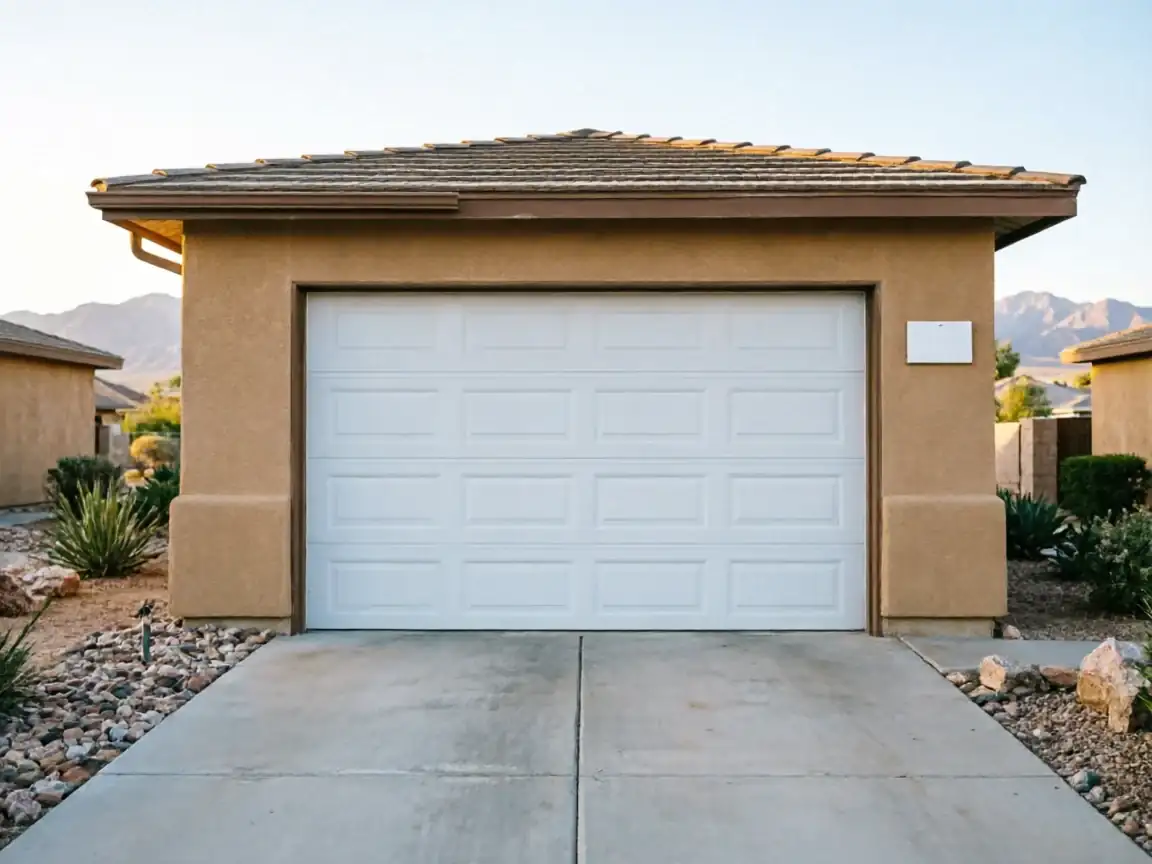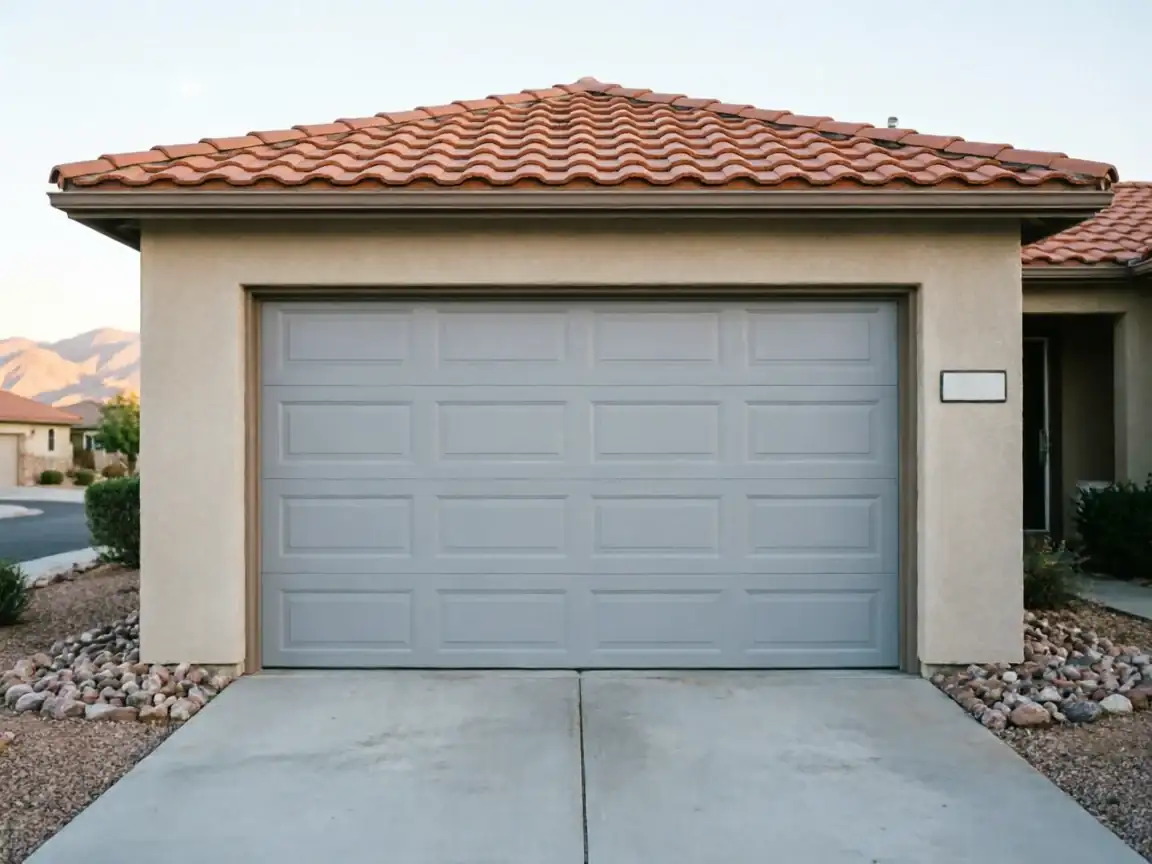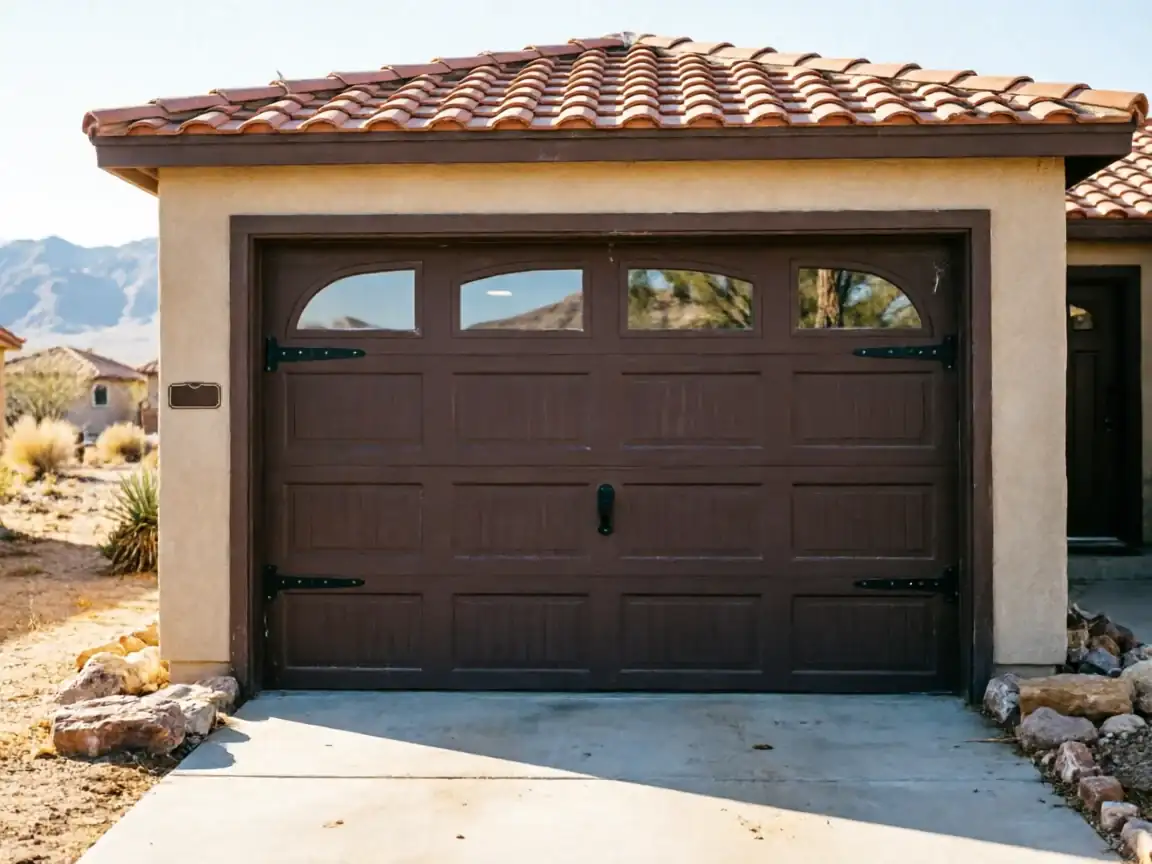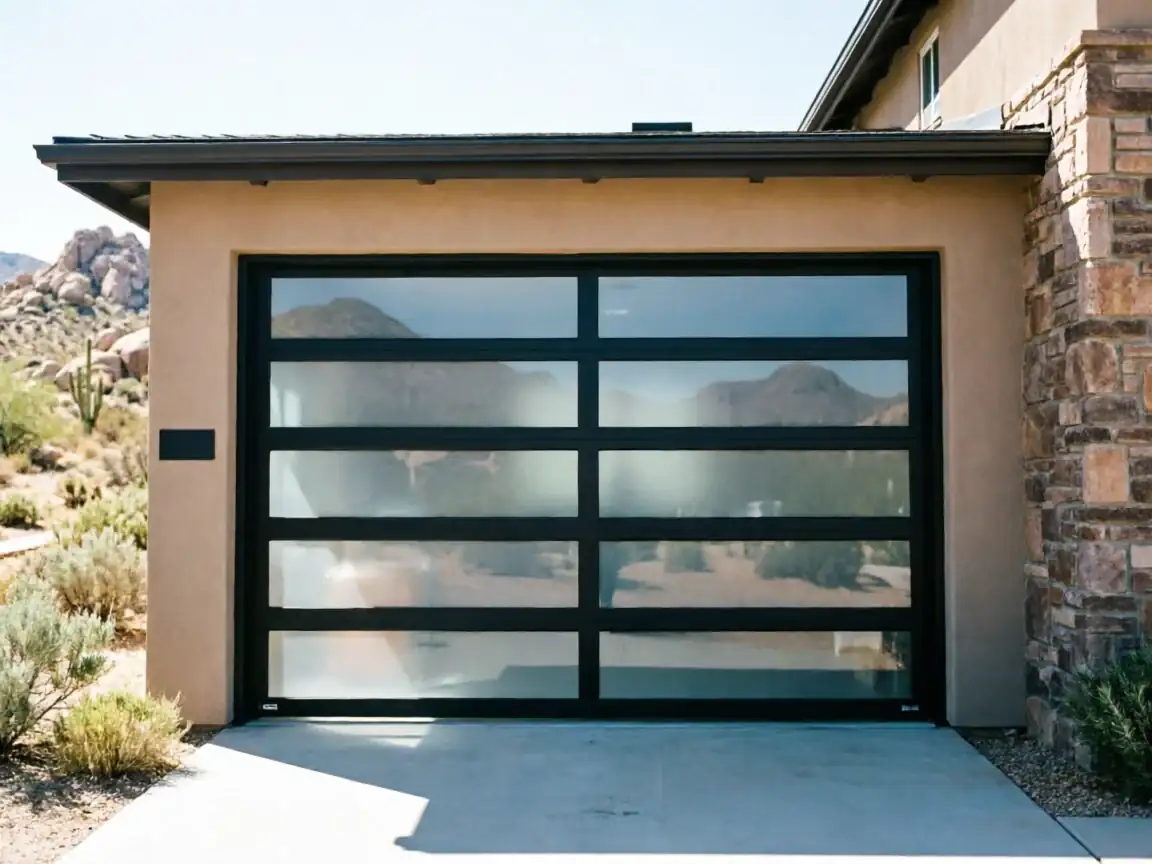
Parts We Carry
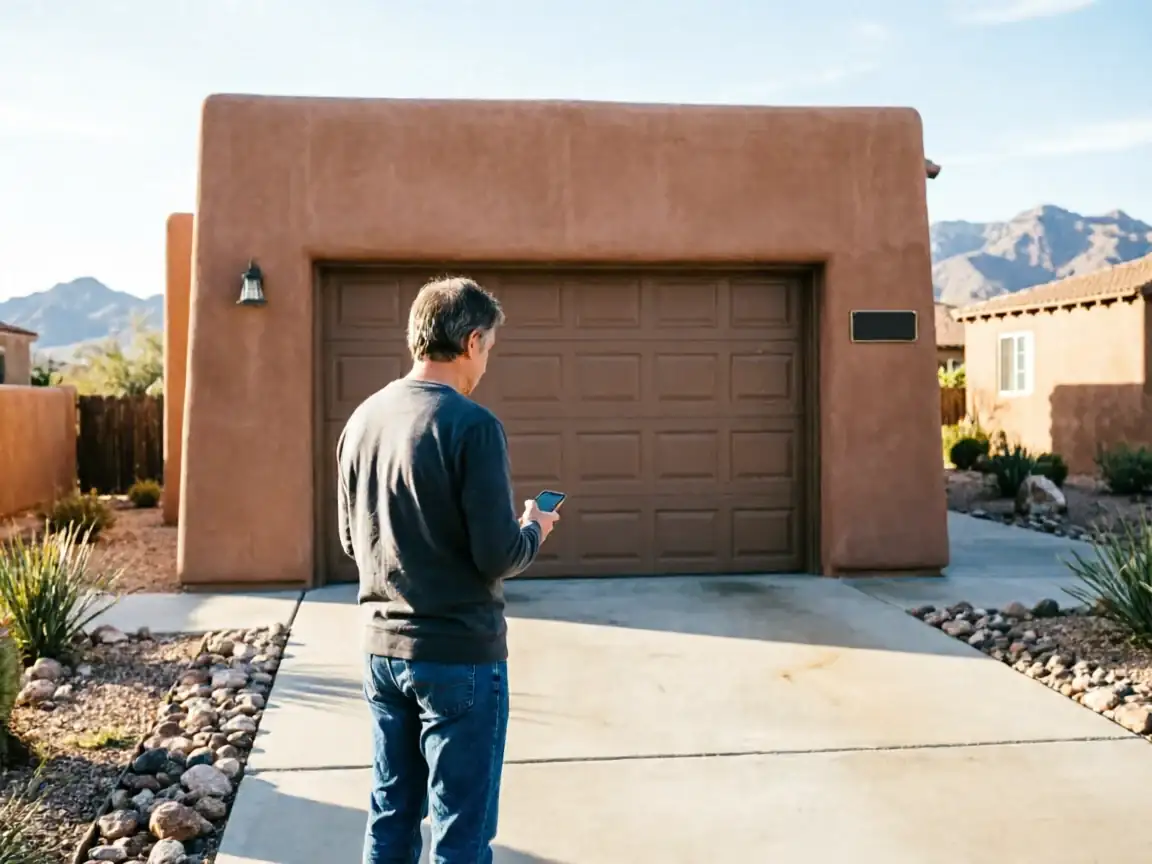
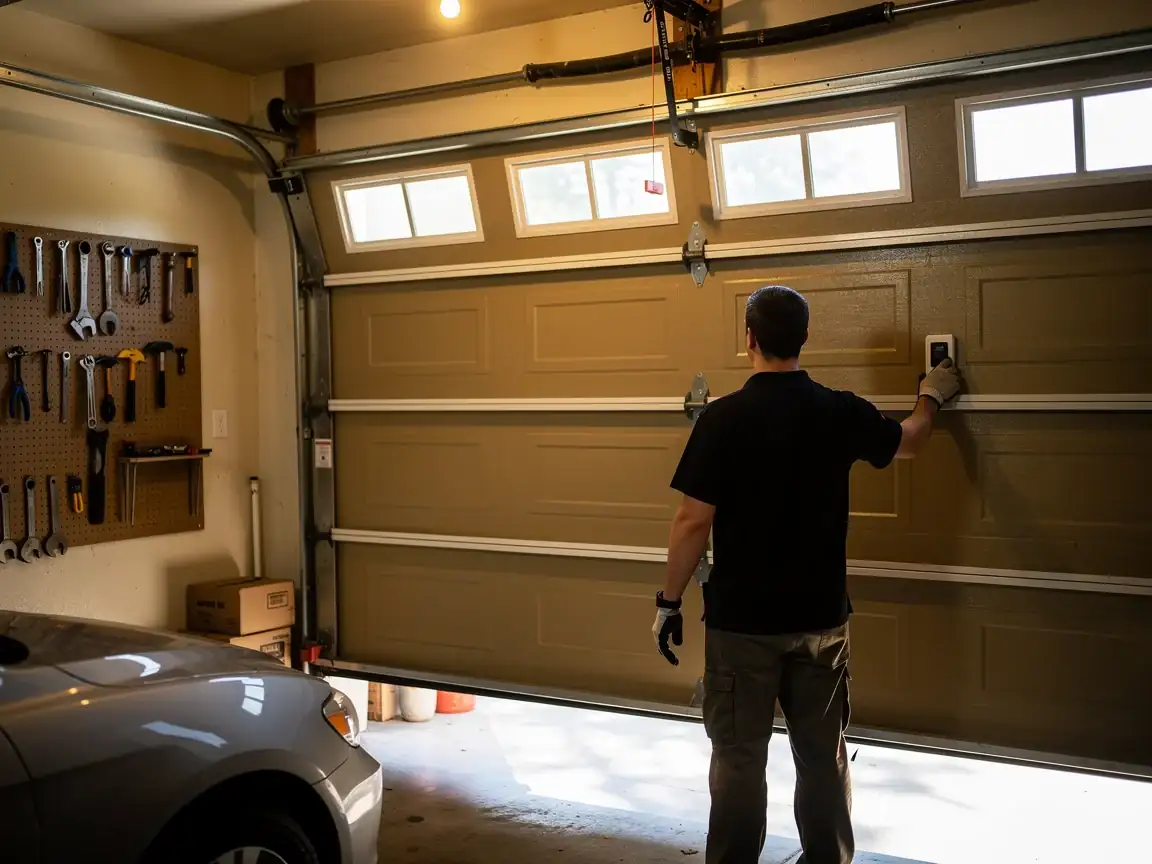
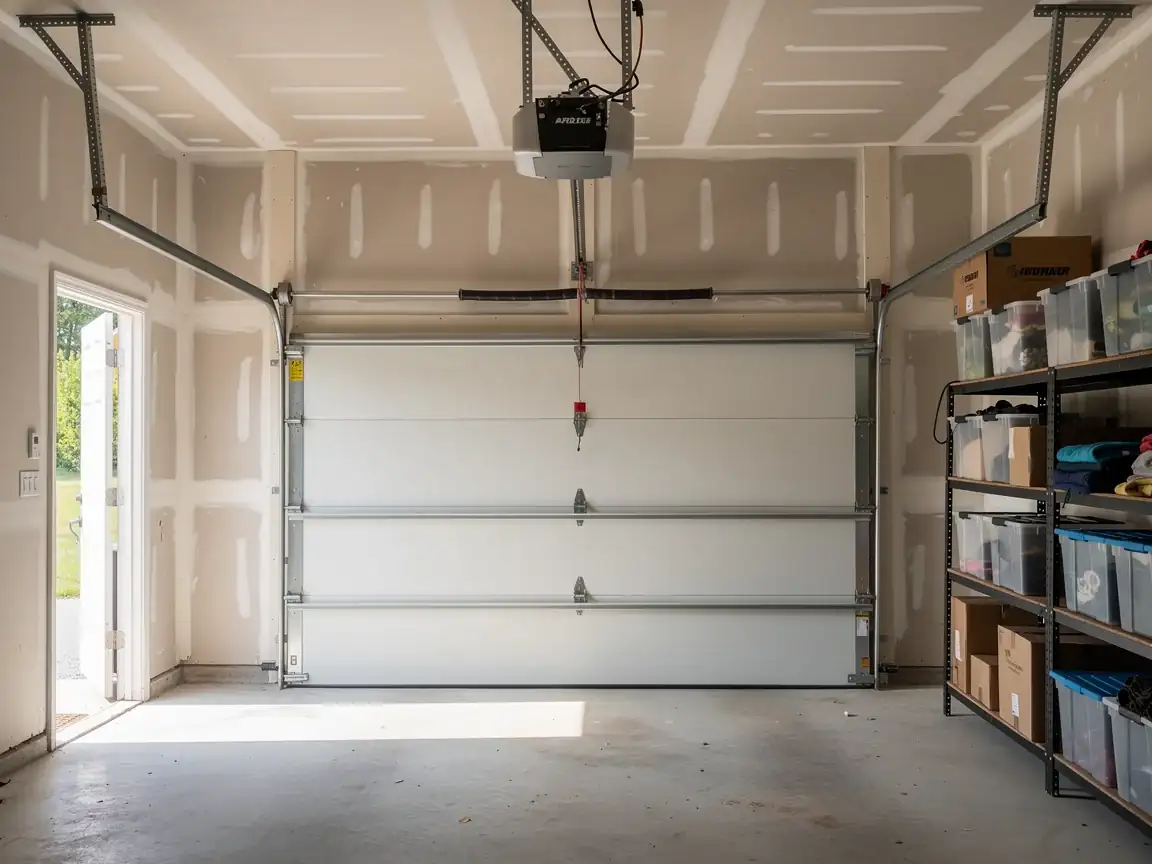
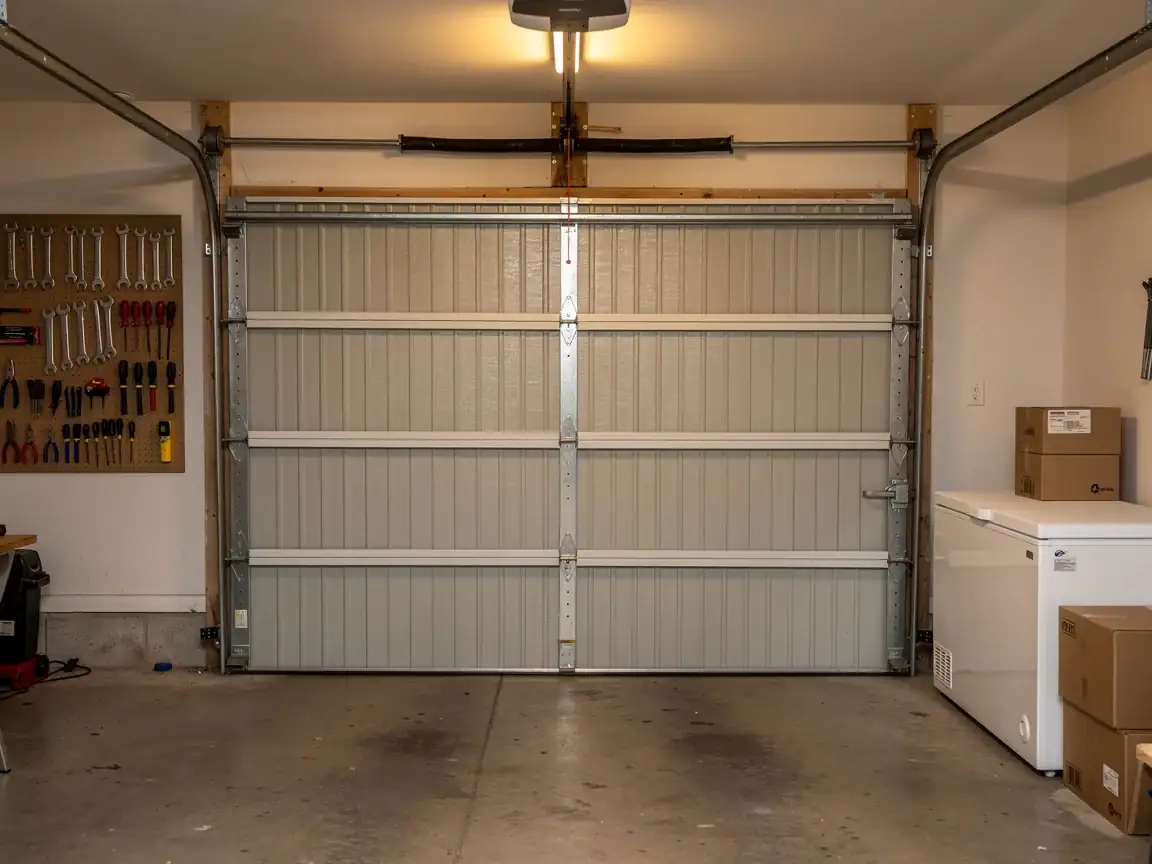
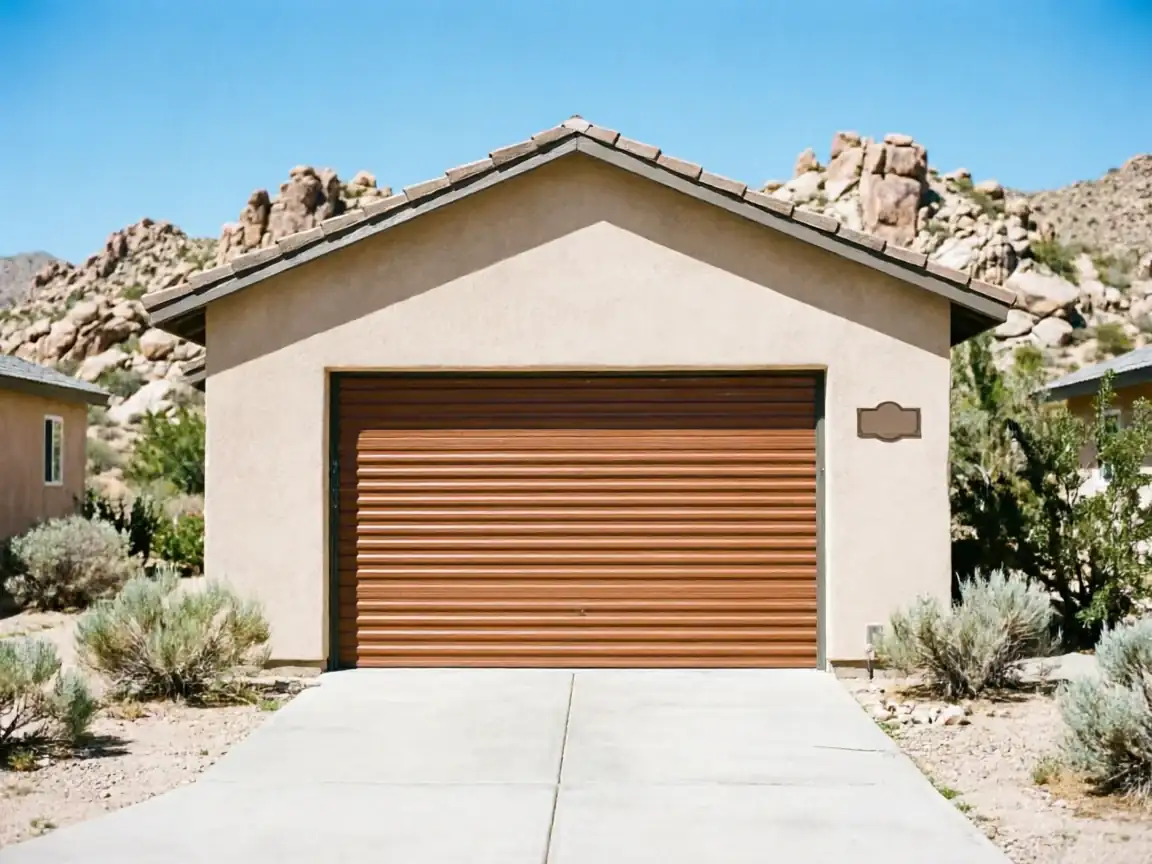
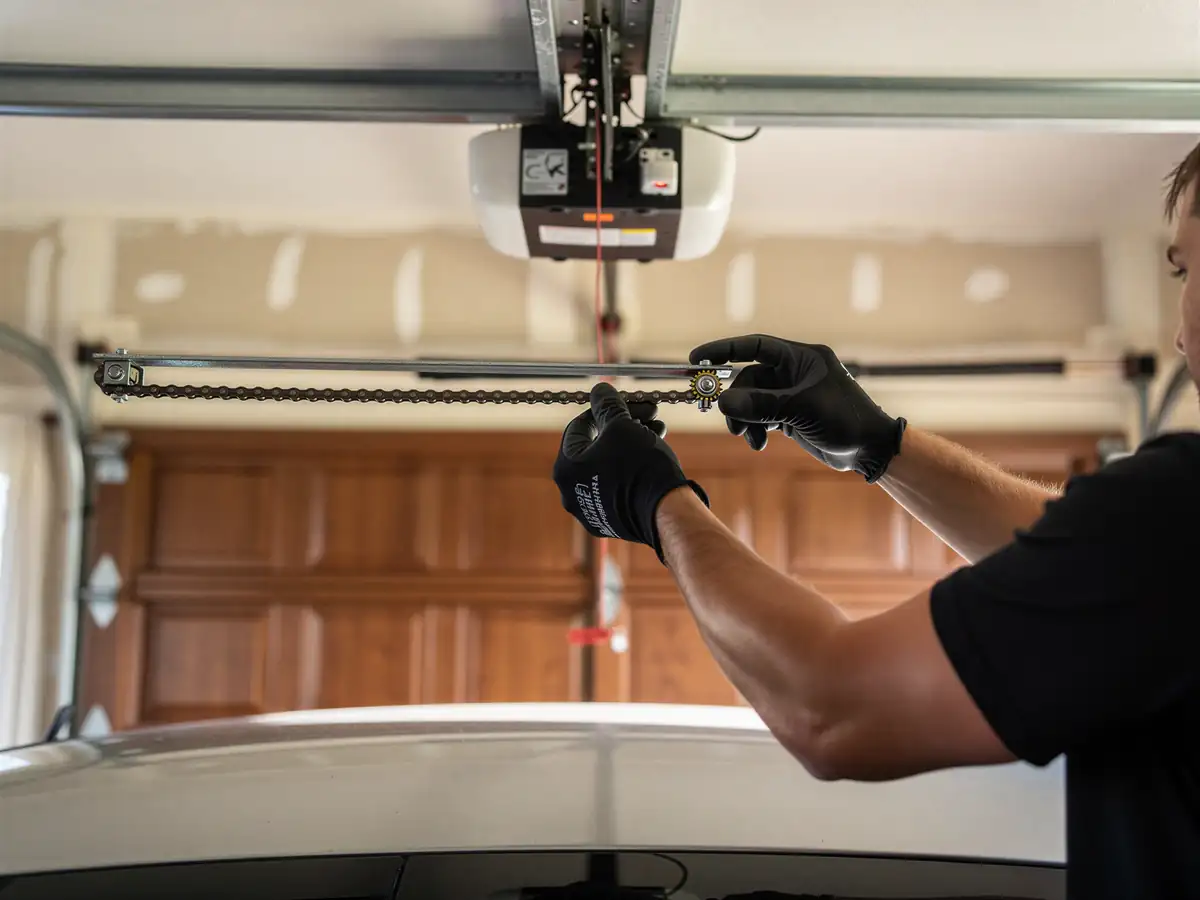
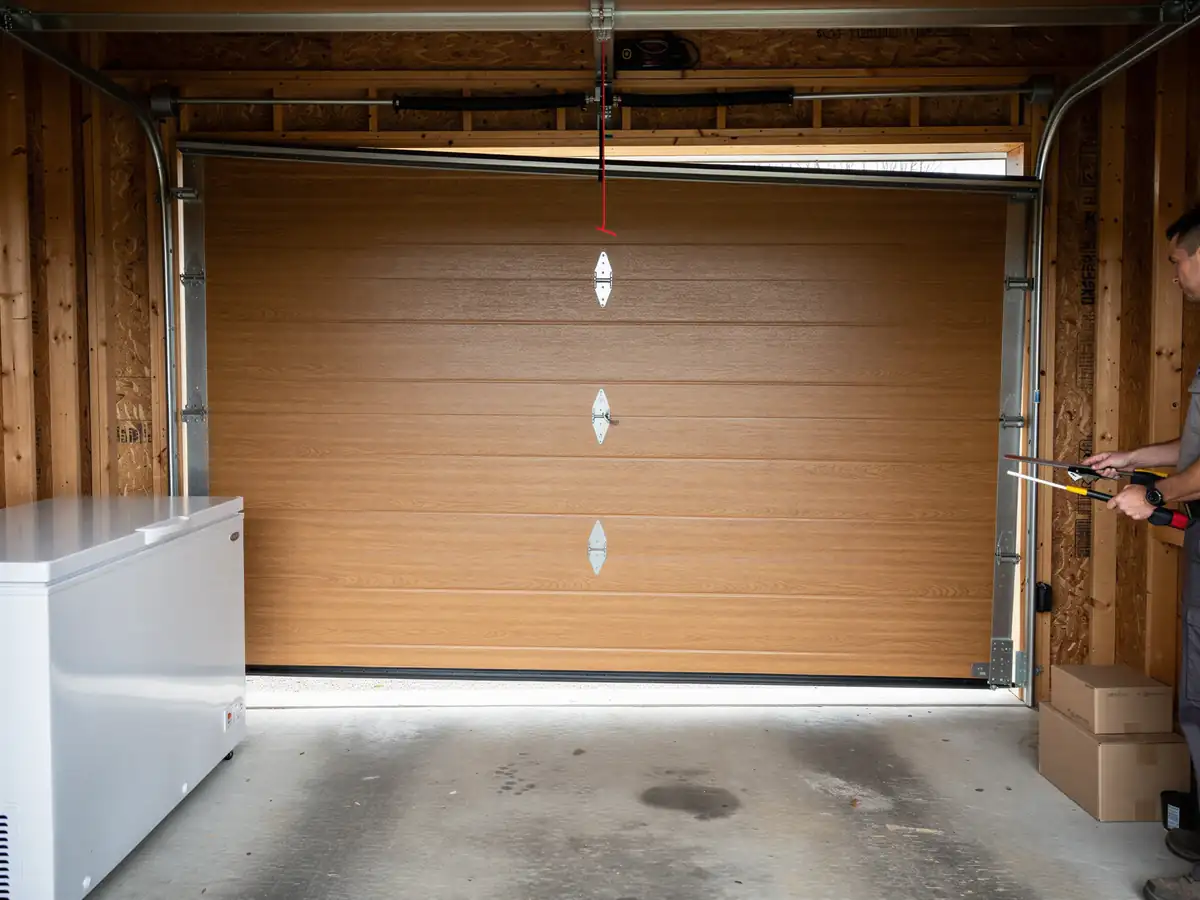
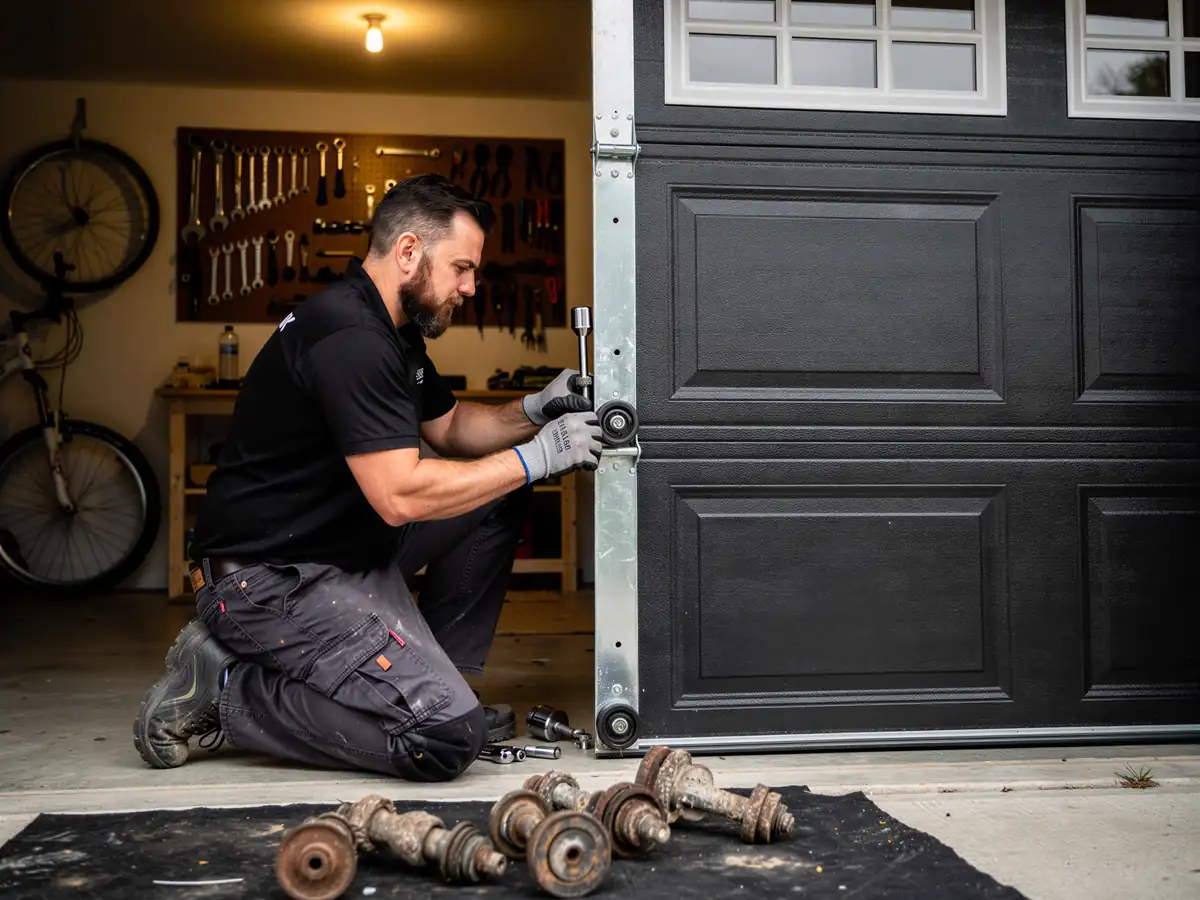
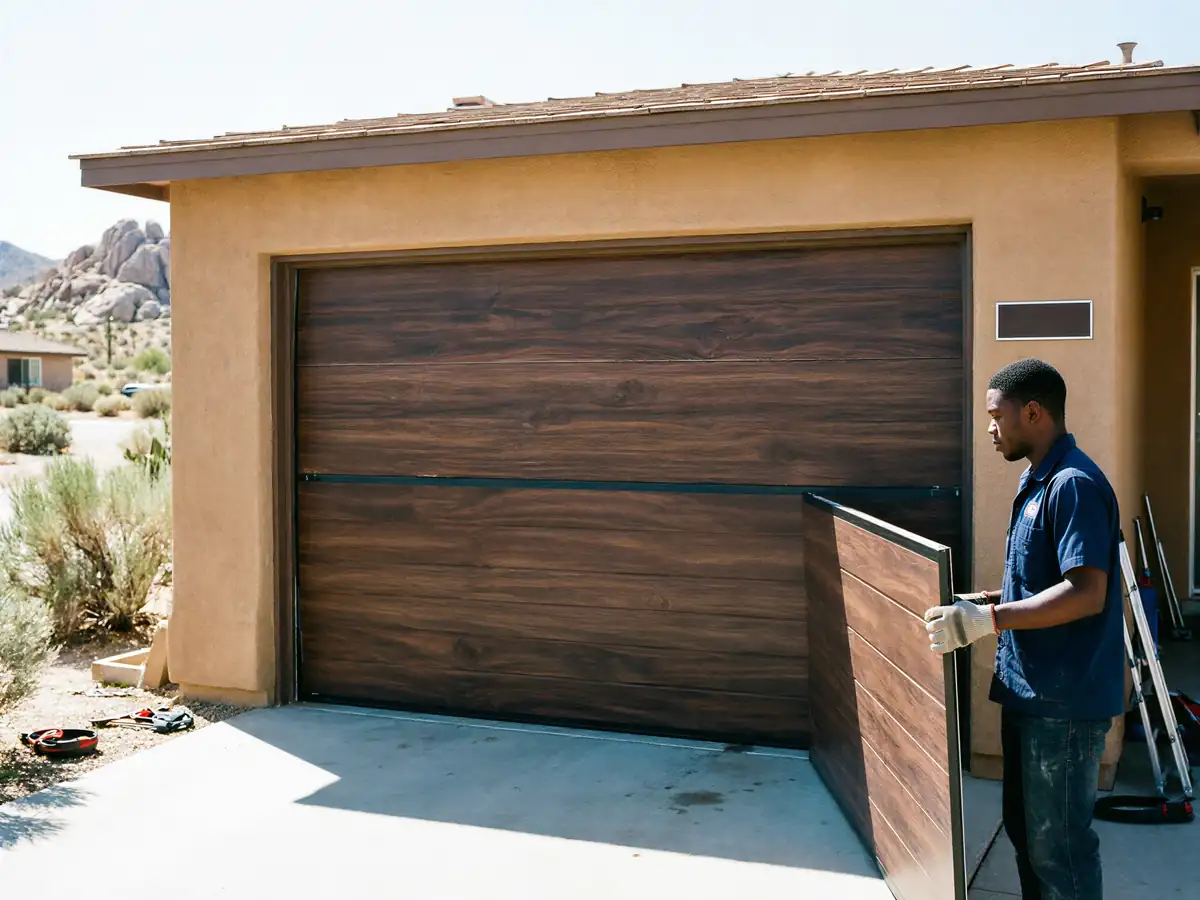
Most houses out in Morongo Valley went up around 1973, which means a lot of garages still carry what came standard back then: a single-layer wood or light steel door, hung on extension springs mounted along the horizontal track, not the torsion bar you'd expect on anything built later. We stock new insulated steel sections sized to fit those original openings, along with torsion conversion hardware when a homeowner wants to move off the old extension-spring setup for good. We also carry standard openers rated for the heavier insulated panels, since the light-duty chain drives that shipped with 1970s doors weren't built to lift them. What we don't carry on the truck is custom millwork - if your opening is an odd width from a hand-built garage of that era, we measure first and order the panel rather than force a stock size into a frame it won't fit.
Can You Do This Yourself
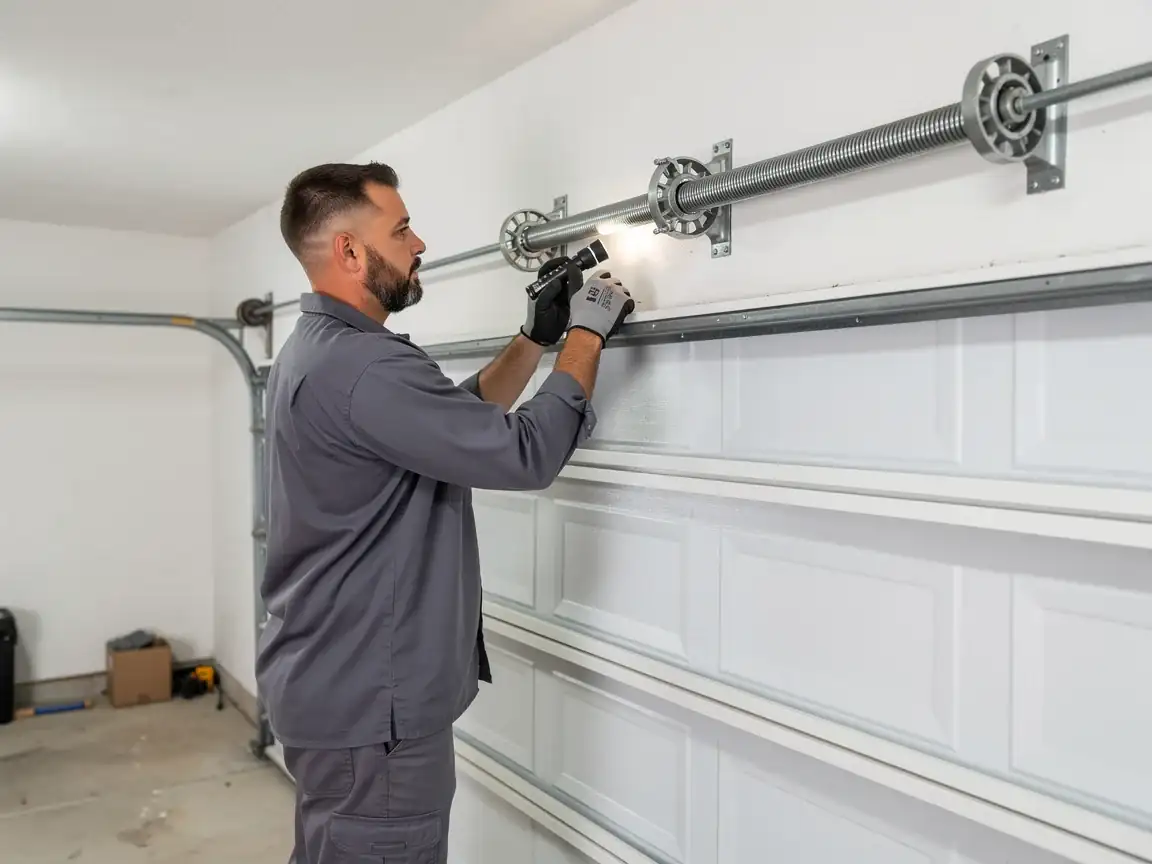
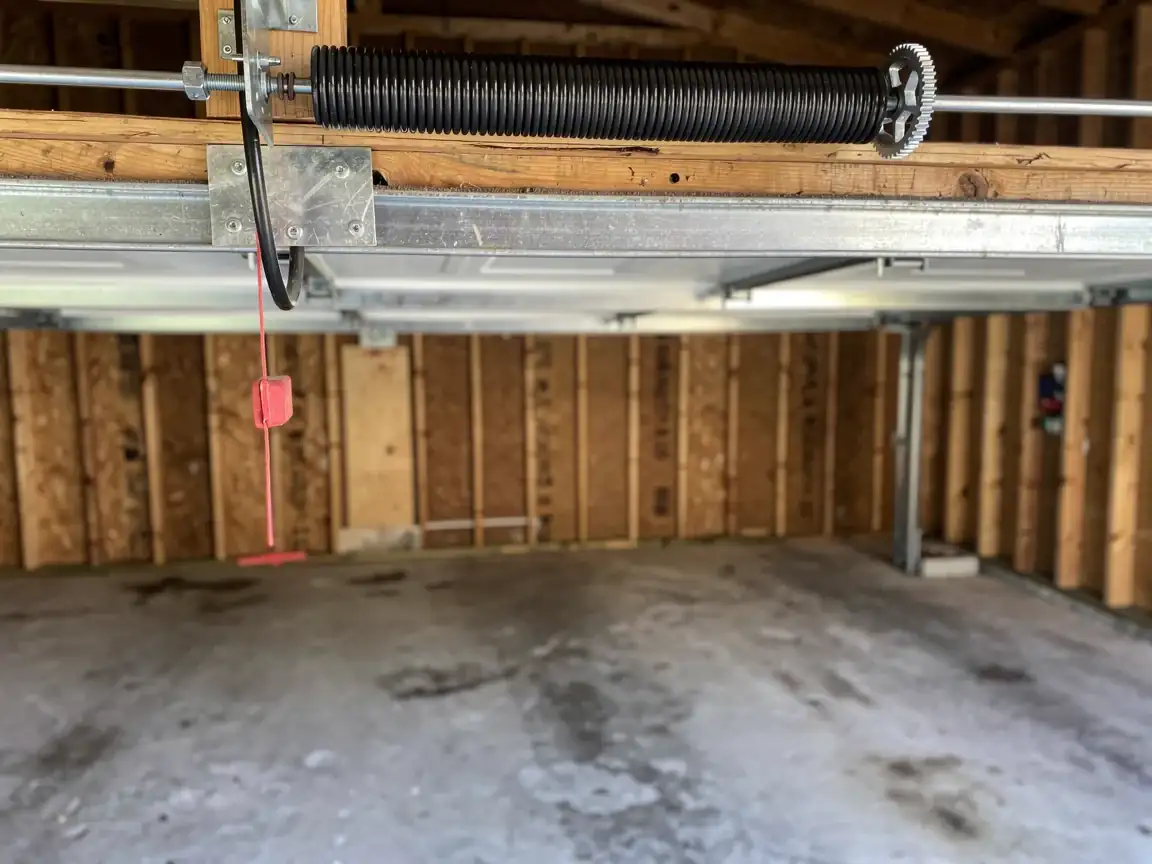
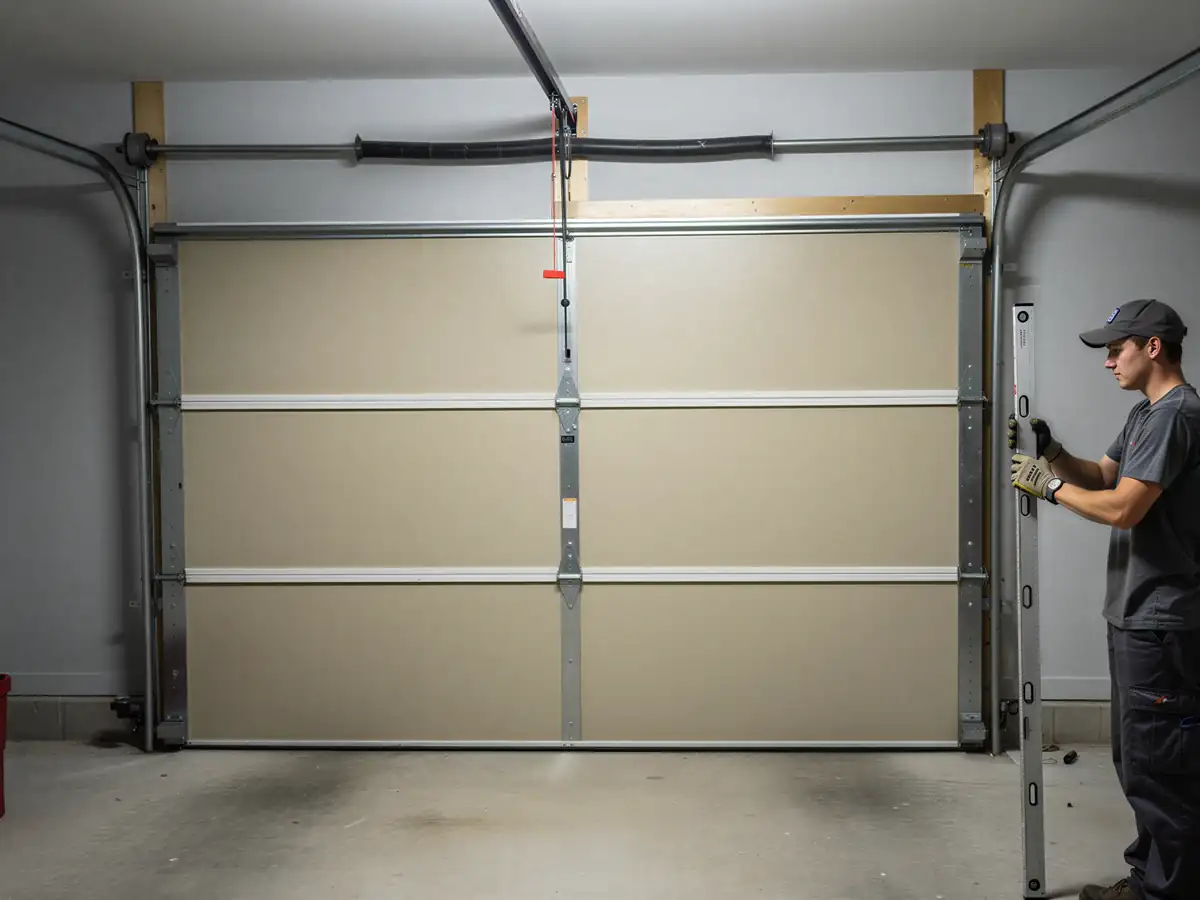
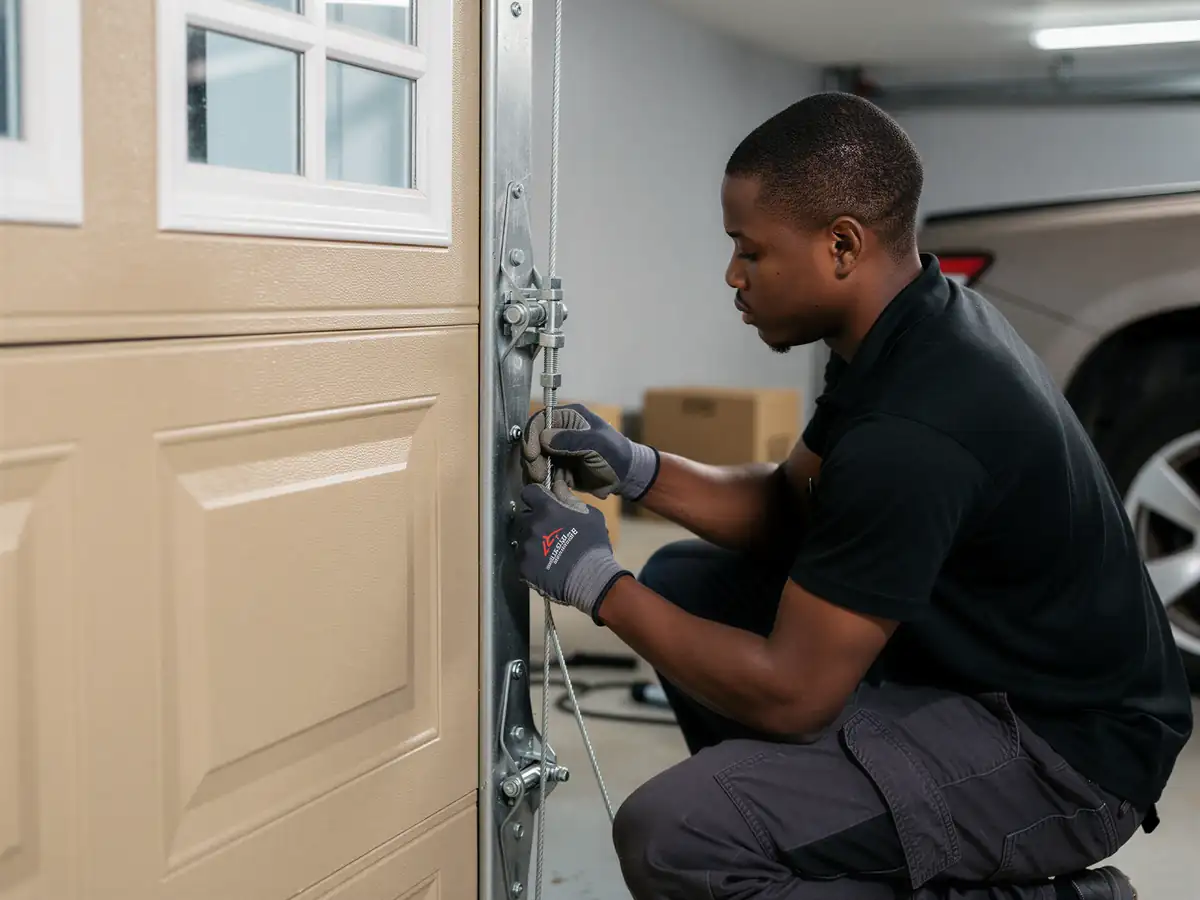
Swapping a garage door yourself is possible if you're comfortable with a torsion spring under load, because a full install means pulling the old door, the old track, and usually the old springs together. The spring is the part that hurts people - it's wound under enough tension to break a hand or worse if it lets go while you're working on it. If your 1973-era door still runs on extension springs, that's a different and in some ways riskier system to swap than torsion, since the springs sit exposed along the track rather than capped on a shaft. We'll say plainly: this isn't a weekend job for most homeowners, and we'd rather you call for the spring and track work even if you want to handle trim or paint yourself.
Why This Fails Locally
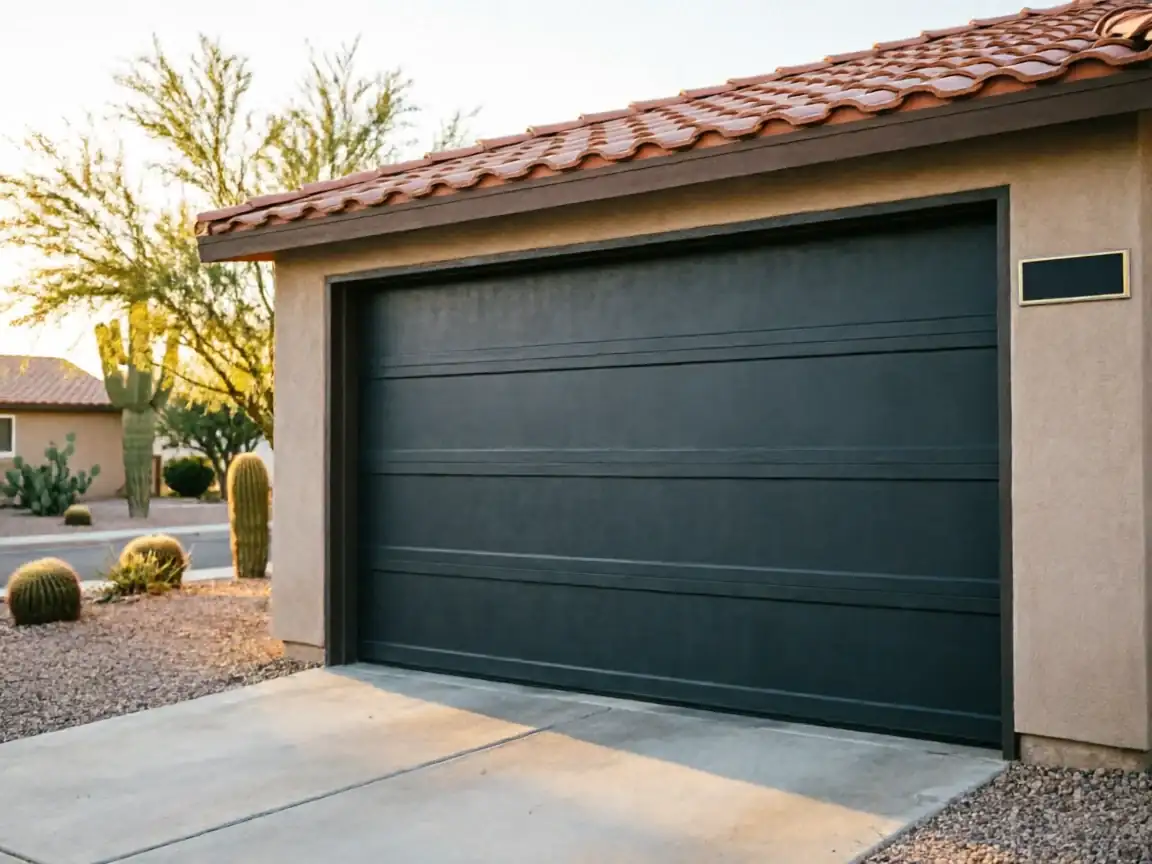
This area sits in a severe heat climate band, and a single-layer wood or steel door from the 1970s has no insulation layer to speak of. On a hot day that door transfers heat straight into the garage, and if the garage shares a wall with living space, that heat load doesn't stop at the door. Wood panels from that era also dry out and warp under sustained heat and sun exposure in a way insulated steel doesn't, which is part of why we see more call-outs for binding and cracked panels on the original doors than on anything installed in the last fifteen years. Morongo Valley's median household income sits at $56,821, noticeably below the wider service area's $69,704, and that's worth saying because it shapes the conversation: we'll always tell you if a repair gets the door through another few years versus when the hardware is worn enough that replacement is the better spend.
Getting It Booked In
We run installs out to Morongo Valley from Palm Springs, about 19 miles from our base, so booking here means scheduling a measuring visit and then the install itself rather than a same-day swap. We'll confirm your opening size, check whether you're on extension or torsion hardware, and quote the door and any track or spring work the old setup needs replaced alongside it. You can see what else we cover out this way on the coverage page for Morongo Valley, and if what you actually need is a broader look at our install work before you commit, the main installation page for Palm Springs covers that in more detail.