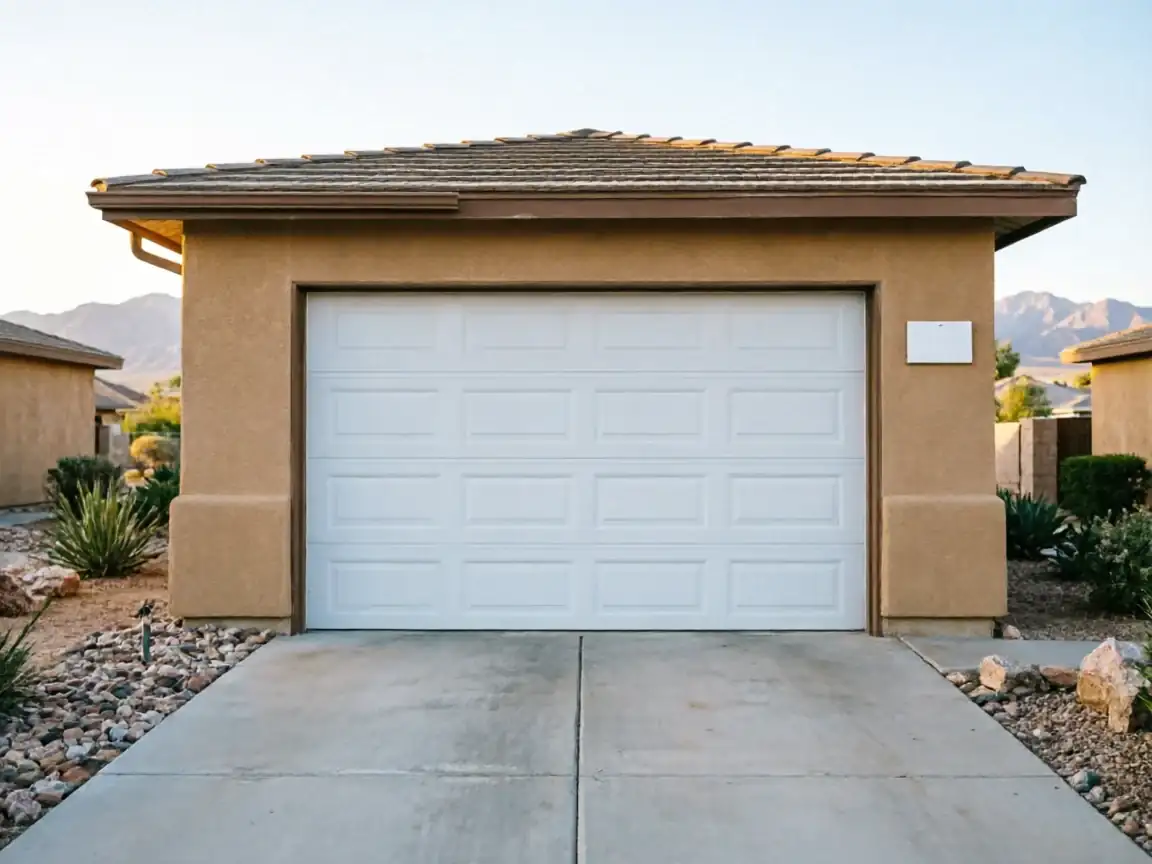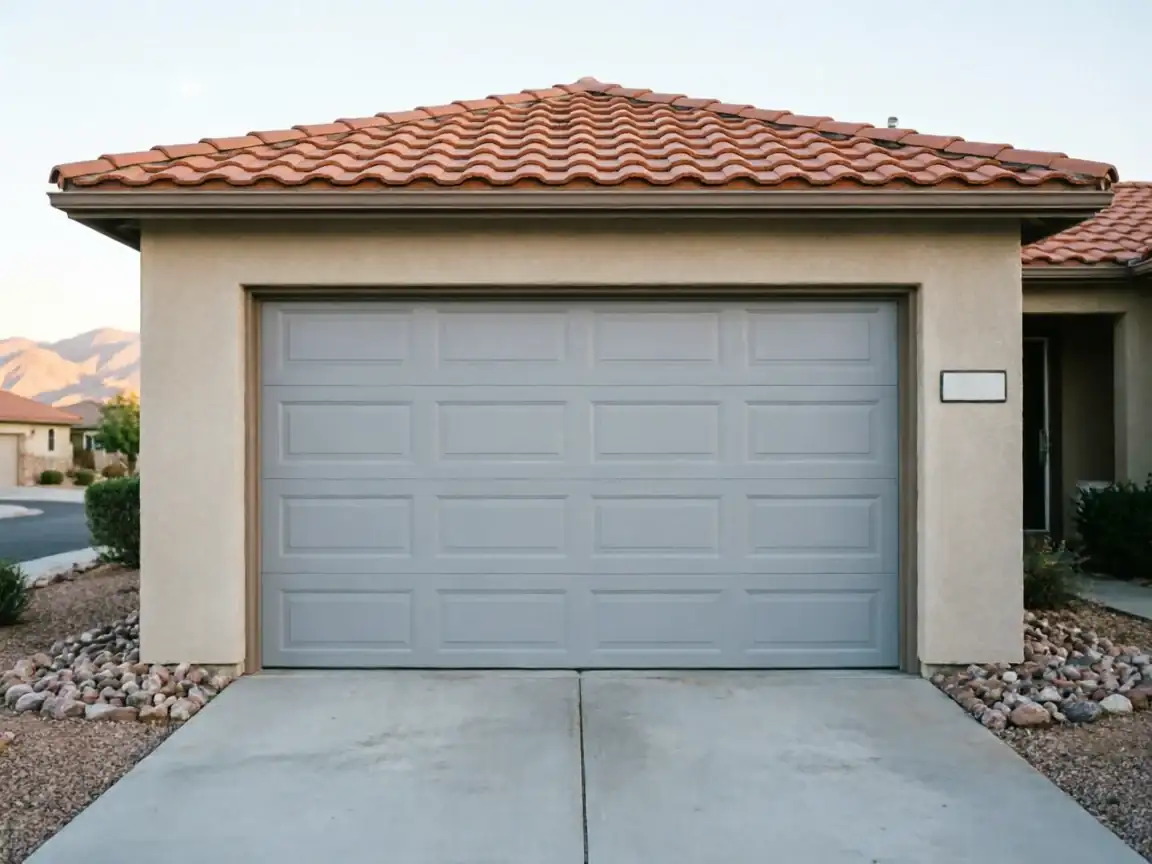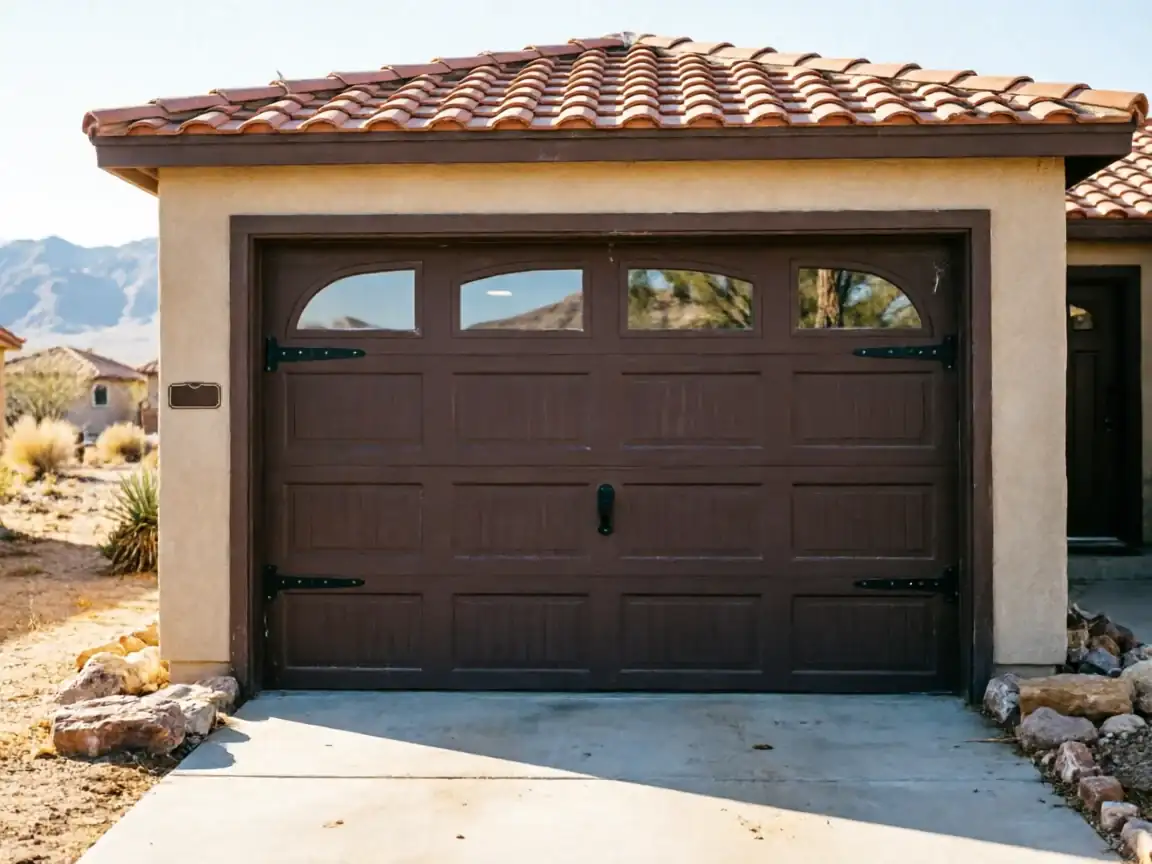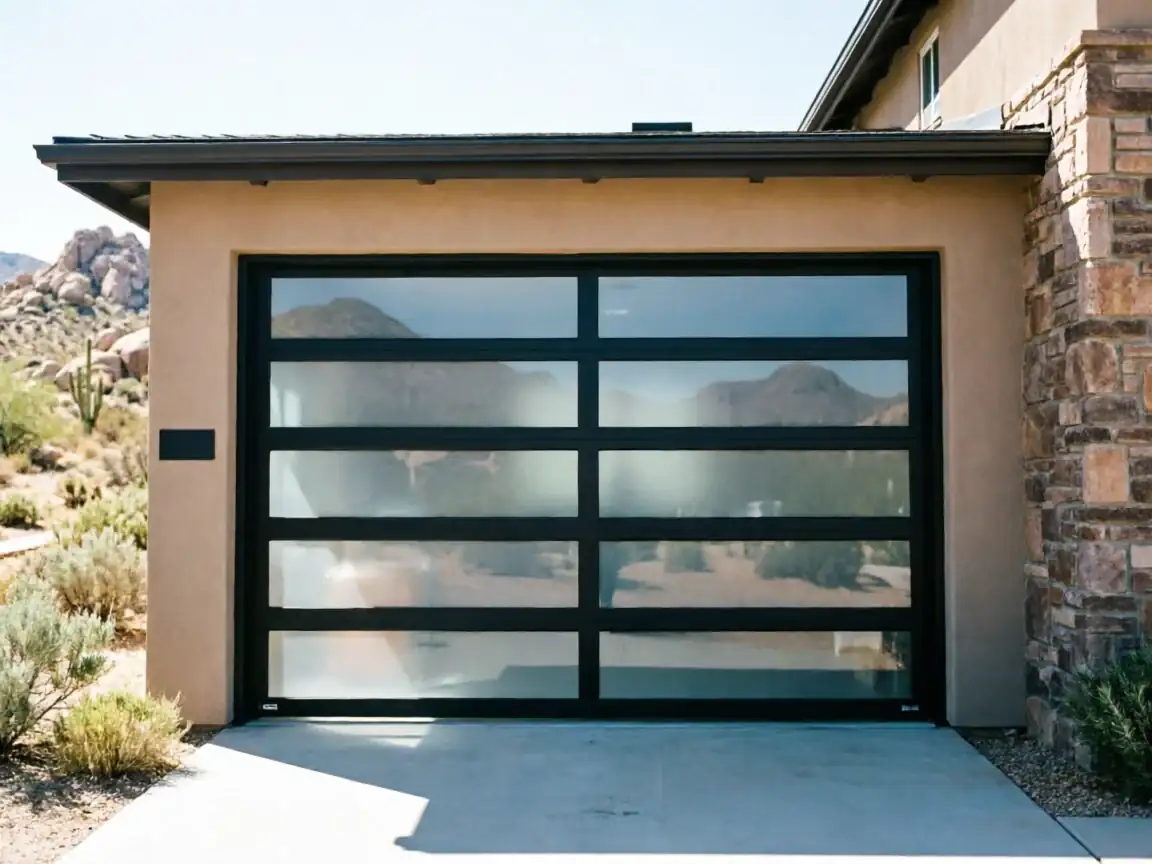
Parts We Carry
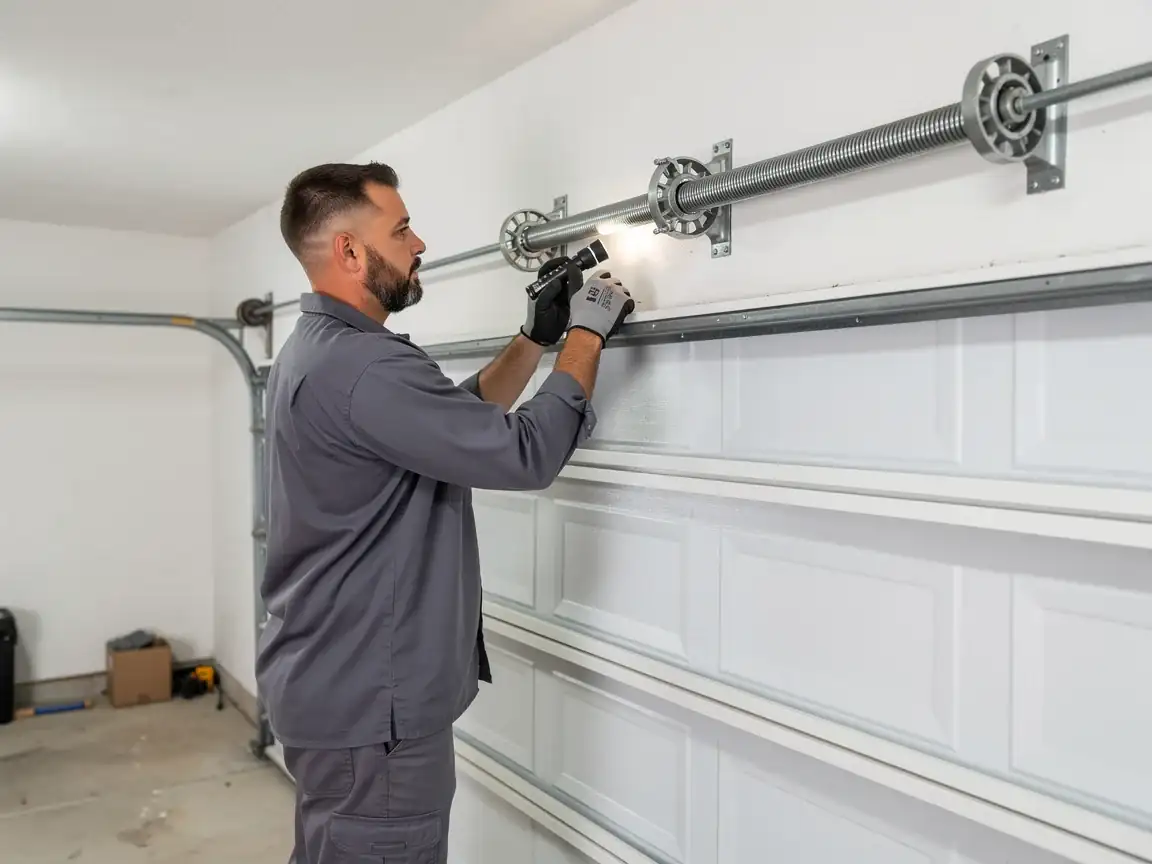
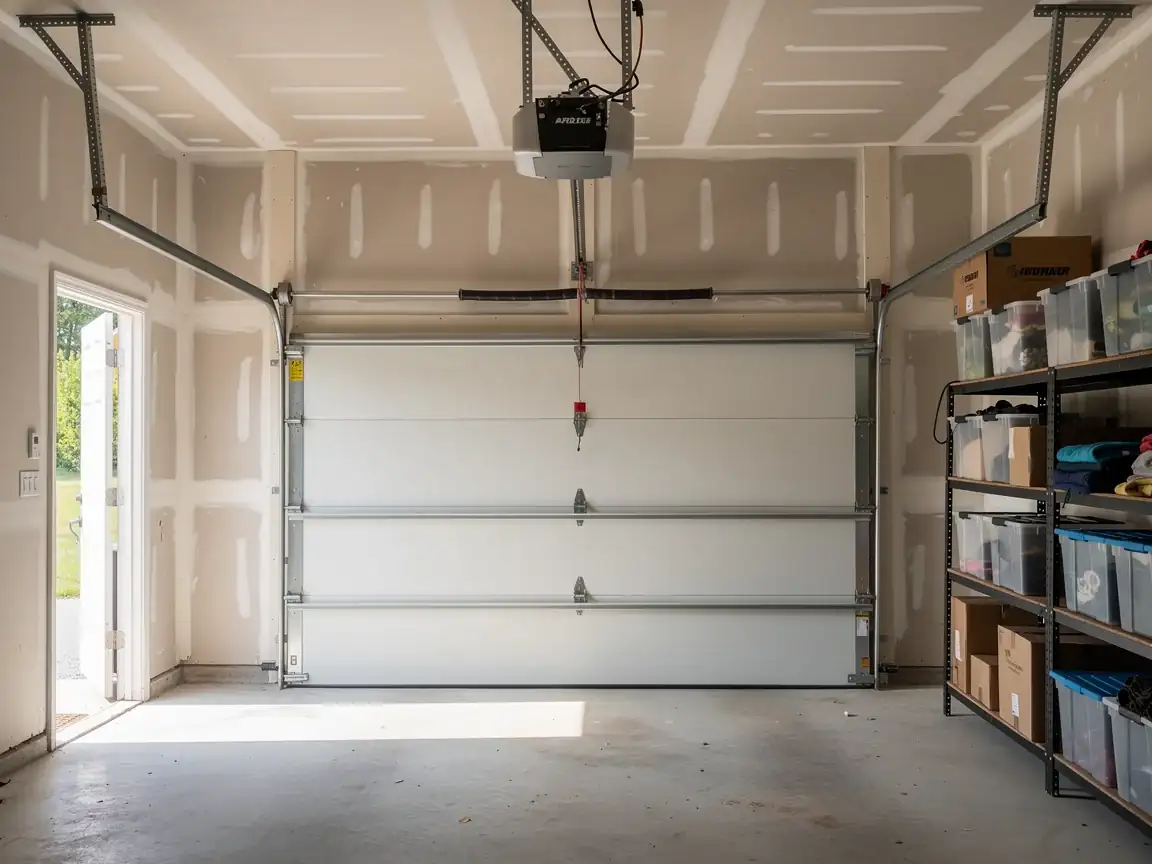
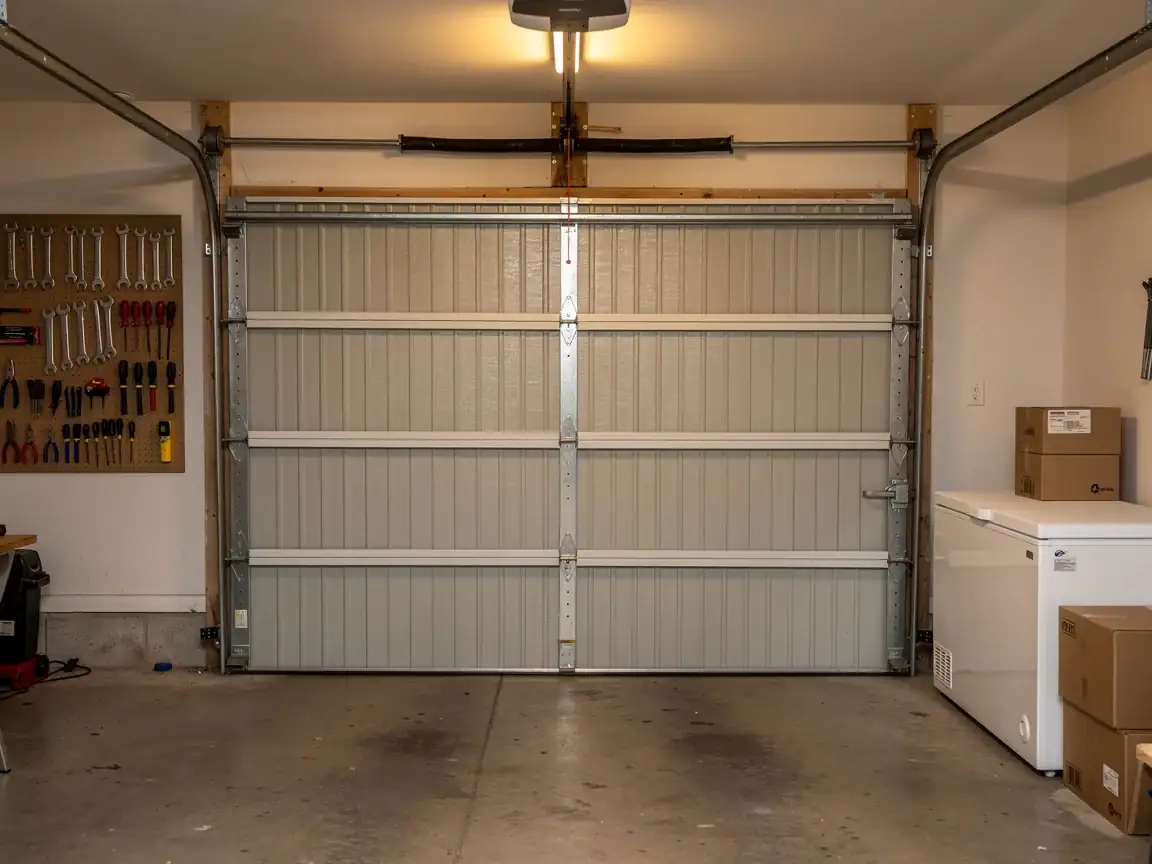
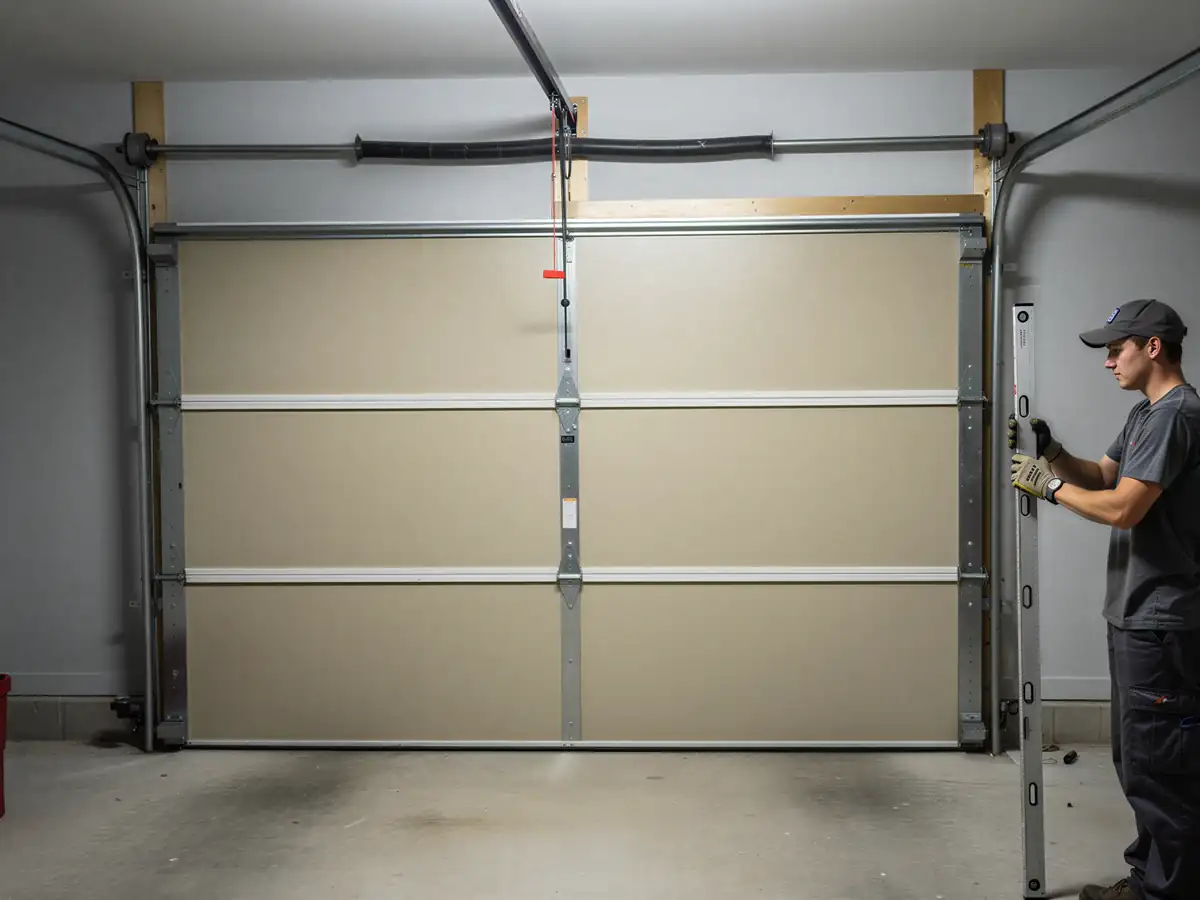
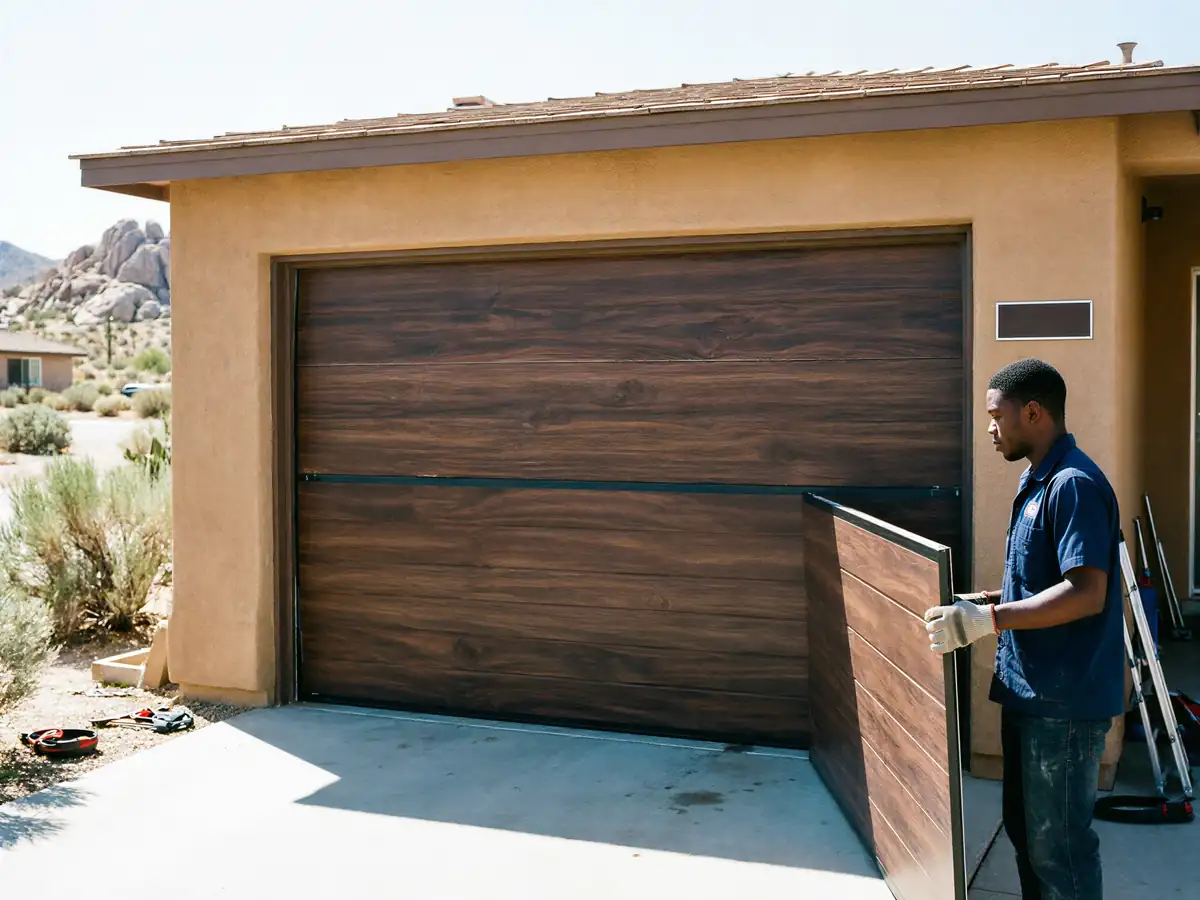
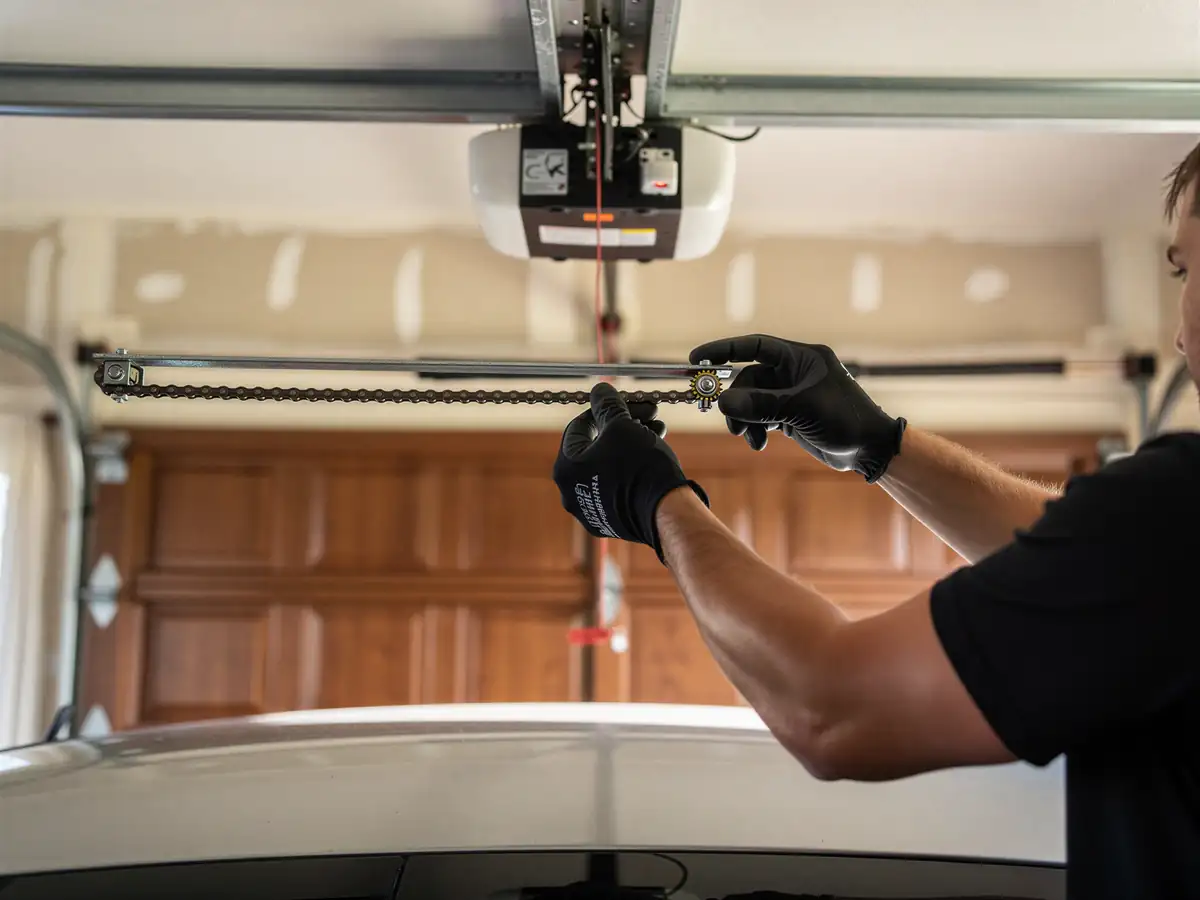
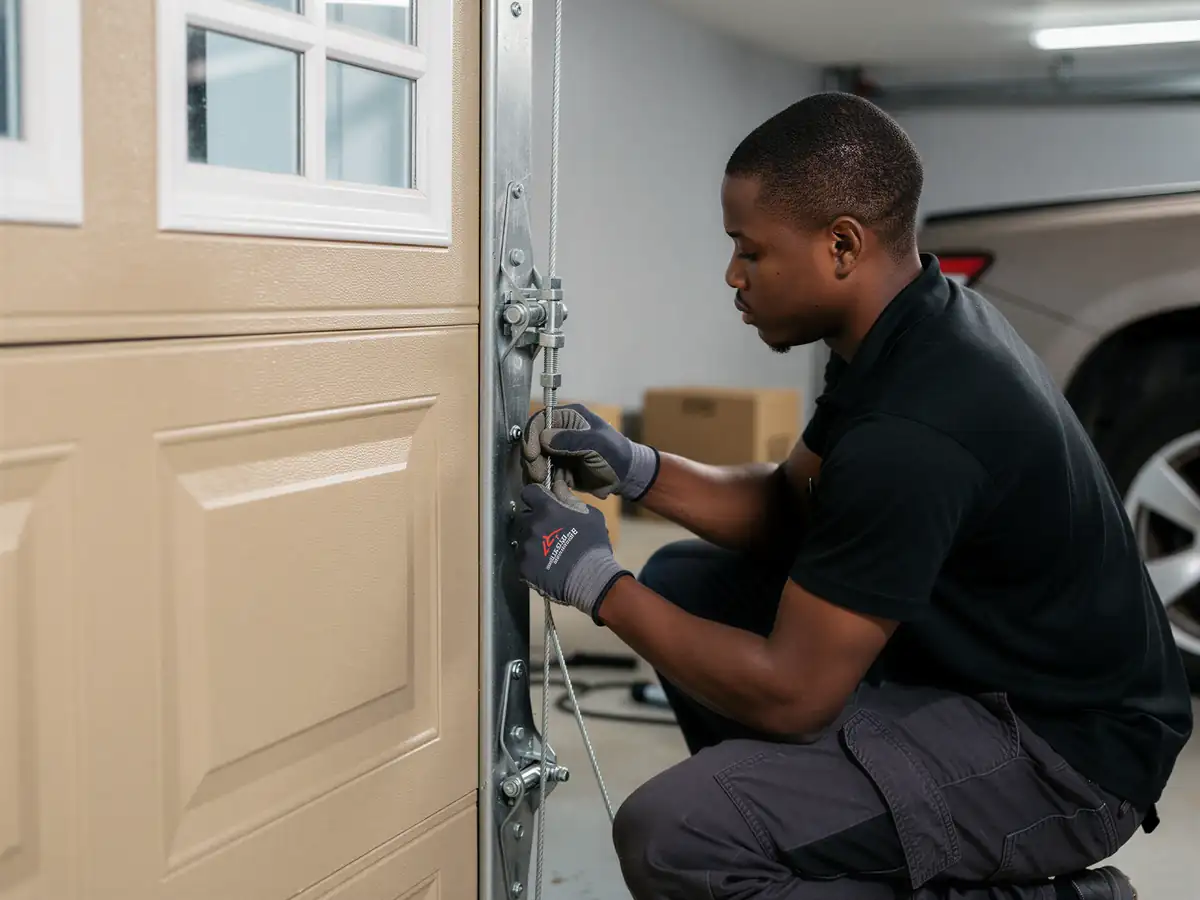
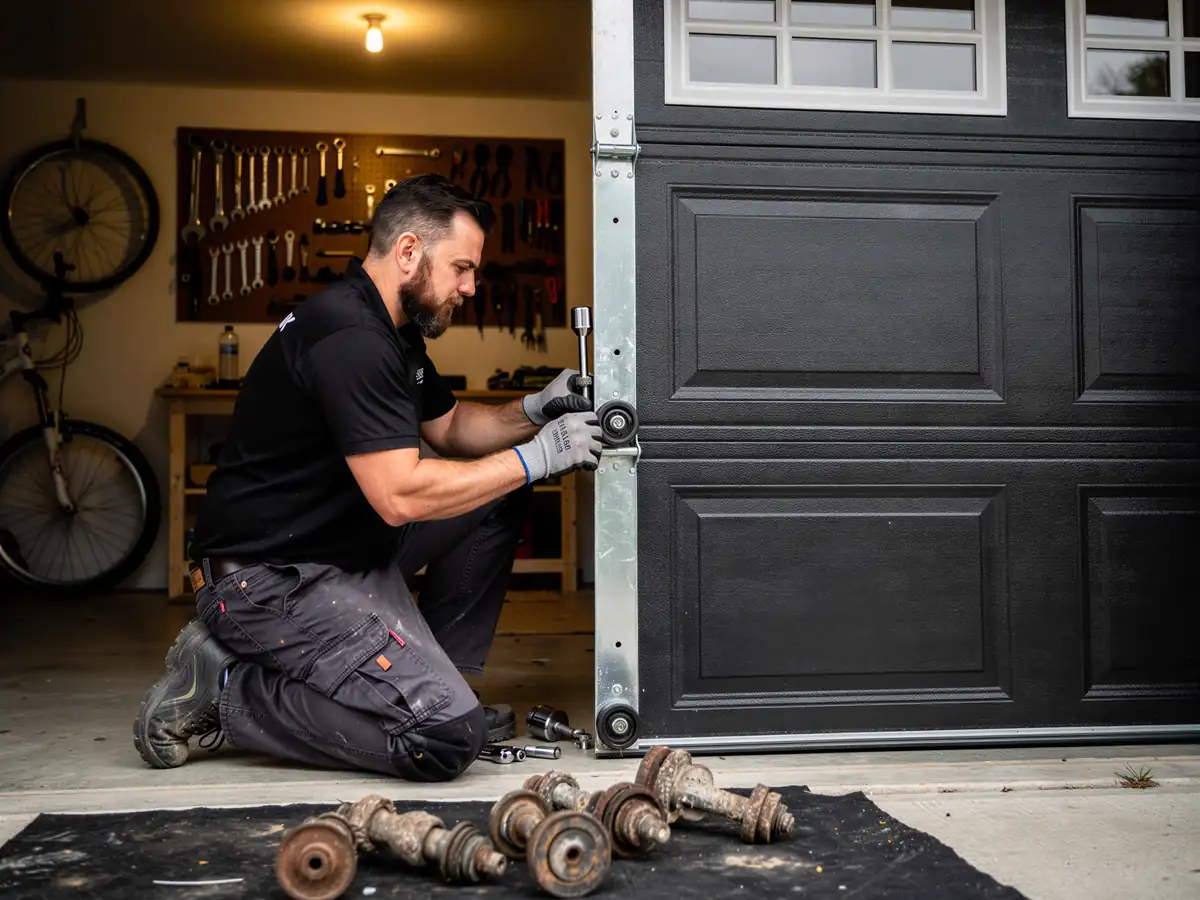
On the truck we keep the parts that fail most on a door that's jumped its track: nylon and steel rollers, replacement track sections, end bearing plates, and the hinges that tear loose when a roller binds. What we don't carry on every run is a replacement track built to match an original 1973-era doorway opening exactly - some of those openings are narrower or shorter than what's sold off the shelf today, and if your track has been bent or pulled away from the jamb, we may need to order a section cut to size rather than bolt on a stock piece. That's the honest limit: a quick re-seat is a same-visit fix, but a bent track on an older frame sometimes means a short wait on the right part. We'd rather tell you that up front than force a part that won't sit square and fails again in six months. At a median household income of $56,821 for this area, we try to steer you toward the repair that actually holds, not the one that's cheapest today and back on our schedule by spring.[1]
Can You Do This Yourself
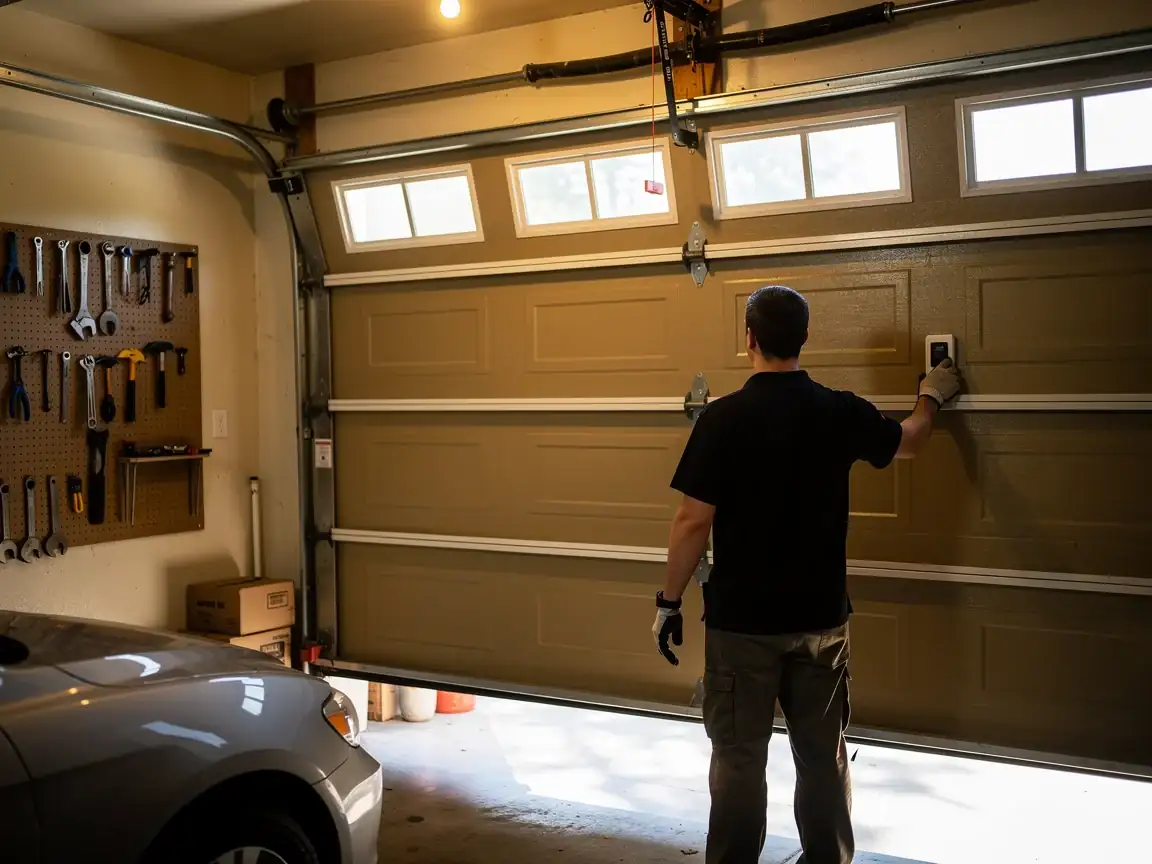
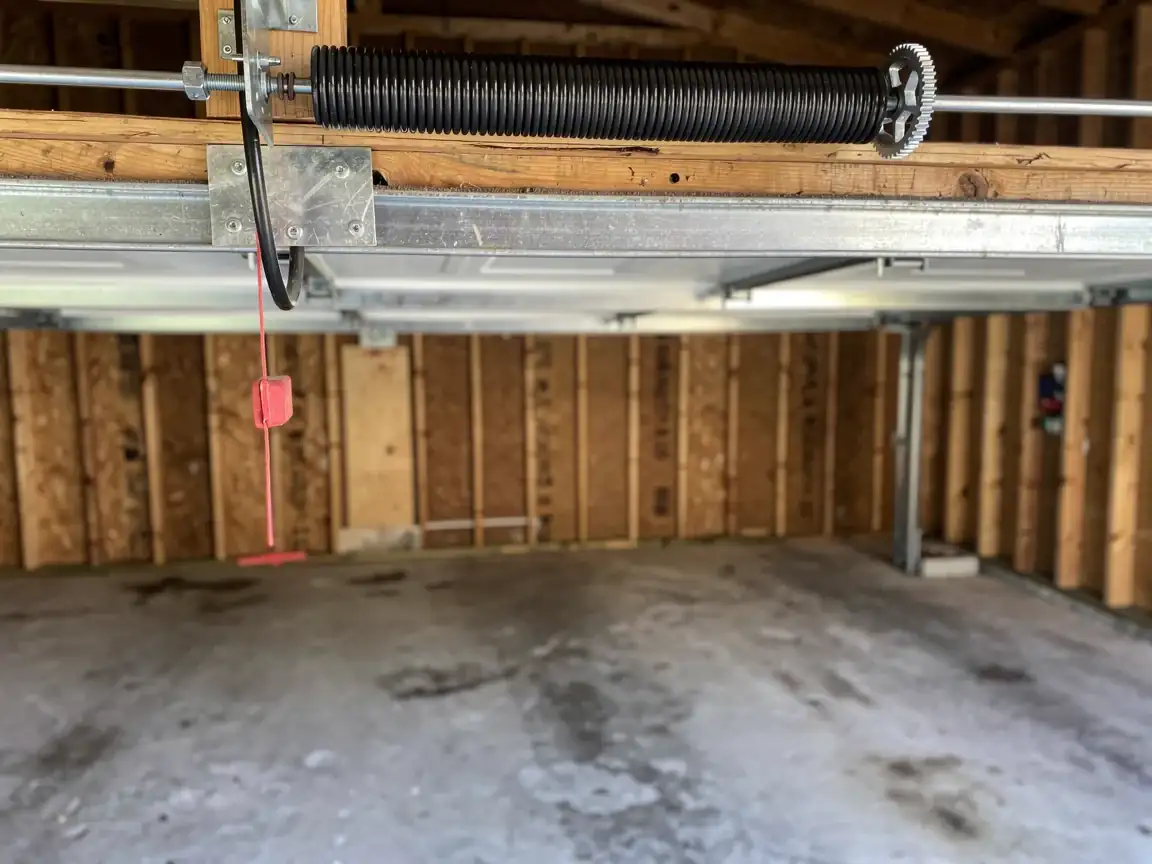
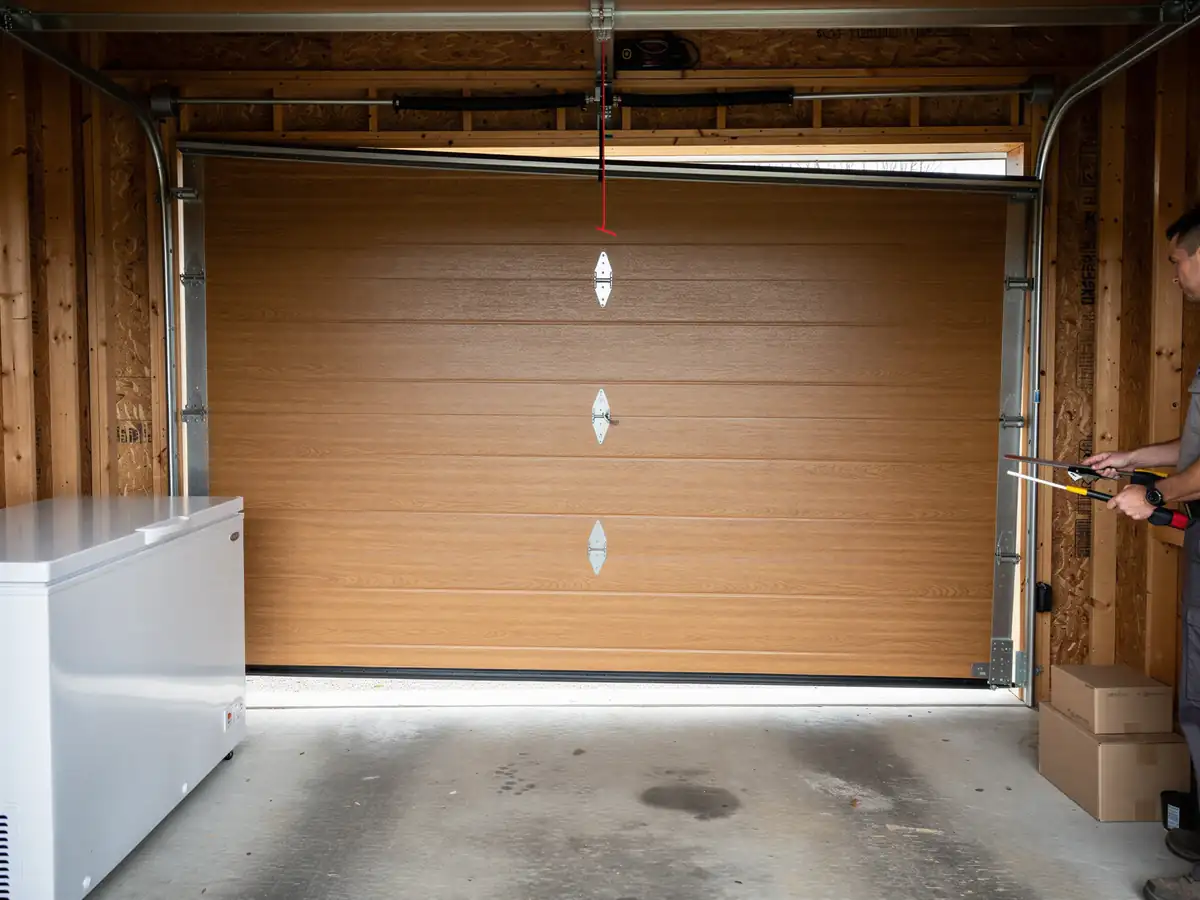
If the door is only slightly off its track and still closes most of the way, you can sometimes walk it back onto the rail yourself - disconnect the opener, lift gently, and guide the roller into the channel by hand. What you should not do is force it with the opener still engaged, or try to straighten a bent track with a pry bar. On a house from the early 1970s, the track is often older than any hardware you'd buy to fix it, and a track that looks straight can still be out of parallel by enough to throw the door again within days. If the cable has come off the drum or a spring is holding tension against a door that's cocked sideways, that's not a DIY call - that's where people lose fingers. Given the income level here, we understand the instinct to handle it yourself before paying for a visit. That instinct is fine for a light off-track slip. It's not fine once a spring or cable is involved.
Why This Fails Locally
The heat here is the long-term driver, not a single bad day. This area sits in a severe-heat climate band,[F3] and that matters for an off-track door because the repeated expansion and contraction of metal track and fasteners loosens bracket bolts faster than it would in a milder climate. On a door built to mid-1970s spec, you're also often dealing with lighter-gauge track than what's standard now, so the margin before it bends under stress is smaller. Combine thirty-plus years of that heat cycle with original hardware that was never upgraded, and a bracket that's one summer away from pulling loose isn't unusual. It's not that anyone did anything wrong - it's just what happens to track hardware that's outlasted its expected service life in a hot climate.
Getting It Booked In
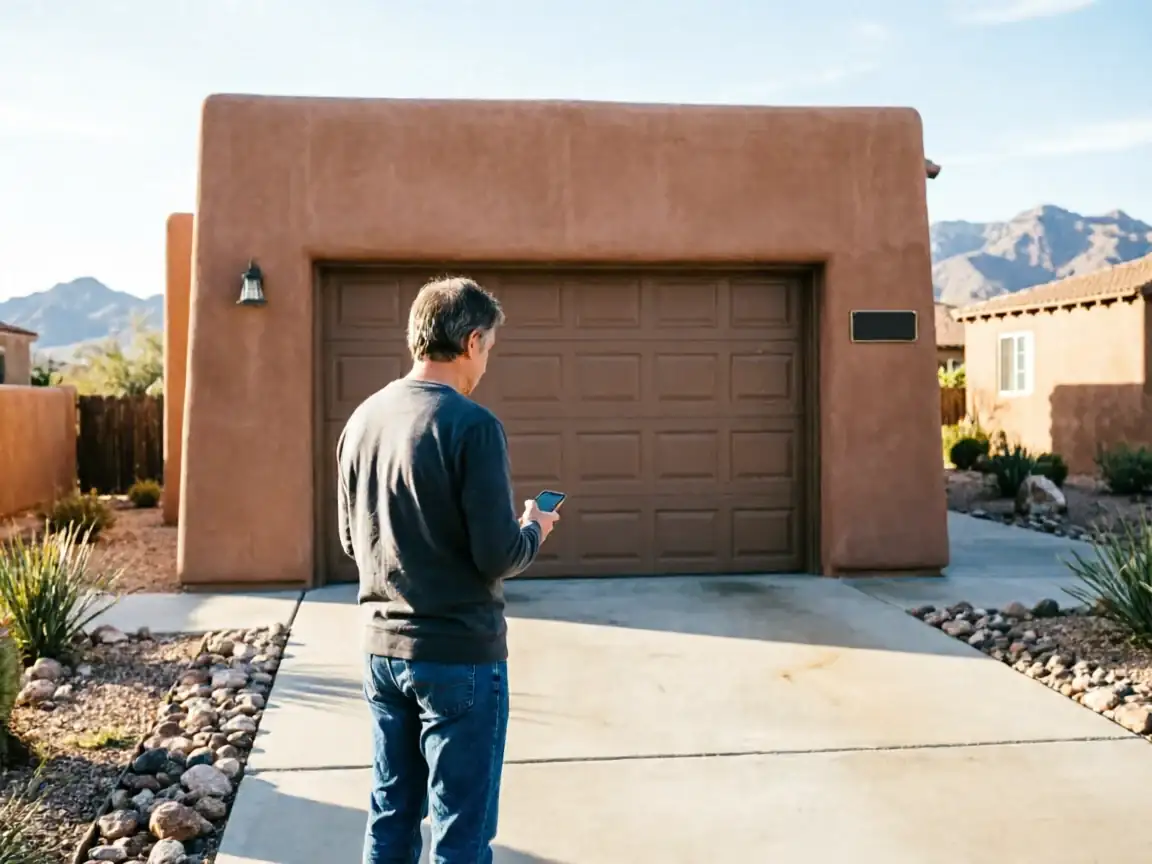
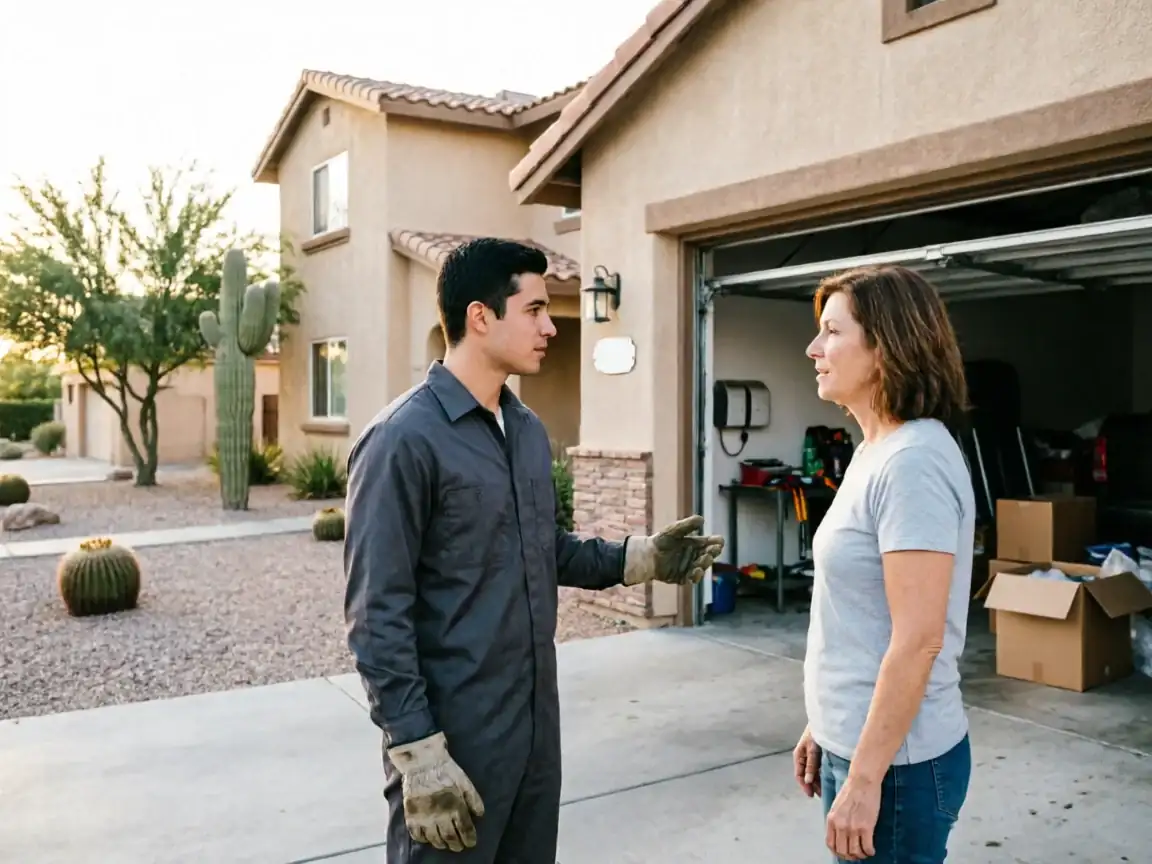
We come out from Palm Springs, so getting a job booked means scheduling a visit rather than a walk-in counter - there's no branch office here in Morongo Valley. When you call, it helps to tell us whether the door still moves at all, whether it's one side or both that's jumped the track, and roughly how old the door is if you know it. That lets us bring the right rollers and bracket hardware instead of guessing. If your opener is still trying to drive a door that's off its rail, switch it off at the wall before we arrive - that alone prevents most of the damage that turns a simple re-seat into a track replacement. You can see what we cover in this area on our coverage page, and if the issue turns out to be broader than the track itself, our main off-track repair page covers the service in full.