The Complications
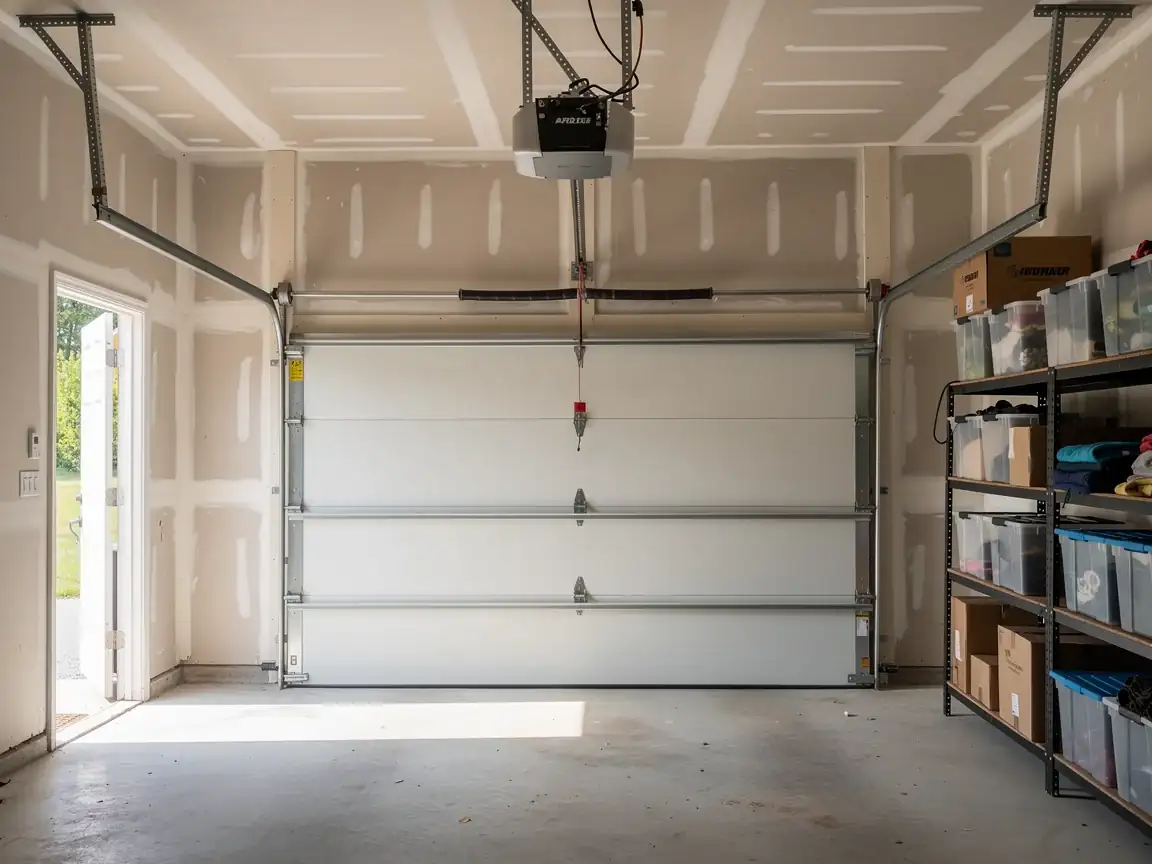
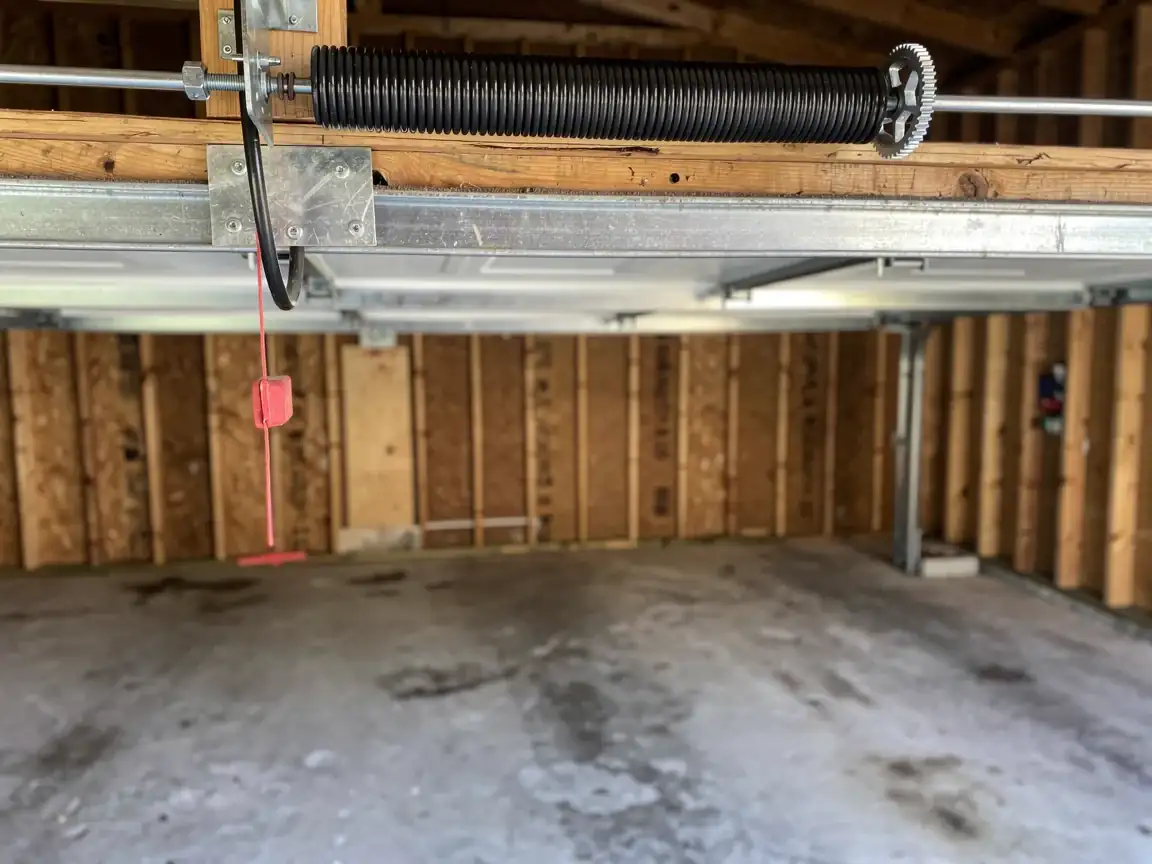
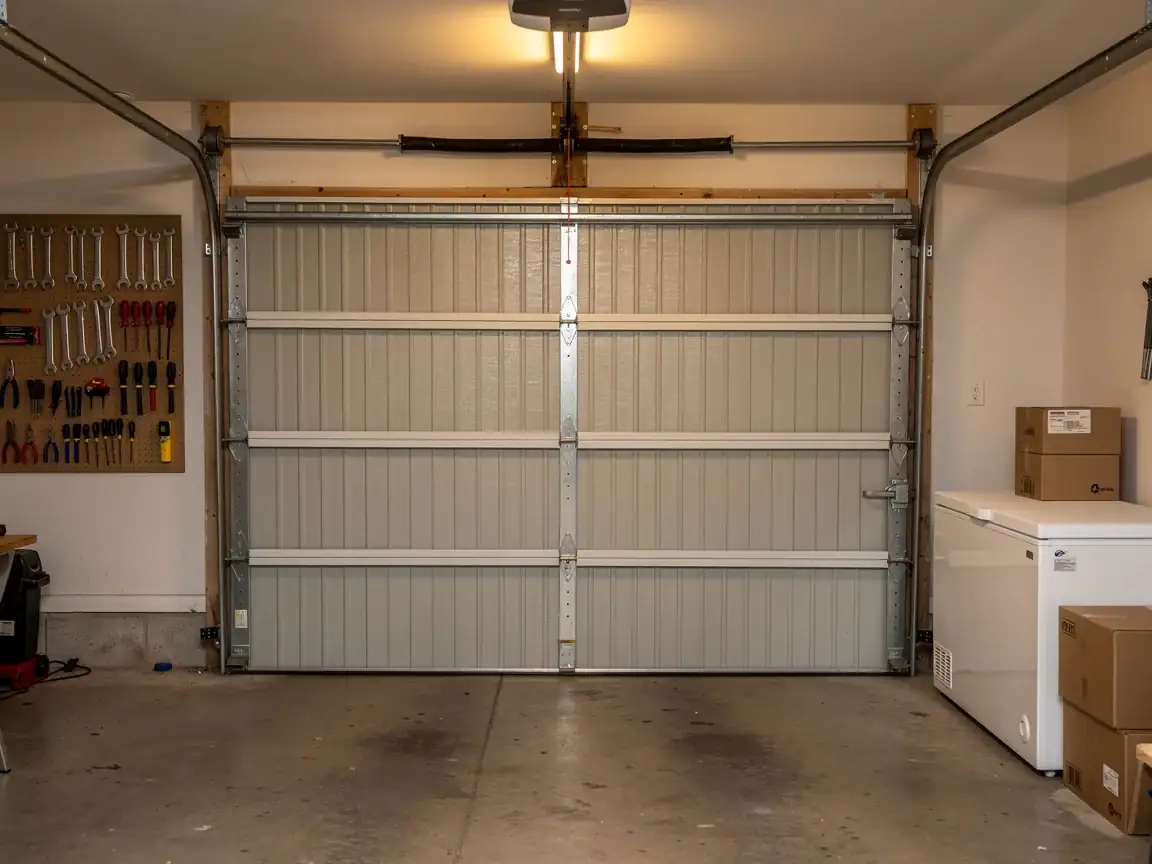
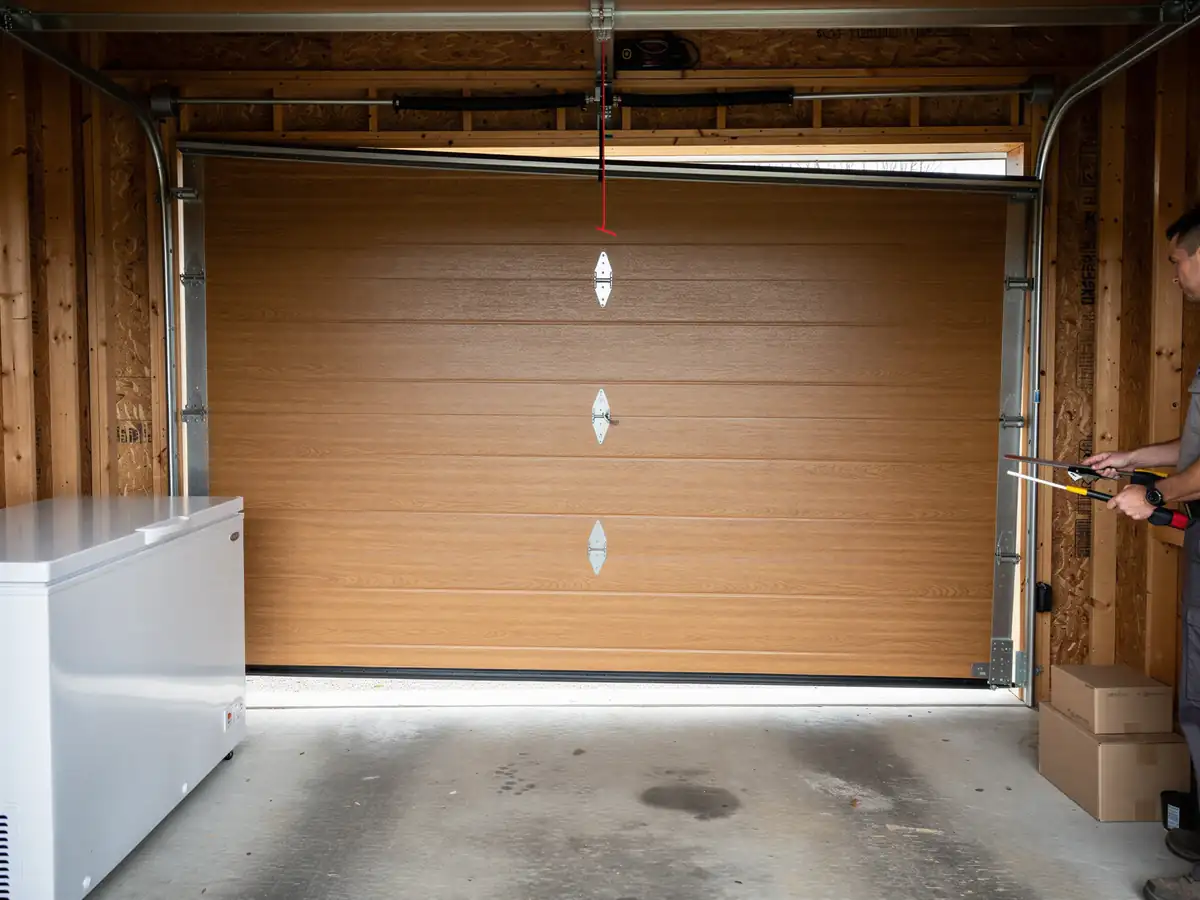
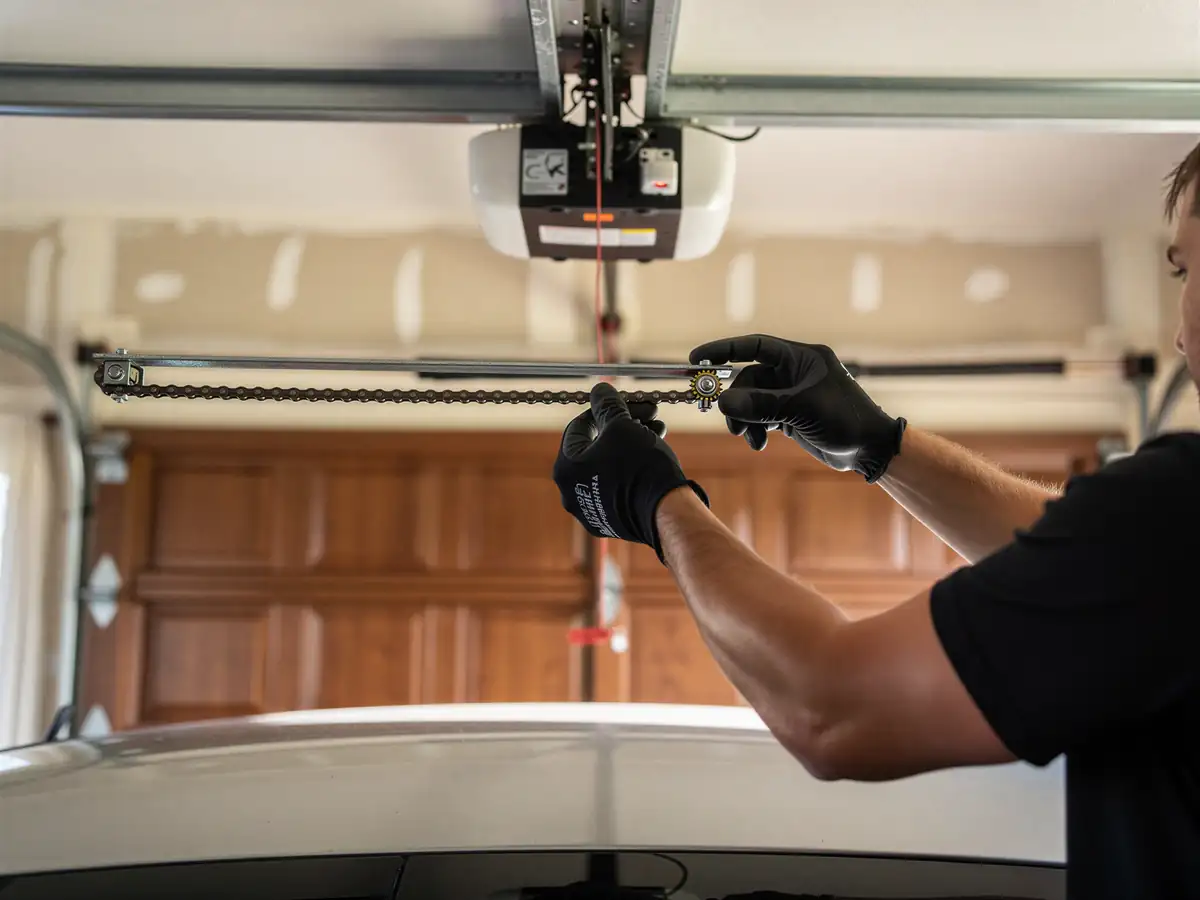
The median year built in Idyllwild-Pine Cove is 1968, eighteen years ahead of the 1986 median for the rest of our service area. That matters more for openers than for almost anything else on the door. A chain-drive unit from the late 1960s or early 1970s, if it's still running, was never designed to talk to a modern safety sensor or a rolling-code remote, and a lot of these units were swapped once, in the 1980s or 1990s, and never touched again. So what we actually find on a call here is a mix: original brackets and rail still bolted to framing that's over fifty years old, paired with an opener that's only forty, paired with a wall button that might be original to neither. Each piece ages differently, and a repair that assumes they're all the same vintage usually isn't a repair, it's a second trip. With only 1,623 households in this community, there isn't a dense cluster of identical tract-built garages the way there is elsewhere in the service area - every job here starts with figuring out what's actually behind the motor housing before we touch it.
The Cost of This Job
We're not going to put a number here that we can't back up, and nobody local benefits from us pretending otherwise. What we can say honestly: the median household income in Idyllwild-Pine Cove is $83,205, well above the $69,704 median across the wider service area, and that gap shows up in how jobs get decided here. Homeowners in this town are more likely to ask us to repair a working-but-tired opener rather than replace it outright, and more likely to ask for the part number before we quote anything. That's a fair way to run the conversation. The honest limitation is this: if your opener predates the mid-1990s, some parts for it simply aren't manufactured anymore, and a repair quote on that unit may come back as a replacement recommendation instead. We'd rather tell you that up front than sell you a patch that fails again in six months.
Getting It Booked In
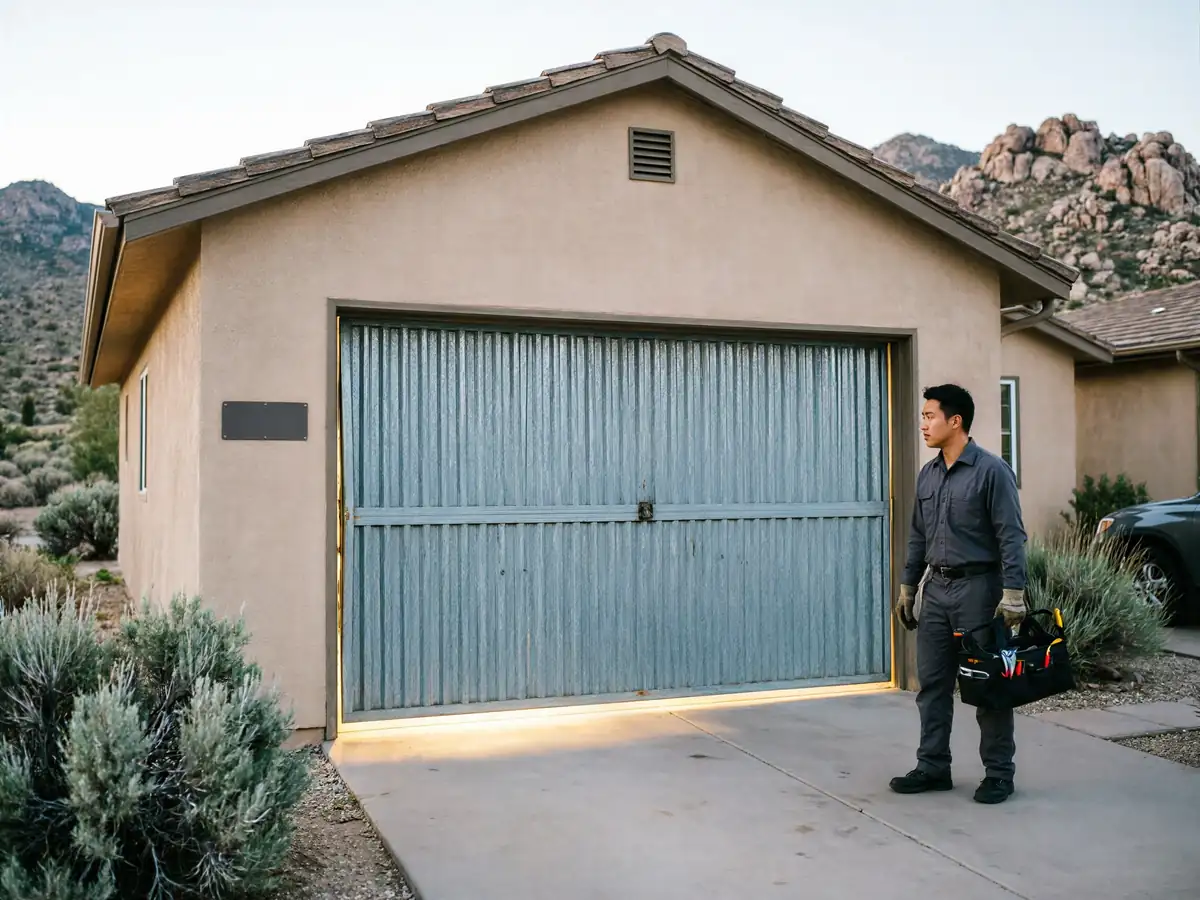
We cover Idyllwild-Pine Cove from Palm Springs, 12 miles out, so a visit here gets scheduled rather than walked up to. There's no branch or depot in town - we don't claim one, and we're not going to invent a response time we can't guarantee for a stop that far from base. When you call, it helps to have the opener's brand and, if you can see it, the model number from the housing or the manual, since that tells us what to bring on the truck for a 12-mile drive rather than ordering a part after we've already seen the unit in person. We batch calls in this part of the service area where we can, which sometimes means a slightly wider scheduling window than a closer-in stop, but it keeps the trip worth making for both of us.
Can You Do This Yourself
Reprogramming a remote or replacing the light bulb in the opener housing is reasonable to do yourself on almost any unit, old or new. Adjusting the travel limits or the force setting on an opener from the 1990s or earlier is a different matter - on those older units, the adjustment screws are often undocumented or mislabeled compared to the manual, and getting the force setting wrong on a heavy wood door means the opener strains against a door it can't safely lift, which shortens the life of the gear set fast. If the opener is original to a 1968-era garage, we'd also flag that the wiring and the mounting bracket may not meet a safe standard for a DIY swap, since bracket failures on units that old aren't always visible until the unit is already moving. Diagnosing a dead capacitor versus a failed logic board also isn't a visual call - it needs a multimeter and some patience with the actual wiring, not guesswork.